PET Personal Care Cosmetic Bottle Suppliers and Manufacturers
Source 31 PET Personal Care Cosmetic Bottle suppliers in China for OEM and ODM packaging. Compare grounded dimensions including ISO 9001 and BSCI certifications, lead times, and MOQs. Verify supplier credentials and request quotes today; review the available evidence before requesting comparable quotations from suitable candidates.
Updated
Suppliers List

Xiamen Luckypack Paper Products Co., Limited
- Verified by TUVRHEINLAND
- Manufacturer/Factory
- China Fujian
- Lead time30 days
- Avg. response≤ 6h
Main productsPaper Cup, Biodegradable Tableware, Disposable Cup, Food Box
Main marketsEastern Europe,North America,Southeast Asia

Guangzhou Amy Plastic Tube Co., Ltd.
- Verified by BV
- Combined
- China Guangdong
- Lead time30 days
- Avg. response≤ 19h
Main productsCosmetic Packaging Tube, Plastic Tube, Cosmetic Packaging, Cosmetic Tube, Aluminium Laminated Tube, Packaging Solution, Plastic Packaging, Flexible Soft Tube, Cosmetic Container
Main marketsSouth America,Africa,Southeast Asia/ Mideast,East Asia(Japan/ South Korea),Europe,Australia,North America

guangzhou huaxin plastic product co.ltd
- Verified by CTI
- Combined
- China Guangdong
- Lead time30 days
- Avg. response≤ 4h
Main productsPlastic Tube, Cosmetic Tube, Soft Tube, Plastic Tube Packaging, PE Tube, Clear Plastic Tube, Hand Cream Tube, Eye Cream Tube, Pet Bottle, Cosmetic Jar
Main marketsSouth America,Africa,Southeast Asia/ Mideast,East Asia(Japan/ South Korea),Domestic,Europe,Australia,North America

Facial Cleanser Bottle Cosmetic Pet Bottle Skincare Packaging Pet Bottle
$0.19 - $0.21
MOQ: 10000 Pieces

150ml Facial Cleanser Bottle Cosmetic Pet Bottle Skincare Packaging Pet Bottle
$0.19 - $0.21
MOQ: 10000 Pieces


2021 150ml Facial Cleanser Bottle Cosmetic Pet Bottle Skincare Packaging Pet Bottle
$0.19 - $0.21
MOQ: 10000 Pieces


YUYAO YIHE COMMODITY CO., LTD.
- Verified by TUVRHEINLAND
- Manufacturer/Factory
- China Zhejiang
- Lead time23 days
- Avg. response≤ 5h
Main products20ml Pocket Perfume Bottle with Caps, Trigger Sprayer, Lotion Pump, Mist Sprayer, Pet Bottle, Disc Top Cap, Flip Top Cap, Foam Sprayer, Foam Sprayer Bottle, Perfume Sprayer
Main marketsSouth America,Eastern Europe,Mid East,North America,Southeast Asia,Eastern Asia,Oceania,Western Europe

ningbo crown commodity co.,ltd
- Verified by SGS
- Combined
- China Zhejiang
- Lead time30 days
- Avg. response≤ 25h
Main productsPerfume Sprayer, Lotion Pump, Trigger Sprayer, Pet Bottle, Cosmetic Package, Eyeliner Package
Main marketsAfrica,Southeast Asia/ Mideast,Europe,North America

Guangzhou Shengni Plastic Products Co., Ltd.
- Verified by SGS
- Trading Company
- China Guangdong
- Lead time15 days
- Avg. response≤ 4h
Main productsPlastic Bottle, Plastic Cap, Plastic Pump, Fine Mist Sprayer, Plastic Preform, Trigger Sprayer, Cream Pump, Sprayaer Bottle, Sprayer Pump, Lotion Bottle
Main marketsAfrica,Southeast Asia/ Mideast,Europe

Ningbo Passen Technology Co., Ltd.
- Verified by BV
- Trading Company
- China Zhejiang
- Lead time30 days
- Avg. response≤ 10h
Main productsWide Mouth Jar, Cosmetic Bottle, Plastic Bottle, Cosmetic Jar, Cosmetic Packaging, Aluminum Bottle, Cream Jar, Plastic Packaging, Aluminum Jar, Lotion Bottle
Main marketsSouth America,Africa,Southeast Asia/ Mideast,East Asia(Japan/ South Korea),Europe,Australia,North America

Ningbo Xiangshu Packaging Co., Ltd.
- Verified by TUVRHEINLAND
- Trading Company
- China Zhejiang
- Lead time23 days
- Avg. response≤ 7h
Main productsPet Bottle
Main marketsSouth America,Africa,Others(foreignTradeCapacity.exportBusinessCapacityMarketOther),Southeast Asia/ Mideast,East Asia(Japan/ South Korea),Europe,North America

200ml Pet Personal Care Plastic Square Bottle Container Plastic Pet Bottle
$0.15 - $0.25
MOQ: 5000 Pieces

Zhejiang Sun-Rain Industrial Co.,ltd.
- Verified by TüVRheinland
- Manufacturer, Trading Company
- Lead time25 days
- Avg. response≤ 5h
Main productsLotion Pump, Fine Mist Sprayer, Airless Bottle, Lotion Bottle, Cream Jar
Main marketsDomestic Market(40%), North America(16%), Central America(15%)

Jinjiang Jiaxing Import and Export Co., Ltd.
- Verified by CTI
- Manufacturer/Factory
- China Fujian
- Lead time120 days
- Avg. response≤ 2h
Main productsShoes, Slipper, Clothes, Promotion Gifts, Silicone Products, Outdoor Sports Products, Bags, Fashion Accessories, Consumer Electronics
Main marketsSouth America,Eastern Europe,Mid East,North America,Southeast Asia,Eastern Asia,Oceania,Western Europe,Africa

Guangzhou Yuheng Plastic Products Co., Ltd.
- Manufacturer, Trading Company
- Guangdong, China
- Lead time45 days
- Avg. response≤ 12h
Main productsPETG Bottle,HDPE Bottle,PET Bottle,PP Bottle,PS Bottle
Main marketsNorth America(60.00%), South Asia(30.00%), Southeast Asia(10.00%)

Yuyao Yuge Commodity Packing Co., Ltd.
- Verified by SGS
- Combined
- China Zhejiang
- Lead time15 days
- Avg. response≤ 7h
Main productsLotion Pump, Trigger Sprayer, Plastic Cap, Cosmetic Packaging
Main marketsSouth America,Europe,Australia,North America

Guangzhou Junyue Packaging Products Co., Ltd.
- Manufacturer
- Guangdong, China
- Lead time30 days
- Avg. response≤ 2h
Main productsPET Bottle,PETG Bottle,PE Bottle,Plastic Bottle,Cosmetic Packaging
Main marketsDomestic Market(58.00%), North America(10.00%), Eastern Asia(5.00%), Southeast Asia(5.00%), Oceania(5.00%), Mid East(3.00%), South Asia(3.00%), Western Europe(3.00%), South America(2.00%), Northern Europe(2.00%), Africa(1.00%), Central America(1.00%), Southern Europe(1.00%), Eastern Europe(1.00%)

Guangzhou Huadu District Fengxin Plastic Products Factory
- Manufacturer
- China Guangdong
- Lead time23 days
- Avg. response≤ 3h
Main productsPet Plastic, Pet Tube, Pet Bottle, Pet Jar, HDPE Bottle, PVC Bottle, Acrylic Bottle, Acrylic Jar, Airless Bottle, Plastic Tube
Main marketsSoutheast Asia/ Mideast,Europe,Australia,North America


150ml Cosmetic Pet Plastic Lotion Packaging Bottle for Beauty Products
$0.25 - $0.30
MOQ: 10000 Pieces


Impac International Trading Co., Ltd. (zhangjiagang)
- Verified by Intertek
- Trading Company
- Lead time30 days
- Avg. response≤ 4h
Main productsAcrylic Bottles And Jars, Plastic Bottles And Jars, Glass Bottles And Jars, Cosmetic Packaging, Spray Bottles
Main marketsNorth America(45%), Western Europe(25%), South America(8%)
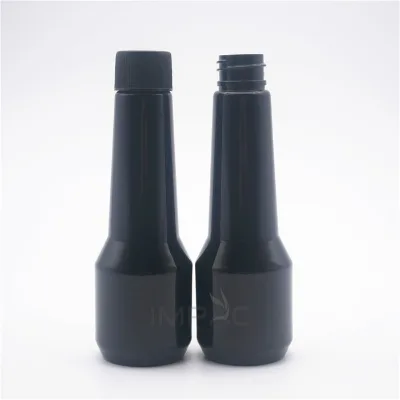
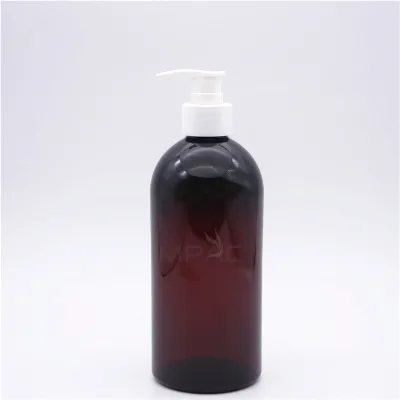
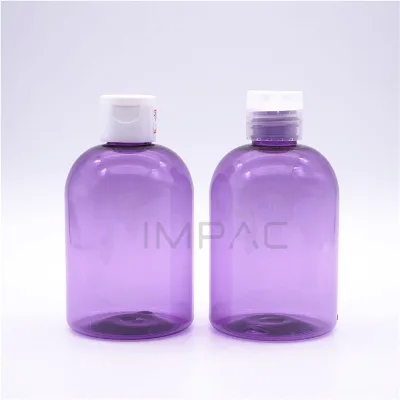
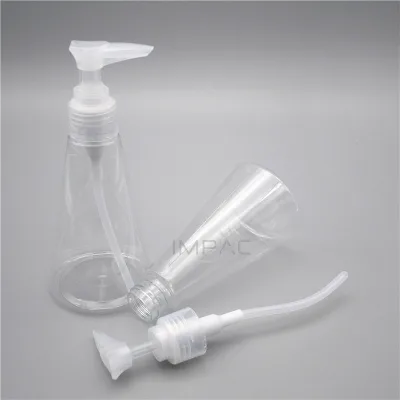
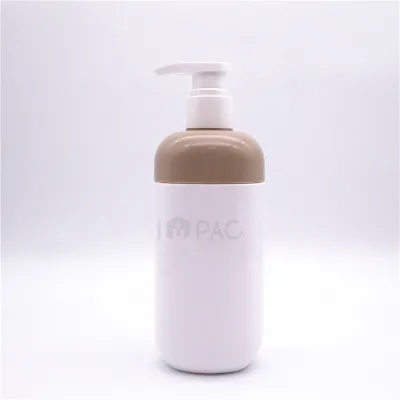
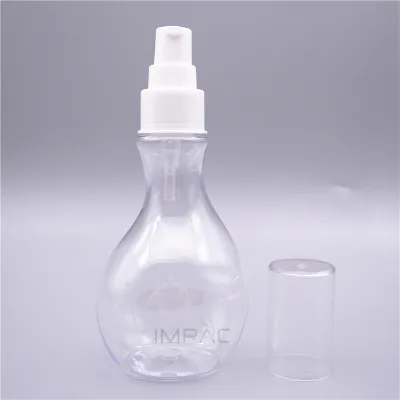
cone transparent cosmetic plastic body lotion pet bottle with clip pump 180ml
$0.2603 - $0.4668
MOQ: 10 Minimum
Shanghai Bropack Trade Co., Ltd.
- Trading Company
- Shanghai, China
- Lead time30 days
- Avg. response≤ 2h
Main productsPlastic Jar, Plastic Cap, Plastic Bottle, Airless Jar, Plastic Pump
Main marketsNorth America(30.00%), Western Europe(30.00%), Southeast Asia(20.00%), Eastern Europe(10.00%), Northern Europe(5.00%), Mid East(5.00%)
Guangzhou Lejiahong Packaging Co., Ltd.
- Trading Company
- Guangdong, China
- Lead time20 days
- Avg. response≤ 2h
Main productsAirless Pump Bottle, Plastic Spray Bottle, Plastic Cream Jar, Plastic Lotion Tube, Cosmetic Packaging
Main marketsDomestic Market(7.14%), South Asia(7.14%), Southern Europe(7.14%), Northern Europe(7.14%), Central America(7.14%), Western Europe(7.14%), Eastern Asia(7.14%), Mid East(7.14%), Oceania(7.14%), Africa(7.14%), Southeast Asia(7.14%), Eastern Europe(7.14%), South America(7.14%), North America(7.14%)
Jiangyin Shuanghui Plastic Packaging Co., Ltd.
- Verified by TüVRheinland
- Manufacturer, Trading Company
- Lead time45 days
- Avg. response≤ 3h
Main productsPlastic Film, Plastic Bags, Plastic Preforms
Main marketsDomestic Market(80%), North America(6%), Mid East(4%)

Ningbo Langyi Plastic Industry Co., Ltd.
- Verified by TUVRHEINLAND
- Combined
- China Zhejiang
- Lead time23 days
- Avg. response≤ 3h
Main productsCosmetic Packaging, Trigger Sprayer, Mist Sprayer, Lotion Pump, Cream Pump, Cosmetic Bottle, Acrylic Bottle, Airless Bottle, Cream Jar, Packaging Bottles
Main marketsSouth America,Southeast Asia/ Mideast,Europe
Guangzhou Idealpak Plastics Sales Center
- Verified by SGS Group
- Trading Company
- Lead time30 days
- Avg. response≤ 6h
Main productsCosmetic Packaging, Plastic Jars, Plastic Tubes, PET Bottles, Injection Products
Main marketsNorth America(35%), Oceania(15%), Western Europe(15%)
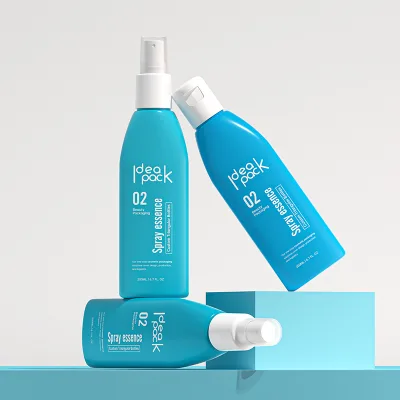
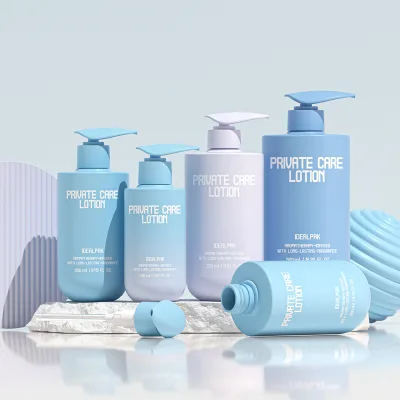
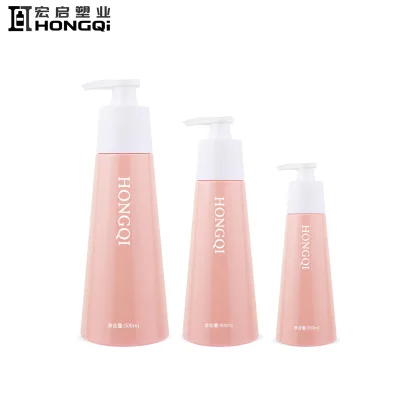
Eco Friendly Triangle Pet Plastic Cosmetic Lotion Packaging Bottle 200ml with Pump
$0.1855 - $0.2364
MOQ: 10000

Chongqing Xinjitai Pharmaceutical Sprayer & Pump Co., Ltd.
- Verified by SGS
- Combined
- China Chongqing
- Lead time23 days
- Avg. response≤ 7h
Main productsNasal Sprayer, Oral Sprayer, Topical Sprayer, Throat Sprayer, Nasal Spray Pump, Oral Spray Pump, Throat Spray Pump, Nasal Spray Bottle
Main marketsSouth America,Others(foreignTradeCapacity.exportBusinessCapacityMarketOther),Southeast Asia/ Mideast,Europe,North America

- Verified by BV
- Trading Company,Manufacturer/Factory
- China Zhejiang
- Lead time45 days
- Avg. response≤ 4h
Main productsPet Bottles, PP_PE Bottles, Plastic Tubes, Sustainable Packaging, R&D Service, PCR Pacakgaing, Sugarcane Packaging, Mono Material Packaging, Abl Tubes, Aluminum Tubes
Main marketsSouth America,Eastern Europe,Mid East,North America,Southeast Asia,Eastern Asia,Oceania,Western Europe,Africa

$0.01 - $1.00
MOQ: 10000 Pieces


Guangzhou Winly Packaging Products Co., Ltd.
- Verified by CTI
- Trading Company
- China Guangdong
- Lead time15 days
- Avg. response≤ 4h
Main productsCosmetic Packaging Pet Bottle, HDPE LDPE Bottle, Glass Bottle, Paper Boxes, Airless Bottle, Make-up Tools
Main marketsSoutheast Asia/ Mideast,Europe,North America
Guangzhou Huaxin Plastic Product Co., Ltd.
- Manufacturer, Trading Company
- Lead time旺季: "1 - 5000":15,"5001 - 200000":25,"> 200000":"To be negotiated", 淡季: "1 - 5000":15,"5001 - 200000":25,"> 200000":"To be negotiated"
- Avg. response≤ 3h
Main productsCosmetic Packing, Plastic Tube, PET Bottle, PET Jar, Emulsion Distributor
Zhejiang Ukpack Packaging Co., Ltd.
- Manufacturer
- Zhejiang, China
- Lead time35 days
- Avg. response≤ 1h
Main productsAirless Bottle,Cosmetic Pump Bottle,Cream Jar,Syrup Pump,Sauce Pump
Main marketsNorth America(40.00%), Domestic Market(30.00%), Western Europe(30.00%)
Ningbo Shiny Packaging Co., Ltd.
- Verified by Intertek
- Trading Company
- Lead time35 days
- Avg. response≤ 4h
Main productsPET Bottle, Cream Jar, Mist Pump, Lotion Pump, Airless Bottle
Main marketsWestern Europe(35%), North America(22%), Southeast Asia(15%)
- Verified by SGS Group
- Trading Company
- Lead time10 days
- Avg. response≤ 2h
Main productsPET Bottle, Powder Spray Bottle, Cosmetic Bottle, Glass Bottle, Continuous Spray Bottle
Main marketsNorth America(37%), Domestic Market(10%), Eastern Europe(8%)
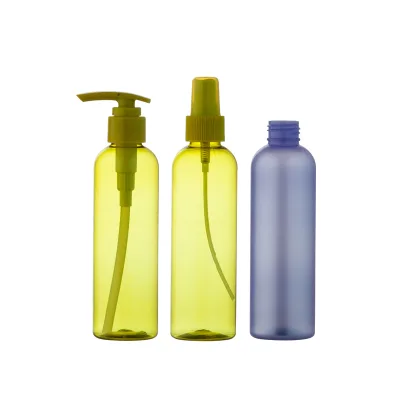
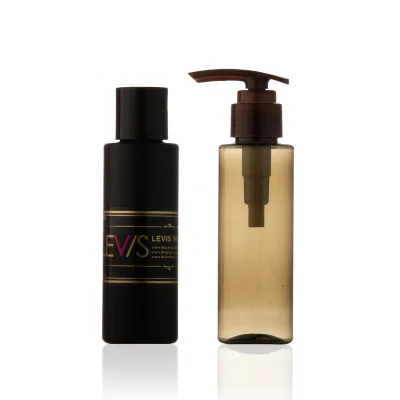
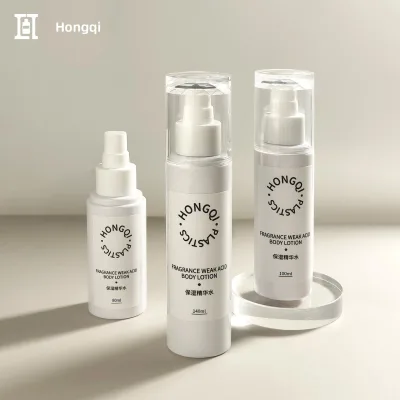
110ml Customized Color Plastic Body Lotion Bottle and Jar Packaging
$0.1022 - $0.5116
MOQ: 10000 Minimum
Guangzhou Maker Cosmetic Packaging Material Co., Ltd.
- Verified by SGS Group
- Trading Company
- Lead time30 days
- Avg. response≤ 1h
Main productsPlastic Bottles , Plastic Jars, Cosmetic Tubes, Glass Bottles, Glass Jars
Main marketsNorth America(23%), Western Europe(21%), Mid East(19%)
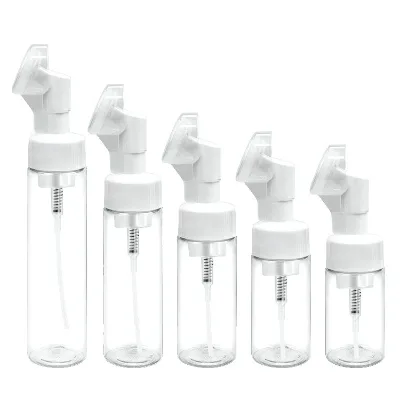
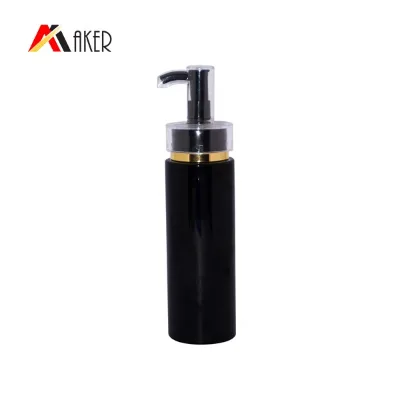
New Arrived Custom Color 100ml 120ml 150ml 200ml 250ml Plastic Round Pet Cosmetic Lotion Pump Bottle
$4.00 - $5.80
MOQ: 10000 pieces
$0.9215 - $2.057
MOQ: 100 Minimum

Kinpack(Ningbo) Packaging Technology Co., Ltd.
- Manufacturer/Factory
- China Zhejiang
- Lead time23 days
- Avg. response≤ 9h
Main productsAirless Bottle, Glass Bottle, Trigger Sprayer
Main marketsSouth America,Eastern Europe,Mid East,North America,Southeast Asia,Eastern Asia,Oceania,Western Europe,Africa

SHAOXING SHANGYU MANLIJIN PACKAGING CO., LTD.
- Manufacturer/Factory
- China Zhejiang
- Lead time23 days
- Avg. response≤ 1h
Main productsPlastic Tube, Cosmetic Packaging, Cosmetic Tube, Cosmetic Bottle, Paper Box, Tin Box, Plastic Bottle, Soft Tube, Plastic Packaging
Main marketsSouth America,Eastern Europe,Mid East,North America,Southeast Asia,Eastern Asia,Oceania,Western Europe,Africa

Custom 150ml Pet Lotion Bottle Cosmetic Packaging Bottle Cleansing Oil Bottle
$0.30 - $0.50
MOQ: 10000 Pieces

High-Quality 50ml Eco-Friendly Plastic Spray Bottle Cosmetics Packaging Bottle
$0.30 - $0.50
MOQ: 10000 Pieces
Dongguan Baihui Plastic Products Co., Ltd.
- Manufacturer, Trading Company
- Guangdong, China
- Lead time35 days
- Avg. response≤ 9h
Main productspcr product,Plastic bottle,Plastic jar,plastic lid
Main marketsNorth America(34.00%), Southeast Asia(10.00%), Eastern Europe(10.00%), Domestic Market(10.00%), Eastern Asia(8.00%), Southern Europe(6.00%), Northern Europe(5.00%), Mid East(5.00%), South America(5.00%), Western Europe(4.00%), Oceania(3.00%)




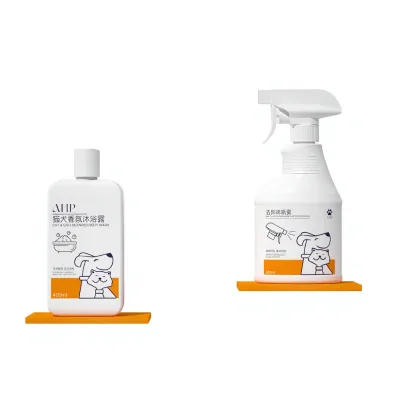
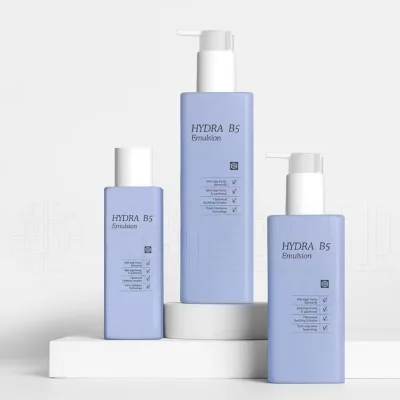


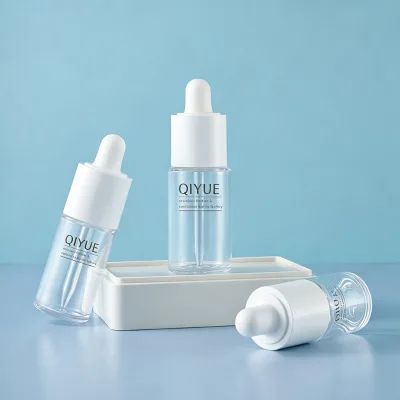
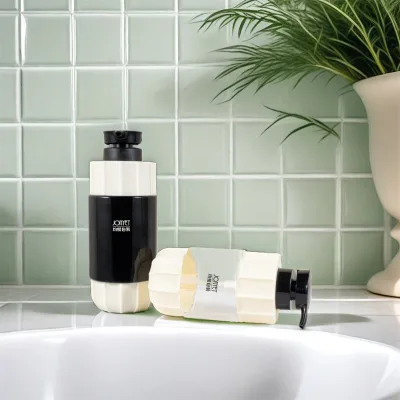




Comprehensive Sourcing Guide
PET Personal Care Cosmetic Bottle Supplier Concentration and Factory Types
When sourcing PET bottles for personal care and cosmetics, buyers typically encounter two broad supplier archetypes: dedicated plastic bottle manufacturers and combined producers whose core catalog centers on tubes, jars, and flexible packaging but who also list PET bottles as an adjacent line. Both types appear in current search results. One manufacturer-type supplier based in Fujian lists main products spanning disposable tableware and cups yet also shows multiple PET cosmetic bottle listings, while a Guangdong combined company whose headline products are cosmetic tubes and PE tubes offers PET bottles for personal care and facial cleansing packaging. This tells you that a supplier's main-product label is not a reliable proxy for bottle capability—you must check the actual product listings.
Concentration patterns in this category matter because packaging clusters tend to form around plastics-processing regions, but you should not assume a location from memory. Instead, use the location field displayed on each supplier profile as your evidence, and note that the current results show suppliers in Fujian and Guangdong. Company type also varies: results include Manufacturer/Factory and Combined classifications, which affect whether you are buying from the molding line or through a hybrid operation. Before shortlisting, record each supplier's company type, location, and whether the PET bottle listings are core or peripheral to their catalog, because peripheral listings often mean longer internal coordination, less mold ownership, and weaker control over decoration processes like screen printing.
How to Verify PET Personal Care Cosmetic Bottle Suppliers
Verification should start with the platform-verified status shown on the profile, then move to system certifications and product-level evidence. In the current results, one supplier carries TÜV Rheinland verification and lists system certifications including BSCI, BRC, ISO 9001, and GAP; another is BV-verified with ISO 9001:2015 and ISO 14001:2015 certificates. These are displayed attributes, not universal guarantees, so treat them as a filter rather than proof of bottle quality. Note also that some listings carry product-level certifications such as SGS, which relates to the specific item rather than the whole factory. Ask for the certificate numbers behind any displayed credential and confirm scope covers plastic packaging production.
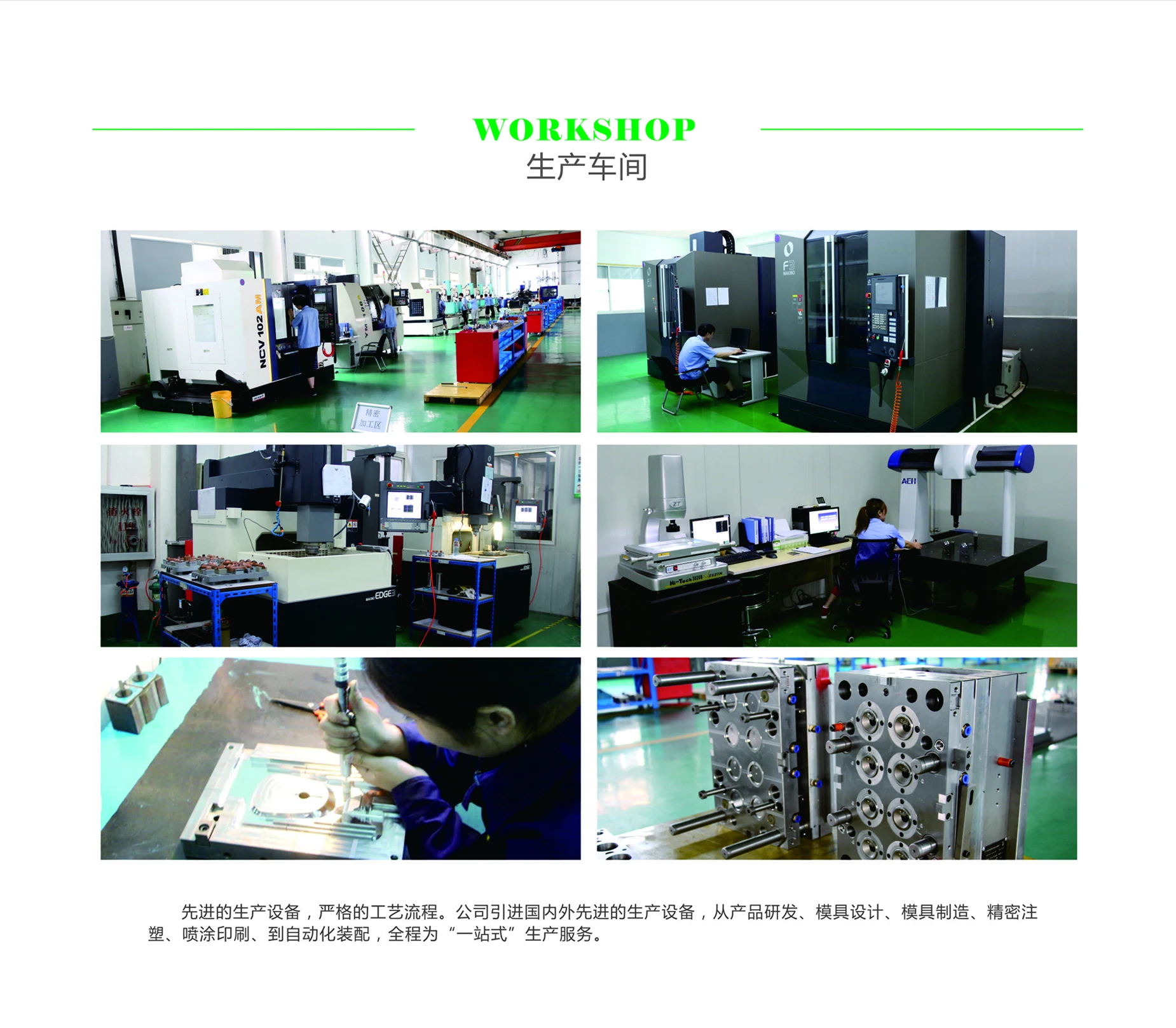
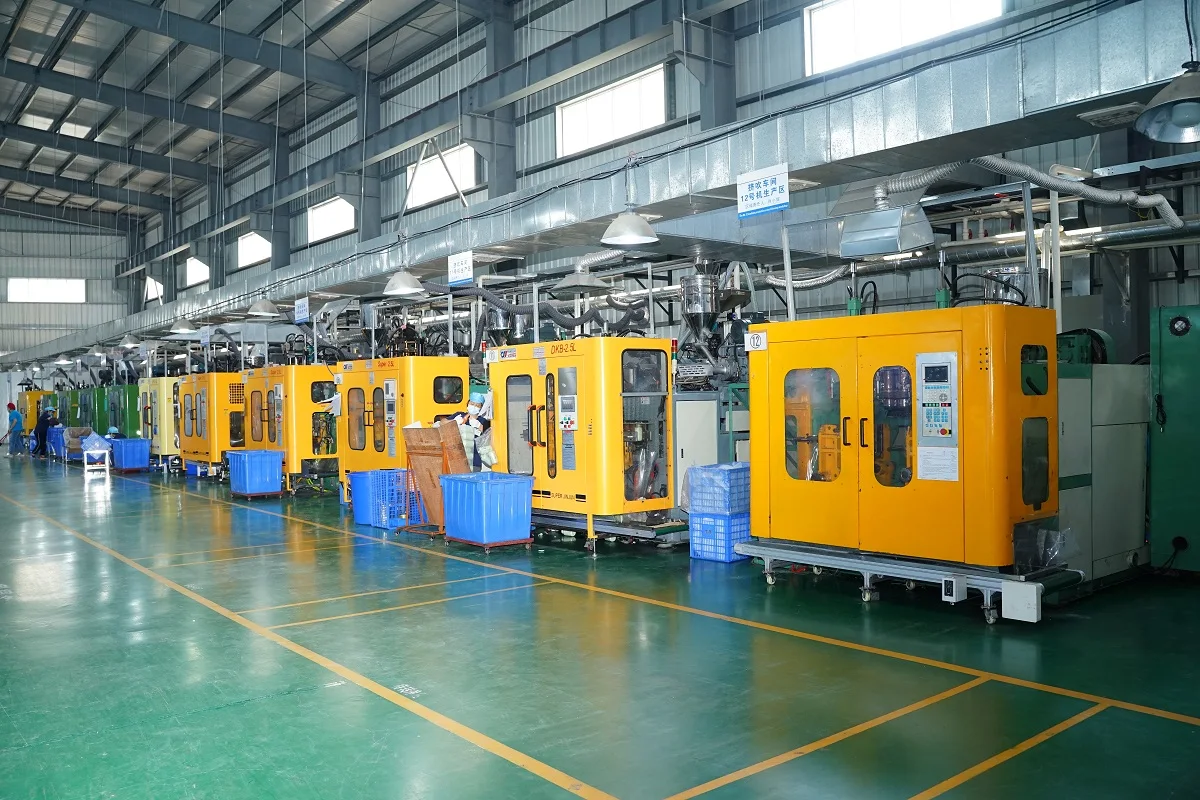
Beyond documents, verify capability through the listing details themselves. Multiple PET bottle listings in the results state that customization and customized printing are available, OEM service is accepted, and sealing types such as pump sprayers or pump caps are supported—claims you should corroborate by requesting samples of the specific models. Ask which decorating processes are done in-house versus subcontracted, since screen printing quality depends heavily on who runs the line. Confirm the production standard field, which in some listings is expressed as a volume range such as 10–800ml or 50–1200ml, and check that the offered sizes match your SKU plan. Finally, request recent photos or video of the blow-molding and assembly areas, and verify legal entity names match across the profile, invoice, and contract before paying any deposit.
What to Compare Across PET Personal Care Cosmetic Bottle Suppliers
Build a comparison sheet from the attributes actually displayed on each profile, and resist assuming every supplier publishes the same data. Useful dimensions in the current results include response time, where one supplier shows 5.84 hours and another 18.14 hours—a meaningful gap when you are iterating on samples. Lead time is another: the manufacturer-type supplier shows a 30-day lead time, while individual bottle listings state delivery times of 10–25 days or 25 days depending on the model. Record both the profile-level figure and the listing-level figure, because they can diverge and you need the number that applies to your chosen SKU.
MOQ and price require the same discipline. Observed listings range widely, from 1,000 pieces at roughly $0.50–$1.10, to 2,000 pieces at $0.40–$0.50, to 5,000 pieces at $0.35–$0.40, to 10,000 pieces at about $0.038–$0.041, up to 50,000 pieces at around $0.12. Note that prices vary by volume, size, and closure, so compare within similar specifications only. Also compare customization scope: weight (10–80g or customized in several listings), printing options, payment structure (30% deposit, 70% against B/L copy appears repeatedly), and whether OEM and ODM support is listed. R&D capacity fields showing OEM/ODM on both suppliers in the results still deserve probing—ask what "ODM" means concretely in terms of mold library and design ownership.
Common PET Personal Care Cosmetic Bottle Sourcing Risks
The most common risk is buying a bottle from a supplier whose core business lies elsewhere. As noted, one Fujian manufacturer's main products are paper cups and biodegradable tableware, and a Guangdong combined company leads with cosmetic tubes—yet both list PET bottles. If bottles are a sideline, you may face longer lead times when your order competes with their core production, or decoration work routed to unknown subcontractors. Mitigate by asking what share of capacity the bottle line represents and whether bottle molds are owned in-house.
A second risk cluster involves specification drift. Listings show volume standards as ranges (for example 50–1200ml) and weights as ranges (10–25g or 10–80g or customized), which leaves room for interpretation. Lock the exact gram weight, neck finish, and pump or cap model into the contract; a pump sprayer that fits one neck dimension may leak on another. Third, payment and terms risk: the recurring structure of 30% deposit, 70% against B/L copy is standard but leaves the balance tied to shipping documents—confirm you have inspection rights before the balance falls due. Fourth, certification mismatch: a product-level SGS note or a factory-level ISO 9001 certificate does not confirm compliance with your market's cosmetics packaging regulations, which you must verify separately. Finally, low unit prices on high-MOQ listings can tempt overcommitment; validate sell-through before scaling beyond trial quantities.
PET Personal Care Cosmetic Bottle Regional Sourcing and Logistics
The location fields in the current results point to Fujian and Guangdong, two Chinese provinces with established plastics and packaging industries, but you should rely on the displayed location data on each profile rather than assumptions about where clusters "should" be. Location matters practically: it affects port proximity, domestic freight to consolidation points, and whether you can realistically visit the factory during sampling. Guangdong's proximity to major export ports is a commonly cited advantage for packaging buyers, while Fujian suppliers may offer cost advantages—verify both through freight quotes rather than reputation.
Logistics planning should account for the delivery-time figures shown on listings: 10–25 days for several bottle models and 25 days for others, against a profile-level 30-day lead time on one supplier. Treat the longer of the two applicable numbers as your planning baseline, then add time for mold development if customization requires new tooling, plus pump and cap sourcing if closures come from a different line. Carton packing is stated on multiple listings and box packing on one, which affects cube utilization; ask for carton dimensions and pieces per carton to calculate freight accurately. Since PET bottles are lightweight but bulky, ocean freight is standard, but air samples are normal during development. If you consolidate with other packaging components, confirm whether the supplier ships EXW, FOB, or another Incoterm, and align the deposit-and-balance payment structure with your shipment milestones to avoid cash-flow surprises at the port.
PET Personal Care Cosmetic Bottle Commercial Terms and Order Planning
Commercial terms in this category are relatively consistent in the current results: several listings state payment as 30% deposit with 70% against B/L copy, and customization plus OEM service are widely offered. Accept that baseline but negotiate two points: inspection rights before balance payment, and a defined remedy (re-mold, re-print, or credit) if pump fit or print registration fails on arrival. Because customization is available across listings, price your custom version explicitly—customized printing and custom weights are stated options, but each adds setup cost that the listed unit prices, which range from a few cents to around a dollar depending on model and MOQ, may not include.
Order planning should follow a staged structure. Start with a sample order at the lowest displayed MOQ tier where feasible—listings show tiers such as 1,000, 2,000, and 5,000 pieces—which lets you test pump function, print durability, and leak behavior before committing to the 10,000 or 50,000-piece tiers where unit prices drop sharply. Schedule against stated delivery times of 10–25 days per listing, adding buffer for decoration and closure matching. If speed of supplier response matters to your development cycle, weight the displayed response-time figures (5.84 versus 18.14 hours in current results) into your shortlist. Finally, plan reorders against the same model numbers shown in listings, since each bottle model has its own MOQ, price band, and lead time that may shift independently.
(Word count check: each section drafted to 225–235 words; total approximately 1,390 words.)
FAQs
What is the typical lead time for pet cosmetic bottles?
Manufacturers in China generally require 30 days for standard production runs. Some suppliers offer faster delivery windows of 10 to 25 days for customized orders. Buyers should confirm specific timelines based on order volume and customization requirements before placing deposits.
What are the minimum order quantities for these bottles?
MOQs vary significantly by product type and customization level. Standard items may require as few as 1,000 units, while others start at 5,000 or 10,000 pieces. High-volume options can have MOQs reaching 50,000 units. Check specific product listings for exact thresholds.
Are these bottles suitable for personal care products?
Yes, these PET bottles are explicitly designed for personal care applications. They are suitable for creams, lotions, shampoos, and facial cleansers. The materials ensure compatibility with various cosmetic formulations while maintaining structural integrity and safety for consumer packaging needs.
What certifications do these suppliers hold?
Suppliers often hold ISO 9001, BSCI, and BRC certifications. Some products carry SGS certification for quality assurance. Verification services like TÜV Rheinland and BV also validate supplier capabilities. These credentials ensure compliance with international manufacturing and safety standards.
What is the price range for PET cosmetic bottles?
Prices typically range from $0.038 to $1.10 per unit depending on size and features. Basic bottles start around $0.038, while complex designs cost up to $1.10. Payment terms usually involve a 30% deposit with the balance against the bill of lading copy.
Can suppliers provide OEM and ODM services?
Most manufacturers offer both OEM and ODM services. Customization options include printing, weight adjustments, and specific sealing types like pump sprayers. Buyers can request tailored designs to match their brand identity while leveraging the supplier's existing production capabilities and expertise.