Source Zinc Plated Climbing Wall Hold for gyms, parks, and schools
Find 19 listings for Zinc Plated Climbing Wall Hold suitable for indoor gyms, outdoor parks, and educational facilities. Compare specifications, materials, and certifications from verified suppliers to select the right holds for your project; compare the available evidence and request quotations based on your requirements.
Updated
Key considerations
Products List
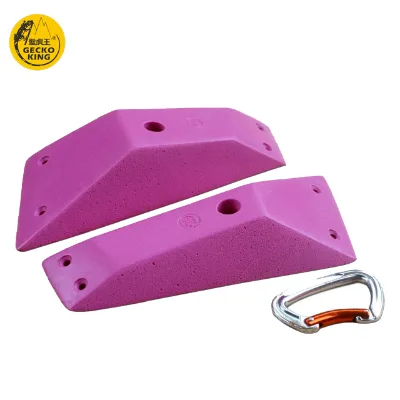
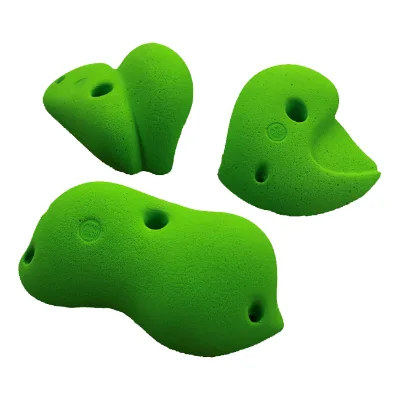
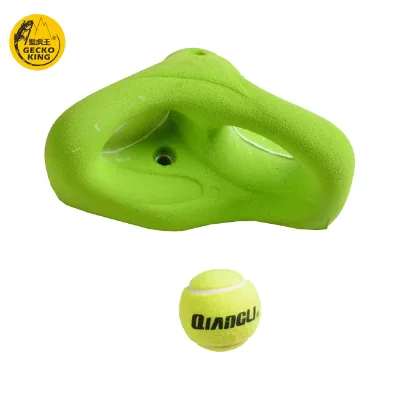
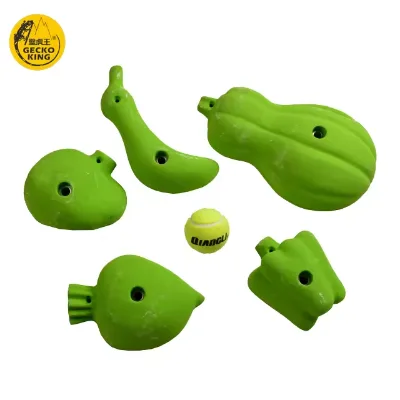



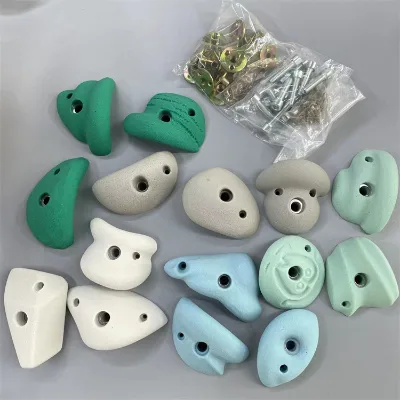
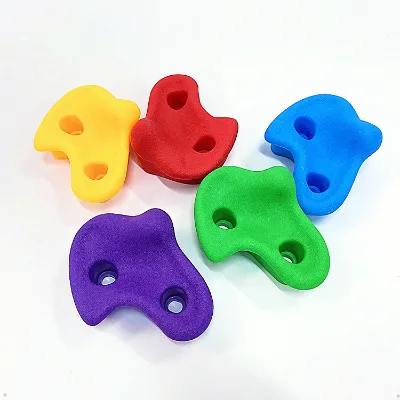
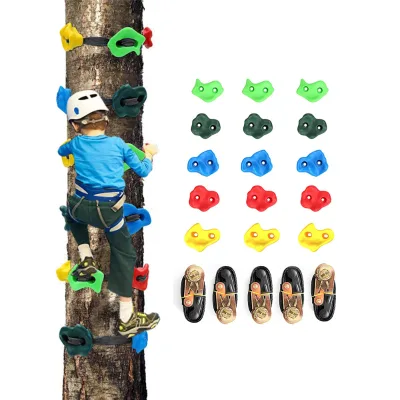

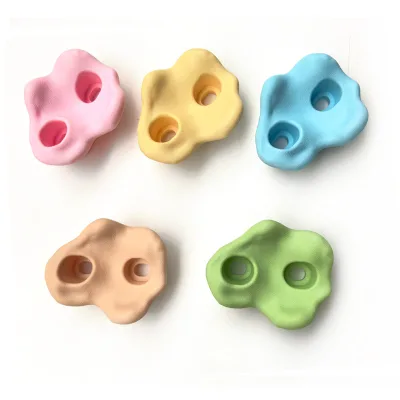

Comprehensive Sourcing Guide
Zinc Plated Climbing Wall Hold Sourcing Guide
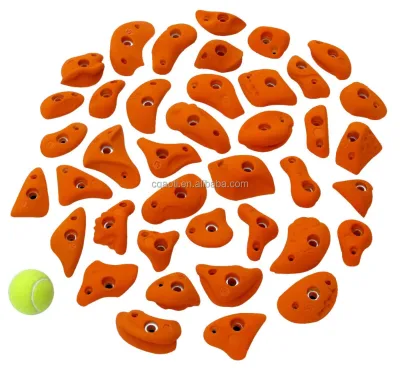
Procurement teams seeking zinc plated climbing wall holds must carefully align material specifications with the actual product data available in the current market. The supplied product facts indicate that the primary material composition for the listed climbing holds is GRP, or glass fiber reinforced resin, rather than metal. This distinction is critical for buyers who may have specified zinc plating for corrosion resistance or aesthetic reasons. The observed listings feature products made from GRP material, which offers durability and eco-friendly properties, but does not inherently include zinc plating. Buyers must verify if the supplier can provide metal alternatives or if the GRP material meets the required performance standards for their specific indoor or outdoor climbing wall projects.
The observed product range includes various sizes such as L, XL, XXL, and S, catering to different user demographics including children and adults. The product names suggest applications for indoor rock climbing walls, outdoor training climbing walls, and speed climbing events. While the core keyword specifies zinc plated holds, the available data highlights GRP hand holds and speed holds with certifications like CE, UIAA, IFSC, and RoHS. Procurement specialists should treat the zinc plated attribute as a potential requirement to be confirmed with suppliers, as the current catalog emphasizes composite materials. Understanding this material gap is essential for ensuring that the sourced equipment matches the structural and safety needs of the climbing facility.
Product Scope and Observed Listing Signals
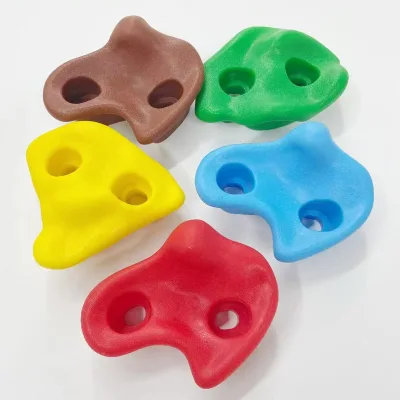
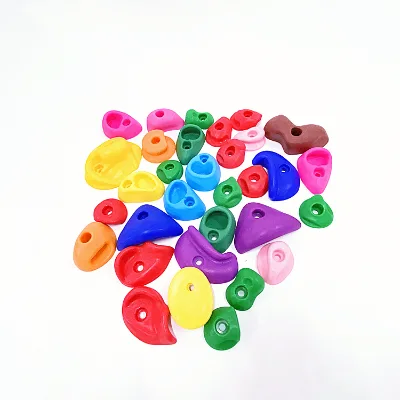
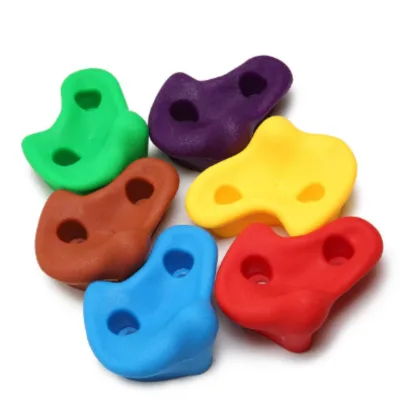
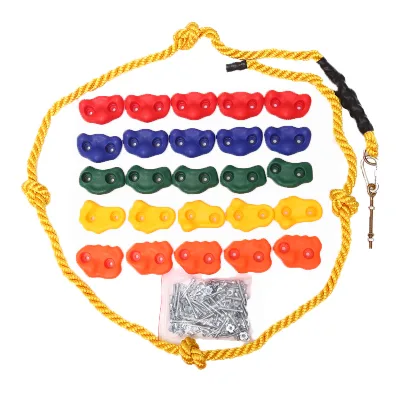
The current market signals reveal a diverse portfolio of climbing holds designed for various commercial and recreational environments. The observed products are intended for use in indoor commercial amusement parks, trampoline parks, sports parks, shopping malls, resort hotels, and outdoor public playgrounds. The product scope extends from general series climbing holds sets to specialized speed holds, indicating a broad application range. Buyers should note that the listed items are primarily made of GRP material, which is noted for being durable and colorful. This material choice supports the vibrant color options available, including blue, black, red, yellow, purple, and green, which are crucial for visual appeal in educational play areas and residential settings.
Commercial terms observed include a minimum order quantity ranging from 1 to 500 sets, with prices observed between 0.3 and 200 USD. The shipping terms allow for delivery by sea, air, or express, providing flexibility for international procurement. The packaging details specify bubble bags and cartons, ensuring protection during transit. The single gross weight varies from 2.000 kg to 5.000 kg depending on the size and type of the hold. These logistical factors are vital for calculating total landed costs and planning inventory management. Buyers must assess whether the observed MOQ and pricing structures align with their project scale and budget constraints.
Technical Specifications to Verify
When evaluating climbing holds, verifying the exact model numbers and size specifications is paramount for compatibility with existing wall systems. The observed listings include specific model numbers such as GK-178, GK-192, and AL-45, each corresponding to different sizes like L, XL, and M. The single package sizes are recorded as 31X21X28 cm and 32X21X28 cm, which helps in planning storage and handling logistics. Buyers must confirm that the physical dimensions of the holds match the bolt patterns and spacing of their climbing walls. The type of hold, whether chrimps, hand holds, or speed holds, also dictates the technical requirements for installation and usage.
Material composition is another critical technical specification that requires verification. The supplied facts consistently identify the material as GRP, or glass fiber reinforced resin, which is distinct from metal-based holds. Buyers seeking zinc plated options must explicitly inquire if metal variants are available or if the GRP material provides equivalent durability and weather resistance. The allowable passenger count and usage type, such as speed climbing, further define the technical performance expectations. Ensuring that the hold type matches the intended activity, whether for general training or competitive IFSC events, is essential for safety and user experience.
Compliance and Safety Documentation
Safety certifications are a non-negotiable aspect of sourcing climbing equipment, ensuring that products meet international safety standards. The observed products carry certifications such as CE, UIAA, IFSC, and RoHS, which indicate compliance with European and international safety and environmental regulations. The UIAA and IFSC certifications are particularly relevant for competitive climbing and high-traffic commercial installations. Buyers must request and verify these certificates for each batch of ordered holds to ensure ongoing compliance. The presence of these certifications provides assurance that the holds have undergone rigorous testing for strength, durability, and chemical safety.
RoHS certification is also observed, indicating that the products comply with restrictions on hazardous substances, which is important for indoor environments and educational facilities. The warranty period of 1 year is noted for some products, offering a baseline for quality assurance. Buyers should verify if additional safety documentation, such as load-bearing test results or material safety data sheets, is available. Understanding the scope of these certifications helps in assessing the risk profile of the procurement. Ensuring that all safety documentation is up-to-date and valid is crucial for maintaining insurance coverage and regulatory compliance in climbing facilities.
Cost Drivers and Commercial Terms
The cost of climbing holds is influenced by several factors, including material composition, size, and certification requirements. The observed price range of 0.3 to 200 USD reflects the variability in product types, from simple chrimps to complex speed holds sets. The minimum order quantity, ranging from 1 to 500 sets, impacts the unit price, with larger orders typically benefiting from economies of scale. Buyers must consider the total cost of ownership, including shipping and handling, which varies based on the chosen shipping terms of sea, air, or express. The single gross weight of the products also affects freight costs, making accurate weight verification essential for budgeting.
Commercial terms such as payment methods and delivery lead times are critical for cash flow management and project planning. While specific lead times are not provided in the observed facts, buyers should negotiate clear delivery schedules to avoid project delays. The packaging details, including bubble bags and cartons, add to the overall cost but are necessary for protecting the products during transit. Buyers should also consider the potential for additional costs related to customization or special packaging requirements. Understanding these cost drivers allows for more accurate financial forecasting and negotiation with suppliers.
Supplier Qualification and Quality Control
Supplier qualification is essential to ensure that the climbing holds meet the required quality and safety standards. Buyers should verify the supplier's manufacturing capabilities and quality control processes, particularly regarding the GRP material composition. The place of origin for the observed products is Chongqing, China, which may influence logistics and supply chain stability. Buyers must assess the supplier's ability to provide consistent product quality and adhere to the specified certifications. Requesting samples before placing large orders is a prudent step to evaluate the physical attributes and finish of the holds.
Quality control measures should include regular inspections of the holds for defects, such as cracks or uneven surfaces, which could compromise safety. The observed features of durability and eco-friendliness should be validated through independent testing if necessary. Buyers should also verify the supplier's ability to provide after-sales support, including warranty claims and replacement parts. Establishing a clear communication channel with the supplier ensures that any issues are addressed promptly. A robust supplier qualification process minimizes the risk of receiving substandard products and ensures long-term reliability.
Long-Term Procurement Checks
Long-term procurement checks involve monitoring the performance of the climbing holds in real-world conditions to ensure ongoing safety and satisfaction. Buyers should establish a feedback loop with facility managers to report any wear and tear or damage to the holds. Regular inspections of the installed holds can help identify potential issues before they become safety hazards. The observed warranty period of 1 year provides a timeframe for initial quality assessment, but buyers should plan for longer-term maintenance and replacement strategies. Tracking the lifespan of different hold types can inform future purchasing decisions and budget allocations.
Sustainability is another long-term consideration, especially given the eco-friendly attributes of the GRP material. Buyers should evaluate the end-of-life options for the holds, such as recycling or disposal, to align with their corporate sustainability goals. The colorful and durable nature of the holds suggests a long service life, reducing the frequency of replacements. However, buyers must remain vigilant about changes in safety standards and regulations that may require updates to their climbing equipment. Continuous engagement with suppliers for new product developments and improvements can help maintain a competitive and safe climbing environment.
FAQs
What material are Geckoking climbing holds made from?
Geckoking climbing holds are manufactured from GRP, which stands for glass fiber reinforced resin. This durable composite material ensures the holds withstand frequent use in both indoor and outdoor settings. The material choice supports eco-friendly production while maintaining structural integrity for various climbing wall projects and training environments.
Which certifications do the climbing holds possess?
The climbing holds hold multiple certifications including CE, UIAA, IFSC, and RoHS. These credentials verify compliance with international safety and environmental standards. The IFSC certification is particularly relevant for competition-grade speed holds, while CE and RoHS ensure general safety and material compliance for global distribution and commercial use.
What sizes are available for the climbing holds?
Available sizes include L, XL, XXL, S, and M dimensions. Specific models like GK-178 offer L size holds, while GK-192 provides XL options. The AL-45 model features M size holds. These varied dimensions allow buyers to select appropriate grip sizes for different user ages, skill levels, and wall design requirements.
Can these holds be used for speed climbing competitions?
Yes, specific models are designed for speed climbing applications. The AL-45 product name explicitly identifies it as an IFSC competition rock climbing handhold intended for speed climbing usage. These holds are suitable for both outdoor and indoor sports environments, meeting the rigorous demands of competitive climbing events and training facilities.
What is the minimum order quantity for these products?
The minimum order quantity is listed as 1 Set for certain product configurations. This low MOQ allows buyers to test product quality or order small batches for specific projects. Buyers should contact sellers directly for exact pricing and bulk order details, as weight and packaging quantities may vary by specific model and size selection.
Where are these climbing holds manufactured?
These climbing holds originate from Chongqing, China. The manufacturing location indicates the supply chain source for these GRP composite products. Buyers sourcing from this region should consider shipping terms which include sea, air, and express delivery options to accommodate different logistical needs and project timelines for international procurement.