110oz Disposable Plastic Fruit Box Suppliers and Manufacturers
Compare 26 verified suppliers of 110oz Disposable Plastic Fruit Box by location, response time, and certifications. Review product specifications and pricing to select a factory for your packaging needs; review the available evidence before requesting comparable quotations from suitable candidates.
Updated
Suppliers List

Guangzhou Jianxin Plastic Products Co., Ltd.
- Verified by BV
- Combined
- China Guangdong
- Lead time15 days
- Avg. response≤ 4h
Main productsPlastic Packaging, Disposable Tableware, Disposable Plastic Cup&Lid, Plastic Bowl, Plastic Tary, Plastic Container, Blister Packaging, Plastic Food Packaging, Disposable Food Container, Disposable Catering Supplies
Main marketsSouth America,Africa,Southeast Asia/ Mideast,East Asia(Japan/ South Korea),Europe,Australia,North America
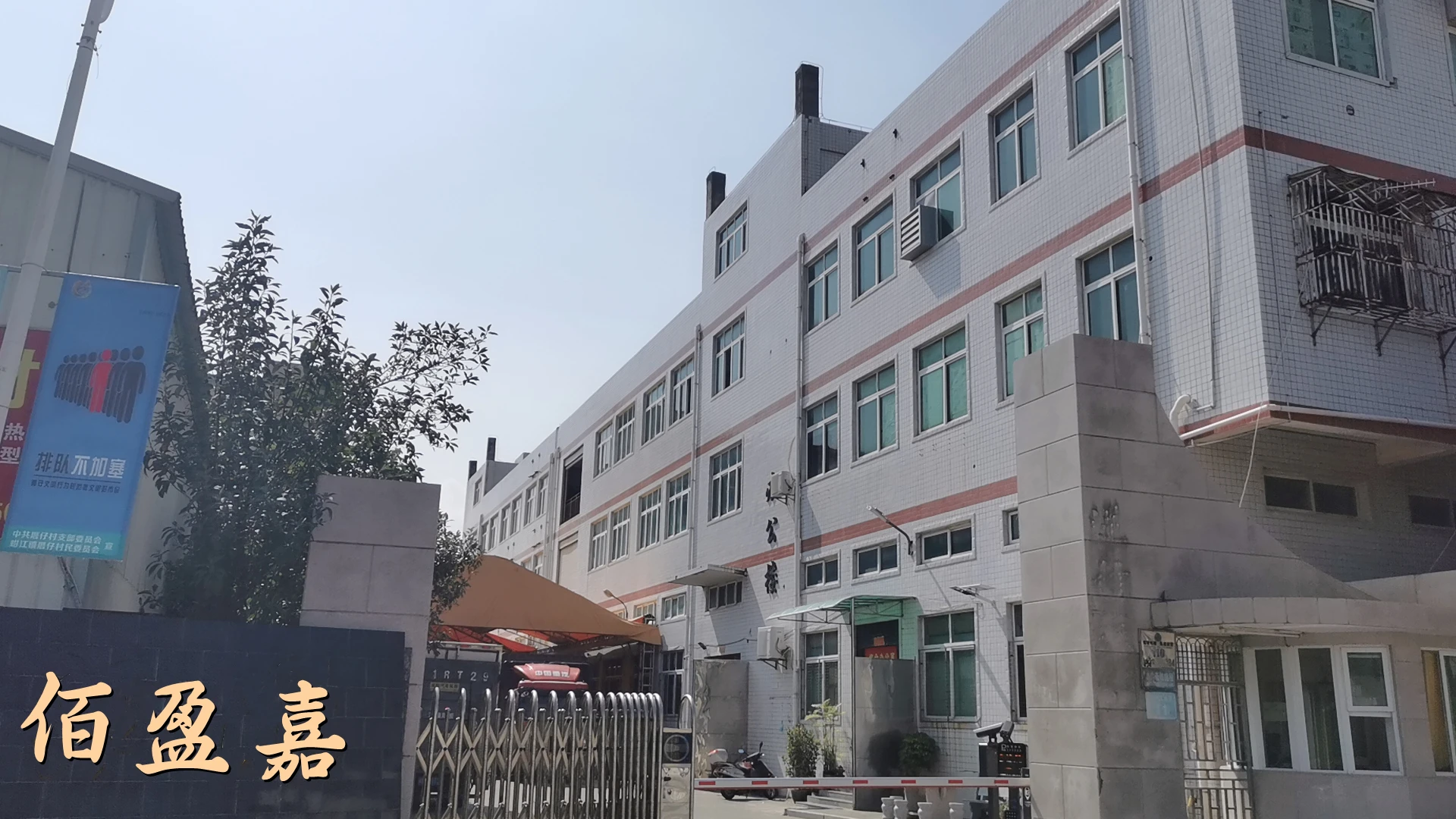
Quanzhou Bingo Environmental Protection Technology Co., Ltd.
- Trading Company
- Fujian, China
- Lead time15 days
- Avg. response≤ 2h
Main productsSushi Box,Snack Box,Fruit Box,Sauce Box,Drink Cup
Main marketsDomestic Market(40.00%), North America(30.00%), Southeast Asia(10.00%), Western Europe(10.00%), Mid East(10.00%)
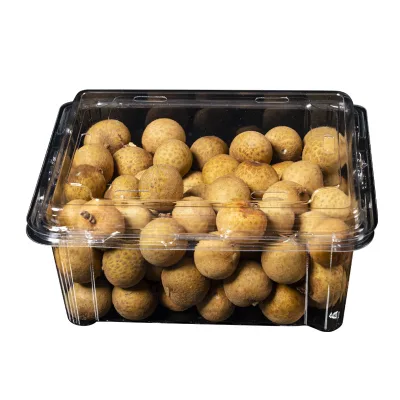
$0.09 - $0.13
MOQ: 5000 pieces
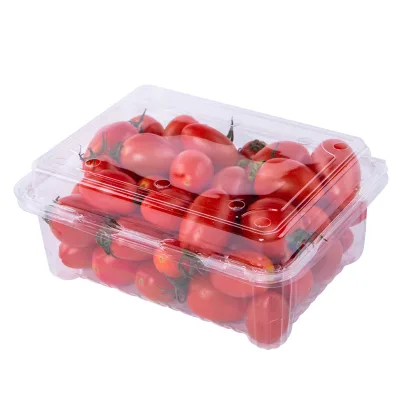

Ningbo Greenhome International Trade Co., Ltd.
- Verified by SGS
- Trading Company
- China Zhejiang
- Lead time30 days
- Avg. response≤ 5h
Main productsDisposable Plastic Tableware, Disposable Woodentableware, Disposable Bamboo Tableware, Disposable Paper Tableware, Disposable Biobased Tableware, Disposable Biodearadable Tableware
Main marketsAfrica,Southeast Asia/ Mideast,Europe,North America


Disposable Low Temperature Resistant PP Plastic Fruit Container Lunch Box with Lid
$0.03
MOQ: 60000 Pieces
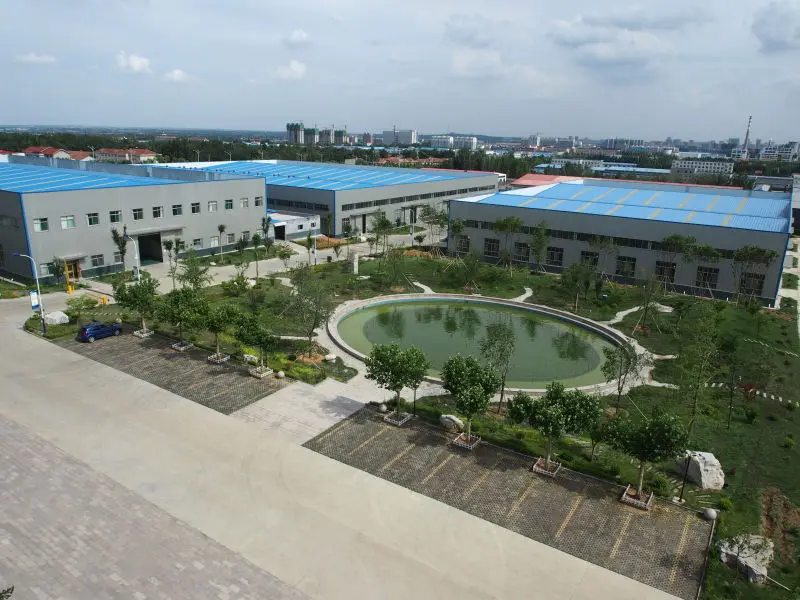
Weifang Merchants Creator Bio-tech Company Limited
- Manufacturer, Trading Company
- shandong, China
- Lead time30 days
- Avg. response≤ 5h
Main productsPlastic Products (PP,PS,PET Plastic Sheet And Related Plastic Material Disposable Products,Food And Vegetable Containers,Cups
Main marketsDomestic Market(90.00%), North America(7.00%), Western Europe(2.00%), Eastern Asia(1.00%)

Hangzhou Junshengjia International Trade Co., Ltd.
- Trading Company
- China Zhejiang
- Lead time0 days
- Avg. response≤ 3h
Main productsPlastic Cup, Plastic Box, Egg Box, Fruit Box, Clear Plastic Cup

Durable Reusable Eco Friendly Reduce Disposable Plastic Packaging Fruit Boxes
$0.01 - $0.20
MOQ: 5000 Pieces


Changsha Mingkai Paper Products Co., Ltd.
- Combined
- China Hunan
- Lead time30 days
- Avg. response≤ 4h
Main productsCoffee Cup, Disposable Plastic Cup, OPP Bag, Brown Craft Paper Cup
Main marketsSouth America,Africa,Southeast Asia/ Mideast,East Asia(Japan/ South Korea),Domestic,Europe,Australia,North America
Foshan Feiqi Hardware Plastic Products Co., Ltd.
- Verified by Intertek
- Manufacturer, Trading Company
- Lead time7 days
- Avg. response≤ 3h
Main productsPP Tray For Food, PET Hinged Container, Cake Box, Tamper Evident Container, BOPS Clamshell
Main marketsDomestic Market(67%), Oceania(15%), North America(9%)
Hengshui Fuxin Plastic Products Co., Ltd.
- Verified by SGS Group
- Manufacturer, Trading Company
- Lead time10 days
- Avg. response≤ 1h
Main productsPastry Boxes, Fruit Boxes, Sushi Boxes, Cake Boxes, Plastic Sheets
Main marketsDomestic Market(80%), North America(10%), Southeast Asia(5%)
JBL Technology (Suzhou) Co.,Ltd
- Verified by TüVRheinland
- Manufacturer, Trading Company
- Lead time10 days
- Avg. response≤ 2h
Main productsFood Packaging, Industrial Packaging, Blister Packaging, Agricultural Packaging, Beverage Packaging
Main marketsDomestic Market(45%), North America(20%), Eastern Asia(10%)
Hangzhou Kesheng Packaging Material Co Ltd
- Verified by TüVRheinland
- Manufacturer, Trading Company
- Lead time15 days
- Avg. response≤ 5h
Main productsBlister Packaging
Main marketsNorth America(30%), Western Europe(20%), Domestic Market(15%)
Zhejiang Hengjiang Plastic Co., Ltd.
- Verified by SGS Group
- Manufacturer, Trading Company
- Lead time30 days
- Avg. response≤ 2h
Main productsPlastic CPET Tray, Plastic Bottle, Plastic Crisper, Plastic Food Container, Plastic Food Tray Packaging
Main marketsDomestic Market(60%), North America(8%), South America(8%)
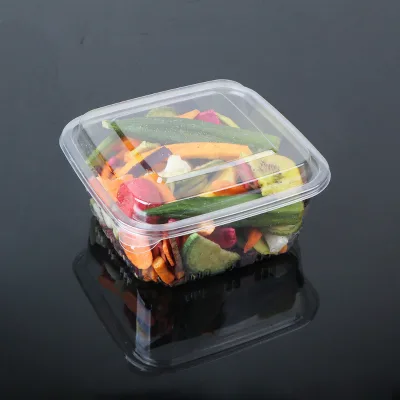
Disposable Transparent Plastic Salad Box Dessert Box Food Fruit Packaging with Lid
$0.07 - $0.08
MOQ: 50000 pieces
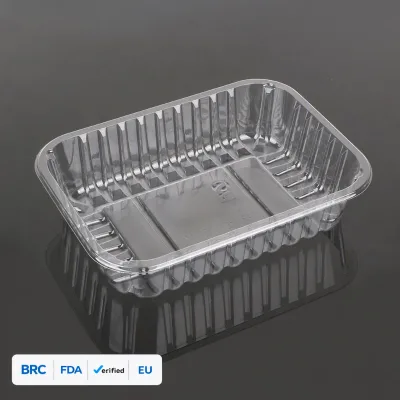
Disposable clear Plastic Box Without Lid Fresh Fruit and Vegetable Packaging Tray
$0.02 - $0.03
MOQ: 50000
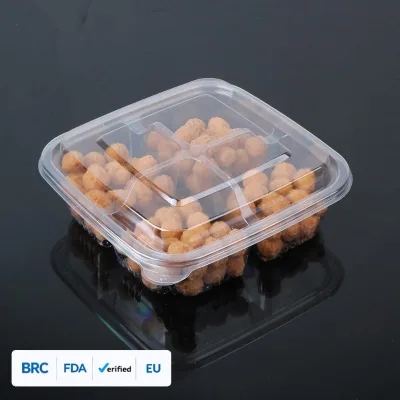

Globalink International Limited
- Verified by SGS
- Trading Company,Manufacturer/Factory,Other
- China Shandong
- Lead time45 days
- Avg. response≤ 12h
Main productsPlastic Packaging, Food Container, Fruit packaging, Paper Bags, Paper Packaging, Plastic Bags, Plastic Tape, Egg Tray, Aluminum Foil, Sushi Container
Main marketsSouth America,Eastern Europe,Mid East,North America,Southeast Asia,Eastern Asia,Oceania,Western Europe,Africa

Ningbo Beixuan International Trading Co., Ltd.
- Verified by TUVRHEINLAND
- Manufacturer/Factory
- China Zhejiang
- Lead time15 days
- Avg. response≤ 10h
Main productsPlastic Bottle, Plastic Cup, Plastic Honey Jar, Plastic Food Container, Glass Juice/ Beverage Bottle, Glass Jar, Glass Wine Bottle, Glass Essential Oil Bottles, Cosmetic & Perfume Glass Bottles, Paper Cup
Main marketsSouth America,Eastern Europe,Mid East,North America,Southeast Asia,Eastern Asia,Oceania,Western Europe,Africa

400g Transparent Disposable Plastic Packaging Fresh-Keeping Box Fruit Packaging Box
$0.08
MOQ: 5000 Pieces

125g Eco-Friendly Clamshell Packaging Box Fruit Blueberry Disposable Plastic Fruit Container
$0.004 - $0.035
MOQ: 5000 Pieces

Wholesale Disposable Food Grade Fresh Fruit Plastic Packaging Cut Box for Supermarket
$0.08 - $0.12
MOQ: 5000 Pieces

Disposable Transparent Thickened Plastic Packaging Box for Fruits and Vegetables with Lid
$0.02 - $0.20
MOQ: 5000 Pieces


Suzhou Huiyuan Plastic Products Co. Ltd.
- Verified by BV
- Manufacturer/Factory
- China Jiangsu
- Lead time23 days
- Avg. response≤ 4h
Main productsPick Bins, PP Layer Pad, Coroplast Sheet, PP Corrugated Sheet, Corrugated Plastic Sheet, Plastic Corrugated Sheet, Corflute Sheets, Corrugated Plastic Box, Pallet Sleeve Box, Delta Traps
Main marketsSouth America,Eastern Europe,Mid East,North America,Southeast Asia,Eastern Asia,Oceania,Western Europe,Africa
Guangdong Yuesheng Houseware Technology Co., Ltd.
- Manufacturer, Trading Company
- Guangdong, China
- Lead time0 days
- Avg. response≤ 5h
Main productsBiodegradable Food Container,Biodegradable Tableware,Disposable Lunch Box,Disposable Paper Box,Multifunctional Crisper
Main marketsDomestic Market(40.00%), Western Europe(30.00%), Southern Europe(15.00%), Southeast Asia(7.00%), North America(3.00%), Oceania(3.00%), Africa(2.00%)
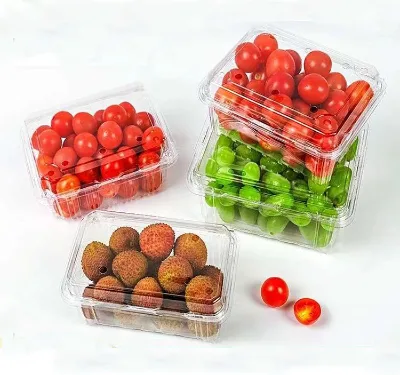
High Quality Disposable Plastic Fruit Box with Lids for Takeout and Packaging Clear PP Vegetable Box
$0.0276 - $0.0319
MOQ: 100000 Minimum
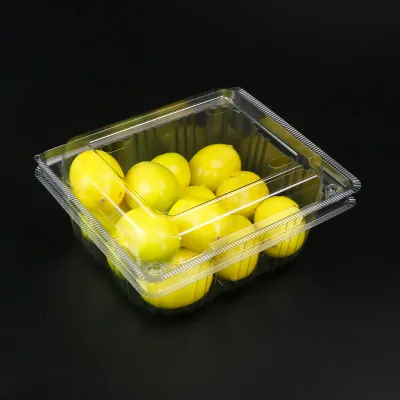
Eco-Friendly Disposable PET Plastic Boxes for Fruits - 250g Clear Strawberry Packing Box Container
$0.06 - $0.10
MOQ: 1200 Minimum
Hengshui Huasu Packaging Material Co., Ltd.
- Manufacturer, Trading Company
- Hebei, China
- Lead time50 days
- Avg. response≤ 3h
Main productsblister packaging container,APET plastic sheet roll,PP plastic sheet film,RPET plastic sheet roll,thermoforming sheet roll
Main marketsOceania(27.00%), North America(26.00%), Domestic Market(18.00%), Africa(9.00%), South America(6.00%), Southeast Asia(6.00%), Mid East(5.00%), South Asia(1.00%), Central America(1.00%), Eastern Europe(1.00%)
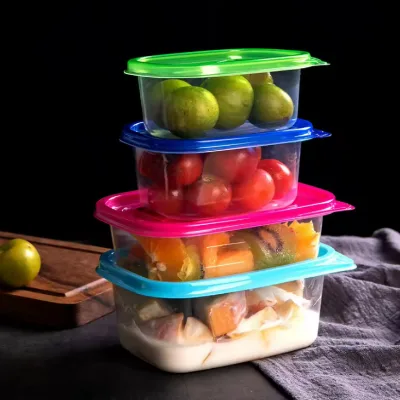
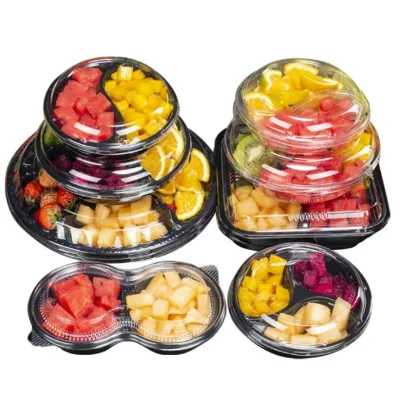
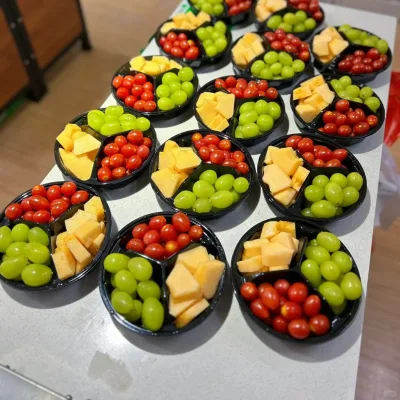
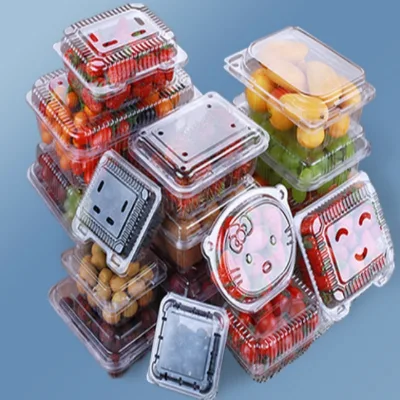
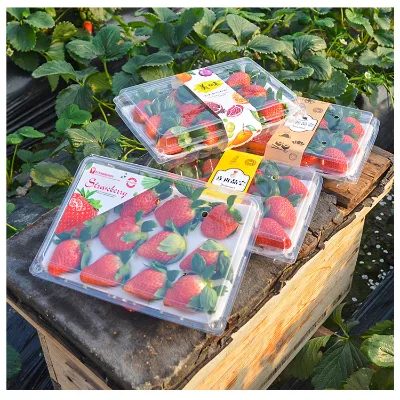
$0.0104 - $0.0414
MOQ: 1000 pieces
Shantou Linghai Plastic Packing Factory Co.,Ltd.
- Verified by SGS Group
- Manufacturer, Trading Company
- Lead time25 days
- Avg. response≤ 6h
Main productsFood Grade Plastic Packaging, Sugarcane Packaging
Main marketsSouth America(25%), North America(20%), Domestic Market(15%)

- Verified by SGS
- Trading Company
- China Shandong
- Lead time30 days
- Avg. response≤ 4h
Main productsLunch Box, Plastic Cup, Food Packaging, Food Tray, PLA Disposable Bowl
Main marketsSoutheast Asia/ Mideast

Disposable Plastic Fruit Box Fruit and Vegetable Packaging Box With Fresh Fruit Cut Transparent
$0.10 - $0.20
MOQ: 10000 Pieces

443ml Plastic Round Disposable Food Preservation Box Fruit Salad Box with Lid
$0.05 - $0.20
MOQ: 10000 Pieces

Fruit Box Packaging Custom Trays Clear Storage Disposable Eco Clear Fruit Plastic Box with Lid
$0.08 - $0.15
MOQ: 100000 Pieces

$0.08 - $0.20
MOQ: 100000 Pieces

$0.08 - $0.15
MOQ: 100000 Pieces

1250ml Plastic Rectangle Disposable Food Preservation Box Fruit Salad Box with Lid
$0.05 - $0.20
MOQ: 10000 Pieces

Hunan Songda Packaging Co., Ltd.
- Verified by SGS
- Combined
- China Hunan
- Lead time15 days
- Avg. response≤ 2h
Main marketsDomestic,Australia,North America

Custom Disposable Fruit Packaging Boxes Plastic Apple Strawberry Boxes with Lid
$0.04 - $0.06
MOQ: 10000 Pieces

Disposable Toughness Transparent Blister Fruit Package Plastic Box with Lids
$0.03 - $0.05
MOQ: 10000 Pieces

Eco Friendly Customized Lemon Strawberry Fruits Plastic Disposable Boxes with Lids
$0.04 - $0.06
MOQ: 10000 Pieces

Reliable Transparent Disposable Fruit Strawberry Plastic Packaging Boxes with Lids
$0.06 - $0.08
MOQ: 10000 Pieces

Fruit Box Packaging Custom Punnet Clear Storage Disposable Clear Fruit Plastic Box with Lid
$0.03 - $0.06
MOQ: 10000 Pieces

$0.03 - $0.05
MOQ: 10000 Pieces
Guangzhou Yick Tak Blister Packaging Co., Ltd.
- Manufacturer
- Guangdong, China
- Lead time0 days
- Avg. response≤ 6h
Main productsPET Plastic Box,PET Plastic Tray,PP Plastic Tray
Main marketsEastern Asia(14.29%), Mid East(14.29%), Oceania(14.29%), Eastern Europe(14.29%), South America(14.29%), North America(14.29%), Western Europe(10.00%)

Guangzhou Huaheng Plastic Products Co., Ltd.
- Manufacturer/Factory
- China Guangdong
- Lead time23 days
- Avg. response≤ 3h
Main productsFood Packaging, Food Cantainer, Packaging Box, Custom Box, Packaging, Gift Box, Plastic Box, Blister Packaging, Plastic Tray, Plastic Bag
Main marketsSouth America,Eastern Europe,Mid East,North America,Southeast Asia,Eastern Asia,Oceania,Western Europe,Africa

Custom disposable eco-friendly plastic container box for vegetable fruit
$0.14 - $0.16
MOQ: 10000 Pieces

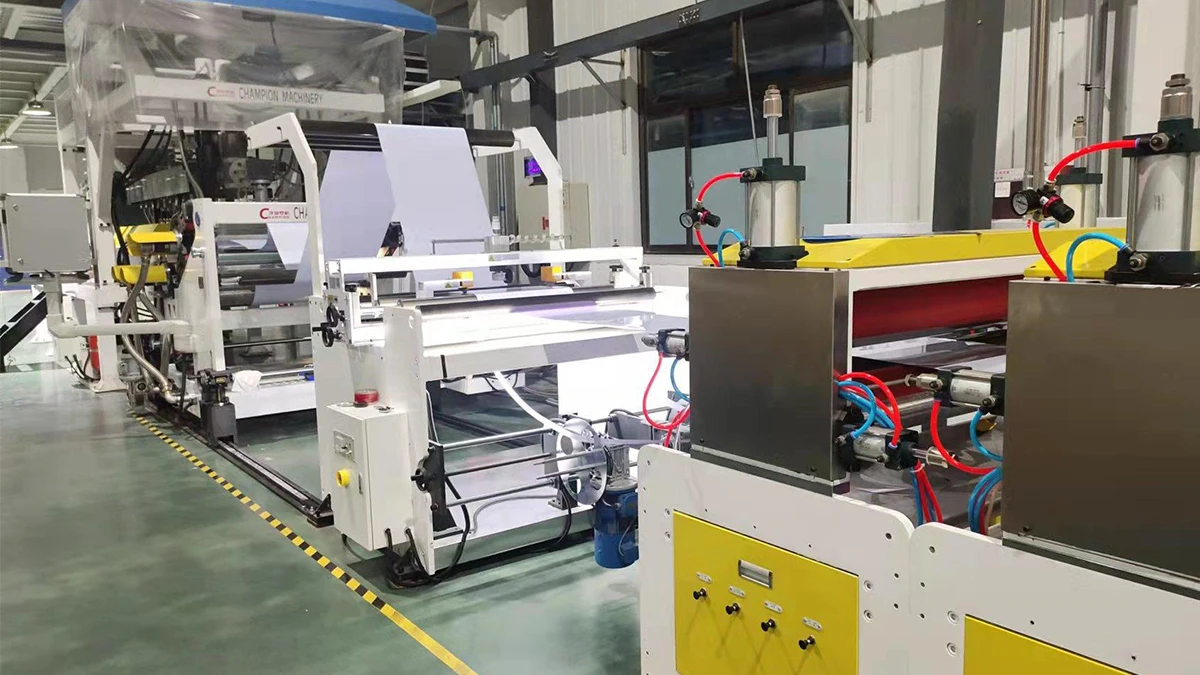
Beijing Daqian Plastic Products Factory
- Manufacturer, Trading Company
- Beijing, China
- Lead time0 days
- Avg. response≤ 3h
Main productsGeneral Plastic Products,Food Grade Plastic Products,Food Container,Plastic Packaging,Fruit Tray
Main marketsDomestic Market(60.00%), North America(30.00%), Northern Europe(10.00%)
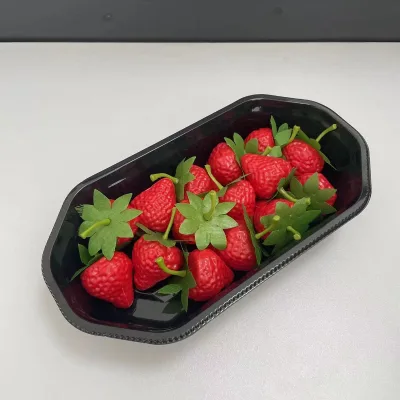
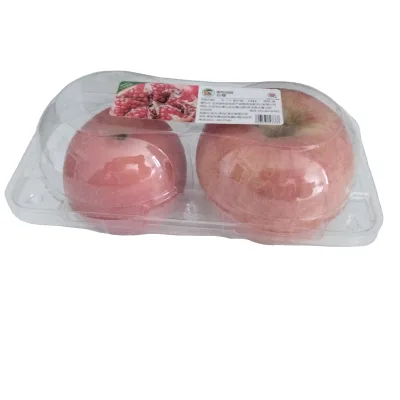
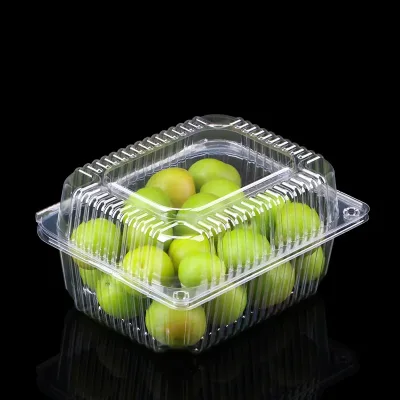
Customized Fruit Plastic Container 1500g Fruit Disposable clear Containers
$0.02 - $0.06
MOQ: 20000 pieces
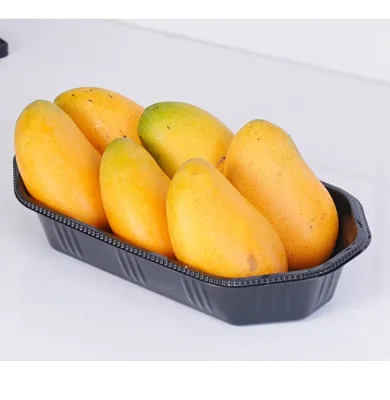
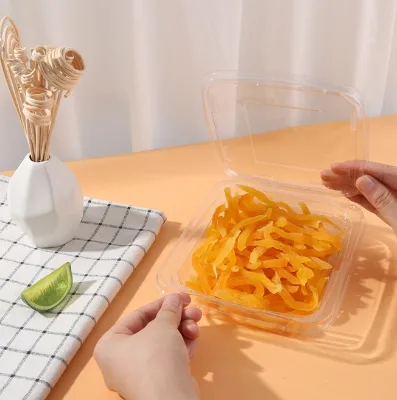

JIANGSU JINCAI POLYMER MATERIALS SCIENCE AND TECHNOLOGY CO., LTD.
- Verified by TUVRHEINLAND
- Combined
- China Jiangsu
- Lead time15 days
- Avg. response≤ 4h
Main productsPet Sheet, PVC Sheet, PVC Film, Cpet Tray, PVC Foam Board, Acrylic Sheet, Other Plastic Sheet
Main marketsAfrica,Domestic


$0.04 - $0.36
MOQ: 50000 Pieces


Ningbo Hongwei Plastic Co., Ltd
- Verified by SGS
- Combined
- China Zhejiang
- Lead time23 days
- Avg. response≤ 1h
Main marketsDomestic

Biodegradable Disposable Fruit Box for Sustainable Packaging Solutions
$0.10 - $0.12
MOQ: 20000 Pieces


Biodegradable Packaging Box for Easy Transport and Organized Fruit Storage
$0.12 - $0.15
MOQ: 20000 Pieces

Dongguan Yinghao Plastic Products Co., Ltd.
- Manufacturer, Trading Company
- Guangdong, China
- Lead time15 days
- Avg. response≤ 3h
Main productsPlastic Box,Plastic Cup,Plastic Tray,Degradable Food Packaging
Main marketsWestern Europe(100.00%), Eastern Asia(100.00%), South Asia(100.00%), Central America(100.00%), Africa(100.00%), Domestic Market(100.00%), Southern Europe(100.00%), South America(100.00%), Northern Europe(100.00%), Oceania(40.00%), North America(20.00%), Mid East(15.00%), Eastern Europe(15.00%), Southeast Asia(10.00%)
$0.2771 - $0.4629
MOQ: 30 Minimum
$0.7086 - $0.9033
MOQ: 10 Minimum
Zhongkai Packaging Technology (zhejiang) Co., Ltd.
- Verified by SGS Group
- Manufacturer, Trading Company
- Lead time15 days
- Avg. response≤ 5h
Main productsEgg Package, CPET Tray, PET Tray, Food Packaging Box, Sealing Film
Main marketsNorth America(30%), Mid East(20%), Domestic Market(20%)


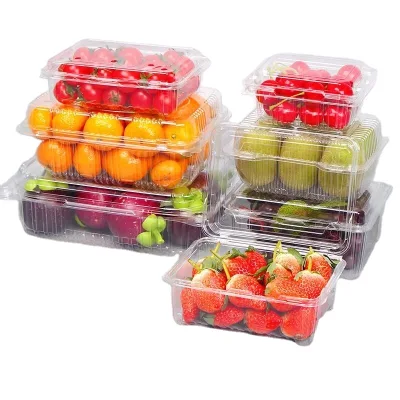
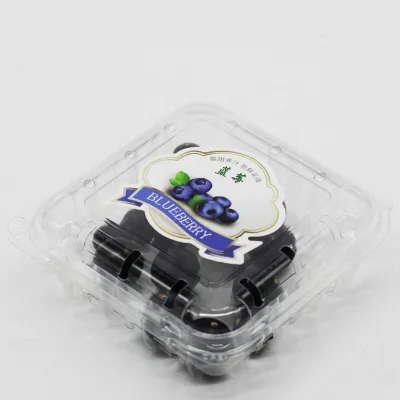
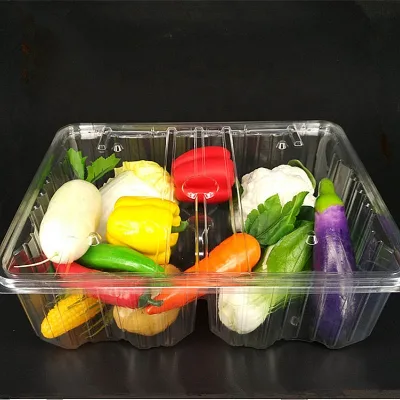
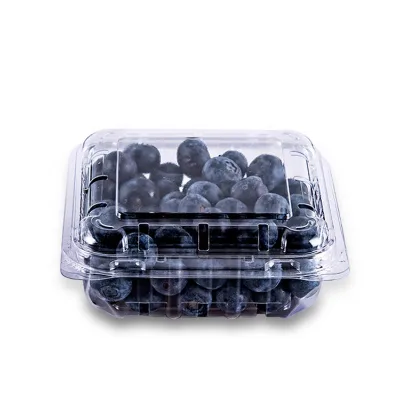


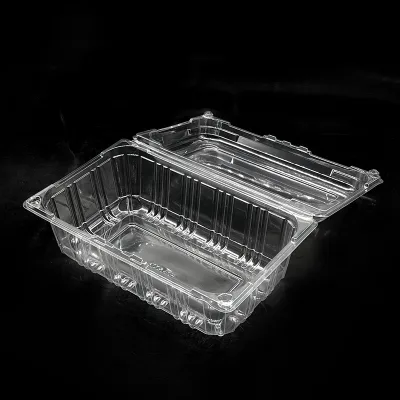
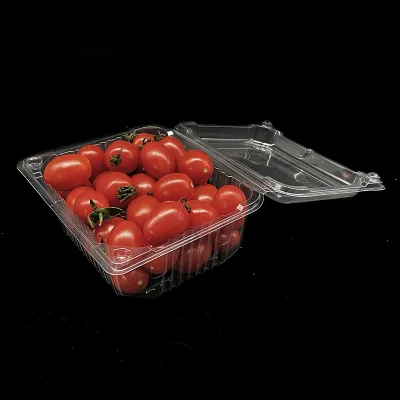
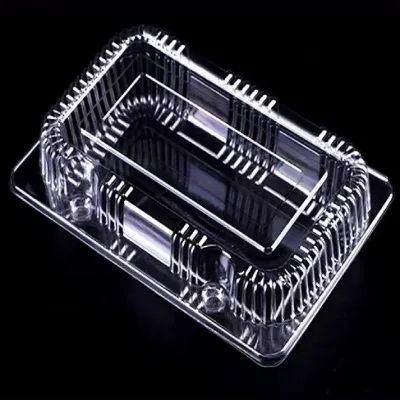
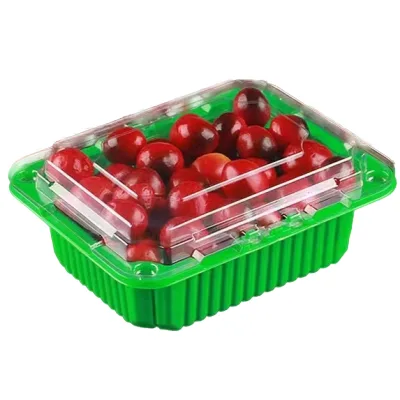
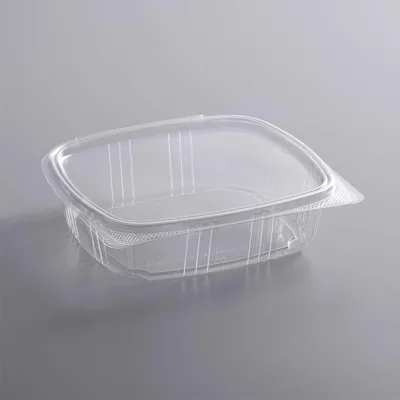
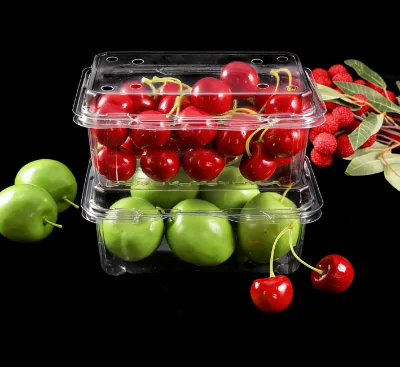
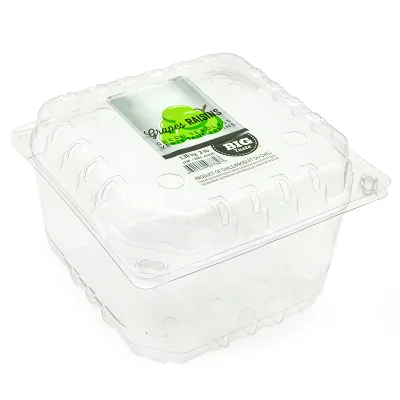
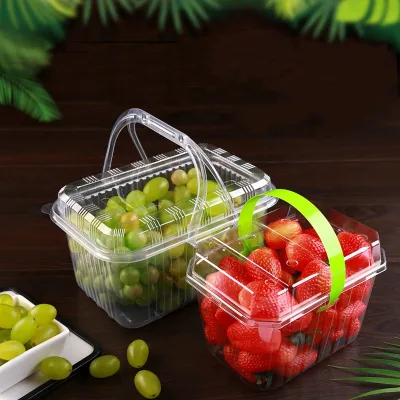


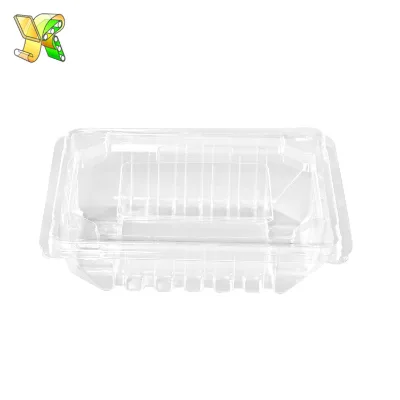
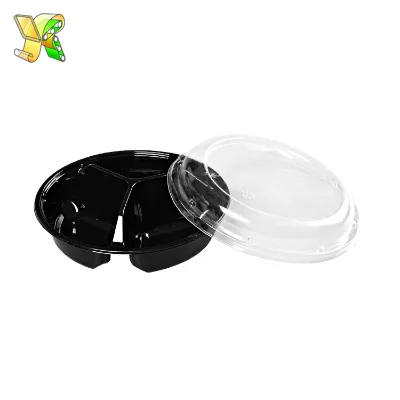
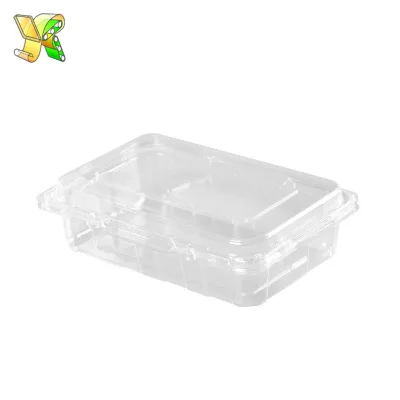
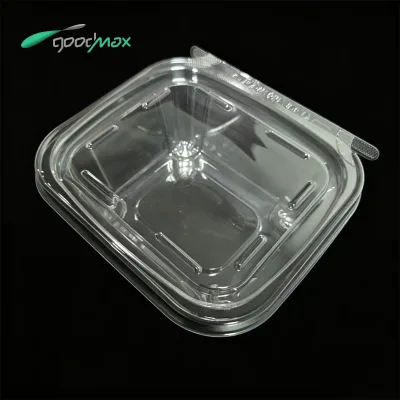
Comprehensive Sourcing Guide
110oz Disposable Plastic Fruit Box Supplier Concentration and Factory Types
The current supplier landscape for 110oz disposable plastic fruit boxes reveals a distinct geographic concentration in China, specifically within the Guangdong and Fujian provinces. These regions serve as primary manufacturing hubs for plastic packaging and disposable tableware, offering buyers access to established industrial clusters. Suppliers located in Guangdong, such as those based in Guangzhou, often operate as combined entities that blend manufacturing capabilities with trading functions. This structure allows them to manage complex production runs while maintaining flexible logistics. The presence of verified suppliers in these areas indicates a mature supply chain infrastructure, where raw material sourcing and finished goods distribution are highly optimized. Buyers evaluating these suppliers should note that the concentration in Guangdong suggests a high density of competitors, which can drive innovation in product design and competitive pricing strategies for large-volume orders.
In contrast, suppliers operating from Fujian, China, frequently present themselves as trading companies rather than direct manufacturers. This distinction is crucial for buyers assessing their sourcing strategy, as trading companies may offer broader product assortments but might have less direct control over the production floor. The main products listed by these suppliers often include sushi boxes, snack boxes, and fruit trays, indicating a specialization in food-grade packaging solutions. While the factory type differs, the geographic proximity to major ports in both Guangdong and Fujian ensures efficient export logistics. Buyers should consider that trading companies might facilitate easier communication and smaller order flexibility, whereas combined or manufacturing entities in Guangdong might offer better economies of scale for bulk purchases. Understanding this structural difference helps in aligning supplier selection with specific volume requirements and supply chain transparency needs.
How to Verify 110oz Disposable Plastic Fruit Box Suppliers
Verification is a critical step in ensuring the reliability of suppliers offering 110oz disposable plastic fruit boxes. Buyers should prioritize suppliers who have undergone third-party verification processes, such as BV (Bureau Veritas) certification. This verification provides a layer of confidence regarding the supplier’s business legitimacy and operational capabilities. Additionally, checking for specific product certifications is essential, particularly for food-contact items. Some suppliers list FDA certification for their plastic containers, which is a standard requirement for many international markets. Others may display SGS, QS, or ISO certifications, indicating adherence to quality management systems and safety standards. Buyers must carefully review these credentials to ensure they meet the regulatory requirements of their destination country. It is important to note that not all suppliers will display every certification, so buyers should actively request documentation for any specific standard required for their market entry.
Beyond certifications, buyers should assess the supplier’s response time and verification status to gauge their professionalism and reliability. A response time of under three days, such as the observed 3.26 days or even faster at two days, suggests a responsive and organized procurement team. This responsiveness is often indicative of a supplier’s ability to handle inquiries and resolve issues promptly. Furthermore, buyers should verify the supplier’s company type, whether they are a combined entity, a trading company, or a pure manufacturer. This information helps in understanding the supply chain dynamics and potential points of contact. Buyers should also look for evidence of customization capabilities, such as OEM and ODM services, which indicate that the supplier can adapt products to specific brand needs. By combining verification checks with an assessment of operational responsiveness, buyers can build a more robust supplier evaluation framework that minimizes risk and ensures quality compliance.
What to Compare Across 110oz Disposable Plastic Fruit Box Suppliers
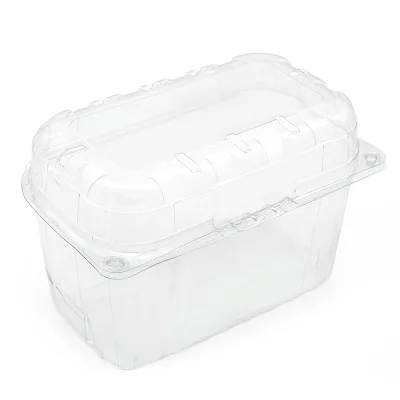
When comparing suppliers for 110oz disposable plastic fruit boxes, buyers should focus on key operational metrics such as lead time, minimum order quantity (MOQ), and pricing structures. Lead times can vary significantly, with some suppliers offering a standard 15-day production window. This timeframe is crucial for inventory planning and ensuring timely delivery for seasonal demands. Buyers should also compare MOQs, which can range widely from 5,000 pieces to 100,000 pieces or more. Lower MOQs, such as 5,000 or 10,000 pieces, are beneficial for testing the market or fulfilling smaller orders, while higher MOQs often correlate with better unit pricing. Pricing is another critical factor, with costs ranging from as low as $0.025 to over $0.26 per unit depending on material, customization, and order volume. Buyers must analyze these variables in conjunction to determine the total cost of ownership, including shipping and handling fees.
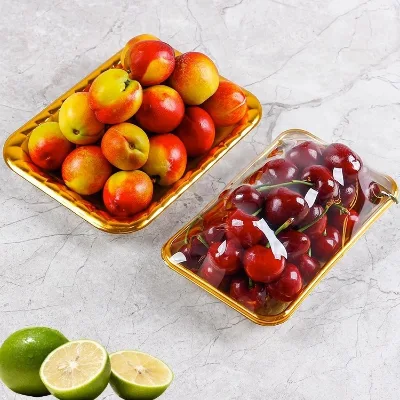
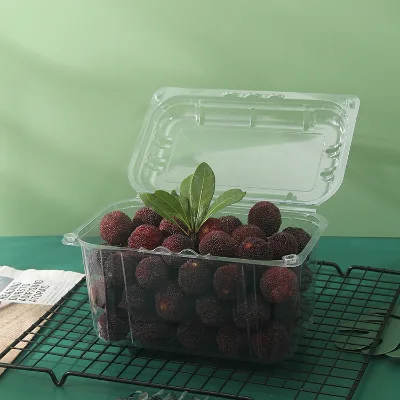
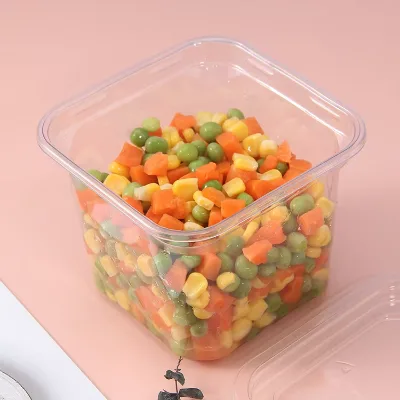
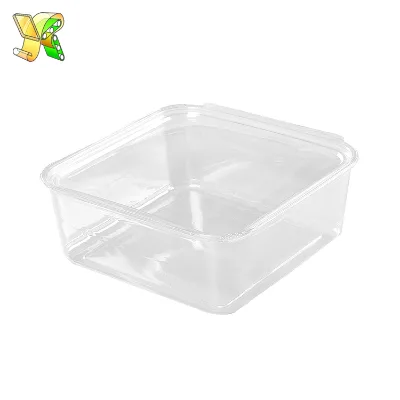
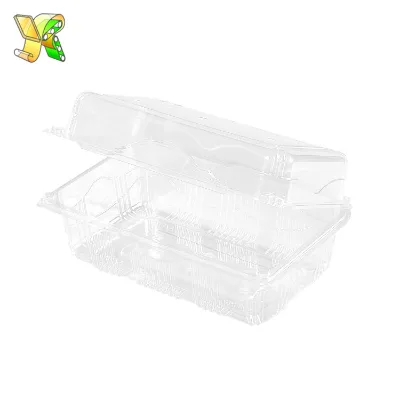
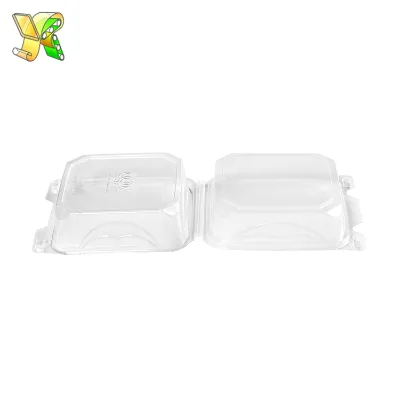
In addition to operational metrics, buyers should compare product specifications and customization options. Materials such as PET and general plastic are common, with some products offering eco-friendly or biodegradable features. Customization options like logo printing, color selection, and box shape (e.g., square or rectangular) can differentiate suppliers. Some suppliers offer free samples, which is a valuable tool for quality assessment before committing to a large order. Buyers should also evaluate the supplier’s main product focus; those specializing in fruit and vegetable packaging may offer more tailored solutions than generalist suppliers. By systematically comparing these attributes, buyers can identify suppliers that best align with their specific product requirements, budget constraints, and quality standards. This comparative approach ensures that the selected supplier can deliver the right balance of cost, quality, and service for the 110oz Disposable Plastic Fruit Box category.
Common 110oz Disposable Plastic Fruit Box Sourcing Risks
Sourcing 110oz disposable plastic fruit boxes involves several potential risks that buyers must mitigate through careful due diligence. One significant risk is the variability in product quality, particularly regarding material thickness and durability. For instance, some products specify a thickness of 0.43mm, while others may not provide detailed specifications. Buyers should request physical samples to verify that the plastic is sturdy enough to hold the weight of fruit without deforming. Another risk is the accuracy of certification claims. While some suppliers list FDA or SGS certifications, buyers must verify these documents directly with the issuing bodies to ensure they are valid and current. Failure to do so can result in customs delays or product recalls in regulated markets. Additionally, the risk of miscommunication regarding customization details, such as logo placement or color matching, can lead to unsatisfactory final products.
Logistical risks are also prevalent, especially when dealing with suppliers from different regions. Shipping delays can occur due to port congestion or inadequate packaging, which might lead to product damage during transit. Buyers should ensure that suppliers use appropriate packing methods, such as export cartons, to protect the boxes. Furthermore, there is a risk associated with supplier reliability, particularly with trading companies that may not have direct control over production schedules. Delays in production can disrupt the buyer’s supply chain, leading to stockouts. To mitigate these risks, buyers should establish clear communication channels and set realistic expectations for lead times. It is also advisable to include penalty clauses in contracts for late deliveries or quality failures. By proactively identifying and addressing these risks, buyers can protect their interests and ensure a smoother sourcing process for disposable plastic fruit boxes.
110oz Disposable Plastic Fruit Box Regional Sourcing and Logistics
Regional sourcing from China, particularly Guangdong and Fujian, offers distinct logistical advantages for buyers of 110oz disposable plastic fruit boxes. Guangdong, with its major port cities like Guangzhou, provides robust infrastructure for international shipping. Suppliers in this region often have extensive experience in exporting, which can streamline the documentation and customs clearance processes. The concentration of suppliers in Guangdong also facilitates easier factory audits and quality inspections, as buyers or their agents can visit multiple facilities in a short period. This proximity to manufacturing hubs reduces the time and cost associated with logistics coordination. Buyers should leverage this geographic advantage by selecting suppliers who have a proven track record of successful exports to their target markets.
Fujian, while also a significant manufacturing region, may present different logistical dynamics, especially for trading companies based there. Buyers should consider the shipping routes and transit times from Fujian ports to their destination. While the distance may be similar to Guangdong, the specific port facilities and carrier partnerships can influence efficiency. Additionally, buyers should evaluate the supplier’s packaging standards, as proper packing is crucial for preventing damage during long-haul shipping. Some suppliers use export cartons, which are designed to withstand the rigors of ocean freight. Buyers should also consider the impact of seasonal demand on logistics, as peak seasons can lead to container shortages and increased freight rates. By understanding the regional logistics landscape, buyers can make informed decisions about supplier selection and shipping strategies, ensuring timely and cost-effective delivery of their 110oz disposable plastic fruit boxes.
110oz Disposable Plastic Fruit Box Commercial Terms and Order Planning
Effective order planning for 110oz disposable plastic fruit boxes requires a thorough understanding of commercial terms and payment structures. Buyers should negotiate clear terms regarding payment methods, such as letters of credit or escrow services, to secure their transactions. Escrow protection can provide an additional layer of security, ensuring that funds are only released upon satisfactory delivery of the goods. It is also important to clarify the Incoterms, such as FOB or CIF, to determine who is responsible for shipping costs and insurance. These terms directly impact the total landed cost and should be factored into the overall budget. Buyers should also discuss lead times in detail, ensuring that production schedules align with their sales forecasts and inventory requirements. Clear communication about delivery dates helps in avoiding stockouts or excess inventory.
Furthermore, buyers should plan for potential variations in order quantities and pricing. Some suppliers offer tiered pricing based on volume, so understanding these tiers can help in optimizing order sizes. Buyers should also consider the cost of customization, such as logo printing or special packaging, which may incur additional fees. It is advisable to request a detailed quotation that breaks down all costs, including unit price, tooling fees, and shipping charges. Additionally, buyers should establish a quality assurance protocol, including pre-shipment inspections, to ensure that the products meet their specifications. By carefully planning commercial terms and order logistics, buyers can minimize risks and maximize the value of their sourcing investments. This structured approach ensures that the procurement process for 110oz disposable plastic fruit boxes is efficient, transparent, and aligned with business objectives.
FAQs
What is the price range for disposable plastic fruit boxes?
Prices typically range from $0.025 to $0.26 per unit depending on material and customization. Basic PET clamshell boxes start around $0.03, while eco-friendly or biodegradable options cost up to $0.20. Bulk orders often secure lower rates within these tiers.
What is the minimum order quantity for these products?
MOQs vary significantly by supplier and product type. Some manufacturers require 100,000 units for standard PET boxes, while others accept orders as low as 5,000 pieces. Buyers should verify specific MOQs with suppliers to ensure alignment with their volume requirements.
Are these fruit boxes FDA certified and food safe?
Many suppliers offer products certified with FDA, SGS, QS, and ISO standards. These certifications ensure the plastic packaging meets food safety regulations. Buyers should request valid certification documents to confirm compliance before placing large orders for food-grade applications.
How long does production take for custom orders?
Standard lead times are approximately 15 days for production. Suppliers in Guangdong and Fujian offer both OEM and ODM services. Customization options include logo printing and specific dimensions, which may slightly extend the timeline depending on complexity and order volume.
Can I get free samples before placing a bulk order?
Some suppliers provide free samples for evaluation purposes. This allows buyers to check material quality, such as PET thickness, and fit for specific fruits. Buyers should confirm sample availability and shipping costs directly with the supplier to avoid unexpected expenses.
What materials are used for disposable fruit packaging?
Common materials include PET and general plastic, with some eco-friendly or biodegradable options available. PET is preferred for its clarity and durability in clamshell designs. Buyers can choose based on sustainability goals and specific storage requirements for fresh produce.