12-digit dual power financial calculator Suppliers and Manufacturers
Compare 23 verified suppliers of 12-digit dual power financial calculators based on location, lead time, and certifications. Review product specs like solar power and customization options before contacting factories in China Fujian and Anhui; review the available evidence before requesting comparable quotations from suitable candidates.
Updated
Suppliers List

Putian Lung Kin Electronic Co., Ltd.
- Verified by SGS
- Manufacturer/Factory
- China Fujian
- Lead time23 days
- Avg. response≤ 4h
Main productsClock, Digital Clock, Timer, Calculator, LCD Modules, Stopwatch, Electronic Toys, Electronic Watches
Main marketsSouth America,Eastern Europe,Mid East,North America,Southeast Asia,Eastern Asia,Oceania,Western Europe,Africa


8-Digit LCD Display Financial Desktop Calculator Electronic Dual Power Plastic Material
$0.89 - $1.39
MOQ: 500 Pieces

Anhui Sunshine Stationery Co., Ltd.
- Verified by TUVRHEINLAND
- Trading Company
- China Anhui
- Lead time15 days
- Avg. response≤ 3h
Main productsPencil, Stationery Pins, Stationery Clips, Staple, Stapler, Paper Punch, Office Organizer, Document File, Glue
Main marketsSouth America,Africa,Others(foreignTradeCapacity.exportBusinessCapacityMarketOther),Southeast Asia/ Mideast,East Asia(Japan/ South Korea),Europe

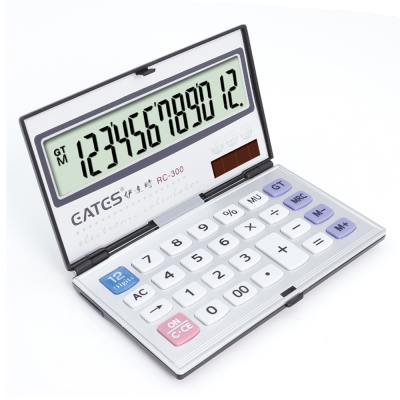
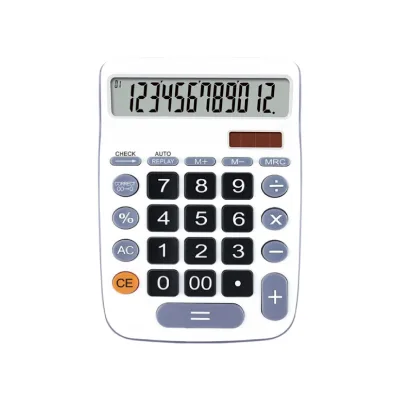
Solar Dual Power Desktop Calculator with 12-Digit Display Financial Office Portable Calculator
$1.711 - $2.091
MOQ: 3000 Pieces

Financial Banking Personnel 12 Digit Dual Power Large-Screen Horizontal Desktop Calculator
$1.711 - $2.091
MOQ: 3000 Pieces

Multifunctional Large LCD Display 10 Digits Electronic Calculator with Double Power Supply
$1.709 - $2.089
MOQ: 600 Pieces

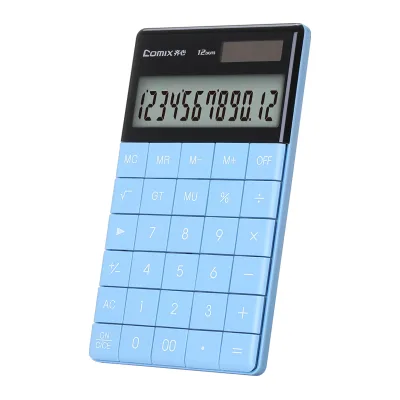
12 Digits LCD Screen Business Office School Calculator with Dual Power Ways
$1.711 - $2.091
MOQ: 600 Pieces

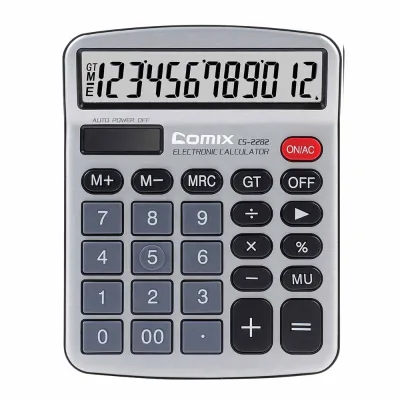
12 Digit Desktop Calculator with Dual Power Solar & Battery for School Office
$1.711 - $2.091
MOQ: 300 Pieces

10-Digital Dual Power Handheld Calculator with Angled LCD Display for Home Use
$1.709 - $2.089
MOQ: 600 Pieces

- Trading Company
- China Zhejiang
- Lead time30 days
- Avg. response≤ 14h
Main productsHome Appliance, Cookware Set, Thermos, Home Storage, Furniture, Pet Supplies, Garden Tools, Outdoor Supplies, Baby Supplies, Houesehold Items
Main marketsSouth America,Africa,Southeast Asia/ Mideast,East Asia(Japan/ South Korea),Domestic,Europe,Australia,North America


Specialized Calculator for Financial Account Business Calculator Desktop Calculator
$1.14
MOQ: 1000 Pieces


Jinjiang Jiayi Supply Chain Management Co., Ltd.
- Verified by BV
- Trading Company
- China Fujian
- Lead time30 days
- Avg. response≤ 2h
Main productsGift, Shoe, Garment, Machine
Main marketsDomestic
Guangzhou Cania Technology Co., Limited
- Verified by Intertek
- Manufacturer, Trading Company
- Lead time0 days
- Avg. response≤ 2h
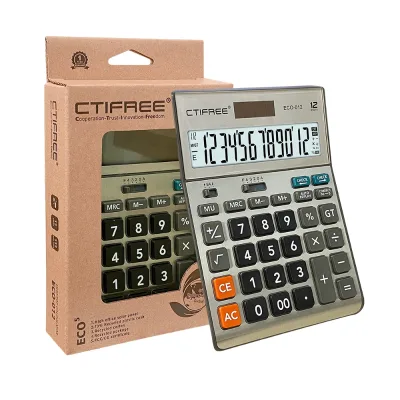
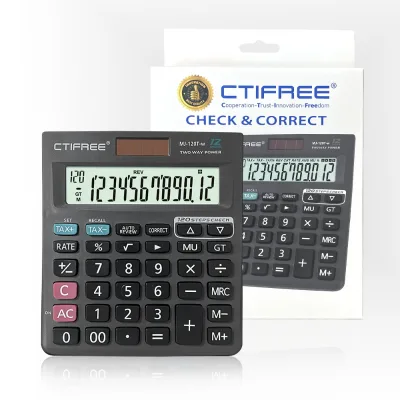
Main productsScientific Calculator, Desktop Calculator, Pocket Calculator
Main marketsSoutheast Asia(40%), Africa(20%), Mid East(10%)
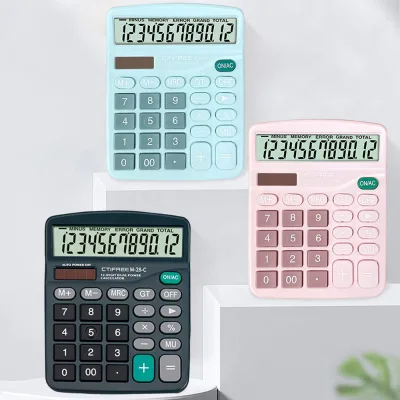
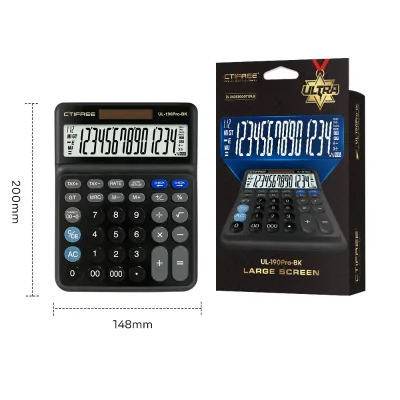
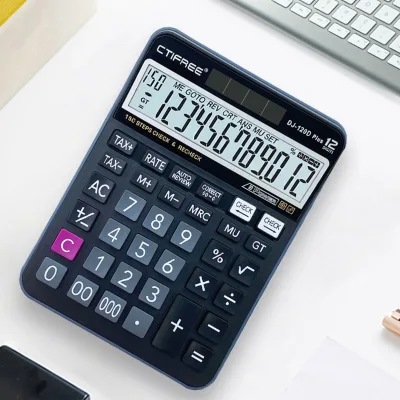
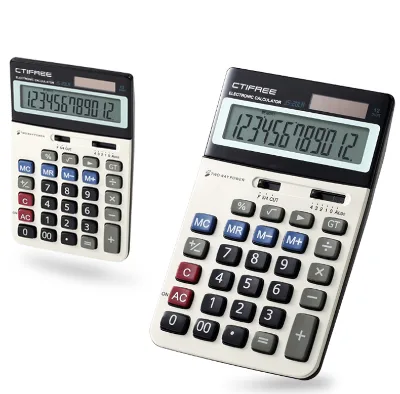
$1.69 - $2.29
MOQ: 240 pieces
Shenzhen Go Hand International Trade Co., Ltd.
- Manufacturer, Trading Company, Distributor/Wholesaler
- Guangdong, China
- Lead time30 days
- Avg. response≤ 2h
Main productscalculators,countdown timers,clocks,stopwatch,electronic gifts
Main marketsWestern Europe(11.00%), North America(10.00%), Southern Europe(10.00%), Central America(10.00%), Southeast Asia(8.00%), Eastern Europe(8.00%), Domestic Market(7.00%), Mid East(7.00%), Eastern Asia(6.00%), South Asia(5.00%), Africa(5.00%), Northern Europe(5.00%), South America(5.00%), Oceania(3.00%)

- Verified by TUVRHEINLAND
- Trading Company
- China Zhejiang
- Lead time15 days
- Avg. response≤ 15h
Main productsStationery Set, Calendar, Promotion Pen, Bottle, Car Products, Fidget Toy, DIY Toy, Education Toy, Art Set, Pencil Case
Main marketsSouth America,Europe,North America
Guangdong Shunde Zuncheng Electronic Technology Ltd., Company.
- Verified by SGS Group
- Manufacturer, Trading Company
- Lead time30 days
- Avg. response≤ 1h
Main productsCalculator, Thermometer, Timer
Main marketsSoutheast Asia(30%), Mid East(20%), North America(15%)
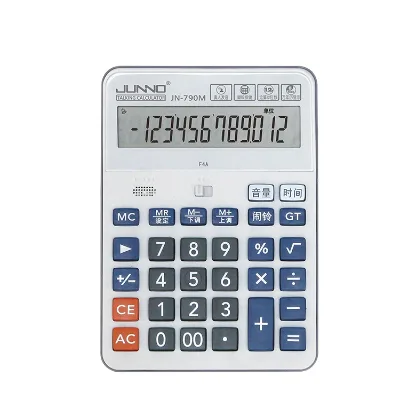
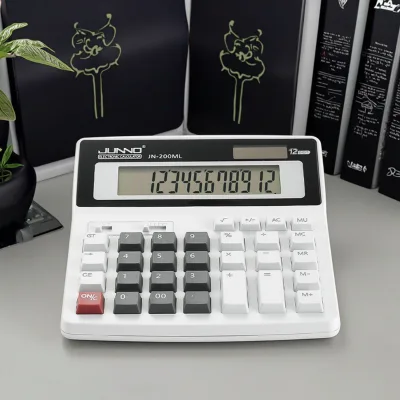
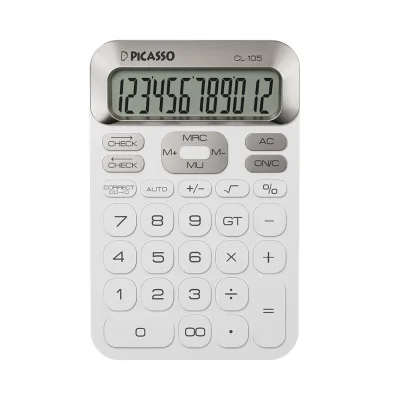
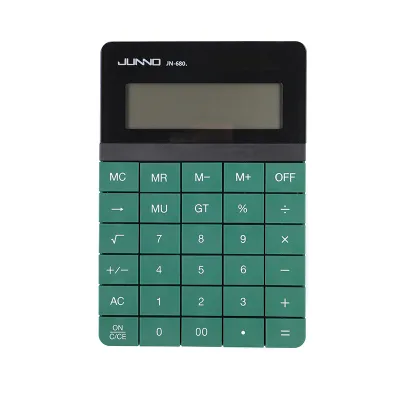
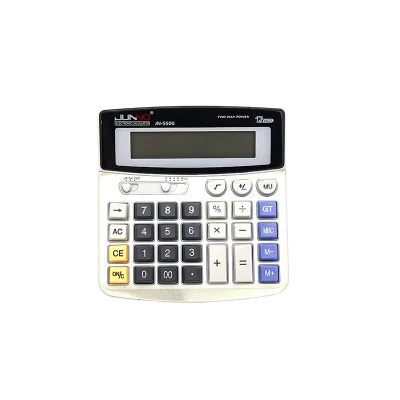
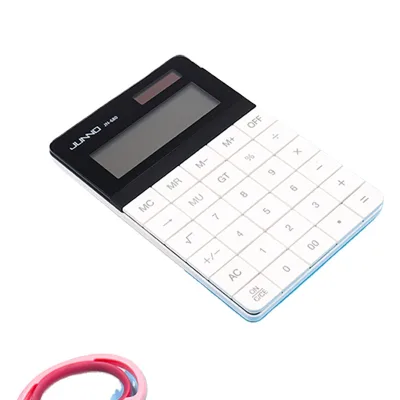
$2.1706 - $2.3249
MOQ: 60 sets
Shantou Eates Electronic Industrial Co., Ltd.
- Manufacturer, Trading Company
- Guangdong, China
- Lead time40 days
- Avg. response≤ 9h
Main productsElectronic Calculator
Main marketsDomestic Market(76.92%), Southeast Asia(7.05%), Africa(5.57%), Mid East(4.76%), South Asia(2.19%), Eastern Europe(2.13%), South America(0.54%), Western Europe(0.48%), Eastern Asia(0.29%), Southern Europe(0.07%)
Shenzhen Comix Group Co., Ltd.
- Manufacturer, Trading Company
- Guangdong, China
- Lead time45 days
- Avg. response≤ 6h
Main productsFiling Products,Office Supplies,Paper Shredder,Laminator,Binding Machine
Main marketsNorth America(40.00%), Southeast Asia(10.00%), Mid East(10.00%), Western Europe(10.00%), Eastern Europe(5.00%), Eastern Asia(5.00%), South America(5.00%), South Asia(4.00%), Oceania(3.00%), Southern Europe(3.00%), Africa(2.00%), Northern Europe(2.00%), Central America(1.00%)

Ningbo Hollan Stationery Co., Ltd.
- Trading Company
- Zhejiang, China
- Lead time30 days
- Avg. response≤ 15h
Main productsStationery,Office Suppliers
Main marketsSouth America(25.00%), North America(21.00%), Africa(15.00%), Western Europe(7.00%), Oceania(6.00%), Mid East(5.00%), Eastern Europe(5.00%), Northern Europe(4.00%), Central America(3.00%), Eastern Asia(3.00%), South Asia(2.00%), Southern Europe(2.00%), Southeast Asia(2.00%)
Yiwu Qihao Import And Export Co., Ltd.
- Trading Company
- Zhejiang, China
- Lead time0 days
- Avg. response≤ 17h
Main productscalculator,sports watch,clock
Main marketsSouth America(20.00%), Central America(15.00%), Southeast Asia(10.00%), Mid East(10.00%), Domestic Market(5.00%), South Asia(5.00%), Northern Europe(5.00%), North America(5.00%), Western Europe(5.00%), Eastern Asia(5.00%), Eastern Europe(5.00%), Oceania(5.00%), Africa(5.00%)

Guangzhou Kunheng Stationery Co., Ltd.
- Verified by BV
- Trading Company
- China Guangdong
- Lead time30 days
- Avg. response≤ 1h
Main productsCalculators
Main marketsSoutheast Asia/ Mideast

- Verified by SGS
- Trading Company
- China Zhejiang
- Lead time15 days
- Avg. response≤ 12h
Main productsFitness Equipment, Trampoline, Treadmill, Dumbbell, Yoga Mat, Spinning Bike, Jump Rope, Pull up Bar, Gym Rack, Leg Press
Main marketsEurope,Australia


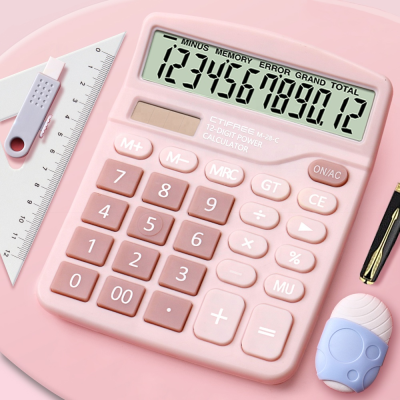
Wholesale Dual Power School Office 12 Digits Electronic Advanced Calculator
$1.30 - $1.44
MOQ: 500 Pieces
Guangzhou Cania Technology Co., Limited
- Manufacturer, Trading Company
- Lead time旺季: "1 - 10000":31,"> 10000":"To be negotiated", 淡季: "1 - 10000":31,"> 10000":"To be negotiated"
- Avg. response≤ 1h
Main productsCalculator, Notebook, Marker Pen, Portable Printer
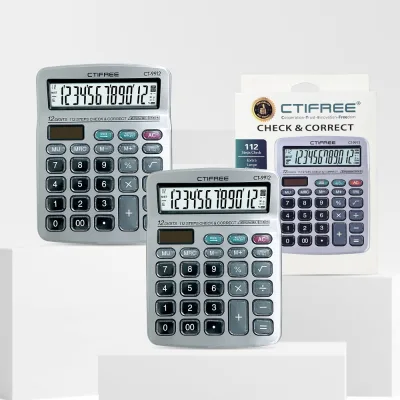
$1.8453 - $2.3594
MOQ: 60 pieces
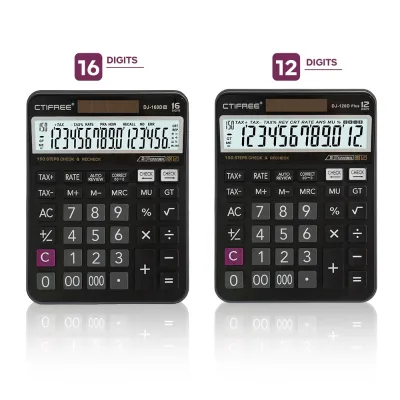
$2.1661 - $2.7507
MOQ: 120 pieces
Hefei Colorfly Stationery Co., Ltd.
- Verified by SGS Group
- Manufacturer, Trading Company
- Lead time30 days
- Avg. response≤ 6h
Main productsExercise Book, Notebook, PU leather Book
Main marketsAfrica(40%), Mid East(15%), Domestic Market(10%)
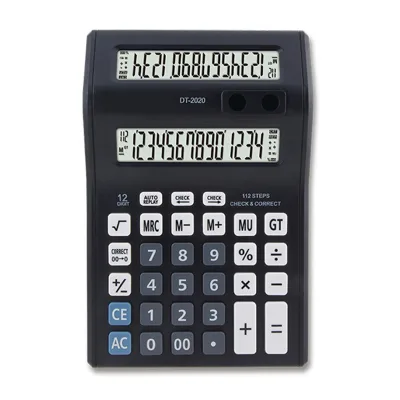
China Factory 12 Digit Solar LCD Screen Financial Calculadoras Electronic Calculator
$1.0013 - $1.0418
MOQ: 3000 pieces
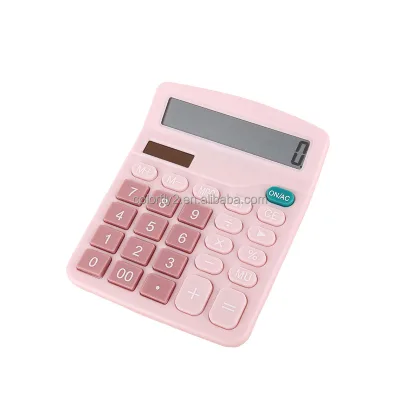
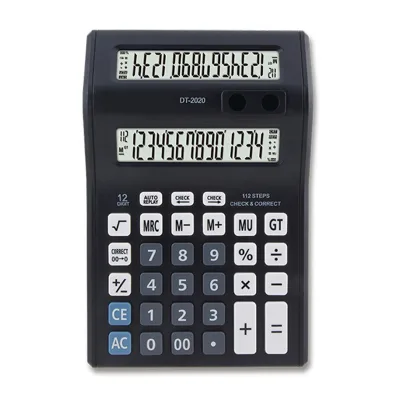
$1.50 - $1.65
MOQ: 3000 pieces

- Trading Company
- Hong Kong S.A.R.
- Lead time20 days
- Avg. response≤ 5h
Main productsPromotional Gifts,Party Supplies,Luggage & Bags,Medals & Trophies,Apparel & Caps
Main marketsNorth America(21.00%), Oceania(13.00%), Southeast Asia(12.00%), Western Europe(10.00%), Mid East(9.00%), Eastern Europe(8.00%), Southern Europe(7.00%), Africa(5.00%), Northern Europe(5.00%), Eastern Asia(5.00%), Central America(2.00%), South America(2.00%), South Asia(1.00%)
Putian New HuaFeng Electronics Co.,Ltd
- Verified by SGS Group
- Manufacturer, Trading Company
- Lead time7 days
- Avg. response≤ 3h
Main productsDigital Clocks, Kitchen Thermometers, Thermometer Hygrometers, Kitchen Timers, Bluetooth Speakers
Main marketsAfrica(50%), Domestic Market(23%), North America(15%)
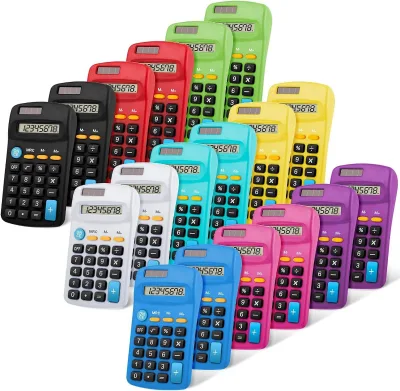
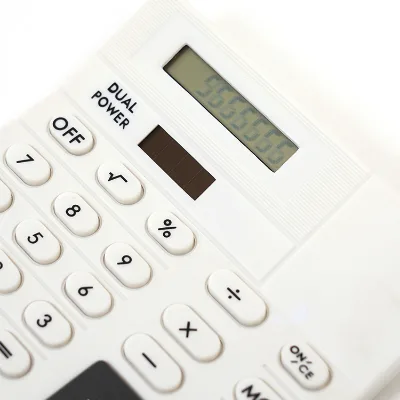
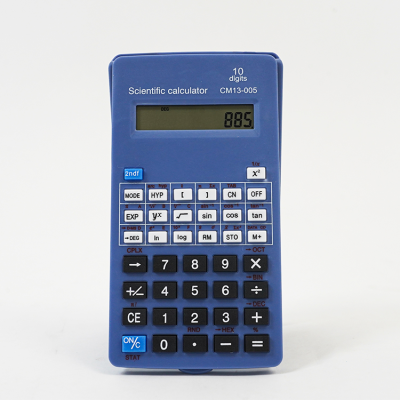
Simplified Dual Power Large Screen 8-bit Solar Calculator for Financial Accountants Office
$0.70 - $0.80
MOQ: 3000 pieces

- Manufacturer
- Zhejiang, China
- Lead time20 days
- Avg. response≤ 2h
Main productsPens,markers,gifts,stationery,marker pen
Main marketsNorth America(29.00%), South America(10.00%), Western Europe(8.00%), Northern Europe(8.00%), Eastern Europe(7.00%), Southeast Asia(6.00%), Eastern Asia(6.00%), Mid East(5.00%), Central America(5.00%), Southern Europe(5.00%), Domestic Market(5.00%), Africa(3.00%), South Asia(3.00%)
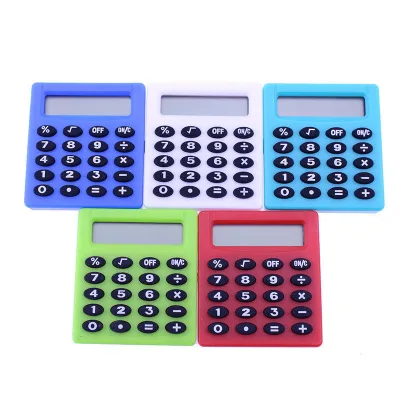
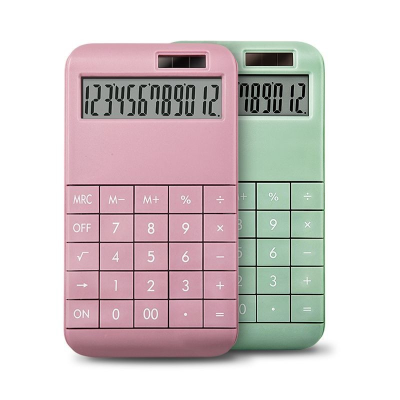
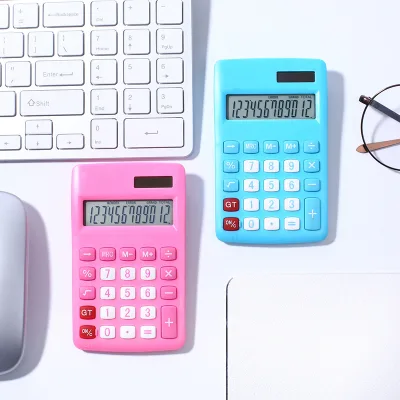
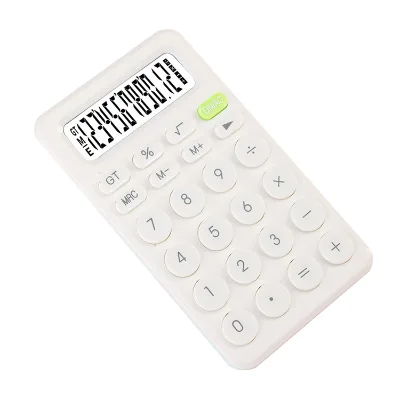
Calculator 12 Digits Custom Desktop Pocket Small Size Mini Calculator for Home School Office
$0.40 - $2.00
MOQ: 500 Minimum
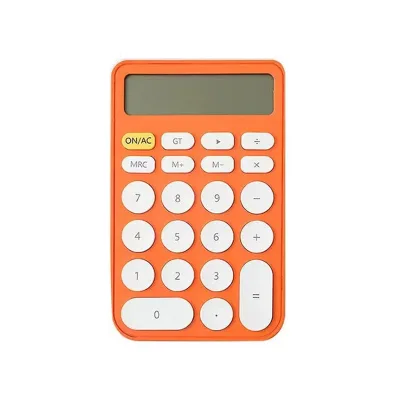
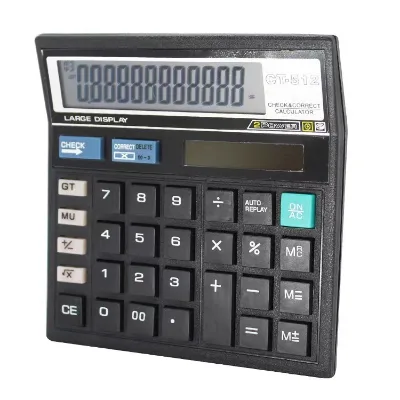
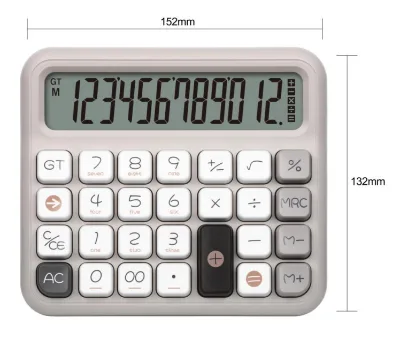
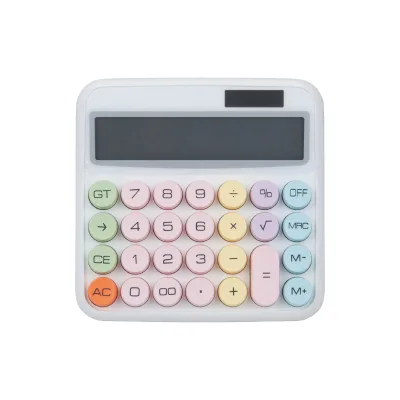
12 Digital Kawaii Calculator for Office Students Promotion Gift Logo Custom
$0.4167 - $2.0836
MOQ: 500 Minimum

Ningbo Inmax Cultural Technology Co., Ltd
- Verified by SGS
- Trading Company,Manufacturer/Factory
- China Zhejiang
- Lead time45 days
- Avg. response≤ 2h
Main productsPen, Stationery, Pencils, Ballpoint Pens, Highlighter, Notebook, Marker, Erasers, Rulers, School Stationery
Main marketsSouth America,Eastern Europe,Mid East,North America,Southeast Asia,Eastern Asia,Oceania,Western Europe,Africa
Putian Huayang Electronic Co., Ltd.
- Verified by Intertek
- Manufacturer, Trading Company
- Lead time25 days
- Avg. response≤ 6h
Main productsCalculators, Clocks, Timers, Stopwatches
Main marketsNorth America(20%), Southeast Asia(20%), Western Europe(15%)
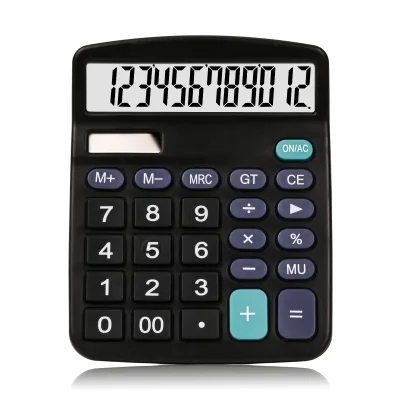
$0.5247 - $0.6176
MOQ: 3 pieces

Chengdu Qinliwei Import and Export Trade Co., Ltd.
- Trading Company,Manufacturer/Factory
- China Sichuan
- Lead time23 days
- Avg. response≤ 8h
Main productsGolf Products, CNC Products, Timer, Mat, Fashion Accessories, Digital Counter, Photographic Equipment
Main marketsNorth America,Western Europe

$1.99 - $2.33
MOQ: 60 Pieces

Mini Calculator High Accuracy Simple Style 8 Digits Electronic Accounting Calculator
$0.33 - $0.43
MOQ: 1000 Pieces
Shenzhen Maujoy Technology Co., Limited
- Manufacturer
- Guangdong, China
- Lead time45 days
- Avg. response≤ 5h
Main productsTalking watch,Talking clock,Talking keychain,Low vision and blind product,Talking scale
Main marketsWestern Europe(38.00%), North America(35.00%), Central America(5.00%), Eastern Europe(5.00%), Northern Europe(5.00%), Oceania(5.00%), Southern Europe(4.00%), Mid East(3.00%)




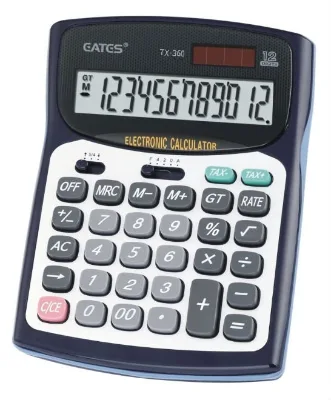
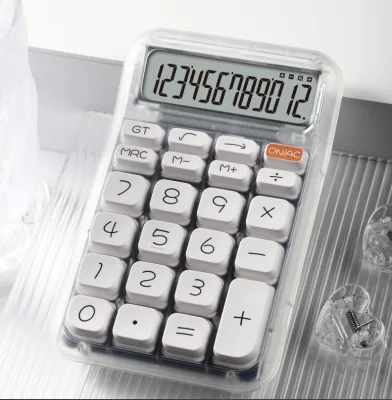
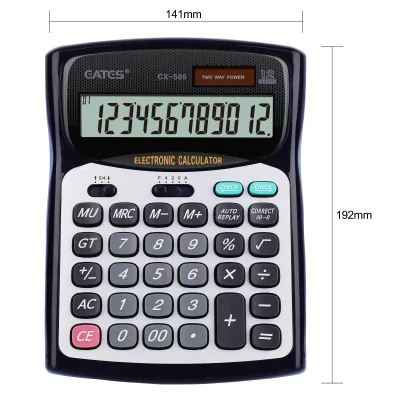
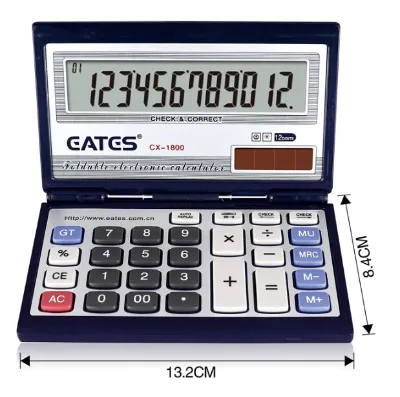




Comprehensive Sourcing Guide
12-Digit Dual Power Financial Calculator Supplier Concentration and Factory Types
The sourcing landscape for 12-digit dual power financial calculators reveals a distinct split between manufacturing capabilities and trading operations, primarily concentrated in specific Chinese provinces. Evidence indicates that manufacturers are located in Fujian, China, while trading companies operate out of Anhui, China. This geographic separation often correlates with the type of business entity and the depth of their operational control. Manufacturers in Fujian are identified as Factory/Manufacturer entities, suggesting they possess direct control over the production line, tooling, and assembly processes for electronic devices. These entities typically list main products that include Clocks, Digital Clocks, Timers, Calculators, LCD Modules, Stopwatches, Electronic Toys, and Electronic Watches. This product mix suggests a specialized focus on small electronic consumer goods, where the calculator is part of a broader portfolio of low-voltage, battery-operated devices. The presence of OEM and ODM capabilities in their RD capacity further supports the notion that these suppliers can handle custom engineering requests, such as modifying circuit boards or housing designs for specific financial functions.
In contrast, suppliers identified as Trading Companies in Anhui, China, present a different operational model. Their main products include Pencil, Stationery Pins, Stationery Clips, Staple, Stapler, Paper Punch, Office Organizer, Document File, and Glue. This diverse stationery portfolio indicates a broader sourcing strategy rather than deep specialization in electronics manufacturing. Trading companies often aggregate products from multiple factories to offer a one-stop-shop solution for office supplies. While they may not own the factories producing the calculators, they facilitate the transaction and logistics. The distinction between these two types is critical for buyers. A manufacturer offers direct communication with engineering teams and potentially lower unit costs due to the absence of intermediary margins. However, a trading company might offer greater flexibility in mixing calculator orders with other stationery items, simplifying consolidated shipping. Buyers must determine whether their priority is technical customization and cost efficiency, which favors manufacturers, or logistical convenience and product variety, which favors trading companies. Understanding this concentration helps in targeting the right supplier type for specific procurement goals.
How to Verify 12-Digit Dual Power Financial Calculator Suppliers
Verifying the legitimacy and capability of suppliers requires a multi-layered approach that goes beyond basic company profiles. One of the primary verification methods available in the current results is third-party audit and certification checks. For instance, some suppliers display verification from SGS, a globally recognized inspection and certification company. This indicates that an independent party has assessed the supplier’s facilities, quality management systems, or product compliance. Another supplier shows verification from TÜV Rheinland, another major international testing and certification organization. These verifications provide a layer of trust regarding the supplier’s operational integrity. Additionally, system certifications such as ISO 9000, OHSAS/ OHSMS 18001, ISO 14001, ISO 9001, ISO 14000, and ISO 20000 are listed for certain manufacturers. These certifications demonstrate adherence to international standards for quality management, environmental management, and occupational health and safety. Buyers should prioritize suppliers who hold these verifications, as they reduce the risk of dealing with unregulated or non-compliant operations. The presence of an ISO 9001:2015 certificate for a trading company also suggests a structured approach to quality control, even if they do not manufacture the goods themselves.
Beyond certifications, buyers must verify product-specific compliance and technical specifications. The product evidence shows that calculators often carry RoHS certification, which restricts the use of specific hazardous materials in electrical and electronic equipment. This is crucial for exporting to markets with strict environmental regulations, such as the European Union. Buyers should request copies of these certificates to ensure they are valid and specific to the product model being ordered. Furthermore, verifying the supplier’s response time can serve as an indicator of their operational efficiency and customer service quality. Data shows response times ranging from 2.91 to 3.86, which likely represents hours or a similar metric. A faster response time suggests a more agile team capable of addressing queries and resolving issues promptly. Buyers should also check if the supplier offers logo printing and customization options, as indicated by product attributes like "With Logo Printing" and "Customization: Available." Confirming these capabilities directly with the supplier ensures that they can meet branding requirements. It is also advisable to ask for recent test reports or factory audit videos to gain visual confirmation of the production environment and quality control processes.
What to Compare Across 12-Digit Dual Power Financial Calculator Suppliers
When evaluating multiple suppliers, buyers should systematically compare key operational metrics to identify the best fit for their needs. Lead time is a critical factor, especially for time-sensitive orders. The observed lead times vary, with some suppliers indicating a lead time of 23 days, while others, particularly trading companies, may offer faster delivery windows such as 7 days for specific items. This discrepancy highlights the difference between production-based lead times and inventory-based fulfillment. Buyers needing rapid restocking might prefer suppliers with shorter lead times or existing stock, while those planning long-term campaigns can accommodate longer production cycles. Minimum Order Quantity (MOQ) is another vital comparison point. Some products have an MOQ of 500 units, which is standard for manufacturing runs. However, other suppliers may offer lower MOQs, such as one carton, which could contain 120 pieces. This flexibility is advantageous for smaller buyers or those testing the market. Comparing MOQs helps buyers align their order sizes with their inventory capacity and cash flow constraints.
Price and customization options are also essential dimensions for comparison. The price range for 12-digit dual power calculators varies significantly, from as low as $0.89 to over $2.14 per unit, depending on features, materials, and order volume. Buyers should analyze the price-to-feature ratio, considering attributes like solar power, dual power sources, and display size. For example, a calculator with a 12-digit display and dual power might cost more than an 8-digit basic model. Additionally, the availability of OEM/ODM services allows for product differentiation. Suppliers offering logo printing and custom packaging enable buyers to create branded products for promotional purposes or specific retail channels. Buyers should compare the costs associated with customization, such as mold fees or setup charges, against the potential marketing benefits. Material quality is another differentiator; some calculators are made of plastic, while others use ABS material, which may offer greater durability. By systematically comparing lead times, MOQs, prices, and customization capabilities, buyers can make informed decisions that balance cost, speed, and product quality.
Common 12-Digit Dual Power Financial Calculator Sourcing Risks
Sourcing 12-digit dual power financial calculators involves several potential risks that buyers must mitigate through careful due diligence. One significant risk is the discrepancy between advertised specifications and actual product quality. While product evidence lists attributes like "12 Digits" and "Dual Power," buyers must verify that the actual units meet these standards. For instance, some products are described as having a "Large" size, while others are "Middle" or "Small." Misalignment in size expectations can lead to logistical issues or customer dissatisfaction. Additionally, the power source is a critical feature; some calculators rely on solar power, while others use batteries or a dual system. Buyers should ensure that the power consumption specifications, such as "1PCS* AA Battery" or "Solar + 1xaaa," match their requirements. Failure to verify these details can result in products that do not function as expected in the target market. Another risk is the lack of waterproofing, as many products are explicitly marked as "Not Waterproof." Buyers targeting outdoor or harsh environments must be aware of this limitation and communicate clearly with suppliers about any special requirements.
Intellectual property and compliance risks are also prevalent in the electronics sector. While some suppliers display RoHS certification, buyers must ensure that these certifications are current and applicable to the specific models ordered. Counterfeit or expired certificates can lead to customs delays or legal issues in regulated markets. Furthermore, the risk of supply chain disruptions cannot be ignored. Suppliers with longer lead times or those relying on complex manufacturing processes may face delays due to raw material shortages or production bottlenecks. Buyers should assess the supplier’s capacity and reliability by reviewing their response times and past performance indicators. Additionally, there is a risk associated with customization errors. If a supplier fails to correctly apply logo printing or custom packaging, it can result in significant financial loss and brand damage. To mitigate these risks, buyers should establish clear quality control checkpoints, request pre-shipment samples, and maintain open communication with suppliers. Understanding these common pitfalls allows buyers to implement proactive measures to protect their interests and ensure a smooth sourcing process.
12-Digit Dual Power Financial Calculator Regional Sourcing and Logistics
Regional sourcing strategies can significantly impact the efficiency and cost of procuring 12-digit dual power financial calculators. The concentration of suppliers in China, specifically in Fujian and Anhui provinces, offers distinct logistical advantages. Fujian, home to many manufacturers, is a major hub for electronics production, providing access to a robust supply chain for components like LCD modules and electronic parts. This proximity to component suppliers can reduce production lead times and enhance quality control. Buyers sourcing from Fujian-based manufacturers may benefit from faster turnaround times for custom orders and better technical support. On the other hand, Anhui, where trading companies are located, offers a different logistical profile. Trading companies often have established relationships with multiple factories and logistics providers, enabling them to consolidate shipments from various sources. This can be advantageous for buyers who need a mix of calculators and other stationery items. The ability to consolidate orders can reduce shipping costs and simplify customs clearance processes.
Logistics planning must also consider the packaging and dimensions of the products. Product evidence indicates various packing standards, such as "Carton" or "1PC/Box," with specific quantities per carton, like 120 pieces. Understanding these packaging details is crucial for optimizing container space and calculating freight costs. For example, a calculator with dimensions of 15219636mm will have different volumetric weight compared to a smaller model. Buyers should work with suppliers to determine the most efficient packing configuration to minimize shipping expenses. Additionally, the origin of the products, listed as "China," affects import duties and trade regulations in the destination country. Buyers must be aware of any tariffs or trade agreements that may apply to electronics imported from China. Partnering with suppliers who have experience in international shipping can help navigate these complexities. Suppliers with verified logistics capabilities can provide accurate shipping quotes and handle documentation, ensuring timely delivery. By leveraging the regional strengths of Fujian and Anhui, buyers can optimize their supply chain for cost, speed, and reliability.
12-Digit Dual Power Financial Calculator Commercial Terms and Order Planning
Effective order planning for 12-digit dual power financial calculators requires a thorough understanding of commercial terms and payment structures. Payment methods vary among suppliers, with some accepting T/T (Telegraphic Transfer) as a standard option. Buyers should clarify the payment terms, including deposit requirements and balance payment schedules, to manage cash flow effectively. For instance, a supplier might require a 30% deposit upon order confirmation and the remaining 70% before shipment. Understanding these terms helps buyers avoid unexpected financial burdens. Additionally, the minimum order quantity (MOQ) plays a crucial role in order planning. While some suppliers have an MOQ of 500 units, others may offer lower thresholds, such as one carton containing 1
FAQs
What is the price range for 12-digit dual power calculators?
Prices typically range from $1.31 to $2.14 per unit depending on specifications. The lowest cost options are around $1.31 for basic models, while advanced features like larger displays or specific certifications may increase the price to approximately $2.14. Buyers should verify exact pricing based on order volume and customization needs.
What is the minimum order quantity for these calculators?
The minimum order quantity is generally 500 pieces for standard electronic calculators. Some suppliers may accept one carton as the minimum, which typically contains 120 pieces. Buyers should confirm the specific MOQ with the supplier, as requirements can vary based on whether the product is customized or standard stock.
How long does production take for these orders?
Lead times vary by supplier, with some offering production within 15 days and others taking up to 23 days. Specific delivery times can be as fast as seven days for certain models. Buyers should confirm the exact lead time with the supplier before placing orders to ensure timely delivery for their projects.
Are these calculators certified for safety and environmental standards?
Yes, most models carry RoHS certification, ensuring they meet environmental standards. Suppliers also hold ISO 9001, ISO 14001, and OHSAS 18001 certifications. These credentials verify quality management and environmental responsibility. Buyers should request certification documents to confirm compliance with specific regional regulations before finalizing purchases.
Can I customize these calculators with my logo?
Yes, logo printing is available for most 12-digit dual power calculators. Suppliers offer OEM and ODM services to accommodate custom branding needs. Buyers can typically add their logo to the device surface. Customization options may affect the minimum order quantity and lead time, so these details should be confirmed with the supplier.
What power sources do these calculators use?
These calculators use dual power sources, combining solar energy with battery backup. Common battery types include AA or AAA cells. This dual system ensures reliable operation in various lighting conditions. Buyers should verify the specific power consumption and battery requirements for each model to ensure compatibility with their usage environment.