Source Foldable Inflatable Bath Tub with Cover for Travel, Home, Outdoor
Compare 30 listings for the Foldable Inflatable Bath Tub with Cover designed for travel, home, and outdoor use. Buyers can review specifications, customization options, and pricing to find the right portable solution; compare the available evidence and request quotations based on your requirements.
Updated
Key considerations
Products List

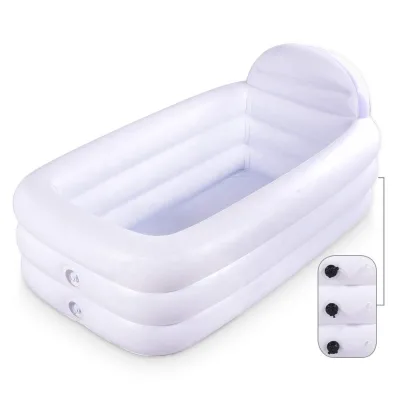
Foldable Inflatable Bathtub for Adult with Cover Portable Inflatable Bathtub Adult Bath
$20.43 - $22.29
MOQ: 500 Pieces


Portable Adults Tub with Cover Portable Inflatable Ice Bath Adults Inflatable Tub
$20.43 - $22.29
MOQ: 500 Pieces


Large Freestanding Bath Tub Inflatable Foldable Hot Bath Tub Ice Bathtub
$12.90 - $15.00
MOQ: 300 Pieces

Portable Inflatable Adult SPA Bathtub Folding Plastic Bath Tub for Ice Bath
$9.78 - $1056.00
MOQ: 2 Pieces
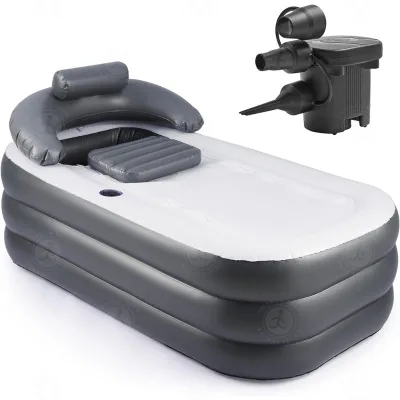
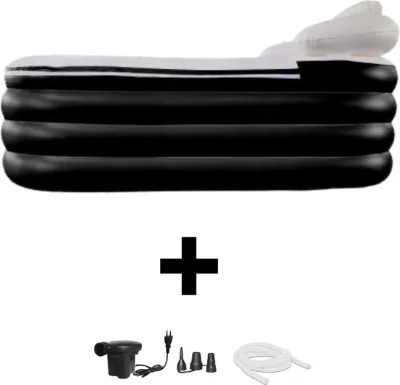
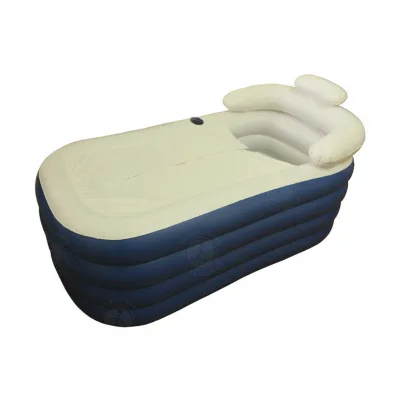
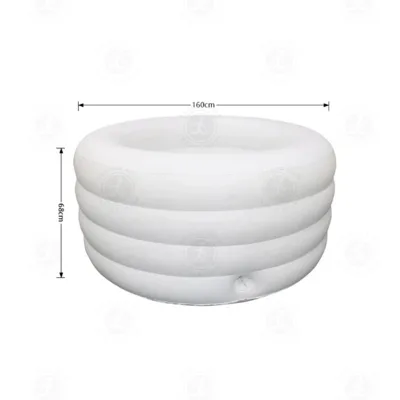

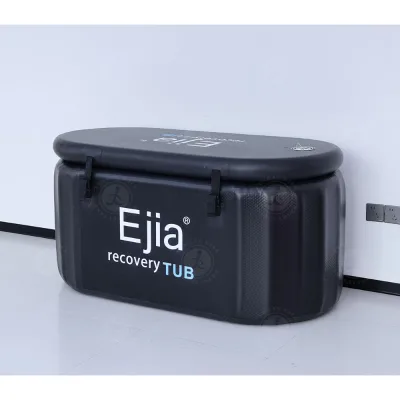
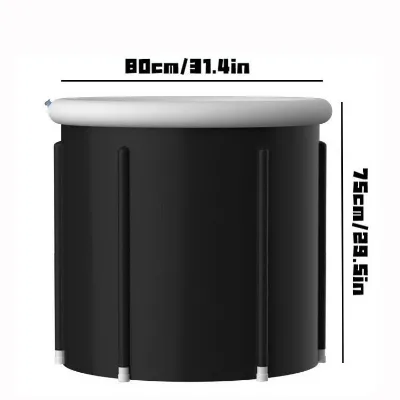
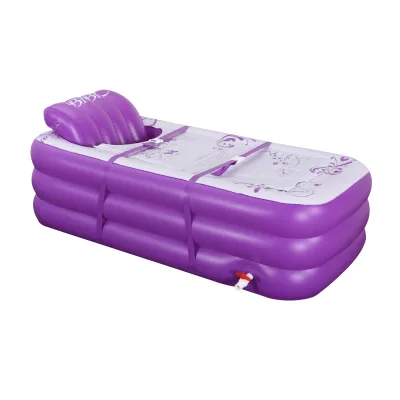
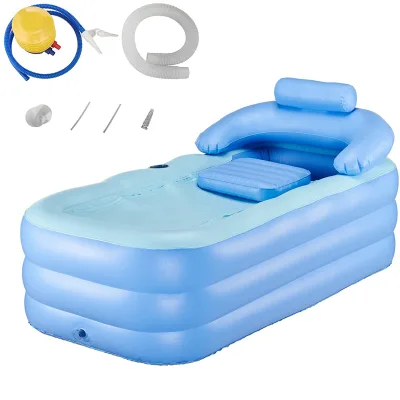


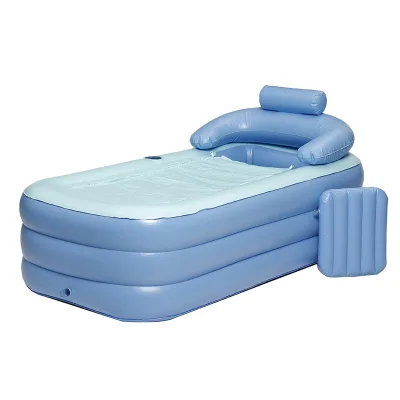
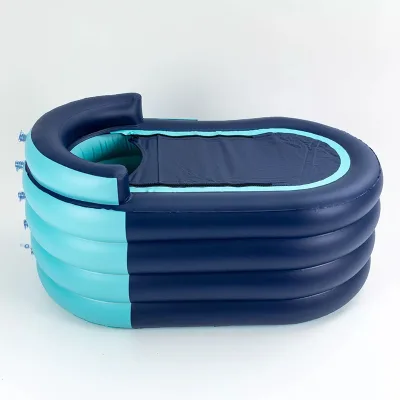
Thickened PVC 4 Layer Portable Bathtub Inflatable Bath Tub Adult Tub Cushion Zipper Cover Warm
$20.6697 - $26.7242
MOQ: 1000 pieces
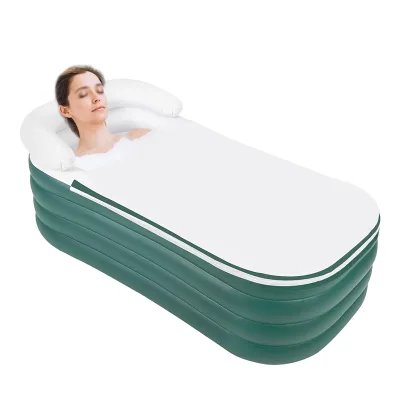
$10.2936 - $14.4683
MOQ: 1000 pieces
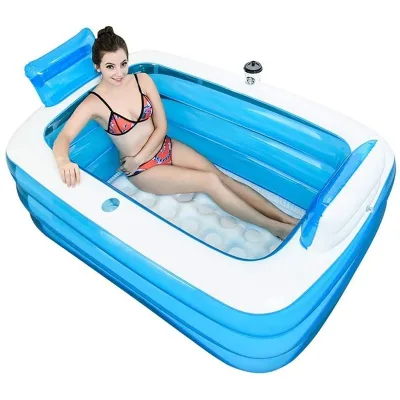
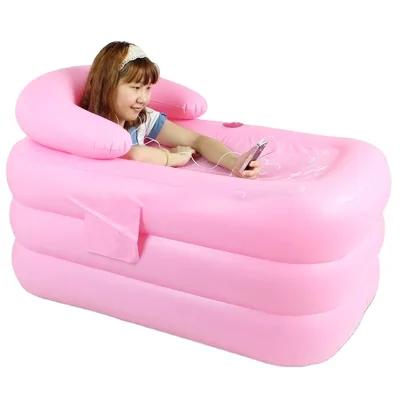
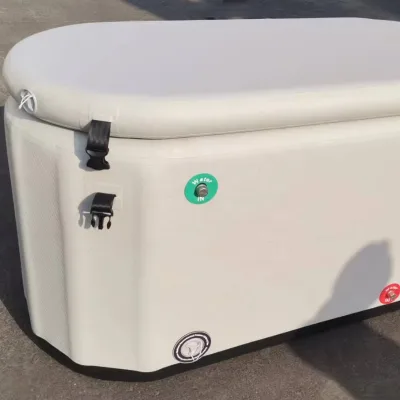
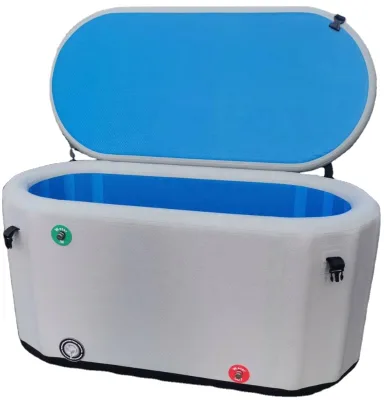

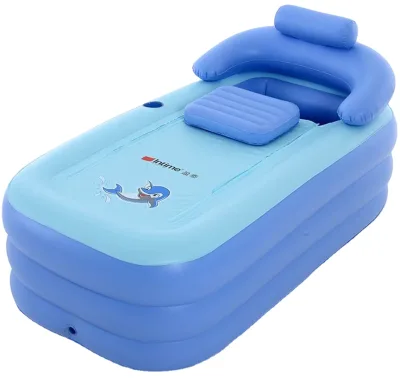
Portable Folding Inflatable Bathtub Massage Warm Travel Inflatable Bathtub
$16.90 - $17.50
MOQ: 300 pieces


Comprehensive Sourcing Guide
Foldable Inflatable Bath Tub with Cover Sourcing Guide
Procuring foldable inflatable bath tubs with covers requires a nuanced understanding of material durability and structural integrity, as these products serve diverse needs ranging from casual home relaxation to specialized therapeutic recovery. Buyers must distinguish between standard portable units and those designed for more intensive use, such as ice baths or spa applications, which often demand thicker PVC construction and reinforced seams. The presence of a cover is a critical differentiator, offering thermal retention and protection from debris, but its inclusion varies significantly across supplier listings. Sourcing teams should prioritize suppliers who provide clear specifications on material thickness and layering, as these factors directly influence the tub’s ability to maintain temperature and withstand repeated inflation cycles without compromising safety or comfort.
The market offers a wide array of styles, from minimalist modern designs to functional, heavy-duty units suitable for both indoor and outdoor environments. Observations indicate that products are frequently marketed for adult use, with some models also accommodating children, which necessitates careful verification of weight limits and stability features. The installation type is predominantly inflatable, allowing for easy storage and portability, yet the structural design must support the user’s weight effectively. Buyers should evaluate the drainage mechanisms, noting that drain locations can vary from bottom-mounted to side-mounted options, which impacts ease of use and cleaning efficiency. Understanding these physical attributes is essential for selecting a product that aligns with specific logistical and usage requirements.
Product Scope and Observed Listing Signals
Current market listings reveal a broad spectrum of inflatable bathtub configurations, with product names ranging from general "Inflatable Bathtub for Adult" to specialized "Ice Bath Tub" and "Portable Ice Bathtub" models. These variations suggest distinct use cases, with some units optimized for general hygiene and others for therapeutic applications like recovery or spa treatments. The observed product attributes highlight a strong emphasis on customization, with many suppliers offering OEM/ODM services and the ability to add customized logos. This flexibility is particularly valuable for private label buyers seeking to brand their products, but it also requires clear communication of design specifications to ensure the final output meets quality expectations. Buyers should carefully review the product descriptions to identify which features are standard and which are available only through custom orders.
The application scope extends beyond traditional bathroom settings, with many products marketed for outdoor use, travel, and even foldable storage solutions. This versatility is supported by features such as hand control mechanisms and freestanding structures that do not require permanent installation. However, the presence of a cover is not universally guaranteed across all listings, and buyers must explicitly confirm its inclusion if thermal retention or protection is a priority. Some models are described with specific dimensions, such as 1608555 cm or 80*80 cm, indicating that size selection is a critical decision point. Additionally, packaging details, such as color boxes or carton boxes, provide insights into the product’s retail readiness and protection during transit, which is vital for maintaining product quality upon arrival.
Technical Specifications to Verify
When evaluating technical specifications, the material composition is a primary concern, with PVC being the most commonly cited material for inflatable structures. Buyers should verify the thickness and quality of the PVC, as this directly impacts the tub’s durability and resistance to punctures or leaks. In addition to material, the structural design, whether inflatable or freestanding, must be assessed for stability and load-bearing capacity. The presence of a cover, if required, should be evaluated for its material compatibility with the tub and its ability to secure effectively. Dimensional accuracy is also crucial, as listed standards such as 1608555 cm or 70 x 70 cm must align with the buyer’s space constraints and user comfort requirements.
Drainage systems are another key technical aspect, with drain locations varying from bottom-mounted to right-side options. Buyers should consider how these configurations affect the ease of emptying and cleaning the tub, as well as the potential for water retention in hard-to-reach areas. The installation type, typically inflatable, requires an understanding of the inflation and deflation process, including the time required and the tools needed. Some products may feature additional functions, such as spa capabilities or ice bath compatibility, which may necessitate specific structural reinforcements or material treatments. Verifying these technical details with the supplier ensures that the product meets the intended functional requirements and avoids unexpected performance issues during use.
Compliance and Safety Documentation
Compliance and safety documentation are essential for ensuring that inflatable bath tubs meet regulatory standards in target markets. Certifications such as CE, ISO9001, BSCI, GSV, and ICTI are frequently cited, indicating adherence to quality management and social responsibility standards. Buyers should request copies of these certificates to verify their validity and scope, as they provide assurance that the supplier follows established manufacturing practices. The presence of a CE mark, for instance, suggests compliance with European safety, health, and environmental protection requirements, which is critical for importing products into the EU. However, buyers must confirm that the certification applies specifically to the product being purchased, as certifications may cover a range of products rather than individual items.
In addition to certifications, buyers should inquire about material safety data sheets and test reports, particularly regarding the PVC used in construction. These documents can provide insights into the chemical composition of the material, ensuring it is free from harmful substances such as phthalates or heavy metals. Warranty policies are another important consideration, as some suppliers offer limited warranties, such as one month, while others may not provide any warranty at all. Understanding the warranty terms helps buyers assess the supplier’s confidence in their product’s durability and their commitment to after-sales support. Clear documentation of these compliance and safety aspects is vital for mitigating legal and reputational risks associated with product liability.
Cost Drivers and Commercial Terms
Cost drivers for foldable inflatable bath tubs with covers include material quality, customization options, and order volume. The use of high-grade PVC and additional features like reinforced seams or specialized covers can increase the unit price, while bulk orders may offer economies of scale. Minimum order quantities (MOQs) vary, with some suppliers requiring as few as one unit for sampling and others demanding up to 1000 units for production runs. Buyers should negotiate terms that align with their inventory needs and cash flow constraints, considering the trade-offs between lower MOQs and higher per-unit costs. Payment terms, such as deposits or letters of credit, should be clearly defined to ensure financial security and transparency throughout the procurement process.
Lead times are another critical commercial term, influenced by factors such as customization requirements, production capacity, and shipping logistics. Buyers should establish clear expectations for delivery schedules and communicate any urgent requirements early in the negotiation process. Shipping costs, including freight and insurance, should be factored into the total cost of ownership, as these can significantly impact the final price. Additionally, buyers should consider the potential for hidden costs, such as customs duties or tariffs, which vary by destination country. Understanding these commercial terms helps buyers make informed decisions and avoid unexpected expenses that could erode profit margins or disrupt supply chain operations.
Supplier Qualification and Quality Control
Supplier qualification is a critical step in ensuring the reliability and consistency of foldable inflatable bath tubs with covers. Buyers should conduct thorough due diligence, including verifying the supplier’s business license, manufacturing capabilities, and past performance records. Site visits or virtual audits can provide valuable insights into the production environment, quality control processes, and workforce conditions. Suppliers with established certifications, such as ISO9001 or BSCI, often demonstrate a commitment to quality and ethical practices, which can reduce the risk of defects or non-compliance. Building a relationship with a qualified supplier fosters trust and facilitates smoother communication, leading to better outcomes in terms of product quality and service.
Quality control measures should be implemented at various stages of the production process, from raw material inspection to final product testing. Buyers should define clear quality standards and inspection criteria, including checks for material thickness, seam integrity, and functional performance. Third-party inspection services can provide an objective assessment of product quality before shipment, helping to identify and rectify issues early. Feedback loops between the buyer and supplier are essential for continuous improvement, allowing for adjustments in design or manufacturing processes based on performance data. By prioritizing supplier qualification and robust quality control, buyers can minimize risks and ensure that the products meet their expectations for durability and safety.
Long-Term Procurement Checks
Long-term procurement checks involve monitoring supplier performance and product quality over time to ensure sustained value and reliability. Regular audits and performance reviews can help identify trends in defect rates, delivery times, and customer feedback, allowing for proactive adjustments to sourcing strategies. Buyers should maintain open communication with suppliers to address any emerging issues promptly and foster a collaborative relationship. Tracking market trends and technological advancements in inflatable bath tubs can also inform future procurement decisions, ensuring that the products remain competitive and relevant. By staying informed and engaged, buyers can adapt to changing market conditions and maintain a resilient supply chain.
Additionally, buyers should evaluate the supplier’s ability to innovate and respond to evolving customer needs, such as new features or materials. This may involve exploring opportunities for co-development or joint ventures to create unique products that differentiate the buyer’s offerings. Sustainability considerations, such as the use of eco-friendly materials or energy-efficient manufacturing processes, are becoming increasingly important and can enhance brand reputation. By focusing on long-term relationships and continuous improvement, buyers can build a supply chain that supports growth and resilience, ensuring that foldable inflatable bath tubs with covers remain a valuable asset in their product portfolio.
FAQs
What materials are used for inflatable bathtubs?
The primary materials observed are PVC and plastic. These durable substances ensure the tubs remain waterproof and resistant to punctures during use. The construction supports both indoor and outdoor applications, providing a reliable surface for bathing or recovery therapies without compromising structural integrity over time.
Can I customize the logo on these tubs?
Yes, customization is available for these products. Buyers can request a customized logo to be printed on the inflatable bathtub. This OEM and ODM service allows businesses to brand the items effectively, ensuring the final product aligns with specific corporate identity requirements or marketing strategies for retail distribution.
What are the standard dimensions for these tubs?
Standard specifications vary by model, with common sizes including 160*85*55 cm and 80*80 cm. Some models measure 70 x 70 cm or 29.5 inches square. These dimensions accommodate adult users comfortably, offering ample space for soaking while maintaining a portable footprint suitable for various bathroom or outdoor settings.
Which certifications do these bathtubs hold?
Certifications include CE, ISO9001, BSCI, GSV, and ICTI. These credentials indicate compliance with international quality and safety standards. Buyers can verify these documents to ensure the manufacturing processes meet regulatory requirements, providing confidence in the product's reliability and the supplier's adherence to ethical and quality management practices.
How is the drainage system designed?
Drain locations are typically situated at the bottom or on the right side of the tub. This design facilitates efficient water removal after use. The hand control mechanism allows for easy operation, ensuring that users can quickly empty the tub without needing to lift or tilt the heavy, water-filled structure manually.
What is the minimum order quantity for these items?
The observed minimum order quantity ranges from 1 to 1000 units. This flexibility supports both small trial orders and large bulk purchases. Buyers can select quantities that match their inventory needs, whether sourcing for personal use or for wholesale distribution, without being forced into excessively high initial commitments.