360 Degrees Pet Toothbrush Suppliers and Manufacturers
Explore 30 verified options for 360 Degrees Pet Toothbrush from China Jiangsu and Shandong. Compare lead times, certifications like BSCI and ISO 9001, and pricing ranges to source effectively. Contact suppliers directly to request samples; review the available evidence before requesting comparable quotations from suitable candidates.
Updated
Suppliers List

Yangzhou Kandi Home Products Co., Ltd.
- Trading Company
- China Jiangsu
- Lead time30 days
- Avg. response≤ 4h
Main productsToothbrush, Toothpaste, Dental Floss, Dental Toothpick, Pet Toothbrush, Manual Toothbrush, Bamboo Toothbrush, Soap, Razor, Washing Powder
Main marketsAfrica,Southeast Asia/ Mideast


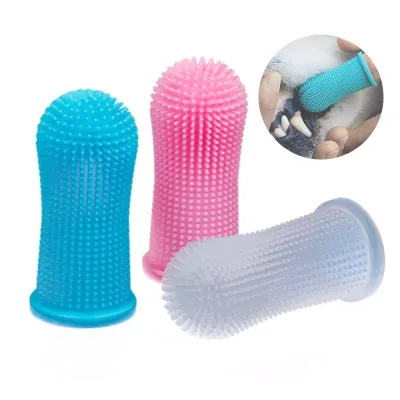
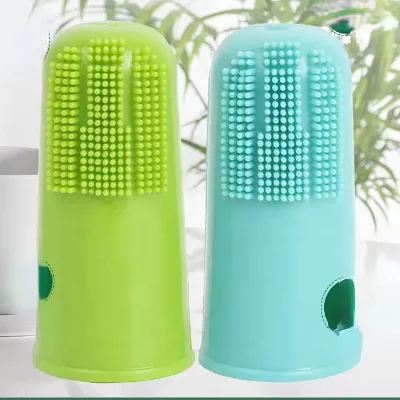
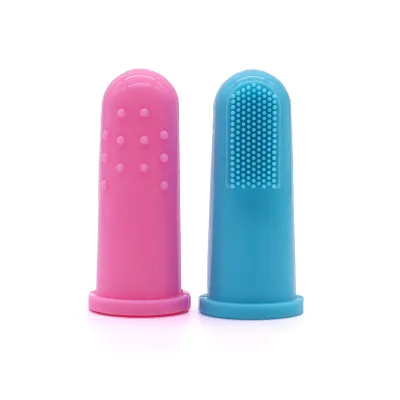
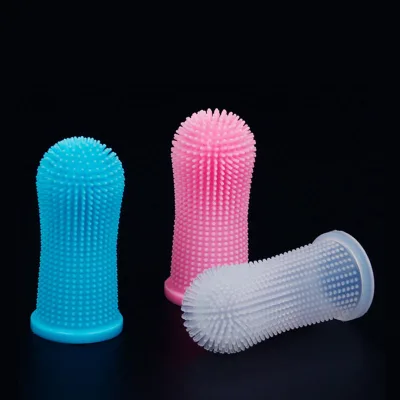
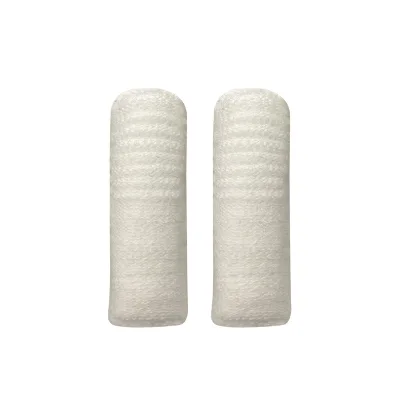
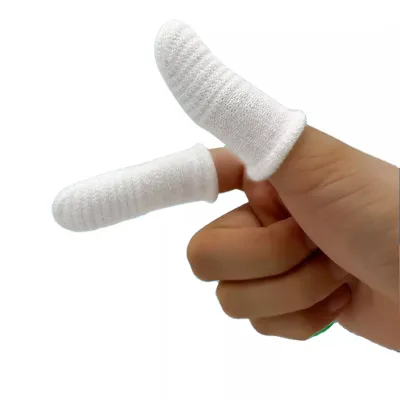
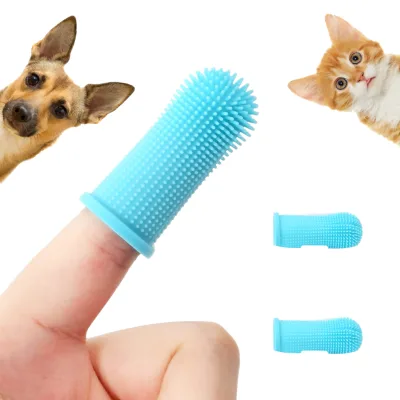
Eco Friendly 360-Degree for Cleaning Pet Teeth Silicone Pet Finger Toothbrush
$0.02 - $0.31
MOQ: 500 Pieces


Qingdao Yuanche International Trade Co., Ltd.
- Verified by SGS
- Trading Company,Manufacturer/Factory
- China Shandong
- Lead time15 days
- Avg. response≤ 4h
Main productsPet Supply, Dog Harness, Pet Bed, Pet Toys, Pet Bowl, Pet Grooming Tools, Pet Clothes, Pet Carrier, Pet Cage, Aquarium Supplies
Main marketsSouth America,Eastern Europe,Mid East,North America,Southeast Asia,Eastern Asia,Oceania,Western Europe,Africa
Yiwu Montanas Import And Export Co., Limited
- Verified by TüVRheinland
- Trading Company
- Lead time15 days
- Avg. response≤ 7h
Main productsParty And Event Supplies, Promotional Gift, Toys, Pet Products
Main marketsSouth America(35%), North America(25%), Western Europe(10%)
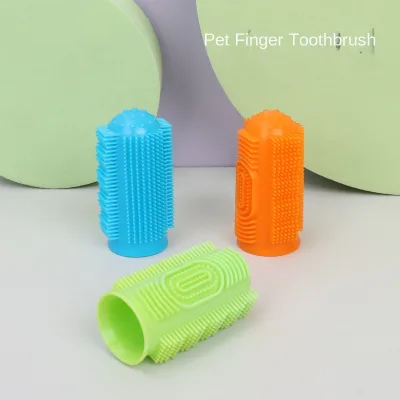
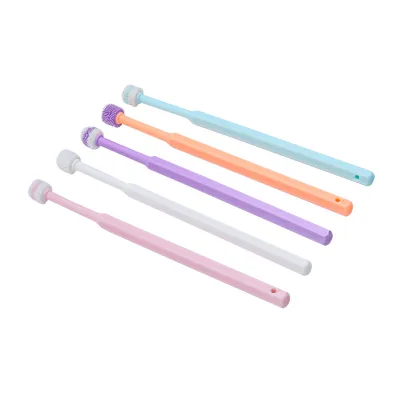
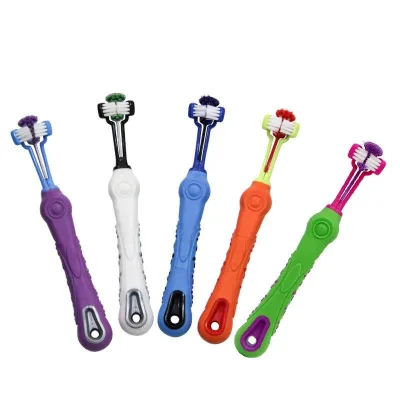
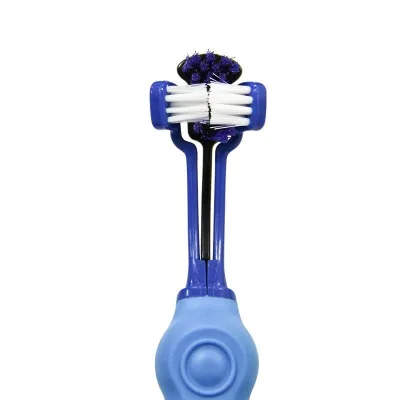
Pet Toothbrush Finger Toothbrush 360 Degree Surround Cleaning Toothbrush Oral Cleaning
$0.3703
MOQ: 100 Minimum
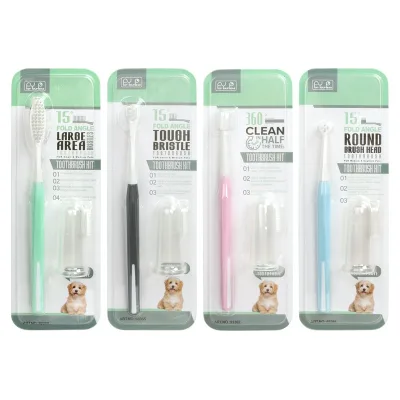
Pet Toothbrush Dog Soft Fur 360 Degrees Rotating Pointed Pet Oral Cleaning Tools
$0.95 - $0.99
MOQ: 100 pieces
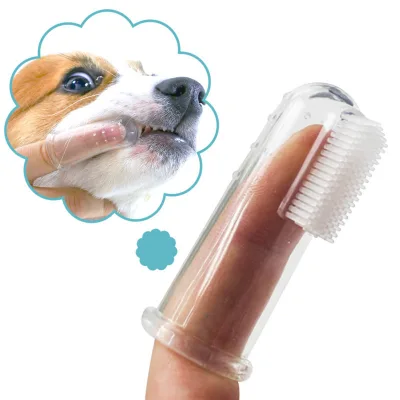
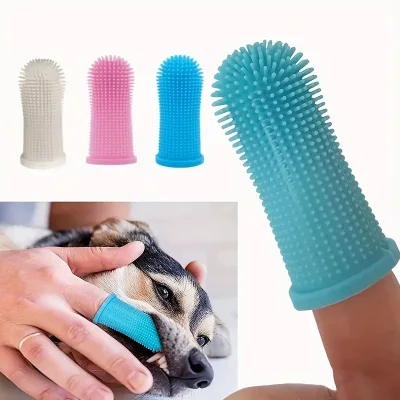
Soft Silicone Pet Finger Toothbrush for Dogs Cats Gentle Dental Care Easy Clean Teeth Cleaning Tool
$0.3912 - $0.4932
MOQ: 100 pieces
Dimoya (xiamen) Trading Co., Ltd.
- Verified by Intertek
- Trading Company
- Lead time20 days
- Avg. response≤ 2h
Main productsPet Harness, Pet Toy, Pet Grooming Products
Main marketsNorth America(45%), Western Europe(17%), Eastern Europe(15%)
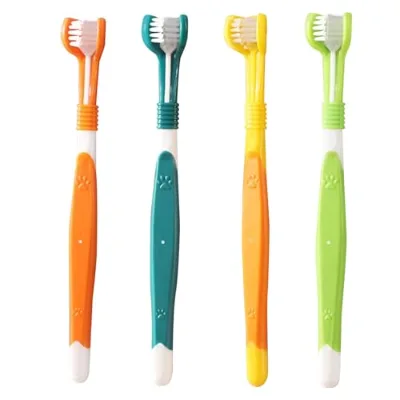
$0.2159 - $0.3912
MOQ: 10 pieces
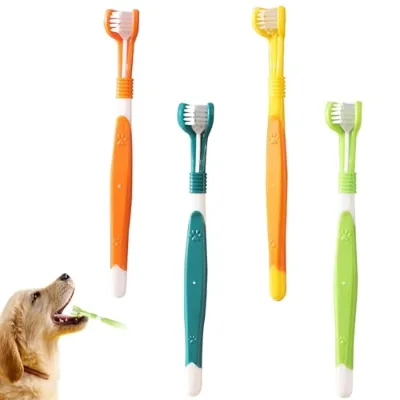

Rizhao Spring Trading Co., Ltd.
- Verified by CTI
- Manufacturer/Factory
- China Shandong
- Lead time15 days
- Avg. response≤ 4h
Main productsWalnut, Pet House, Peanut, Cat Litter, Pet Products, Pet Food, Cat Food, Pet Treats, Dog Food, Pet Toys
Main marketsMid East,North America,Western Europe
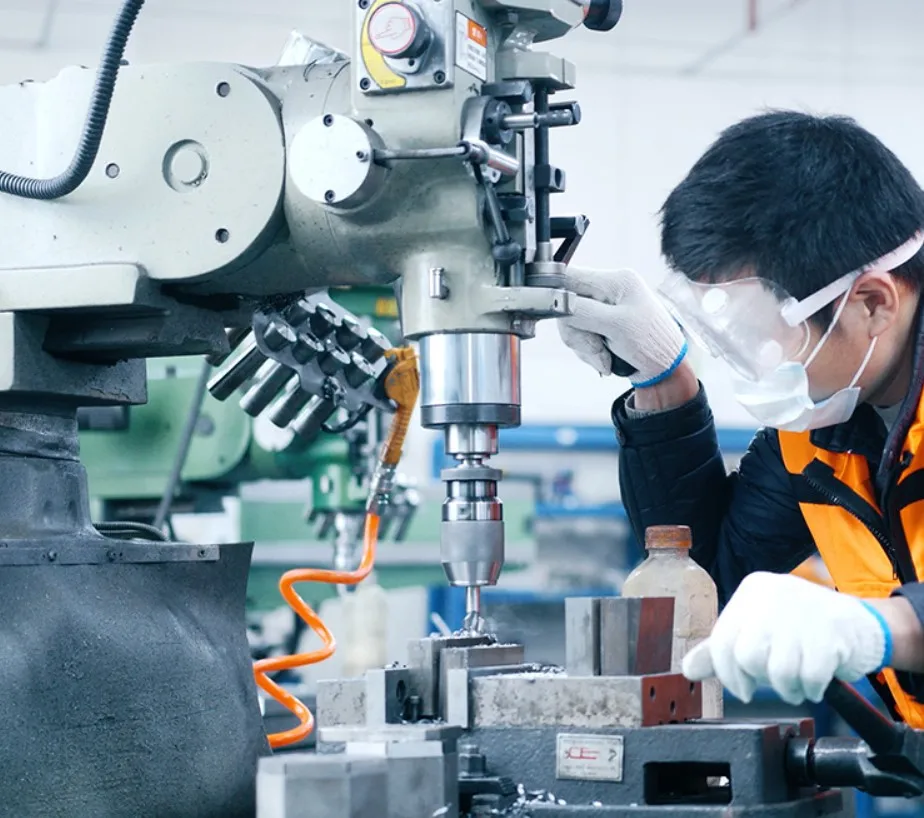
Hangzhou Yusheng Technology Co., Ltd.
- Trading Company
- Zhejiang, China
- Lead time30 days
- Avg. response≤ 11h
Main productsPet supplies,Pet carrier,Pet bed,Pet toy,Pet car accessories
Main marketsNorth America(50.00%), Southern Europe(10.00%), Western Europe(10.00%), Eastern Europe(10.00%), South America(10.00%), Africa(5.00%), Southeast Asia(5.00%)

Coral Healthcare Products Manufacturer Co., Ltd.
- Verified by TUVRHEINLAND
- Combined
- China Jiangsu
- Lead time30 days
- Avg. response≤ 7h
Main productsDental Floss, Toothbrush, Orthodontic Kit, Interdental Brush, Floss Tooth Pick
Main marketsSouth America,Africa,Southeast Asia/ Mideast,Europe,North America
Coral Healthcare Products Manufacturer Co., Ltd.
- Verified by TüVRheinland
- Manufacturer, Trading Company
- Jiangsu Province, China
- Lead time20 days
- Avg. response≤ 6h
Main productsToothbrush, Dental Floss, Interdental Brush, Orthodontic Hygiene Kit, Ortho Wax
Main marketsNorth America(15%), Eastern Europe(15%), Mid East(12%)
Shanghai Holley International Trading Co., Ltd.
- Trading Company
- Shanghai, China
- Lead time10 days
- Avg. response≤ 5h
Main productsPet Products
Main marketsWestern Europe(40.00%), North America(25.00%), South America(15.00%), Southeast Asia(10.00%), Mid East(10.00%)
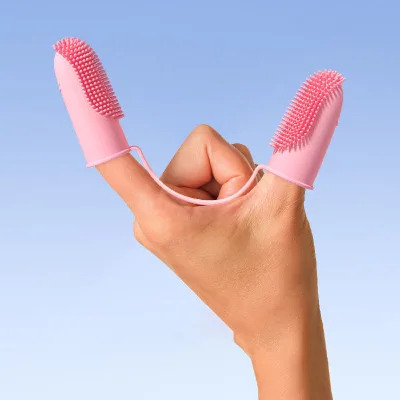
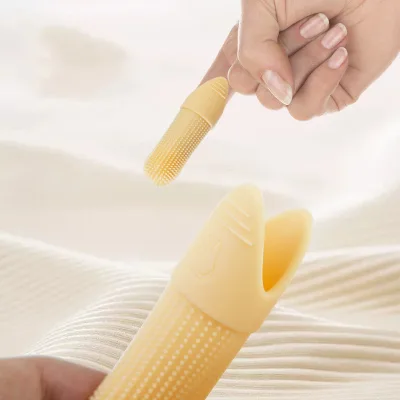
$0.3088 - $0.5037
MOQ: 220 pieces
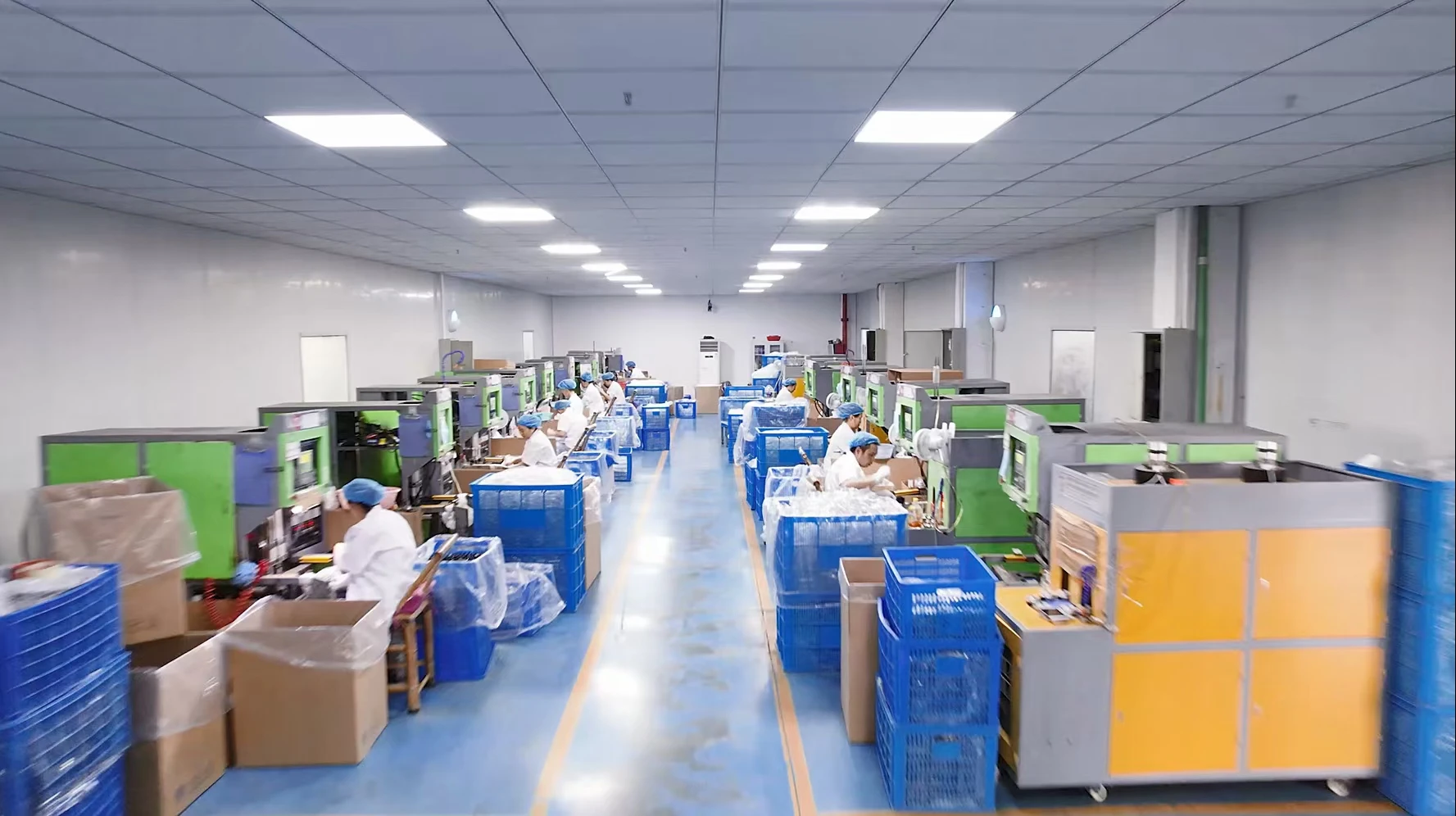
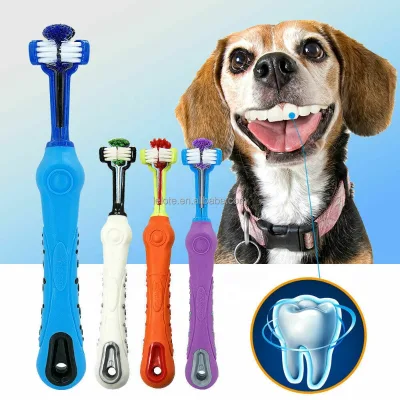
Shenzhen Lelote Technology Co., Ltd.
- Manufacturer, Distributor/Wholesaler
- Guangdong, China
- Lead time0 days
- Avg. response≤ 4h
Main productsPet Cleaning & Grooming Tools,Pet Bowls & Feeders,Pet Training & Behavior Products,Pet Collars & Leashes & Harness,Bottle Package
Main marketsSoutheast Asia(50.00%), Mid East(10.00%), Western Europe(5.00%), South America(5.00%), Southern Europe(5.00%), South Asia(5.00%), North America(5.00%), Eastern Europe(5.00%), Eastern Asia(3.00%), Oceania(2.00%), Northern Europe(2.00%), Africa(2.00%), Central America(1.00%)
Henan Geesion Medical Devices Co., Ltd.
- Verified by TüVRheinland
- Trading Company
- Lead time7 days
- Avg. response≤ 3h
Main productsNose Patch, Foot Patch, Medical Antipyretic Patch, Breathable Tape, Pressure-Sensitive Tape
Main marketsEastern Europe(31%), Southeast Asia(15%), North America(10%)

- Verified by SGS
- Trading Company
- China Zhejiang
- Lead time23 days
- Avg. response≤ 5h
Main productsPet Supplies, Toys, Plastic Products
Main marketsSouth America,Africa,Southeast Asia/ Mideast,East Asia(Japan/ South Korea),Europe,Australia,North America

NanChang Sunflower Silicone Rubber Co. Ltd
- Verified by TUVRHEINLAND
- Trading Company
- China Jiangxi
- Lead time15 days
- Avg. response≤ 5h
Main productsSex Toy, Watch, Phone Case, Kitchenware, Gift
Main marketsOthers(foreignTradeCapacity.exportBusinessCapacityMarketOther)
Jiangxi Aceco Daily Commodity Co., Ltd.
- Verified by Intertek
- Manufacturer, Trading Company
- Lead time25 days
- Avg. response≤ 1h
Main productsTooth Brush, Dental Floss
Main marketsDomestic Market(70%), North America(10%), Eastern Europe(10%)

Henan Geesion Medical Devices Co., Ltd.
- Verified by BV
- Trading Company
- China Henan
- Lead time15 days
- Avg. response≤ 9h
Main productsPain Relief Patch, Cooling Gel Patch, Detox Foot Patch, Slimming Patch, Capsicum Plaster, Stop Smoking, Nasal Strips, Dental Mouthguard, Cough Relieve Patch, Wormwood Knee Patch
Main marketsSouth America,Africa,Southeast Asia/ Mideast,East Asia(Japan/ South Korea),Europe,Australia,North America


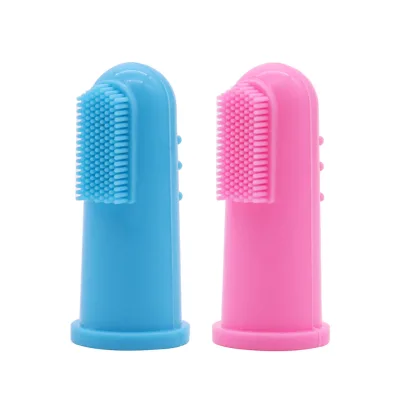
Factory Price Pet Toothbrush Toothbrush for Pet Daily Clean Care Silicone
$0.13 - $0.15
MOQ: 10 Pieces
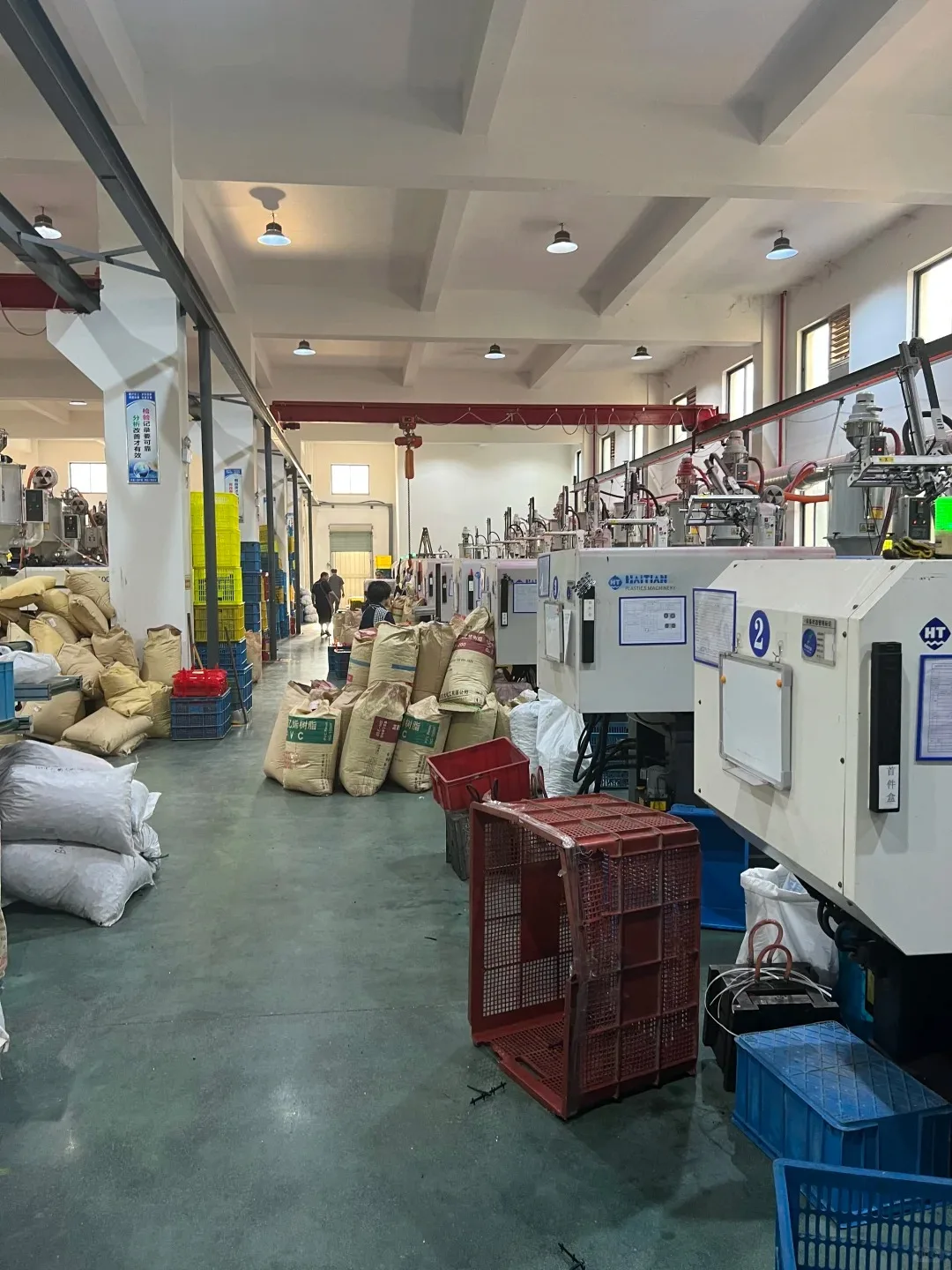
Ningbo Fun Maker Health Technology Co., Ltd.
- Trading Company
- Zhejing, China
- Lead time0 days
- Avg. response≤ 3h
Main productsPet Interactive & Movement Toys,Pet Bowls & Feeders,Pet Cleaning & Bathing,Pet Tracker,Pet Grooming Products
Main marketsNorth America(50.00%), Southeast Asia(5.00%), Eastern Europe(5.00%)
Ningbo Partner Leisure Products Co., Ltd.
- Trading Company
- Zhejiang, China
- Lead time0 days
- Avg. response≤ 8h
Main productspet supplies,cooker,kitchen accessories,egg incubator,storage box
Main marketsNorth America(80.00%), South America(15.00%), Eastern Europe(5.00%)

- Trading Company
- China Shandong
- Lead time23 days
- Avg. response≤ 25h
Main productsMedical equipment, Laboratory Products, Light Industry &Lamp; Daily Use, Medical Disposables, Medical Masks, Sanitinary Mask, Non-Woven Products, Plastic Products, Cosmestics Products, Latex Products
Main marketsAfrica,Europe,North America

Shenzhen Liangshengyan Technology Co., Ltd.
- Manufacturer, Trading Company
- Guangdong, China
- Lead time5 days
- Avg. response≤ 8h
Main productsPet Products,Pet Cleaning Grooming,Pet Toys,Household Cleaning Tools,Festive Supplies
Main marketsNorth America(35.00%), Western Europe(20.00%), Southeast Asia(15.00%), Southern Europe(10.00%), Eastern Europe(10.00%), Oceania(10.00%)
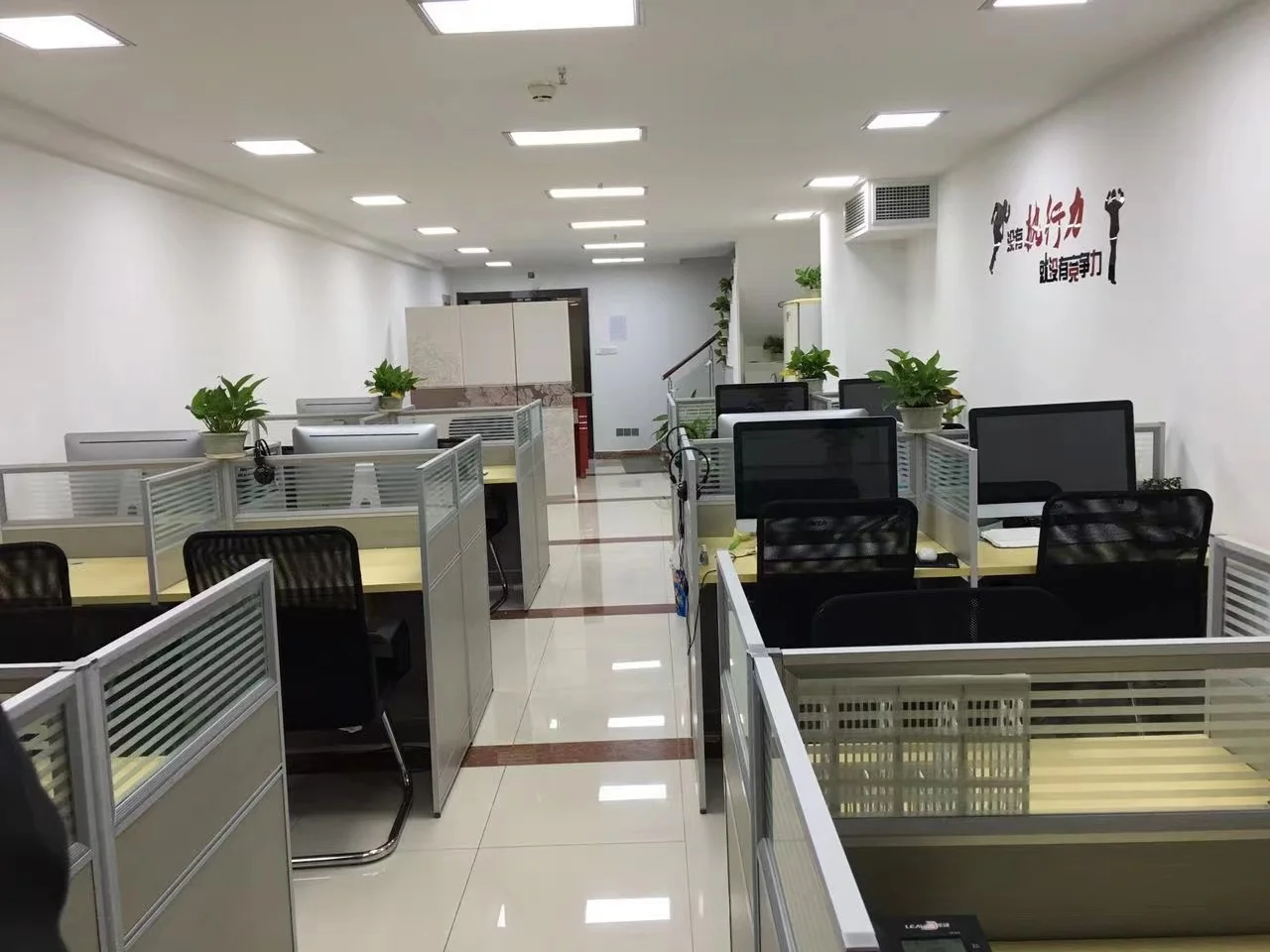
Guangzhou Ynuo Technology Co., Ltd.
- Manufacturer, Trading Company, Distributor/Wholesaler
- Guangdong, China
- Lead time15 days
- Avg. response≤ 2h
Main productsstorage baskets,kitchen accessories,Baby products,Pet products,Cake Tools
Main marketsSouth America(25.00%), North America(25.00%), Southern Europe(10.00%), Northern Europe(10.00%), Western Europe(10.00%), Eastern Europe(10.00%)

Yangzhou Mingchen Brush Industry Co., Ltd.
- Verified by CTI
- Combined
- China Jiangsu
- Lead time15 days
- Avg. response≤ 5h

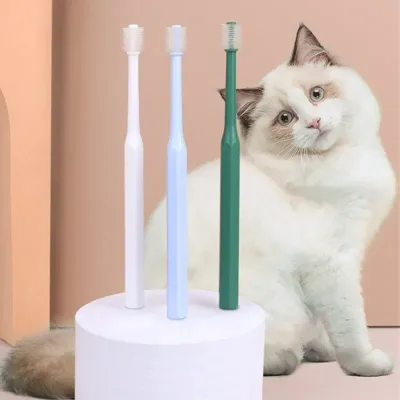
Double Head Pet Toothbrush Soft Bristle Dog Cat Toothbrush Pet Dental Care
$0.20 - $0.25
MOQ: 10 Pieces


Hangzhou Tianyuan Pet Products Co., Ltd.
- Verified by TUVRHEINLAND
- Combined
- China Zhejiang
- Lead time30 days
- Avg. response≤ 13h
Main productsPet Beds, Cat Trees, Pet Products, Pet Accessories, Pet Supplies, Pet Collar, Pet Toy, Pet Brush, Pet Bowl, Pet Clothes
Main marketsEurope,North America
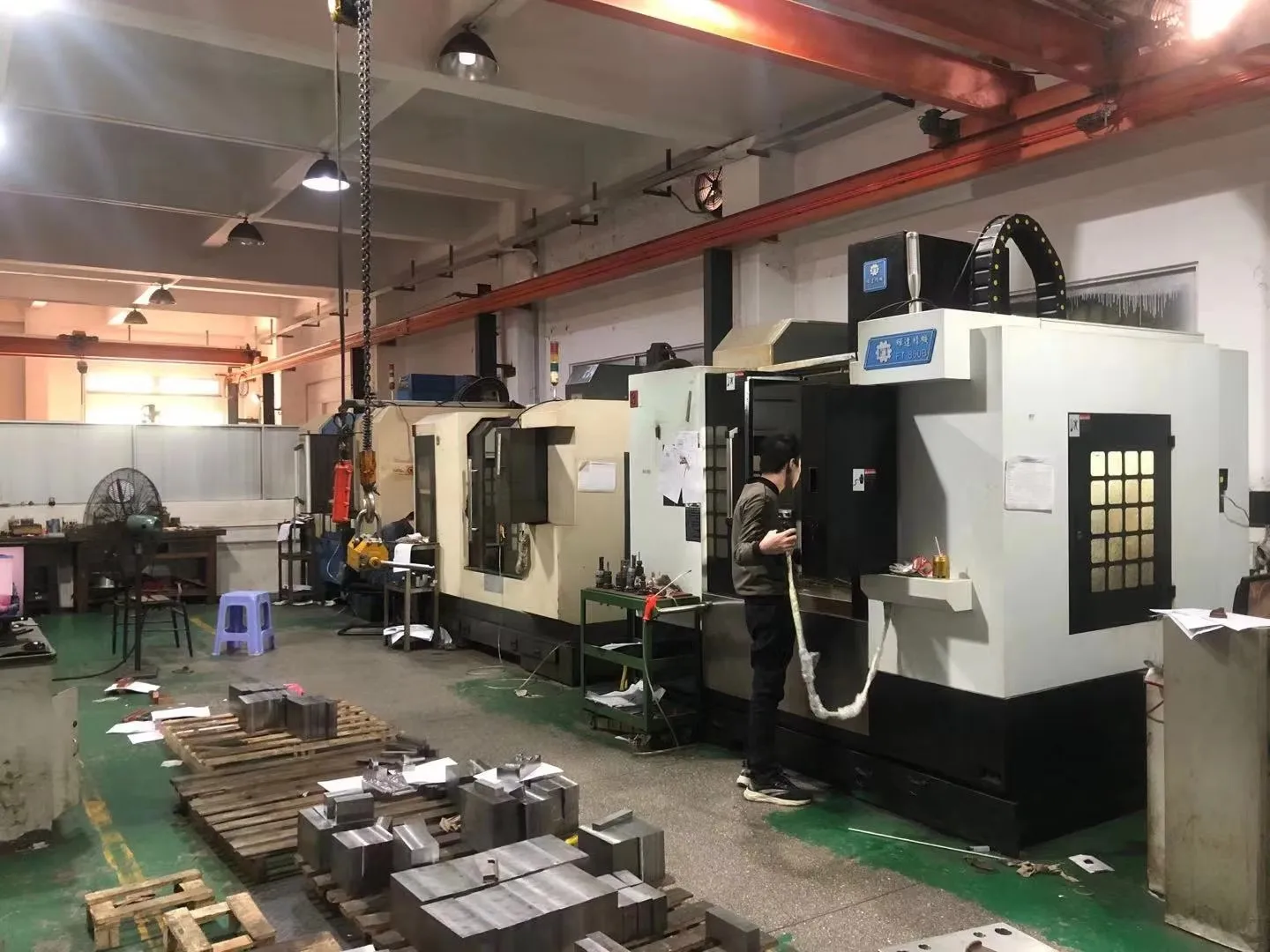
Dongguan Cool Qi Plastic Mold Products Co., Ltd.
- Manufacturer
- Guangdong, China
- Lead time0 days
- Avg. response≤ 4h
Main productsPlastic Mould,Plastic Toy,pet toys,Pet Supplies
Main marketsNorth America(50.00%), Domestic Market(40.00%), South America(3.00%), Mid East(3.00%), Eastern Europe(3.00%), Eastern Asia(1.00%)
Shanghai Lions Industrial Co., Ltd.
- Trading Company
- Shanghai, China
- Lead time15 days
- Avg. response≤ 3h
Main productsDental Products,Medical Products,Personal care,Pet Medical
Main marketsNorth America(30.00%), Western Europe(20.00%), South America(20.00%), South Asia(10.00%), Southern Europe(10.00%), Mid East(10.00%)
Ninghai Dougez Pet Product Co., Ltd.
- Verified by TüVRheinland
- Manufacturer, Trading Company
- Lead time20 days
- Avg. response≤ 1h
Main productsPet Products
Main marketsSouth America(30%), Western Europe(12%), Southeast Asia(10%)
- Verified by SGS Group
- Trading Company
- Lead time15 days
- Avg. response≤ 4h
Main productsToothbrush, Toothpaste, Package Bottle, Teeth Whitening Product, Skin Care Product
Main marketsNorth America(30%), Southeast Asia(20%), Africa(15%)
Jiangxi Sencen Hygienic Products Co., Ltd.
- Manufacturer, Trading Company
- Jiangxi, China
- Lead time40 days
- Avg. response≤ 5h
Main productsPet Pee Pad, Pet Wipes, Pet Dental Kits, Pet Shampoo and Deodorization Dose, Pest Control
Main marketsNorth America(51.00%), Domestic Market(18.00%), Western Europe(15.00%), Southeast Asia(4.00%), South America(3.00%), Southern Europe(3.00%), Eastern Asia(3.00%), South Asia(1.00%), Oceania(1.00%), Eastern Europe(1.00%)
Nanchang Le Ang Technology Co., Ltd.
- Verified by Intertek
- Trading Company
- Lead time15 days
- Avg. response≤ 2h
Main productsMouthwash, Teeth Whitening Gel, Teeth Whitening Kit, Teeth Whitening Powder, Teeth Whitening Strip
Main marketsNorth America(50%), Western Europe(20%), South Asia(10%)

NINGBO GULUU IMPORTS AND EXPORTS TRADING CO.,LTD.
- Trading Company
- Zhejiang, China
- Lead time0 days
- Avg. response≤ 1h
Main productsPET TOYS,PET APPAREL,PET CLOTHES,PET BED,PET CLEANING
Main marketsNorth America(50.00%), Eastern Europe(20.00%), South America(20.00%), Southeast Asia(10.00%)

Dongguan Guibaoquan Rubber Technology Co., Ltd.
- Verified by TUVRHEINLAND
- Combined
- China Guangdong
- Lead time15 days
- Avg. response≤ 2h
Main marketsDomestic


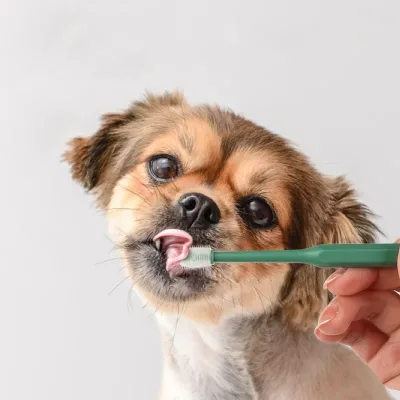
Soft Silicone Toothbrush for Pet Removes Plaque Bad Breath Gentle Teeth Cleaning
$0.21 - $0.23
MOQ: 100 Pieces







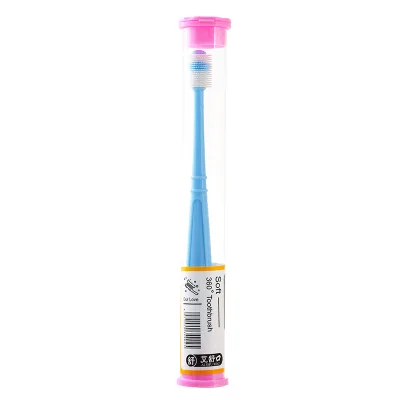
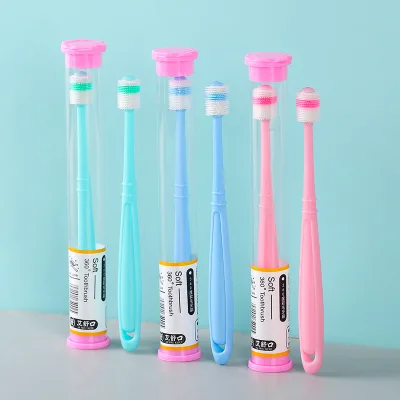
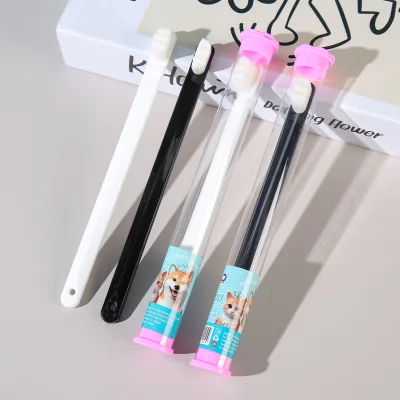
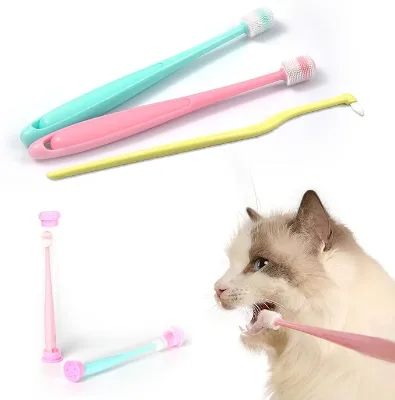




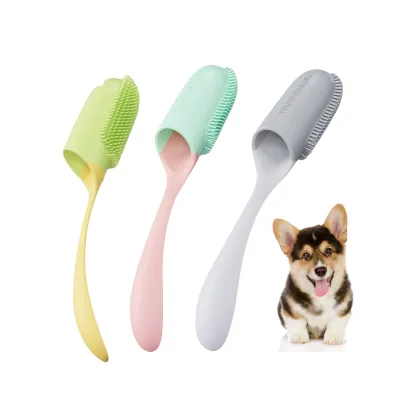
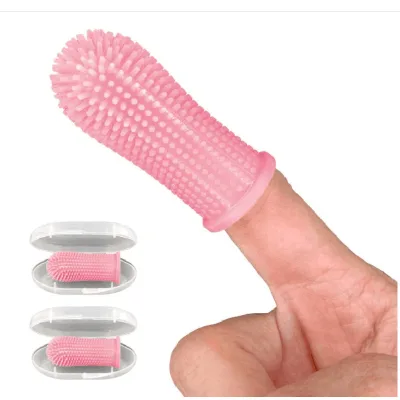
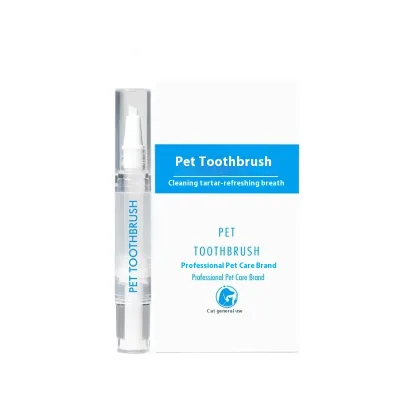
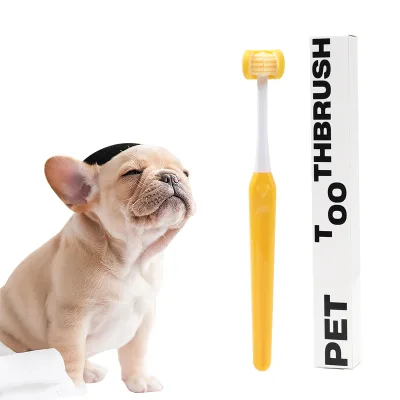
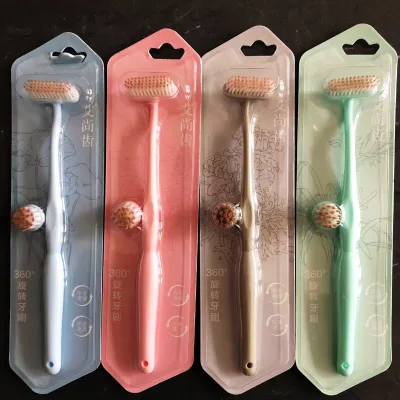
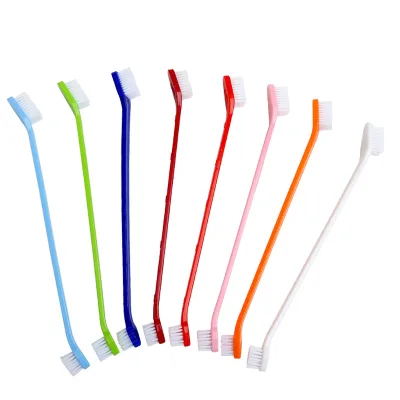
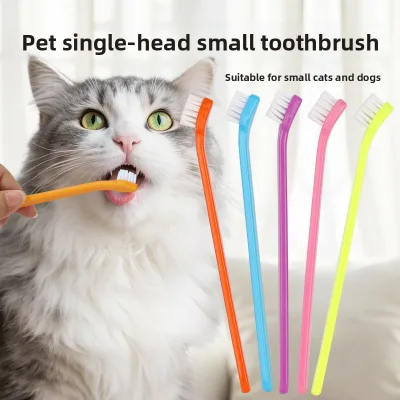
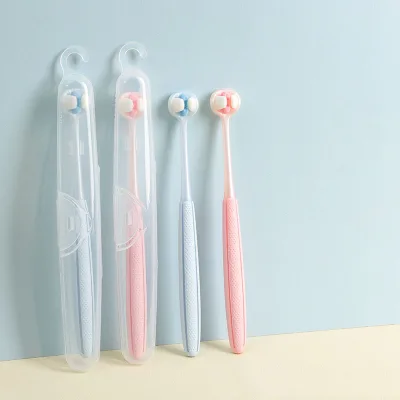
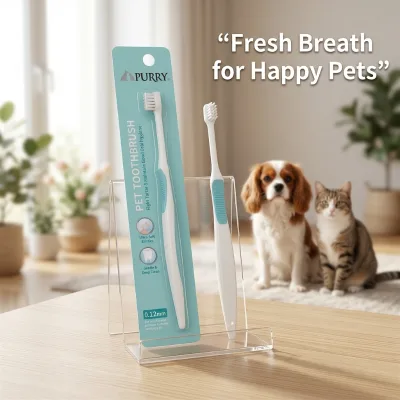
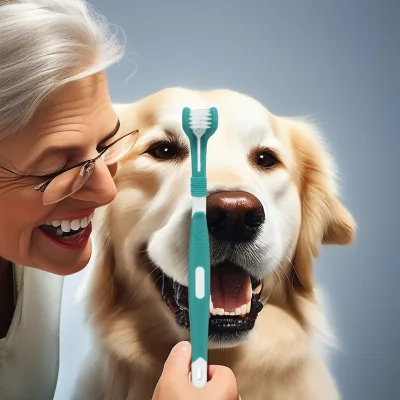
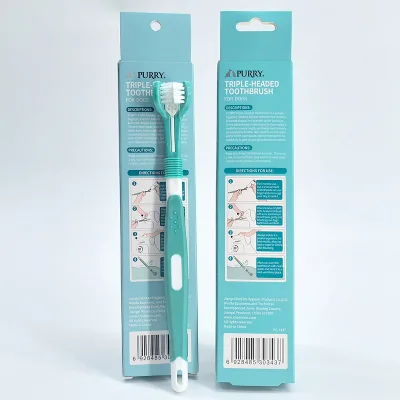

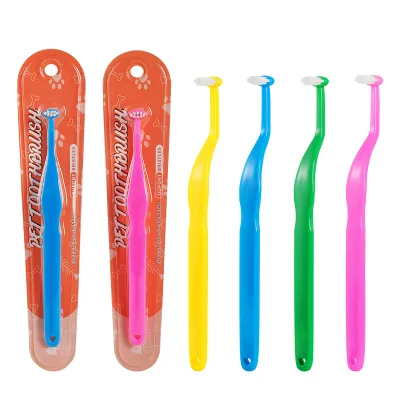
Comprehensive Sourcing Guide
360 Degrees Pet Toothbrush Supplier Concentration and Factory Types
The current supplier landscape for 360 degrees pet toothbrushes reveals a distinct geographic and operational concentration that buyers must navigate carefully. Evidence indicates that a significant portion of available inventory originates from China Jiangsu, where the primary company type is identified as a Trading Company. This suggests that many listings may not represent direct manufacturing capabilities but rather intermediary services that aggregate products from various local workshops. In contrast, other segments of the market show suppliers located in China Shandong, where the company type is listed as both a Trading Company and a Manufacturer/Factory. This duality in Shandong implies a more direct access to production lines, potentially offering better control over quality and customization for specific product models like the 360-degree silicone handle designs. The presence of these two distinct regional clusters highlights the importance of distinguishing between pure trading entities and those with actual factory backing, as this distinction directly impacts lead times, communication efficiency, and the ability to handle complex OEM requests.
Understanding the factory type is crucial because it dictates the flexibility and scalability of the supply chain. Suppliers in Jiangsu, operating primarily as trading companies, may offer a wider variety of general pet supplies such as toothpaste, dental floss, and soap, indicating a broad catalog approach rather than specialized manufacturing depth. Conversely, the Shandong-based entities that claim manufacturing capabilities often highlight specific technical attributes like OEM and ODM capacity, which are essential for brands seeking unique product differentiation. The main products listed for these manufacturers often include specialized items like pet harnesses, beds, and grooming tools, suggesting that the 360-degree toothbrush is part of a larger ecosystem of pet care goods. Buyers should recognize that while trading companies provide convenience and variety, they may add layers of cost and potential communication delays. Therefore, identifying whether a supplier is a pure trader or a manufacturer with trading arms is a critical first step in assessing the reliability and cost-effectiveness of the sourcing relationship for high-volume orders of specialized pet oral care products.
How to Verify 360 Degrees Pet Toothbrush Suppliers
Verification of suppliers requires a multi-layered approach that goes beyond surface-level profile descriptions, focusing on tangible credentials and operational metrics. One of the most critical verification steps is checking for system certifications, as the current data shows that many suppliers have NIL for system certification, which raises questions about their quality management standards. Buyers should prioritize suppliers who display recognized certifications such as BSCI or ISO 9001, as seen in some Shandong-based results, as these indicate adherence to international standards for social compliance and quality management. Additionally, verification of the supplier’s identity is essential; some results show verification badges like SGS, which provide an external validation of the company’s legal existence and operational legitimacy. Buyers must actively seek out these verified badges and cross-reference them with official certification databases to ensure that the claims are current and authentic, rather than relying solely on the platform’s internal display.
Beyond certifications, verifying the supplier’s responsiveness and production capacity is vital for ensuring a smooth procurement process. The response time metric provides a quantitative measure of how quickly a supplier engages with inquiries, with some results showing an average response time of around 3.30 to 3.61 hours. While this is a useful indicator, buyers should also test the supplier’s technical knowledge by asking specific questions about the 360-degree design, such as the bristle material (Nylon Soft/Medium/Hard) or the waterproof capabilities of the handle. Furthermore, verifying the origin of the product is crucial; some attributes list the origin as Yangzhou or Qingdao, which helps confirm the geographic consistency of the supplier’s claims. Buyers should also check for specific product standards like EN71, FDA, or ISO, which are listed for certain models, as these are critical for pet products that come into contact with animals’ mouths. By combining certification checks, responsiveness testing, and origin verification, buyers can build a robust profile of supplier reliability before committing to any orders.
What to Compare Across 360 Degrees Pet Toothbrush Suppliers
When evaluating multiple suppliers, buyers must compare a range of commercial and operational dimensions to identify the best fit for their specific needs. One of the most significant variables is the Minimum Order Quantity (MOQ), which varies drastically across the current results. For instance, some 360-degree silicone handle models have an MOQ of 28,800 units, while finger toothbrush variants may have an MOQ as low as 500 units. This disparity allows buyers to align their order size with their inventory strategy, whether they are testing the market with small batches or preparing for large-scale retail distribution. Additionally, the price range is a key comparison point, with costs varying from as low as $0.02 to over $3.00 per unit depending on the material and complexity. Buyers should compare these prices against the MOQ to calculate the total landed cost, ensuring that the unit price aligns with their target margin and that the volume commitment is manageable for their cash flow.
Lead time and customization options are equally critical factors in the comparison process. The lead time for production can range from 15 days to 30 days, depending on the supplier’s location and current workload. Suppliers in Shandong with manufacturing capabilities often show shorter lead times, such as 15 days, compared to those in Jiangsu who may take up to 30 days. Buyers should also compare the customization availability, as most suppliers list customization as available, but the extent of this customization varies. Some suppliers welcome OEM requests and offer customized colors and bristle types, while others may have limited options. Additionally, the packaging type, whether it is a carton, bag, or box, should be compared as it affects shipping efficiency and retail presentation. By systematically comparing MOQ, price, lead time, and customization capabilities, buyers can create a weighted scorecard to objectively rank suppliers and select the one that offers the best balance of cost, speed, and flexibility for their 360-degree pet toothbrush procurement.
Common 360 Degrees Pet Toothbrush Sourcing Risks
Sourcing 360 degrees pet toothbrushes involves several inherent risks that buyers must proactively manage to avoid supply chain disruptions and quality issues. One major risk is the discrepancy between the advertised product specifications and the actual delivered goods, particularly regarding the bristle material and handle durability. Since many suppliers list bristles as Nylon with varying hardness levels, there is a risk that the actual product may not meet the specified softness or durability standards, potentially causing discomfort for pets or rapid wear. Additionally, the waterproof capability of the handle is a critical feature for many 360-degree designs, yet some products are listed as not waterproof, which could lead to hygiene issues if the internal components are exposed to moisture. Buyers must mitigate this risk by requesting detailed product samples and conducting rigorous testing to verify that the materials and construction match the advertised specifications before placing large orders.
Another significant risk is the variability in supplier reliability and communication, especially when dealing with trading companies that may not have direct control over production. The current data shows that some suppliers have NIL system certification, which increases the risk of inconsistent quality control and potential non-compliance with international safety standards. Furthermore, the reliance on third-party logistics and the lack of standardized packaging across different suppliers can lead to damage during transit, particularly for fragile silicone or plastic components. Buyers should also be cautious of price fluctuations, as the wide range from $0.02 to $3.00 suggests significant variation in quality and production costs. To mitigate these risks, buyers should establish clear quality assurance protocols, request pre-shipment inspections, and maintain open communication channels with suppliers to address any issues promptly. By identifying and addressing these common risks early in the sourcing process, buyers can protect their brand reputation and ensure a consistent supply of high-quality 360-degree pet toothbrushes.
360 Degrees Pet Toothbrush Regional Sourcing and Logistics
Regional sourcing plays a pivotal role in determining the logistics efficiency and cost structure for 360 Degrees Pet Toothbrush procurement. The current supplier results highlight two primary regions in China: Jiangsu and Shandong. Jiangsu-based suppliers, often operating as trading companies, may offer a broader range of general pet supplies, which could simplify logistics if buyers are consolidating multiple product categories into a single shipment. However, the longer lead times of up to 30 days associated with these suppliers may impact inventory turnover and responsiveness to market demands. In contrast, Shandong-based suppliers, which include both trading companies and manufacturers, often demonstrate shorter lead times of around 15 days, suggesting a more agile production process. This regional difference allows buyers to choose suppliers based on their logistical priorities, whether they value speed and direct manufacturing access or variety and consolidated sourcing.
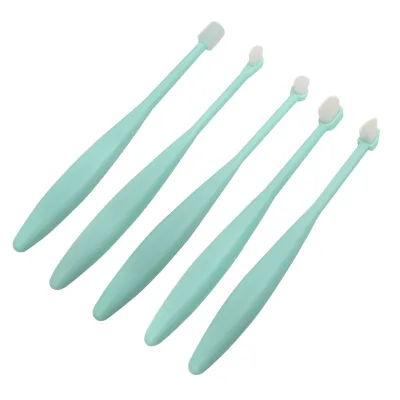
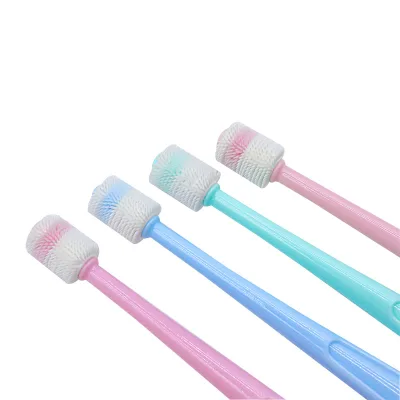
Logistics planning must also consider the specific product attributes that affect shipping, such as size, weight, and packaging. For example, the 360-degree silicone handle toothbrushes are listed with specific dimensions like 15.21.45cm, while finger toothbrushes are smaller at 6.52.5cm. These size differences impact the volume-to-weight ratio, which is a critical factor in determining shipping costs. Buyers should compare the packaging types, such as carton, bag, or box, to optimize container loading and minimize freight expenses. Additionally, the origin locations like Yangzhou and Qingdao provide insights into the proximity to major ports, which can influence transit times and customs clearance efficiency. By understanding the regional strengths and logistical implications of each supplier location, buyers can design a more efficient supply chain that balances cost, speed, and reliability. This strategic approach to regional sourcing ensures that the 360-degree pet toothbrushes are delivered on time and within budget, supporting the overall success of the procurement project.
360 Degrees Pet Toothbrush Commercial Terms and Order Planning
Effective order planning for 360 degrees pet toothbrushes requires a thorough understanding of the commercial terms and financial implications associated with each supplier. The price range for these products is extensive, from $0.02 to $3.43 per unit, reflecting differences in material quality, customization options, and production complexity. Buyers must carefully analyze these prices in conjunction with the MOQ to determine the total cost of ownership. For instance, a lower unit price may come with a higher MOQ, which ties up more capital in inventory, while a higher unit price with a lower MOQ may offer greater flexibility for market testing. Additionally, buyers should inquire about payment terms, such as the availability of escrow services, which provide a layer of financial security by holding funds until the goods are received and verified. This is particularly important when dealing with new suppliers or large orders, as it mitigates the risk of non-delivery or quality disputes.
Beyond pricing and payment terms, buyers must plan for the operational aspects of order fulfillment, including lead times and production capacity. The lead times of 15 to 30 days require careful inventory management to avoid stockouts or excess inventory. Buyers should align their order schedules with their sales forecasts and consider the supplier’s capacity to handle peak demand periods. Furthermore, the customization options available, such as OEM services and customized colors, should be factored into the order planning process, as these may require additional time for design approval and production setup. By developing a comprehensive order plan that accounts for price, MOQ, lead time, and customization, buyers can optimize their procurement strategy and ensure a steady supply of 360-degree pet toothbrushes. This proactive approach to commercial terms and order planning helps minimize risks and maximize the efficiency of the sourcing process, leading to a more successful and sustainable business relationship with suppliers
FAQs
What is the price range for 360-degree pet toothbrushes?
Prices for 360-degree pet toothbrushes typically range from $0.02 to $0.43 per unit. The cost varies based on material, such as silicone or nylon bristles, and customization options. Buyers should expect higher prices for eco-friendly or specialized designs compared to standard manual brushes.
What is the minimum order quantity for these brushes?
Minimum order quantities vary significantly by product type. Standard nylon brushes often require orders of 10,000 to 28,800 units. However, silicone finger brushes may have a much lower MOQ of just 500 units. Buyers should check specific product listings for exact thresholds.
How long does production take for these items?
Production lead times generally range from 15 to 30 days depending on the supplier and order volume. Some manufacturers in Shandong offer faster turnaround times of 15 days, while others in Jiangsu may require up to 30 days. Buyers should confirm timelines during negotiation.
Are these toothbrushes suitable for both cats and dogs?
Yes, most 360-degree pet toothbrushes are designed for both cats and dogs. Product attributes frequently list applications for both animals. The soft bristles and ergonomic handles ensure safe oral cleaning for pets of various sizes, making them versatile tools for pet owners.
Can I customize the color or packaging of these brushes?
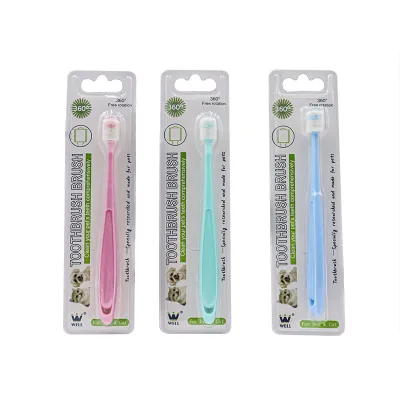
Customization is widely available for both color and packaging. Suppliers often welcome OEM requests, allowing buyers to choose specific colors and packaging types like boxes, bags, or blister cards. This flexibility helps brands maintain consistent visual identity across their pet care product lines.
What certifications do these suppliers hold?
Certification status varies by supplier. Some manufacturers hold ISO 9001 and BSCI certifications, while others may not list specific system certifications. Product standards like EN71, FDA, and ISO are sometimes mentioned for specific models. Buyers should verify current compliance documents directly with suppliers.