O Ring Installation Equipment Suppliers and Manufacturers
Source 14 verified suppliers for O Ring Installation Equipment across China. Compare key dimensions including lead times, certifications, and pricing to find the right fit. Contact suppliers directly to request quotes and verify production capabilities; review the available evidence before requesting comparable quotations from suitable candidates.
Updated
Suppliers List

Qingdao Chuancheng Precision Electromechanical Co., Ltd.
- Verified by TUVRHEINLAND
- Manufacturer/Factory
- China Shandong
- Lead time90 days
- Avg. response≤ 2h
Main productsNon Standard Automation Equipment, Automatic Assembly Production Line, Automation Equipment, Customized Devices
Main marketsSouth America,Eastern Europe,Mid East,North America,Southeast Asia,Eastern Asia,Oceania,Western Europe,Africa

$12600.00 - $13750.00
MOQ: 1 Sets

$12600.00 - $13750.00
MOQ: 1 Sets

$12600.00 - $13750.00
MOQ: 1 Sets

$12600.00 - $13750.00
MOQ: 1 Sets

$12600.00 - $13750.00
MOQ: 1 Sets

$12600.00 - $13750.00
MOQ: 1 Sets

HEFEI BETTER TECHNOLOGY CO., LTD.
- Verified by BV
- Trading Company,Manufacturer/Factory
- China Anhui
- Lead time45 days
- Avg. response≤ 5h
Main productsAutomatic Cutting Machine, Cable Cutting&Stripping Machine, Terminal Crimping Machine, Harness Taping Machine, Tube Cutting Machine, Wire Winding Tying Machine, Metal Cutting Machine, Wire Terminal Welding Machine, Tape Cutting Machine, Wire Feeding Machine
Main marketsSouth America,Eastern Europe,Mid East,North America,Southeast Asia,Eastern Asia,Oceania,Western Europe,Africa

O-Ring Insertion Machine Ring Insertion Machine Assembly O Ring on Fittings
$1999.00 - $2399.00
MOQ: 1 Pieces

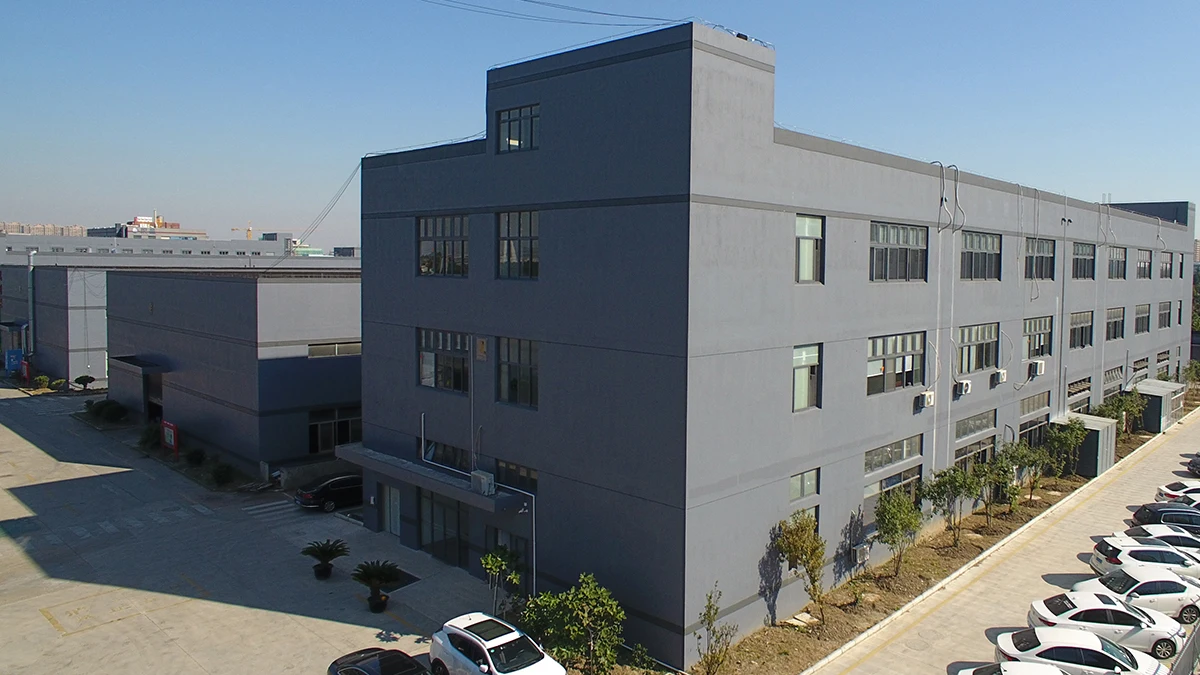
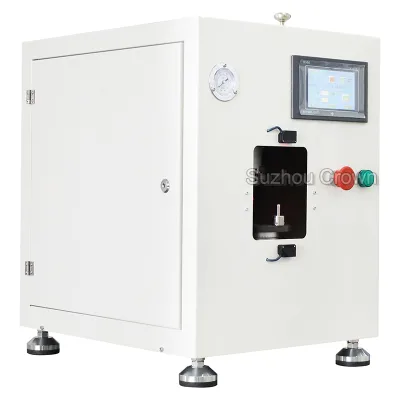
Suzhou Crown Electronic Technology Co., Ltd.
- Manufacturer
- Jiangsu, China
- Lead time5 days
- Avg. response≤ 3h
Main productsWire Harness Processing Machine,Wire Cutting And Stripping Machine,Terminal Crimping And Housing Assembly Machine,Wire Peripheral Processing Machine,Power Cord Making Machine
Main marketsNorth America(30.00%), Western Europe(24.00%), Southeast Asia(20.00%), Domestic Market(5.00%), Southern Europe(4.00%), Northern Europe(4.00%), Eastern Europe(4.00%), South America(2.00%), Africa(2.00%), Mid East(1.00%), South Asia(1.00%), Oceania(1.00%), Eastern Asia(1.00%), Central America(1.00%)
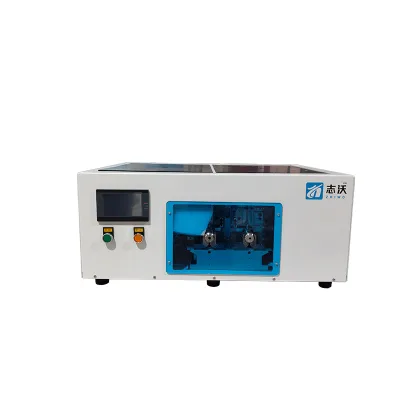
Suzhou Zhiwo Automation Machinery Co., Ltd.
- Manufacturer, Trading Company
- Jiangsu, China
- Lead time0 days
- Avg. response≤ 6h
Main productsDispensing machine,Screwdriver,Soldering machine,Assembly machine,Detector
Main marketsSoutheast Asia(30.00%), Mid East(30.00%), Domestic Market(10.00%), Africa(10.00%), South America(3.00%), Eastern Asia(3.00%), South Asia(2.00%), Northern Europe(2.00%), Eastern Europe(2.00%), Central America(2.00%), Western Europe(2.00%), North America(2.00%), Southern Europe(1.00%), Oceania(1.00%)
SUZHOU FLYING EAGLE SEALED TECHNICAL CO.,LTD
- Verified by TüVRheinland
- Manufacturer, Trading Company
- Lead time15 days
- Avg. response≤ 6h
Main productsRubber Seals, O Ring, X Ring, Washer, Customized Rubber Parts
Main marketsDomestic Market(80%), North America(10%), Eastern Europe(5%)
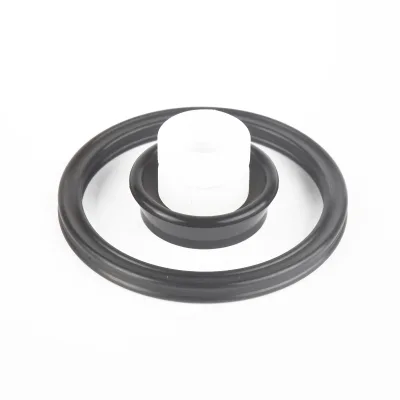
High Temperature Resistance Fluorine Rubber O Ring Seal Factory Outlets Rubber Products
$0.07 - $0.09
MOQ: 100 pieces
Premium prices high quality nbr o rings as568 standard waterproof hardness 70 90 rubber pump machine
$0.0311 - $0.0518
MOQ: 32 pieces

WENZHOU QIMING STAINLESS CO., LTD.
- Verified by SGS
- Trading Company
- China Zhejiang
- Lead time15 days
- Avg. response≤ 7h
Main productsButterfly Valve, Centrifugal Pump, Sanitary Valve, Tube, Fitting, Plate Heat Exchanger, Manway, Sanitary Ball Valve, Spray Ball, Pipe Fitting
Main marketsEast Asia(Japan/ South Korea),Europe


ISO Center Ring with Outer Ring & O-Ring SS304/SS316L/Aluminum ISO63-ISO500
$1.80 - $75.00
MOQ: 1 Pieces
Xiamen Maihua Rubber Products Co., Ltd.
- Verified by TüVRheinland
- Manufacturer, Trading Company
- Lead time15 days
- Avg. response≤ 1h
Main productsO Ring, Washers, Rubber Seals, Rubber Gaskets, Custom Molded Rubber Seals
Main marketsNorth America(28%), Domestic Market(25%), Western Europe(20%)
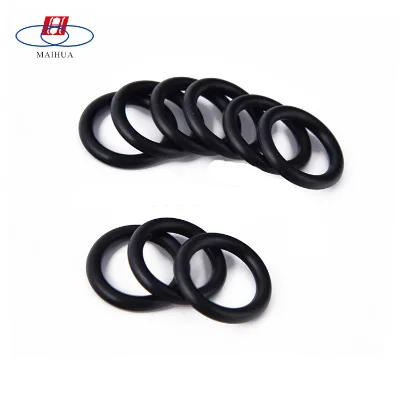
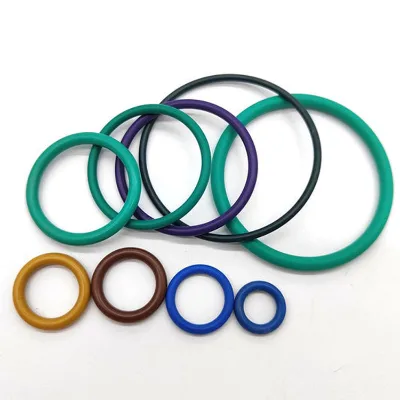
$0.0207 - $0.062
MOQ: 1 pieces

Hangzhou Bright Rubber Plastic Product Co., Ltd.
- Verified by TUVRHEINLAND
- Manufacturer/Factory
- China Zhejiang
- Lead time15 days
- Avg. response≤ 4h
Main productsCustom EPDM/NBR/Silicone Rubber Molding Parts, Custom Nylon/ABS Plastic Injection Molding Parts, Silicone Extrusion Profiles/Tube/Strip, Spong Silicone Extrusion Profiles/Tube/Strip, Rubber Extrusion Profiles/Sealing/Tube/Strip, Rubber Bumper/Shock Absorber/Buffer/Damper, Rubber Seal/Gasket/Ring/O-Ring/Base, Rubber Cushion/Grommet/Bushing/Spacer/Hose/Grip, Plastic Extrusion Profiles/Sealing/Tube/Strip, Metal Parts
Main marketsSouth America,Eastern Europe,Mid East,North America,Southeast Asia,Eastern Asia,Oceania,Western Europe,Africa

Shenzhen Pepson Industrial Co., Ltd.
- Trading Company
- China Guangdong
- Lead time15 days
- Avg. response≤ 12h
Main productsPolyurethane Belts, Urethane Products, PU Sheet, PU Timing Belt, PU Rod, Conveyor Belt, PU Rough Round Belt, PU V-Belt, PU Squeegees, TPU Material
Main marketsAfrica,Southeast Asia/ Mideast,East Asia(Japan/ South Korea),North America
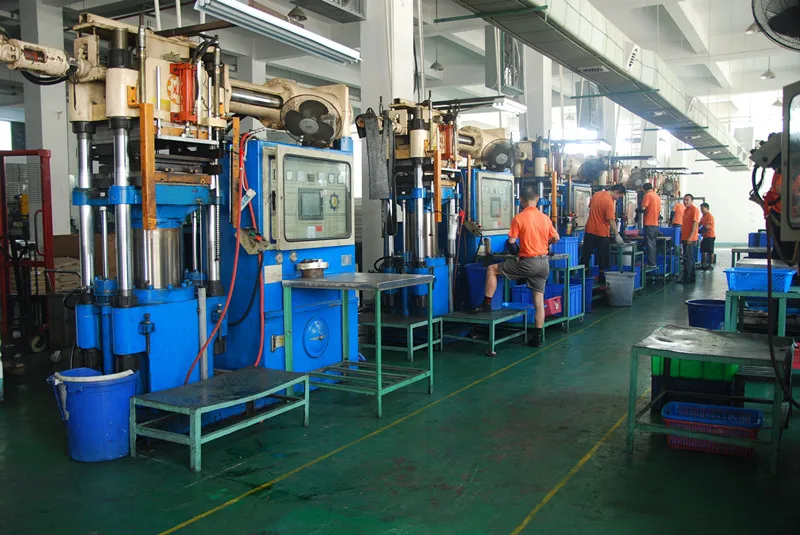
Xiamen Lindas Hardware Industrial Co., Ltd.
- Manufacturer, Trading Company
- Fujian, China
- Lead time20 days
- Avg. response≤ 4h
Main productsRubber Products,Rubber Moulds,Plastic Moulds,Rubber Parts,Metal parts
Main marketsNorth America(46.22%), Northern Europe(31.98%), South Asia(16.83%), Western Europe(1.82%), Eastern Europe(1.41%), Oceania(0.57%), Domestic Market(0.40%), Southern Europe(0.39%), Mid East(0.21%), Eastern Asia(0.17%)
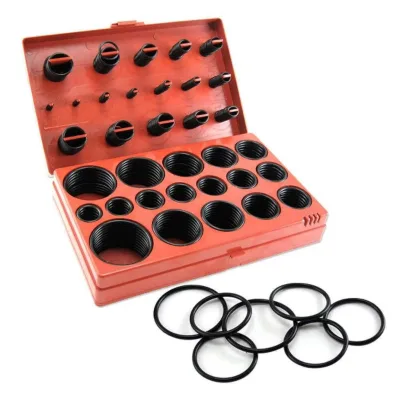
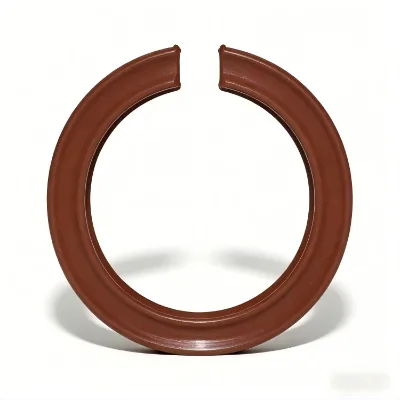
$0.0103 - $0.5138
MOQ: 10 Minimum

Quanzhou Shengda Rubber Products Co., Ltd.
- Verified by TUVRHEINLAND
- Combined
- China Fujian
- Lead time15 days
- Avg. response≤ 3h
Main productsO Ring, Toilet Seat Hinge Top Fix Rubber Well Nut, Rubber Seal, Silicone Gasket, Silicone Washer
Main marketsEurope
Guangzhou Yidu Technology Co., Ltd.
- Manufacturer, Trading Company, Distributor/Wholesaler
- Guangdong, China
- Lead time10 days
- Avg. response≤ 2h
Main productsMetal raw material,Ti powder,machine,equipment,Tool kits
Main marketsNorth America(25.00%), Eastern Europe(20.00%), Western Europe(10.00%), Mid East(10.00%), Southern Europe(10.00%), Northern Europe(10.00%), Africa(5.00%), South America(5.00%), Central America(5.00%)

SHANGHAI QINUO INDUSTRY CO., LTD.
- Verified by SGS
- Combined
- China Shanghai
- Lead time15 days
- Avg. response≤ 2h
Main productsRubber O Ring, Rubber Seal, Rubber Product, Rubber Part, Oilfield Product, Wireline Tool, Completion Tool Repair Kit
Main marketsEurope,North America


China Factory Direct Selling Rubber O Rings with High Temperature Resistance
$0.01 - $0.05
MOQ: 1000 Pieces

Changzhou Santian Vehicle Industry Technology Co., Ltd.
- Verified by SGS
- Combined
- China Jiangsu
- Lead time30 days
- Avg. response≤ 2h
Main marketsDomestic




Comprehensive Sourcing Guide
O Ring Installation Equipment Supplier Concentration and Factory Types
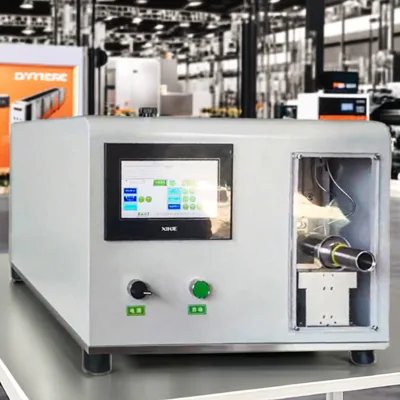
The current supplier landscape for O Ring Installation Equipment reveals a distinct geographic concentration within China, specifically highlighting manufacturing hubs in Shandong and Anhui provinces. Suppliers located in Shandong, such as those in Qingdao, often position themselves as comprehensive manufacturers offering non-standard automation equipment and custom devices. These entities typically operate as Manufacturer/Factory entities, emphasizing their capability to produce automatic assembly production lines and specialized testing equipment. The presence of ISO 9001 system certification and TUVRHEINLAND verification among these Shandong-based suppliers indicates a mature industrial ecosystem focused on quality management and rigorous third-party validation. Buyers seeking high-volume, continuous production solutions often find these factories equipped with advanced capabilities, including OEM and ODM services under specific brand identities. The concentration in this region suggests a cluster of expertise in heavy-duty automation, where suppliers leverage local supply chains for core components like PLCs and motors to build robust sealing ring assembly machines.
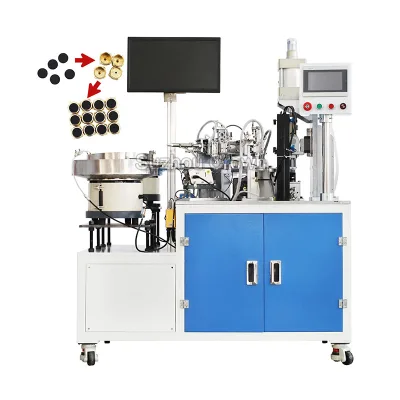
In contrast, suppliers located in Anhui and Jiangsu provinces present a different operational profile, often blending trading company functions with manufacturing capabilities. These entities may list themselves as Trading Company, Manufacturer/Factory or simply Manufacturer, indicating a hybrid approach to sourcing and production. The product offerings in these regions frequently include semi-automatic or specialized insertion machines, catering to niche applications such as chemical industry seals or specific wire harness processing integrations. While Shandong suppliers emphasize large-scale automatic lines, Anhui and Jiangsu suppliers often highlight features like vibration plate feeding and touch screen integrated controls, suggesting a focus on precision and adaptability for smaller batch or specialized tasks. This diversity in factory types allows buyers to choose between high-throughput automated solutions and more flexible, semi-automatic systems depending on their specific production volume and customization needs. Understanding these regional and structural differences is crucial for aligning supplier capabilities with project requirements.
How to Verify O Ring Installation Equipment Suppliers
Verifying the legitimacy and capability of O Ring Installation Equipment suppliers requires a multi-layered approach that goes beyond basic company profiles. Buyers should prioritize suppliers who display third-party verification badges, such as TUVRHEINLAND or BV, as these indicate that an independent agency has audited the company’s business operations and manufacturing facilities. For instance, Shandong-based manufacturers often carry TUVRHEINLAND verification, which adds a layer of trust regarding their status as a legitimate Manufacturer/Factory. Additionally, checking for system certifications like ISO 9001 is essential, as it confirms that the supplier adheres to international quality management standards. These credentials are not merely decorative; they serve as a baseline assurance that the supplier has established processes for quality control, which is critical when dealing with complex automation equipment that requires precise calibration and consistent performance.
Beyond certifications, buyers must scrutinize the technical evidence provided in product listings to ensure the supplier can meet specific engineering requirements. Reviewing product attributes such as automation level, voltage compatibility, and core components helps verify technical competence. For example, some suppliers offer machines with PLC and motor core components, while others may specify semi-automatic features with vibration plate feeding. Buyers should also look for evidence of machinery test reports and video outgoing-inspections, which provide tangible proof of the equipment’s functionality before shipment. Furthermore, assessing the supplier’s response time, such as the 1.72-hour average seen in some listings, can indicate their operational efficiency and willingness to engage in detailed technical discussions. By combining verification badges, certification checks, and technical evidence review, buyers can effectively filter out unreliable sources and identify partners with proven manufacturing capabilities.
What to Compare Across O Ring Installation Equipment Suppliers
When evaluating multiple suppliers for O Ring Installation Equipment, buyers must compare key operational metrics to determine the best fit for their production goals. Lead time is a critical factor, with some suppliers offering delivery within 45 to 90 days, while others may have significantly shorter turnaround times of just 5 days. This variance often correlates with the complexity of the equipment; semi-automatic or standard models may ship faster than fully customized, non-standard automation lines. Additionally, the Minimum Order Quantity (MOQ) varies, with some suppliers accepting orders as low as one unit, which is ideal for prototyping or small-scale operations, while others may have higher thresholds. Buyers should also compare response times, as quicker replies often indicate better customer service and more agile project management, which is vital for resolving technical queries during the procurement process.
Another crucial dimension for comparison is the scope of customization and after-sales support. Suppliers differ in their ability to provide OEM, ODM, or own-brand solutions, with some explicitly stating that customization is available for dimensions, weights, and production speeds. Buyers should also examine the warranty terms, noting that some offer a one-year warranty with lifetime maintenance, while others may not provide overseas service. The pricing structure is another key differentiator, with costs ranging from approximately $1,999 for semi-automatic units to over $13,750 for advanced automatic assembly machines. By systematically comparing lead times, MOQs, response speeds, customization options, warranty terms, and price ranges, buyers can create a balanced scorecard that aligns supplier capabilities with their specific budget, timeline, and technical requirements, ensuring a informed and strategic sourcing decision.
Common O Ring Installation Equipment Sourcing Risks
One significant risk in sourcing O Ring Installation Equipment is the potential mismatch between advertised automation levels and actual operational performance. Buyers may encounter suppliers listing machines as "Automatic" when they are only "Semi-Automatic," or vice versa, leading to inefficiencies in production workflows. For example, some listings specify semi-automatic features with vibration plate feeding, while others claim fully automatic continuous production. This discrepancy can result in unexpected labor costs or throughput bottlenecks if the buyer relies solely on product titles without verifying detailed attributes. Additionally, the lack of overseas service provided by some manufacturers poses a risk for international buyers, as troubleshooting and maintenance may require shipping components back to China or hiring local technicians, which can increase downtime and operational complexity.
Another risk involves the variability in power requirements and environmental specifications, which may not align with the buyer’s facility infrastructure. Suppliers list various voltage options, such as 110V, 220V, 380V, and 440V, as well as specific power consumptions ranging from 60 Kw to 200 Kw. If a buyer fails to verify these electrical requirements against their local grid standards, they may face costly retrofitting or equipment damage. Furthermore, the absence of standardized safety certifications in some listings, despite claims of compliance with CE or GS standards, can expose buyers to regulatory hurdles. Buyers must also be cautious about the "Customized" nature of many products, as extensive customization can lead to longer lead times and higher costs than initially quoted. Mitigating these risks requires thorough technical due diligence and clear communication of facility constraints before placing orders.
O Ring Installation Equipment Regional Sourcing and Logistics
Sourcing O Ring Installation Equipment from China involves navigating distinct regional logistics advantages and challenges based on the supplier’s location. Suppliers in Shandong province, particularly those in Qingdao, benefit from proximity to major seaports, which can streamline the export process for heavy machinery. The product attributes for these suppliers often specify "Place of Delivery: Qingdao Shandong," indicating a clear logistical origin point. This regional concentration allows for efficient consolidation of shipments, especially for large, non-standard automation equipment that requires specialized packaging, such as wooden cases or plywood boxes. Buyers sourcing from this region should anticipate logistics processes that leverage these port advantages, potentially reducing transit times and handling costs for bulky items.
In contrast, suppliers located in Anhui and Jiangsu provinces may have different logistical profiles, often shipping from inland hubs or other major ports. These regions may offer competitive pricing for semi-automatic or smaller-scale machines, but buyers must consider the additional inland transportation costs to reach export ports. The product packing specifications, such as single package sizes of 45x50x50 cm or larger dimensions for automatic lines, directly impact freight calculations. Buyers should also verify the "Sales Area: Global" claims to ensure the supplier has experience with international shipping documentation and customs clearance. Understanding these regional logistical nuances helps buyers estimate total landed costs accurately and plan for potential delays or additional fees associated with different origin points, ensuring a smoother import process.
O Ring Installation Equipment Commercial Terms and Order Planning
Effective order planning for O Ring Installation Equipment requires careful attention to commercial terms, particularly regarding pricing structures and payment security. Suppliers often use a "Quoting Based on Actual Orders" method, meaning the final price may vary depending on specific customization requirements, such as voltage, power, or dimension adjustments. Buyers should request detailed quotations that break down costs for standard versus customized features to avoid hidden fees. Additionally, the price range for these machines is broad, from under $2,000 for basic semi-automatic units to over $13,000 for advanced automatic systems. Understanding this variance helps buyers set realistic budgets and negotiate effectively, ensuring they receive value for money without compromising on essential quality or performance standards.
Payment terms and warranty provisions are also critical components of commercial planning. While specific payment methods are not detailed in the provided facts, buyers should prioritize suppliers who offer secure transaction methods, such as escrow services, to protect their capital until the equipment is verified. The warranty terms, typically ranging from one year to lifetime maintenance, should be clearly defined in the contract, including the scope of coverage and response times for technical support. Buyers must also consider the "After-sales Service" limitations, such as "No Overseas Service Provided," and factor in the cost of local maintenance or training. By meticulously reviewing commercial terms, including pricing flexibility, warranty details, and service limitations, buyers can mitigate financial risks and establish a solid foundation for a successful long-term supplier relationship.
FAQs
What is the price range for O-ring installation equipment?
Prices for O-ring installation equipment typically range from $1,999 to $13,750 depending on automation level and customization. Semi-automatic models are generally more affordable, while fully automatic assembly lines with advanced features command higher prices. Buyers should request quotes based on actual orders to get precise pricing for their specific requirements.
What is the typical lead time for manufacturing these machines?
Manufacturing lead times vary significantly by supplier and location, ranging from 5 to 90 days. Suppliers in Jiangsu often offer faster turnaround times around 5 days, while those in Shandong may require up to 90 days for complex custom automation equipment. Buyers should confirm specific delivery schedules with the supplier before placing orders.
Do suppliers offer customization for O-ring assembly machines?
Yes, most manufacturers offer customization options for O-ring assembly machines, including size, weight, and specific automation features. Many suppliers support OEM and ODM services to tailor equipment to unique production needs. Buyers can specify voltage, power, and control methods to ensure the machine fits their workshop environment and operational requirements.
What certifications do these machines typically hold?
O-ring installation equipment often complies with CE and GS safety certification standards. Suppliers may also hold ISO 9001 system certifications or BSCI audits. Verification services like TÜV Rheinland or Bureau Veritas may be used to confirm supplier credentials. Buyers should request relevant certification documents to ensure compliance with international safety and quality standards.
What is the minimum order quantity for these machines?
The minimum order quantity for O-ring installation equipment is typically one unit, allowing buyers to purchase single machines for testing or small-scale production. This low MOQ facilitates easier entry for businesses looking to automate their sealing ring assembly processes without committing to large bulk orders. Suppliers generally support single-unit purchases for customized equipment.
Where are these machines primarily manufactured?
O-ring installation equipment is primarily manufactured in China, with key production hubs in Shandong, Anhui, and Jiangsu provinces. Shandong suppliers often focus on non-standard automation equipment, while Jiangsu manufacturers specialize in wire harness and sealing assembly machines. Buyers can source from these regions to access a wide variety of automation solutions.