anti-bacterial breathable floor socks Suppliers and Manufacturers
Compare 28 verified suppliers offering anti-bacterial breathable floor socks with details on location, lead times, and response times. Review product attributes like material and features to select the right partner for your needs; review the available evidence before requesting comparable quotations from suitable candidates.
Updated
Suppliers List
Haining Huming Knitting Factory
- Manufacturer, Trading Company
- Zhejiang, China
- Lead time35 days
- Avg. response≤ 4h
Main productsrunning socks,printing socks,ski socks,merino wool socks,sports socks
Main marketsNorth America(70.00%), Eastern Asia(28.00%), Domestic Market(2.00%)

Jingjiang Pingdong Import & Export Co., Ltd.
- Verified by TUVRHEINLAND
- Trading Company
- China Jiangsu
- Lead time30 days
- Avg. response≤ 20h
Main productsSock
Main marketsEurope,North America
Jiangsu Jinzhifeng Knitting Co., Ltd.
- Verified by Intertek
- Manufacturer, Trading Company
- Lead time30 days
- Avg. response≤ 5h
Main productsHat, Scarf, Gloves
Main marketsNorth America(30%), Western Europe(30%), Eastern Europe(30%)
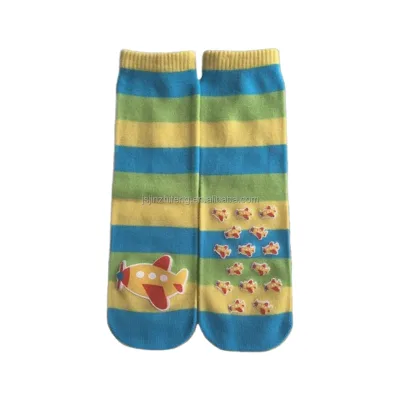
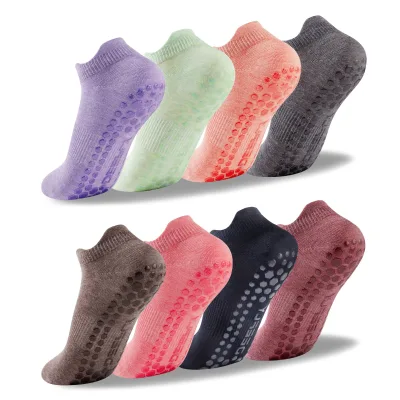
100% Acrylic Non-slip Socks Floor Socks
$0.89 - $0.98
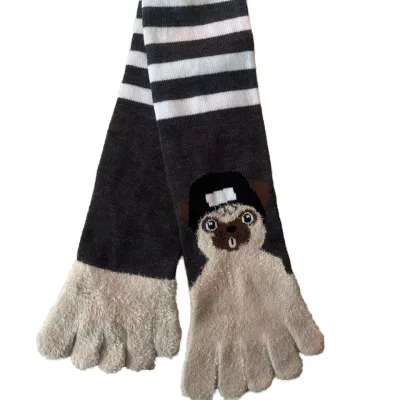
$1.89 - $2.58

- Verified by TUVRHEINLAND
- Trading Company,Manufacturer/Factory
- China Chongqing
- Lead time38 days
- Avg. response≤ 5h
Main productsBaseball Cap, Beanie Hat, Trucker Hat, Bucket Hat, Snapback Hat, Scarf, Gloves, Apron, Sock, T Shirt&Polo Shirt
Main marketsSouth America,Eastern Europe,Mid East,North America,Southeast Asia,Eastern Asia,Oceania,Western Europe,Africa

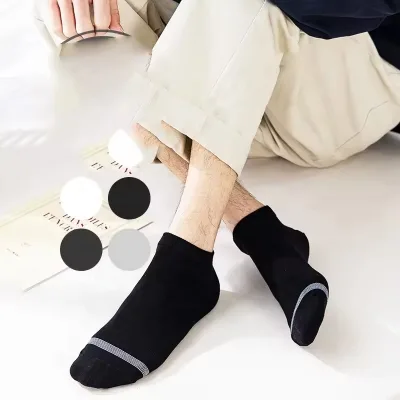
Premium Custom Cotton Ankle Socks for Men - Breathable and Anti-Bacterial
$0.60 - $2.00
MOQ: 200 Pairs


Chinapack Ningbo Import & Export Co., Ltd.
- Verified by SGS
- Trading Company,Manufacturer/Factory
- China Zhejiang
- Lead time23 days
- Avg. response≤ 17h
Main productsSnowboard, Water Bottle, Promotional Hats, Glass Bottle, Ski Set, Snowboot, Snowboard Binding, Home Sock, Hood, Scarf
Main marketsSouth America,Eastern Europe,North America,Southeast Asia,Eastern Asia,Oceania,Western Europe
Hangzhou Fishjumping Industry Co., Ltd.
- Verified by Intertek
- Manufacturer, Trading Company
- Lead time30 days
- Avg. response≤ 3h
Main productsSports Socks, Compression Socks, Yoga Pants, Tights, Pantyhose
Main marketsNorth America(65%), Eastern Europe(14%), Eastern Asia(6%)
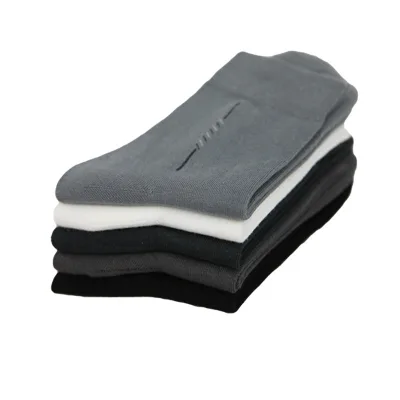
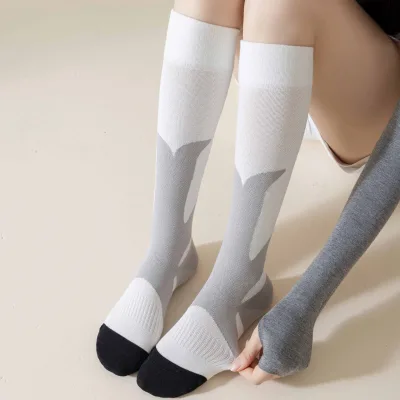
High Quality Anti-bacterial Bamboo Socks for Business Men Anti-sweat Comfortable Socks
$0.47 - $0.55
MOQ: 20 pairs
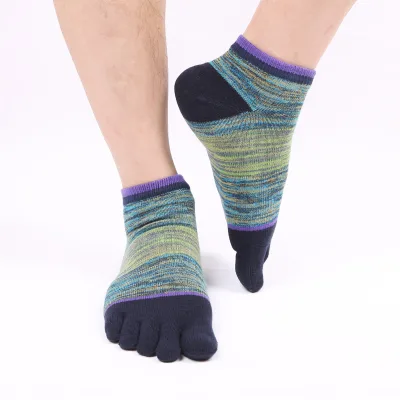

Sungnan Import & Export Co., Ltd.
- Verified by TUVRHEINLAND
- Combined
- China Zhejiang
- Lead time30 days
- Avg. response≤ 6h
Main productsScarf, Socks, China Scarf, Leggings, Hats, Bags, Gloves
Main marketsNorth America
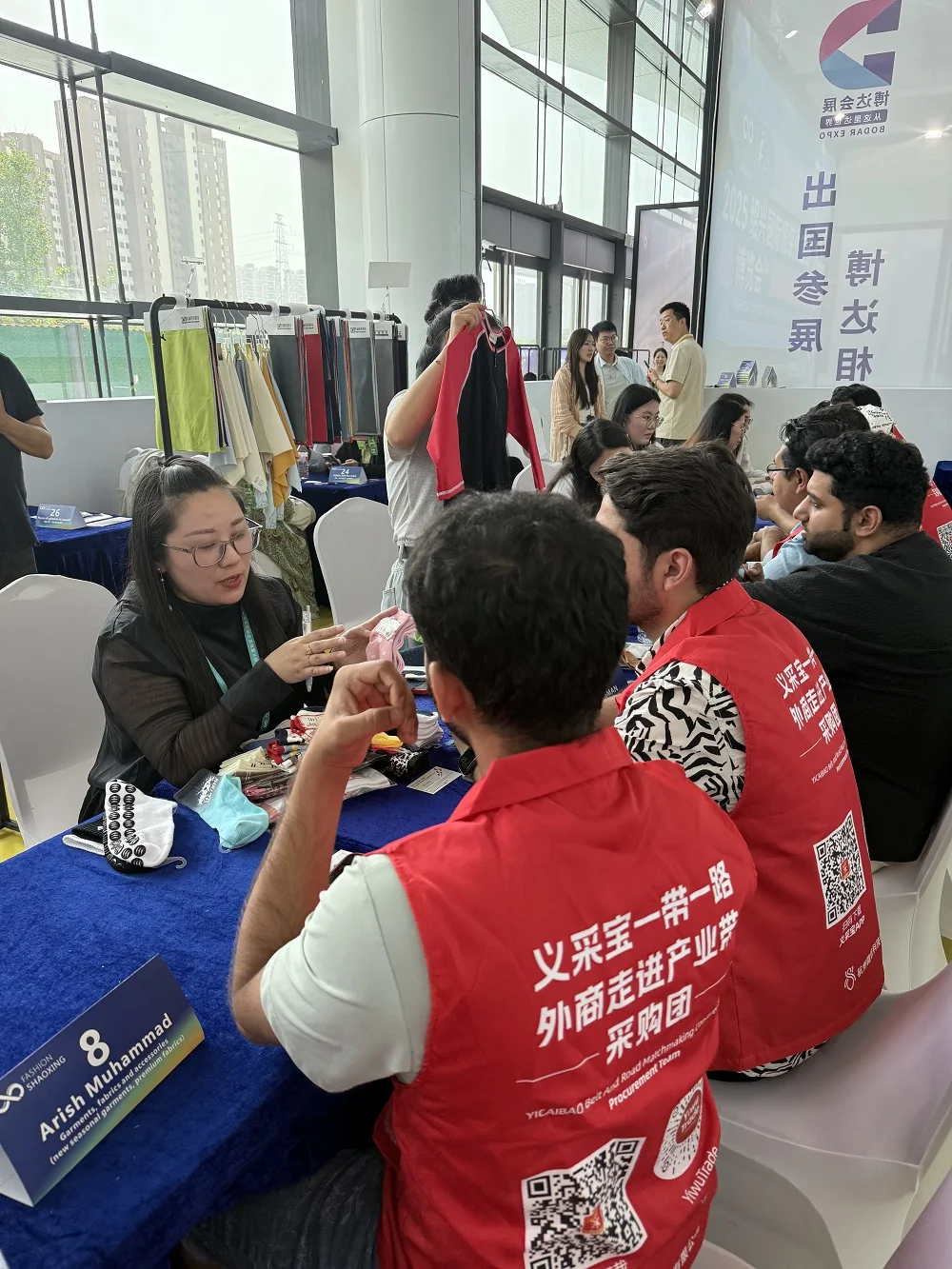
Yiwu Long Glory Imp. & Exp. Co., Ltd.
- Trading Company
- Zhejiang, China
- Lead time25 days
- Avg. response≤ 3h
Main productssocks,shoes
Main marketsNorthern Europe(30.00%), North America(30.00%), Mid East(20.00%), Central America(5.00%), South America(5.00%), Oceania(5.00%), Africa(3.00%), Domestic Market(2.00%)
Zhuji Fontenay Knitting Co., Ltd.
- Verified by Intertek
- Manufacturer, Trading Company
- Lead time5 days
- Avg. response≤ 2h
Main productsSocks
Main marketsNorth America(60%), Western Europe(10%), Eastern Asia(8%)
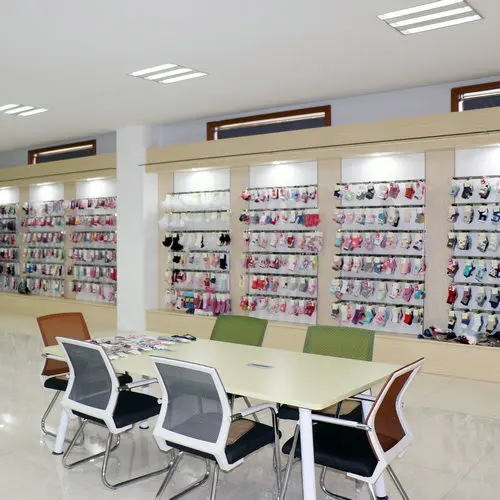
- Manufacturer, Trading Company
- Zhejiang, China
- Lead time15 days
- Avg. response≤ 2h
Main productssocks,women socks,men socks,wholesale socks,custom socks
Main marketsNorth America(38.00%), Western Europe(14.00%), Northern Europe(11.00%), Eastern Europe(8.00%), Eastern Asia(6.00%), South America(5.00%), Southern Europe(4.00%), Southeast Asia(4.00%), Central America(3.00%), South Asia(3.00%), Domestic Market(1.00%), Oceania(1.00%), Africa(1.00%), Mid East(1.00%)
Yiwu Haohan Daily Necessities Co., Ltd.
- Trading Company
- Zhe Jiang, China
- Lead time10 days
- Avg. response≤ 5h
Main productsTop loader,card sleeves,fashion bag,travel bag,yoga suits
Main marketsNorthern Europe(20.00%), North America(20.00%), Southern Europe(10.00%), South America(10.00%), Central America(10.00%), Western Europe(10.00%), Mid East(10.00%), Eastern Europe(10.00%)
- Verified by SGS Group
- Manufacturer, Trading Company
- Lead time7 days
- Avg. response≤ 3h
Main productsSocks
Main marketsNorth America(18%), Central America(13%), Eastern Europe(11%)

Zhuji Dongling Knitting & Textile Co., Ltd.
- Combined
- China Zhejiang
- Lead time30 days
- Avg. response≤ 9h
Main productsSocks, Man Socks, Lady Socks, Sport Socks, Baby & Kids Socks, Tights, Wristband, Non-Slip Socks, Mobile Phone Pouch, Hiking Socks
Main marketsAfrica,Europe,North America

- Verified by TUVRHEINLAND
- Trading Company
- China Zhejiang
- Lead time15 days
- Avg. response≤ 8h
Main productsBaby Products, Baby Accessory, Kids Toy, Pet Products, Fashion Apparel & Accessories, Personal Care, Christmas Decoration, Home Decoration, Beauty Care, Daily Use
Main marketsSouth America,Europe,North America

Hot Sale Custom Mens Socks Cotton High Quality Breathable Anti-Odor Socks Comfortable Business Socks
$0.55 - $0.75
MOQ: 5000 Pieces

Men's Summer Casual Socks Breathable, Odor-Resistant, Solid-Color Ankle & MID Calf Socks
$0.06 - $0.10
MOQ: 5000 Pieces

$0.45 - $0.55
MOQ: 5000 Pieces


Zhuji Zhongding Knitting Co., Ltd.
- Verified by Intertek
- Manufacturer, Trading Company
- Lead time20 days
- Avg. response≤ 1h
Main productsSports Socks, Men Socks, Football Socks, Yoga/Pilates Socks
Main marketsNorth America(25%), Western Europe(24%), Eastern Asia(12%)
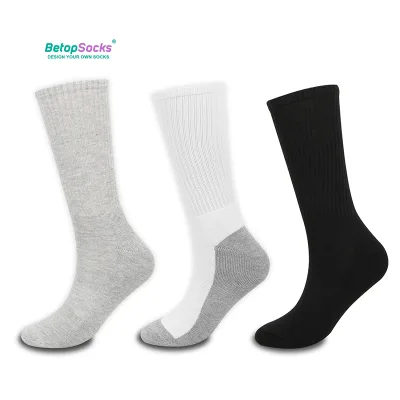
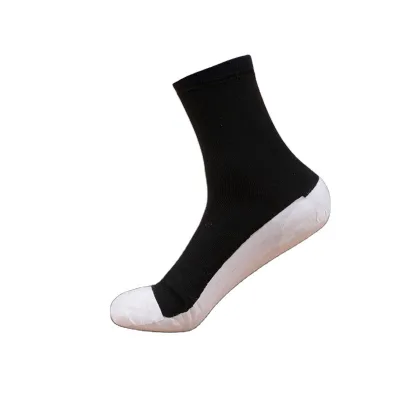
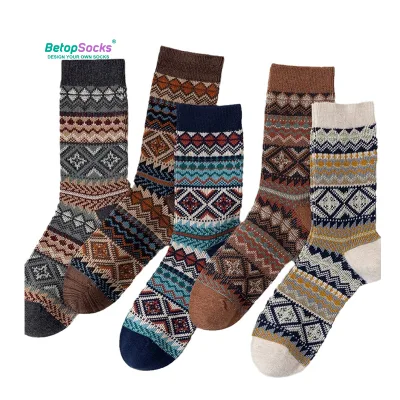
OEM Disposable Anti-Slip Anti-Bacterial 100% Cotton Letter Pattern Sports Men Socks
$0.796 - $0.8994
MOQ: 50 pairs
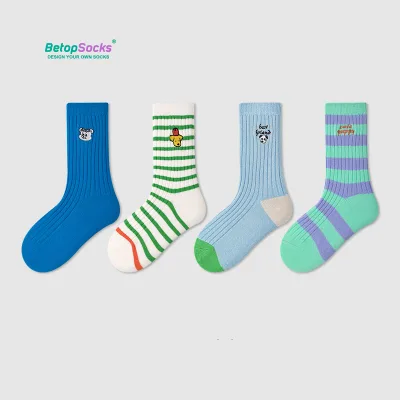
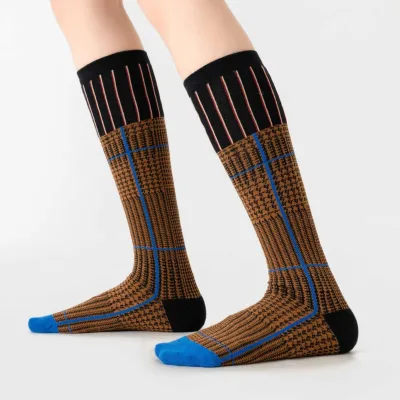
2024 Spring Design Cute Crew Casual Socks for Anti-Slip Anti-Bacterial Wholesale S104
$0.796 - $0.8994
MOQ: 50 pairs

- Verified by TUVRHEINLAND
- Combined
- China Shanghai
- Lead time15 days
- Avg. response≤ 3h
Main productsInfant Clothes, Baby Clothes, Kids Wear, Underwear, Sock, Pajama, Night Dress, Sleep Bag, Yoga Clothes, Nursing Tee
Main marketsEurope,Australia,North America

Factory Wholesale Price Bamboo Fibre Breathable Sweat Absorbent Anti-Odour Foot Long Socks
$3.51 - $6.22
MOQ: 50 Pieces

Factory Customised Bamboo Fibre Breathable Anti-Odour Five-Finger Socks
$3.99 - $19.99
MOQ: 100 Pieces

Shanghai Lingtech Technology Co., Ltd.
- Trading Company,Manufacturer/Factory
- China Shanghai
- Lead time15 days
- Avg. response≤ 12h
Main productsESD and Cleanroom Autoclavable Garments, ESD and Cleanroom Autoclavable Shoes, ESD and Cleanroom Fabric, ESD Work Gloves, Safety Shoes, Clean Wiper, Cleanroom Products, ESD Products, Cleanroom Project and Equipment, Autoclavable Garments and Laundry
Main marketsSouth America,Mid East,North America,Southeast Asia,Eastern Asia,Africa
- Verified by TüVRheinland
- Manufacturer, Trading Company
- Lead time25 days
- Avg. response≤ 3h
Main productsBeanie, Scarf, Glove, Sock, Crochet Doll
Main marketsNorth America(35%), Eastern Europe(20%), Western Europe(20%)

- Verified by CTI
- Trading Company
- China Anhui
- Lead time23 days
- Avg. response≤ 2h
Main productsFurniture, Home Furniture
Main marketsSoutheast Asia/ Mideast

- Verified by CTI
- Combined
- China Zhejiang
- Lead time30 days
- Avg. response≤ 2h
Main productsCottton Sock, Crew Sock, Kids Sock, Adult Sock, Men Sock, Sports Sock, Pilates Sock, Football Sock, Ankle Sock
Main marketsEurope,Australia,North America

Suzhou KKLL Natural Health Tec Co., Ltd.
- Verified by CTI
- Trading Company
- China Jiangsu
- Lead time23 days
- Avg. response≤ 12h
Main productsGrounding Bed Sheet, Earthing Sheet, Grounding Pillowcase, Emf Sheet
Main marketsEast Asia(Japan/ South Korea),Europe,North America

Sichuan Chenhai International Trade Co., Ltd.
- Trading Company
- China Sichuan
- Lead time0 days
- Avg. response≤ 4h
Main productsSocks, Lingerie
Foshan Lion King Clothing Co., Ltd.
- Manufacturer
- Guangdong, China
- Lead time20 days
- Avg. response≤ 1h
Main productsmen's socks,women's socks,sports socks,Children's socks,Yoga socks
Main marketsWestern Europe(40.00%), Domestic Market(20.00%), North America(20.00%), Oceania(10.00%), South America(10.00%)

- Verified by CTI
- Trading Company
- China Zhejiang
- Lead time30 days
- Avg. response≤ 5h
Main productsSocks, Men Socks, Sports Socks, Cotton Socks, Custom Socks, Women Socks, Merino Wool Socks, Grip Socks, Bamboo Socks, Pilates Socks
Main marketsSoutheast Asia/ Mideast
Haining Jinhu Sport Socks Co., Ltd.
- Verified by Intertek
- Trading Company
- Zhejiang, China
- Lead time7 days
- Avg. response≤ 3h
Main productsMens Socks, Womens Socks, Baby and Kid socks, Sports Wear, Sports Socks
Main marketsNorth America(70%), South America(5%), Oceania(5%)
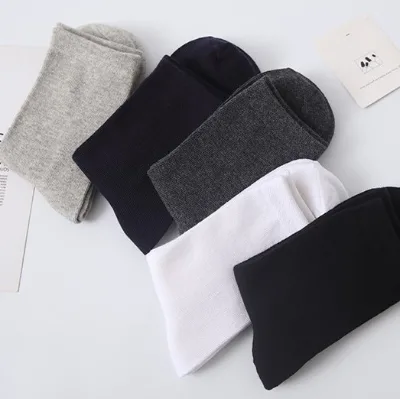
Wholesale Custom Mens Cotton Hosiery Solid Colour Breathable Ankle Socks Casual Men's Socks
$0.43 - $0.99
MOQ: 10 pairs
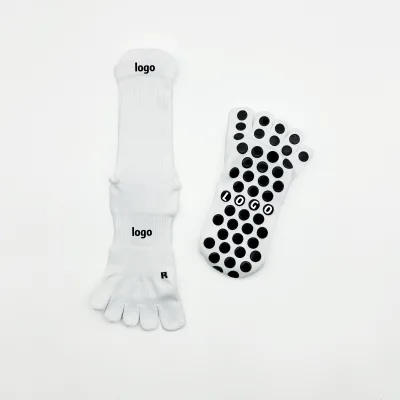
$0.4002 - $1.2217
MOQ: 500 pairs
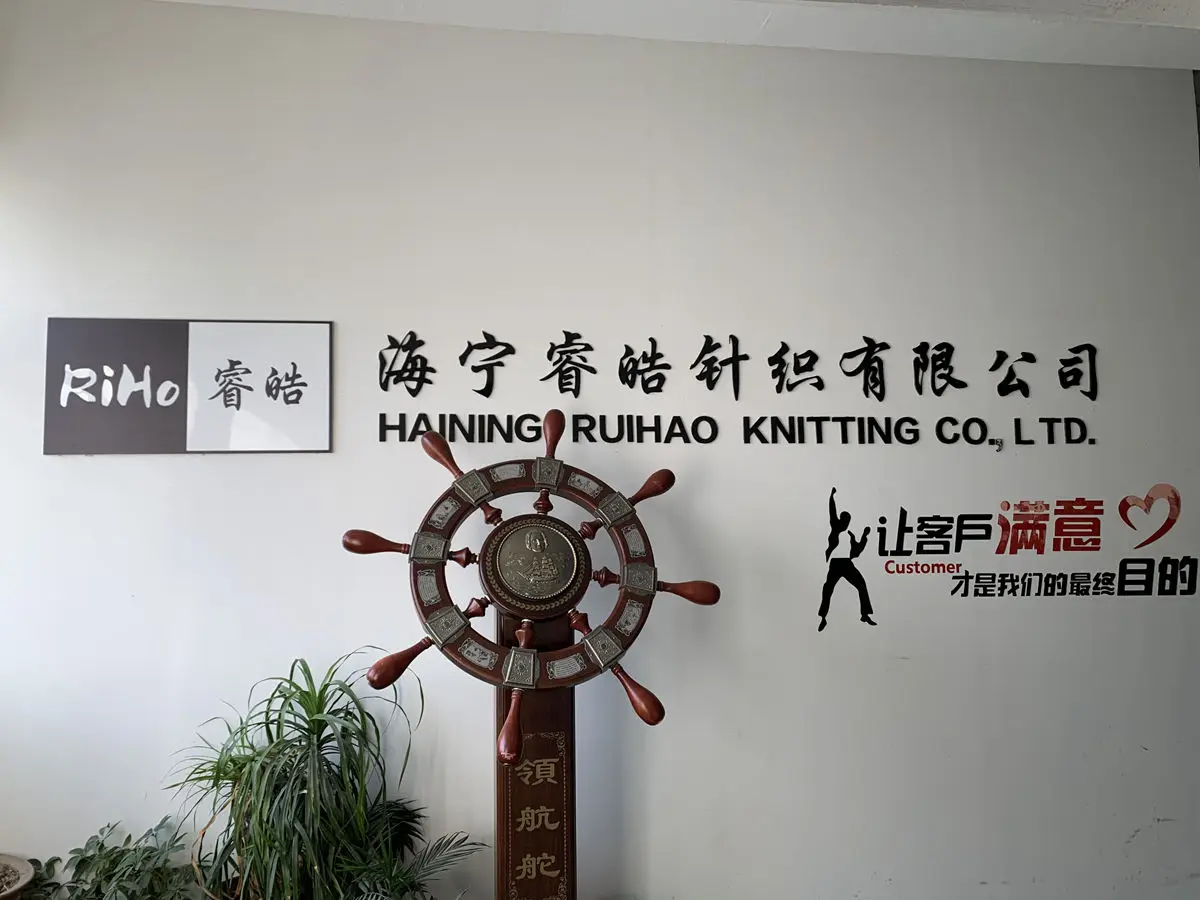
Haining Ruihao Import & Export Co., Ltd.
- Manufacturer, Trading Company
- Zhejiang, China
- Lead time25 days
- Avg. response≤ 4h
Main productsSport Socks,Men's Socks,Women's Socks,Baby Socks,Kid Socks
Main marketsNorth America(45.00%), Northern Europe(29.00%), Domestic Market(18.00%), Western Europe(4.00%), Southeast Asia(4.00%)

PUYANG SELFAIDING INDUSTRIAL CO., LTD.
- Verified by SGS
- Manufacturer
- China Henan
- Lead time15 days
- Avg. response≤ 3h
Main productsAdult Bib, Pet Pad, Underpad, Baby Bib, Protective Panties, Washable Sanitary Pad, Compression Stockings, Patient Care Clothing, Pet Nest, Pet Toy
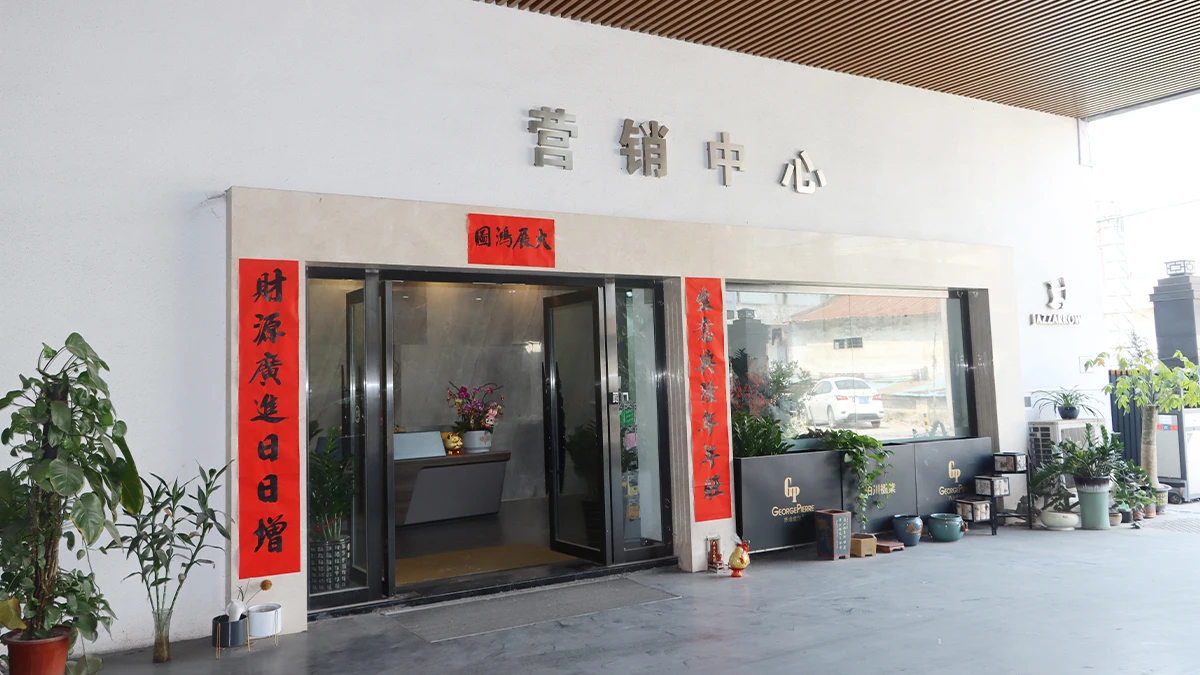
Foshan Nanhai Baichuan Socks Industry Co., Ltd.
- Manufacturer, Trading Company
- Guandong, China
- Lead time0 days
- Avg. response≤ 20h
Main productsSocks
Main marketsMid East(30.00%), North America(30.00%), Southern Europe(10.00%), Western Europe(10.00%), Eastern Europe(10.00%), Eastern Asia(10.00%)


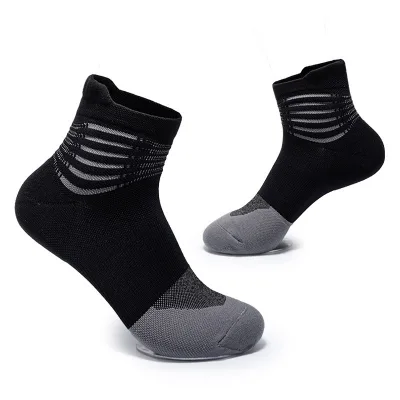
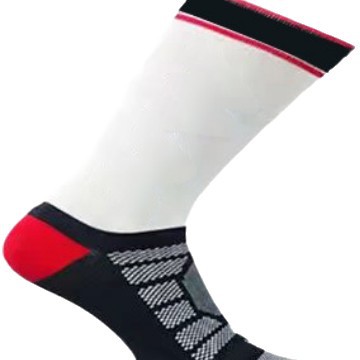
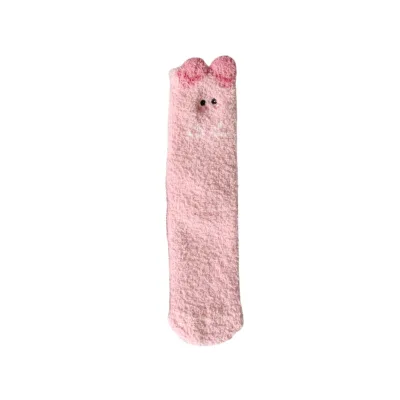
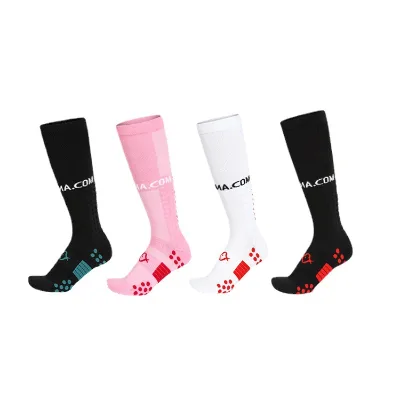
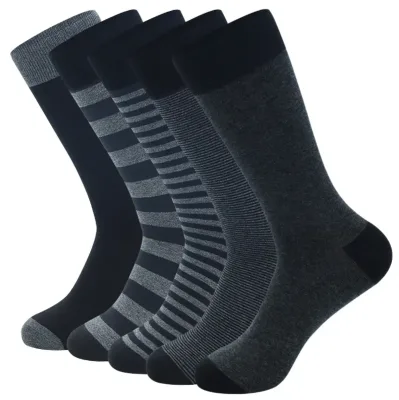
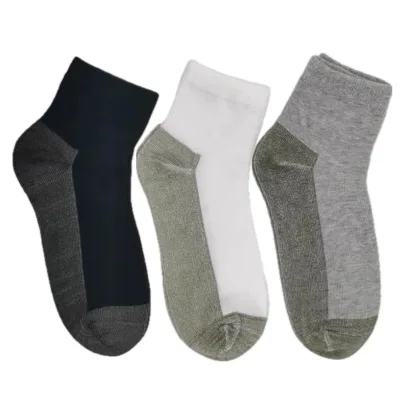
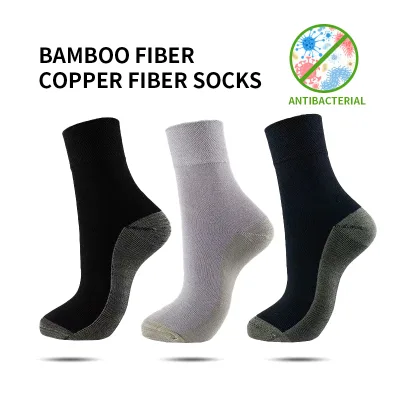
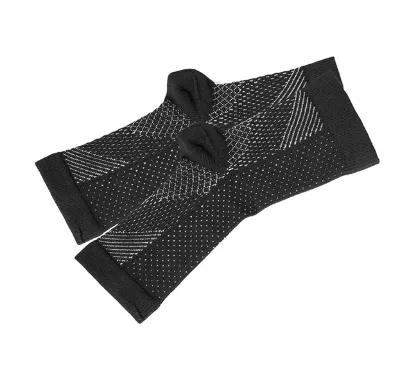
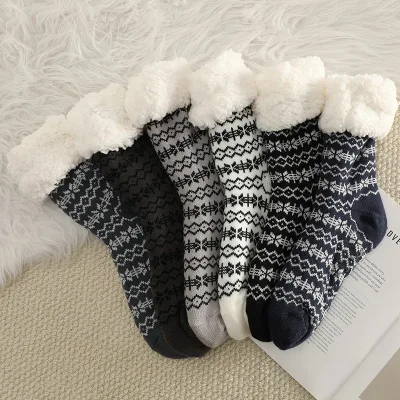
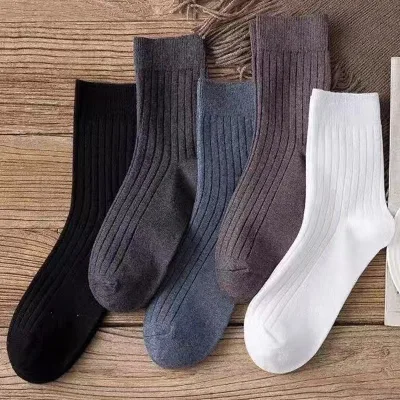
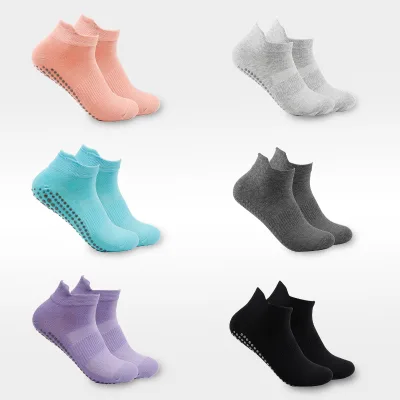
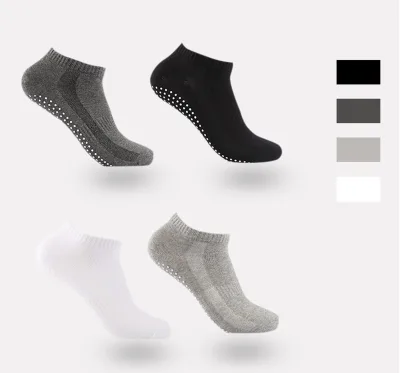






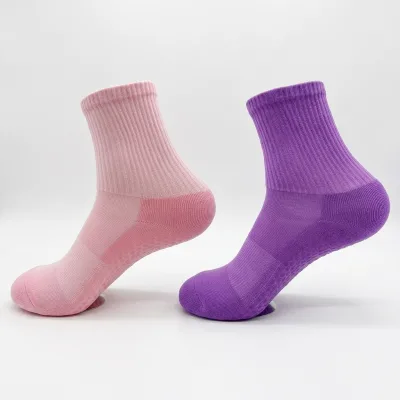
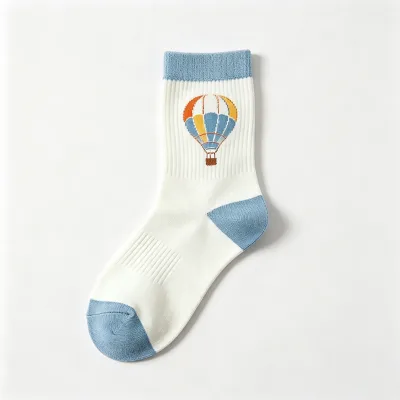


Comprehensive Sourcing Guide
Anti-Bacterial Breathable Floor Socks Supplier Concentration and Factory Types
The sourcing landscape for anti-bacterial breathable floor socks reveals a distinct concentration of manufacturing capabilities within specific Chinese provinces, with Zhejiang emerging as a primary hub for production. Suppliers located in Zhejiang, China, are frequently identified as both manufacturers and trading companies, offering a dual advantage of direct factory access and flexible commercial arrangements. This regional clustering suggests a mature supply chain ecosystem where raw material sourcing, knitting technology, and finishing processes are co-located, potentially reducing logistical friction for bulk orders. Buyers evaluating this region should note that the presence of both entity types allows for varied engagement models, from direct OEM partnerships to ready-stock procurement through intermediaries. The concentration in Zhejiang indicates that infrastructure for textile production, particularly for knitwear and hosiery, is well-developed, supporting the complex requirements of producing socks with specific functional attributes like breathability and anti-bacterial treatments.
Beyond Zhejiang, the broader market includes suppliers from other regions such as Jiangsu, China, which introduces additional diversity in supplier types and verification standards. For instance, some suppliers in Jiangsu are identified as trading companies that have undergone rigorous third-party verification, such as TÜV Rheinland certification, signaling a commitment to quality assurance and operational transparency. This geographic spread means that buyers are not limited to a single industrial cluster but can access a wider network of partners with different specializations. While Zhejiang offers a dense network of manufacturers, other regions may provide trading companies that specialize in sourcing and quality control, catering to buyers who prefer a more hands-off approach to supplier management. Understanding these regional distinctions helps buyers align their sourcing strategy with their operational needs, whether they prioritize direct factory interaction or the convenience of a verified trading partner.
How to Verify Anti-Bacterial Breathable Floor Socks Suppliers
Verifying the legitimacy and capability of suppliers requires a multi-layered approach that goes beyond basic company profiles. Buyers should prioritize suppliers who display third-party verification badges, such as TÜV Rheinland, which indicates that an independent auditor has assessed the company’s business license, factory conditions, and operational capacity. This level of verification provides a higher degree of confidence compared to self-declared claims, especially when dealing with trading companies that may not own the production facilities. Additionally, examining the supplier’s response time can serve as an indirect indicator of their operational efficiency and customer service commitment. A faster response time, such as four hours, suggests a dedicated team ready to address inquiries promptly, which is crucial for resolving technical questions about material composition or production timelines.
Product-level verification is equally critical, as it confirms the supplier’s ability to deliver on specific functional claims. Buyers should scrutinize product attributes that directly relate to the anti-bacterial and breathable requirements, such as material composition and feature lists. For example, products listing materials like Nylon/Cotton or Spandex/Polyester/Cotton often align with breathability needs, while explicit mentions of features like Anti-Bacterial, Breathable, and Eco-Friendly provide evidence of functional intent. Furthermore, checking for needle detection certifications, which are listed as "Yes" for some products, indicates a commitment to safety standards, particularly important for socks that may be worn by individuals with sensitive skin or specific health needs. By cross-referencing these product attributes with supplier verification status, buyers can build a more robust assessment of supplier reliability and product quality.
What to Compare Across Anti-Bacterial Breathable Floor Socks Suppliers
When evaluating multiple suppliers, buyers must systematically compare key operational metrics to identify the best fit for their specific business needs. Lead time is a critical factor, with observed ranges varying from 30 to 35 days, which can significantly impact inventory planning and market responsiveness. Suppliers with shorter lead times may offer a competitive advantage in fast-moving markets, while those with longer lead times might accommodate more complex customization requests. Similarly, Minimum Order Quantity (MOQ) requirements vary substantially, with some suppliers requiring as few as 100 pairs, making them suitable for small businesses or trial orders, while others demand 1,000 pairs or more, catering to large-scale distributors. Understanding these thresholds helps buyers align their order volumes with supplier capabilities, avoiding unnecessary costs or missed opportunities.
Price and customization options are also essential comparison points. Price ranges for similar products can vary, with some items priced between $1.48 and $2.50 per pair, depending on material, design complexity, and order volume. Buyers should assess whether the price includes customization services, such as OEM branding, logo placement on the cuff, body, or bottom, and specific printing methods like digital print or sublimation. Additionally, comparing the range of main products offered by each supplier can reveal their specialization; some focus on sports socks, while others offer a broader range including floor socks and ski socks. By analyzing these dimensions together, buyers can create a weighted scoring system to objectively rank suppliers based on their strategic importance, cost efficiency, and operational flexibility.
Common Anti-Bacterial Breathable Floor Socks Sourcing Risks
One significant risk in sourcing anti-bacterial breathable floor socks is the potential discrepancy between claimed functional properties and actual product performance. While suppliers may list features like Anti-Bacterial and Breathable, the underlying technology and material treatments are not always standardized or verified by independent testing. Buyers must be cautious of vague claims and seek specific details about the anti-bacterial agents used, such as silver ion treatment or natural bamboo fiber properties, which offer different levels of efficacy and durability. Without clear evidence of material composition and treatment processes, there is a risk of receiving products that do not meet the expected performance standards, leading to customer dissatisfaction and potential returns. This risk is particularly acute when dealing with suppliers who do not provide detailed product attributes or third-party test reports.
Another common risk involves the reliability of supply chain commitments, including lead times and quality consistency. Suppliers may quote attractive lead times and prices initially, but fail to deliver on these promises due to capacity constraints or quality control issues. The variation in response times, from a few hours to nearly 20 hours, can indicate differences in operational maturity and resource allocation. Suppliers with slower response times may struggle to manage complex orders or address issues promptly, increasing the risk of delays and communication breakdowns. Additionally, the use of different materials, such as Polyester versus Cotton blends, can affect the final product’s feel and performance, leading to inconsistencies if not carefully specified. Buyers must implement robust quality assurance protocols and clear contractual terms to mitigate these risks and ensure consistent product delivery.
Anti-Bacterial Breathable Floor Socks Regional Sourcing and Logistics
Sourcing from specific regions like Zhejiang and Jiangsu in China offers logistical advantages due to established export infrastructure and proximity to major ports. Zhejiang, in particular, is a major textile manufacturing hub, which means that suppliers in this region often have streamlined logistics channels for exporting goods. This proximity can reduce shipping times and costs, especially for buyers targeting markets in Asia, Europe, or North America. However, buyers must also consider the potential for regional disruptions, such as seasonal production peaks or regulatory changes, which can impact supply stability. Understanding the logistical landscape of these regions helps buyers plan their inventory and shipping schedules more effectively, minimizing the risk of stockouts or delays.
For suppliers located in other regions, such as Jiangsu, logistics considerations may differ slightly, but the overall export process remains similar. Buyers should work with suppliers to determine the most cost-effective shipping methods, whether by sea, air, or express courier, depending on the urgency and volume of the order. Additionally, buyers must account for import duties, taxes, and compliance requirements in their destination markets, which can vary significantly. Working with suppliers who have experience in international trade can help navigate these complexities, ensuring that products are shipped correctly and documentation is accurate. By leveraging the logistical strengths of different regions, buyers can optimize their supply chain for efficiency and cost-effectiveness.
Anti-Bacterial Breathable Floor Socks Commercial Terms and Order Planning
Effective order planning requires a clear understanding of commercial terms, including payment methods, customization options, and after-sales support. Buyers should negotiate terms that protect their interests, such as using secure payment platforms like Escrow, which holds funds until the goods are received and verified. This reduces the risk of financial loss in case of non-delivery or quality issues. Additionally, buyers must clarify the customization process, including design approvals, sample production, and mass production timelines. Suppliers offering OEM services typically require detailed specifications for logo placement, printing methods, and material choices, which must be agreed upon before production begins. Clear communication and documented agreements are essential to avoid misunderstandings and ensure that the final product meets the buyer’s expectations.
Furthermore, buyers should plan for potential variations in production, such as changes in material availability or labor costs, which can impact pricing and lead times. Establishing a long-term relationship with a reliable supplier can provide stability and better terms, such as volume discounts or priority production slots. Buyers must also consider the total cost of ownership, including shipping, insurance, and potential returns, to make informed decisions. By carefully planning commercial terms and order logistics, buyers can minimize risks and maximize the value of their sourcing investments, ensuring a smooth and successful procurement process for anti-bacterial breathable floor socks.
FAQs
What is the price range for anti-bacterial breathable floor socks?
Prices typically range from $1.48 to $2.94 per pair depending on material and customization. Basic cotton blends start lower, while specialized bamboo fiber or thick winter versions cost more. Buyers should verify exact unit costs based on order volume and specific feature requirements.
What is the minimum order quantity for custom socks?
Minimum order quantities vary significantly by supplier and product type. Some manufacturers accept orders as low as 100 pairs for standard designs, while others require 1000 pairs for wholesale or custom knitting. Buyers must confirm the specific MOQ with each supplier before placing an order.
How long does production take for these socks?
Standard lead times generally range from 30 to 35 days after order confirmation. This duration accounts for material sourcing, knitting, and quality control processes. Buyers should request a precise production schedule from the supplier to ensure timely delivery for their specific inventory needs.
Are these socks suitable for yoga and daily wear?
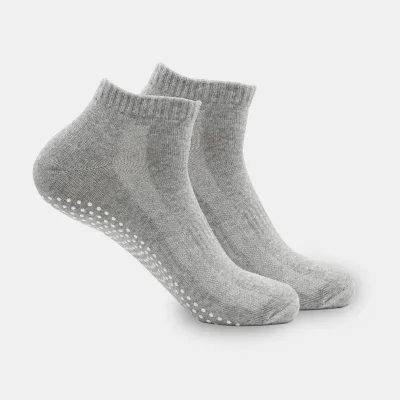
Yes, many options are designed for yoga, daily life, and various sports. Features like anti-slip soles, breathability, and moisture-wicking materials make them ideal for active use. Buyers can select ankle or crew styles based on their specific activity requirements and comfort preferences.
What materials are used for anti-bacterial floor socks?
Common materials include nylon, cotton, spandex, polyester, and bamboo fiber blends. These fabrics provide breathability, elasticity, and anti-bacterial properties. Buyers should check product specifications to ensure the material composition meets their durability and comfort standards for floor or athletic use.
Can I get custom logos on these socks?
Yes, most suppliers offer OEM services with custom logo placement on the cuff, body, or bottom. Printing methods include digital print, silk screen, and sublimation. Buyers should discuss design files and placement options with the supplier to ensure brand visibility and production feasibility.