Source eco-friendly anti-bacterial cotton socks for daily wear, sports, and travel
Find 30 verified listings for eco-friendly anti-bacterial cotton socks suitable for daily wear, sports, and travel. Compare specifications like material, thickness, and customization options from suppliers in China to find the best fit for your needs; compare the available evidence and request quotations based on your requirements.
Updated
Key considerations
Products List


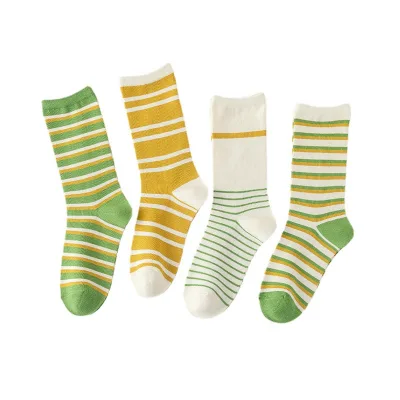
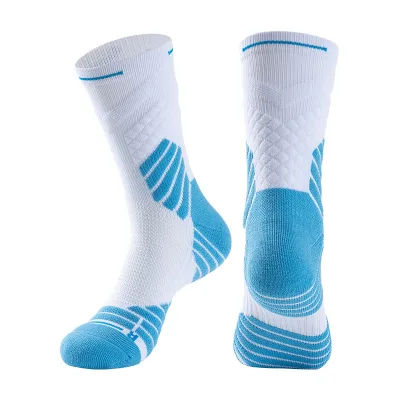
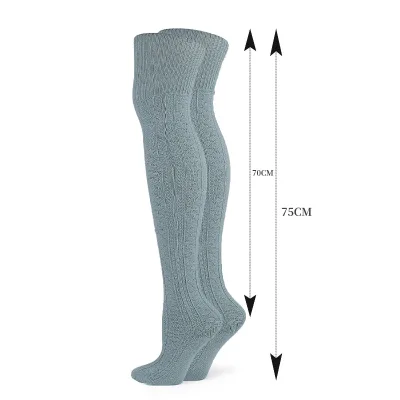
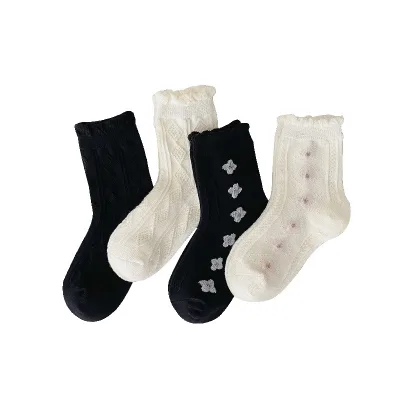
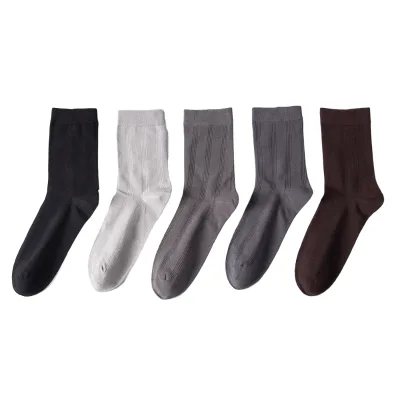


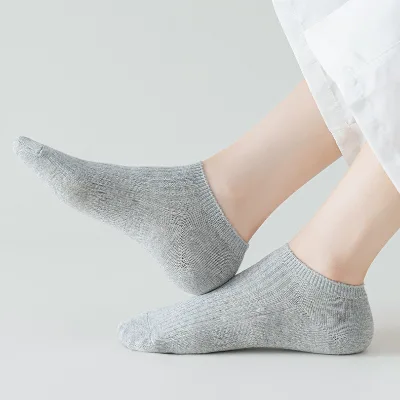
Premium Custom Cotton Ankle Socks for Men - Breathable and Anti-Bacterial
$0.60 - $2.00
MOQ: 200 Pairs


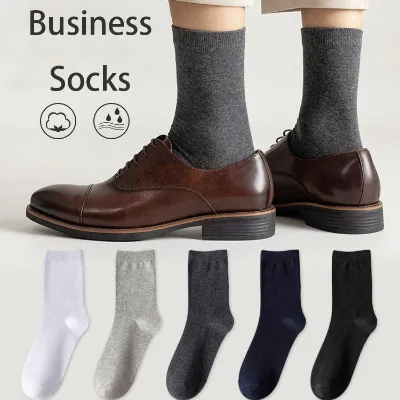
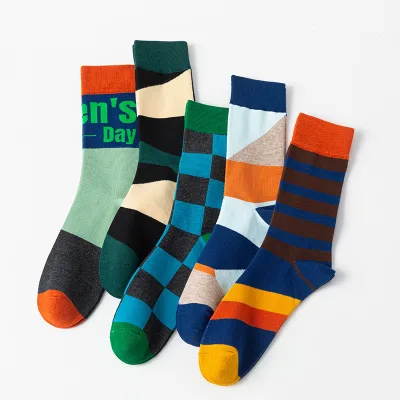
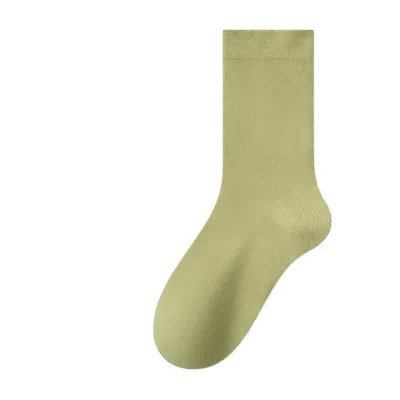

Comprehensive Sourcing Guide
Eco-Friendly Anti-Bacterial Cotton Socks Sourcing Guide
Sourcing eco-friendly anti-bacterial cotton socks requires a disciplined approach to balancing material integrity with functional performance claims. Buyers must navigate a market where "eco-friendly" and "anti-bacterial" are frequently used as marketing terms rather than verified technical specifications. The core challenge lies in distinguishing between genuine sustainable practices and superficial labeling, ensuring that the final product meets both environmental standards and hygiene requirements. This guide provides a structured framework for evaluating suppliers, verifying technical attributes, and managing commercial risks associated with this specialized textile category.
Procurement teams should prioritize transparency in the supply chain, particularly regarding the origin of raw materials and the manufacturing processes employed. The observed data indicates a strong presence of suppliers from China, with specific origins noted in Zhejiang, suggesting a concentrated manufacturing hub for these goods. Understanding the regional capabilities and regulatory environments of these sourcing locations is critical for assessing reliability and consistency. By focusing on verifiable data points rather than promotional language, buyers can build a more resilient supply base that supports long-term sustainability goals and product quality expectations.
Product Scope and Observed Listing Signals
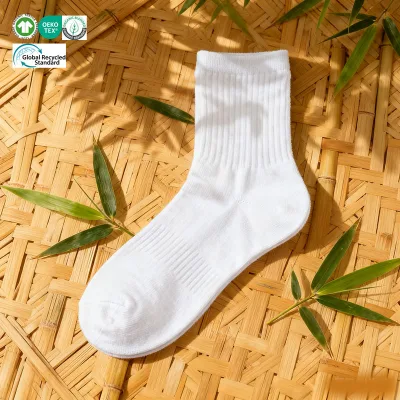
The current market landscape for cotton socks reveals a diverse range of product configurations, with crew socks being a prominent style observed in listings. These socks are typically categorized by thickness, with medium and standard options available to suit different seasonal and usage requirements. The gender segmentation is broad, covering both men’s and women’s designs, which allows for versatile inventory planning. Buyers should note that the product type is consistently identified as casual socks, indicating a focus on everyday wear rather than specialized athletic or compression applications. This general categorization suggests that the primary value proposition lies in comfort, breathability, and basic hygiene features.
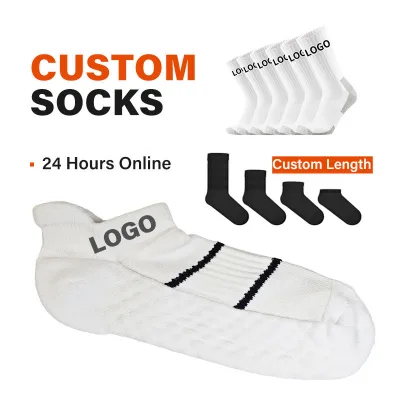
Material composition is a key differentiator, with listings showing variations such as pure cotton, blends of spandex and polyester, and mixed cotton-spandex fabrics. These material choices directly impact the sock’s elasticity, durability, and moisture-wicking capabilities. The observed features include breathability, anti-slip properties, and antibacterial treatments, which are critical for consumer satisfaction. Additionally, customization options are widely available, including custom packaging and logo placement on the cuff, body, or header card. This flexibility allows brands to tailor products to specific market segments while maintaining a consistent aesthetic and functional profile across their collections.
Technical Specifications to Verify
Verifying the technical specifications of cotton socks is essential to ensure they meet performance expectations and durability standards. Buyers should confirm the knitting method, with knitted construction being a common technique observed in the market. The number of needles used in the knitting process, such as 144n, 168n, or 200n, can influence the fabric’s density and smoothness. Additionally, the presence of seamless technics is a notable feature that enhances comfort by reducing friction points. These technical details should be validated through sample analysis to ensure that the manufacturing process aligns with the claimed specifications and delivers the desired tactile experience.
Functional attributes such as antibacterial and anti-slip properties require rigorous testing to verify their efficacy. Buyers should request test reports or certifications that demonstrate the effectiveness of these treatments, particularly if they are central to the product’s value proposition. The material composition, whether it is pure cotton or a blend with spandex and polyester, should be confirmed through laboratory analysis to ensure accuracy. Furthermore, the thickness and weight of the socks, such as the observed single gross weight of 0.330 kg for a package, should be measured to ensure consistency across batches. These verifications help mitigate the risk of receiving products that do not perform as advertised.
Compliance and Safety Documentation
Compliance with safety and environmental standards is a critical aspect of sourcing eco-friendly and anti-bacterial socks. Buyers should verify that suppliers adhere to recognized standards such as OEKO-TEX or GOTS, although the confidence level for these certifications may vary. It is essential to request documentation that proves the materials are free from harmful substances and that the antibacterial treatments are safe for skin contact. This documentation should include test results from accredited laboratories, providing evidence that the products meet regulatory requirements in the target markets. Without proper compliance documentation, buyers risk facing legal issues and reputational damage.
In addition to material safety, buyers should assess the supplier’s commitment to sustainable practices throughout the production process. This includes evaluating the environmental impact of dyeing, printing, and finishing techniques. The observed printing methods, such as digital printing, discharge printing, and sublimation transfer, should be reviewed for their environmental footprint. Buyers should inquire about waste management practices and energy efficiency in the manufacturing facilities. By prioritizing suppliers with robust compliance and sustainability credentials, buyers can align their procurement strategies with broader corporate social responsibility goals and consumer expectations for ethical sourcing.
Cost Drivers and Commercial Terms
Understanding the cost drivers and commercial terms is vital for effective budgeting and negotiation in the sourcing of cotton socks. The observed price range of 0.2 to 4 USD per unit indicates significant variation, likely driven by material quality, customization complexity, and order volume. Buyers should analyze the factors contributing to these price differences, such as the use of premium cotton blends or advanced antibacterial treatments. Additionally, the minimum order quantity (MOQ) ranges from 50 to 1500 pairs, which impacts the initial investment and inventory management strategy. Smaller MOQs may offer flexibility for testing new designs, while larger orders can leverage economies of scale for better pricing.
Lead times and sample policies are also key commercial considerations. The observed sample time of 5-7 days and delivery date of 15-25 days provide a baseline for planning production schedules. Buyers should confirm these timelines with suppliers and account for potential delays due to customization or material sourcing. The availability of OEM services and custom packaging options may incur additional costs, which should be factored into the total cost of ownership. By negotiating clear terms regarding pricing, MOQs, and lead times, buyers can establish a predictable and cost-effective supply chain that supports their business objectives.
Supplier Qualification and Quality Control
Supplier qualification is a foundational step in ensuring the reliability and consistency of cotton sock supplies. Buyers should conduct thorough due diligence to assess the supplier’s manufacturing capabilities, quality management systems, and financial stability. The observed supply type of OEM service suggests that many suppliers are equipped to handle custom orders, but buyers must verify their capacity to maintain quality standards at scale. This includes evaluating their production facilities, equipment, and workforce expertise. A qualified supplier should demonstrate a commitment to continuous improvement and adherence to international quality standards.
Quality control measures should be integrated into the procurement process to minimize defects and ensure product consistency. Buyers should implement a robust inspection regime, including pre-production samples, in-line checks, and final random inspections. The observed feature of needle detection indicates a focus on safety and quality, which should be verified through regular audits. Additionally, buyers should establish clear acceptance criteria for product attributes such as colorfastness, shrinkage, and antibacterial efficacy. By partnering with suppliers who prioritize quality control, buyers can reduce the risk of product failures and enhance customer satisfaction.
Long-Term Procurement Checks
Long-term procurement success depends on continuous monitoring and evaluation of supplier performance and market trends. Buyers should establish key performance indicators (KPIs) to track metrics such as on-time delivery, defect rates, and responsiveness to issues. Regular performance reviews should be conducted to identify areas for improvement and reinforce accountability. Additionally, buyers should stay informed about emerging technologies and materials that could enhance product value, such as new antibacterial treatments or sustainable fabric innovations. This proactive approach ensures that the supply chain remains competitive and aligned with evolving consumer preferences.
Relationship management is also crucial for fostering collaboration and innovation with suppliers. Buyers should engage in open communication, sharing feedback and strategic goals to align expectations. Building strong partnerships can lead to better pricing, priority production slots, and joint development opportunities. Furthermore, buyers should diversify their supplier base to mitigate risks associated with geopolitical, logistical, or operational disruptions. By maintaining a strategic and adaptive procurement approach, buyers can secure a reliable supply of eco-friendly anti-bacterial cotton socks that supports their brand’s long-term growth and sustainability objectives.
FAQs
What materials are used for these eco-friendly anti-bacterial cotton socks?
The socks are primarily made from cotton, often blended with spandex and polyester to enhance elasticity and durability. This combination ensures a soft, breathable feel while maintaining the structural integrity needed for daily wear. The material composition supports the antibacterial function and contributes to the overall comfort and longevity of the product for various users.
Can I customize the packaging and logo for these socks?
Yes, customization is available for both packaging and logo placement. Buyers can choose from various printing methods such as digital print, discharge printing, or sublimation transfer. Logos can be positioned on the cuff, body, bottom, or header card. Custom packaging options are also accepted to meet specific branding requirements for different markets.
What is the minimum order quantity for these socks?
The minimum order quantity varies by product model, typically ranging from 50 to 1500 pairs. Some models require a minimum of 50 pairs, while others may start at 100 pairs or higher. Buyers should check the specific model details to determine the exact MOQ, as this threshold ensures efficient production and cost-effectiveness for custom orders.
How long does it take to receive samples and bulk orders?
Samples can be prepared within 5 to 7 days, with support for 7-day sample order lead times. Bulk delivery typically takes 15 to 25 days after order confirmation. This timeline allows for quality checks and production scheduling. Buyers should plan their procurement cycles accordingly to ensure timely receipt of goods for their specific market needs.
What features do these socks offer for daily wear?
These socks offer antibacterial, breathable, and quick-dry properties, making them suitable for daily use. They also feature anti-slip designs and are available in crew lengths with medium thickness. The fabric is soft and elastic, providing comfort and support. Additional features include snagging resistance and eco-friendly materials, ensuring practicality and sustainability for everyday wear.
Are these socks suitable for men and women?
Yes, these socks are designed for both men and women. They are available in regular styles and casual sock types, suitable for various preferences. The product specifications indicate gender-neutral options, with features like antibacterial protection and breathability benefiting all users. Buyers can select from different models and sizes to cater to diverse customer bases effectively.