Source eco-friendly anti-slip kids socks for sports, school, and play
Compare 30 listings of eco-friendly anti-slip kids socks featuring breathable materials and non-slip bottoms. Buyers can evaluate options from suppliers in China with varying MOQs and lead times for custom designs; compare the available evidence and request quotations based on your requirements.
Updated
Key considerations
Products List

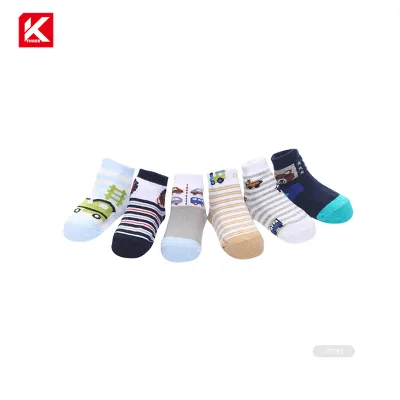

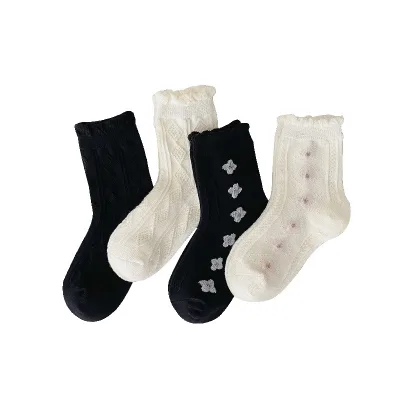
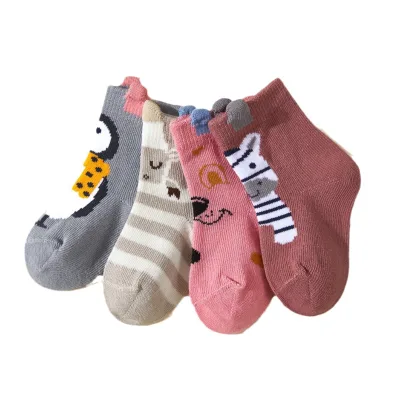


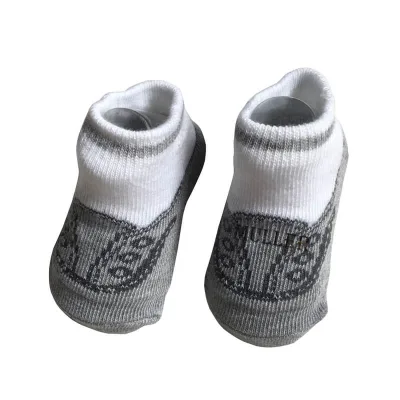
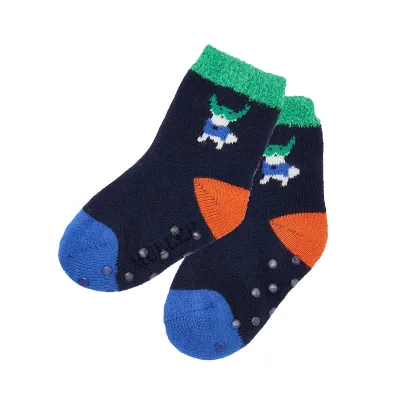
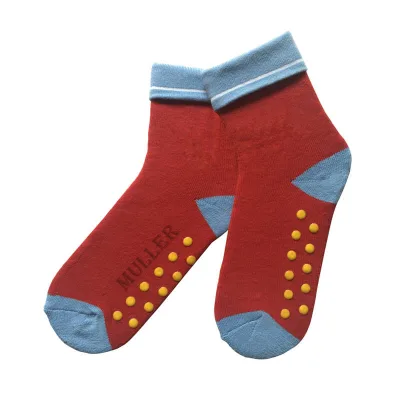
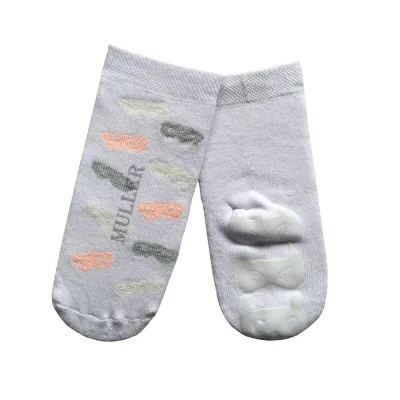
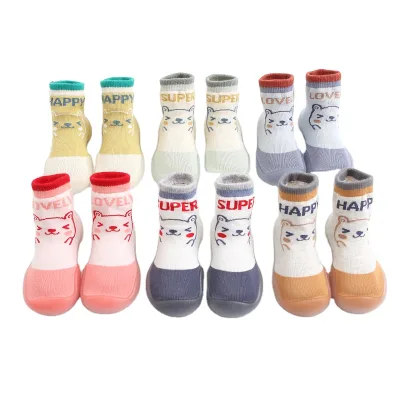
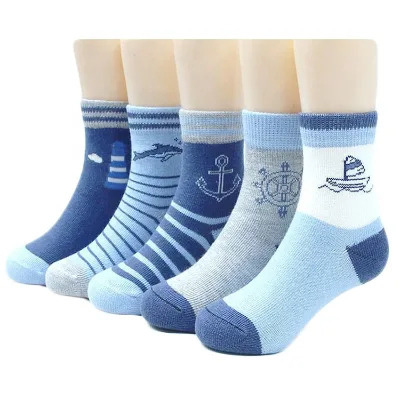
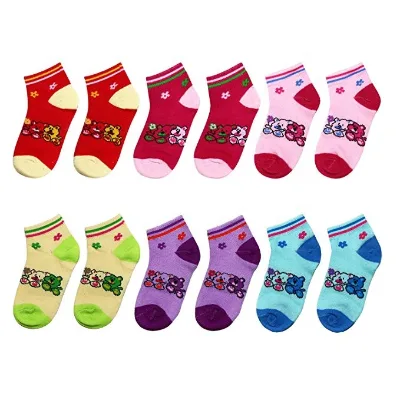
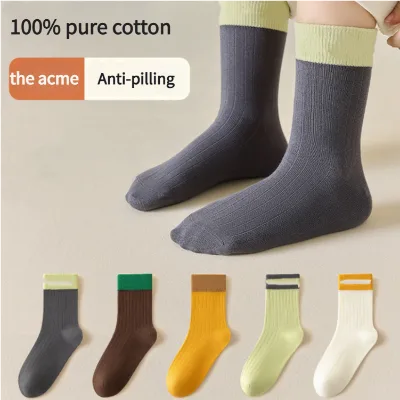
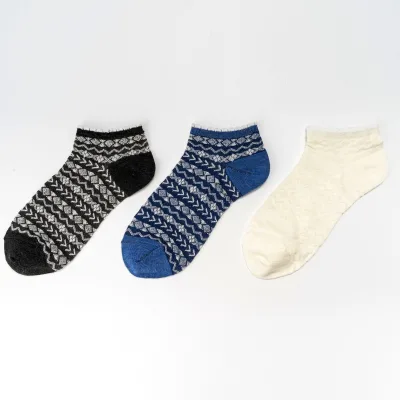
High Quality Wholesale Simple Breathable Anti Slip Sports Children's Cotton Ankle Socks
$0.70 - $1.1317
MOQ: 500 pairs


Comprehensive Sourcing Guide
Eco-Friendly Anti-Slip Kids Socks Sourcing Guide
Sourcing eco-friendly anti-slip kids socks requires balancing material safety, functional durability, and ethical manufacturing practices. Buyers must prioritize suppliers who demonstrate transparency in their supply chain, particularly regarding the origin of raw materials and the environmental impact of production processes. The market offers various options, but verifying the specific composition of the yarn and the methods used to achieve slip resistance is critical for ensuring product performance and child safety.
This guide outlines the essential steps for evaluating potential suppliers, from technical specification verification to commercial term negotiation. It focuses on evidence-based decision-making, helping procurement teams avoid common pitfalls such as relying on vague marketing claims or overlooking critical safety certifications. By adhering to the structured approach below, buyers can secure high-quality, sustainable sock products that meet both regulatory requirements and brand values.
Product Scope and Observed Listing Signals
The current market landscape for kids' socks includes a diverse range of products, with observed listings indicating a price range of $0.15 to $20 USD and minimum order quantities (MOQs) varying from 1 to 3,000 units. This wide variance suggests that buyers can find options suitable for both small-scale testing and large-volume production runs. It is important to note that these figures are observed signals and may not reflect the final negotiated terms for every supplier, so direct communication is necessary to confirm specific pricing structures and volume discounts.
Product attributes observed in listings include materials such as spandex, nylon, and cotton, with some items specified as 100% cotton. Features like breathability, eco-friendliness, and anti-slip properties are commonly highlighted, aligning with the core keyword. However, buyers should treat these attributes as observations rather than guaranteed specifications for every listed product. Verifying the exact material composition and the presence of anti-slip elements through sample requests is essential to ensure the product meets the intended use case for children aged 8-12.
Technical Specifications to Verify
When evaluating technical specifications, buyers should focus on material composition and construction techniques. Observed data indicates that socks may be made from blends of spandex, nylon, and cotton, or pure cotton, with knitting techniques being a common manufacturing method. It is crucial to verify the elasticity and thickness, as these factors directly impact comfort and fit for growing children. Some listings mention medium elasticity and standard or thickening options, which should be matched to the specific seasonal needs, such as spring or autumn wear.
The anti-slip feature is a key technical requirement, often achieved through specific design elements like non-slip bottoms or silicone grips. Buyers must confirm the placement and durability of these anti-slip components, as they are critical for safety during active play. Additionally, checking the sock type, whether casual or sporty, and the pattern type, including custom design options, helps ensure the product aligns with brand aesthetics. Verifying these details through detailed product descriptions and sample analysis is vital for quality assurance.
Compliance and Safety Documentation
Safety is paramount when sourcing products for children, and buyers must ensure that suppliers provide appropriate compliance documentation. While specific certification statuses are not universally listed, buyers should request evidence of needle detection processes, which are critical for preventing metal fragments from remaining in the finished product. Some suppliers indicate support for needle detection, which is a positive sign, but independent verification or third-party testing reports should be sought to confirm adherence to international safety standards.
Eco-friendly claims also require substantiation through relevant certifications or material traceability documents. Buyers should inquire about the sourcing of organic or recycled materials if such claims are made, and verify that the manufacturing process adheres to environmental regulations. Although specific standards are not detailed in the observed data, understanding the local regulations in the country of origin, such as China, and any export requirements to the destination market is essential for ensuring legal compliance and brand integrity.
Cost Drivers and Commercial Terms
Several factors influence the cost of eco-friendly anti-slip kids socks, including material quality, production volume, and customization requirements. Observed supply abilities range from 500,000 pairs per month to 5,000 sets per week, indicating that larger suppliers may offer better economies of scale. Buyers should consider the trade-off between price and volume, as higher MOQs often result in lower unit costs. However, it is important to balance cost savings with the need for flexibility, especially for new product launches or seasonal variations.
Commercial terms such as lead times and payment conditions also play a significant role in procurement planning. Some suppliers offer support for sample orders with a lead time of seven days, which is beneficial for rapid prototyping and quality checks. Buyers should negotiate clear terms regarding packaging, such as OPP bags or custom packaging, and confirm the port of dispatch, which is often Ningbo or Shanghai. Understanding these commercial details helps in accurate cost forecasting and supply chain management.
Supplier Qualification and Quality Control
Supplier qualification involves assessing the manufacturer's capabilities, reputation, and quality control processes. Buyers should verify the supplier's location, with many originating from Zhejiang or Shanghai in China, and evaluate their production facilities for consistency and efficiency. Observing the supply type, whether make-to-order or in-stock items, helps determine the supplier's flexibility and responsiveness to market demands. It is also important to check the supplier's ability to handle custom designs and packaging requirements, as these are common needs in the kids' sock market.
Quality control measures should be clearly defined and agreed upon before placing orders. Buyers should request information on the supplier's inspection processes, including pre-production, during-production, and pre-shipment inspections. Although specific quality metrics are not detailed in the observed data, establishing clear acceptance criteria for defects, such as stitching errors or material inconsistencies, is essential. Building a strong relationship with the supplier through regular communication and feedback loops can further enhance product quality and reliability.
Long-Term Procurement Checks
Long-term procurement success depends on continuous monitoring and evaluation of supplier performance. Buyers should establish key performance indicators (KPIs) such as on-time delivery rates, product quality consistency, and responsiveness to issues. Regular audits or visits to the supplier's facility can provide valuable insights into their operational practices and commitment to quality. Additionally, staying informed about changes in regulations, material availability, and market trends helps in adapting procurement strategies to maintain competitiveness.
Sustainability and ethical sourcing should remain a priority in long-term partnerships. Buyers should periodically review the supplier's environmental practices and social responsibility initiatives, ensuring alignment with brand values. Engaging in collaborative planning with suppliers can lead to innovations in product design and process improvements, benefiting both parties. By maintaining a proactive approach to supplier management, buyers can secure a reliable supply of eco-friendly anti-slip kids socks that meet evolving market demands and customer expectations.
FAQs
What materials are used for these eco-friendly anti-slip kids socks?
The socks are crafted from a blend of Spandex, Nylon, and Cotton to ensure durability and comfort. This material composition supports breathability and eco-friendly attributes while maintaining the necessary elasticity for a secure fit on children's feet during active play.
Can I customize the design for these kids socks?
Yes, customization is available for these socks, allowing for custom designs and OEM services. Buyers can request specific packaging details, such as OPP bags or paper cards, and the supplier supports make-to-order production to meet unique branding requirements.
What is the minimum order quantity for these socks?
The minimum order quantity ranges from 1 to 3000 pairs depending on the specific product model and customization needs. Standard items may have lower MOQs, while custom designs or specific packaging requirements might require higher volumes to initiate production efficiently.
How long does it take to produce a sample order?
Sample orders are supported with a lead time of 7 days. This quick turnaround allows buyers to verify quality, fit, and design accuracy before committing to larger bulk orders, ensuring the final product meets all specified requirements and expectations.
Are these socks suitable for spring and autumn seasons?
Yes, these socks are designed for spring and autumn seasons with normal or standard thickness. They offer breathable and sweat-absorbent features, making them ideal for moderate weather conditions while providing comfort and anti-slip safety for active children during daily activities.
Where are these eco-friendly socks manufactured?
These socks are manufactured in China, specifically originating from Zhejiang and Shanghai regions. The production facilities support various supply types, including in-stock items and make-to-order services, ensuring reliable sourcing for international buyers seeking quality children's apparel products.