Source moisture wicking low-cut sports socks for Gym, Running, Hiking
Compare 30 listings of moisture wicking low-cut sports socks from Zhejiang suppliers. Options include custom designs, various materials like cotton and polyester, and MOQs ranging from 2 to 1500 pairs for daily wear and athletic activities; compare the available evidence and request quotations based on your requirements.
Updated
Key considerations
Products List


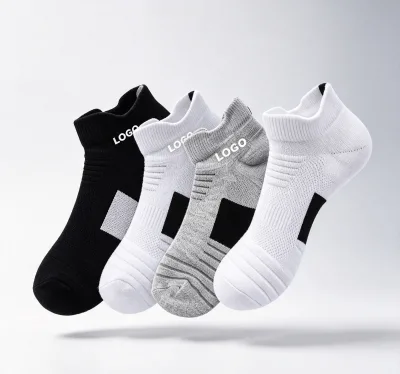


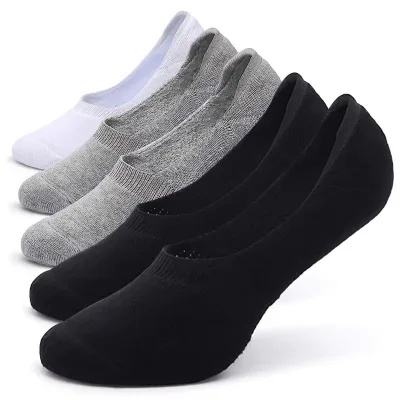
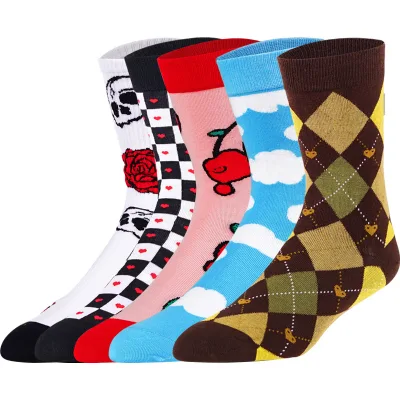
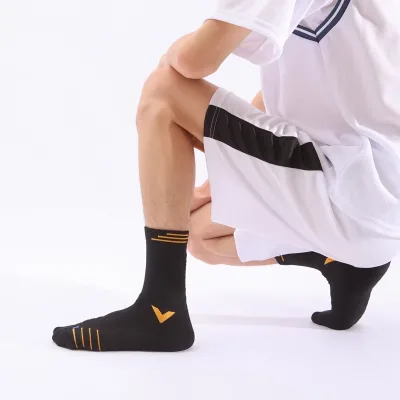


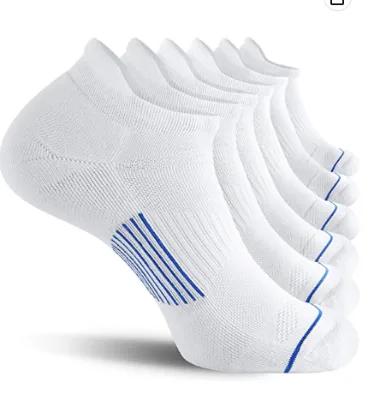
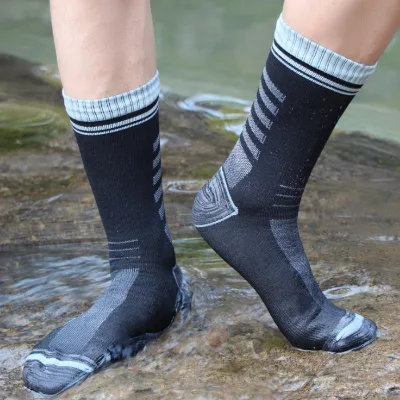
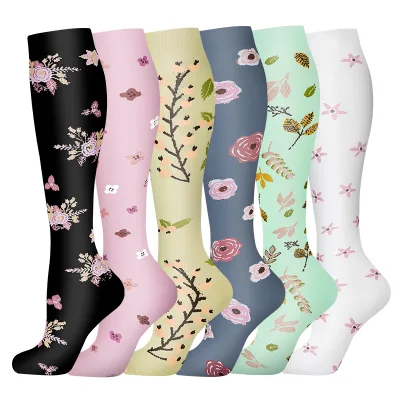
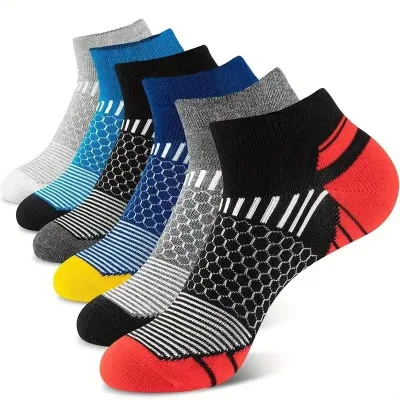


Comprehensive Sourcing Guide
Moisture Wicking Low-Cut Sports Socks Sourcing Guide
Sourcing moisture-wicking low-cut sports socks requires a careful balance of material science, manufacturing capability, and commercial flexibility. Buyers must navigate a market where product attributes vary significantly across suppliers, even when the core keyword remains consistent. The observed data indicates a diverse range of options, from standard ankle designs to custom-branded athletic wear, all originating primarily from Zhejiang, China. This geographic concentration offers logistical advantages but demands rigorous verification of quality control and production timelines.
Procurement teams should focus on verifying the specific blend of Spandex, Polyester, and Cotton that defines the sock’s performance. While many listings claim breathability and sweat absorption, the actual efficacy depends on the knitting technique and fiber ratio. Understanding these technical nuances is essential for selecting suppliers who can deliver consistent product quality. This guide outlines the critical steps for evaluating suppliers, ensuring that the final product meets both functional requirements and brand standards.
Product Scope and Observed Listing Signals
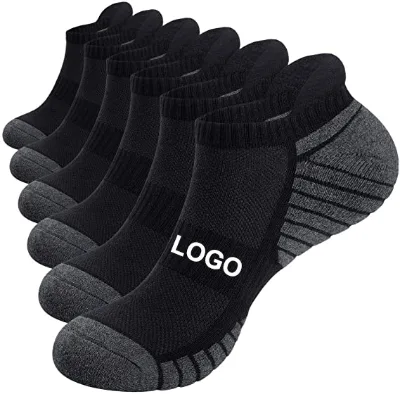
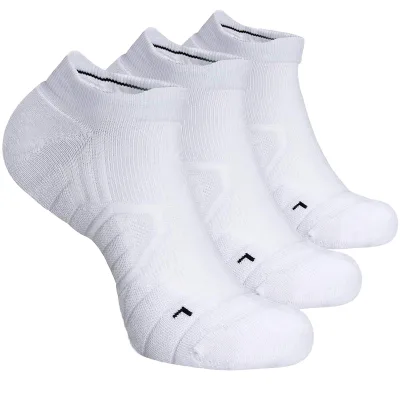
The current market landscape for low-cut sports socks reveals a wide spectrum of product variations, with observed prices ranging from $0.18 to $7.85 USD. This disparity highlights the importance of distinguishing between basic commodity items and premium, feature-rich products. Listings frequently highlight attributes such as "Feet Comfortable," "Breathable," and "Anti-Bacterial" features, which are critical for athletic performance. Buyers must scrutinize these claims against actual material compositions to avoid overpaying for unsubstantiated benefits.
Minimum Order Quantities (MOQs) vary significantly, ranging from as low as 2 pairs to 1500 pairs, catering to both small-scale testers and large-volume distributors. Common packaging configurations include 25 pairs per poly bag or 10 pairs per poly bag, with carton packing for bulk shipments. Sample times are typically within 3-7 days, allowing for rapid prototyping and quality assessment. Understanding these commercial signals helps buyers align their procurement strategy with their inventory needs and budget constraints.
Technical Specifications to Verify
Verifying technical specifications is paramount to ensuring the socks meet performance expectations. Key attributes to confirm include the material composition, which often blends Spandex, Polyester, and Cotton for elasticity and durability. The knitting technique, typically listed as "Knitted," influences the fabric's breathability and moisture-wicking capabilities. Buyers should request detailed material breakdowns to ensure the blend supports the intended athletic activities, whether for daily wear or high-intensity sports.
Size and fit specifications also require careful attention, with options ranging from custom sizes to standard ranges like 41-46 or 35-43. The height of the sock, often described as "Low" or "Ankle," must align with the target market's preferences. Additionally, features such as "Sweat-Absorbent" and "Anti-Foul" properties should be validated through sample testing. Confirming these details prevents mismatches between product expectations and actual performance, reducing the risk of returns or customer dissatisfaction.
Compliance and Safety Documentation
While specific certification statuses are not universally listed, buyers must ensure that suppliers adhere to relevant safety and quality standards. Documentation should verify that materials are free from harmful substances, aligning with international textile regulations. Although "Eco-Friendly" is a common claim, buyers should request evidence of sustainable practices or relevant environmental certifications to substantiate this assertion. This due diligence is crucial for maintaining brand integrity and meeting consumer expectations for responsible sourcing.
Safety documentation also includes compliance with labor standards and manufacturing ethics. Buyers should verify that suppliers follow fair labor practices and maintain safe working conditions. Requesting audit reports or third-party verification can provide assurance of ethical compliance. Additionally, product safety tests, such as those for colorfastness and tensile strength, should be reviewed to ensure the socks meet durability and safety requirements. This comprehensive approach to compliance mitigates legal and reputational risks.
Cost Drivers and Commercial Terms
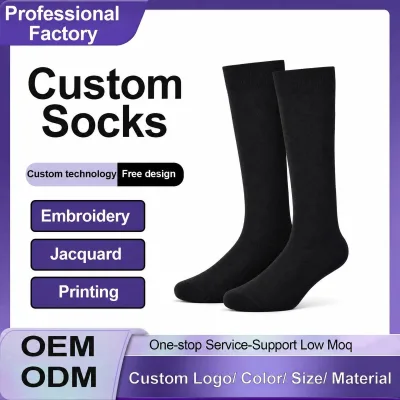
Several factors influence the cost of moisture-wicking low-cut sports socks, including material quality, customization options, and order volume. Custom designs and logos, often available for an additional fee, can increase production costs but enhance brand visibility. The complexity of the knitting pattern, such as "Jacquard Technology," may also affect pricing. Buyers should negotiate clear terms regarding customization costs to avoid unexpected expenses.
Payment terms and delivery times are critical commercial considerations. Common payment methods include TT and PayPal, with delivery times typically ranging from 3-7 days for samples and longer for bulk orders. Buyers should clarify lead times for production and shipping to ensure timely delivery. Understanding these cost drivers and commercial terms allows for accurate budgeting and effective supply chain management, ensuring that procurement activities align with business objectives.
Supplier Qualification and Quality Control
Qualifying suppliers involves assessing their production capabilities, quality control processes, and customer service responsiveness. Buyers should verify the supplier's experience in manufacturing sports socks and their ability to handle custom orders. Requesting references or case studies can provide insights into their reliability and consistency. Additionally, evaluating their quality control measures, such as in-process inspections and final product testing, ensures that the socks meet specified standards.
Effective communication and transparency are key indicators of a reliable supplier. Buyers should establish clear channels for communication and request regular updates on production progress. Implementing a robust quality control plan, including pre-shipment inspections, helps identify and address potential issues before delivery. By prioritizing supplier qualification and quality control, buyers can build a resilient supply chain that delivers high-quality products consistently.
Long-Term Procurement Checks
Long-term procurement success depends on continuous monitoring and evaluation of supplier performance. Buyers should establish key performance indicators (KPIs) to track metrics such as on-time delivery, product quality, and responsiveness to issues. Regular audits and performance reviews help identify areas for improvement and ensure that suppliers maintain high standards. This proactive approach fosters a collaborative relationship and drives continuous improvement in the supply chain.
Adapting to market changes and evolving consumer preferences is essential for long-term success. Buyers should stay informed about trends in sports sock design, materials, and functionality. Engaging in regular dialogue with suppliers about future needs and innovations can lead to better product offerings and competitive advantages. By maintaining a strategic focus on long-term procurement checks, buyers can ensure sustained value and reliability in their sourcing activities.
FAQs
What materials are used for these moisture wicking low-cut sports socks?
The socks are crafted from a blend of Spandex, Polyester, and Cotton. This combination ensures the fabric remains breathable and sweat-absorbent during physical activity. The knitted technics provide a comfortable fit that supports daily wear and athletic performance without causing irritation.
Can I customize the design and logo for these socks?
Yes, custom design and logo options are available for bulk orders. You can add your logo to the package, and the supplier accepts custom designs for the product itself. This OEM service allows you to create unique branding for your specific market needs.
What is the minimum order quantity for these ankle socks?
The minimum order quantity varies by product model. Some items require 500 pairs, while others may have a lower threshold of 120 pairs. Buyers should check the specific model number to confirm the exact MOQ before placing an order for bulk procurement.
How long does it take to receive samples of these socks?
Samples can be prepared and shipped within 3 to 7 days. This quick turnaround allows buyers to verify the quality, thickness, and fit of the socks before committing to a larger production run. The standard thickness ensures a reliable baseline for evaluation.
Where are these moisture wicking low-cut sports socks manufactured?
These socks are manufactured in Zhejiang, China. The production facility offers OEM services with various payment options including TT and PayPal. Buyers can expect standard packaging, such as poly bags or cartons, depending on the specific product model selected for their order.
What features do these sport socks offer for daily wear?
These socks feature breathable, eco-friendly, and anti-bacterial properties. They are designed to be sweat-absorbent and anti-foul, making them suitable for daily wear and sports. The low-cut ankle style provides comfort and stability, ensuring they stay in place during movement.