anti-slip bath mat Suppliers and Manufacturers in China
Compare 27 verified anti-slip bath mat suppliers by location, lead time, and certifications. Review product specs like PVC or TPE materials and MOQs before contacting factories directly to ensure quality and delivery timelines match your specific requirements for bathroom safety.
Updated
Suppliers List
Zhejiang Jiajie Plastic Co., Ltd.
- Manufacturer, Trading Company
- Zhejiang, China
- Lead time30 days
- Avg. response≤ 4h
Main productsBath Mat,Shower Mat,Sink Mat,Anti-slip Bath Mat,Door Coil Mat
Main marketsNorth America(30.00%), Domestic Market(20.00%), South America(20.00%), Southern Europe(15.00%), Western Europe(12.00%), Mid East(2.00%), Africa(1.00%)
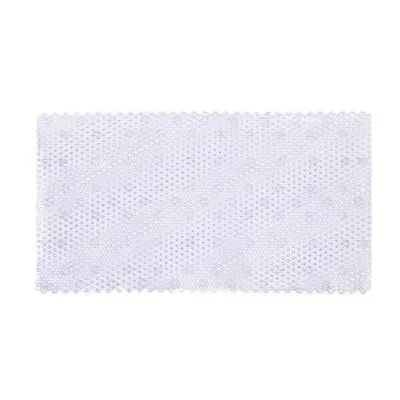
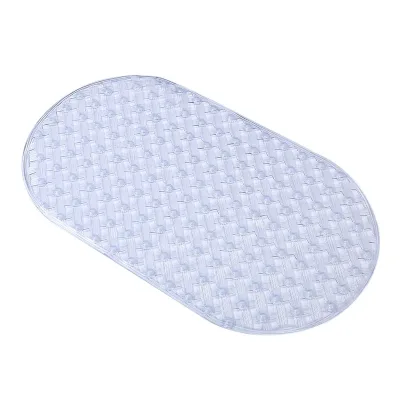
Custom Low MOQ Waterproof Bathroom Mats Massage Bathtub Mat Rubber Anti-slip Bath Mat for Home Hotel
$1.1624 - $1.5115
MOQ: 10 pieces
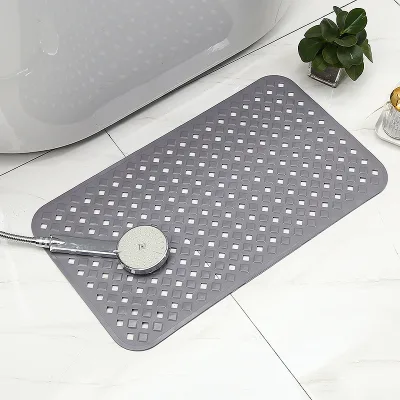
Custom Non Slip Bath Floor Mats for Non-slip Shower Tapis Waterproof Bathroom Shower Mat
$1.8216 - $2.3698
MOQ: 10 pieces
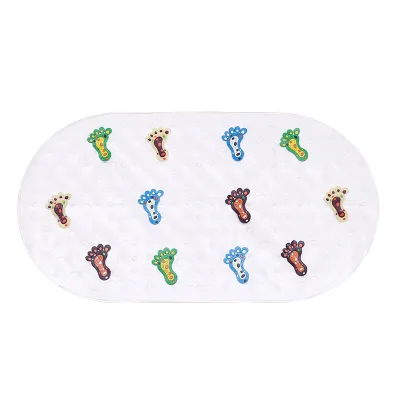
Factory Bathroom Mat Non-slip Mat with Duck Pattern
$1.72 - $2.24

Zhangjiagang Leader New Construction Material Co., Ltd.
- Combined
- China Jiangsu
- Lead time23 days
- Avg. response≤ 12h
Main productsMGO Board, Magnesium Oxide Board, Fireproof Board, SIP Sandwich Panel, Fiber Cement Cladding, Fiber Cement Board/Calculate, T-Grid, Grey MGO Board, MGO Flooring
Main marketsDomestic


Hot Sales High Quality Diatomite Bath Non-Slip Mat with Excellent Water Absorption
$1.90 - $2.70
MOQ: 1 Pieces

Ningbo Quanwei Rubber Products Co., Ltd.
- Verified by BV
- Combined
- China Jiangsu
- Lead time15 days
- Avg. response≤ 4h
Main marketsDomestic

Anti Slip Water Absorbent Mat Bathroom Kitchen Waterproof Floor Bath Mat
$0.70 - $1.10
MOQ: 100 Pieces

$0.90 - $2.30
MOQ: 50 Pieces

Wholesale Diatom Anti-Slip Bath Mat Quick-Drying Absorbent Bath Mat Kitchen Mat Floor Mat Door Mat
$0.68 - $1.10
MOQ: 100 Pieces


Taizhou Dedao Industry Co., Ltd.
- Verified by TüVRheinland
- Manufacturer, Trading Company
- Lead time15 days
- Avg. response≤ 5h
Main productsChair Mat, Desk Mat, Gaming Chair Mat, Anti Fatigue Mat, Footrest
Main marketsNorth America(45%), Oceania(35%), Western Europe(15%)

Guangdong Yuanhua New Material Industry Co., Ltd.
- Verified by SGS
- Combined
- China Guangdong
- Lead time15 days
- Avg. response≤ 9h
Main productsPVC Flooring, Non Slip Mat/Anti Slip Mat, Yoga Mat, EVA Anti Slip Mat, Shower Curtain, PVC Transparent Film, PVC Leather, Bath Pillow, Bathtub Mat, Jump Rope Mat&Fitness Mat
Main marketsEurope,North America

PVC Anti-Slip Waterproof Bathtub Mat and Freindly-Environmental Bath Bathroom Mat
$1.50 - $3.00
MOQ: 3000 Pieces

PVC Shower Mat Bath Mat with Different Colors Non Slip Shower Bathtub Mat
$1.40 - $3.00
MOQ: 3000 Pieces


Qingdao Zeerjia Trading Co., Ltd.
- Trading Company
- China Shandong
- Lead time30 days
- Avg. response≤ 3h
Main productsAnti Slip Floor Mat, PVC Tube Mat, Interlocking PVC Floor Tile, Threshold Access Ramp, Safety Mat, Wheel Chocks, Anti Fatigue Mat, Rubber Mudflaps, Rubber Cable Protector, Rubber Floor Mat
Main marketsSoutheast Asia/ Mideast,Europe,North America


Anti Slip Silicone Rubber Bath Mat Baby Care Mat Shower Mat Bathtub Mat
$2.00 - $8.00
MOQ: 5000 Pieces


Anti Slip Rubber Bath Mat New Large Size Rubber Bath Mat for Home/Hotel
$2.00 - $4.00
MOQ: 5000 Pieces


Anti Slip Colorful Rubber Shower Bathroom Mat, Bath Mat with Back Adhesive Disks
$2.00 - $8.00
MOQ: 5000 Pieces
Shandong Jincheng Carpet Co., Ltd.
- Verified by SGS Group
- Manufacturer, Trading Company
- Lead time15 days
- Avg. response≤ 1h
Main productsDoor mat, Bathroom mat, Stair carpet, Commercial floor mat
Main marketsNorth America(35%), Western Europe(25%), Oceania(20%)
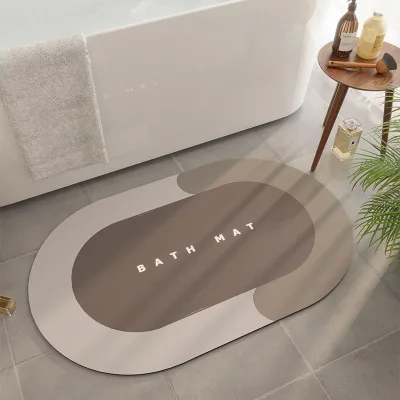
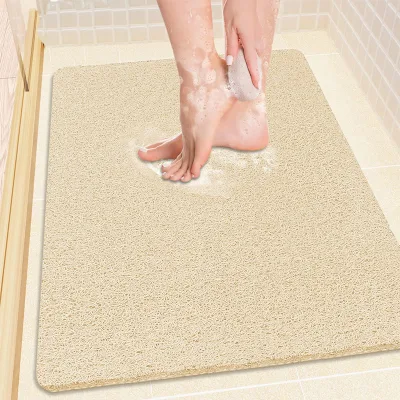
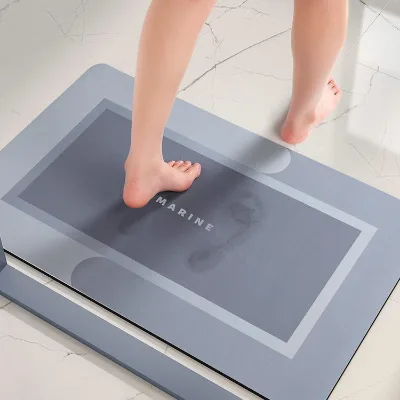
$0.89 - $1.04
MOQ: 300 pieces
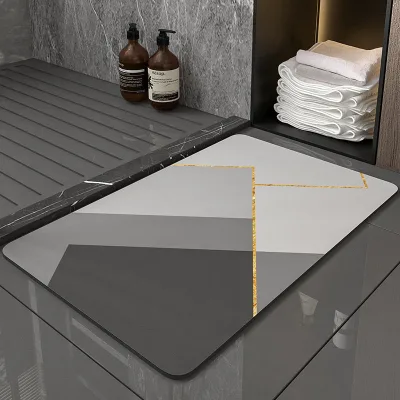
Manufacturers Sale Absorbent and Quick Drying Non-Slip Bath Room Mat Set
$0.74 - $1.2838
MOQ: 300 pieces
Ningbo Multi Channel Co., Ltd.
- Verified by TüVRheinland
- Trading Company
- Lead time15 days
- Avg. response≤ 15h
Main productsBlanket, Comforter, Hoodie, Cushion, Curtain
Main marketsNorth America(20%), Western Europe(15%), South America(10%)

Bei Mei Ti Home Supplies (Shenzhen) Co., Ltd
- Verified by BV
- Manufacturer/Factory
- China Guangdong
- Lead time38 days
- Avg. response≤ 7h
Main productsLeather Mat, Baby Play Mats, Dogs Mats, Home Mats, Placemats, Mouse Pads, Kitchen Mats
Main marketsSouth America,Eastern Europe,Mid East,North America,Southeast Asia,Eastern Asia,Oceania,Western Europe,Africa

Anti Slip Bathtub Shower Safety Mat with Suction Cups Washable Bathroom Mats
$3.62 - $5.55
MOQ: 10 Pieces


Extra Long modern Design Bathroom Floor Mat Waterproof Non Slip Bathtub Mat
$2.61 - $3.20
MOQ: 10 Pieces


Guizhou Fuding Rubber & Plastic Co., Ltd.
- Verified by SGS
- Combined
- China Guizhou
- Lead time23 days
- Avg. response≤ 4h
Main productsMouse Pad, Yoga Mat, Door Mat, Chair Mat, Bed Runner, Chess Mat, Floor Mat, Rubber Roll Material
Main marketsSouth America,Others(foreignTradeCapacity.exportBusinessCapacityMarketOther),Southeast Asia/ Mideast,East Asia(Japan/ South Korea),Domestic,Europe,Australia,North America


Foldable Fast Dry Bath Tub Mat Door Mat Anti Slip Bath Mat Absorbent Floor Mat for Bathroom
$1.20 - $2.00
MOQ: 50 Pieces

Non Slip Floor Mat Shower Mat Foot Mat Carpet Mat Diatomaceous Earth Bathroom Door Mat Bath Tub Mat
$0.80 - $1.90
MOQ: 50 Pieces


Custom Diatom Earth Bath Mat Door Mat Absorbent Anti-Slip Bathroom Mat with CE
$0.90 - $2.90
MOQ: 50 Pieces


Ningbo V. K. Industry and Trading Co., Ltd.
- Verified by BV
- Trading Company
- China Zhejiang
- Lead time30 days
- Avg. response≤ 6h
Main productsIce Bath Tub, Cosmetic Glass Bottle, Hydroponics Grow Box, Baby Bottle, Inflatable Tent, Cream Jar, Reed Diffuser Bottle, Jewish Products, Mezuzah Case
Main marketsSouth America,Europe,Australia,North America

Coral Fleece Anti Slip Mat Reversible Design Bathroom Anti Slip Floor Mat
$0.50 - $2.00
MOQ: 300 Pieces

Guangzhou Miland Houseware Co., Ltd.
- Manufacturer, Trading Company
- Guangdong, China
- Lead time30 days
- Avg. response≤ 6h
Main productsAnti-slip mat,Shelf liner,Wire shelf liner,kitchen mat,Table mat
Main marketsEastern Europe(50.00%), North America(30.00%), Eastern Asia(20.00%)
Shenzhen Liangling Trading Co., Ltd.
- Verified by TüVRheinland
- Trading Company
- Lead time7 days
- Avg. response≤ 1h
Main productsLiving Room Carpet, Bedroom Carpet, Kitchen Non-slip Mat, Bathroom Water Absorbing Pad, Muslim Prayer Mat
Main marketsNorth America(40%), Western Europe(15%), Mid East(12%)

Pujiang Damai Household Products Co., Ltd.
- Verified by SGS
- Combined
- China Zhejiang
- Lead time15 days
- Avg. response≤ 6h
Main marketsDomestic
- Verified by SGS Group
- Manufacturer, Trading Company
- Lead time25 days
- Avg. response≤ 4h
Main productsFloor Mat, Bathroom Mat, Door Mat, Cup Mat, Kitchen Mat
Main marketsNorth America(48%), Western Europe(20%), Northern Europe(15%)
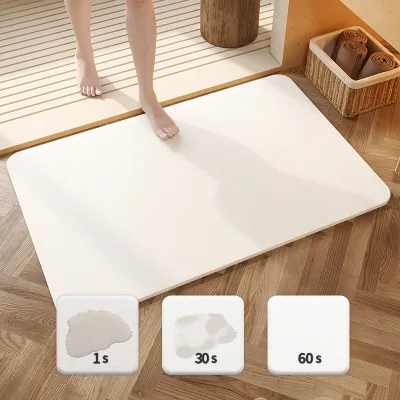
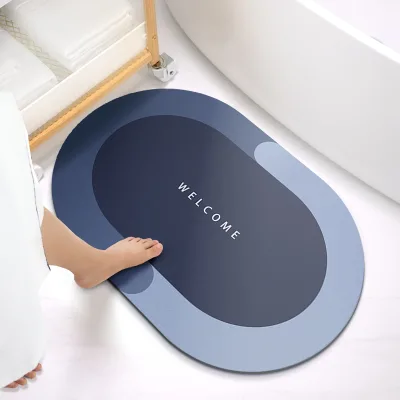
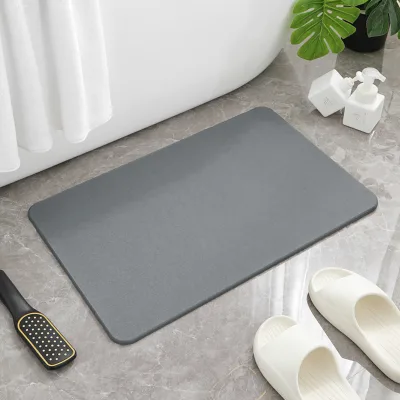
Hot Sale Bathroom Anti Slip Mat Support Customized Super Absorbent Fast Drying Bath Mat
$1.99 - $2.56
MOQ: 300 pieces
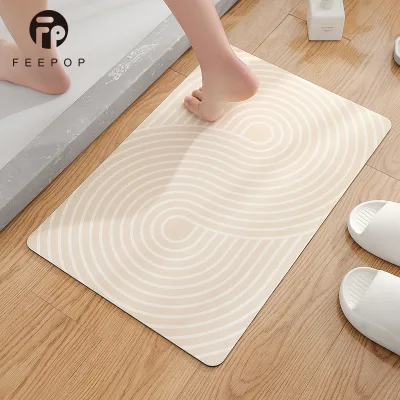
March Design Bathroom Door Bath Foot PU Non Slip Bath Mat Water Absorbent Soft Floor Mats
$1.65 - $3.50
MOQ: 500 pieces
Zhejiang Beilong Tool Co., Ltd.
- Verified by SGS Group
- Trading Company
- Lead time15 days
- Avg. response≤ 3h
Main productsFire Pit, Candle Holder, Candle Warmer
Main marketsNorth America(35%), South America(15%), Western Europe(10%)
Hebei Pinuo Import and Export Trade Co.,LTD.
- Verified by TüVRheinland
- Manufacturer, Trading Company
- Lead time0 days
- Avg. response≤ 2h
Main productsPrint Carpet, Faux Fur Carpet, Felt Pet Bed, Felt Storage Organisers, Bath Mat
Main marketsSouth America(30%), North America(10%), Eastern Europe(10%)
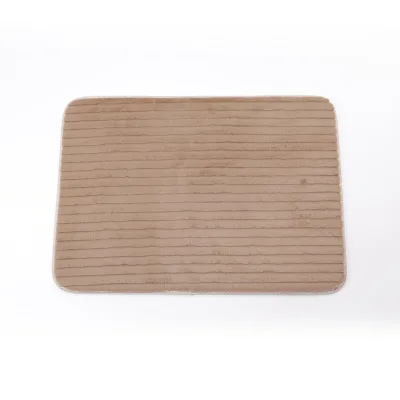
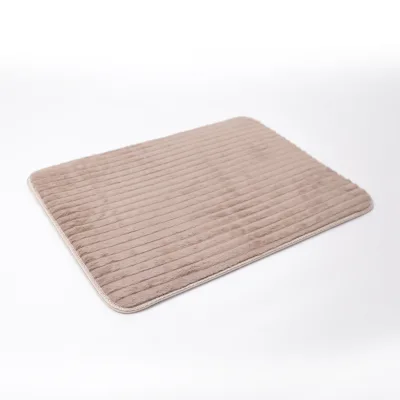
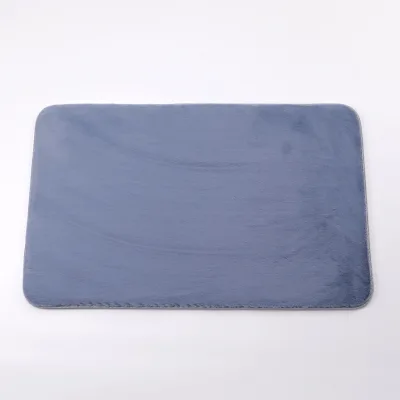
Water Absorption Bath Mat Memory-foam-bath-mats Keset Bath Mats Bathroom
$4.20 - $5.50
MOQ: 100 pieces
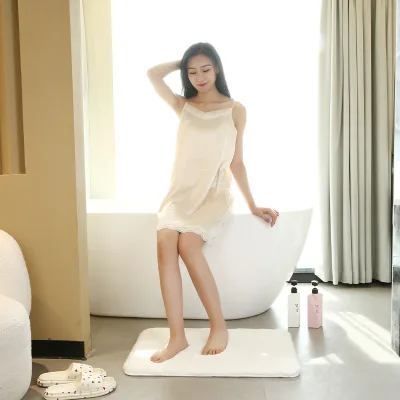
$3.50 - $5.00
MOQ: 100 pieces
Zhejiang Aopeng Commodity Co., Ltd.
- Verified by SGS Group
- Trading Company
- Lead time20 days
- Avg. response≤ 3h
Main productsDoor Mat, Floor Mat, Carpet, Washable Rug, Baby Play Mat
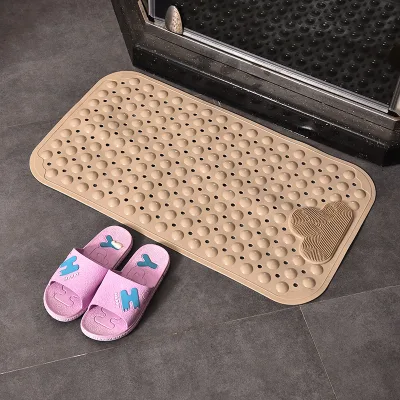
$2.03 - $2.65
MOQ: 300 pieces

Dongguan Jiuzilong Industrial Co., Ltd.
- Verified by SGS
- Manufacturer
- China Guangdong
- Lead time30 days
- Avg. response≤ 4h
Main productsMouse Pad, Yoga Mat, Bar Mat, Gaming Pad, Floor Mat, Mousepad, RGB LED Mouse Pad, Glass Mouse Pad, Door Mat, Chair Mat
Main marketsDomestic


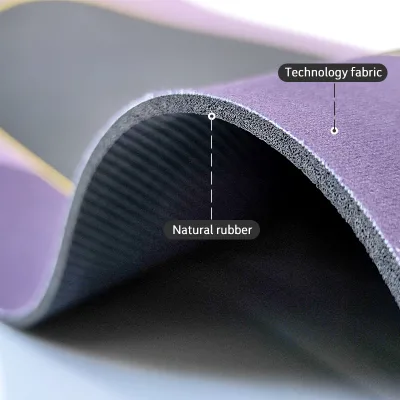
Customized Natural Rubber High-Quality Soft Anti-Slip Water-Absorbent Bathroom Floor Mat
$2.20 - $3.60
MOQ: 100 Pieces
Shandong Jk Household Industry Co., Ltd.
- Verified by SGS Group
- Manufacturer, Trading Company
- Lead time30 days
- Avg. response≤ 2h
Main productsCarpet, Mat, Rug
Main marketsSouth America(30%), North America(20%), Eastern Europe(10%)
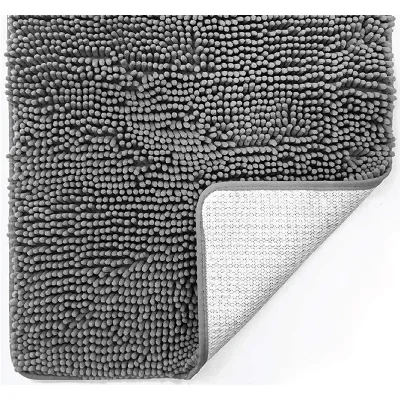
Bath Mat for Bathroom Floor Extra Soft Non Slip Absorbent Water Bath Rug Bathroom Rug Mat
$1.5429 - $2.8792
MOQ: 1 pieces
$1.78 - $2.38
MOQ: 100 pieces

- Trading Company
- China Zhejiang
- Lead time30 days
- Avg. response≤ 13h
Main productsHome Appliance, Cookware Set, Thermos, Home Storage, Furniture, Pet Supplies, Garden Tools, Outdoor Supplies, Baby Supplies, Houesehold Items
Main marketsSouth America,Africa,Southeast Asia/ Mideast,East Asia(Japan/ South Korea),Domestic,Europe,Australia,North America

Yiwu Jiazhou Import And Export Co., Ltd.
- Manufacturer, Trading Company
- Zhejiang, China
- Lead time7 days
- Avg. response≤ 2h
Main productsMats, Blanket, Towel, Cushion, U-neck Pillow
Main marketsSouth America(30.00%), Western Europe(15.00%), Southeast Asia(15.00%), Mid East(10.00%), North America(5.00%), Southern Europe(5.00%), Eastern Asia(5.00%), Northern Europe(5.00%), Africa(5.00%), Eastern Europe(5.00%)
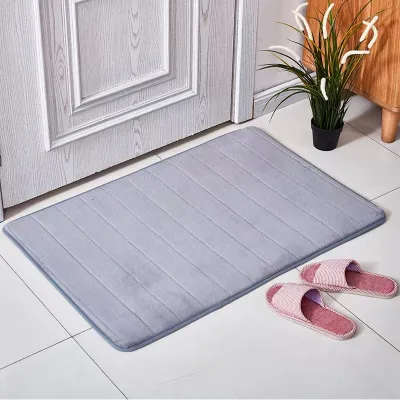
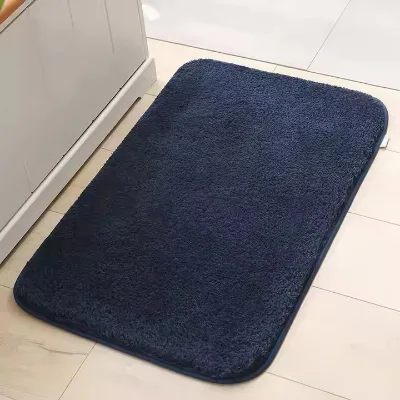
Wholesale Customizable the Bath Mat Recycled Material Bath Mat Cheap Bath Mats
$2.8162 - $4.2453
MOQ: 500 Minimum
Changzhou Chenda Plastic Factory
- Manufacturer, Trading Company
- Jiangsu, China
- Lead time30 days
- Avg. response≤ 4h
Main productsbathroom products,bath mats,Home Kitchen,chopping blockes,cutting board
Main marketsNorth America(23.00%), Domestic Market(15.00%), Western Europe(15.00%), Oceania(15.00%), Eastern Asia(5.00%), Eastern Europe(5.00%), Northern Europe(5.00%), South Asia(5.00%), Central America(3.00%), Southern Europe(3.00%), Mid East(2.00%), South America(2.00%), Southeast Asia(1.00%), Africa(1.00%)

CLEANUP Industrial & Trading Co., Ltd.
- Trading Company,Manufacturer/Factory
- China Zhejiang
- Lead time45 days
- Avg. response≤ 8h
Main productsMop, Microfiber Cloth, Cleaning Brush, Window Cleaner, Duster, Lint Roller, Broom
Main marketsEastern Europe,Mid East,North America,Western Europe

Light Luxury Bathroom Bath Mat, Diatom Mud Water Absorbent Mat, Non-Slip Bathroom Foot Mat
$0.20 - $1.20
MOQ: 6000 Pieces

Washable Soft Super Absorbent Microfiber Bath Mat Water Drying Cup Mat Bath Rug
$0.20 - $1.20
MOQ: 6000 Pieces


$0.20 - $1.20
MOQ: 6000 Pieces

Shanxi Solid Industrial Co., Ltd.
- Verified by BV
- Manufacturer/Factory
- China Shanxi
- Lead time23 days
- Avg. response≤ 5h
Main productsDuctile Iron Pipes &Pipe Fittings, Manhole Covers, Flanges, Valves, Flange Adaptor, Dismantling Joints, PVC/PE/PPR Pipes &Pipe Fittings, Fire Hydrant, Water Meters, Steel Pipe &Pipe Fittings
Main marketsSouth America,Eastern Europe,Mid East,North America,Southeast Asia,Eastern Asia,Oceania,Western Europe,Africa

Non Slip Absorbent Bathroom Rugs Bath Mats Custom Bathtub Anti Slip Mat for Bathroom
$3.01 - $8.02
MOQ: 100 Pieces

Solid Color Bathroom Absorbent Rug Polyester Bath Mats Floor Mat Bedroom Carpet Anti Slip
$1.92 - $7.75
MOQ: 50 Pieces

Microfiber Mat Quick Dry Soft Anti Slip Bath Rugs Bathroom Mat Floor Carpet
$1.81 - $3.23
MOQ: 10 Pieces


Bedroom Thickened Absorbent Non-Slip Foot Mat Bathroom Door Mat Floor Mat Door Mat
$3.01 - $8.02
MOQ: 100 Pieces
Zhejiang Dada Home Textile Co., Ltd.,
- Verified by Intertek
- Manufacturer, Trading Company
- Lead time45 days
- Avg. response≤ 7h
Main productsMat
Main marketsNorth America(22%), Eastern Europe(20%), Western Europe(18%)
Qingdao Jiaoheyuan Plastic Machinery Co., Ltd.
- Trading Company
- Shandong, China
- Lead time45 days
- Avg. response≤ 5h
Main productspvc mat,welcome mat,play mat,plastic mat,polyester mat
Main marketsDomestic Market(50.00%), South America(20.00%), Africa(10.00%), Eastern Asia(10.00%), Mid East(10.00%)




Comprehensive Sourcing Guide
Anti-Slip Bath Mat Supplier Concentration and Factory Types
The current supplier landscape for anti-slip bath mats reveals a distinct geographic concentration in Zhejiang, China, where a significant portion of manufacturers and trading companies operate. This region serves as a primary hub for producing various bath mat styles, including PVC and TPE options, which are commonly listed with origins in Zhejiang. Buyers evaluating these suppliers will often encounter entities that identify as either manufacturers or trading companies, indicating a mixed market structure where direct factory access may vary. The presence of Zhejiang-based suppliers suggests a mature supply chain for household bathroom products, allowing for efficient sourcing of items like non-slip shower mats and door coil mats. Understanding this concentration helps buyers anticipate the availability of stock and the potential for rapid production cycles, as the local ecosystem supports the manufacturing of diverse bathroom accessories.
In addition to the Zhejiang cluster, results also indicate suppliers located in China Jiangsu, expanding the geographic scope for sourcing anti-slip bath mats. These suppliers may offer different product specializations, such as MGO boards or other building materials, but their inclusion in bath mat results highlights the cross-category nature of some trading entities. The company types observed range from pure manufacturers to combined entities, suggesting that buyers might interact with either direct production facilities or intermediaries who aggregate products from multiple sources. This diversity in supplier types means that while some vendors may offer lower prices due to direct manufacturing, others might provide better service or broader product ranges through trading capabilities. Buyers should carefully distinguish between these types to align their procurement strategy with their specific needs for customization, volume, and direct communication with production teams.
How to Verify Anti-Slip Bath Mat Suppliers
Verifying the authenticity and capability of anti-slip bath mat suppliers requires a close examination of their stated certifications and product attributes. Many suppliers in the current results list certifications such as Walmart, TUV, and Reach, which are critical for buyers targeting regulated markets or large retail chains. However, buyers must not assume these certifications are automatically valid for all products; instead, they should request specific test reports or certificates of conformity for the exact models being ordered. The presence of these certifications in product listings is a strong indicator of compliance, but direct verification ensures that the supplier’s claims match the actual goods. Additionally, checking the brand names associated with the products, such as Jia Jie Li, can help trace the origin of the manufacturing process and assess the supplier’s brand portfolio.
Beyond certifications, buyers should verify the supplier’s response time and lead time to gauge their operational efficiency. Current data shows response times varying from 4 hours to over 11 hours, which can significantly impact project timelines, especially for urgent orders. A faster response time often correlates with better customer service and more agile production planning. Furthermore, examining the detailed product attributes, such as material composition (PVC, TPE, or rubber) and specific features like anti-slip or massage functions, helps ensure the supplier can meet technical specifications. Buyers should also confirm the single package size and gross weight to accurately calculate shipping costs and storage requirements. By cross-referencing these operational metrics with product details, buyers can build a reliable profile of each supplier’s reliability and capacity to deliver consistent quality.
What to Compare Across Anti-Slip Bath Mat Suppliers
When comparing suppliers, price ranges and minimum order quantities (MOQ) are primary differentiators that influence procurement decisions. The observed price points for anti-slip bath mats vary significantly, with some products ranging from approximately $0.71 to $0.79 per unit, while others may cost between $1.91 and $2.49, or even up to $3.90 for specialized designs like diatomite mats. These variations reflect differences in material quality, production techniques, and customization options. Buyers should also note the MOQs, which can start as low as 10 units for certain items, making them accessible for small businesses or sample testing. Comparing these financial terms across multiple suppliers allows buyers to identify the most cost-effective options without compromising on essential quality standards. It is crucial to balance the unit price with the MOQ to determine the total initial investment required.
In addition to cost, buyers should compare the lead times and customization capabilities offered by different suppliers. Lead times in the current results range from 23 to 30 days, which is a critical factor for inventory planning and meeting customer demand. Suppliers with shorter lead times may offer a competitive advantage for fast-moving retail environments. Furthermore, the availability of customization options, such as custom patterns, sizes, or branding, should be evaluated against the supplier’s production capacity. Some suppliers explicitly state that customization is available, while others may have fixed designs. Buyers should also compare the main products listed by each supplier to ensure they specialize in bath mats rather than offering them as a minor category. This specialization often indicates a deeper expertise and more reliable supply chain for anti-slip bath mats.
Common Anti-Slip Bath Mat Sourcing Risks
One significant risk in sourcing anti-slip bath mats is the potential discrepancy between advertised certifications and actual product compliance. While many suppliers list certifications like TUV or Reach, buyers must verify that these apply to the specific materials and finishes used in the final product. There is a risk that a supplier might hold certifications for one product line but not for another, leading to non-compliance issues in the destination market. Additionally, the use of terms like "Eco-Friendly" or "Anti-slip" without detailed technical specifications can be misleading. Buyers should request detailed material safety data sheets and performance test results to ensure the mats meet the required safety and environmental standards. Failing to do so can result in product recalls or legal liabilities, especially in regions with strict regulatory requirements.
Another risk involves the variability in product quality and consistency across different production batches. Since many suppliers are manufacturers or trading companies, the actual production facility may differ from the one initially presented. This can lead to inconsistencies in material thickness, color, or anti-slip performance. For instance, the single package size and gross weight may vary slightly between batches, affecting shipping calculations and storage. Buyers should mitigate this risk by requesting pre-shipment samples and conducting quality inspections before final payment. It is also important to clarify the packaging details, as some suppliers may offer custom packaging while others use standard methods. Understanding these operational nuances helps buyers avoid unexpected costs and ensures that the received goods match the agreed-upon specifications.
Anti-Slip Bath Mat Regional Sourcing and Logistics
Sourcing anti-slip bath mats from Zhejiang, China, offers logistical advantages due to the region’s established manufacturing infrastructure and proximity to major shipping ports. This concentration of suppliers facilitates efficient consolidation of orders, allowing buyers to source multiple bathroom products from a single geographic area. The lead times observed, typically around 30 days, align with standard production cycles in this region, enabling buyers to plan shipments accordingly. However, buyers should also consider the logistics of sourcing from other regions, such as Jiangsu, where suppliers may have different shipping routes or port access. Understanding the geographic distribution of suppliers helps buyers optimize their supply chain by selecting vendors that offer the most favorable shipping terms and transit times to their destination.
Logistical planning also involves considering the packaging and dimensions of the anti-slip bath mats, which directly impact shipping costs. The single package sizes observed, such as 70x40x1 cm or 69x39x1 cm, are relatively compact, allowing for efficient container loading. Buyers should calculate the volume and weight of their orders to determine the most cost-effective shipping method, whether by sea or air. Additionally, the gross weight of individual items, ranging from 0.400 kg to 0.700 kg, should be factored into the total shipping cost. By understanding these logistical details, buyers can negotiate better freight rates and ensure that their inventory arrives on time and within budget. Proper logistics planning is essential for maintaining profitability and meeting customer delivery expectations.
Anti-Slip Bath Mat Commercial Terms and Order Planning
Commercial terms such as payment methods and escrow services play a crucial role in securing transactions with anti-slip bath mat suppliers. Buyers should prioritize suppliers who offer secure payment options, such as escrow, to protect their funds until the goods are received and verified. While the current results do not explicitly detail escrow availability for all suppliers, buyers should inquire about this option to mitigate financial risk. Additionally, understanding the supplier’s response time is vital for effective communication during the order process. Suppliers with faster response times, such as those responding within 4 hours, are more likely to address queries and resolve issues promptly, ensuring a smoother transaction. Buyers should also clarify the terms for custom orders, including any additional costs for branding or specialized packaging.
Order planning should also account for the supplier’s capacity to handle large volumes and the flexibility of their production schedules. With lead times ranging from 23 to 30 days, buyers need to align their order placement with their sales forecasts to avoid stockouts or excess inventory. It is advisable to place orders well in advance, especially for customized products, to allow sufficient time for production and quality control. Buyers should also consider the supplier’s ability to scale production if demand increases, as this ensures long-term supply stability. By carefully planning orders and negotiating favorable commercial terms, buyers can build a resilient supply chain for anti-slip bath mats that supports their business growth and customer satisfaction.
FAQs
What is the price range for anti-slip bath mats?
Prices for anti-slip bath mats typically range from $0.71 to $3.90 per unit. The cost varies based on material, such as PVC, TPE, or diatomite, and specific features like massage functions or custom patterns. Buyers should check individual product listings for exact pricing tiers and volume discounts.
What is the minimum order quantity for these mats?
The minimum order quantity is generally set at 10 units for standard anti-slip bath mats. Some suppliers offer custom low MOQ options for specific designs or materials. Buyers should verify the exact MOQ requirements with the supplier before placing an order to ensure it meets their procurement needs.
How long does production take for these mats?
Production lead times for anti-slip bath mats are typically around 30 days. Some suppliers may offer faster turnaround times, such as 23 days, depending on the product complexity and material availability. Buyers should confirm the specific lead time with the supplier to plan their inventory and shipping schedules effectively.
What certifications do these bath mats have?
Many anti-slip bath mats hold certifications such as Walmart, TUV, and Reach. These certifications ensure the products meet specific safety and environmental standards. Buyers should request certification documents from the supplier to verify compliance with their local regulations and quality requirements before finalizing the purchase.
Where are these bath mats manufactured?
These anti-slip bath mats are primarily manufactured in Zhejiang, China, and Zhangjiagang, China. The location can influence shipping costs and lead times. Buyers should verify the exact place of origin for each product to ensure it aligns with their sourcing preferences and logistical requirements.
What materials are used for anti-slip bath mats?
Anti-slip bath mats are commonly made from PVC, TPE, and diatomite. PVC and TPE mats often feature anti-slip and massage functions, while diatomite mats offer water absorption properties. Buyers should select the material based on their specific needs for durability, comfort, and water management in the bathroom.