Digital Display Jewelry Scale Suppliers and Manufacturers
Compare 27 verified suppliers offering digital display jewelry scales with varying accuracies, capacities, and certifications. Review response times, lead times, and MOQs to select the right partner for your sourcing needs; review the available evidence before requesting comparable quotations from suitable candidates.
Updated
Suppliers List

Hangzhou Zheben Import And Export Co., Ltd.
- Verified by CTI
- Trading Company
- China Zhejiang
- Lead time30 days
- Avg. response≤ 4h
Main productsKitchen Scale, Smart Scale, Bathroom Scale, Baby Scale, Kitchen Timer, Luggage Scale, Height Meter, Body Scale, Food Scale, Body Fat Scale
Main marketsSouth America,Southeast Asia/ Mideast,East Asia(Japan/ South Korea),Europe,Australia,North America


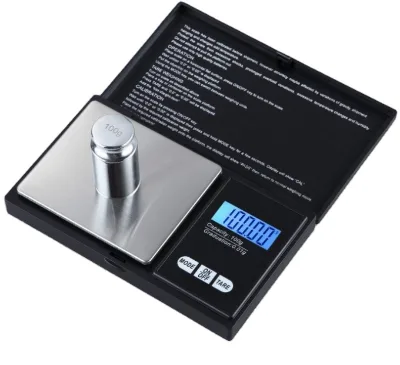
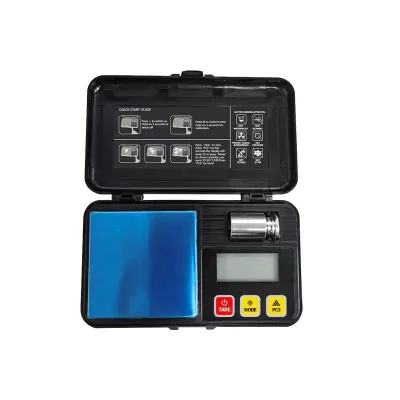
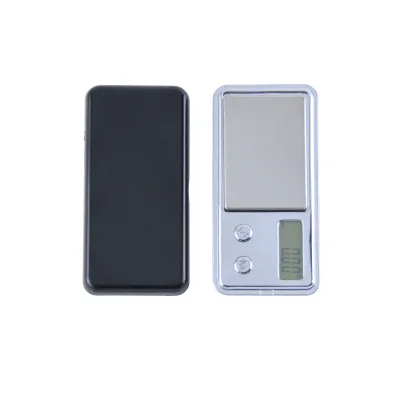
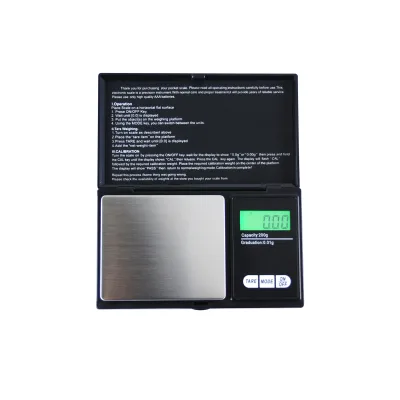
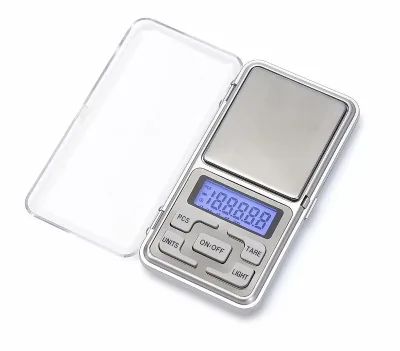
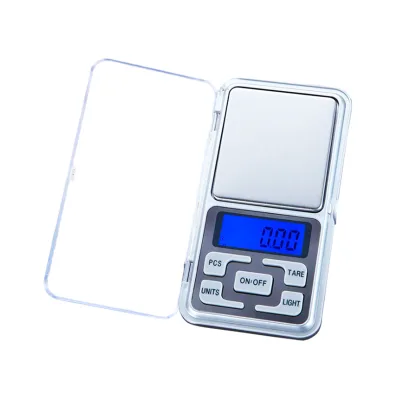
High Accurate Scales 0.01 200g Digital Pocket Scale Balance Jewelry Weighing Scale
$2.30 - $2.60
MOQ: 2000 pieces

Digital Jewelry Scales 50g X 0.001g (Batteries Included) with Large LCD Display, Back Light
$6.00 - $6.60
MOQ: 500 pieces

Digital Jewelry Scale 50g X 0.001g (Batteries Included) with Black Words and Blue Back Light
$6.00 - $6.60
MOQ: 500 pieces
Shandong Best G And G Enterprise Co., Ltd.
- Trading Company
- Shandong, China
- Lead time0 days
- Avg. response≤ 4h
Main productsMusic Box,Kalimba,Pan Drum,Tongue Drum,Garden Tool
Main marketsSouth America(20.00%), Central America(20.00%), North America(20.00%), Eastern Europe(10.00%), Southeast Asia(10.00%), Northern Europe(10.00%), Mid East(5.00%), South Asia(5.00%)

Guangdong South China Sea Electronic Measuring Technology Co., Ltd.
- Verified by TUVRHEINLAND
- Manufacturer/Factory
- China Guangdong
- Lead time0 days
- Avg. response≤ 23h
Main productsStrain Gauges, Weigh Pads, Pressure Sensors, Wheel and Axle Weighing Scales, Load Cells, Force Sensors, Instruments, Bending Plates, Personal Scales, Pressure Indicator

Accurate 0.01g Personal Weight Scale, Mini Digital Pocket Jewelry Scale
$2.45 - $2.85
MOQ: 1000 Pieces

500g/0.1g 200g/0.01g High Precision Electronic Scales Jewelry Pocket Digital Scales
$2.45 - $2.85
MOQ: 1000 Pieces

200g/0.01g Portable Gold Weighing Scale Digital Pocket Scale Jewellery Scale
$2.45 - $2.85
MOQ: 1000 Pieces

Diamond Tester Digital Jewelry Weighting Pocket Scale 50g/0.001g Balance
$8.10 - $9.10
MOQ: 500 Pieces

Weighing Electronic Scale Matchbox Scale Digital Pocket Mini Jewellery Balance
$4.40 - $5.80
MOQ: 500 Pieces

Precision Mini Electronic Jewelry Scale Diamond Pocket Digital Jewelry Scale
Negotiable
MOQ: 100 Pieces

Yongkang Huaying Weighing Apparatus Co., Ltd.
- Verified by TUVRHEINLAND
- Trading Company,Manufacturer/Factory
- China Zhejiang
- Lead time0 days
- Avg. response≤ 24h
Main productsScale, Digital Scale, Body Scale, Kitchen Scale, Bathroom Scale, Electronic Scale, Platform Scale, Floor Scale, Crane Scale, Hanging Scale

YONGKANG HENGTU TECHNOLOGY CO., LTD.
- Verified by TUVRHEINLAND
- Trading Company,Manufacturer/Factory,Group Corporation
- China Zhejiang
- Lead time0 days
- Avg. response≤ 19h
Main productsKitchen Scale, Bathroom Scale, Pocket Scale, Weighing Scale, Luggage Scale, Platform Scale, Computing Scale, Electronic Scale, Portable Scale, Hanging Scale
Main marketsSouth America,Eastern Europe,Mid East,North America,Southeast Asia,Eastern Asia,Oceania,Western Europe,Africa

WANT Balance Instrument Co., Ltd.
- Verified by TUVRHEINLAND
- Combined
- China Jiangsu
- Lead time15 days
- Avg. response≤ 10h
Main productsElectronic Balance, Electronic Scale, Moisture Analyzer, Viscometer, pH Meter, Weighing Scale, Precision Balance, Analytical Balance, Industry Scale, Commercial Scale
Main marketsEast Asia(Japan/ South Korea),Domestic,Europe,North America

Wuyi Center Technology Co., Ltd.
- Verified by SGS
- Combined
- China Zhejiang
- Lead time15 days
- Avg. response≤ 4h
Main productsScale, Kitchen Scale, Bathroom Scale, Luggage Scale, Coffee Scale, Spoon Scale, Jewelry Scale, Timer, Thermometer
Main marketsDomestic,Europe,Australia,North America
- Verified by SGS Group
- Manufacturer, Trading Company
- Lead time10 days
- Avg. response≤ 5h
Main productsTest Instruments, Lab Supplies
Main marketsSoutheast Asia(28%), North America(20%), Africa(15%)

Jinggoal International Limited
- Verified by BV
- Manufacturer/Factory
- China Guangdong
- Lead time23 days
- Avg. response≤ 12h
Main productsGift, Pen, Wall Clock, Travel Adapters, Book Wire Binding & Machine, Lock, Table Lamp, LED, Keychain, Alarm
Main marketsSouth America,Eastern Europe,North America,Southeast Asia,Eastern Asia,Oceania,Western Europe,Africa
Guangdong Hostweigh Electronic Technology Co., Ltd.
- Verified by TüVRheinland
- Manufacturer, Trading Company
- Lead time30 days
- Avg. response≤ 3h
Main productsKitchen Scale, Coffee Scale, Baby Scale, Luggage Scale, Pocket Scale
Main marketsWestern Europe(15%), North America(10%), Eastern Europe(10%)
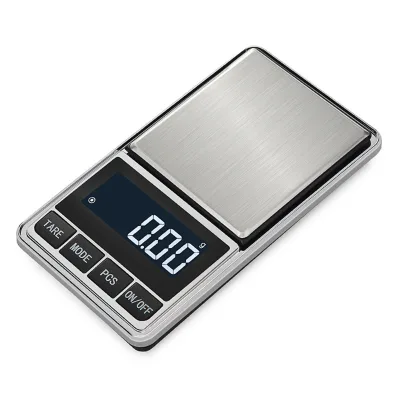
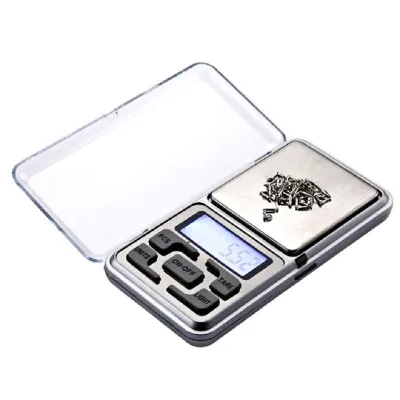
Smart High Accuracy Portable Gold Diamond Gram Digital Pocket Jewelry Scale
$1.96 - $2.21
MOQ: 100 pieces
Shenzhen Big Dipper Scale Co., Ltd.
- Manufacturer
- Guangdong, China
- Lead time30 days
- Avg. response≤ 3h
Main productselectronic scale,precision balance,jewelry balance scale,lab balance,Analytical balance
Main marketsSouth Asia(10.00%), Mid East(10.00%), Central America(10.00%), Africa(10.00%), Southeast Asia(10.00%), Domestic Market(10.00%), South America(10.00%), North America(10.00%), Oceania(8.00%), Western Europe(6.00%), Eastern Asia(5.00%), Eastern Europe(5.00%), Northern Europe(5.00%), Southern Europe(1.00%)

Hangzhou Gongheng Weighing Equipment Co., Ltd.
- Verified by BV
- Trading Company
- China Zhejiang
- Lead time23 days
- Avg. response≤ 3h
Main productsWeighing Scale, Crane Scale, Dynamometer, Floor Scale, Platform Scale, Hanging Scale, Animal Scale, Pallet Truck Scale, Bench Scale, Medical Scale
Main marketsSouth America,Southeast Asia/ Mideast,Europe

Digital Accurate Jewelry Pocket Balance Scale Gold Jewelry Scale Pocket Scales
$5.00 - $10.00
MOQ: 1 Pieces


Lower Price Jewelry Digital Pocket Scales Pocket Scale Balance Weight China Factory
$5.00 - $6.00
MOQ: 1 Pieces
Dongguan Nancheng Changxie Electronics Products Factory
- Verified by Intertek
- Manufacturer, Trading Company
- Lead time20 days
- Avg. response≤ 4h
Main productsPocket Scale , Kitchen Scale , Luggage Scale , Electronic Scale, Jewelry Scale
Main marketsDomestic Market(60%), North America(15%), South America(5%)
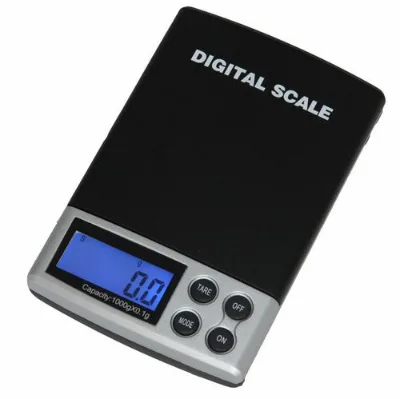
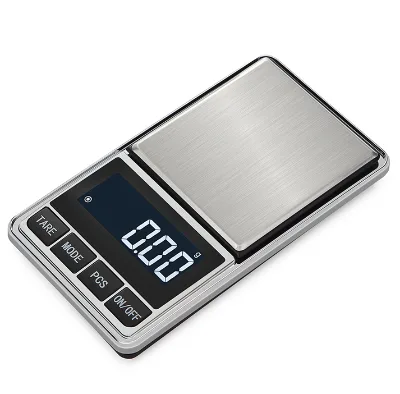
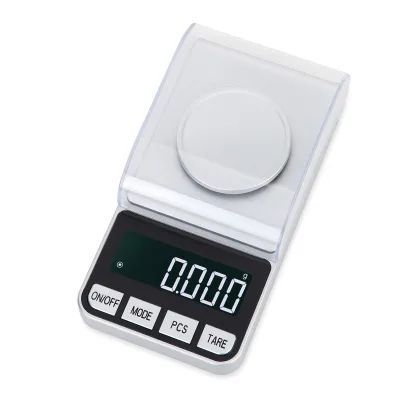
Elegant 10g to 100g 0.001g Gram Weighing Transparent Cover Round Platform Jewelry Scales
$5.10 - $6.10
MOQ: 10 pieces
Xiamen Kuanyi Electronic Technology Co., Ltd.
- Verified by Intertek
- Trading Company
- Lead time25 days
- Avg. response≤ 3h
Main productsShear Beam Load Cells, Single Point Load Cells, Barcode Label Scale, Waterproof Weighing Scale, Weighing Indicator
Main marketsWestern Europe(25%), South America(20%), Southeast Asia(20%)
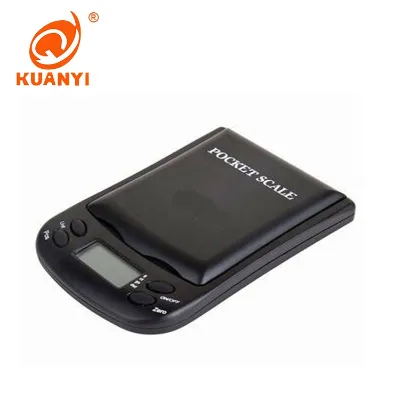
200g 0.01g Digital Electronic Carat Scale Jewelry Scale Pocket Scale
$7.6251 - $7.8316
MOQ: 100 pieces

YONGKANG SG INDUSTRY & TRADE CO., LTD.
- Combined
- China Zhejiang
- Lead time23 days
- Avg. response≤ 6h
Main productsSkateboard, Helmet, Scale, Kitchen Scale, Body Scale, Mini Bike, Spinning Bike, Exercise Bike, Protective Pads
Main marketsDomestic,Australia,North America
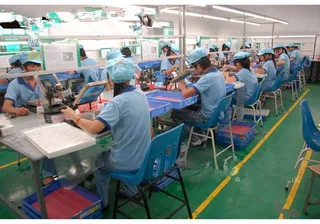
Dongguan Baistel Electronic Co., Ltd.
- Trading Company
- Guangdong, China
- Lead time5 days
- Avg. response≤ 6h
Main productsDigital scale,Weighing Scale,Pedometer,digtal thermometer,clock
Main marketsEastern Europe(30.00%), South America(30.00%), Western Europe(20.00%)
Yongkang Beichen Weighing Apparatus Co., Ltd.
- Verified by TüVRheinland
- Manufacturer, Trading Company
- Lead time15 days
- Avg. response≤ 6h
Main productsKitchen Scale, Luggage Scale, Jewellery Scale, Body Scale, Electronic Price Scale
Main marketsDomestic Market(75%), South America(5%), North America(3%)
- Manufacturer, Trading Company
- Shandong, China
- Lead time15 days
- Avg. response≤ 4h
Main productsScissors,Garden Tools,Kitchen Tools,Scales,Cable
Main marketsNorth America(30.00%), Northern Europe(10.00%), Western Europe(10.00%), Mid East(10.00%), Africa(10.00%), Southeast Asia(10.00%), Eastern Europe(10.00%), South America(10.00%)

- Verified by SGS
- Trading Company
- China Guangdong
- Lead time15 days
- Avg. response≤ 9h
Main productsConsumer Electronics, Car Accessories, Mini Thermal Printers, Garden Lights, Lawn Mower Accessories, Portable Speakers, Digital Camera, Mini Projectors
Main marketsOthers(foreignTradeCapacity.exportBusinessCapacityMarketOther),Europe
Changzhou Intelligent Weighing Electronic Co., Ltd.
- Verified by Intertek
- Trading Company
- Lead time15 days
- Avg. response≤ 1h
Main productsFloor Scale, Bench Scale, Truck Scale
Main marketsNorth America(20%), South America(15%), Southeast Asia(15%)

- Trading Company,Manufacturer/Factory
- China Zhejiang
- Lead time15 days
- Avg. response≤ 7h
Main productsElectronic Weighing Scale, Weighing Indicator, Load Cell, Pltform Scale, Waterproof Scale, Bench Scale, OIML Scale, Electronic Scale, Test Weight, Floor Scale
Main marketsSouth America,Eastern Europe,Mid East,North America,Southeast Asia,Eastern Asia,Oceania,Western Europe,Africa


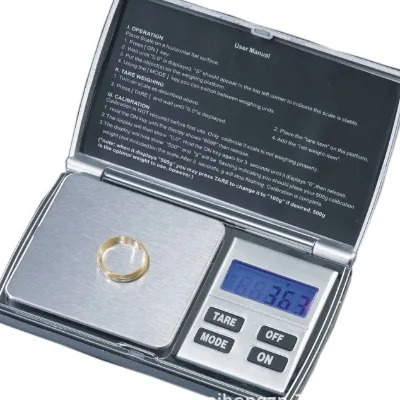
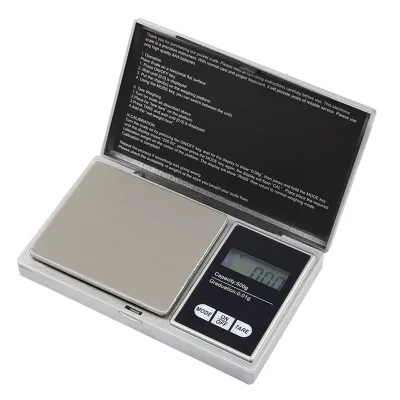
Digital Electronic Balance Scale for Jewelry 0.01g 600g Analytic Balance Scale
$54.00 - $55.00
MOQ: 2 Pieces

Xiamen Merc Electronic Technology Co., Ltd.
- Verified by TUVRHEINLAND
- Trading Company
- China Fujian
- Lead time23 days
- Avg. response≤ 7h
Main productsWeighing Scales, Electronic Scales, Digital Scales, Price Scales, Pricing Scales, Bench Scales, Money Counters, Money Detectors, Barcode Printers, Barcode Scanners
Main marketsSouth America,Southeast Asia/ Mideast,Europe


High-Precision Digital Scale for Jewelry and Precious Goods Retail Shops Scale
$22.50 - $25.00
MOQ: 100 Pieces


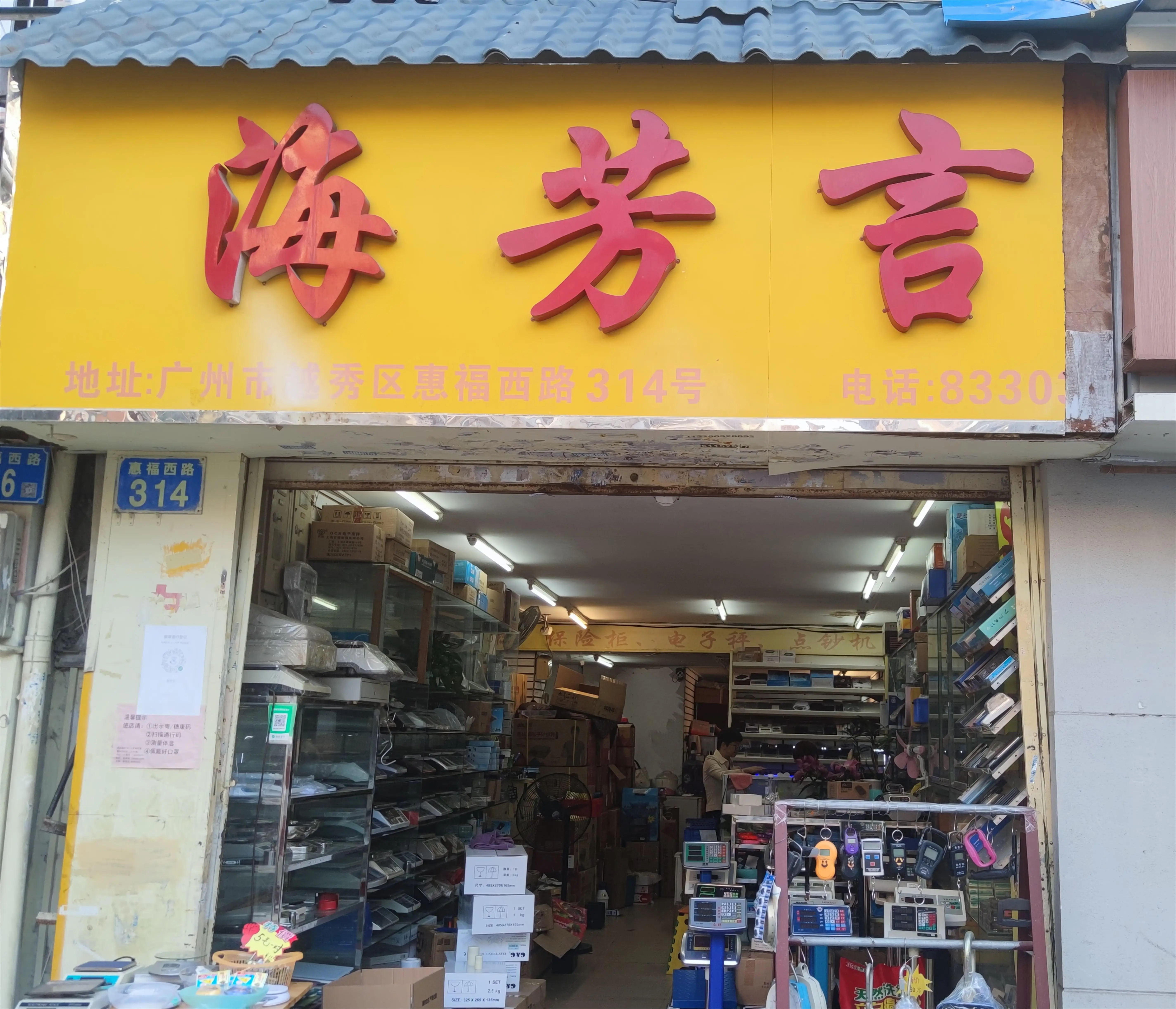
Guangzhou Haifangyan Electronics Co., Ltd.
- Manufacturer, Trading Company
- Guangdong, China
- Lead time7 days
- Avg. response≤ 7h
Main productskitchen scale,jewelry scale,body scale,electronic balance,hanging scale
Main marketsAfrica(20.00%), Domestic Market(20.00%), South Asia(20.00%), Northern Europe(20.00%), North America(20.00%), Western Europe(10.00%), Southeast Asia(10.00%), Mid East(10.00%), Central America(10.00%), Southern Europe(8.00%), Oceania(7.00%), Eastern Asia(5.00%), South America(5.00%), Eastern Europe(3.00%)
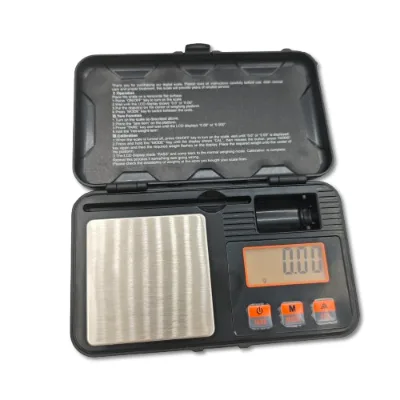
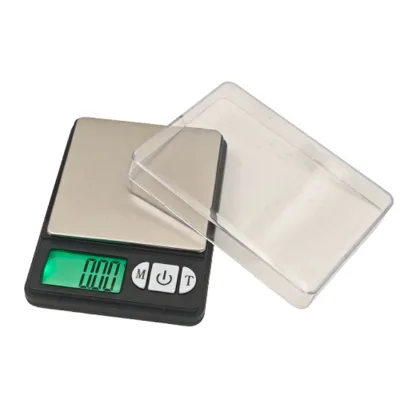
$2.9022 - $3.9375
MOQ: 2 Minimum
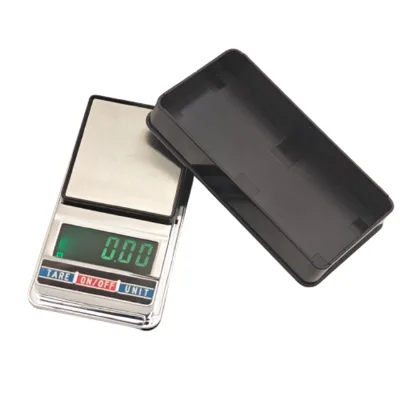

Ningbo Santwell Sensor Technology Co., Ltd.
- Trading Company
- China Zhejiang
- Lead time30 days
- Avg. response≤ 2h
Main productsLoad Cell, Crane Scale, Weighing Indicator, Platform Scale, Kitchen Scale, Floor Scale, Animal Scale, Truck Scale, Jewelryscale, Junction Box
Main marketsSouth America,Africa,Southeast Asia/ Mideast,East Asia(Japan/ South Korea),Domestic,Europe,Australia,North America

Js-298 Stainless Steel Jewelry Scale Mini Gold Digital Pocket Jewelry Scale
$6.00 - $8.00
MOQ: 50 Pieces

Js-288 0.01g 0.1g Accuracy LCD Digital Gold Weight Scales Electronic Jewelry Scale
$6.10 - $6.70
MOQ: 10 Pieces

Js-958 500g Low Price Stainless Steel Gold Jewelry Scale Digital Pocket Scale
$3.90 - $4.50
MOQ: 1 Pieces


Js-888 Measures in Gramsmini Pocket Digital Electronic Gold Jewellery Scale
$4.50 - $5.20
MOQ: 1 Pieces
Zhengzhou Fate Trading Co., Ltd.
- Trading Company
- Henan Province, China
- Lead time15 days
- Avg. response≤ 2h
Main productsThe scale,Weight,Glod scale,hand-held scale
Main marketsOceania(30.00%), Central America(20.00%), South Asia(20.00%), Africa(20.00%), North America(10.00%)
- Verified by SGS Group
- Trading Company
- Lead time7 days
- Avg. response≤ 2h
Main productsCanvas Bag, Polyester Bag, Non-woven Bags, Drawstring Bag, Backpack
Main marketsNorth America(20%), South America(10%), Eastern Europe(10%)

Ningbo Bluewill Intelligent Technology Co.,Ltd.
- Verified by SGS
- Trading Company
- China Zhejiang
- Lead time30 days
- Avg. response≤ 6h
Main productsDigital Scale, Kitchen Scale, Smart Scale, Coffee Scale
Main marketsOthers(foreignTradeCapacity.exportBusinessCapacityMarketOther),Southeast Asia/ Mideast,Europe,North America




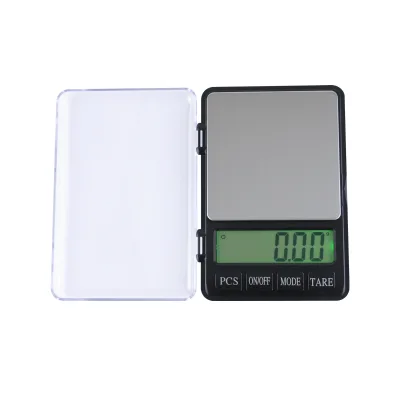
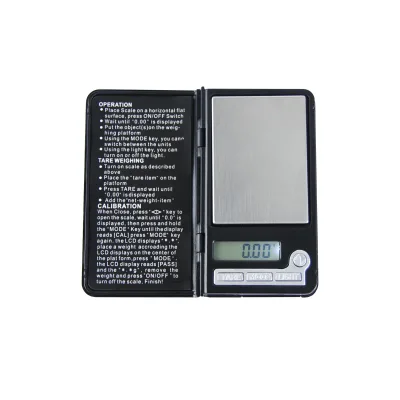
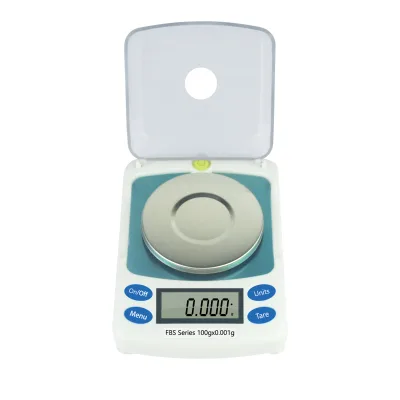


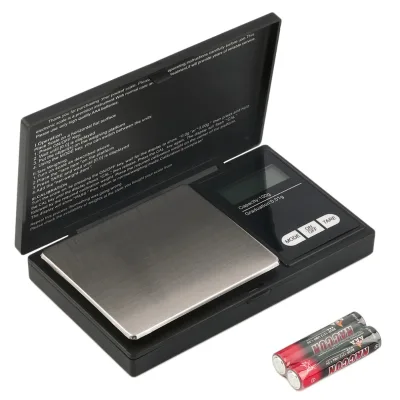





Comprehensive Sourcing Guide
Digital Display Jewelry Scale Supplier Concentration and Factory Types
The current supplier landscape for digital display jewelry scales reveals a distinct geographic concentration in China, with Zhejiang province emerging as a primary manufacturing hub. Factories and trading companies located in this region often specialize in a broad array of weighing instruments, including kitchen scales, bathroom scales, and body fat monitors, indicating a mature ecosystem for electronic weighing technology. This diversity in main products suggests that many suppliers possess the necessary electronic component sourcing and assembly capabilities to produce high-precision jewelry scales alongside other household and commercial weighing devices. The presence of trading companies within this cluster implies that buyers may encounter intermediaries who aggregate products from multiple smaller workshops, potentially offering a wider selection of models but requiring careful verification of the actual manufacturing source.
In contrast to the Zhejiang-centric model, some suppliers operate from Shandong province, focusing on different product mixes such as musical instruments and garden tools while also offering digital pocket scales. This indicates that the market for digital display jewelry scales is not limited to specialized weighing manufacturers but is also accessible through general consumer electronics or hardware exporters. The company types observed include both trading companies and direct manufacturers, each presenting different advantages for sourcing. Trading companies may provide better customer service and consolidated shipping options, while direct factories might offer more competitive pricing for large volumes. Buyers must distinguish between these entity types to understand the supply chain dynamics, as the level of control over production quality and customization capabilities can vary significantly depending on whether the supplier is a factory or a trading intermediary.
How to Verify Digital Display Jewelry Scale Suppliers
Verification is a critical step when evaluating suppliers for digital display jewelry scales, as the accuracy of these devices is paramount for commercial and professional use. Buyers should prioritize suppliers who have undergone third-party verification processes, such as CTI certification, which provides an additional layer of trust regarding the supplier’s business legitimacy and operational capabilities. While system certifications like ISO may not be explicitly listed for all suppliers, the presence of product-specific certifications such as CE, RoHS, and FCC is a strong indicator of compliance with international safety and environmental standards. These certifications are particularly important for electronic devices that involve battery power and precise measurement components, ensuring that the products meet the regulatory requirements of target markets in North America, Europe, and other regions.
Beyond certifications, buyers should assess the supplier’s response time and verification status to gauge their reliability and engagement level. A response time of approximately 3.44 hours suggests a reasonably active sales team, which is beneficial for negotiating terms and resolving technical queries quickly. However, buyers should not rely solely on these metrics and should request detailed product specifications and test reports to verify the accuracy claims. For instance, suppliers offering scales with 0.001g accuracy should be able to provide calibration certificates or test data demonstrating this precision. Additionally, verifying the place of origin and manufacturing capabilities through video calls or factory audits can help confirm that the supplier is not just a trading company but has direct access to production lines. This due diligence helps mitigate the risk of receiving substandard products that fail to meet the required precision standards for jewelry weighing applications.
What to Compare Across Digital Display Jewelry Scale Suppliers
When comparing suppliers, buyers should focus on key operational metrics such as lead time, minimum order quantity (MOQ), and pricing structures to determine the best fit for their business needs. Lead times can vary significantly, with some suppliers indicating a standard 30-day production window, while others may have different timelines or zero lead times for stock items. Understanding these variations is crucial for inventory planning and meeting customer demand without excessive stockpiling. Similarly, MOQs can range from small quantities suitable for testing or small businesses to large volumes required for cost-effective production runs. For example, some suppliers may have an MOQ of 500 units, while others might require 2000 units, impacting the initial investment and risk for new buyers.
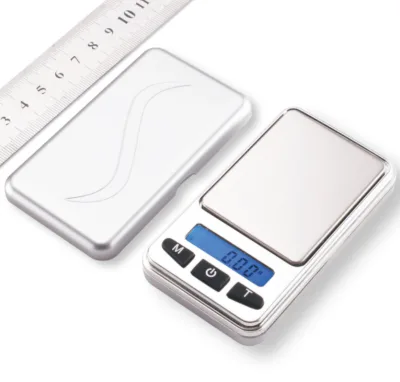
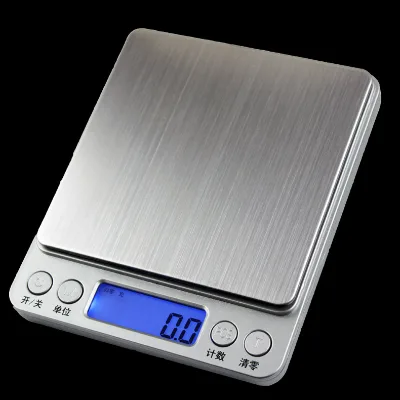
Pricing is another critical factor, with costs varying based on accuracy, material, and customization options. Digital jewelry scales with higher precision, such as 0.001g accuracy, often command higher prices compared to those with 0.01g accuracy. Buyers should compare the price ranges for different models, noting that prices can range from approximately $2.30 to $6.60 per unit depending on the specifications. Additionally, customization options like OEM and ODM support should be evaluated, as these can add value for brands looking to differentiate their products. The material of the scale, whether plastic or stainless steel, also influences the price and durability. By systematically comparing these attributes, buyers can identify suppliers that offer the best balance of cost, quality, and service for their specific sourcing requirements.
Common Digital Display Jewelry Scale Sourcing Risks
One of the primary risks in sourcing digital display jewelry scales is the potential discrepancy between advertised accuracy and actual performance. Scales claiming 0.001g precision must be rigorously tested to ensure they maintain this accuracy under various conditions, as electronic components can drift over time or be affected by environmental factors. Buyers should be cautious of suppliers who do not provide detailed technical specifications or calibration procedures, as this may indicate a lack of quality control. Additionally, the power source of the scale, whether battery-operated or rechargeable, can impact its usability and longevity. Suppliers must clearly specify battery requirements and lifespan to avoid customer dissatisfaction and returns.
Another significant risk is the variability in packaging and shipping conditions, which can affect the delicate electronic components of the scales. Poor packaging can lead to damage during transit, resulting in defective products and increased costs for replacements. Buyers should verify the packaging details, such as the use of bubble bags or standard outer cartons, to ensure adequate protection. Furthermore, the customization support offered by suppliers, including OEM and ODM services, may come with hidden costs or minimum requirements that are not immediately apparent. Buyers should clarify all customization terms, including tooling fees and design approval processes, to avoid unexpected expenses. By anticipating these risks and conducting thorough due diligence, buyers can minimize disruptions and ensure a smoother sourcing experience for digital display jewelry scales.
Digital Display Jewelry Scale Regional Sourcing and Logistics
Sourcing digital display jewelry scales from China, particularly from regions like Zhejiang and Shandong, offers logistical advantages due to the established infrastructure for electronics manufacturing and export. Zhejiang, being a major hub for household and electronic goods, benefits from efficient supply chains and proximity to major ports, facilitating faster and more cost-effective shipping. Buyers should consider the lead times associated with these regions, which can impact delivery schedules and inventory management. For instance, a 30-day lead time from Zhejiang suppliers allows for adequate production and quality control but requires advance planning to avoid stockouts. Understanding the regional logistics helps buyers optimize their supply chain and reduce transit times.
In contrast, sourcing from Shandong may involve different logistical considerations, especially if the supplier is not specialized in electronics. Buyers should verify the shipping capabilities and experience of suppliers in this region to ensure they can handle the specific requirements of electronic devices. The place of origin also influences the availability of raw materials and components, which can affect production consistency and cost. Buyers should assess the supplier’s ability to manage international shipping, including customs clearance and documentation, to ensure smooth delivery to their destination. By evaluating the regional logistics and infrastructure, buyers can make informed decisions about where to source their digital display jewelry scales, balancing cost, speed, and reliability.
Digital Display Jewelry Scale Commercial Terms and Order Planning
Commercial terms and order planning are essential for successful procurement of digital display jewelry scales, requiring careful attention to payment terms, shipping methods, and after-sales support. Buyers should negotiate clear payment terms that protect their interests, such as using escrow services for secure transactions. Understanding the supplier’s return and warranty policies is also crucial, especially for electronic devices that may have a higher failure rate. Buyers should inquire about the availability of spare parts and technical support to address any issues that may arise post-purchase. Additionally, planning for order volumes based on MOQs and lead times helps in managing cash flow and inventory levels effectively.
Customization and branding opportunities should be integrated into the order planning process, as these can enhance the marketability of the products. Buyers should work closely with suppliers to finalize design specifications, packaging, and labeling requirements well in advance of production. Clear communication regarding these details ensures that the final products meet the buyer’s brand standards and customer expectations. Furthermore, buyers should consider the total cost of ownership, including shipping, duties, and potential tariffs, when evaluating supplier quotes. By developing a comprehensive order plan that accounts for all commercial terms and logistical factors, buyers can streamline their sourcing process and achieve better outcomes in the Digital Display Jewelry Scale market.
FAQs
What accuracy levels are available for digital jewelry scales?
Suppliers offer precision ranging from 0.01g to 0.001g depending on the model. Higher accuracy scales like the TS-8030 support 50g capacity with 0.001g resolution. Standard desktop models often provide 0.01g division for general weighing tasks. Buyers should verify the specific capacity and division requirements for their intended use case.
What is the typical minimum order quantity for these scales?
Minimum order quantities vary significantly by product type and supplier. Some listings accept orders as low as two units for sample testing. Other high-precision industrial scales require a minimum of 500 units. Bulk commercial orders may start at 2000 pieces. Buyers must check the specific MOQ for each product listing before placing an order.
How long does production and shipping usually take?
Standard lead times for manufacturing these scales are approximately 30 days. Some suppliers list zero lead time, which may indicate ready stock or specific terms. Response times for inquiries average around three to four days. Buyers should confirm exact delivery schedules with the supplier to ensure timely arrival for their projects.
Are these scales certified for international markets?
Many digital jewelry scales carry CE, RoHS, and FCC certifications. These documents verify compliance with safety and electromagnetic standards. Buyers should request valid certificates directly from the supplier. Verification status like CTI indicates third-party checks. Always confirm that the specific model has the required certifications for your target market.
What is the price range for digital jewelry scales?
Prices typically range from 2.30 to 6.60 per unit. Lower costs often apply to basic plastic models with standard accuracy. Higher prices correspond to stainless steel trays or 0.001g precision. Prices are subject to order volume and customization. Buyers should request quotes based on their specific quantity and feature requirements.
Can I customize the design or branding of the scale?
OEM and ODM customization is widely available for these products. Suppliers support custom branding, packaging, and design modifications. Some models allow for specific shape or material changes. Buyers should discuss their customization needs directly with the supplier. Minimum order quantities may apply for customized orders.