Source Bike Cover Rain Cape for Outdoor Storage and Protection
Source 30 Bike Cover Rain Cape options for outdoor storage, mountain biking, and road cycling. Compare PVC, PU, and polyester materials with UV-resistant and waterproof features. View specifications, MOQs, and lead times from Chinese manufacturers to find the right fit for your business needs.
Updated
Key considerations
Products List
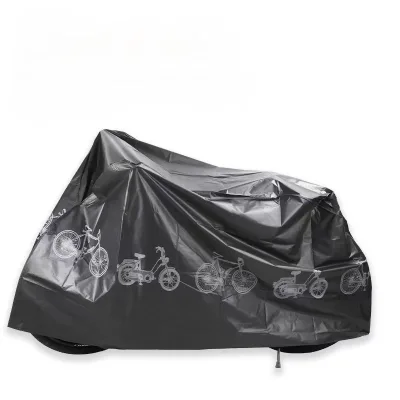
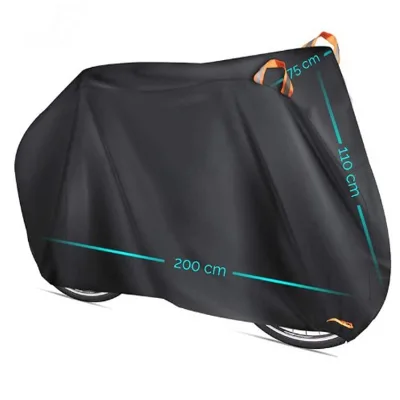
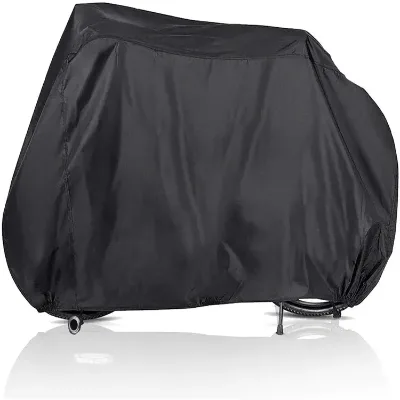


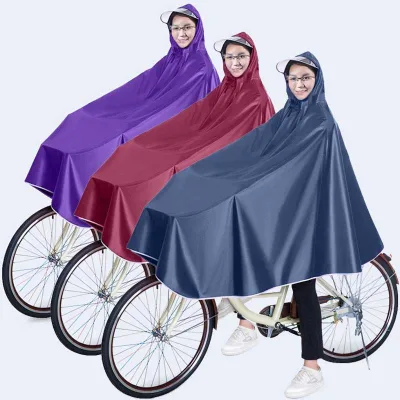


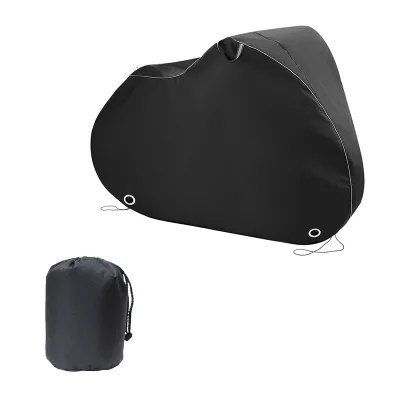
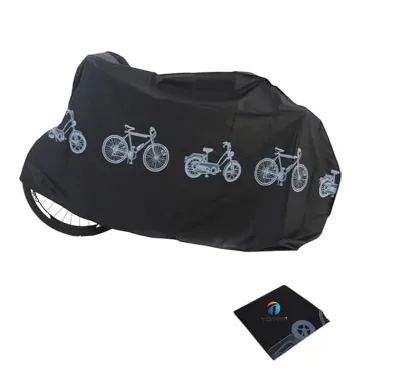
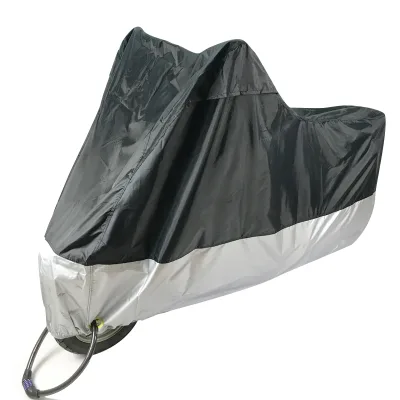
All Season Heavy Duty Motorcycle Cover Waterproof Cover Bike Accessories
$11.00 - $13.00
MOQ: 100 Pieces


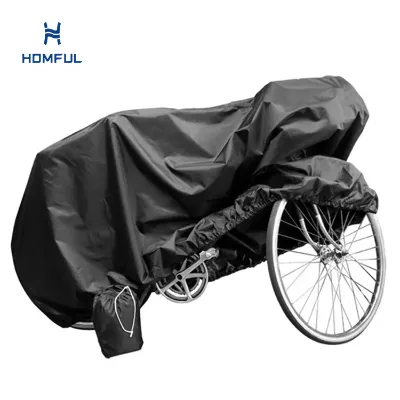
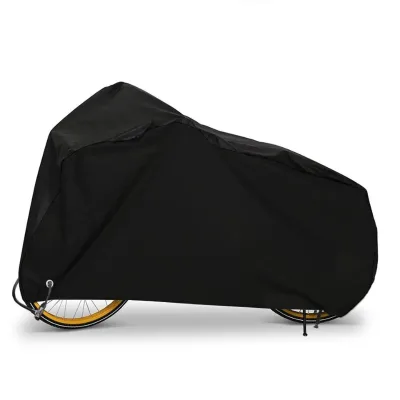
Heavy Duty Bike Covers Outdoor Storage Waterproof Motorcycle Accessories
$20.00 - $25.00
MOQ: 100 Pieces
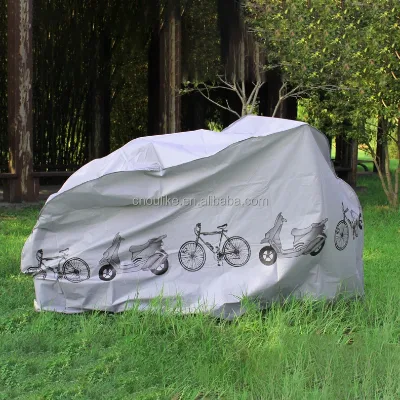
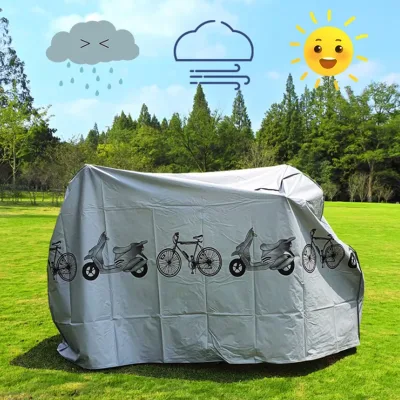
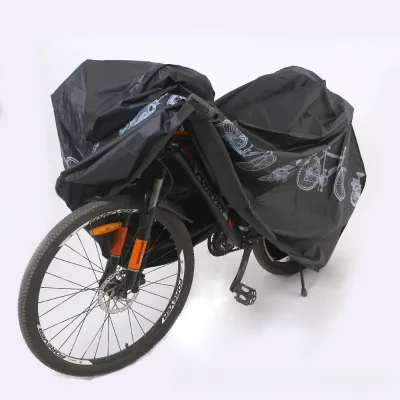
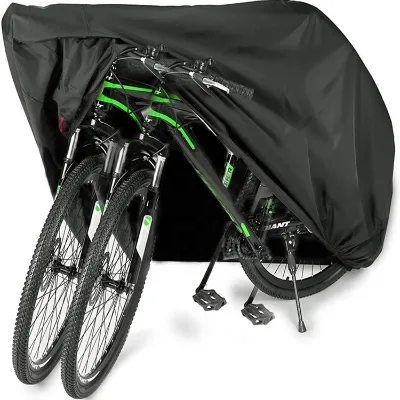

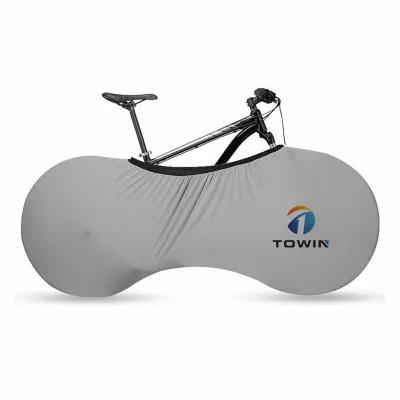
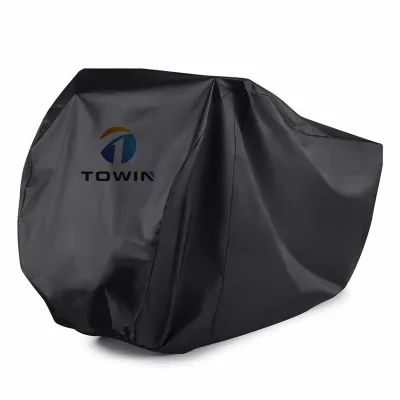
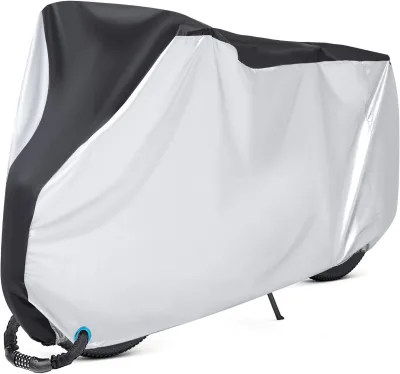
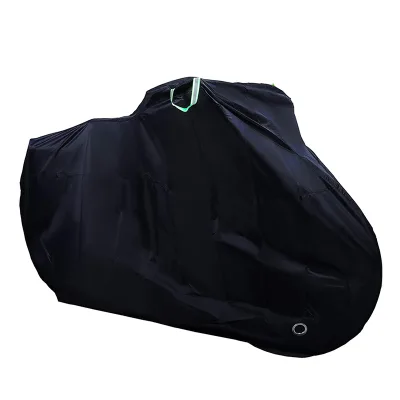


Comprehensive Sourcing Guide
Bike Cover Rain Cape Sourcing Guide
Buyers must first distinguish between general outdoor protection and specialized rain capes, as the market offers distinct product categories under this keyword. The available inventory includes heavy-duty covers designed for full bicycle enclosure, featuring materials like PVC, PU, and polyester to ensure durability against the elements. These items are explicitly marketed for applications ranging from ordinary bicycles to mountain and road bikes, with some listings specifying protection for kids' bikes as well.
Procurement decisions should also account for the variation in sizing and fit, which directly impacts product utility. Listings indicate a wide range of wheel sizes from 16 to 28 inches, alongside specific dimension sets for different models such as 170x60x85cm or 200x70x110cm. Buyers need to verify that the selected cover matches the specific geometry of their inventory, as generic "free size" claims may not accommodate all frame types or larger wheel configurations effectively.
Product Scope and Observed Listing Signals
The observed product scope reveals a mix of single-item sales and bulk supply options, with prices ranging from 0.9 to 25 USD depending on material quality and feature sets. Key signals include the presence of UV resistance and waterproofing as standard features, alongside specific functional claims like dustproofing and sun protection. These attributes are critical for buyers targeting outdoor storage solutions where long-term exposure to weather is a primary concern for the end-user.
Color and material composition serve as significant differentiators in this category, with options spanning black, silver, navy blue, and various bright hues like pink and fruit green. The fabric types vary between non-woven and woven constructions, suggesting different levels of breathability and tear resistance. Buyers should carefully cross-reference the stated material, such as polyester or PVC, with the intended use case to ensure the selected product offers the necessary balance between portability and robust protection.
Technical Specifications to Verify
Verification of physical dimensions is paramount, as listings provide conflicting or varied sizing standards ranging from specific centimeter measurements to generic size codes like S, M, L, and XL. Some products specify a standard size of 200x110cm, while others list complex dimensions for different color variants, creating potential confusion for procurement teams. Buyers must confirm the exact internal volume and wheel clearance to prevent purchasing covers that are too tight or excessively loose for their specific bicycle models.
Weight and packing specifications also require close scrutiny to determine logistics feasibility and end-user convenience. Observed weights vary significantly, with some units listed at approximately 150g while others are noted at 0.38kg, directly influencing shipping costs and customer satisfaction regarding portability. Additionally, packing methods differ between box, OPP bags, and cartons, which affects how the product is stored in warehouses and presented to retail customers upon arrival.
Compliance and Safety Documentation
While several listings mention certifications such as ISO, EEC, BSCI, and CE, buyers must treat these as supplier claims rather than guaranteed compliance for every unit in a batch. The presence of these marks suggests a commitment to quality management and social responsibility, but verification of current validity and scope is essential before finalizing large orders. Procurement teams should request valid certificates of conformity to ensure the supplier maintains these standards consistently across production runs.
Safety and material safety data are equally important, particularly given the use of synthetic materials like PVC and PU which may have specific environmental or handling requirements. Buyers should inquire about the specific standards these materials meet regarding toxicity and flammability, especially if the covers are intended for use in regions with strict environmental regulations. Ensuring that the fabric types, whether non-woven or woven, meet local safety codes is a critical step in mitigating liability risks.
Cost Drivers and Commercial Terms
Pricing structures in this market are heavily influenced by customization options and order volume, with Minimum Order Quantities (MOQ) ranging from 100 to 500 pieces. Suppliers offering made-to-order services or OEM capabilities often command higher unit prices due to the additional setup and labor costs involved in tailoring products to specific brand requirements. Buyers must balance the cost benefits of bulk purchasing against the flexibility needs of their inventory strategy to optimize total cost of ownership.
Payment terms and lead times are significant commercial variables that impact cash flow and supply chain reliability. Typical lead times observed range from 5-7 days for ready stock to 30-40 days for customized production, with sample times often requiring 7-10 days. Payment methods such as T/T and L/C are standard, and buyers should negotiate clear delivery schedules to avoid delays, ensuring that the 30-day production window aligns with their seasonal demand forecasts.
Supplier Qualification and Quality Control
Supplier qualification should focus on their ability to maintain consistent quality across different material types and color variations, as the market shows a high degree of product diversity. Buyers need to assess whether the supplier can consistently deliver on claims regarding UV resistance and waterproofing, which are critical performance metrics for bike covers. Establishing a clear quality control protocol that includes pre-shipment inspections is necessary to verify that the physical attributes match the product descriptions provided.
Quality control processes must also address the variability in packing and labeling, which can affect the perceived value of the product in the retail market. Since some items are packed in boxes while others use OPP bags, buyers should specify packaging requirements to ensure uniformity and protection during transit. Verifying that the supplier can handle custom branding and labeling requests without compromising the structural integrity of the cover is essential for maintaining brand consistency.
Long-Term Procurement Checks
Long-term procurement success depends on the supplier's ability to adapt to changing market demands and maintain a stable supply of raw materials. Buyers should monitor the supplier's track record for meeting lead times and handling customization requests, as these factors directly influence the reliability of the supply chain. Establishing a relationship with a supplier who offers flexible production capabilities ensures that the buyer can respond quickly to shifts in consumer preferences regarding color or size.
Continuous performance monitoring is also required to ensure that the product maintains its functional attributes over time, such as durability and weather resistance. Buyers should implement a feedback loop to track customer satisfaction regarding the cover's fit and protection capabilities, using this data to refine future purchasing decisions. Regular audits of the supplier's production processes and quality assurance measures will help sustain a high standard of product delivery and minimize the risk of defects in future orders.
FAQs
What materials are used for Bike Cover Rain Cape products?
Bike Cover Rain Cape products are typically constructed from durable materials such as PVC, PU, or Polyester. These fabrics provide essential protection against rain and UV rays. Some variants utilize non-woven or woven fabrics for specific use cases. The material choice ensures the cover remains waterproof and dustproof while protecting the bicycle from environmental damage during outdoor storage.
Can I customize the size of a Bike Cover Rain Cape?
Yes, customization is available for many Bike Cover Rain Cape options. Suppliers offer free size options or specific dimensions like 200*110cm. You can also select from standard sizes such as S, M, L, and XL. Custom branding and tailored dimensions are often supported to ensure a proper fit for various bicycle types, including mountain bikes and road bikes.
What is the typical MOQ for ordering Bike Cover Rain Cape?
The typical MOQ for ordering Bike Cover Rain Cape ranges from 1 to 500 pieces. Some suppliers require a minimum order of 100 PCS, while others may set the threshold at 500 PCS. This flexibility allows buyers to choose suppliers that match their inventory needs. Always verify the specific MOQ with the supplier before placing an order to ensure compliance.
How long is the lead time for Bike Cover Rain Cape production?
Lead times for Bike Cover Rain Cape production vary by supplier. Some manufacturers offer a delivery time of 5-7 days for ready stock. For made-to-order items, the lead time can extend to 30 days or 35-40 days. Sample times typically take 7-10 days. Buyers should confirm the exact timeline with the supplier to plan their procurement schedule effectively.
Which certifications are available for Bike Cover Rain Cape suppliers?
Bike Cover Rain Cape suppliers may hold certifications such as ISOEEC, BSCI, and CE. These certifications indicate adherence to specific quality and safety standards. Buyers can verify these credentials to ensure product reliability. The availability of certifications helps in selecting trustworthy manufacturers. Always request certification documents to confirm compliance with international standards before finalizing a purchase agreement.
What features do Bike Cover Rain Cape products offer?
Bike Cover Rain Cape products offer features like UV resistance, waterproofing, and dustproof protection. They are designed to be easy to use, durable, and portable. Some covers include anti-scratch and anti-UV properties. These features ensure comprehensive protection for bicycles against sun, rain, and dirt. The covers are suitable for ordinary bicycles, mountain bikes, and road bikes, providing versatile outdoor storage solutions.