Source anti-slip bath mat for Home, Hotel, and Bathroom
Find 30 anti-slip bath mat options featuring natural rubber and PE materials. Buyers can compare customization, certifications, packing details, and performance features like wear resistance and insulation for home and hotel flooring needs effectively; compare the available evidence and request quotations based on your requirements.
Updated
Key considerations
Products List


Anti Slip Water Absorbent Mat Bathroom Kitchen Waterproof Floor Bath Mat
$0.70 - $1.10
MOQ: 100 Pieces


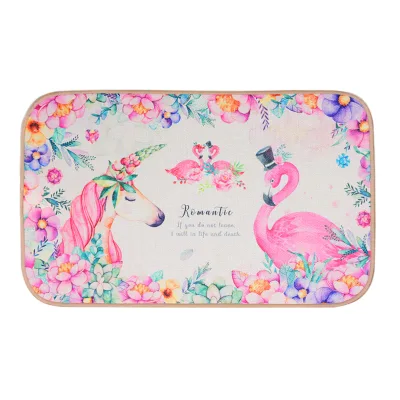
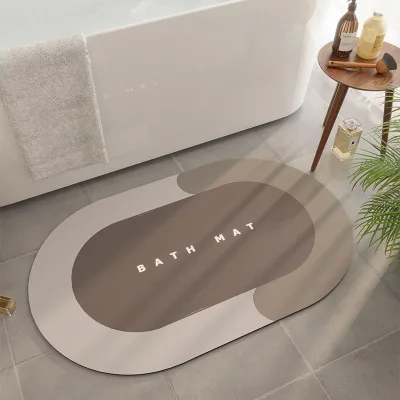
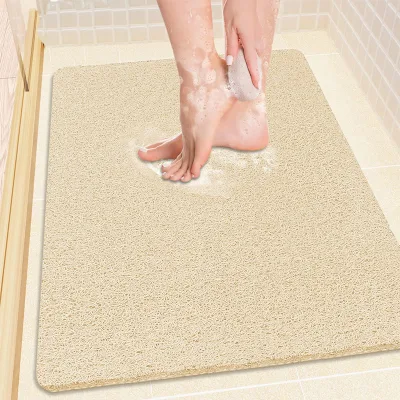
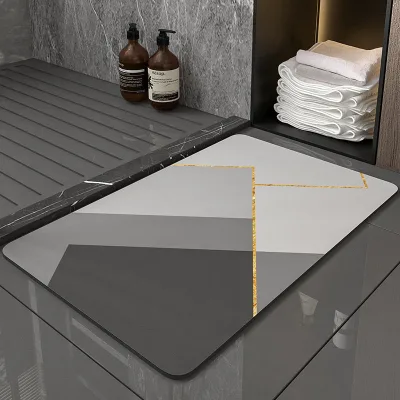
Manufacturers Sale Absorbent and Quick Drying Non-Slip Bath Room Mat Set
$0.74 - $1.2838
MOQ: 300 pieces
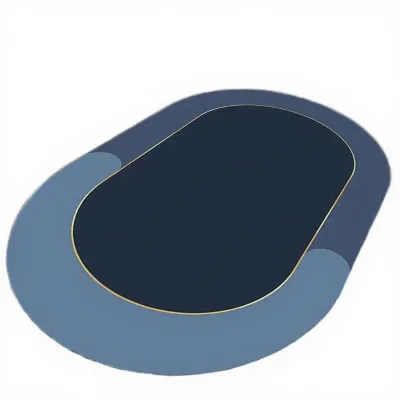
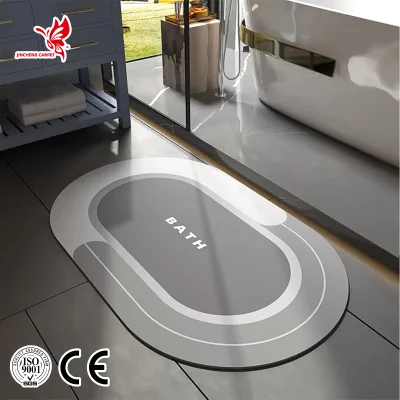
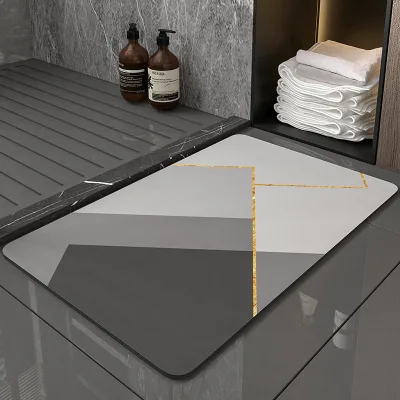


Anti Slip Silicone Rubber Bath Mat Baby Care Mat Shower Mat Bathtub Mat
$2.00 - $8.00
MOQ: 5000 Pieces


Anti Slip Rubber Bath Mat New Large Size Rubber Bath Mat for Home/Hotel
$2.00 - $4.00
MOQ: 5000 Pieces


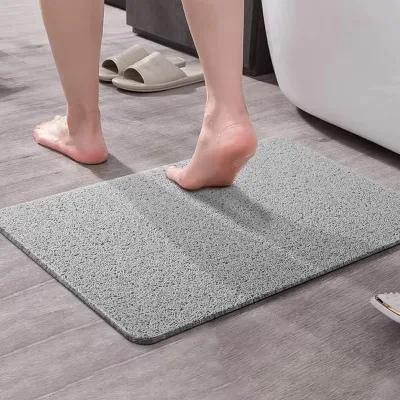
Anti Slip Colorful Rubber Shower Bathroom Mat, Bath Mat with Back Adhesive Disks
$2.00 - $8.00
MOQ: 5000 Pieces



Comprehensive Sourcing Guide
Anti-Slip Bath Mat Sourcing Guide
Sourcing anti-slip bath mats requires a careful balance of material science, surface texture engineering, and compliance with international safety standards. Buyers must navigate a market where "anti-slip" is a functional claim rather than a universal guarantee, necessitating rigorous verification of coefficient of friction and water absorption capabilities. The procurement process begins with defining the specific use case, whether for residential bathrooms, hotel amenities, or commercial spa environments, as each setting demands different durability and aesthetic profiles. Understanding the distinction between natural rubber, synthetic polymers, and fiber-based materials is critical for ensuring the product meets both safety and longevity expectations.
This guide provides a structured approach to evaluating suppliers and products based on observed market data and technical specifications. It focuses on actionable verification steps, from checking raw material composition to reviewing certification portfolios, ensuring that procurement teams can mitigate risk and secure high-quality inventory. By adhering to the evidence-based insights provided, buyers can make informed decisions that align with their brand’s quality standards and regulatory requirements. The following sections detail the essential parameters for sourcing, technical evaluation, and long-term supplier management.
Product Scope and Observed Listing Signals
The current market for anti-slip bath mats exhibits significant diversity in materials, ranging from natural rubber and PE to specialized blends like Nappa Fiber combined with Diatomaceous Earth. Observed listings indicate that customization is widely available, allowing buyers to tailor products to specific brand identities through custom colors, patterns, and packaging. The presence of both solid and printed designs suggests flexibility in aesthetic sourcing, while the availability of irregular and rectangular shapes caters to varied bathroom layouts and design preferences. Buyers should note that material composition directly influences performance, with natural rubber offering superior grip and eco-friendly attributes, whereas PE options may provide different cost and durability profiles.
Packaging and presentation vary considerably across suppliers, with options including rolls, cartons, pallets, OPP bags, and EVA bags. This variability impacts logistics planning and retail readiness, requiring buyers to align packaging choices with their distribution channels. Some products are marketed with specific dimensions, such as 500x800mm or 55x55x0.2cm, while others offer fully customized sizing. The observation of "Stocked" items alongside made-to-order options provides buyers with flexibility in managing inventory turnover. Understanding these listing signals helps in identifying suppliers who can meet immediate demand versus those suited for long-term, customized procurement strategies.
Technical Specifications to Verify
Verifying technical specifications is paramount to ensuring the bath mat performs as advertised, particularly regarding slip resistance and water management. Buyers should prioritize products with high water absorption capabilities, as indicated by observations of "Excellent" absorption rates in certain listings, which directly correlates with safety in wet environments. The thickness of the mat, with observed values like 5mm, influences both comfort and stability, preventing the mat from bunching or sliding underfoot. Additionally, the surface material composition, such as the combination of Nappa Fiber and Diatom, plays a crucial role in texture and grip, requiring buyers to request physical samples to assess tactile quality and durability firsthand.
Cleaning and maintenance requirements are also critical technical factors that affect long-term usability and customer satisfaction. Products described as stain-resistant and machine washable offer significant operational advantages for both end-users and hospitality clients. Buyers must verify the actual ease of cleaning through supplier demonstrations or third-party testing reports. Furthermore, the structural integrity of the backing, whether it is pure gum rubber sheet or fabric, determines the mat’s ability to remain anchored on smooth surfaces. Confirming these specifications through detailed product datasheets and physical inspection ensures that the selected mats meet functional performance standards.
Compliance and Safety Documentation
Compliance with international safety and environmental standards is non-negotiable for bath mat procurement, especially when targeting regulated markets. Buyers must verify that suppliers hold relevant certifications such as BSCI, Sedex, REACH, CA65, PAHs, RoHS, ISO9001, and PFAS-free status. These certifications indicate adherence to labor practices, chemical safety, and quality management systems, reducing legal and reputational risks. The presence of OEKO-TEX standards, though noted with lower confidence, should be explicitly confirmed with suppliers as it relates to textile safety and harmful substance limits. Documentation must be current and verifiable, with certificates issued by accredited bodies to ensure authenticity and global recognition.
Beyond certifications, buyers should request detailed material safety data sheets (MSDS) and test reports for slip resistance and chemical composition. These documents provide empirical evidence of product safety and performance, allowing for objective comparison between suppliers. It is essential to ensure that all materials, including dyes and adhesives, comply with local regulations in the destination market, such as California’s Proposition 65 for chemical exposure. By maintaining a rigorous documentation review process, buyers can safeguard their supply chain against regulatory violations and ensure that their products meet the highest safety benchmarks for consumer use.
Cost Drivers and Commercial Terms
Cost structures for anti-slip bath mats are influenced by material selection, customization levels, and order volume. Natural rubber and specialized fiber blends typically command higher prices due to their superior performance and eco-friendly attributes, while PE-based options may offer more competitive pricing. The observed MOQ range of 1 to 10,000 units provides flexibility for both small-scale testers and large-volume buyers, allowing for strategic inventory management. Buyers should negotiate terms that align with their cash flow needs, considering the impact of packaging choices on shipping costs and storage efficiency. Understanding these cost drivers enables more accurate budgeting and pricing strategies for retail or wholesale distribution.
Commercial terms also include lead times, payment conditions, and shipping arrangements, which vary by supplier and order complexity. Customized products, such as those with specific logos or packaging, may have longer lead times and higher minimum order quantities. Buyers should clarify these details upfront to avoid delays and ensure timely delivery. Additionally, the availability of stock items can offer faster turnaround times for urgent orders. By comparing total landed costs, including shipping and duties, buyers can identify the most cost-effective suppliers without compromising on quality or compliance. Transparent communication regarding commercial terms is essential for building a sustainable procurement relationship.
Supplier Qualification and Quality Control
Supplier qualification involves a thorough assessment of manufacturing capabilities, quality control processes, and ethical standards. Buyers should verify the supplier’s production facilities, focusing on their ability to maintain consistent quality across batches. The presence of ISO9001 certification is a strong indicator of robust quality management systems, but on-site audits or third-party inspections provide deeper insights into actual practices. Suppliers with strong ethical credentials, evidenced by BSCI or Sedex certifications, are preferable for brands committed to social responsibility. Evaluating the supplier’s responsiveness and communication skills is also crucial for ensuring smooth collaboration throughout the procurement process.
Quality control measures should include pre-production samples, in-line inspections, and final random inspections before shipment. Buyers must define clear acceptance criteria for defects, such as uneven coloring, loose threads, or inadequate slip resistance. Establishing a rigorous QC protocol helps in identifying and rectifying issues early, reducing the risk of receiving substandard products. Additionally, suppliers should provide a clear warranty or return policy for defective goods, ensuring that buyers are protected against quality failures. By prioritizing suppliers with strong QC systems and ethical practices, buyers can build a reliable supply chain that supports their brand’s reputation for quality and safety.
Long-Term Procurement Checks
Long-term procurement success depends on continuous monitoring of supplier performance and market trends. Buyers should establish key performance indicators (KPIs) for delivery times, product quality, and communication responsiveness, reviewing these metrics regularly to identify areas for improvement. Maintaining open lines of communication with suppliers allows for proactive problem-solving and fosters a collaborative partnership. Additionally, staying informed about changes in regulations, material availability, and consumer preferences ensures that procurement strategies remain relevant and competitive. Regular audits and feedback loops help in maintaining high standards and driving continuous improvement in the supply chain.
As the market evolves, buyers should periodically reassess their supplier base to ensure alignment with their strategic goals. Diversifying suppliers can mitigate risks associated with single-source dependencies, while exploring new materials or technologies can enhance product offerings. Engaging with suppliers on innovation and sustainability initiatives can lead to mutually beneficial outcomes, such as the development of more eco-friendly or high-performance mats. By adopting a proactive and strategic approach to long-term procurement, buyers can secure a resilient supply chain that supports their business growth and customer satisfaction over time.
FAQs
What materials are used for anti-slip bath mats?
Anti-slip bath mats are primarily manufactured using natural rubber and PE materials. Some products also incorporate pure gum rubber sheets and fabric for enhanced durability. Other options include nappa fiber combined with diatom earth surfaces. These materials provide essential water absorption and wear-resistant properties for safe flooring applications.
Can I customize the size and color of the mats?
Yes, customization is available for both size and color. Buyers can request custom sizes, including large formats or specific dimensions like 500x800mm. Colors can be customized to match interior designs, with options ranging from brown and black to all kinds of custom colors. This flexibility ensures the mats fit various home or hotel requirements perfectly.
What certifications do the anti-slip bath mats hold?
The mats hold multiple certifications including BSCI, Sedex, Reach, Ca65, PAHs, RoHS, ISO9001, and Pfas. These credentials ensure compliance with international safety and environmental standards. Such certifications are critical for buyers requiring verified quality and ethical sourcing. The products also meet GB standards, providing assurance of material safety and manufacturing quality for global markets.
How are the anti-slip bath mats packaged for shipping?
Packaging options include rolls, cartons, pallets, OPP bags, EVA bags, and boxes. Specific dimensions like 60cmx39cmx0.9cm are used for certain models. This variety ensures safe transport and storage. The packaging protects the mats from damage during transit. Buyers can choose packaging that best suits their logistics needs, whether for bulk industrial orders or smaller retail shipments.
Where are these anti-slip bath mats manufactured?
These mats are manufactured in China, with specific origins in Ningbo and Zhangjiagang. This location allows for efficient production and export logistics. The manufacturing base supports various customization requests and large-scale orders. Buyers can rely on these established industrial hubs for consistent quality and timely delivery of rubber and PE-based flooring products.
What are the key features of the anti-slip bath mats?
Key features include being wear-resistant, eco-friendly, and stain-resistant. The mats are machine washable and offer excellent water absorption. They come in modern or classical styles with solid or printed patterns. These attributes make them suitable for home and hotel use. The irregular or rectangular shapes provide versatile installation options on various floor surfaces.