Source SMA Male RTK Antenna for GPS, Surveying, and Navigation
Compare 30 SMA Male RTK Antenna options from verified Chinese suppliers. Buyers can evaluate specifications like VSWR, gain, and frequency range to find the right component for GPS, surveying, and navigation applications; compare the available evidence and request quotations based on your requirements.
Updated
Key considerations
Products List

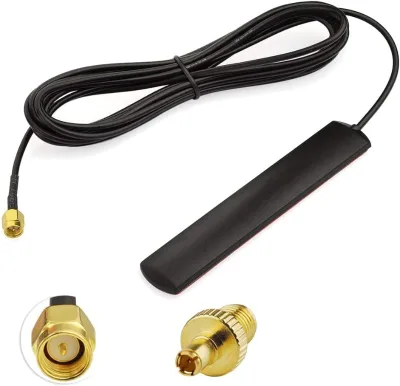
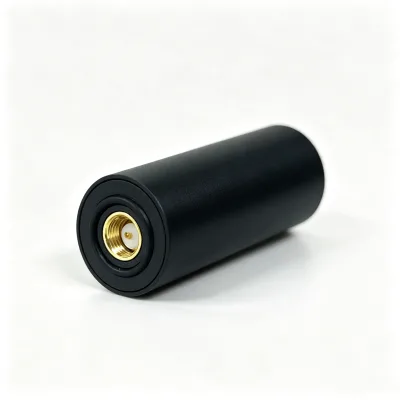
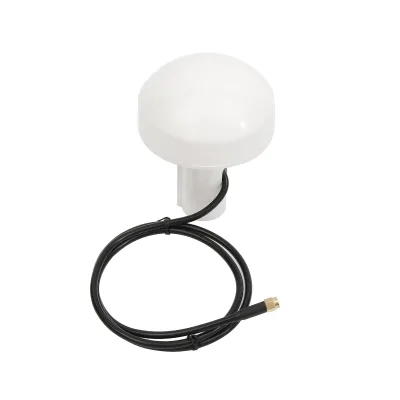


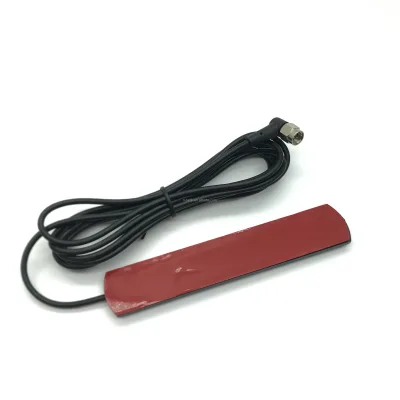
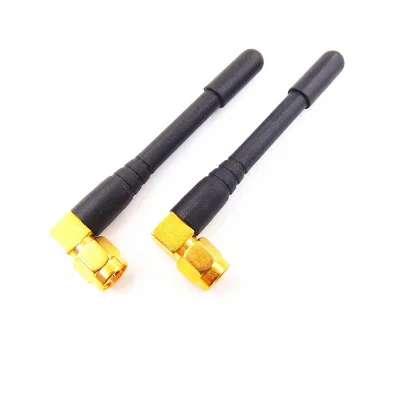


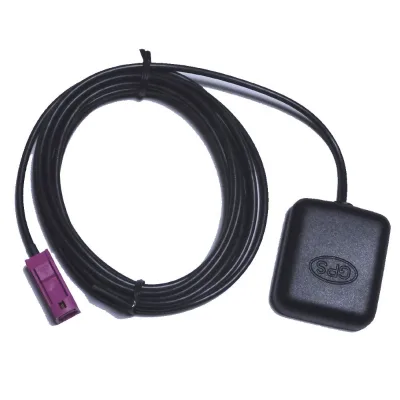
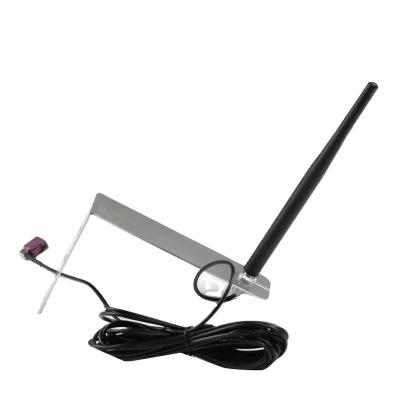
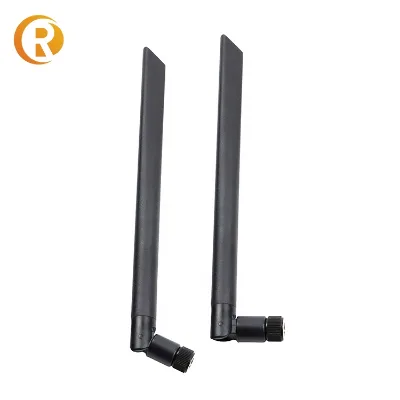
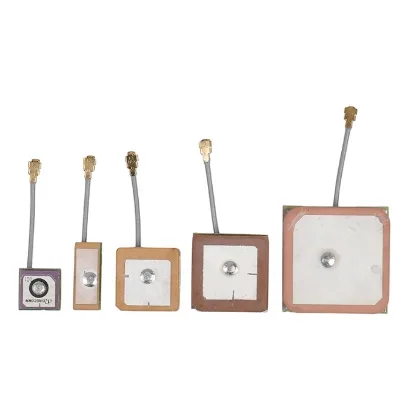

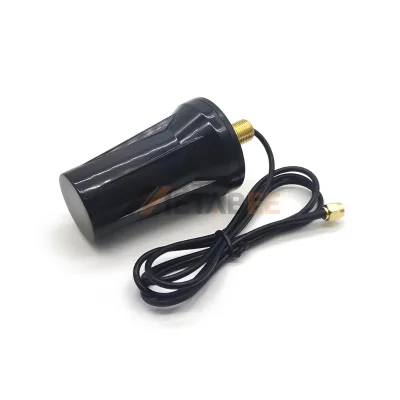
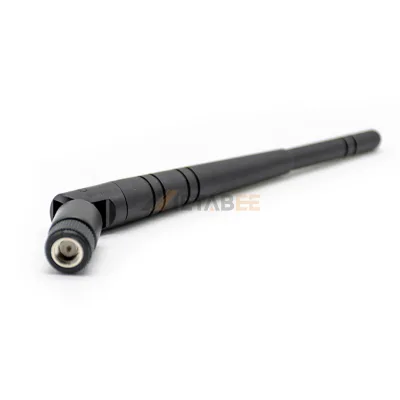


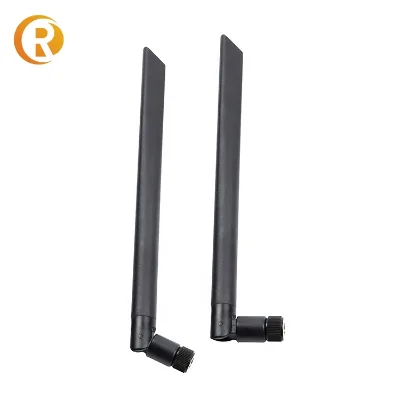

Comprehensive Sourcing Guide
SMA Male RTK Antenna Sourcing Guide
Sourcing SMA male RTK antennas requires careful attention to interface compatibility and signal integrity, as these components serve as the critical link between GNSS receivers and satellite constellations. Buyers must recognize that "RTK" denotes Real-Time Kinematic positioning, a technology demanding high precision for applications like surveying, agriculture, and autonomous navigation. The SMA male connector is a standard threaded interface, but variations in thread pitch, gender, and impedance can lead to integration failures if not verified against the host device’s specifications.
The market offers a diverse range of options, from compact patch antennas to robust outdoor units, each with distinct performance characteristics. Procurement teams should prioritize antennas that support multiple frequency bands, such as L1, L2, and L5, to ensure compatibility with modern GNSS systems including GPS, GLONASS, and BeiDou. Understanding the specific polarization requirements, such as right-hand circular polarization, is essential for maintaining signal quality in challenging environments where multipath interference is common.
Product Scope and Observed Listing Signals
Current market listings reveal a wide price spectrum, typically ranging from $0.48 to $59.99, reflecting significant variations in build quality, brand reputation, and technical performance. This disparity suggests that buyers should not equate lower prices with adequate performance for high-precision RTK applications. Instead, procurement decisions should be driven by the specific technical requirements of the end-use case, balancing cost against the need for reliability and accuracy in critical operations.
Observed minimum order quantities (MOQs) vary from 1 to 500 units, indicating flexibility for both prototyping and large-scale deployment. Suppliers often provide customization options, allowing buyers to tailor antenna dimensions, connector types, or cable lengths to their specific assembly needs. This flexibility is particularly valuable for OEMs integrating antennas into handheld devices, drones, or fixed infrastructure, where space constraints and environmental durability are paramount design considerations.
Technical Specifications to Verify
Key technical parameters include voltage standing wave ratio (VSWR), gain, and impedance, which directly impact signal reception quality. Listings indicate VSWR values as low as 1.25 and 1.5, with gains ranging from 3 to 10 dB, suggesting that higher-performance models offer better signal clarity and range. Buyers must verify that the antenna’s impedance matches the system’s standard, typically 50 ohms, to prevent signal reflection and power loss, which can degrade RTK accuracy significantly.
Frequency range and polarization are equally critical, with some models supporting up to 18 GHz and utilizing right-hand circular polarization. The operating wavelength, often in the microwave spectrum, must align with the target satellite bands to ensure effective communication. Additionally, physical dimensions and weight, such as models measuring 18.5x50mm or weighing under 50g, influence integration feasibility, especially in weight-sensitive applications like UAVs or wearable devices.
Compliance and Safety Documentation
Regulatory compliance is non-negotiable for global distribution, with certifications such as ISO 9001, RoHS, CE, and FCC commonly cited by suppliers. These certifications indicate adherence to quality management systems and environmental standards, ensuring that materials and manufacturing processes meet international safety and emissions requirements. Buyers should request valid certificates for each batch or production run to mitigate risks associated with non-compliant products, which can face customs delays or market bans.
Environmental resilience is another crucial aspect, with some antennas rated for humidity levels up to 95% non-condensing and phase center errors as low as 2.0mm. These specifications are vital for outdoor RTK applications where exposure to moisture and temperature fluctuations is inevitable. Procurement teams should verify that the antenna’s housing material, often plastic or copper-composite, provides adequate protection against corrosion and physical damage without compromising signal transmission.
Cost Drivers and Commercial Terms
Pricing is influenced by material costs, such as copper for conductive elements and plastic for housings, as well as the complexity of the internal circuitry. High-gain antennas with multi-band support and low VSWR typically command higher prices due to the precision engineering required. Buyers should analyze the total cost of ownership, including shipping and handling, as options like DHL, UPS, and FedEx are commonly used, with weights around 0.04 kg per unit affecting logistics costs for large orders.
Payment terms and lead times are standard commercial considerations, with T/T (Telegraphic Transfer) being a prevalent method. Suppliers often offer original, 100% condition products, but buyers must confirm lead times to align with project schedules. Understanding the packaging, such as foam and carton protection, helps assess the risk of transit damage, which can be costly for delicate electronic components. Negotiating volume discounts based on MOQ tiers can further optimize procurement budgets.
Supplier Qualification and Quality Control
Supplier verification involves assessing their manufacturing capabilities, quality control processes, and after-sales support. Brands like JYC and Gaoke appear in listings, but buyers should conduct due diligence to confirm their production standards and consistency. Requesting samples for testing is a prudent step to validate technical claims, such as VSWR and gain, before committing to large orders. This approach minimizes the risk of receiving substandard products that fail to meet RTK precision requirements.
Quality control should extend to incoming inspection, where buyers verify model numbers, connector integrity, and packaging condition. Consistency in performance across batches is critical for large-scale deployments, so suppliers with robust QC systems are preferred. Buyers should also inquire about warranty policies and return procedures, ensuring that defective units can be replaced promptly to avoid project delays. Establishing a clear communication channel with the supplier facilitates quick resolution of any technical issues.
Long-Term Procurement Checks
Long-term success depends on monitoring supplier performance and adapting to technological advancements in GNSS technology. Regular audits of supplier quality and delivery reliability help maintain a stable supply chain. Buyers should stay informed about emerging standards and frequency bands, ensuring that their antenna procurement strategy remains aligned with future project needs. This proactive approach prevents obsolescence and ensures continued compatibility with evolving satellite systems.
Building a diversified supplier base can mitigate risks associated with single-source dependencies. Engaging with multiple suppliers allows for competitive pricing and flexibility in sourcing. Additionally, maintaining detailed records of product performance and supplier interactions aids in making informed decisions for future procurements. Continuous evaluation of market trends and supplier capabilities ensures that the organization remains competitive and resilient in the dynamic GNSS component market.
FAQs
What is the VSWR performance of the JY1801-14B RTK antenna?
The JY1801-14B RTK antenna features a VSWR of less than 1.25, ensuring efficient signal transmission with minimal reflection. This high-performance metric supports reliable GNSS positioning accuracy. The unit operates with a frequency range up to 18GHz and includes a 50/75ohm impedance option. It is constructed from plastic and copper materials for durability. The antenna is certified under ISO9001, ROHS, CE, and FCC standards for quality assurance.
Can I customize the specifications for the GKZS-GNSS-SMAJ-1031A antenna?
Yes, customization is available for the GKZS-GNSS-SMAJ-1031A antenna to meet specific project requirements. This OEM product allows for tailored frequency ranges including B1, B2, B3, L1, L2, and L5 bands. The compact dimension of 18.5*50mm makes it suitable for various integration needs. Buyers can request specific interface configurations or branding adjustments. This flexibility ensures the antenna fits diverse electronic device form factors effectively.
What are the physical dimensions of the GKZS-SSGPS&BD2-NZG1.7-G antenna?
The GKZS-SSGPS&BD2-NZG1.7-G antenna has a single package size of 103X3X23 cm for shipping efficiency. The unit itself weighs 0.04 kg and is packed in foam and carton for protection. It features right-handed circular polarization and a 360-degree horizontal coverage angle. The phase center error is kept within 2.0mm for precision. These dimensions support easy handling and installation in various RTK applications.
Which certifications apply to the JYC brand RTK antennas?
JYC brand RTK antennas hold ISO9001, ROHS, CE, and FCC certifications. These credentials verify compliance with international quality and safety standards. The products are manufactured in Jiangsu, China, ensuring consistent production quality. The certifications cover environmental safety and electromagnetic compatibility. Buyers can rely on these marks for regulatory approval in global markets. The original condition of the units is guaranteed for all certified items.
What is the operating frequency range for the omnidirectional RTK antenna?
The omnidirectional RTK antenna operates within a frequency range of 0-18GHz. This wide bandwidth supports multiple GNSS signals including GPS, GLONASS, and BeiDou. The antenna provides high gain between 3-10DB for strong signal reception. It is designed as a transmitting antenna with right-hand circular polarization. This frequency coverage ensures robust performance in diverse positioning and navigation scenarios.
How is the GKZS-GNSS-SMAJ-1031A antenna connected to devices?
The GKZS-GNSS-SMAJ-1031A antenna connects via an SMA interface for secure attachment. This standard connector ensures compatibility with most GNSS receivers and modules. The antenna weighs less than 50g, making it lightweight for portable devices. It supports frequencies like 1561.098MHz and 1575.42MHz for precise positioning. The SMA connection facilitates easy integration into compact electronic systems without signal loss.