Automatic Food Vacuum Forming Machine Suppliers and Manufacturers
Compare 27 Automatic Food Vacuum Forming Machine suppliers in China Zhejiang and Guangdong. Evaluate ISO 9001 and CE certifications, response times, lead times, and product specifications like sheet material depth and production rates before requesting quotes; review the available evidence before requesting comparable quotations from suitable candidates.
Updated
Suppliers List

Wenzhou Mingdu Machinery Co., Ltd.
- Manufacturer/Factory
- China Zhejiang
- Lead time45 days
- Avg. response≤ 7h
Main productsPlastic Lid Forming Machine, Plastic Thermoforming Machine, Plastic Tray Forming Machine, Plastic Coffee Lid Machine, Cup Lid Thermforming Machine, Plastic Cup Curling Machine, Cup Rolling Machine, Lid Forming Machine, Plastic Cup Bending Machine, Food Container Thermoforming Machine
Main marketsSouth America,Eastern Europe,Mid East,North America,Southeast Asia,Eastern Asia,Oceania,Western Europe
Shenzhen Huaxiang Mechanical Equipment Co., Ltd.
- Manufacturer, Trading Company
- Guangdong, China
- Lead time30 days
- Avg. response≤ 4h
Main productsThermoforming Vacuum Forming Machine; Blister Packing Machine; High Frequency Welding Machine; Cup Making Machine; Cutting Machine,Vacuum Forming Machine,Thermoforming and air pressuring Forming Machine,Thermoforming Mold,Vacuum Molding Machine
Main marketsSouth America(25.00%), Southeast Asia(25.00%), North America(15.00%), Domestic Market(9.00%), Southern Europe(5.00%), Western Europe(5.00%), Eastern Europe(2.00%), South Asia(2.00%), Oceania(2.00%), Northern Europe(2.00%), Central America(2.00%), Africa(2.00%), Eastern Asia(2.00%), Mid East(2.00%)
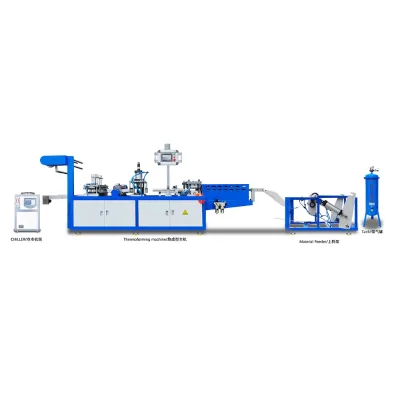
Customization Vacuum Forming Machine Vacuum Forming Machine for Fast Food Box
$30000.00 - $60000.00
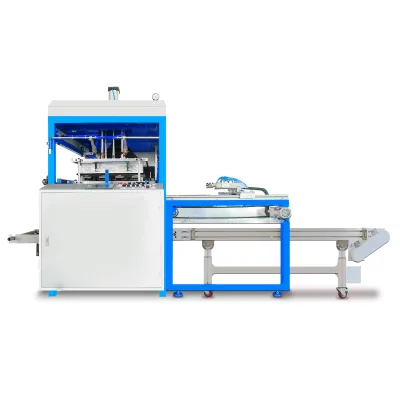
New Features Vacuum Forming Machine Food Dried Dates Thermoforming Vacuum Packaging Machine
$8500.00 - $10000.00
MOQ: 1 sets
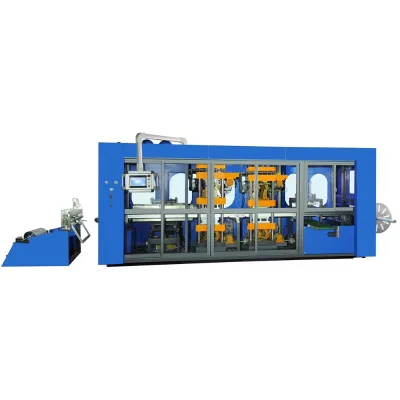
3/4 Stations Vacuum Plastic Thermoforming Machine
$30000.00 - $60000.00
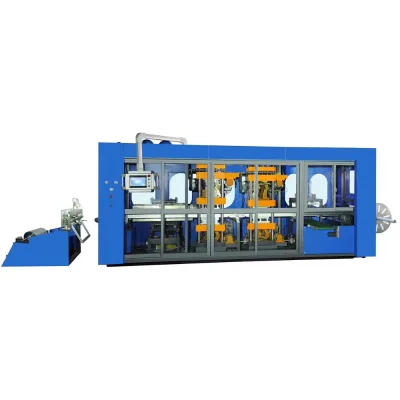
3 Three Station Positive and Negative Vacuum Forming Thermoforming Machine for Plastic Products
$30971.7492 - $61943.4984
MOQ: 1 sets

Baochuang Machinery Industry Co., Ltd.
- Manufacturer
- China Fujian
- Lead time15 days
- Avg. response≤ 2h
Main productsOne-Step Vacuum Forming Machine, Cup Making Machine, Sheet Making Machine, Pellets Making Line
Main marketsSouth America,Africa,Southeast Asia/ Mideast
Longkou Fushi Packing Machinery Co., Ltd.
- Manufacturer, Trading Company
- Lead time旺季: , 淡季:
- Avg. response≤ 6h
Main productsPS Foam Food Container Machine, EPE Machine, Air Conditioning Insulation Pipe Machine, Knotless Net Machine, Fruit Sorting Machine
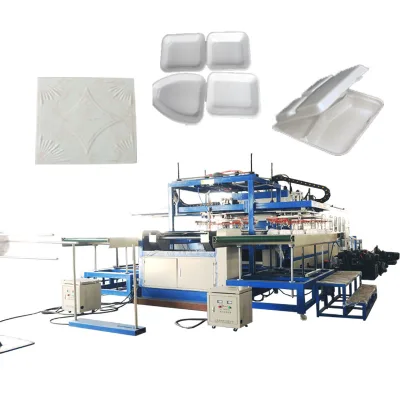
Automatic Vacuum Forming Machine (eps Shape Molding Machine)
$210000.00 - $220000.00
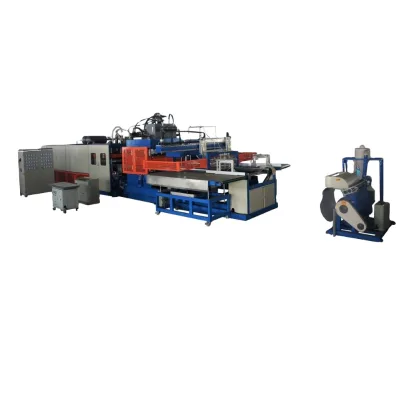
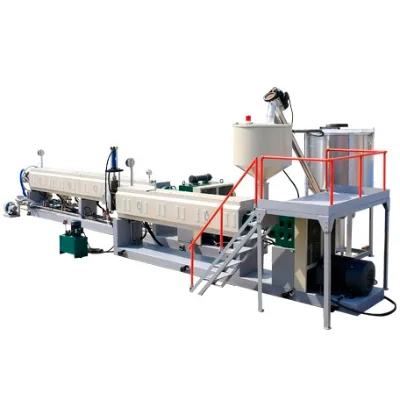
$100000.00 - $105000.00
MOQ: 1 sets
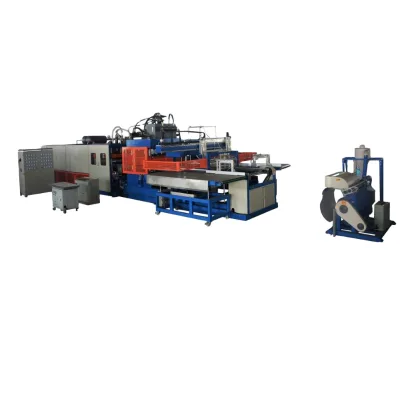
$100000.00 - $105000.00
MOQ: 1 sets
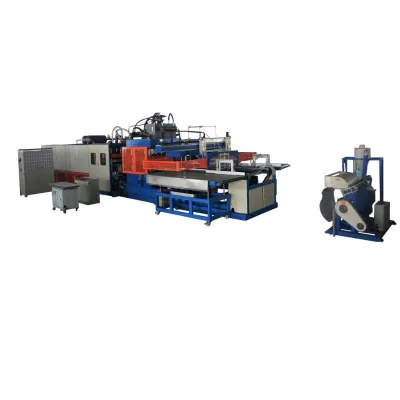
PET Cup Thermoforming Making Plastic Tray Vacuum Forming Machine
$9000.00 - $10000.00
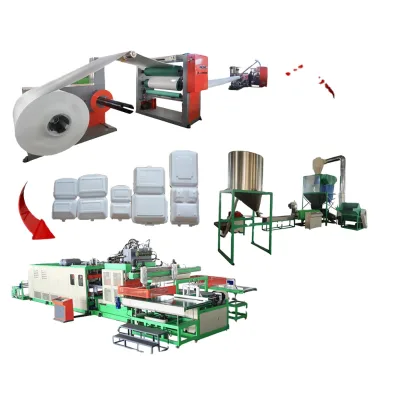

Zhejiang Sayeah Machinery Co., Ltd
- Verified by SGS
- Manufacturer/Factory
- China Zhejiang
- Lead time90 days
- Avg. response≤ 4h
Main productsPlastic Extruder, Thermoformiing Machine, Plastic Cup Making Machine
Main marketsSouth America,Eastern Europe,Mid East,North America,Southeast Asia,Eastern Asia,Oceania,Western Europe,Africa

Automatic Plastic Vacuum Forming Machine for Plastic Food Containers
$140000.00 - $170000.00
MOQ: 1 Sets


Two Three Four Station Vacuum Forming Machine Plastic Possitive Pressure Thermoforming Machine
$77680.00 - $80000.00
MOQ: 1 Sets

Shantou Adwo Machinery Technology Co., Ltd.
- Verified by CTI
- Combined
- China Guangdong
- Lead time90 days
- Avg. response≤ 2h
Main productsThermoforming Machine, Plastic Thermoforming Machine, Plastic Fast Food Box Thermoforming Machine, Plastic Cup Lid Thermoforming Machine, Plastic Egg Tray Thermoforming Machine, Plastic Tray Thermoforming Machine, Plastic Fruit Box Thermoforming Machine, Plastic Cake Box Thermoforming Machine, Plastic Food Container Thermoforming Machine, Plastic Bowl Lid Thermoforming Machine
Main marketsEast Asia(Japan/ South Korea),Domestic

Hot Selling Automatic Plastic Take Away Food Box Vacuum Forming Thermoforming Machine
$90000.00 - $200000.00
MOQ: 1 Sets

Automatic Three Stations Plastic Fast Food Box Thermoforming Vacuum Forming Machine
$170000.00
MOQ: 1 Sets

High Speed Automatic Plastic Food Container Equipment Vacuum Forming Thermoforming Making Machine
$90000.00 - $200000.00
MOQ: 1 Sets

High Speed Plastic Fast Food Box Making Vacuum Forming Thermoformer Machine
$90000.00 - $200000.00
MOQ: 1 Sets

High Speed Automatic Plastic Food Container Vacuum Forming Thermoforming Making Machine Price
$90000.00 - $200000.00
MOQ: 1 Sets

Longkou Shuangji Mechanical Equipment Co., Ltd.
- Manufacturer, Trading Company
- Shandong, China
- Lead time30 days
- Avg. response≤ 2h
Main productsPS Foam Food Box Machine,PE Foam Sheet Machine,Egg Tray Machine,Plastic Package Machine
Main marketsSouth Asia(15.00%), Southeast Asia(15.00%), Africa(15.00%), Eastern Europe(10.00%), Domestic Market(9.00%), Central America(5.00%), Western Europe(5.00%), Mid East(5.00%), Southern Europe(5.00%), South America(5.00%), North America(5.00%), Northern Europe(2.00%), Eastern Asia(2.00%), Oceania(2.00%)

Guangdong Pudi Machinery Equipment Co., Ltd.
- Verified by TUVRHEINLAND
- Manufacturer/Factory
- China Guangdong
- Lead time60 days
- Avg. response≤ 6h
Main productsVacuum Forming Machine, Vacuum Forming Machine for Thick Plates, Thermoforming Machine, Plastic Moulding Machine
Main marketsSouth America,Eastern Europe,Mid East,North America,Southeast Asia,Eastern Asia,Oceania,Western Europe,Africa

Vacuum Forming Plastic Food Container Making Machine Price Vacuum Forming Machine Manufacturer
$90000.00 - $110000.00
MOQ: 1 Sets

$80000.00 - $100000.00
MOQ: 1 Sets


Vacuum Forming Machines for The Manufacture of Food Packaging Boxes
$90000.00 - $110000.00
MOQ: 1 Sets

Vacuum Forming Machine for Making Fresh Meal Prep Containers, Food Storage Containers, Lunch Boxes
$60000.00 - $80000.00
MOQ: 1 Sets

Vacuum Forming Machine for Fast Food Containers, Fruit Boxes, Biscuit Trays Thermoforming Machines
$30000.00 - $50000.00
MOQ: 1 Sets

Shandong Tongjia Machinery Co., Ltd.
- Verified by TUVRHEINLAND
- Combined
- China Shandong
- Lead time60 days
- Avg. response≤ 6h
Main productsPlastic Machine, Plastic Machinery, Plastic Foam Machine, Plastic Net/Mesh Machine, Plastic Pipe Machine, WPC Machine, Wood Plastic Machinery, Plastic Packing Machinery, Blow Molding Machine, Plastic Injection Machine
Main marketsAfrica,Southeast Asia/ Mideast,North America


Full-Automatic Auto Vacuum Forming Form Forming Food Box Making Machine
$78999.00 - $129999.00
MOQ: 1 Sets

Shandong Pengzheng Machinery Co., Ltd
- Verified by SGS
- Combined
- China Shandong
- Lead time30 days
- Avg. response≤ 3h
Main productsVacuum Packaging Machine
Main marketsOthers(foreignTradeCapacity.exportBusinessCapacityMarketOther)


Automatic Vacuum Forming Machine Lunch Meat Tray Thick Sheet Thermoforming Machine
$25000.00 - $70000.00
MOQ: 1 Pieces

Automatic High Speed Continuous Large Size Vacuum Thermo Forming Machine Food Factory Direct Sales
$2800.00 - $4000.00
MOQ: 1 Pieces

Food Industry Vacuum Forming Machine Thermoforming Full-Automatic Plastic
$46000.00 - $60000.00
MOQ: 1 Pieces


Dongguan Chenghao Machinery Co., Ltd.
- Manufacturer, Trading Company
- Guangdong, China
- Lead time5 days
- Avg. response≤ 12h
Main productsPlastic Vacuum Forming Machine,Plastic Thermoforming Machine,Blister Packaging Machine,High Frequency Welding Machine,Mould
Main marketsDomestic Market(40.00%), Southeast Asia(20.00%), Africa(12.00%), Mid East(9.00%), South Asia(5.00%), Western Europe(5.00%), North America(5.00%), South America(4.00%)

SHANTOU RAYBURN MACHINERY CO., LTD.
- Verified by SGS
- Combined
- China Guangdong
- Lead time60 days
- Avg. response≤ 10h
Main marketsSoutheast Asia/ Mideast

Automatic Pressure Vacuum Thermoforming Machine for Plastic Food Trays
$70000.00 - $165000.00
MOQ: 1 Pieces


Shandong Yuantong Century Intelligent Technology Co., Ltd.
- Verified by SGS
- Combined
- China Shandong
- Lead time15 days
- Avg. response≤ 4h
Main productsCNC Plasma Cutting Machine, Channle Letter Bending Machine, Laser Cutting Engraving Machine, CNC Router, Vacuum Forming Machine, Acrylic Bending Machine, Metal Etching Machine, Membrane Vacuum Press Machine, Laser Welding Machine, UV Printer
Main marketsSouth America,Africa,Southeast Asia/ Mideast,Europe,Australia,North America

Vacuum Thermo Forming Making Machine Automatic Vacuum Forming Machine
$6400.00 - $6600.00
MOQ: 1 Pieces


Ningbo Junying Vacuum Machinery Co., Ltd.
- Manufacturer
- Zhejiang, China
- Lead time65 days
- Avg. response≤ 5h
Main productsEvaporation Coating Machine,Multiple Arc Ion Coating Machine,Multifunctional Coating Machine,Electron beam vacuum coating machine,Vacuum blister molding machine
Main marketsAfrica(15.00%), Eastern Europe(13.00%), Southeast Asia(10.00%), Western Europe(10.00%), Mid East(8.00%), Southern Europe(8.00%), North America(8.00%), Oceania(5.00%), Northern Europe(5.00%), Central America(5.00%), South America(5.00%), South Asia(5.00%), Eastern Asia(3.00%)
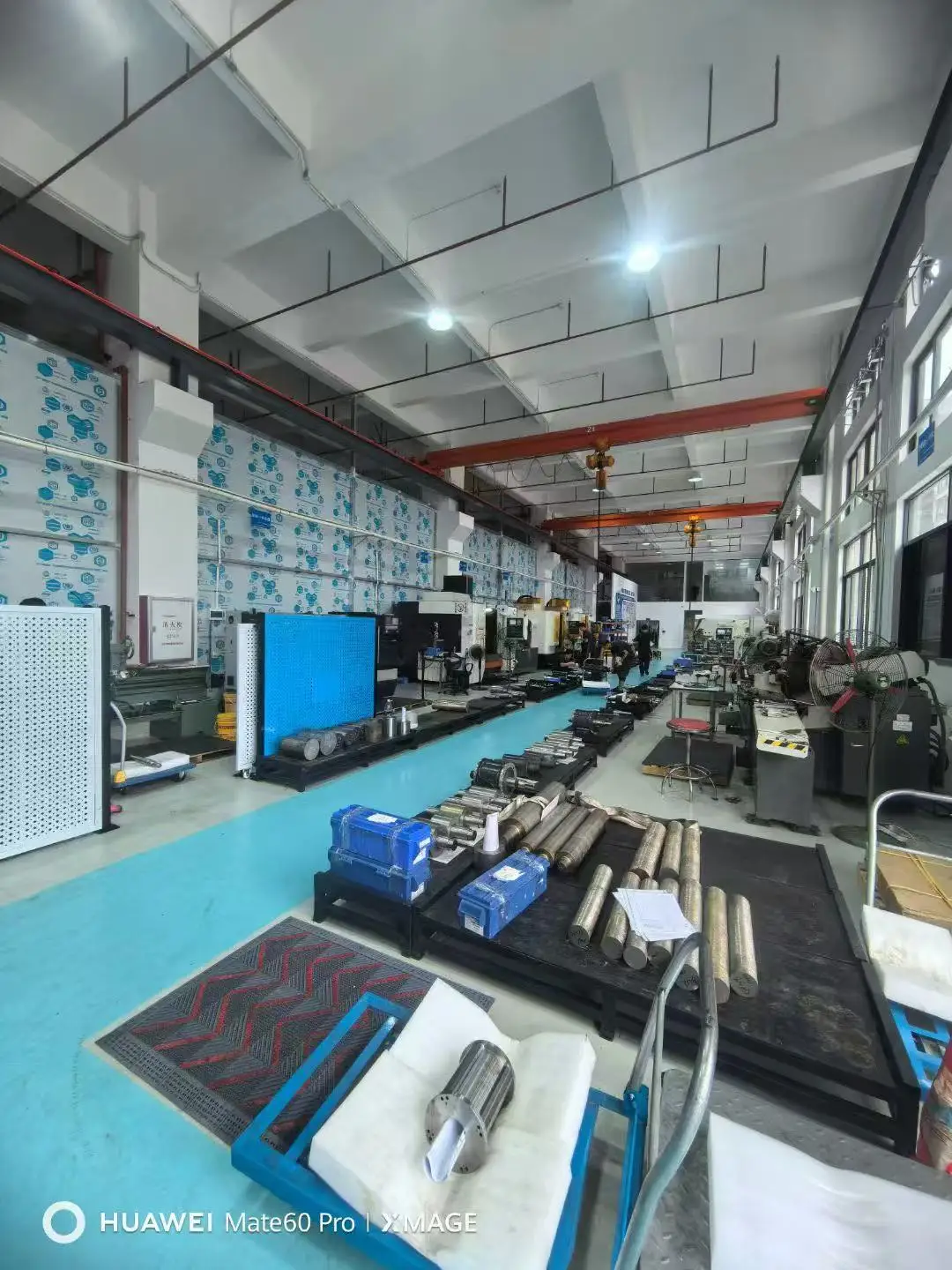
Dongguan Youhaodi Electronic Technology Co., Ltd.
- Manufacturer
- Guangdong, China
- Lead time45 days
- Avg. response≤ 3h
Main productsrotary die machine,Radio,Speaker,Hand crank radio,protable radio
Main marketsAfrica(20.00%), Western Europe(10.00%), Eastern Asia(10.00%), Mid East(10.00%), Domestic Market(5.00%), South Asia(5.00%), Southern Europe(5.00%), Northern Europe(5.00%), Central America(5.00%), Southeast Asia(5.00%), Eastern Europe(5.00%), South America(5.00%), Oceania(5.00%), North America(5.00%)
ZHENGZHOU ALLRAISE COMPANY LTD.
- Verified by TüVRheinland
- Manufacturer, Trading Company
- Lead time19 days
- Avg. response≤ 2h
Main productsPaper Cutting Machine, Paper Cup Making Machine, Printing Machine, Box Making Machine, Book Making Machine
Main marketsAfrica(16%), North America(15%), Eastern Europe(10%)
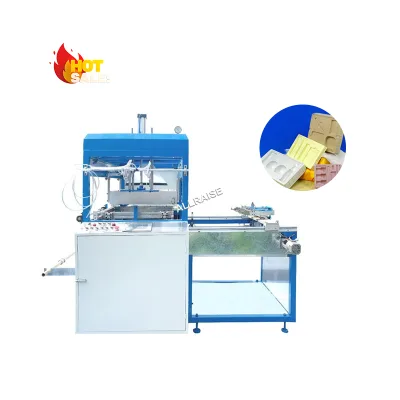
$8491.7351 - $8757.7739
MOQ: 1 sets
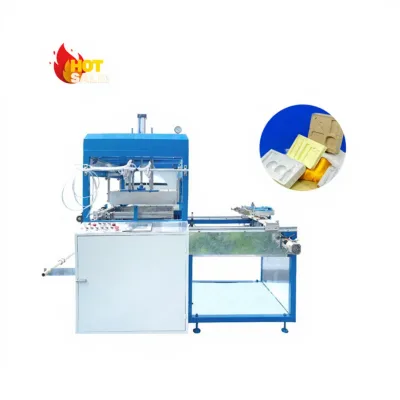

Dongguan Xihua Machinery Technology Co., Ltd.
- Manufacturer/Factory
- China Guangdong
- Lead time38 days
- Avg. response≤ 3h
Main productsFilm Blowing Machine, Two Roll Mill, Vulcanizing Press Machine, Cast Film Machine, Twin Screw Extruder, Fpv Testing Machine, Internal Mixer
Main marketsSouth America,Eastern Europe,Mid East,North America,Southeast Asia,Western Europe

- Trading Company,Manufacturer/Factory
- China Zhejiang
- Lead time60 days
- Avg. response≤ 17h
Main productsPacking Machine, Vacuum Packing Machine, Thermoforming Packing Machine, Sealing Machine, Vacuum Thermoformer, Vacuum Sealer, Packaging Machine, Packing Machinery, Plastic Tube Filling Sealing Machine, China Automatic Form Fill Seal Machine
Main marketsSouth America,Eastern Europe,Mid East,North America,Oceania,Western Europe,Africa


New General Style Automatic Thermoforming Vacuum Machine for Meat Poultry Beef
$58000.00 - $95000.00
MOQ: 1 Pieces


Wide Application Automatic Thermoforming Vacuum Packaging Machine for Foods
$58000.00 - $95000.00
MOQ: 1 Pieces

Shenzhen Hanbeter Technology Co., Ltd.
- Manufacturer
- Guangdong Province, China
- Lead time15 days
- Avg. response≤ 2h
Main productsFood & Beverage Machinery,Drying Equipments,Grain processing machine,Quick Freezing Equipment,Food Packing Machine
Main marketsNorth America(30.00%), Western Europe(15.00%), South America(10.00%), Northern Europe(10.00%), Eastern Europe(10.00%), Southern Europe(5.00%), Central America(3.00%), South Asia(3.00%), Oceania(3.00%), Mid East(3.00%), Domestic Market(2.00%), Africa(2.00%), Eastern Asia(2.00%), Southeast Asia(2.00%)
Zhucheng Guangyuan Packaging Machinery Factory
- Verified by SGS Group
- Manufacturer, Trading Company
- Lead time30 days
- Avg. response≤ 7h
Main productsDouble Chamber Vacuum Packing Machine, Rolling Vaccum Packing Machine, Automatic Thermoforming Vacuuum Packing Machine, Modified Atmosphere and Skin Vacumm Packing Machine, Rotary Vacuum Packing Machine
Main marketsDomestic Market(70%), Eastern Asia(8%), Southeast Asia(7%)
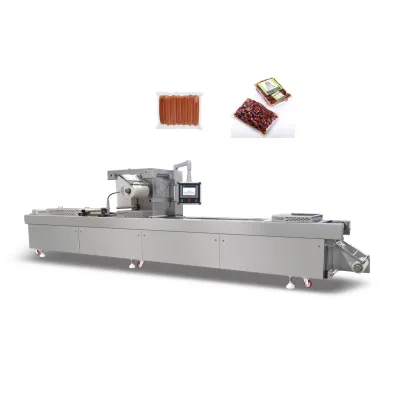
Automatic High Speed Continuous Large Size Vacuum Thermo Forming Machine Food
$30000.00 - $45000.00
MOQ: 1 Minimum
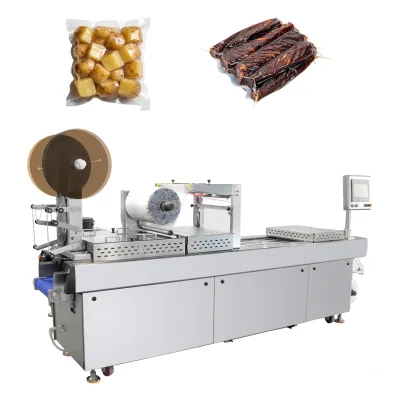
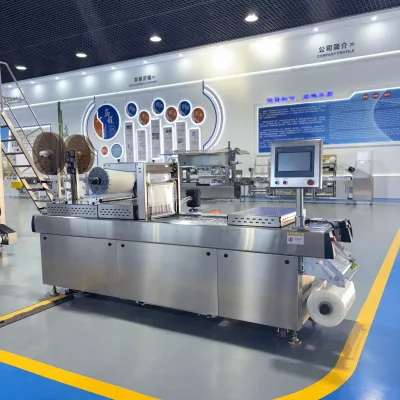
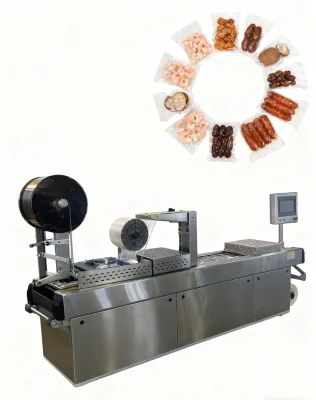
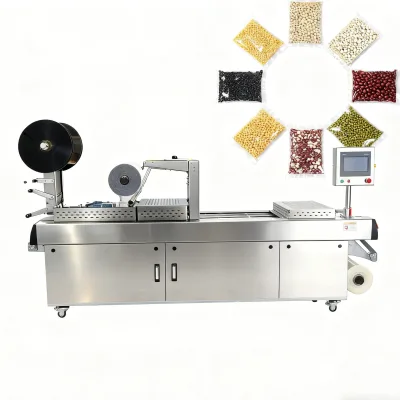
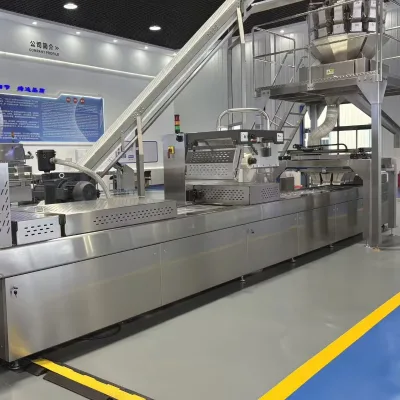
High-Speed Thermoforming Vacuum Package Machine with Multihead Weigher Auxiliary Equipment
$82250.9856
MOQ: 1 Minimum
Zhengzhou Taizy Trading Co., Ltd.
- Verified by TüVRheinland
- Trading Company
- Lead time7 days
- Avg. response≤ 3h
Main productsSnack Frying Machine, Fruit Vegetable Washing Line, Nuts Roasting Seasoning Line, Grain Product Making Machine, Multifunction Packing Machine
Main marketsSoutheast Asia(17%), Domestic Market(14%), North America(11%)
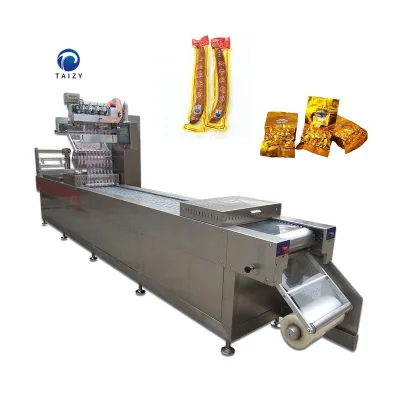
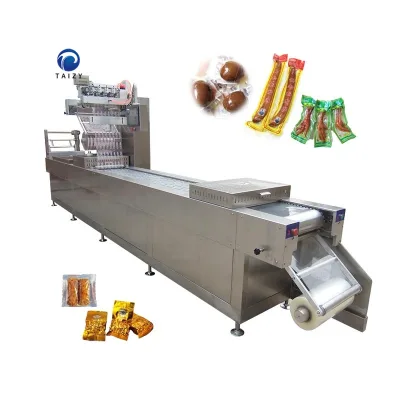
Automatic Stretch Film Thermoforming Meats Vegetable Seafood Vacuum Packaging Machine
$31000.00 - $35000.00
MOQ: 1 sets
$31916.373 - $36034.6147
MOQ: 1 sets

ShangHai LWT Intelligent Technology Co., Ltd.
- Verified by SGS
- Combined
- China Shanghai
- Lead time45 days
- Avg. response≤ 3h
Main productsPalletizer, Robot Palletizer, Packing Machine, Labeling Machine, Carton Erector, De-Palletizer, Carton Sealer, Multifunctional Packaging Machine, Case Packer, Labeller
Main marketsSoutheast Asia/ Mideast

Nantong Boxu Technology Co., Ltd.
- Verified by SGS
- Combined
- China Jiangsu
- Lead time60 days
- Avg. response≤ 1h
Main productsThermoforming Machine
Main marketsDomestic

High-Efficiency Vacuum Forming Equipment for Food Packaging Solutions
$80000.00 - $120000.00
MOQ: 1 set


Longkou Fushi Packing Machinery Co., Ltd.
- Verified by SGS Group
- Manufacturer, Trading Company
- Lead time45 days
- Avg. response≤ 5h
Main productsPS Foam Food Container Production Line, EPE Foam Extruder, Knotless Net Machine, XPE Wall Paper Sticker Production Line, Fruit Cleaning Machine
Main marketsDomestic Market(20%), Africa(17%), Southeast Asia(16%)
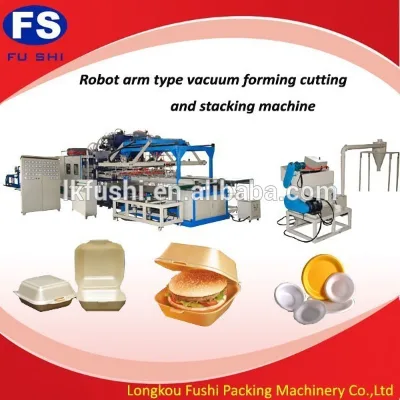
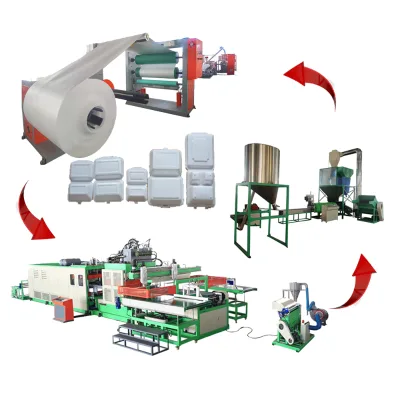
Increase Your Profit Margins With Our Cost-Effective and Low-Maintenance Food Box Making Machine!
$112862.7654
MOQ: 1 Minimum
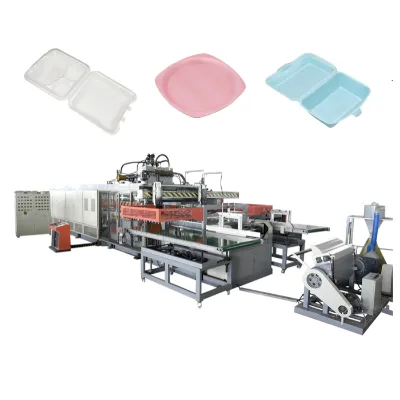
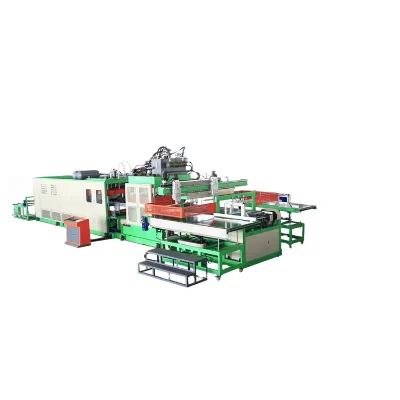
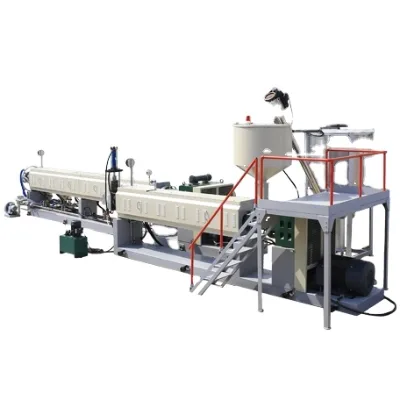
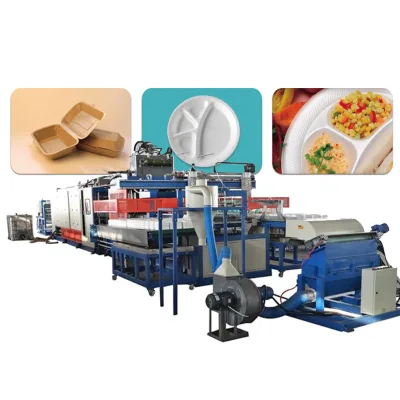
$112707.8722
MOQ: 1 Minimum
Luohe Quality Mechanical Equipment Co., Ltd.
- Verified by SGS Group
- Manufacturer, Trading Company
- Lead time10 days
- Avg. response≤ 2h
Main productsPackaging Machines
Main marketsNorth America(30%), Southeast Asia(20%), Eastern Europe(15%)
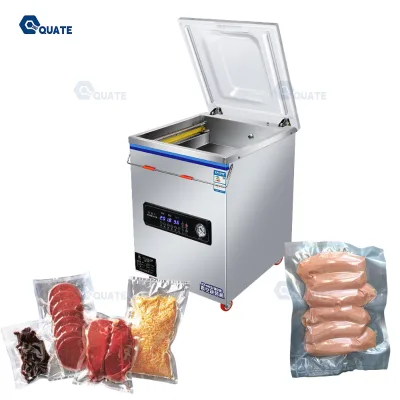
$350.00 - $1000.00
MOQ: 1 Minimum
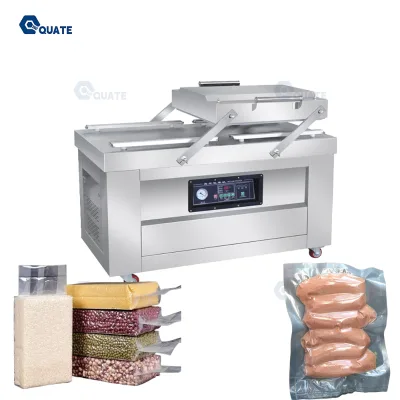
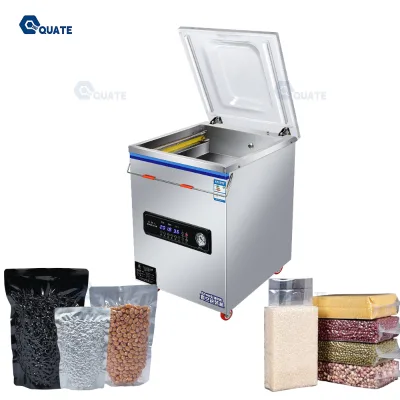
Cheap Thermoforming Packing Machine Food Vacuum Sealer Packaging Machine
$350.00 - $1000.00
MOQ: 1 Minimum
$350.00 - $1000.00
MOQ: 1 Minimum
Wenzhou Daba Machinery Co., Ltd.
- Manufacturer, Trading Company
- Zhejiang, China
- Lead time45 days
- Avg. response≤ 2h
Main productsplastic thermoforming machine,plastic vacuum forming machine,plastic cup thermoforming machine,plastic extruder,thermoforming machine mold
Main marketsSoutheast Asia(20.00%), Africa(15.00%), South America(10.00%), Western Europe(10.00%), Mid East(10.00%), South Asia(5.00%), Southern Europe(5.00%), Northern Europe(5.00%), North America(5.00%), Eastern Asia(5.00%), Eastern Europe(5.00%), Oceania(5.00%)
Ruian Litai Machinery Co., Ltd.
- Verified by Intertek
- Manufacturer, Trading Company
- Lead time30 days
Main productsPlastic Cup Thermoforming Machine, Three Station Thermoforming Machine, Four Station Thermoforming Machine, PP PS Sheet Extruder, Mould
Main marketsMid East(40%), South America(20%), Southeast Asia(15%)


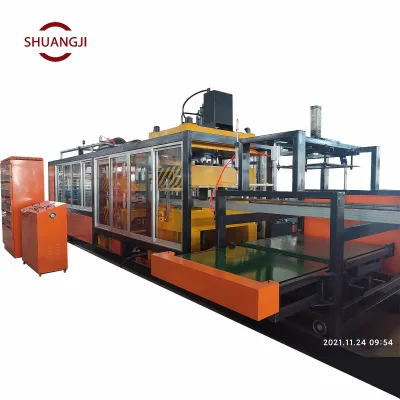
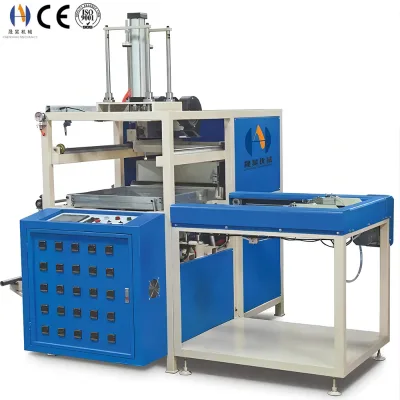
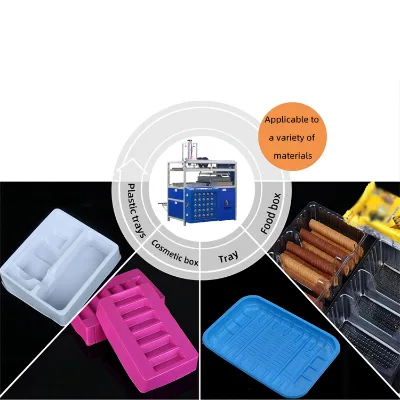
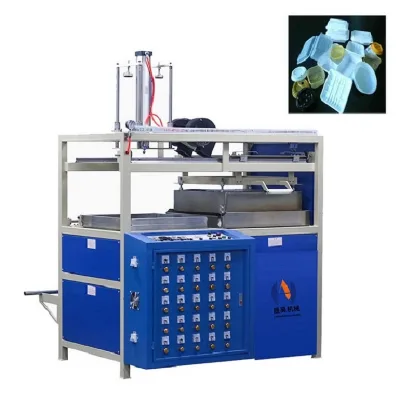


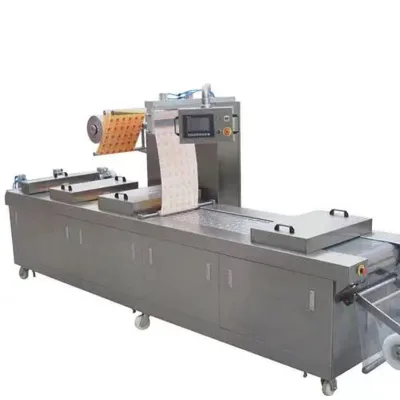


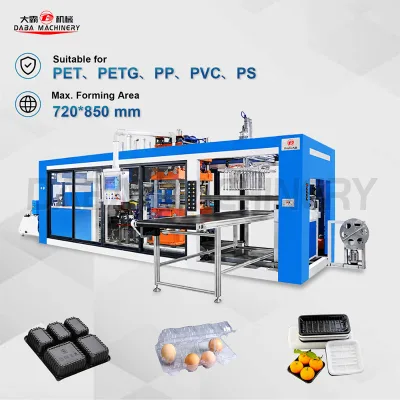
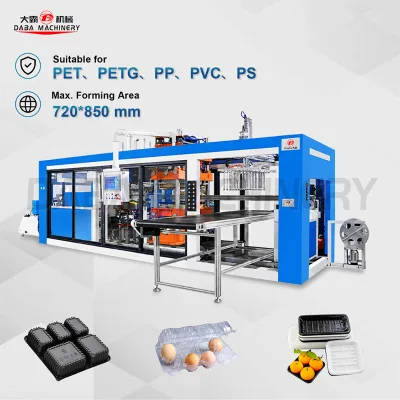
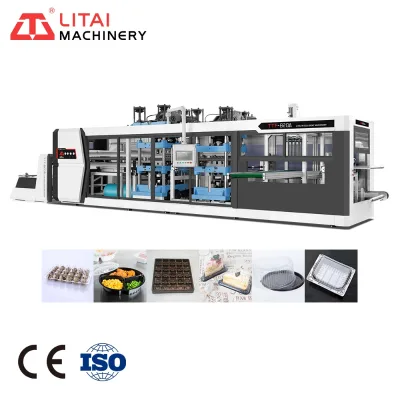
Comprehensive Sourcing Guide
Automatic Food Vacuum Forming Machine Supplier Concentration and Factory Types
Current data indicates that manufacturers of automatic food vacuum forming machines are concentrated in specific Chinese provinces, with Zhejiang and Guangdong emerging as primary industrial hubs. Fact sheets show suppliers located in Zhejiang and Guangdong, China, suggesting these regions host the relevant manufacturing clusters for this equipment. Buyers should prioritize verifying the physical address of any potential partner to confirm they operate within these known industrial zones, as location data is a critical indicator of supply chain maturity. The presence of multiple suppliers in these areas often correlates with established supply chains for raw materials like PS, PVC, and PET sheets, which are essential for the production of food containers and lids.
The supplier landscape includes both pure manufacturers and hybrid entities that function as both factories and trading companies. Evidence confirms that some suppliers list their company type as "Manufacturer/Factory," while others identify as "Manufacturer, Trading Company." This distinction is vital for buyers seeking direct factory pricing versus those who may prefer the logistical support of a trading entity. When evaluating a supplier, buyers must check the company type field to understand the nature of the business relationship. A pure manufacturer typically offers more direct control over production customization, whereas a trading company might provide a broader range of auxiliary services. Verifying the actual factory location against the registered address is a necessary step to ensure the supplier is not merely a middleman claiming manufacturing capabilities.
How to Verify Automatic Food Vacuum Forming Machine Suppliers
Verification begins with scrutinizing the response time and communication efficiency listed in supplier profiles. Data shows response times ranging from 4 to 6.23 hours, which serves as a proxy for operational responsiveness. A supplier with a response time of 4 hours may indicate a more agile support team compared to one taking over six hours. Buyers should test this metric by initiating contact before placing an order to gauge the actual speed of communication. Consistent delays in response can signal potential bottlenecks in production scheduling or customer service, which are critical risks for time-sensitive food packaging projects.
Certifications and technical documentation provide another layer of verification for supplier credibility. Available facts confirm that some suppliers hold ISO 9001 system certification, while others display CE certification. These credentials indicate adherence to specific quality management standards or safety regulations, though the specific scope should be confirmed. Buyers must request copies of these certificates and verify their validity through the issuing bodies. Additionally, product evidence shows that some suppliers provide machinery test reports and video outgoing inspections. Requesting these specific documents allows buyers to validate the machine's performance claims independently before committing to a purchase, ensuring the equipment meets the required operational standards for food safety and production speed.
What to Compare Across Automatic Food Vacuum Forming Suppliers
Buyers should compare lead times and production capacity to align supplier capabilities with project schedules. The observed lead times vary, with some suppliers indicating a 30-day delivery window and others suggesting 45 days. This difference can significantly impact inventory planning and market launch timelines. When comparing suppliers, it is essential to clarify whether the lead time includes mold creation, machine assembly, or shipping. A shorter lead time does not always guarantee faster delivery if the supplier lacks the necessary raw materials or workforce. Buyers must ask for a detailed production schedule to understand the specific milestones within the quoted timeframe.
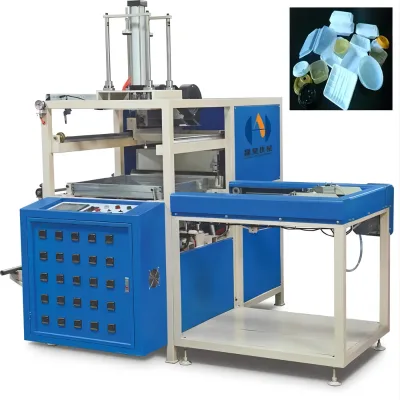
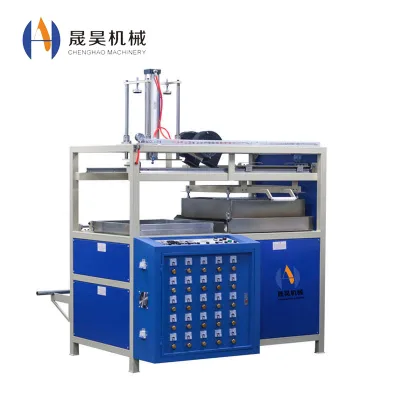
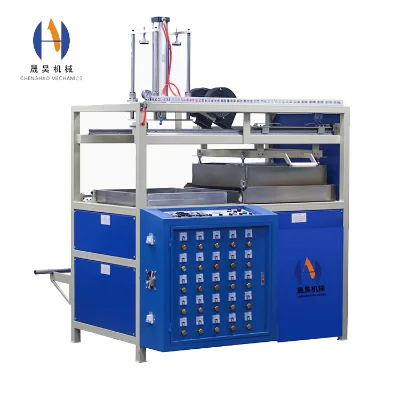
Product specifications and pricing structures offer another critical dimension for comparison. The data reveals price points ranging from approximately 8,500 to 53,000 units, with minimum order quantities (MOQ) as low as one unit for some models. Buyers must analyze the price-to-specification ratio, noting that higher prices often correlate with wider forming widths, such as 620mm versus 400mm, or higher production rates. It is crucial to verify if the quoted price includes customization, as some listings explicitly state customization is available. Comparing the maximum sheet material thickness and forming depth across different models helps determine which machine fits the specific food container requirements. Buyers should not assume all suppliers offer the same range of automation levels or material compatibility without explicit confirmation.
Common Automatic Food Vacuum Forming Machine Sourcing Risks
One significant risk involves the discrepancy between advertised specifications and actual machine performance. Product evidence lists various forming widths and depths, such as 520mm or 620mm, but buyers must verify these dimensions against their specific packaging needs. There is a risk that a machine advertised for food packaging may not handle the specific plastic types required, such as PET or PS, at the claimed thicknesses. Buyers should request a trial run or a detailed video demonstration showing the machine processing the exact material and thickness they intend to use. Relying solely on written specifications without physical or video proof can lead to purchasing equipment that fails to meet production volume or quality standards.
Another risk is the variability in warranty and after-sales support terms. While some product listings mention a one-year warranty, the scope of this coverage is often undefined in general summaries. Buyers must clarify whether the warranty covers core components like PLCs, motors, and gearboxes, or if it is limited to labor only. The presence of a machinery test report and video outgoing inspection is a positive indicator, but it does not guarantee long-term reliability. If a machine breaks down after the warranty period, the cost of replacement parts and technical support can be substantial. Buyers should negotiate clear terms for spare parts availability and technical training to mitigate the risk of prolonged downtime in their food production lines.
Automatic Food Vacuum Forming Machine Regional Sourcing and Logistics
Sourcing from the identified regions of Zhejiang and Guangdong, China, offers logistical advantages due to established port infrastructure and shipping routes. Fact sheets confirm that products originate from these locations, which are major manufacturing hubs with access to international shipping lanes. Buyers should calculate shipping costs based on the specific origin city, as freight rates can vary between ports in Zhejiang and Guangdong. The packaging method, often listed as wooden packaging, is designed to protect the machinery during transit, but buyers must verify if this includes insurance coverage for high-value industrial equipment. Understanding the specific port of loading is essential for accurate freight cost estimation and delivery timeline planning.
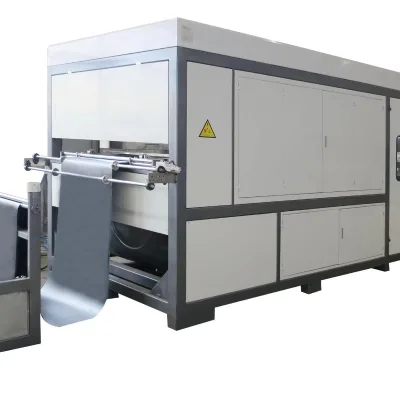
Logistics planning must also account for the physical dimensions of the machinery, which can be substantial. Product attributes list dimensions such as L5500W1500H1900 mm or L8500W2000H2000 mm, indicating that standard shipping containers may require special loading arrangements. Buyers need to confirm if the supplier handles the loading and securing of the machine within the container to prevent damage during transit. Additionally, the weight of the machine, ranging from 0.5 tons to 5.5 tons, impacts the choice of shipping method and the requirements for unloading equipment at the destination. Buyers should coordinate with their freight forwarders early to ensure that the receiving facility has the necessary cranes or forklifts to handle the heavy machinery upon arrival.
Automatic Food Vacuum Forming Machine Commercial Terms and Order Planning
Commercial terms regarding payment and customization availability are pivotal for order planning. Some suppliers indicate that customization is available, which can affect the final price and lead time. Buyers must clarify the cost implications of customizing the machine for specific food container shapes or sizes. The minimum order quantity (MOQ) is often listed as one unit, which allows for smaller initial orders, but buyers should verify if bulk discounts apply for multiple units. Understanding the payment terms, such as the percentage required upfront versus upon shipment, is crucial for cash flow management. Buyers should ensure that the contract clearly defines the conditions under which customization fees are charged and how changes to the order are handled.
Order planning must also consider the production rate and automation level to ensure the machine meets throughput goals. Product data shows production rates ranging from 15 to 30 dies per minute or 120 times per hour, depending on the model. Buyers should calculate the total output required for their food packaging needs and select a machine that can meet this demand without excessive bottlenecks. The automation level, described as "Automatic" in several listings, suggests reduced labor costs but may require more technical expertise for operation. Buyers should plan for staff training and maintenance schedules to maximize the efficiency of the automated system. Ensuring the machine's voltage and power requirements, such as 380V 50HZ, match the local electrical infrastructure is a final critical step before finalizing the order.
FAQs
What is the price range for automatic food vacuum forming machines?
Prices for these machines typically range from $8,500 to $60,000 depending on specifications. Basic models suitable for blister or fruit containers start around $8,500. More complex units for fast food boxes or high-speed production can cost up to $60,000. Buyers should verify exact pricing based on their required forming width and automation level.
What are the typical lead times for manufacturing these machines?
Manufacturers generally require 30 to 45 days to produce and deliver these machines. Suppliers in Guangdong often quote a 30-day lead time, while those in Zhejiang may take up to 45 days. This timeframe covers production, testing, and preparation for wooden packaging. Buyers should confirm specific delivery schedules with their chosen supplier before placing orders.
What is the minimum order quantity for these machines?
The minimum order quantity is typically one unit for most suppliers. This allows buyers to purchase a single machine for initial testing or small-scale production. Since these are heavy industrial items, bulk orders are less common. Buyers should confirm if the supplier offers any volume discounts for purchasing multiple units simultaneously.
What certifications do these machines usually have?
Machines often carry CE certification for European market compliance. Some manufacturers also hold ISO 9001 system certification for quality management. These certifications ensure the equipment meets specific safety and manufacturing standards. Buyers should request valid certificates to verify compliance with their local regulatory requirements before finalizing a purchase.
What materials can these machines process?
These machines can process various plastics including PE, PP, PVC, PET, and PS. Sheet thickness capabilities vary, typically ranging from 0.10mm to 2.0mm depending on the model. Buyers should select a machine that matches their specific material type and thickness requirements. Confirming material compatibility ensures optimal forming results and machine longevity.
What is the typical response time from suppliers?
Suppliers generally respond to inquiries within 4 to 6 hours. Fast response times indicate active sales teams ready to assist with technical questions. Buyers can expect quicker replies from suppliers with lower response metrics. Prompt communication helps resolve technical specifications and pricing details efficiently during the sourcing process.