Vortex Washing Salad Processing Line Suppliers and Manufacturers
Source 21 verified suppliers for Vortex Washing Salad Processing Line equipment. Compare key dimensions including lead times, MOQs, certifications, and response speeds. Review product specifications and request quotes to streamline your procurement process; review the available evidence before requesting comparable quotations from suitable candidates.
Updated
Suppliers List

Jinan Tindo International Co., Ltd.
- Trading Company
- China Shandong
- Lead time15 days
- Avg. response≤ 7h
Main productsCooking Kettle, Popcorn Machine, Roasting Machine, Frying Machine, Vacuum Fryer, Chicken Nuggets Machine, Microwave Drying Machine
Main marketsSoutheast Asia/ Mideast,Europe,North America


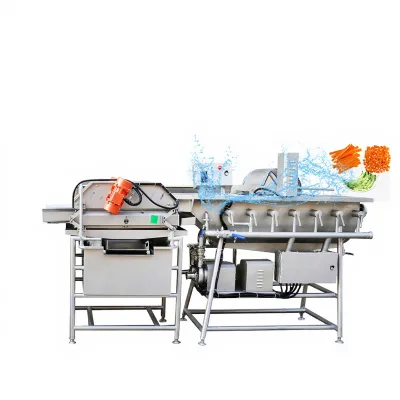
Industrial Vortex Washing Machine Cabbage Cut Washer Salad Process Machine
$9000.00 - $9500.00
MOQ: 1 Pieces

- Verified by SGS
- Combined
- China Shandong
- Lead time30 days
- Avg. response≤ 3h
Main productsCrate/Can/Pallet /Basket Washing Machine, Vegetable /Fruit Washing Cutting Production Line, Continuous Frying Machine, Blanching Machine, Steam Peeling Machine, Vegetable Salad Processing Line, Vegetable /Fruit Peeler, Frozen French Fries Production Line, Garlic Production Line, Vacuum Marinator
Main marketsSouth America,Domestic,Europe

$8690.00 - $13980.00
MOQ: 1 Pieces

$9000.00 - $14600.00
MOQ: 1 Pieces


$8000.00 - $14400.00
MOQ: 1 Pieces

$4190.00 - $15000.00
MOQ: 1 Pieces

$4400.00 - $5600.00
MOQ: 1 Pieces

Shandong Leading Machinery Co., Ltd.
- Manufacturer, Trading Company
- Shandong, China
- Lead time30 days
- Avg. response≤ 2h
Main productsVegetable processing machine,fruit processing machine,meat processing machine,date processing machine,food processing machine
Main marketsMid East(45.00%), Eastern Europe(30.00%), Western Europe(5.00%), North America(5.00%), Africa(5.00%), Southeast Asia(5.00%), South America(5.00%)
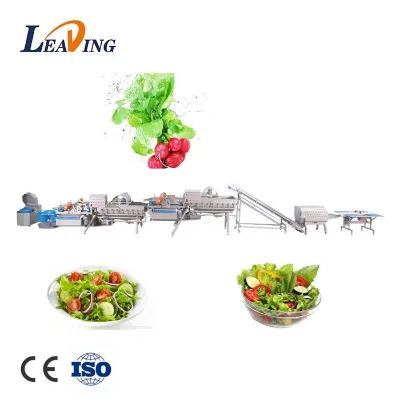
Automatic vortex Type Vegetable Washing Processing Machine Line
$11500.00 - $18500.00
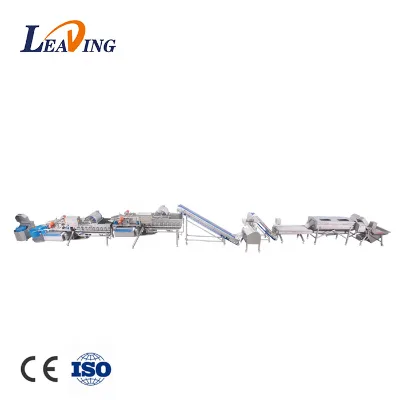
Industrial Automatic Parsley Lettuce Celery Washing Line Salad Vegetable Processing Line
$11500.00 - $18500.00
MOQ: 1 sets
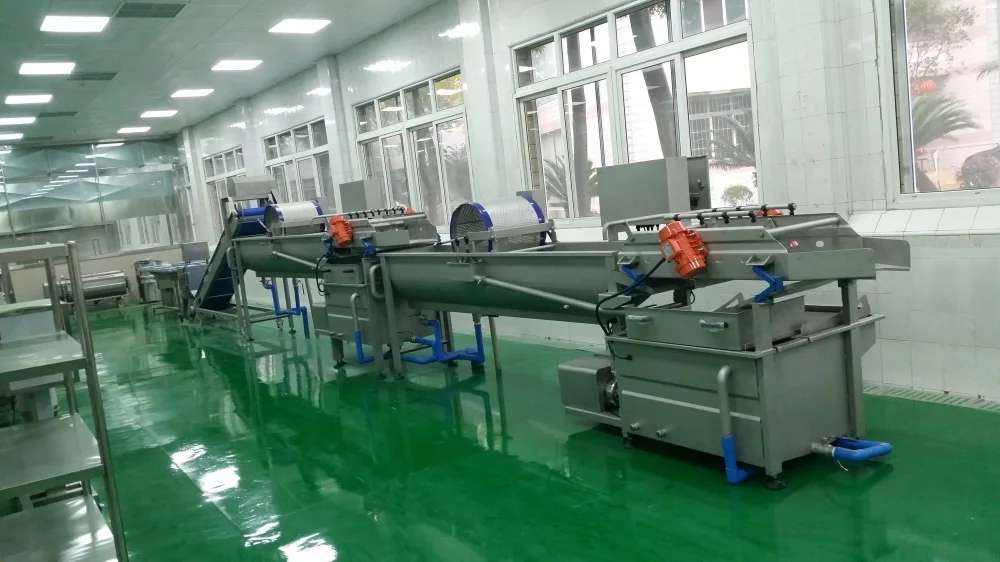
Jinan Zoyo Machinery Technology Co., Ltd.
- Trading Company
- Shandong, China
- Lead time15 days
- Avg. response≤ 4h
Main productsFood and beverage machinery,Packing machine,Meat processing line,Vegetable processing machine,Agricultural machinery
Main marketsDomestic Market(15.00%), Southeast Asia(15.00%), Eastern Asia(14.00%), Mid East(10.00%), South Asia(10.00%), Northern Europe(5.00%), South America(5.00%), Western Europe(5.00%), Eastern Europe(5.00%), Africa(5.00%), North America(5.00%), Central America(2.00%), Oceania(2.00%), Southern Europe(2.00%)

Zhucheng Maikang Mechanical and Electrical Technology Co., Ltd.
- Verified by SGS
- Combined
- China Shandong
- Lead time30 days
- Avg. response≤ 1h
Main productsCrate Washing Machine, Fruit Washing Machine, Vegetable Washing Machine, Fruit and Vegetable Cutting Machine, Juice Extractor, Heat Pump Drying Oven, Meat Cutting Machine, Continuous Pasteurizing and Cooling Line, Blanching and Cooling Line, Steaming and Cooking Machine
Main marketsSoutheast Asia/ Mideast,Domestic

$8900.00 - $11140.00
MOQ: 1 Sets

$8900.00 - $11140.00
MOQ: 1 Sets

Automatic Vegetable and Salad Processing Line for Cutting Washing Drying of Leafy Lettuce Vegetables
$8900.00 - $11140.00
MOQ: 1 Sets
Henan Huafood Machinery Technology Co., Ltd.
- Manufacturer, Trading Company
- Henan, China
- Lead time20 days
- Avg. response≤ 7h
Main productsvegetable washing machine,fruit washing line,fruit washing machine and sorting,carrot production line,frozen strawberry production line
Main marketsSouth America(30.00%), Southeast Asia(30.00%), Domestic Market(10.00%), North America(10.00%), Eastern Europe(10.00%), Mid East(5.00%), Africa(2.00%), Western Europe(2.00%), Southern Europe(1.00%)
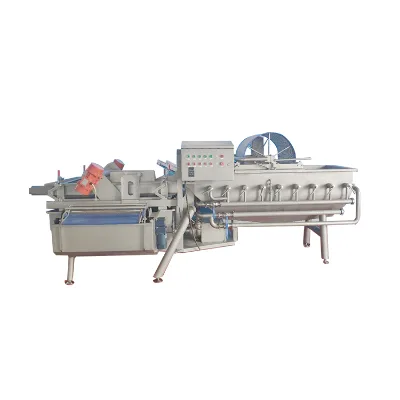
$20000.00 - $25000.00
MOQ: 1 sets
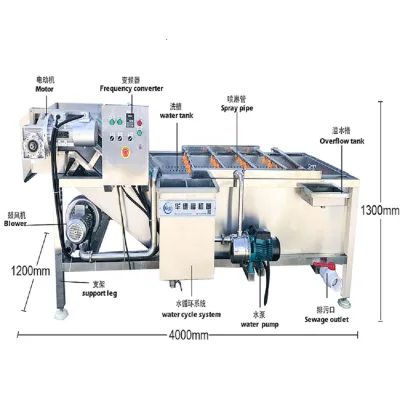
Hot Sale Cleaner Cleaning Equipment Vegetable Processing Packing Line Salad Washing Machine
$3200.00 - $3500.00
MOQ: 1 sets
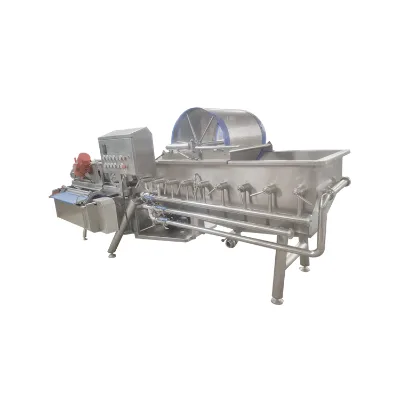
$20000.00 - $25000.00
MOQ: 1 sets
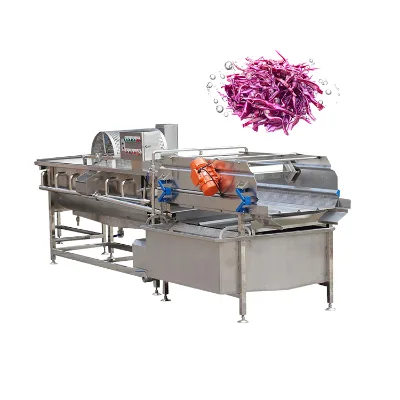
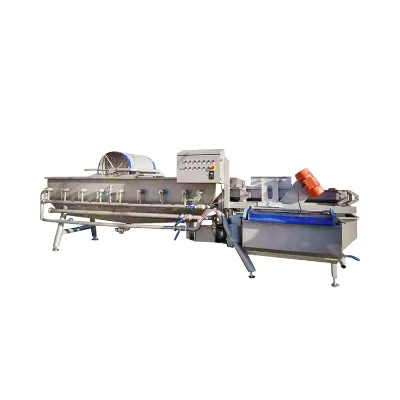
Smart Salad Production System for Chain Restaurants Fruit and Vegetable Processing Line
$7343.5947 - $8917.2222
MOQ: 1 sets
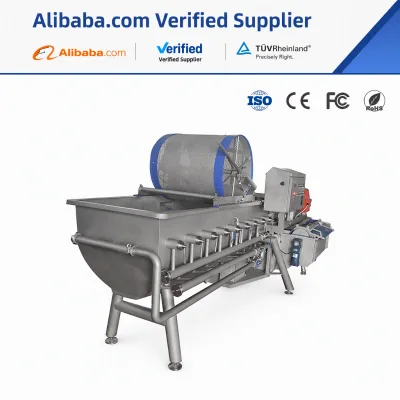
Zhengzhou Lonkia Machinery Co., Ltd.
- Verified by SGS Group
- Manufacturer, Trading Company
- Lead time15 days
- Avg. response≤ 2h
Main productsFrozen Vegetable Processing Line, Frozen Potato french fries Production Line, Frying Machine, Steam Peeling Machine, Crate Washer
Main marketsEastern Europe(21%), Southeast Asia(17%), South America(12%)
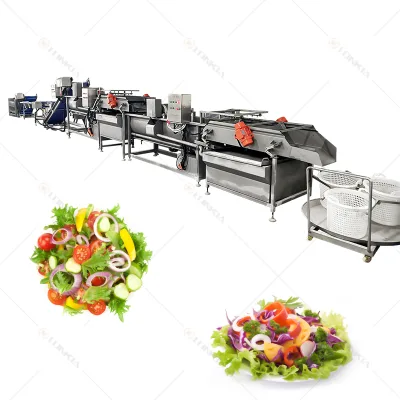
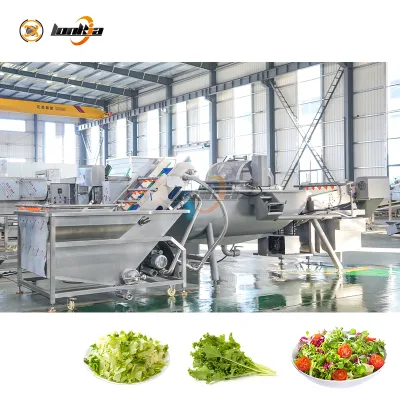
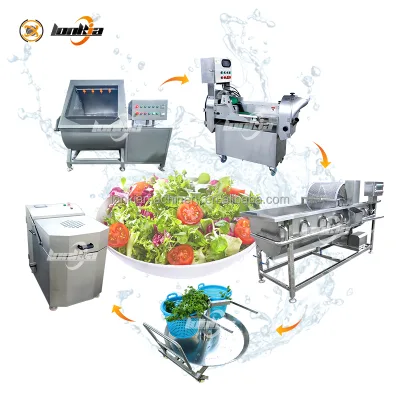
Small Scale Leafy Greens Processing Line Fresh Vegetable Salad Vortex Washing Shredding Drying LIne
$9110.5682 - $10352.9184
MOQ: 1 sets
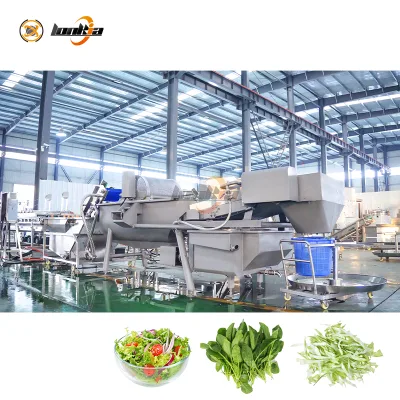
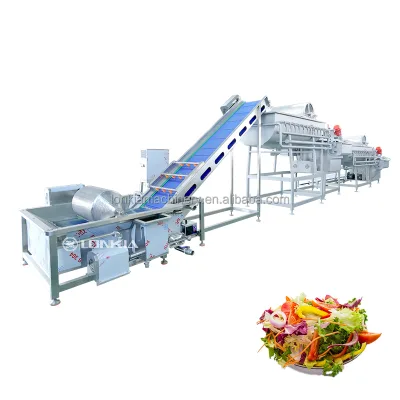
$8200.00 - $12000.00
MOQ: 1 Minimum
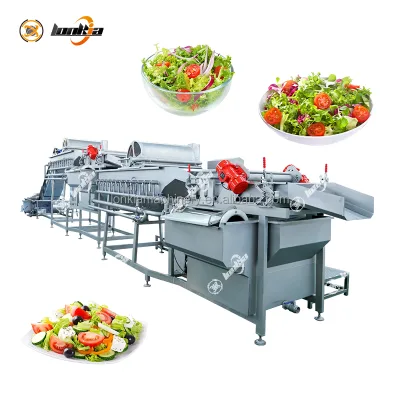
$9200.00 - $10500.00
MOQ: 1
Zhengzhou Havery Machinery Technology Co., Ltd.
- Verified by Intertek
- Trading Company
- Lead time20 days
- Avg. response≤ 7h
Main productsFruit Vegetable Washing Equipments, Food Processing Lines, Fruit Vegetable Grading Machine, Fruit Vegetable Processing Machines, Fruit and Vegetable Cleaning Production Line

Zhucheng Tianshun Machinery Co., Ltd.
- Verified by TUVRHEINLAND
- Combined
- China Shandong
- Lead time15 days
- Avg. response≤ 2h
Main productsFood Machine, Frying Machine, Vacuum Packaging Machine, Vegetable Washing Machine, Drying Machine, Potato Chips Frying Machine, Fully Automatic Fried Pasta Machine, French Fries Frying Machine, Package Cleaning Machine, Blanching Machine
Main marketsSouth America,Europe

Salad Vegetable Cutting Slicer Drying Cleaning Washer Vortex Washing Processing Line Machine
$68500.00 - $78500.00
MOQ: 1 Pieces


Zhaoqing Fengxiang Food Machinery Co., Ltd.
- Manufacturer, Trading Company
- Lead time旺季: "1 - 1":15,"> 1":"To be negotiated", 淡季: "1 - 1":15,"> 1":"To be negotiated"
- Avg. response≤ 2h
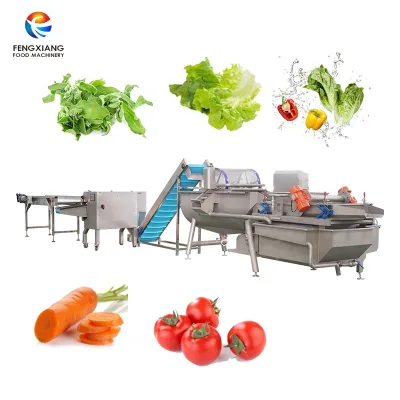
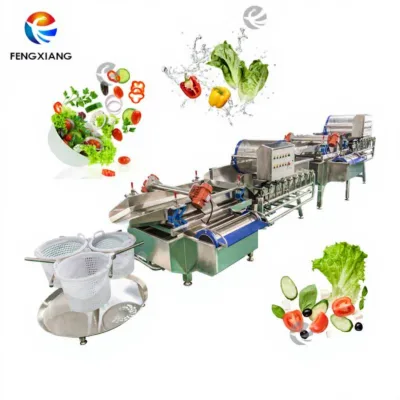
Main productsFruit Processing Line, Salad Vegetable Processing Line, Root Vegetable Processing Line, Fruit And Vegetable Peeling Machine, Fruit And Vegetable Washing Machine
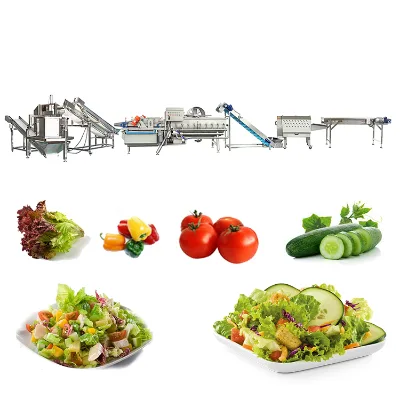
Vegetable Salad Production Line- Vegetable Processing Lines Salad Cutting Washing Drying Lines
$8258.00 - $8500.00
MOQ: 1
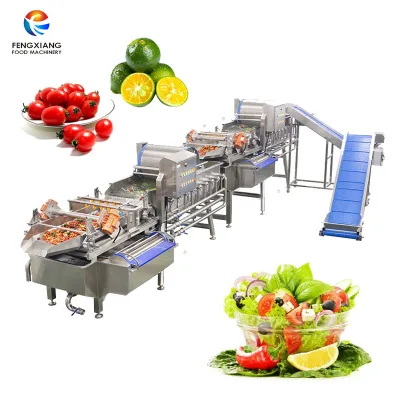
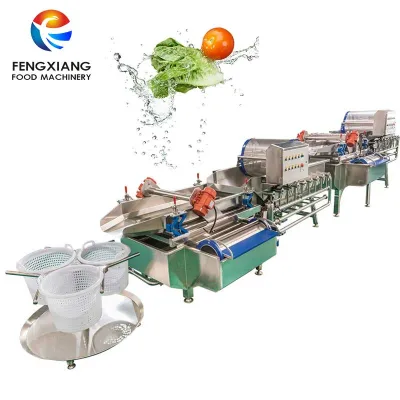
Henger Manufacturing (Shandong) Machinery Technology Co., Ltd.
- Verified by Intertek
- Manufacturer, Trading Company
- Lead time20 days
- Avg. response≤ 1h
Main productsDairy Processing Machine, Food Processing Machine and Accessories, Fruit Paste Production Line , Beverage Production Line, Cold Room Storage
Main marketsSouth America(35%), North America(20%), Southeast Asia(16%)
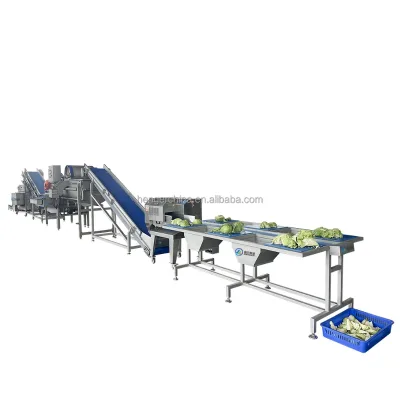
Salad Processing Line Grape Citrus Cabbage Fruit Fresh Vegetables Processing Cleaning Line
$26164.5688
MOQ: 1 Minimum
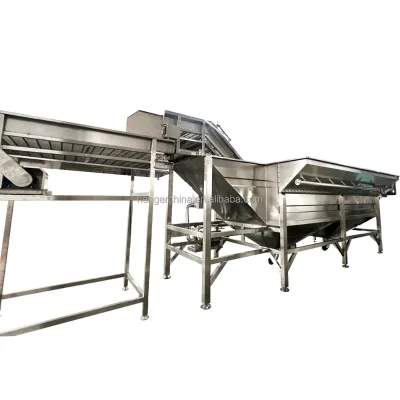
Ozone Vegetable Salad Washer Fruit Citrus Jujube Cherry Washing Cleaner Processing Line
$30753.8255
MOQ: 1 Minimum
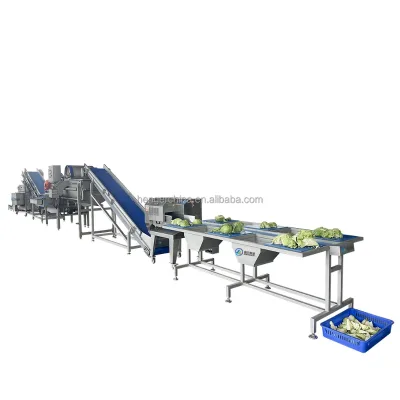
$40263.9125 - $42328.7814
MOQ: 1 sets
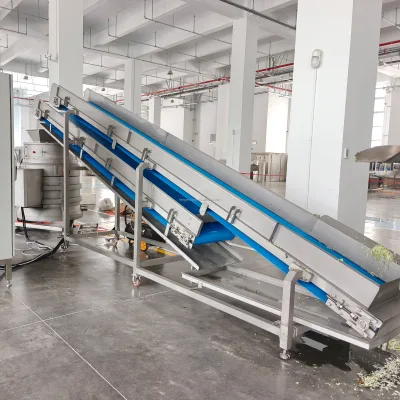
Raw Vegetable Wash Line Ginger Mango Orange Salad Washing Sorting Waxing Drying Line
$8000.00
MOQ: 1 Minimum

Zhaoqing Hexu Machinery Co., Ltd.
- Verified by SGS
- Trading Company,Manufacturer/Factory
- China Guangdong
- Lead time15 days
- Avg. response≤ 4h
Main productsCheese Cutting Machine, Vegetable and Fruit Washing Machine, Vegetable and Fruit Cutting Machine, Vegetable and Fruit Peeling Machine, Vegetable Dehydrating Machine, Juice Extractor Machine, Meat Cutting Machine, Fish Peeling Machine, Vegetable Processing Line, Potato Chips French Fries Processing Line
Main marketsSouth America,Eastern Europe,Mid East,North America,Southeast Asia,Eastern Asia,Oceania,Western Europe,Africa
- Verified by Intertek
- Manufacturer, Trading Company
- Lead time0 days
- Avg. response≤ 1h
Main productsJacketed Kettle, Meat Processing Machine, Vegetable Processing Machine, Dairy Machine
Main marketsEastern Europe(24%), Africa(19%), Eastern Europe(18%)
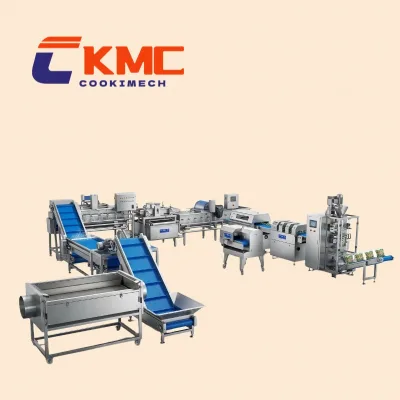
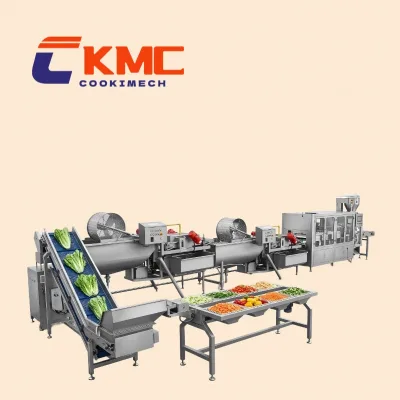
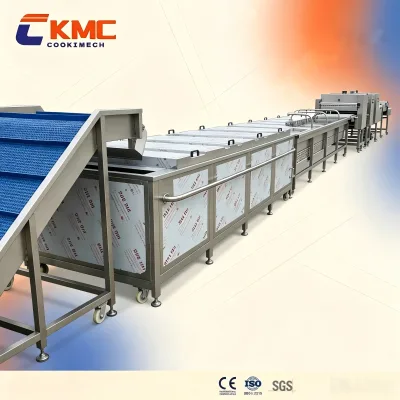
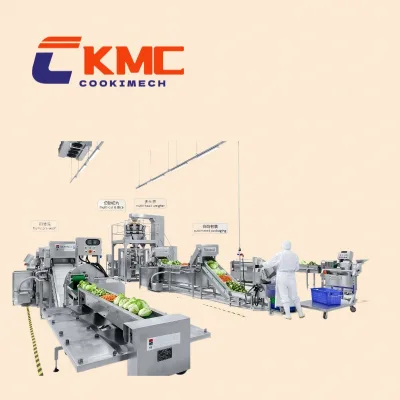
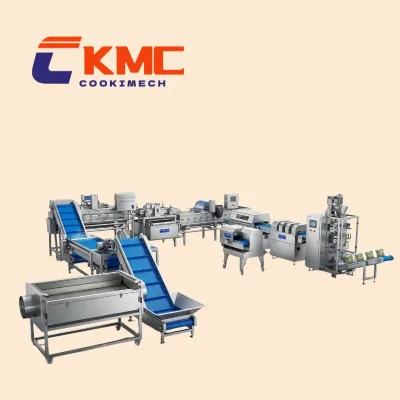
Industrial Production Line for Pre-cut Salad Vegetables
$24900.00 - $25000.00

HENAN SHULIY MACHINERY CO., LTD.
- Verified by TUVRHEINLAND
- Trading Company
- China Henan
- Lead time30 days
- Avg. response≤ 6h
Main productsPacking Machinery, Food Processing Machinery, Agriculture Processing Machinery, Wood Processing Machinery, Charcoal Processing Machinery, Plastic Processing Machinery, Waste Recycling Machinery, Metal Processing Machinery, Paper Processing Machinery
Main marketsAfrica,Southeast Asia/ Mideast,Europe,North America

Bubble Vortex Salad Leafy Vegetable Washing and Cleaning Machine Process Line
$10000.00 - $48000.00
MOQ: 1 Pieces

$10000.00 - $48000.00
MOQ: 1 Pieces

$10000.00 - $48000.00
MOQ: 1 Pieces

High Quanlity Salad Washing and Cleaning Processing Line Vegetable Washing and Drying Machine
$3500.00 - $6500.00
MOQ: 1 set

Zhengzhou Shuliy Machinery Co., Ltd.
- Verified by SGS
- Trading Company,Manufacturer/Factory
- China Henan
- Lead time0 days
- Avg. response≤ 5h
Main productsPacking Machinery, Food Processing Machinery, Agriculture Processing Machinery, Wood Processing Machinery, Plastic Processing Machinery, Charcoal Processing Machinery, Baler Machinery, Recycling Machinery, Metal Processing Machinery

Vortex Washing Machine Bean Sprouts Washing Machine Lettuce Salad Washing Processing
$3000.00 - $5000.00
MOQ: 1 set


Zhucheng Lijie Food Machinery Co.,Ltd.
- Verified by BV
- Combined
- China Shandong
- Lead time30 days
- Avg. response≤ 2h
Main productsPotato Chips Frying Machine, Hot Air Drying Machine, Bubble Washing Machine, Fruit&Vegetable Cutting Machine, Frying Machine, Air Drying Machine, Washing and Hot Air Drying Line, Frozen French Fries Production Line, Turnover Basket Washing Machine, Auxiliary Machine
Main marketsAfrica,Southeast Asia/ Mideast,East Asia(Japan/ South Korea)

Guangdong Shenghui Machinery Co., Ltd
- Verified by TUVRHEINLAND
- Combined
- China Guangdong
- Lead time23 days
- Avg. response≤ 9h
Main productsFood Machine, Vegetable Cutting Machine, Vegetable Washing Machine, Fruit Cleaning Machine, Bone Sawing Machine, Grinding Machine, Peeling Machine, Packing Machine, Fish Skinning Machine, Fish Extraction Machine
Main marketsSoutheast Asia/ Mideast,Domestic

$145000.00 - $150000.00
MOQ: 1 pc

Automatic Vortex Vegetable Cleaning Dewatering Processing Line Equipment Food Machine
$145000.00 - $150000.00
MOQ: 1 pc

Large Salad Cutting Cleaning Dewatering Processing Line Equipment Vegetable Washing Machinery
$145000.00 - $150000.00
MOQ: 1 pc

Large Leafty Vegetable Processing Line Salad Cutting Washing Drying Machinery
$145000.00 - $150000.00
MOQ: 1 pc

$145000.00 - $150000.00
MOQ: 1 pc
Henan H&d Industrial Co., Ltd.
- Trading Company
- Henan, China
- Lead time7 days
- Avg. response≤ 1h
Main productsFood Machinery,Farm Machinery,Vending Machine,Beverages Machinery,Juicing Machine
Main marketsNorth America(40.00%), Northern Europe(10.00%), Southeast Asia(10.00%), South Asia(5.00%), Central America(5.00%), Eastern Europe(5.00%), Western Europe(5.00%), South America(5.00%), Mid East(5.00%), Oceania(5.00%), Africa(5.00%)
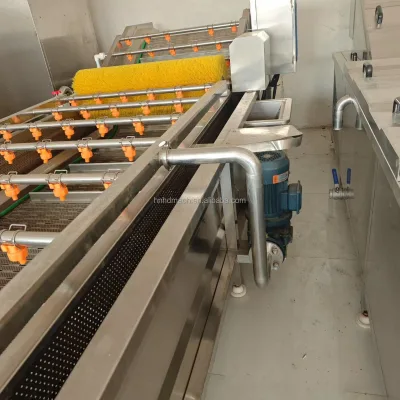
$4150.00 - $9380.00
MOQ: 1 sets
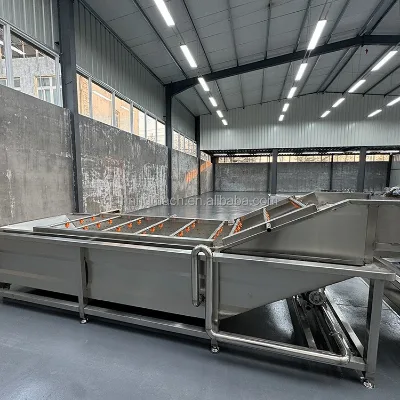
$4150.00 - $9380.00
MOQ: 1 sets
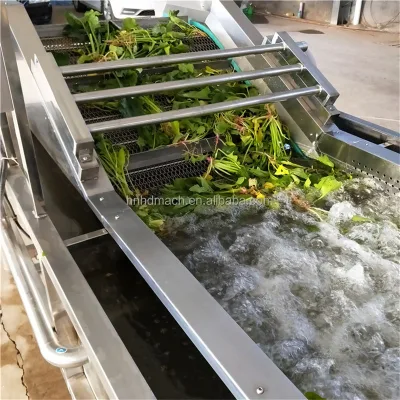

Shandong Hede Food Machinery Co., Ltd.
- Verified by SGS
- Combined
- China Shandong
- Lead time15 days
- Avg. response≤ 2h
Main productsFrench Fries and Potato Chips Production Line, Vegetable Processing Production Line, Frying Machine, Vacuum Freeze Dryer, Crate Washer
Main marketsSoutheast Asia/ Mideast,Europe,North America

Industry Professional Stainless Steel Salad Vegetables Vortex Cleaning Washing Drying Machine Line
$10900.00 - $11000.00
MOQ: 1 Pieces

Vegetables Sliced Greens Lettuce Salad Continuous Vortex Cleaning Air Bubble Washing Line
$10900.00 - $11000.00
MOQ: 1 Pieces
Gainjoys Technology (Shenyang) Co., Ltd.
- Verified by TüVRheinland
- Trading Company
- Lead time15 days
Main productsFruit And Vegetable Processing Equipment, Tomato Paste Production Line, Fruit Juice Production Line, Juice Drinks And Beverage Production Line, Packing Machine
Main marketsNorth America(20%), Eastern Europe(20%), Western Europe(20%)
Zhengzhou Hongle Machinery Equipment Co., Ltd.
- Verified by SGS Group
- Manufacturer, Trading Company
- Lead time15 days
- Avg. response≤ 4h
Main productsFruit and Vegetables Production Line, Chicken Feet Production Line, Packing Machine Production Line, Nut Processing Line, Frying Production Line
Main marketsCentral America(20%), Africa(15%), Southern Europe(10%)


Comprehensive Sourcing Guide
Vortex Washing Salad Processing Line Supplier Concentration and Factory Types
The available data indicates a significant concentration of suppliers operating from Shandong, China, specifically within the industrial machinery sector. This region appears to host a mix of trading companies and combined entities that function as both manufacturers and traders. The product evidence lists specific machinery types such as vortex washing machines, salad processing lines, and vegetable cleaning equipment, suggesting a specialized cluster for food processing technology. Buyers should verify if the specific factory they engage with is a direct manufacturer or a trading intermediary, as this distinction impacts control over production quality and customization capabilities.
Factory types vary across the results, with some entities identified strictly as trading companies while others are labeled as combined manufacturers and traders. This structural difference is critical for buyers seeking custom modifications or specific engineering inputs. A combined entity may offer more flexibility in adapting the vortex washing line to unique facility requirements, whereas a pure trading company might rely on third-party factories for production. Buyers must confirm the actual production origin and the extent of in-house engineering capabilities before committing to a large order, ensuring the supplier can deliver the specific technical specifications required for their operation.
How to Verify Vortex Washing Salad Processing Line Suppliers
Verification begins with checking for recognized system certifications and third-party audit results. Some supplier records indicate the presence of ISO9001:2015 certificates, while others list CE certification or SGS verification status. These credentials serve as foundational proof of quality management systems and product safety compliance. Buyers should request current copies of these documents directly from the supplier rather than relying solely on profile summaries. The absence of a listed certification in a profile does not necessarily mean a supplier lacks one, but it requires immediate confirmation to ensure the machinery meets international safety and operational standards.
Response time and verification status provide additional layers of supplier reliability assessment. Data shows response times ranging from approximately 2 to 6.71 hours, which can indicate the efficiency of the sales and technical support teams. A faster response often correlates with better communication channels and more active account management. Additionally, the presence of verification badges like SGS suggests that the supplier has undergone external scrutiny. Buyers should prioritize suppliers with verified status and rapid response metrics, as these factors often predict smoother interactions during the negotiation and post-sales support phases of the procurement process.
What to Compare Across Vortex Washing Salad Processing Line Suppliers
When evaluating potential partners, buyers must compare lead times and minimum order quantities to align with their production schedules. The observed data reveals lead times varying from 15 to 30 days, with some suppliers offering delivery periods as short as 7 days or extending up to 45 days. Minimum order quantities also differ, with some suppliers accepting orders for a single set while others may have higher thresholds. Understanding these constraints is essential for inventory planning and cash flow management. Buyers should explicitly ask for the current lead time for their specific configuration, as production schedules can fluctuate based on order volume and component availability.
Price ranges and customization options represent another critical comparison point. Product listings show price variations from roughly 4,190 to 35,000 units of currency, depending on the complexity and capacity of the line. Customization is frequently listed as available, allowing for tailored voltage, material specifications like SUS304, and automated operations such as PLC control. Buyers should compare the scope of customization offered against the price differential to determine the best value. It is vital to clarify exactly what is included in the base price versus what incurs additional costs for custom branding, specific dimensions, or specialized components like motors and bearings.
Common Vortex Washing Salad Processing Line Sourcing Risks
One significant risk involves the discrepancy between advertised capabilities and actual production capacity. While some profiles claim combined manufacturer and trading company status, the actual factory floor might be limited in output or rely heavily on subcontractors. This can lead to delays or quality inconsistencies if the supplier cannot manage the full production cycle internally. Buyers should request proof of recent production capacity or visit the facility if possible to validate the claims made in the product listings. Relying solely on marketing descriptions without physical verification can result in supply chain disruptions.
Another risk pertains to the clarity of technical specifications and after-sales support. Although many listings mention core components like bearings and motors, the specific brands or quality grades are often not detailed. This ambiguity can lead to receiving machinery with lower-grade parts that fail prematurely. Furthermore, the availability of spare parts and technical support varies by supplier. Buyers must confirm the warranty terms, the availability of replacement parts, and the supplier's ability to provide remote or on-site troubleshooting. Without clear agreements on these support mechanisms, operational downtime can become a costly issue for the buyer.
Vortex Washing Salad Processing Line Regional Sourcing and Logistics
The concentration of suppliers in Shandong, China, offers logistical advantages for buyers sourcing from this region. The proximity of multiple manufacturers in a single industrial hub can simplify the coordination of shipping and reduce transit times for components. However, buyers must verify the specific port of loading and the packaging standards used for export. Product evidence indicates the use of plywood cases and wooden cases, which are standard for heavy machinery but require specific handling to prevent damage during transit. Understanding the packaging requirements is crucial for ensuring the equipment arrives in pristine condition.
Logistics planning also involves assessing the delivery period and the supplier's experience with international shipping. Some suppliers list delivery periods ranging from 7 to 45 days, which includes both production and shipping time. Buyers should clarify whether the quoted delivery period includes customs clearance and final delivery to their facility or if it stops at the port of destination. Incoterms play a vital role in defining these responsibilities. Buyers need to confirm who handles freight forwarding, insurance, and customs duties to avoid unexpected costs or delays. Clear communication regarding the logistics chain ensures a predictable timeline for the installation and commissioning of the new processing line.
Vortex Washing Salad Processing Line Commercial Terms and Order Planning
Commercial terms regarding payment and escrow are fundamental to securing a safe transaction. While specific payment terms vary, the presence of escrow services can provide a layer of financial security for buyers. Buyers should inquire about the specific escrow conditions and the milestones required to release funds. This ensures that payments are tied to tangible progress, such as the completion of manufacturing, successful testing, or shipment. Understanding these terms helps mitigate the risk of financial loss if the supplier fails to meet their obligations. Buyers should never agree to terms that do not offer adequate protection for their investment.
Order planning must account for the customization process and the final acceptance criteria. Since many suppliers offer customized options for voltage, material, and automation, the final product specifications must be documented in a detailed purchase order. Buyers should establish clear acceptance criteria, including performance metrics like processing capacity and energy consumption. The supplier's ability to support inspection and testing, as noted in some product attributes, is a key factor in this planning phase. Buyers should schedule third-party inspections if necessary to verify that the delivered machinery matches the agreed-upon specifications before finalizing the payment and accepting the equipment.
FAQs
What is the price range for vortex washing salad processing lines?
Prices for these lines typically range from approximately $4,190 to $35,000 depending on capacity and features. Basic vortex washers start near $4,400, while comprehensive processing lines with drying and cutting capabilities can reach up to $35,000. Buyers should verify specific pricing for their required throughput and configuration needs.
What is the minimum order quantity for these machines?
The minimum order quantity is generally one set or unit for most suppliers. This allows buyers to test equipment quality before committing to larger orders. Some listings explicitly state an MOQ of one set, making it accessible for small-scale operations or initial procurement trials without significant volume commitments.
How long does delivery take for these processing lines?
Lead times typically range from 15 to 30 days for standard orders. Some suppliers indicate a delivery period of 7 to 45 days depending on customization and production schedules. Buyers should confirm exact timelines with suppliers, as complex configurations or high-volume orders may extend the manufacturing and shipping duration.
Are these machines made from stainless steel?
Yes, most machines are constructed from Stainless Steel 304 or SUS304 material. This ensures durability, corrosion resistance, and compliance with food safety standards. The material is suitable for use in farms, restaurants, and central kitchens, providing a hygienic surface for washing and processing fresh vegetables and salad greens effectively.
What certifications do these suppliers hold?
Certifications vary by supplier, with some holding ISO9001:2015 or CE marks. One supplier is verified by SGS, indicating third-party validation. Buyers should request specific certification documents to ensure compliance with local regulations and quality standards, as not all manufacturers provide the same level of system certification or verification.
Where are these suppliers located?
Suppliers are primarily located in Shandong, China. This region is a known hub for food processing machinery manufacturing. Buyers can expect products to originate from this area, which may influence shipping logistics and lead times. Verifying the exact city or district can help assess local supply chain efficiency.