Bolt-on Off-road Steel Bumper Suppliers and Manufacturers
Compare 18 verified suppliers offering bolt-on off-road steel bumper options with varying lead times, response speeds, and certifications like ISO9001:2015. Review product attributes such as material and customization before contacting sales for samples; review the available evidence before requesting comparable quotations from suitable candidates.
Updated
Suppliers List

- Verified by SGS
- Trading Company
- China Liaoning
- Lead time23 days
- Avg. response≤ 5h
Main productsStand up Pouch, Filter Cloth, Dust Filter Bag, Car Seat Cover, Control Room Console, Meeting Table, Food Packaging Bag, Zipper Bag, Modern Smart Console, Coffee Desk
Main marketsSouth America,Africa,Southeast Asia/ Mideast,North America

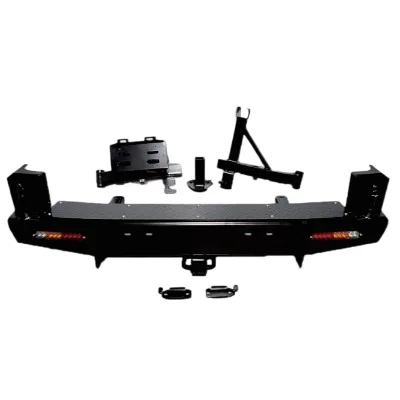
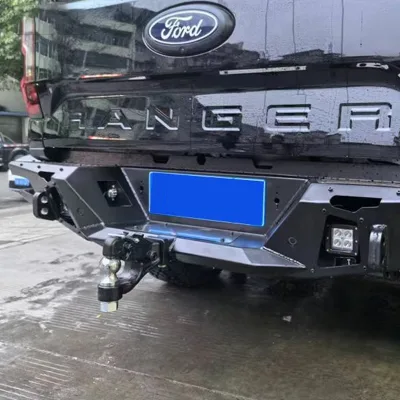
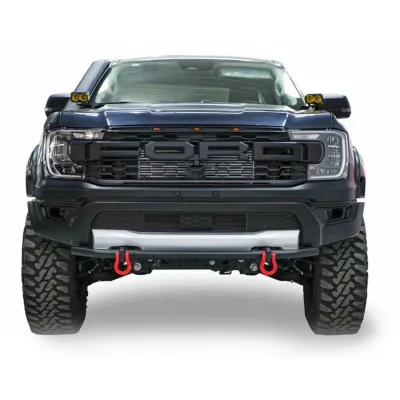
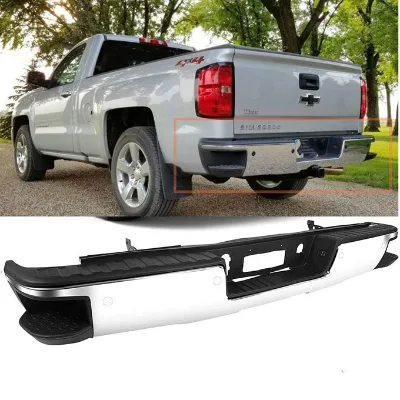
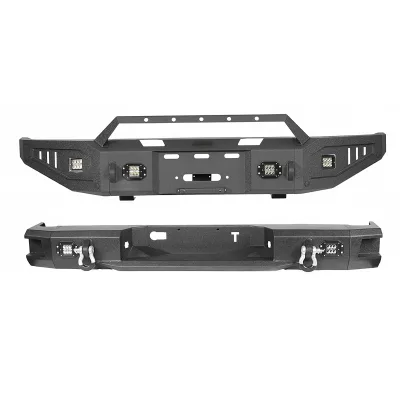
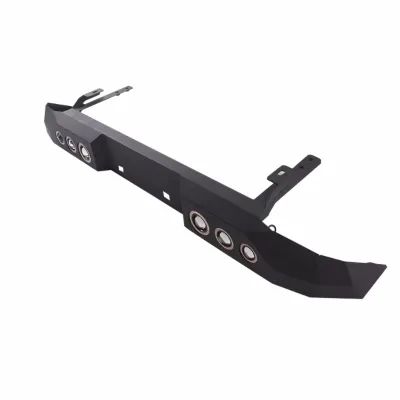
Pickup Truck Rear Bumper with Tire Carrier - Heavy Duty Steel Bumper for off-Road Adventure
$205.00 - $425.00
MOQ: 1 Pieces

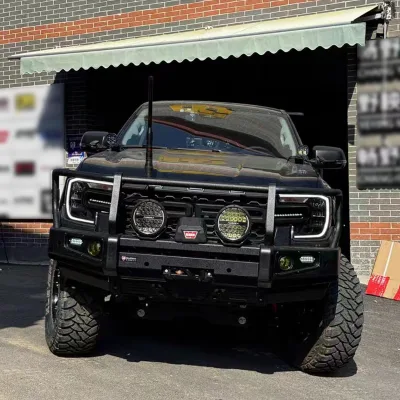
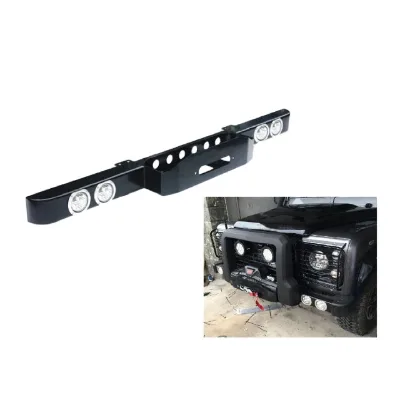
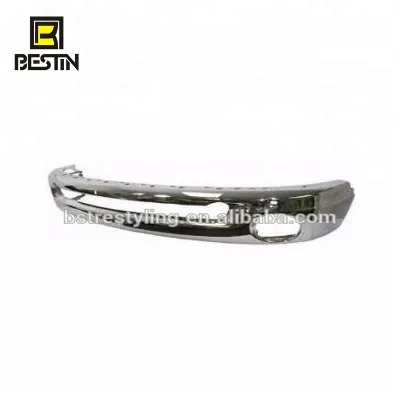
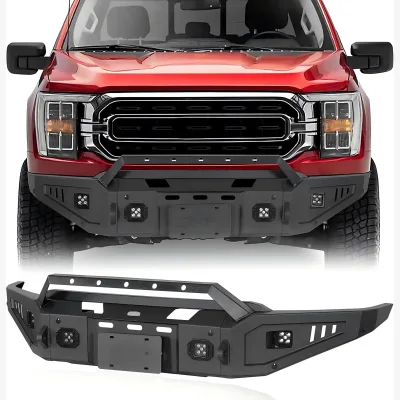
Deer Guard Bumper with LED Lights Mount - Heavy Duty Front Bumper for Night off-Road
$205.00 - $425.00
MOQ: 1 Pieces

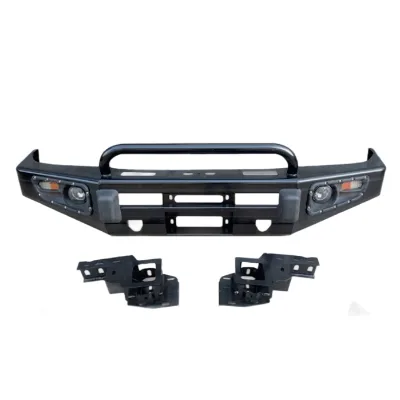
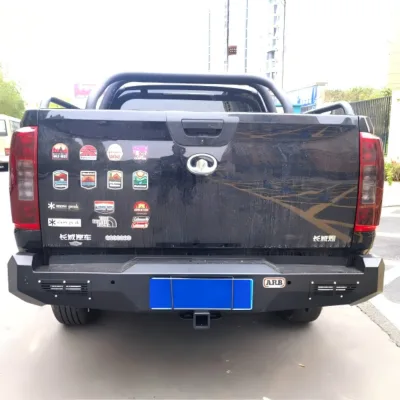
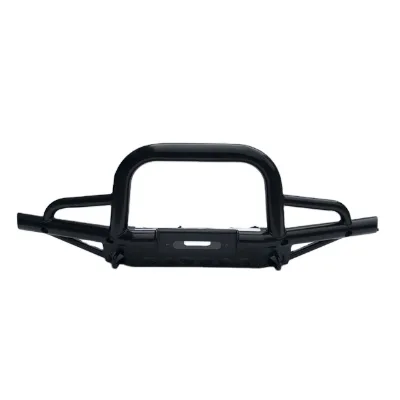
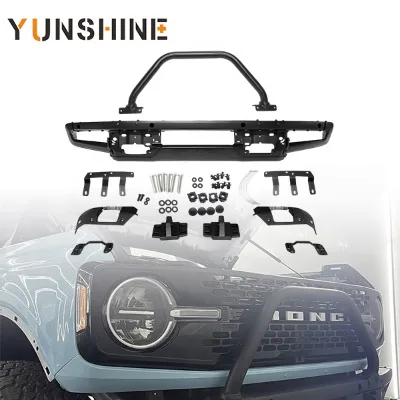
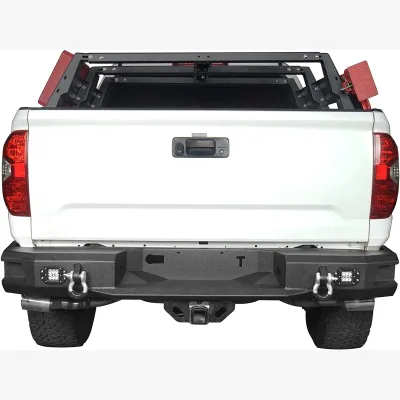
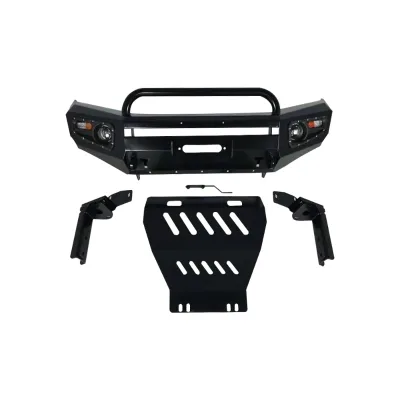
Truck Bumper- Heavy Duty Steel Front Bumper with Hoop and D-Ring Mount
$205.00 - $425.00
MOQ: 1 Pieces


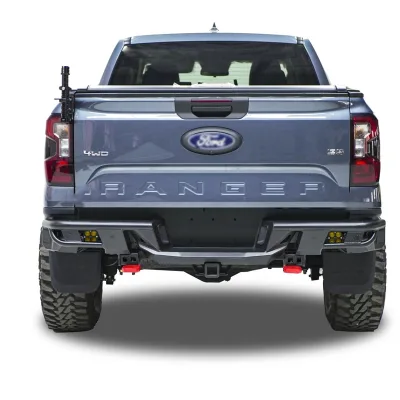
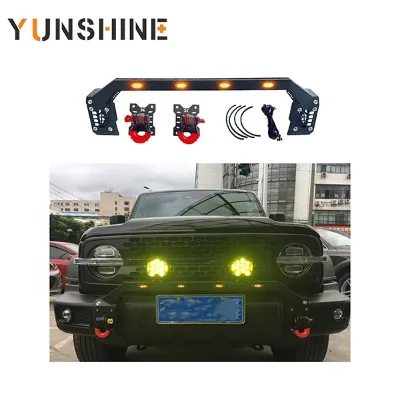
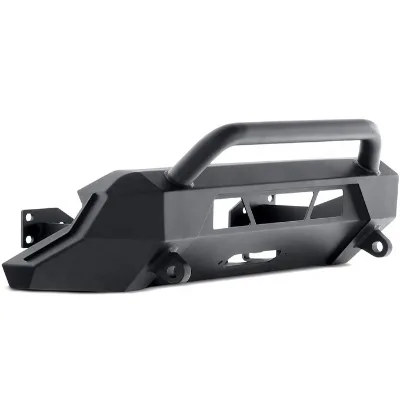
Truck Bumper - Heavy Duty Steel Front Bumper Winch Ready Prerunner Style
$205.00 - $425.00
MOQ: 1 Pieces

Henan Wanye Technology Co., Ltd.
- Trading Company
- Henan, China
- Lead time30 days
- Avg. response≤ 1h
Main productsshock absorber,body kit,off-road upgrade,lift kits
Main marketsNorth America(50.00%), South Asia(10.00%), Central America(10.00%), Mid East(10.00%), Southeast Asia(10.00%), South America(10.00%)

Taizhou Tuocai Moulding Co., Ltd.
- Verified by TUVRHEINLAND
- Combined
- China Zhejiang
- Lead time60 days
- Avg. response≤ 1h
Main productsMould, Plastic Mould
Main marketsOthers(foreignTradeCapacity.exportBusinessCapacityMarketOther)


Ultra Durable Scratch Resistant Front Replacement off Road Bumpers
$170000.00 - $200000.00
MOQ: 1 Sets

Changzhou Yueze Automotive Equipment Co., Ltd.
- Verified by CTI
- Trading Company
- China Jiangsu
- Lead time15 days
- Avg. response≤ 4h
Main productsRoof Light Bar, Front Bumper, Car Roof Rack, Side Step, Rear Bumper, Roll Bar, Skid Plate, Rear Hatch Ladder, Car Grille, off-Road Vehicle Accessories
Main marketsSouth America,Africa,Southeast Asia/ Mideast,East Asia(Japan/ South Korea),Domestic,Europe,Australia,North America

Ningbo Beilun Loveyoung Auto Accessories Co., Ltd.
- Verified by BV
- Trading Company,Manufacturer/Factory,Group Corporation
- China Zhejiang
- Lead time23 days
- Avg. response≤ 4h
Main productsCar Roof Racks, Bike Racks, Cargo Carrier, Steering Wheel Lock, Kayak Racks, Motorcycle Carrier, Trailer Parts, Air Compressor, Steel Bumper, off-Road Parts
Main marketsSouth America,Eastern Europe,Mid East,North America,Southeast Asia,Eastern Asia,Oceania,Western Europe,Africa


Steel Material Front Bumper Rear Towing Hitch Bumper Steel Bull Bar off Road for LC76/78/79
$281.00 - $310.00
MOQ: 1 pieces
NINGBO AUTOSPEED AUTO PARTS CO., LTD.
- Verified by Intertek
- Trading Company
- Zhejiang, China
- Lead time0 days
- Avg. response≤ 9h
Main productsBumper, Roof Rack
Main marketsNorth America(66%), Southeast Asia(27%), Northern Europe(7%)
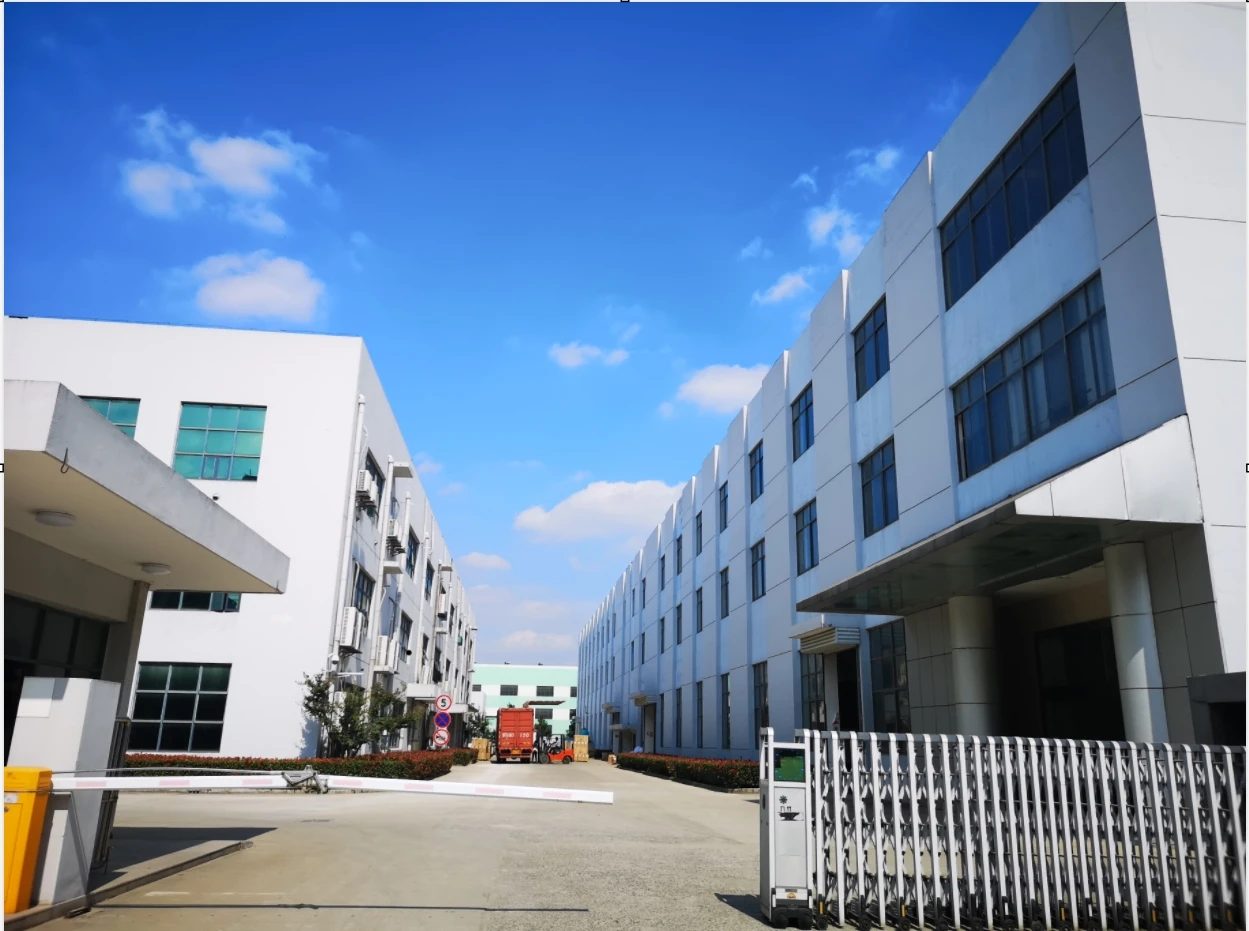
Changzhou Yunshine Import&export Co., Ltd.
- Trading Company
- Jiangsu, China
- Lead time10 days
- Avg. response≤ 4h
Main productsAutomobile Body Kits
Main marketsSouth America(25.00%), North America(25.00%), Eastern Europe(15.00%), Southern Europe(10.00%), Northern Europe(10.00%), Western Europe(8.00%), Domestic Market(1.00%), South Asia(1.00%), Africa(1.00%), Southeast Asia(1.00%), Central America(1.00%), Mid East(1.00%), Eastern Asia(1.00%)

- Verified by SGS
- Trading Company
- China Liaoning
- Lead time0 days
- Avg. response≤ 3h
Main productsRing Pull Cap, Glass Bottle, Pet Preform, Beverage Production Line, Trigger Sprayer, Bottle Cap, Crown Cap, I-Beam Crossmember, Blow Molding Machine, PVC Pet Rigid Film
Main marketsAfrica,Europe
Changzhou Yuxuan Vehicle Decoration Co., Ltd.
- Verified by SGS Group
- Manufacturer, Trading Company
- Lead time15 days
- Avg. response≤ 8h
Main productsSide Step, Body Kits, Bumper, Radiator Grille, Roof Luggage Rack
Main marketsDomestic Market(50%), Southeast Asia(15%), Africa(15%)
Guangzhou Bisitai Auto Accessories Co., Ltd.
- Manufacturer
- Guangdong, China
- Lead time30 days
- Avg. response≤ 8h
Main products4x4 Fender Flares,4x4 Roof trays,4x4 Grilles,4x4 Bumpers,Pickup Trucks Accessories
Main marketsNorth America(80.00%), Northern Europe(10.00%), Mid East(10.00%)
- Manufacturer
- Guangdong, China
- Lead time30 days
- Avg. response≤ 7h
Main productsAutomotive Bumper,Tonneau Cover,Roll Bar,Fender Flares,Automotive Side Step
Main marketsNorth America(50.00%), Southeast Asia(23.00%), South America(5.00%), Eastern Asia(3.00%), Mid East(3.00%), Domestic Market(2.00%), Northern Europe(2.00%), South Asia(2.00%), Western Europe(2.00%), Africa(2.00%), Eastern Europe(2.00%), Oceania(2.00%), Southern Europe(1.00%), Central America(1.00%)
Ningbo Aopeck Auto Parts Co., Ltd.
- Trading Company
- Zhejiang, China
- Lead time0 days
- Avg. response≤ 6h
Main productsshock absrber,coil spring,front bumper,grille,luggage roof
Main marketsNorth America(10.00%), South America(10.00%), Eastern Europe(10.00%), Mid East(10.00%), Western Europe(10.00%), Central America(10.00%), Northern Europe(10.00%), Southern Europe(10.00%), Southeast Asia(5.00%), Africa(5.00%), Eastern Asia(5.00%), South Asia(5.00%)
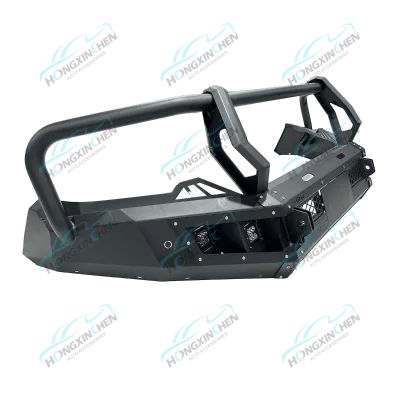
Foshan Hongxinchen Automotive Supplies Co., Ltd.
- Verified by TüVRheinland
- Manufacturer, Trading Company
- Lead time0 days
- Avg. response≤ 1h
Main productsBumper, Sport Bar, Roof Rack, Snorkel
Main marketsSoutheast Asia(40%), North America(30%), Domestic Market(15%)
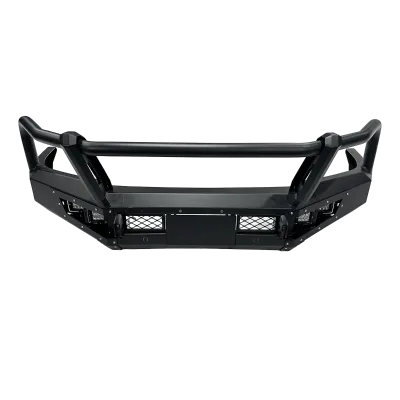
$251.2041 - $333.2301
MOQ: 10 units
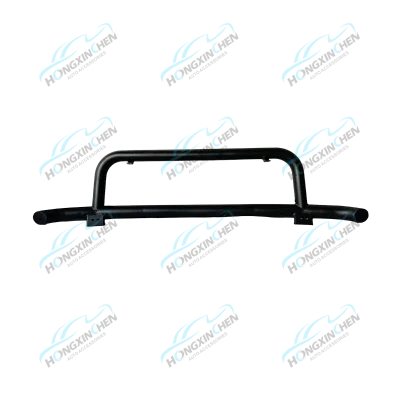
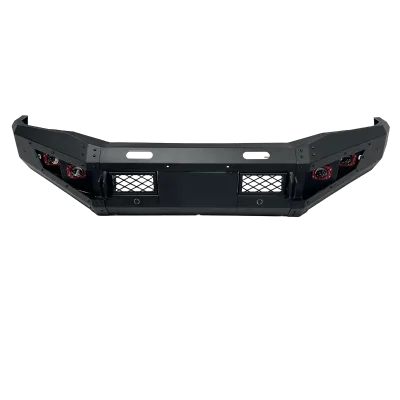
Customized Front Bumper Steel Front Bumper Front Bumper Supply in Chinese Factory on Sale
$55.00 - $65.00
MOQ: 10 units
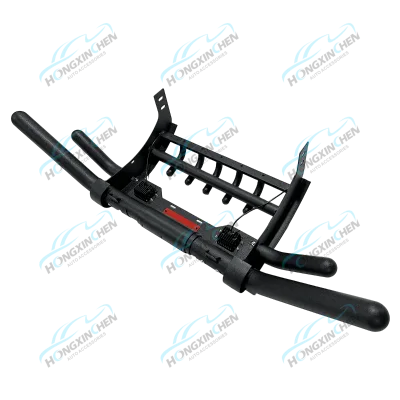
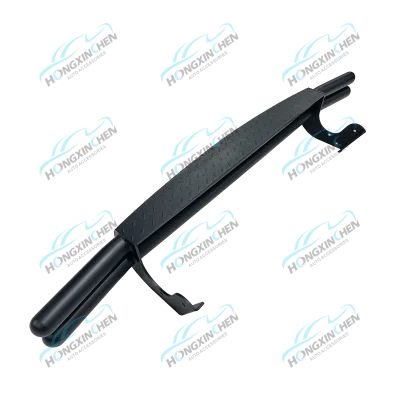
$90.1526 - $114.2644
MOQ: 10 units
Henan Xin Pickup Auto Parts Co., Ltd.
- Verified by Intertek
- Trading Company
- Lead time10 days
- Avg. response≤ 2h
Main productsTonneau Cover, Bed Liner, Roll Bars, Pickup Truck Canopy
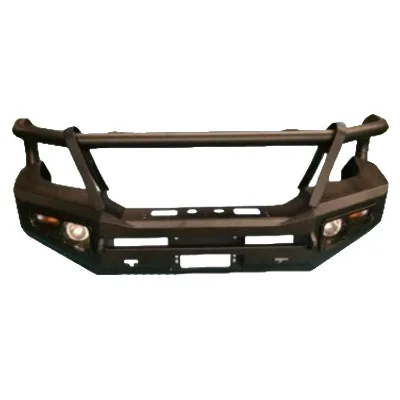
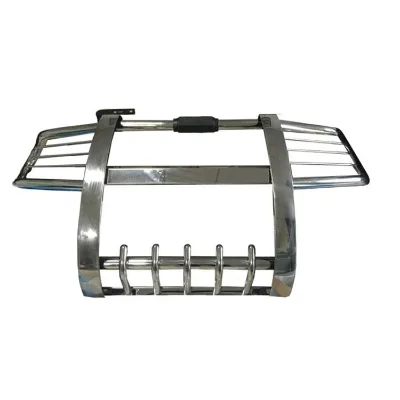
Wholesale China 4x4 Offroad Steel Car Bumper Front for NAVARA Car Bumper
$334.3746 - $437.2587
MOQ: 10 sets
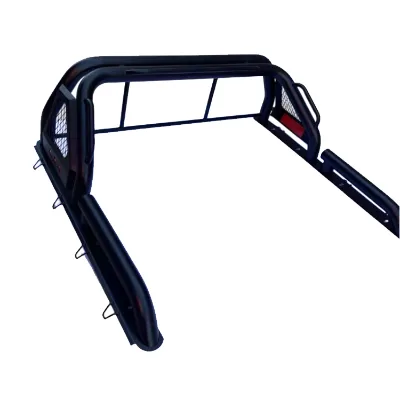
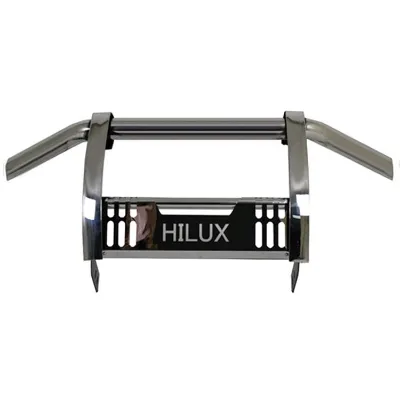
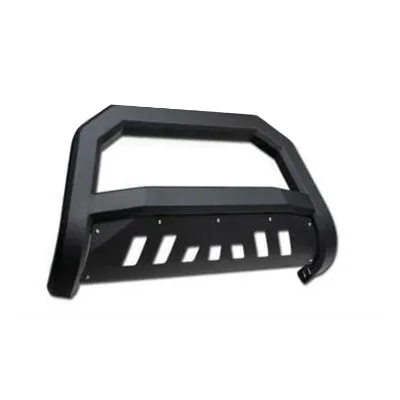
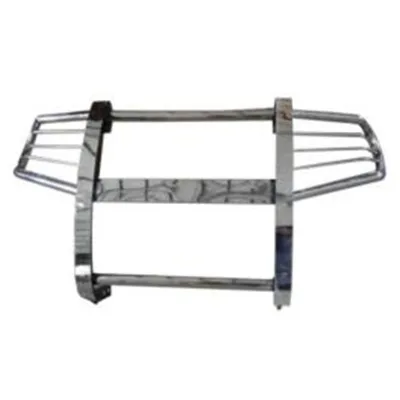
OEM High Quality Front Bumper 4x4 Offroad Bull bar for Land Cruiser 150 Series
$75.00 - $90.00
MOQ: 10
CHANGZHOU XIN RUI IMP&EXP CO., LTD.
- Trading Company
- Jiangsu, China
- Lead time0 days
- Avg. response≤ 3h
Main productsAUTO PARTS,SIDE STEP,HOOD,GRILLE,4x4 ACCESSORY
Main marketsNorth America(50.00%), Southern Europe(10.00%), Northern Europe(10.00%), Western Europe(10.00%), Southeast Asia(10.00%), South America(10.00%)
Foshan City Shunde District Jin Hui Ju Car Decoration Company Limited
- Verified by Intertek
- Manufacturer, Trading Company
- Lead time35 days
- Avg. response≤ 2h
Main productsExhaust Pipe, Car Roof Rack, Car Refrigerator
Main marketsNorth America(30%), South America(20%), Eastern Europe(10%)

Ningbo Haishu Pino Metal Products Co., Ltd
- Verified by SGS
- Combined
- China Zhejiang
- Lead time30 days
- Avg. response≤ 7h
Main productsMandrel Bends, Car Exhaust Pipes, Truck Exhaust Pipes, Downpipes, Exhaust Tips, Intake Pipes, Exhaust Manifolds, Exhaust Bellows, Exhaust Stacks, Pickup Exhaust Pipes
Main marketsSoutheast Asia/ Mideast,Europe,Australia,North America


Fine-Quality Corrosion Resistance Truck Bumper for International Trucks
$233.66 - $547.39
MOQ: 10 Sets
Jinan Junchen Trading Co., Ltd.
- Trading Company
- Shandong, China
- Lead time15 days
- Avg. response≤ 3h
Main productsAuto Parts,Car Spoilers,Car modification kit,Car protection bumper,Car grille
Main marketsAfrica(15.00%), North America(10.00%), Southeast Asia(10.00%), Mid East(10.00%), South America(10.00%), Domestic Market(5.00%), South Asia(5.00%), Southern Europe(5.00%), Northern Europe(5.00%), Central America(5.00%), Western Europe(5.00%), Eastern Asia(5.00%), Eastern Europe(5.00%), Oceania(5.00%)
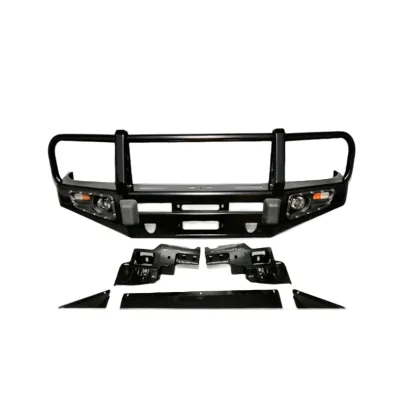
Factory Wholesales Auto Car Front Bumper Car Bumper With Led Front Bar for LC100
$323.8646 - $375.2715
MOQ: 1 sets
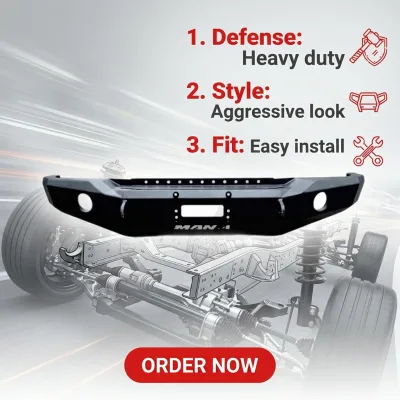
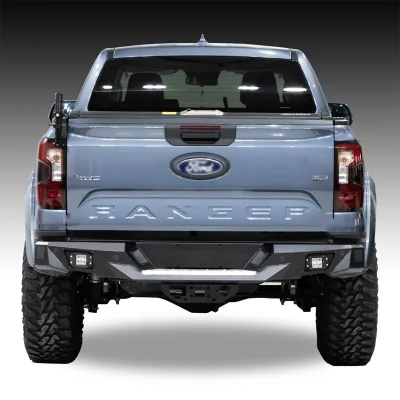
New Wholesale 4x4 Front Bull Bar Bumper with Tow Hook for for LC80 LC100 Bolt-On Universal Fitment
$205.205 - $307.8075
MOQ: 1 sets




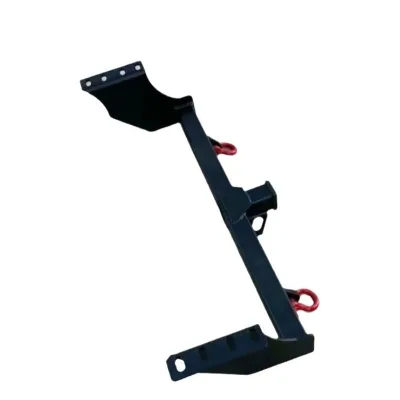
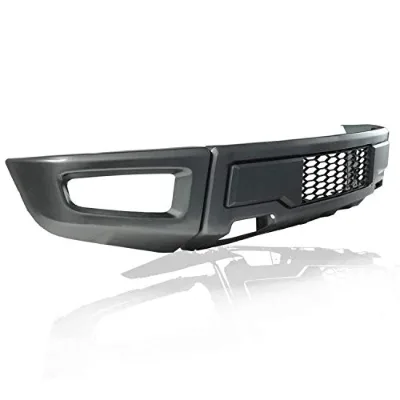
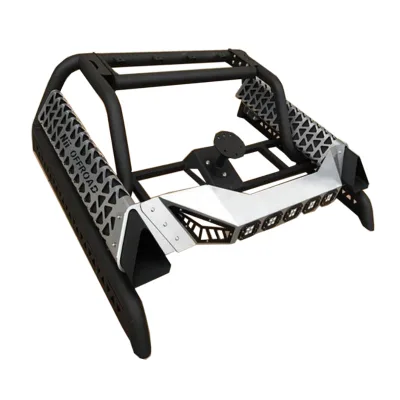
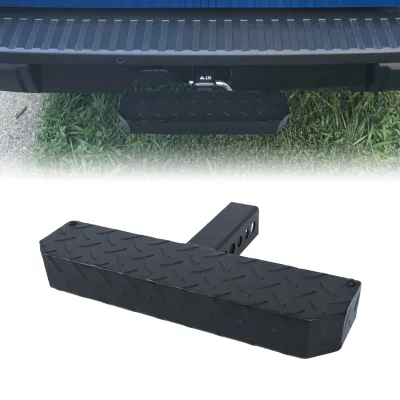
Comprehensive Sourcing Guide
Bolt-On Off-Road Steel Bumper Supplier Concentration and Factory Types
The current supplier landscape for bolt-on off-road steel bumpers reveals a diverse mix of manufacturing capabilities concentrated in specific Chinese provinces. Evidence indicates that suppliers are located in Liaoning, Henan, and Zhejiang, each offering distinct operational profiles. In Liaoning, the primary company type identified is a trading company, which suggests a model focused on aggregating products from various factories rather than direct manufacturing. These entities often list main products that extend beyond bumpers to include items like stand-up pouches and control room consoles, indicating a broad general trading scope. Conversely, suppliers in Henan appear more specialized, with main products explicitly listing shock absorbers, body kits, and off-road upgrades. This specialization suggests a deeper technical focus on vehicle suspension and body modification, which is critical for the structural integrity of heavy-duty steel bumpers. The presence of suppliers in Zhejiang introduces another layer of complexity, as these entities are often associated with mold and plastic manufacturing, yet some also offer heavy-duty reinforced frame front safety off-road bumpers. This diversity in factory types means buyers must carefully distinguish between pure trading companies that may lack direct quality control over steel fabrication and specialized manufacturers who possess the specific engineering expertise required for off-road applications. Understanding this concentration helps buyers target suppliers whose core competencies align with the rigorous demands of off-road vehicle protection.
Factory types also vary in their research and development capacities, which directly impacts the customization potential for bolt-on steel bumpers. Suppliers in Liaoning explicitly list ODM and OEM capabilities, allowing buyers to request custom sizes, colors, and branding. The product evidence shows that customization is available, with options for front or rear bumper positions and specific applications for trucks. In Henan, the focus seems to be on direct bolt-on OEM fitment, with products designed for specific models like the Ranger and Poer. These suppliers emphasize features such as high-strength manganese steel and reinforced welded structures, indicating a manufacturing process geared towards durability and direct replacement. The Zhejiang-based suppliers, while potentially less numerous in this specific category, offer ODM, OEM, and own brand capabilities, suggesting a flexible production environment. However, the main products for these Zhejiang entities often include molds and plastic molds, which might imply a secondary focus on steel bumpers compared to their primary plastic manufacturing business. Buyers should verify whether the supplier’s primary revenue stream comes from steel fabrication or if bumpers are a peripheral offering. This distinction is crucial for ensuring that the supplier has dedicated production lines, appropriate welding equipment, and experienced engineers dedicated to the specific challenges of off-road steel bumper manufacturing.
How to Verify Bolt-On Off-Road Steel Bumper Suppliers
Verifying the legitimacy and capability of suppliers requires a multi-layered approach that goes beyond basic company profiles. One critical step is to examine third-party verification badges, which serve as independent validations of a supplier’s business status and operational scale. For instance, some suppliers in the current results hold SGS verification, while others are verified by TÜV Rheinland. These certifications indicate that an external agency has audited the company’s facilities, financials, or quality management systems. Buyers should prioritize suppliers with these verifications, as they provide a higher degree of confidence compared to unverified entities. Additionally, system certifications such as ISO9001:2015 are present in the data, signaling that the supplier adheres to international quality management standards. This is particularly important for steel bumper manufacturers, as consistent quality control is essential to ensure that welds are strong and materials meet specified strength requirements. Buyers should request copies of these certificates and verify their validity through the issuing bodies. Furthermore, checking the supplier’s response time can offer insights into their operational efficiency. A response time of 0.11 hours suggests a highly responsive sales team, which is beneficial for complex negotiations and technical queries, whereas a response time of 4.93 hours might indicate a slower, less agile operation.
Beyond certifications and response metrics, buyers must scrutinize product-specific evidence to ensure the supplier can deliver the exact specifications required. The product attributes provide detailed information on materials, installation methods, and intended applications. For example, some bumpers are described as being made from high-strength manganese steel or high-strength carbon steel, with features like waterproof, rust-proof, and wear-resistant surface treatments such as matte black powder coating. Buyers should verify that the material specifications match their off-road needs, as different steels offer varying levels of impact resistance and weight. The installation difficulty is another key verification point; products labeled as "Easy Installation" or "Direct Bolt-On OEM Fit" suggest that the supplier has engineered the bumper to align with existing vehicle mounting points, reducing the need for custom fabrication by the end-user. Additionally, checking for quality assurance statements, such as "100% Factory Tested," provides assurance that the supplier has internal testing protocols in place. Buyers should also look for evidence of customization support, including logo customization and OEM/ODM services, which are critical for private label buyers. By cross-referencing these product details with the supplier’s stated capabilities, buyers can build a comprehensive picture of the supplier’s reliability and technical competence before initiating any commercial discussions.
What to Compare Across Bolt-On Off-Road Steel Bumper Suppliers
When evaluating multiple suppliers, buyers should systematically compare key operational metrics to identify the most suitable partner for their specific needs. Lead time is a critical factor, as it directly impacts inventory management and customer delivery promises. In the current results, lead times vary significantly, with some suppliers offering a lead time of 23 days, while others require 30 or even 60 days. A shorter lead time of 23 days may be advantageous for buyers needing quick replenishment, whereas a 60-day lead time might be acceptable for large, planned orders. Buyers should also compare the minimum order quantity (MOQ) requirements, as these dictate the financial commitment and risk exposure. Some suppliers list an MOQ of just 1 unit, which is ideal for testing the product quality or for small-scale retailers. In contrast, other suppliers may have higher MOQs, which could be more suitable for large distributors or fleet operators. The price range is another essential comparison point, with some products listed between $205 and $425, while others are priced at a fixed $723. Buyers should analyze these prices in the context of the material quality, such as the use of manganese steel versus standard carbon steel, and the included features like LED light mounts or winch holders.
Response speed and main product focus are also vital dimensions for comparison. Suppliers with a response time of 1 hour or less are likely to be more responsive to urgent inquiries and technical questions, which can streamline the sourcing process. Additionally, the supplier’s main product list can indicate their level of expertise. Suppliers whose main products are exclusively related to off-road upgrades, such as shock absorbers and body kits, may offer more specialized knowledge and better integration options for their bumpers. In contrast, suppliers with a broad range of unrelated products, such as food packaging bags or control room consoles, may have less dedicated expertise in automotive parts. Buyers should also compare the customization options available, including the ability to customize size, color, and branding. The product evidence shows that customization is available, with options for front or rear bumper positions and specific applications for trucks. Buyers should inquire about the additional costs and lead times associated with these customizations. Finally, comparing the packaging methods, such as carton and PP film, can provide insights into the supplier’s attention to detail in protecting the product during transit, which is crucial for preventing damage to the powder-coated finish of steel bumpers.
Common Bolt-On Off-Road Steel Bumper Sourcing Risks
Sourcing bolt-on off-road steel bumpers involves several inherent risks that buyers must proactively manage to ensure a successful procurement outcome. One significant risk is the discrepancy between the advertised material specifications and the actual product received. While suppliers may claim to use high-strength manganese steel or high-strength carbon steel, there is a risk that lower-grade materials could be used to reduce costs. This is particularly relevant for suppliers with a broad trading scope, as they may source from multiple factories with varying quality standards. Buyers should mitigate this risk by requesting material test reports or certificates of analysis from the supplier. Additionally, the risk of poor weld quality is a major concern, as weak welds can lead to bumper failure during off-road use. Buyers should look for suppliers who explicitly state that their products are "100% Factory Tested" and have reinforced welded structures. Requesting video evidence of the welding process or third-party inspection reports can provide additional assurance. Another risk is the fitment accuracy of "bolt-on" designs. If the bumper does not align perfectly with the vehicle’s mounting points, it may require extensive modification, leading to additional costs and delays. Buyers should verify that the supplier provides detailed installation guides and confirms the OE number compatibility for their specific vehicle model.
Logistical risks are also prevalent in the sourcing of heavy steel products. The weight and dimensions of steel bumpers can lead to high shipping costs and potential damage during transit. Buyers should compare the packaging methods offered by different suppliers, such as carton and PP film, to ensure adequate protection. Additionally, the risk of delays in production or shipping can disrupt supply chains, especially if the supplier has a long lead time or poor operational efficiency. Buyers should monitor the supplier’s response time and track record for on-time delivery. Another risk is the lack of after-sales support. If a bumper arrives damaged or does not meet specifications, buyers need a supplier who is willing to provide replacements or refunds. Buyers should clarify the warranty terms and return policies before placing an order. Furthermore, the risk of intellectual property infringement exists if the supplier is producing knock-off designs of popular bumper models. Buyers should ensure that the supplier has the necessary rights to produce and sell the designs they are offering. Finally, currency fluctuation and payment risks should be considered, especially for large orders. Using secure payment methods and escrow services can help mitigate these financial risks.
Bolt-On Off-Road Steel Bumper Regional Sourcing and Logistics
The geographic location of suppliers plays a crucial role in determining logistics costs, lead times, and overall supply chain efficiency. In the current results, suppliers are located in Liaoning, Henan, and Zhejiang, each presenting distinct logistical advantages and challenges. Liaoning, located in Northeast China, is a traditional industrial base, which may offer access to raw steel materials and established manufacturing infrastructure. However, its distance from major southern ports could result in higher inland transportation costs. Suppliers in Henan, located in Central China, benefit from a strategic location with excellent rail and road connectivity, potentially offering more balanced logistics options. Zhejiang, in East China, is home to major ports like Shanghai and Ningbo, which can facilitate faster and more cost-effective international shipping. Buyers should consider the proximity of the supplier to their target export ports when evaluating logistics options. Additionally, the supplier’s location can impact the lead time, as inland suppliers may require additional days for transportation to the port. Buyers should request detailed logistics quotes from suppliers in different regions to compare total landed costs.
Logistics planning also involves considering the packaging and handling requirements of heavy steel bumpers. The product evidence indicates that packaging methods include carton and PP film, which are standard for protecting the powder-coated finish. However, buyers should verify if the supplier offers reinforced packaging options for long-distance shipping, especially if the destination is far from the port of origin. The weight and dimensions of the bumpers, such as the single gross weight and volume, are critical for calculating shipping costs. Buyers should request these details from the supplier to ensure accurate freight quotes. Additionally, the risk of damage during
FAQs
What is the typical lead time for steel bumpers?
Manufacturers in China generally require 23 to 30 days to produce and ship heavy-duty steel bumpers. This timeframe accounts for material sourcing, welding, and powder coating processes. Buyers should confirm exact schedules with suppliers before placing orders to ensure timely delivery for their projects.
Do suppliers offer OEM and ODM customization services?
Yes, many verified trading companies and combined manufacturers support both OEM and ODM customization. Buyers can request specific logos, colors, or structural modifications. Some suppliers also offer logo customization and size adjustments to meet unique vehicle requirements or branding needs for commercial fleets.
What is the minimum order quantity for steel bumpers?
The minimum order quantity is typically one unit, allowing buyers to purchase single samples or small batches. This low MOQ facilitates testing product quality and fitment before committing to larger volumes. It is ideal for individual off-road enthusiasts or small repair shops needing specific replacements.
How quickly do suppliers respond to inquiries?
Response times vary significantly among suppliers, ranging from 0.11 to 4.93 hours. Faster response rates often indicate dedicated sales teams or automated systems. Buyers should prioritize suppliers with quicker reply times to ensure efficient communication regarding technical specifications, pricing, and shipping logistics during the sourcing process.
Are steel bumpers suitable for off-road conditions?
Yes, these bumpers are designed for off-road traversal and daily protection. They feature high-strength carbon steel or manganese steel construction to resist collisions and scratches. Many models include winch mounts, D-rings, and LED light brackets, providing robust protection for vehicles navigating rough terrain and desert environments.
What certifications do reputable bumper suppliers hold?
Reputable suppliers often hold ISO9001:2015 certification and undergo third-party verifications like SGS or TÜV Rheinland. These credentials ensure consistent quality management and product safety standards. Buyers should verify these certifications to guarantee that the steel bumpers meet international manufacturing requirements and durability expectations for commercial use.