Honda Accord Rear View Camera Suppliers and Manufacturers
Source 11 verified Honda Accord Rear View Camera suppliers from China. Compare response times, lead times, MOQs, and product specs like IP68 waterproofing and CCD chips. Contact suppliers directly to request quotes and verify OEM capabilities; review the available evidence before requesting comparable quotations from suitable candidates.
Updated
Suppliers List

- Combined
- China Guangdong
- Lead time15 days
- Avg. response≤ 10h
Main productsRear View Camera, Reversing Camera System, Car LCD Monitor, Blind Spot Detect System, Mobile DVR, Rearview Camera System, Backup Camera, 360 Degree Surround System, IP Camera
Main marketsSoutheast Asia/ Mideast,Europe,North America
Shenzhen Gayintt Electronics Co., Ltd.
- Manufacturer
- Guangdong, China
- Lead time0 days
- Avg. response≤ 2h
Main productscar monitor,car camera,Car dvd GPS Player,parking sensor,DVR
Main marketsSouth America(40.00%), Eastern Europe(35.00%), North America(25.00%)
Beijing Chengchuang Lianzhong Network Technology Co., Ltd.
- Trading Company
- Beijing, China
- Lead time15 days
- Avg. response≤ 2h
Main productsCar seat cushion,Automobile tire patching film,Automotive tool,Car charging,Car pendant
Main marketsNorth America(30.00%), Northern Europe(20.00%), Southern Europe(10.00%), Mid East(10.00%), Africa(10.00%), Southeast Asia(10.00%), Central America(5.00%), Eastern Asia(3.00%), South America(2.00%)
Guangzhou Wangbaolu Trading Co., Ltd.
- Manufacturer, Trading Company, Other
- Guangdong, China
- Lead time0 days
- Avg. response≤ 2h
Main productsBodykit,Atmosphere lamp,Air Conditioning Accessories,lamps and lanterns,PDCParking Distance Control
Main marketsNorthern Europe(20.00%), Western Europe(20.00%), Eastern Asia(20.00%), Southeast Asia(20.00%), South America(20.00%), North America(20.00%)
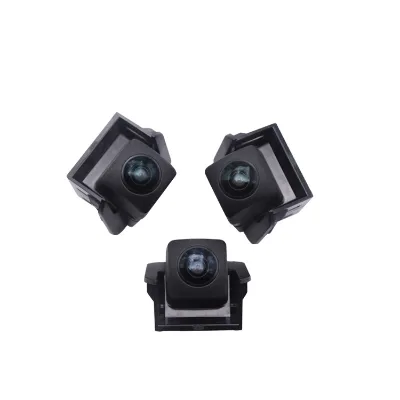
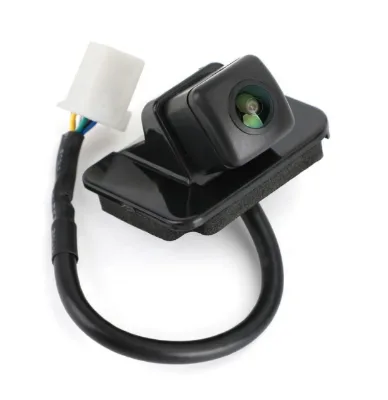
Original Parts Rear License Plate Reversing Camera for Honda Accord 2018-2022
$27.313 - $30.4648
MOQ: 5 pieces
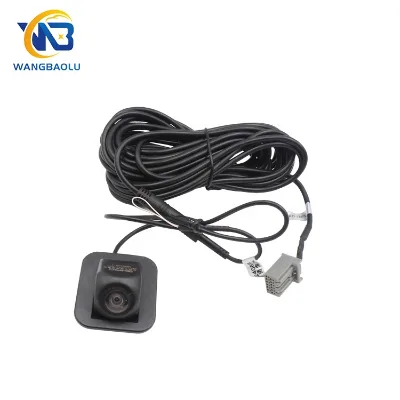
Guangzhou Tianyutong Auto Parts Co., Ltd.
- Manufacturer, Trading Company
- Guangdong Provinc, China
- Lead time10 days
- Avg. response≤ 5h
Main productsFuel Injectors,Oxygen sensors,Car Switchs,Ignition Coil,Abs sensor
Main marketsSoutheast Asia(20.00%), South America(20.00%), Mid East(20.00%), South Asia(10.00%), North America(10.00%), Eastern Asia(8.00%), Africa(3.00%), Oceania(2.00%), Northern Europe(2.00%), Central America(2.00%), Western Europe(2.00%), Southern Europe(1.00%)

Dongguan Antaina Electronic Technology Co., Ltd
- Verified by TUVRHEINLAND
- Combined
- China Guangdong
- Lead time30 days
- Avg. response≤ 3h
Main productsVehicle Monitor, Vehicle Camera, Vehicle Parking Sensor, Vehicle Wireless Monitor, Vehicle Wireless Camera, Vehicle Ai Detection Camera, Vehicle Video Recorder, Car Monitor, Vehicle Monitor and Camera Accessories, Car Camera
Main marketsEurope
Guangzhou Didi Auto Parts Co., Ltd.
- Manufacturer, Trading Company, Distributor/Wholesaler
- Guangdong, China
- Lead time5 days
- Avg. response≤ 2h
Main productsPDC Sensor,Tpms Sensor,Power Window Switch,Reversing Camera,Oxygen Sensor
Main marketsMid East(15.00%), Southern Europe(10.00%), Northern Europe(10.00%), Domestic Market(10.00%), South Asia(10.00%), South America(10.00%), Oceania(5.00%), Africa(5.00%), Southeast Asia(5.00%), Western Europe(5.00%), Eastern Europe(5.00%), North America(5.00%), Eastern Asia(3.00%), Central America(2.00%)
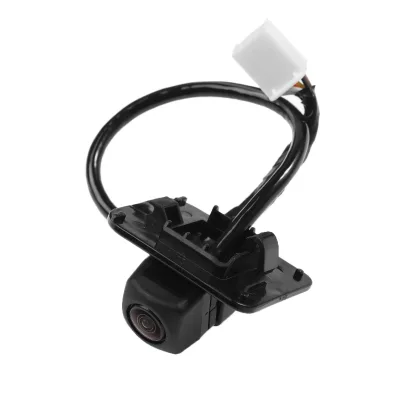
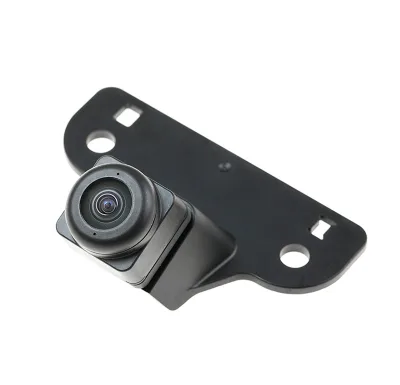
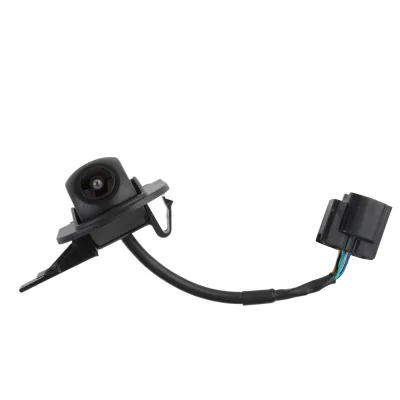
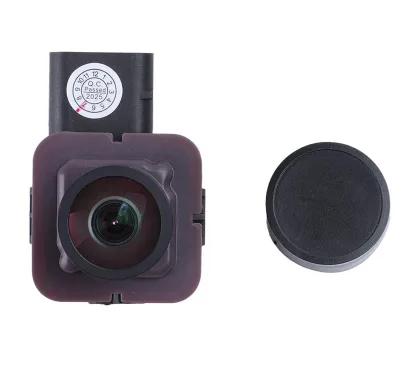
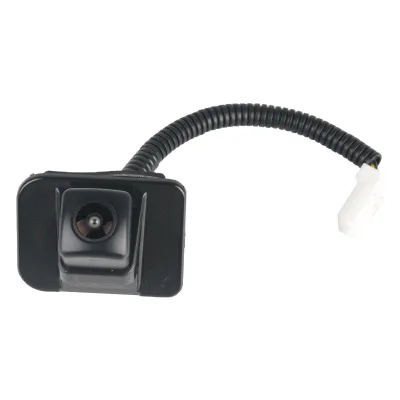
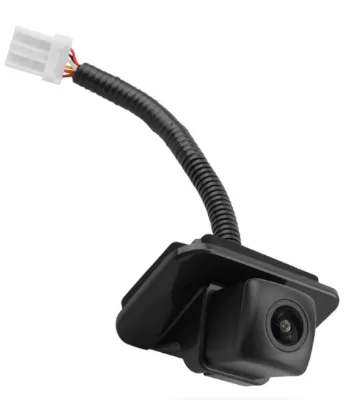
Rear View Camera Backup Park Assist Camera 39530-T2A-U110-M2 for 2014-2017 Honda Accord
$30.00 - $40.00
MOQ: 10 pieces

Guangzhou Jiangye Auto Parts Co., Ltd.
- Trading Company
- Guangdong, China
- Lead time0 days
- Avg. response≤ 4h
Main productsTrading Company,The car engine,Automobile chassis,Vehicle electrical,All parts of the car
Main marketsSouth Asia(20.00%), Eastern Asia(20.00%), Oceania(20.00%), South America(20.00%), North America(20.00%)
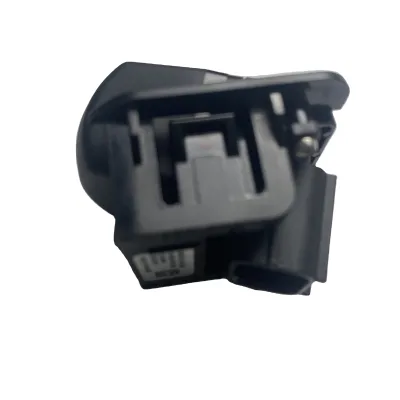
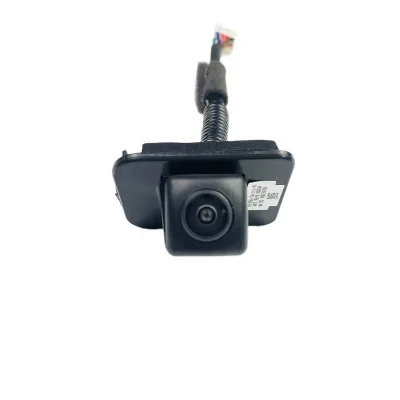
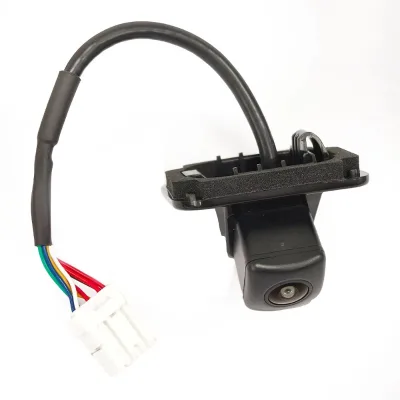
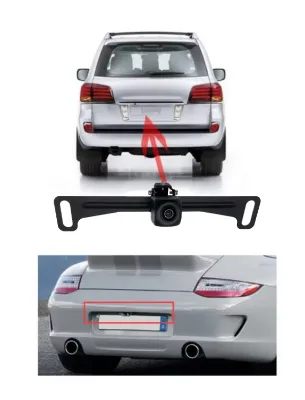
Auto Parts, Rearview Camera, Camera 39530-T2A-U21 39530-T2A-U11 for HONDA ACCORD 2016-2020
$1.0291 - $20.563
MOQ: 10 Minimum
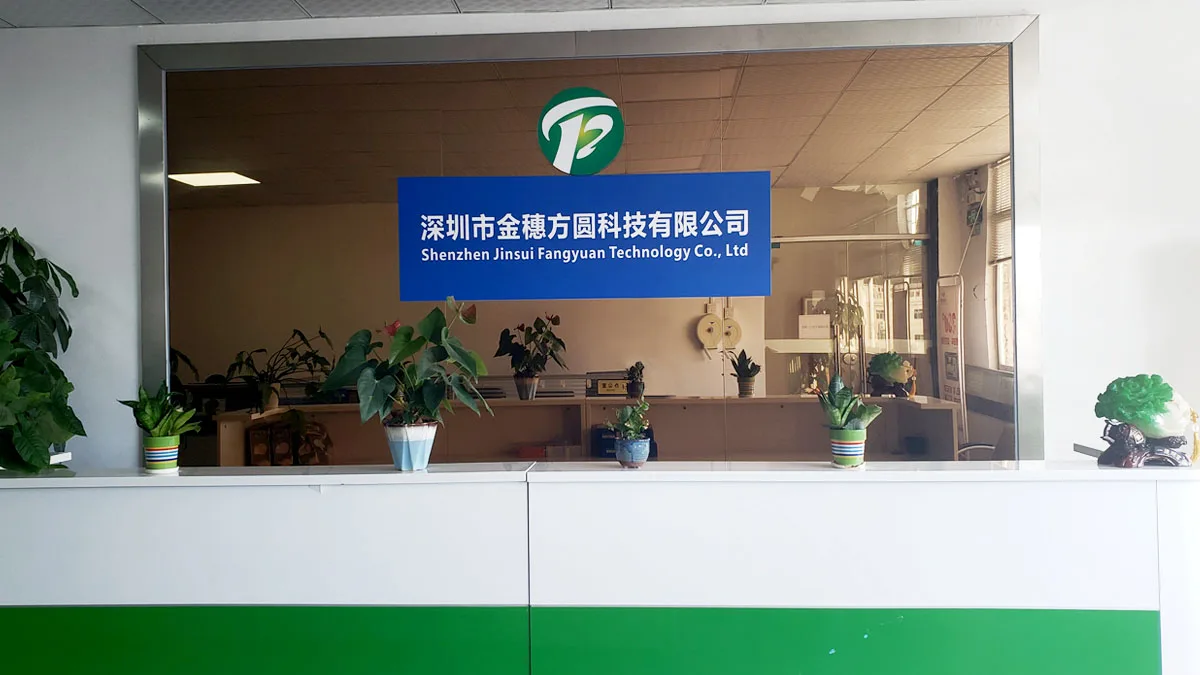
Shenzhen Jinsui Fangyuan Tenchnology Co., Ltd.
- Manufacturer, Trading Company, Distributor/Wholesaler
- Guangdong, China
- Lead time15 days
- Avg. response≤ 1h
Main productsOEM Vehicle Camera Systems,Wholesale Infrared Night Vision Car Cameras,360 Surround View Camera Solutions,Vehicle DVR Recorder Manufacturer,Automotive Monitor Display Supplier
Main marketsEastern Asia(50.00%), Southeast Asia(25.00%), North America(10.00%), Northern Europe(10.00%), Eastern Europe(5.00%)
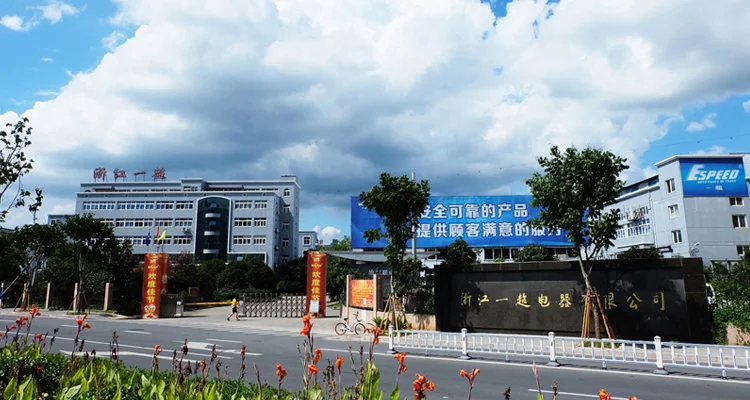
Wenzhou Espeed Industry & Trade Co., Ltd.
- Trading Company
- Zhejiang, China
- Lead time0 days
- Avg. response≤ 14h
Main productsAuto Sensor,Engine Parts,Electrical Parts,Cooling System,Auto Switch
Main marketsSouth America(40.00%), Eastern Europe(25.00%), North America(20.00%), Western Europe(5.00%), Southeast Asia(5.00%), Africa(2.00%), Southern Europe(1.00%), Mid East(1.00%), South Asia(1.00%)

Sunrise Security Technology Co., Ltd.
- Trading Company
- China Guangdong
- Lead time15 days
- Avg. response≤ 9h
Main productsCCTV Security Camera, DVR, WiFi IP Camera, 4G SIM Card Solar Panel Camera, WiFi Doorbell, Vehicle Mobile DVR, Car Camera, Car Camcorder, IP Camera, Video Security Camera
Main marketsSouth America,Africa,Australia


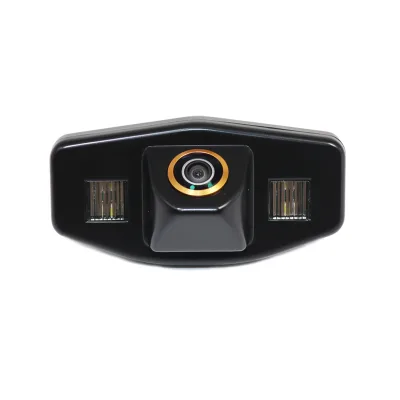
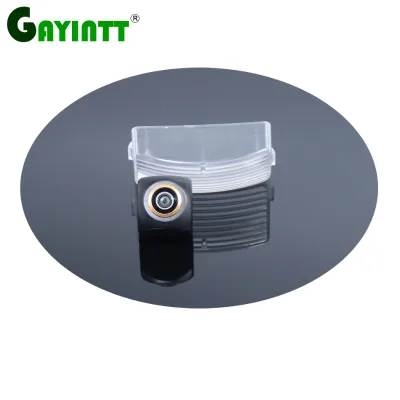
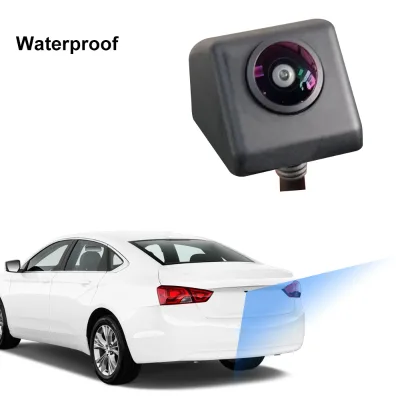
Car Rear View Camera Waterproof 170 Degree Wide Viewing Angle for Reverse
$35.00 - $39.00
MOQ: 1 Pieces




Comprehensive Sourcing Guide
Honda Accord Rear View Camera Supplier Concentration and Factory Types
The current supplier landscape for Honda Accord rear view cameras reveals a distinct concentration of manufacturing and trading entities within specific Chinese regions, primarily Guangdong and Beijing. Suppliers located in Guangdong, China, often present themselves as manufacturers or combined entities capable of handling both production and sales operations. These Guangdong-based suppliers typically list main products that include a broad range of automotive electronics such as car monitors, parking sensors, and digital video recorders alongside the core reversing camera systems. This clustering suggests a mature industrial ecosystem where component sourcing and assembly are streamlined, potentially offering buyers access to a wider variety of technical specifications and form factors. The presence of combined company types in this region indicates a hybrid operational model where the supplier may manage original design manufacturing (ODM) and original equipment manufacturing (OEM) services in addition to selling their own branded products. This structure can be advantageous for buyers seeking custom solutions or private labeling, as the supplier already possesses the internal infrastructure to adapt designs to specific vehicle models like the Honda Accord.
In contrast, suppliers based in Beijing, China, appear more frequently as trading companies rather than direct manufacturers. These entities often focus on specific aftermarket parts and accessories, listing main products that may extend beyond electronics to include items like car seat cushions and automotive tools. The trading company model implies a different value proposition, where the supplier acts as an intermediary sourcing products from various factories to offer a consolidated catalog to international buyers. While this may reduce the direct control over manufacturing quality compared to dealing with a factory, it can simplify the procurement process for buyers who need multiple types of automotive accessories from a single source. The distinction between manufacturer-led and trading-company-led suppliers is critical for buyers to understand, as it influences negotiation leverage, communication speed, and the ability to request custom engineering changes. Buyers must carefully review the company type declaration to determine whether they are engaging with the production source or a reseller, as this impacts the transparency of the supply chain and the potential for cost optimization.
How to Verify Honda Accord Rear View Camera Suppliers
Verifying the authenticity and capability of a Honda Accord Rear View Camera supplier requires a close examination of their declared company type and the specific product evidence they provide. Buyers should start by confirming whether the supplier identifies as a manufacturer, trading company, or combined entity, as this designation sets the baseline for their operational capacity. For manufacturers, verification involves checking for evidence of original design manufacturing (ODM) and original equipment manufacturing (OEM) capabilities, which indicate that the supplier has the engineering resources to produce custom camera systems tailored to specific Honda Accord model years. It is essential to cross-reference the supplier’s main product list with the specific items being purchased; a supplier claiming to be a manufacturer should have a robust portfolio of automotive electronics, including rear view cameras, car LCD monitors, and blind spot detection systems, rather than a disparate mix of unrelated automotive accessories. This alignment suggests a focused expertise in the relevant technical domain.
Furthermore, buyers must scrutinize the detailed product attributes and specifications provided in the supplier’s listings to ensure they match the required standards for Honda Accord integration. Key verification points include the camera’s chip type, such as CCD or CMOS, the waterproof grade, which should ideally be IP68 for durability, and the interface type, such as RCA or AHD signal output. The presence of specific model numbers, like CA-518 or GA01, allows buyers to trace the product lineage and verify consistency across listings. Additionally, checking for warranty terms, such as a one-year warranty, and specific accessories included, like a 6.5-meter connection cable, provides insight into the supplier’s confidence in their product quality. Buyers should also verify the place of origin listed on the product, ensuring it matches the supplier’s declared location, and look for details on the shell material, whether ABS plastic or stainless steel, to assess build quality. This level of detailed verification helps mitigate the risk of receiving substandard or incompatible products.
What to Compare Across Honda Accord Rear View Camera Suppliers
When evaluating multiple suppliers for Honda Accord rear view cameras, buyers should systematically compare key operational metrics such as response time, lead time, and minimum order quantity (MOQ) to determine which partner best fits their procurement strategy. Response time is a critical indicator of supplier reliability and communication efficiency; for instance, some suppliers may demonstrate a response time of approximately 9.18 hours, while others might offer a significantly faster response time of two hours. A quicker response time often correlates with better customer service and the ability to resolve technical queries or order issues promptly, which is vital for maintaining supply chain momentum. Lead time, which indicates the duration from order placement to shipment, is another crucial factor. Buyers should note that lead times can vary, with some suppliers offering a lead time of 15 days, while others may claim a lead time of zero, which often implies ready stock or a different fulfillment model. Understanding these variations helps in planning inventory levels and managing customer expectations.
In addition to operational speed, buyers must compare the commercial terms and product specifications, including price ranges, MOQs, and customization options. The MOQ for Honda Accord rear view cameras can be as low as one unit, which is beneficial for small-scale buyers or those testing the market, while other suppliers may have higher thresholds. Price comparisons should be conducted within the context of the product’s features; for example, a price range of $15.00 to $25.00 might apply to a standard RCA interface camera, while a higher resolution AHD camera with night vision capabilities might command a different price point, such as $18.00 to $19.50. Buyers should also assess the customization availability, as some suppliers offer available customization for functions, interfaces, or shell materials, which can be essential for achieving a perfect fit for specific Honda Accord trims. By creating a comparison matrix that includes these dimensions, buyers can objectively rank suppliers based on their specific needs for cost, speed, and flexibility, ensuring a data-driven selection process.
Common Honda Accord Rear View Camera Sourcing Risks
One of the primary risks in sourcing Honda Accord rear view cameras is the potential mismatch between the product’s technical specifications and the vehicle’s electrical and mounting requirements. Buyers must be vigilant about verifying the voltage compatibility, as some cameras are designed for DC 12V systems, while others might be listed with DC 24V, which is unsuitable for standard passenger cars. Another significant risk involves the interface and signal type; a camera with an RCA interface may not be compatible with modern digital displays without an adapter, whereas AHD signal output offers a digital alternative that may require specific monitor support. Buyers should also pay close attention to the view angle and resolution, as a 170-degree view angle with 1080P resolution offers different visibility compared to a 120-170 degree range with 720P resolution. Failing to verify these technical details can result in products that do not integrate seamlessly with the Honda Accord’s existing infotainment system, leading to installation difficulties and customer dissatisfaction.
A second major risk is the inconsistency in build quality and durability, which can be inferred from the materials and certifications provided. While some suppliers specify a waterproof grade of IP68 and shell materials like stainless steel or ABS plastic, others may not provide such detailed specifications, leaving the buyer to guess the product’s resilience against environmental factors. The absence of system certifications, such as NIL in some cases, means that buyers cannot rely on standardized quality marks to guarantee product safety and performance. Additionally, the warranty terms, such as a one-year warranty, provide some protection, but the actual claim process and supplier responsiveness during the warranty period are unknown variables. Buyers should also be cautious of suppliers who do not clearly state the chip type, such as CCD or CMOS, as this component significantly impacts image quality, especially in low-light conditions. Mitigating these risks requires thorough due diligence, including requesting sample units and verifying technical compatibility before placing large orders.
Honda Accord Rear View Camera Regional Sourcing and Logistics
Sourcing Honda Accord rear view cameras from suppliers in China involves navigating the logistical advantages and challenges associated with specific regional manufacturing hubs. Suppliers located in Guangdong, China, benefit from a well-established supply chain for electronics and automotive components, which can facilitate faster production cycles and easier access to raw materials. This region’s industrial ecosystem supports both manufacturers and trading companies, offering buyers a diverse range of options for sourcing high-volume orders or specialized custom products. The proximity to major shipping ports in Guangdong can also streamline the export process, potentially reducing transit times and logistics costs for international buyers. However, buyers must still account for the complexities of international shipping, including customs clearance, import duties, and the final mile delivery to their destination. Understanding the logistical capabilities of Guangdong-based suppliers can help in negotiating favorable shipping terms and ensuring timely delivery.
Conversely, suppliers based in Beijing, China, may offer different logistical profiles, often operating as trading companies that consolidate products from various factories across the country. This model can simplify the sourcing process for buyers who need multiple types of automotive accessories, as the trading company handles the coordination and shipping from a central location. However, the lead time and logistics efficiency may vary depending on the supplier’s internal processes and their relationships with upstream manufacturers. Buyers should inquire about the supplier’s experience with international shipping and their ability to handle documentation and compliance requirements. Additionally, the location of the supplier can impact the cost of domestic transportation to the export port, which may be reflected in the final price. By comparing the logistical offerings of suppliers from different regions, buyers can make informed decisions that balance cost, speed, and reliability, ensuring a smooth supply chain for their Honda Accord Rear View Camera procurement.
Honda Accord Rear View Camera Commercial Terms and Order Planning
Effective order planning for Honda Accord rear view cameras requires a clear understanding of the commercial terms offered by suppliers, including pricing structures, payment terms, and customization policies. Buyers should note that prices can vary significantly based on the product’s features, such as resolution, night vision capabilities, and interface type. For instance, a standard rear view camera with an RCA interface and CCD chip might be priced between $15.00 and $25.00, while a more advanced AHD camera with 1080P resolution and starlight night vision could be priced between $18.00 and $19.50. These price ranges should be evaluated in the context of the minimum order quantity (MOQ), which can be as low as one unit, allowing for flexible ordering strategies. Buyers should also consider the cost of customization, if available, as some suppliers offer available customization for functions, accessories, or packaging, which may incur additional fees. Understanding these commercial terms helps in budgeting accurately and negotiating better deals.
Furthermore, buyers must plan for the long-term relationship with their supplier by considering factors such as warranty support, after-sales service, and the potential for repeat orders. A one-year warranty is a common offering, but buyers should verify the process for claiming warranty services and the supplier’s responsiveness to technical issues. The availability of accessories, such as a 6.5-meter connection cable, can also impact the total cost of ownership, as buyers may need to purchase additional components separately if they are not included. By establishing clear communication channels and agreeing on detailed specifications upfront, buyers can minimize the risk of disputes and ensure a smooth transaction process. Additionally, buyers should consider the supplier’s capacity for scaling production, especially if they plan to increase order volumes over time. A supplier with OEM and ODM capabilities can provide greater flexibility and support for future product iterations, making them a valuable long-term partner in the automotive electronics supply chain.
FAQs
What is the price range for Honda Accord rear view cameras?
Prices for compatible rear view cameras typically range from $15 to $25 per unit. This range covers various models including CCD and CMOS options. Buyers should verify specific pricing for bulk orders as costs may vary based on customization needs and interface types like RCA or AHD signals.
What is the minimum order quantity for these cameras?
The minimum order quantity is generally one unit, allowing for sample purchases. This low MOQ supports buyers testing product quality before committing to larger volumes. It is advisable to confirm specific supplier terms as some may have different requirements for customized or branded items.
How long does delivery take for these cameras?
Lead times for production and delivery vary by supplier. Some manufacturers report a lead time of 15 days, while others may indicate zero days for ready stock. Buyers should confirm exact delivery schedules with the supplier to ensure timely arrival for their specific vehicle models.
What features do Honda Accord backup cameras offer?
Common features include waterproof IP68 ratings, night vision capabilities, and parking lines. Many models offer 170-degree wide-angle views and HD 1080P resolution. Additional functions often include shockproof designs, dustproof seals, and compatibility with various display interfaces to ensure clear rear visibility in all conditions.
Where are these cameras manufactured?
Most suppliers are located in Guangdong, China, with some operations in Beijing. Guangdong manufacturers often specialize in electronics and automotive accessories. Buyers should verify the specific place of origin for each product to ensure it meets their sourcing preferences and logistical requirements for import.
Do suppliers offer customization for these cameras?
Customization is available for many rear view camera models. Suppliers often provide OEM and ODM services to tailor products to specific brand requirements. Buyers can request custom packaging, branding, or specific technical specifications to align with their market needs and vehicle compatibility requirements.