Panoramic Video Car Rearview Mirror Suppliers and Manufacturers
Source 24 verified suppliers for Panoramic Video Car Rearview Mirror components. Compare grounded dimensions including Guangdong origin, 2-30 day lead times, and MOQs starting at 40 units. Filter by response time and certifications to identify suitable partners; review the available evidence before requesting comparable quotations from suitable candidates.
Updated
Suppliers List
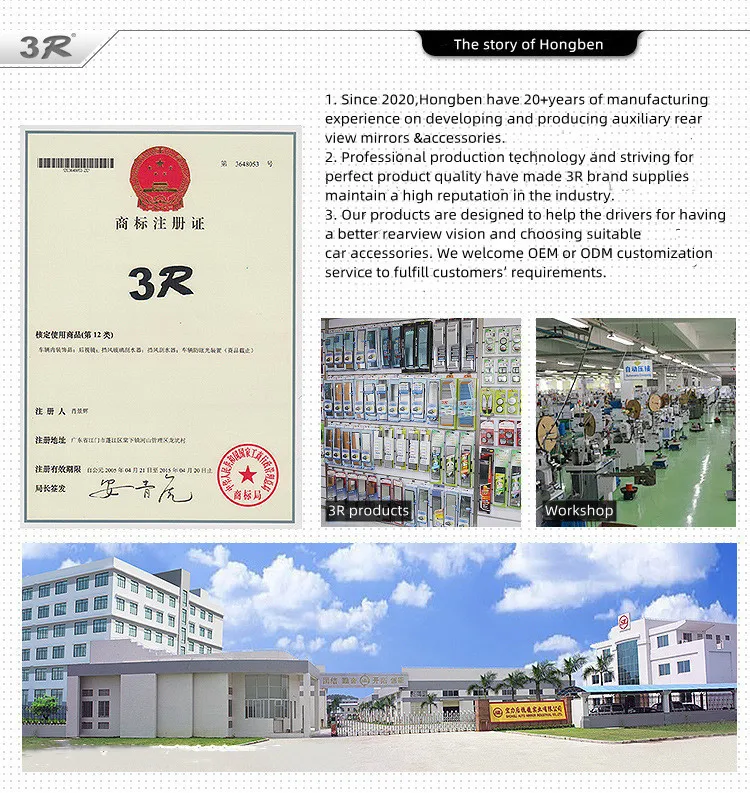
Jiangmen Hongben Car Accessory Industrial Co., Ltd.
- Manufacturer, Trading Company
- Guangdong, China
- Lead time30 days
- Avg. response≤ 2h
Main productsCar Blind Spot Mirror, Car Interior Mirror, Car Phone Holder, Car Door Guards, Car Organizer Storage
Main marketsDomestic Market(60.00%), Southeast Asia(30.00%), North America(5.00%), Eastern Europe(2.00%), South America(1.00%), Western Europe(1.00%), Mid East(1.00%)

DEZHOU HAVI ELECTRONICS CO., LTD.
- Verified by BV
- Combined
- China Shandong
- Lead time15 days
- Avg. response≤ 9h
Main productsAluminum Mirror, Tempered Glass, Convex Mirror, LED Mirror
Main marketsDomestic

Shanghai Anma Industry Co., Ltd.
- Trading Company
- China Shanghai
- Lead time30 days
- Avg. response≤ 6h
Main productsCar Accessories, Car Spare Parts, Car Tools, Car Interior Accessories, Car Exterior Accessories, Car Electrical Accessories, Car Lights, Car Mirror, Car Emergency Kits, Car Care Products
Main marketsSouth America,Others(foreignTradeCapacity.exportBusinessCapacityMarketOther),Southeast Asia/ Mideast,Europe,North America

Qingdao Creation Classic Glass Co., Ltd.
- Manufacturer/Factory
- China Shandong
- Lead time15 days
- Avg. response≤ 15h
Main productsBuilding Glass, Float Glass, Tempered Glass, Laminated Glass, Insulated Glass, Glass Block/Brick, Reflective Glass, Tinted Glass, Mirror, Patterned Glass
Main marketsSouth America,Eastern Europe,Mid East,North America,Southeast Asia,Eastern Asia,Oceania,Western Europe,Africa
SHANGHAI MACWAY ELECTRICAL CO., LTD.
- Verified by TüVRheinland
- Trading Company
- Lead time30 days
- Avg. response≤ 4h
Main productsVacuum Cleaner, Inflation Pump, Car Wash Tool, Car Wash Machine, Car Charger
Main marketsNorth America(25%), Domestic Market(20%), Western Europe(11%)

Qingdao Salience Industry Co.,Ltd
- Verified by SGS
- Trading Company,Manufacturer/Factory
- China Shandong
- Lead time15 days
- Avg. response≤ 2h
Main productsLaminated Glass, Tempered Glass, Silver Mirror, Aluminium Mirror, Reflective Glass, Building Glass, Tinted Glass, Float Glass, Acid Etched Glass, Pattern Glass
Main marketsSouth America,Eastern Europe,Mid East,North America,Southeast Asia,Eastern Asia,Oceania,Western Europe,Africa

Shanghai Autobuy Industry (Group) Co., Ltd
- Verified by BV
- Trading Company
- China Shanghai
- Lead time30 days
- Avg. response≤ 25h
Main productsCar Acccessories, Car Seat Cover, Wheel Caps, Car Cover, Racing Seats, Modified Seats, Wiper Blades, Car Mats, Car Seat Cushion, Auto Parts
Main marketsSoutheast Asia/ Mideast


Hot Selling Universal Surface Wide Angle Car Interior Widened Rear View Mirror
$0.82 - $1.11
MOQ: 500 sets


Global Media Industry Group Co., Ltd.
- Manufacturer, Trading Company
- Guangdong, China
- Lead time25 days
- Avg. response≤ 6h
Main productsRearview Mirror/Dash Camera/Car play
Main marketsNorth America(35.00%), Southeast Asia(10.00%), Western Europe(9.00%), South America(9.00%), Mid East(8.00%), Central America(5.00%), Eastern Europe(5.00%), Eastern Asia(5.00%), South Asia(5.00%), Domestic Market(3.00%), Northern Europe(3.00%), Africa(3.00%)
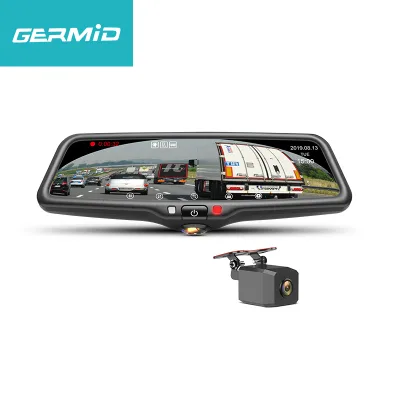
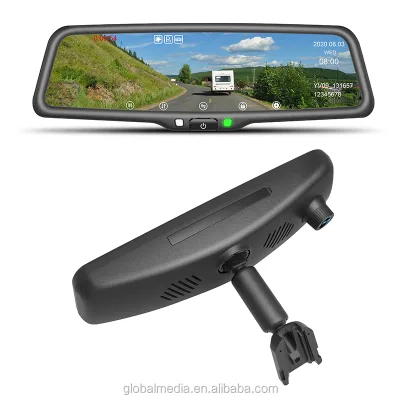
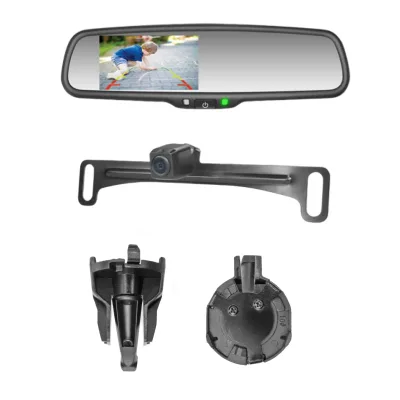
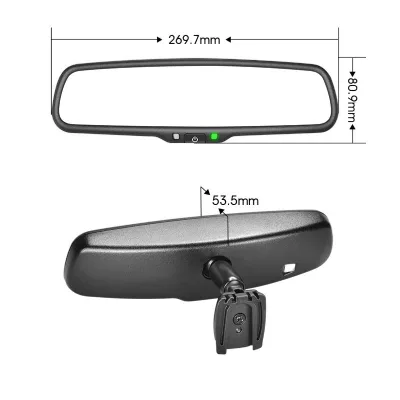
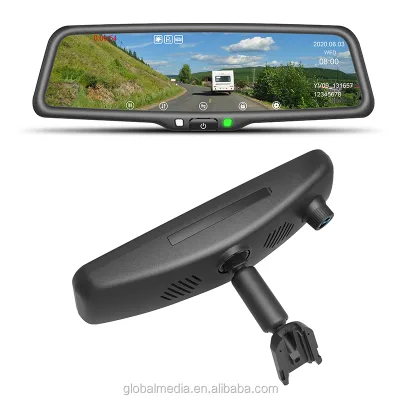
New Design Auto Dim Rearview Mirror High Reflectivity Mirror Glass With Great Price
$52.00 - $72.80
MOQ: 1 pieces
Hebei Jingkuo Vehicles Parts Co., Ltd.
- Trading Company
- Hebei, China
- Lead time30 days
- Avg. response≤ 16h
Main productsSide-view mirror,glass,Auto parts,Motorcycle accessories,Hollow glass accessories
Main marketsDomestic Market(28.00%), Africa(15.00%), Southeast Asia(12.30%), North America(11.00%), Mid East(8.70%), South America(7.00%), Eastern Asia(6.50%), South Asia(5.00%), Central America(5.00%)
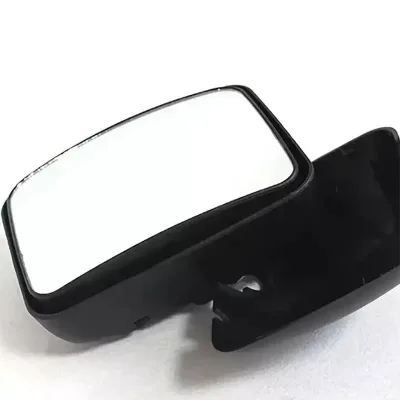
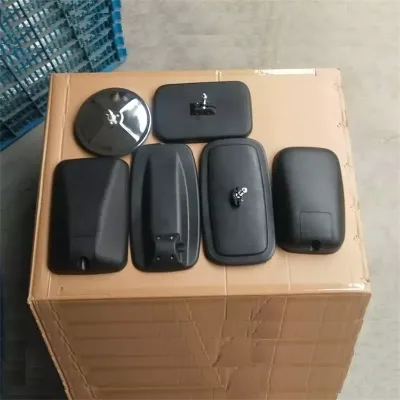
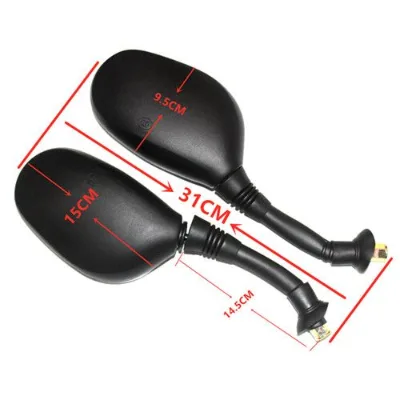
$0.9243 - $2.0523
MOQ: 3000 pairs

- Verified by BV
- Trading Company,Manufacturer/Factory
- China Shandong
- Lead time0 days
- Avg. response≤ 9h
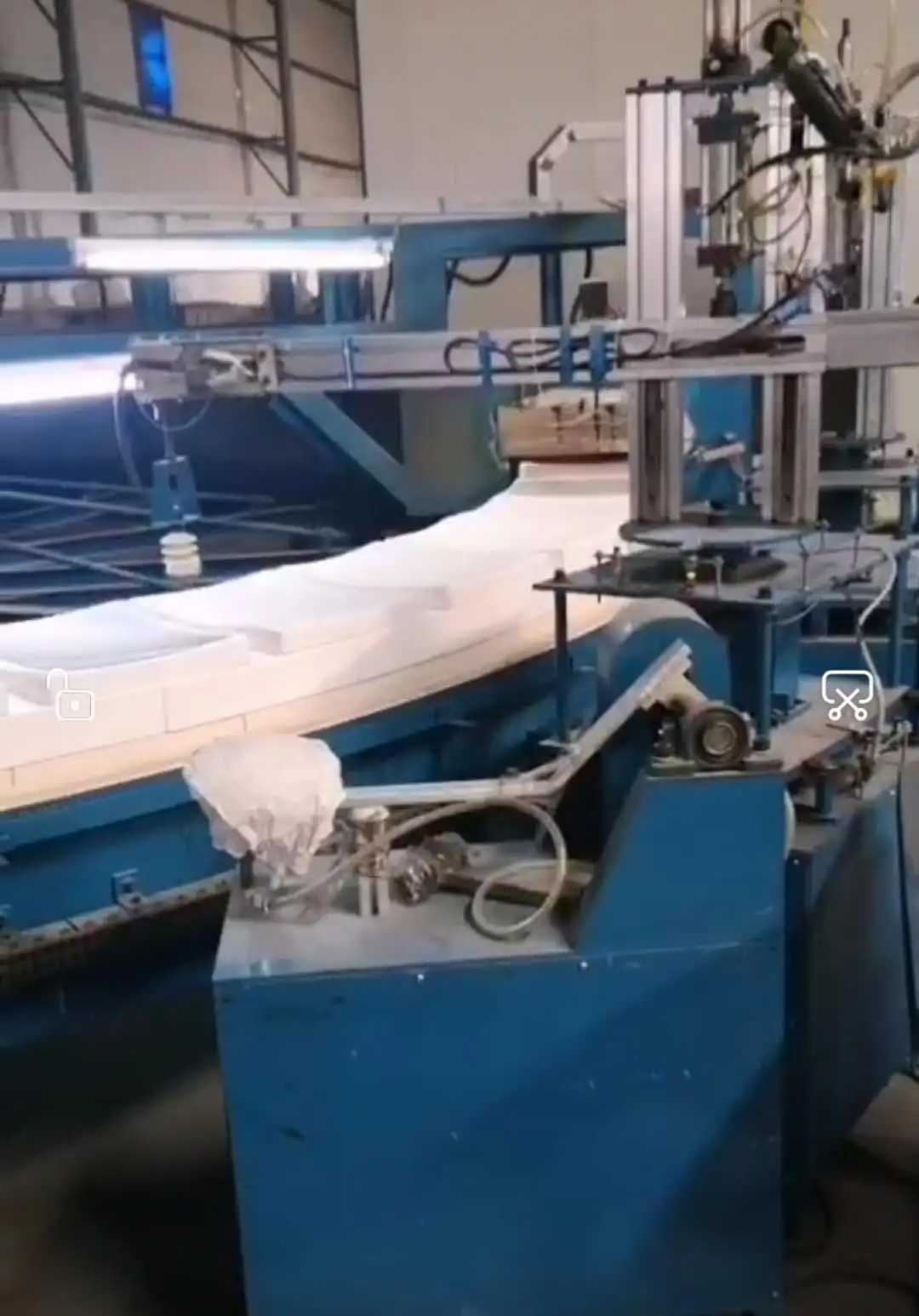
Main productsAuto Glass, Front Windshield, Truck Glass, Bus Glass, Windshield Glass, Laminated Glass, Hot Curved Glass, Foam Net, Fruit Protection Bag
Main marketsWestern Europe
Zhengzhou Cooper Industry Co., Ltd.
- Trading Company
- Henan, China
- Lead time30 days
- Avg. response≤ 2h
Main productsVehicle Parts & Accessories,Construction Machinery Attachments,Bus Spare Parts,Truck Spare Parts,Engine Parts
Main marketsAfrica(43.00%), Western Europe(14.00%), North America(14.00%), Mid East(10.00%), Southeast Asia(7.00%), Oceania(6.00%), South America(6.00%)

Ningbo Lonsign Auto Accessories Co., Ltd.
- Verified by SGS
- Trading Company
- China Zhejiang
- Lead time30 days
- Avg. response≤ 4h
Main productsSteering Wheel Cover, Car Organizer, Wiper Blade, Sunshade, Car Floor Mat, Seat Cover
Main marketsNorth America


High Quality Car Side Universal 2" 3" Wide Angle Rear View Blind Spot Mirror
$0.20 - $0.40
MOQ: 5000 Pieces
Guangzhou Bisitai Auto Accessories Co., Ltd.
- Manufacturer
- Guangdong, China
- Lead time30 days
- Avg. response≤ 8h
Main products4x4 Fender Flares,4x4 Roof trays,4x4 Grilles,4x4 Bumpers,Pickup Trucks Accessories
Main marketsNorth America(80.00%), Northern Europe(10.00%), Mid East(10.00%)

JINAN GUYUE AUTO PARTS CO., LTD.
- Verified by SGS
- Trading Company
- China Shandong
- Lead time15 days
- Avg. response≤ 8h
Main productsFAW Sinotruck Shacman Beiben Truck Spare Part, Bus Spare Parts, Light Truck Spare Parts, Tyre, Construction Machinery, Fuwa Ror BPW Trailer Spare Parts
Main marketsAfrica,Southeast Asia/ Mideast,North America

Mingshang Technology Co., Ltd.
- Manufacturer/Factory,Group Corporation
- China Guangdong
- Lead time23 days
- Avg. response≤ 5h
Main productsRear View Camera, Mobile DVR, Rear View System, Wireless Camera System, Vehicle Safety System, Ai Camera, 360 Camera System, Adas, DMS, Bsd
Main marketsEastern Europe,North America,Western Europe
Shenzhen Luanbao Electronic Co., Ltd.
- Manufacturer, Trading Company
- Guangdong, China
- Lead time10 days
- Avg. response≤ 1h
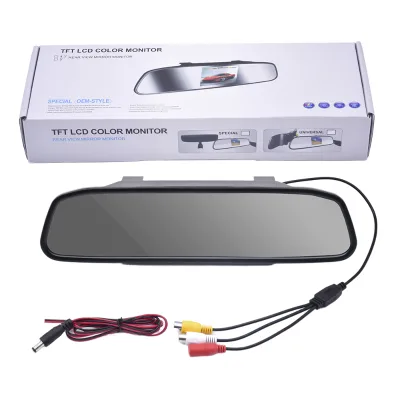
Main productsRear View Camera for Brand Car,Universal Reverse Parking Camera,Car TFT LCD Monitor,Car Mirror Monitor,Car Parking Sensor
Main marketsDomestic Market(35.00%), Southeast Asia(13.00%), South America(10.00%), Eastern Europe(10.00%), North America(8.00%), Southern Europe(8.00%), Mid East(7.00%), Western Europe(3.00%), Africa(3.00%), Northern Europe(3.00%)

Shenzhen Camedio Technology Co., Ltd.
- Verified by SGS
- Trading Company,Manufacturer/Factory
- China Guangdong
- Lead time23 days
- Avg. response≤ 23h
Main productsCar Cameras, Rear View Cameras, Parking Sensors, Car Monitors, Rear View System, Rearview Monitor, Bus Truck Camera, 2.4GHz Wireless Rearview System, Parking Rear View System, Wireless Backup System
Main marketsSouth America,Eastern Europe,Mid East,North America,Southeast Asia,Eastern Asia,Oceania,Western Europe,Africa

4.3inch Car Rear View Mirror System 4.3" Mirror Plus 170 Degree Car Camera
$12.00 - $22.00
MOQ: 10 Pieces


Shenzhen Lianxinyuan E-Commerce Co., Ltd.
- Manufacturer, Trading Company, Distributor/Wholesaler, Other
- Guangdong, China
- Lead time3 days
- Avg. response≤ 1h
Main productsTraffic tools,charger,Electronic products,integrated circuit,Solar products
Main marketsNorth America(30.00%), Northern Europe(15.00%), South America(15.00%), South Asia(10.00%), Southern Europe(10.00%), Eastern Europe(10.00%), Western Europe(10.00%)
Yiwu Carclean Auto Accessory Factory
- Manufacturer, Trading Company
- Zhejiang, China
- Lead time15 days
- Avg. response≤ 8h
Main productscar organizer bag,car sunshade,car clean brush,lady handbag,school bag
Main marketsNorthern Europe(20.00%), North America(20.00%), Southern Europe(10.00%), South America(10.00%), Central America(10.00%), Western Europe(10.00%), Eastern Asia(10.00%), Eastern Europe(10.00%)
Dongguan Melia Electronic Technology Co., LTD.
- Manufacturer, Trading Company
- Guangdong, China
- Lead time15 days
- Avg. response≤ 4h
Main productsCommercial Vehicle Camera Systems,Backup Camera,Monitor,Vehicle Safety Systems
Main marketsNorth America(30.00%), Western Europe(20.00%), South America(15.00%), Northern Europe(10.00%), Southern Europe(10.00%), Eastern Europe(5.00%), Oceania(5.00%), Domestic Market(4.00%), Central America(1.00%)

Hefei Chipei Auto Parts Co., Ltd.
- Trading Company,Manufacturer/Factory
- China Anhui
- Lead time45 days
- Avg. response≤ 2h
Main productsAutomotive Parts, Motorcycle Parts, Auto Parts Supplier, Suspension Parts, Engine Parts, Car AC Compressor, Cooling System Parts, Ignition System Parts, Sway Bar Bushing, CV Axle / Drive Shaft
Main marketsEastern Europe,Mid East,North America,Southeast Asia,Eastern Asia,Oceania,Africa


Long-Lasting Quick-Adjust 360° Rotation Rear View Mirror with FCC for Touring
$2.90 - $3.55
MOQ: 1 Pieces
Dongguang Jindong Glass Handicraft Products Co., Ltd.
- Verified by Intertek
- Manufacturer, Trading Company
- Lead time15 days
- Avg. response≤ 3h
Main productsAluminum Mirror, Tempered Glass, Rearview Mirror, Clock Glass, Magnifying glass
Main marketsSouth America(29%), Eastern Europe(20%), Domestic Market(20%)
Guangzhou Shanshi Electronic Co., Ltd.
- Manufacturer, Business Service (Transportation, finance, travel, Ads, etc)
- Guangdong, China
- Lead time10 days
- Avg. response≤ 3h
Main productsCar Camera,Car Rear View Monitor,Car Radio,Car Roof Mount Monitor,Car Headrest Monitor
Main marketsWestern Europe(80.00%), Northern Europe(70.00%), Eastern Europe(70.00%), Southern Europe(70.00%), Southeast Asia(60.00%), North America(60.00%), Mid East(60.00%), South Asia(60.00%), South America(60.00%), Eastern Asia(50.00%), Central America(50.00%), Domestic Market(40.00%), Africa(40.00%), Oceania(5.00%)

Kay-EE Membrane Keyboard Switch Co., Ltd.
- Combined
- China Guangdong
- Lead time30 days
- Avg. response≤ 3h
Main productsTouch Panel, Membrane Switch, Graphic Overlay, Touch Screen, Label, SMT Product
Main marketsSouth America,Africa,Southeast Asia/ Mideast,East Asia(Japan/ South Korea),Domestic,Europe,Australia,North America




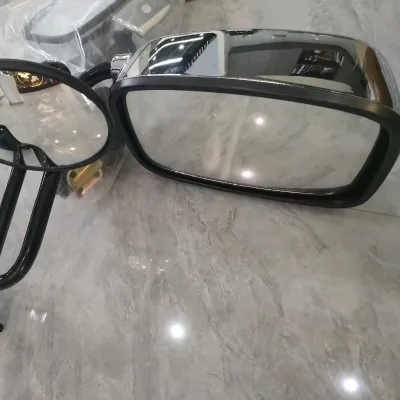
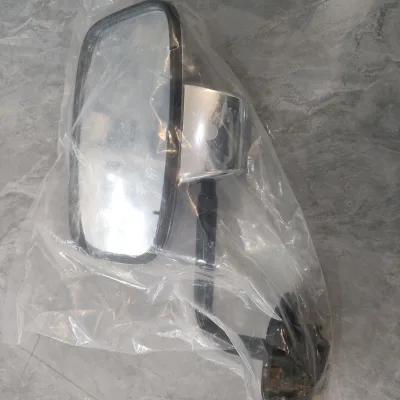
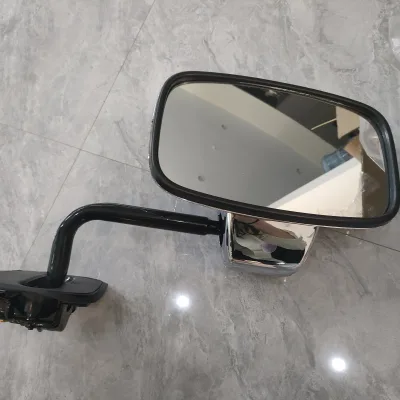


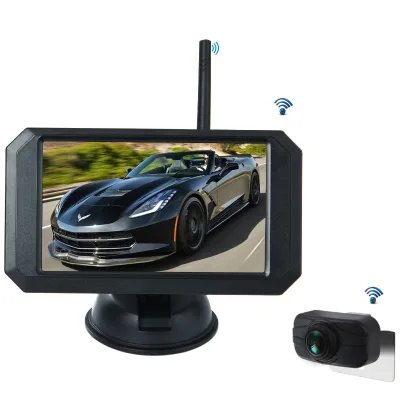
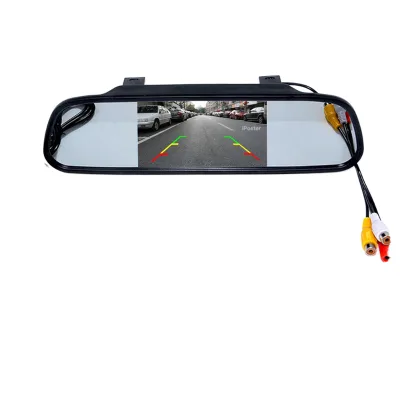
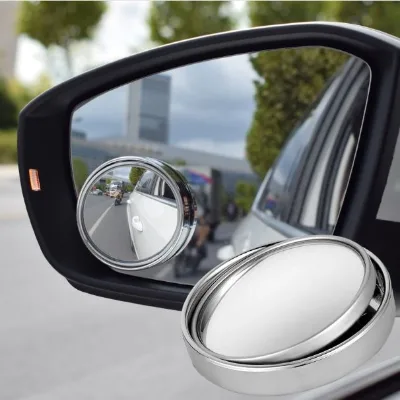
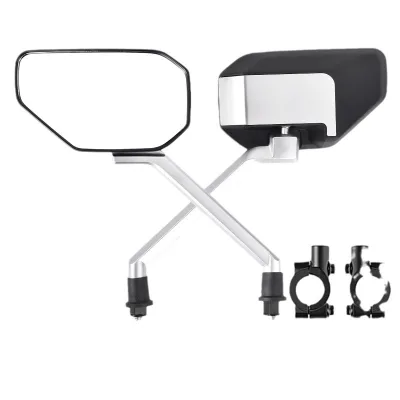
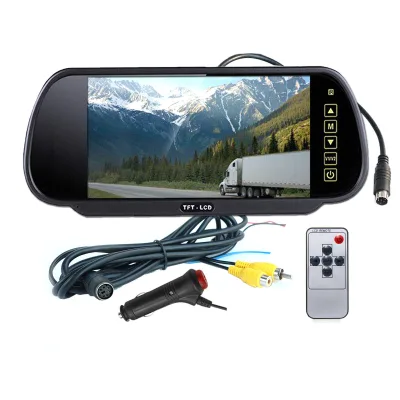
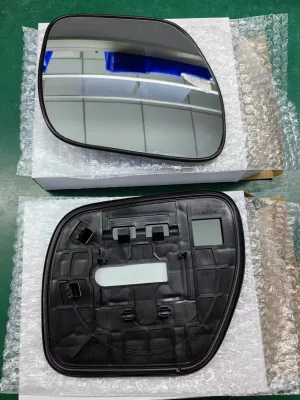
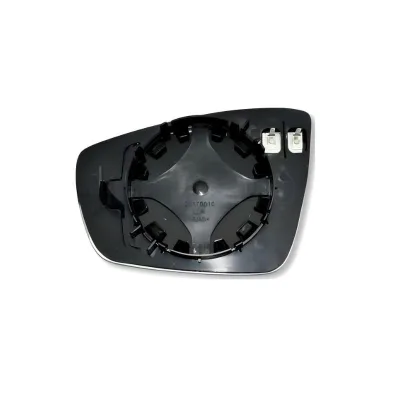
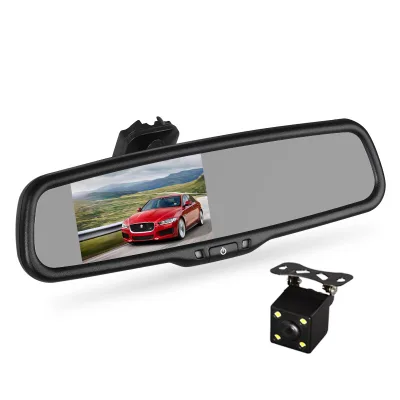


Comprehensive Sourcing Guide
Panoramic Video Car Rearview Mirror Supplier Concentration and Factory Types
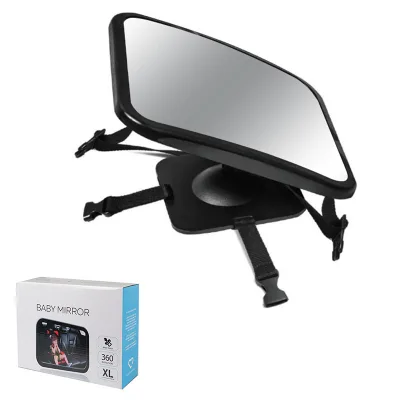
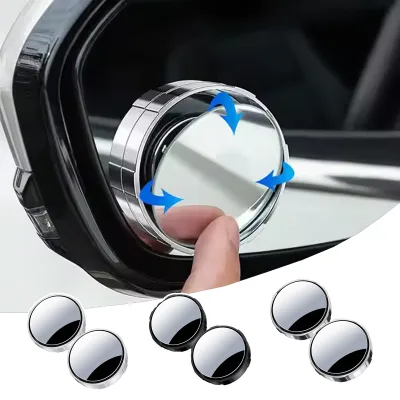
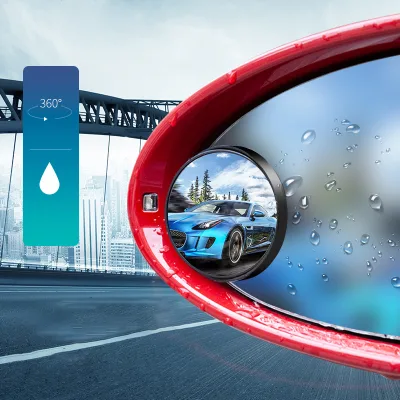
Suppliers offering panoramic video car rearview mirrors and related interior rearview mirror products in the current results are concentrated in two Chinese provinces. One group of suppliers is based in Guangdong, listing main products such as car blind spot mirrors, car interior mirrors, car phone holders, car door guards and car organizer storage, with company types including manufacturer and trading company. A second supplier is located in China Shandong, listing aluminum mirror, tempered glass, convex mirror and LED mirror as main products, operating as a combined manufacturer and trading entity with ODM and OEM capability. This mix suggests the category sits at the intersection of interior accessory assembly and glass or mirror component manufacturing.
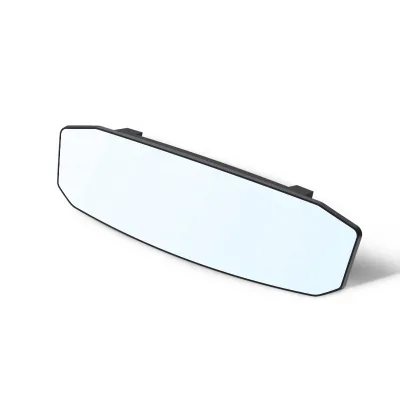
Factory types matter when you evaluate fit. A dedicated manufacturer of clip-on interior anti-dazzling mirrors may excel at wide-angle glass, ABS frames and blister-card packaging, while a combined glass processor may be better suited to convex lens supply, double curvature mirror glass and coated substrates in blue, chrome, aluminum or silver finishes. Trading companies can aggregate both, but add a margin layer. When screening, check whether the listed main products align with interior rearview mirrors versus exterior motorcycle mirrors, because product focus often predicts tooling depth, customization ability and consistency for the panoramic mirror format you intend to source.
How to Verify Panoramic Video Car Rearview Mirror Suppliers
Verification should start with the attributes actually displayed in supplier results, then extend to documents you request directly. In the current results, one supplier shows a BV verification badge, an 8.60-hour average response time and a 15-day lead time, while Guangdong-based entries show a 2-hour response time and a 30-day lead time alongside dual manufacturer and trading company status. None of the results display an establishment year, escrow terms, factory audit reports or revenue figures, so you should ask each candidate for business license details, years in operation, factory floor area and export history rather than assuming any of these values.
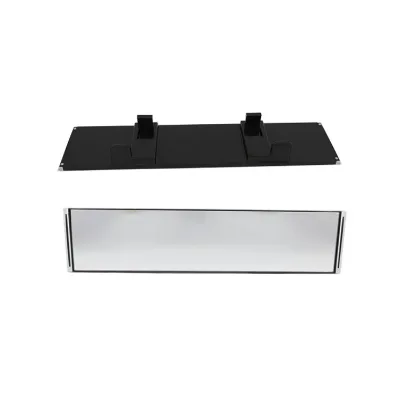
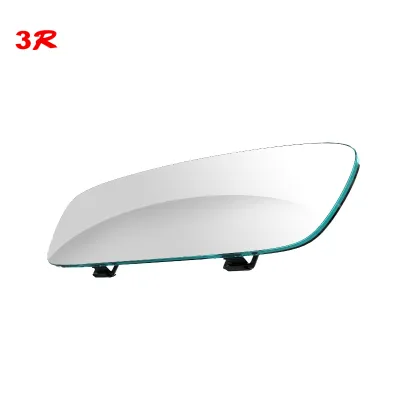
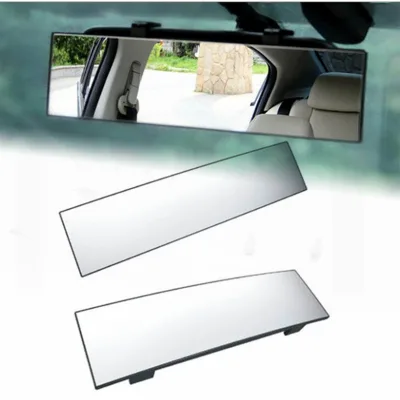
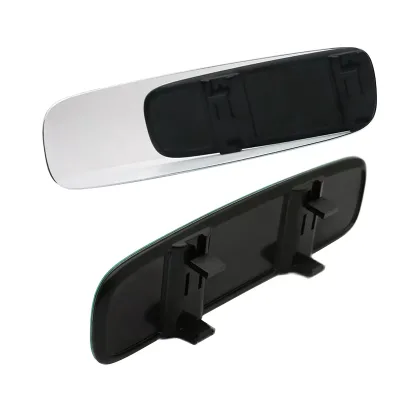
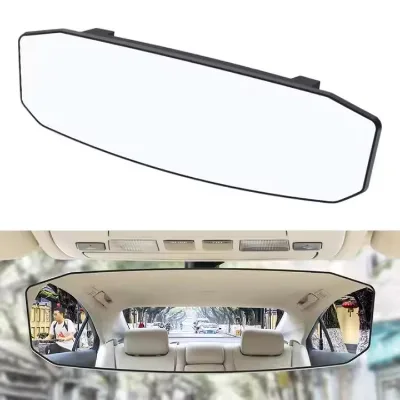
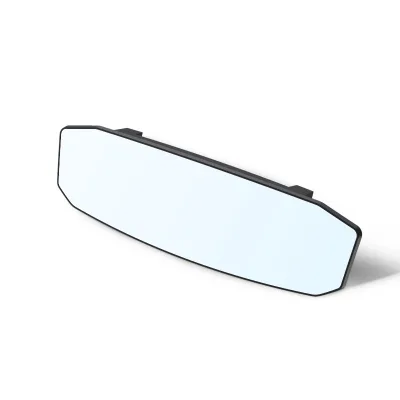
For the products themselves, verification means matching claims against evidence. One listing names a specific model, a 300 by 70 mm size, ABS plus glass construction, clip-on installation and universal car fit; another specifies PC plus glass, convex surface, irregular mirror glass shape and retrofit or upgrade purpose. A glass-focused supplier lists certifications including CE, ISO, FCC, ECE and DOT on a convex mirror product, with glass thicknesses of 1.8 mm, 2.0 mm and 3.0 mm and a stated durable time of 10 years. Treat these as claims to confirm: request certificates with valid scope and dates, sample units to check reflectivity and anti-glare performance, and material declarations for the ABS, PC and glass grades used.
What to Compare Across Panoramic Video Car Rearview Mirror Suppliers
Build a comparison table from dimensions that actually appear in supplier results, and leave cells blank where a supplier shows nothing. Useful columns include location, company type, verified status, average response time, lead time, ODM or OEM capability and main product lines. In the current data, response times range from roughly 2 hours to 8.6 hours, and lead times range from 15 days to 30 days, which is a meaningful spread for replenishment planning. One supplier lists ODM and OEM support plus customization availability, while others offer customization only at the product-attribute level, so probe whether tooling and branding changes are genuinely available.
Product-level comparison is equally important. Compare mounting method (clip-on versus easy clip), glass type and curvature (flat, convex, double curvature), frame material (ABS, PC, ABS plus PP), size options such as 250, 270 and 300 mm formats, and packaging style such as blister card with stated single gross weights near 0.26 to 0.30 kg. Price points in the results span roughly 1.62 to 3.16 US dollars per unit, with minimum order quantities as low as 40 pieces on one listed item. Compare these figures only against listings you can re-confirm at quote time, since listed prices and MOQs may change without notice and may not apply to video-integrated variants.
Common Panoramic Video Car Rearview Mirror Sourcing Risks
The most frequent risk in this category is specification drift between the listing and the shipped goods. Listings show similar-looking products with materially different builds: one model is ABS plus glass with a flat surface, another is PC plus glass with a convex surface, and a third is ABS plus PP with frameless glass. If your purchase order says only "wide-angle interior mirror," a supplier can legitimately ship any of these. Fix exact model numbers, dimensions, curvature, coating and material grades in writing, and approve a golden sample before mass production begins.
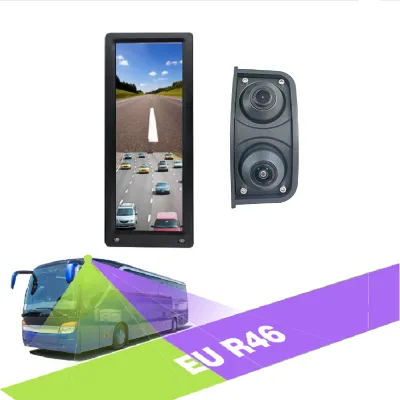
Certification risk is also significant. Certification strings such as CE, ISO, FCC, ECE and DOT appear on one supplier's convex mirror product, but a string in a listing is not proof that a certificate covers your specific model, your video electronics variant or your destination market. Video-enabled mirrors add electronics compliance obligations that pure glass mirrors do not carry, so verify which certificate scopes cover the electronics separately. Additional risks include confusing interior rearview mirrors with exterior or motorcycle mirrors when sourcing glass components, underestimating packaging weight (single gross weights around 0.26 to 0.30 kg per unit add up quickly at volume), and treating low MOQs like 40 pieces as indicative of production-scale pricing rather than trial-order terms.
Panoramic Video Car Rearview Mirror Regional Sourcing and Logistics
The evidence points to two regional sourcing profiles. Guangdong suppliers in the results list car interior accessories as their main products, include both manufacturer and trading company types, and quote lead times of 30 days with fast 2-hour responses; one of their listings states a place of origin of Guangdong, China with clip-on installation for universal cars. The Shandong supplier is glass-centric, listing aluminum mirror, tempered glass, convex mirror and LED mirror products, with a 15-day lead time and ODM and OEM capability. A practical pattern is sourcing finished interior mirror assemblies from Guangdong while sourcing convex lens glass or coated substrates from Shandong, though you must confirm each supplier actually produces what you need.
For logistics planning, use the packaging data shown in listings as a starting estimate: single package sizes around 38 by 12 by 3 cm and single gross weights from about 0.26 to 0.30 kg per unit are typical for clip-on interior mirrors in blister cards. Multiply conservatively, add carton and pallet weight, and confirm the supplier's export packaging standard, since blister cards may require inner boxes to survive container transit. Lead time differences of 15 versus 30 days should shape your safety stock policy, and response-time gaps of several hours affect how quickly quality issues are resolved during shipment windows. Confirm Incoterms, freight consolidation options and whether the supplier supports direct factory dispatch before committing to a schedule.
Panoramic Video Car Rearview Mirror Commercial Terms and Order Planning
Order planning should be anchored to the commercial attributes visible in results, then negotiated beyond them. One listed interior mirror shows a price of about 3.16 US dollars with a minimum order quantity of 40 pieces; other listings show ranges from roughly 1.62 to 3.00 US dollars, though the second listing's MOQ is not displayed in the current results. Use low listed MOQs to run trial orders and golden-sample validation, then negotiate volume-tiered pricing against confirmed specifications rather than against listing prices, which are frequently indicative only. Payment terms, escrow availability and deposit structures are not shown in the current data, so raise them explicitly and document them in the contract.
Plan your first order in stages. Request samples from at least two or three suppliers, comparing clip-on fit, anti-glare behavior, curvature consistency and, for video variants, image clarity and mounting stability. Then place a small pilot batch against agreed model numbers, sizes such as 300 by 70 mm or 296 by 83 mm, and packaging formats, before scaling to container quantities. Tie final payment to a pre-shipment inspection covering model, material, coating, weight and carton markings. Reconfirm lead times of 15 to 30 days at order placement, because they vary by supplier and season, and build reorder points around the slower end so your Panoramic Video Car Rearview Mirror line never stalls waiting on a repeat order.
FAQs
Where are these panoramic mirrors manufactured?
Most listed products originate from Guangdong, China. Some suppliers also operate from Shandong. Buyers should verify the specific place of origin for each item before ordering to ensure it matches their logistics requirements.
What is the typical lead time for these mirrors?
Lead times vary by supplier, with some offering 15 days and others requiring 30 days. Buyers must check the specific lead time listed for their selected product to plan their inventory and shipping schedules accurately.
What is the minimum order quantity for these mirrors?
Minimum order quantities differ across listings, with some products requiring 40 units. Buyers should review the specific MOQ for each item to ensure they meet the supplier's purchasing threshold before finalizing their order.
How quickly do suppliers typically respond to inquiries?
Response times vary, with some suppliers replying within 2 hours and others taking up to 8.6 hours. Buyers should expect different response speeds depending on the specific supplier they contact for their sourcing needs.
What materials are used to make these interior mirrors?
Common materials include ABS plastic combined with glass or PC plastic with glass. Some products feature frameless glass designs. Buyers should check the specific material composition listed for each product to ensure durability.
Are these mirrors suitable for universal car models?
Many products are designed for universal fitment across various car types. However, buyers should verify the specific fitment details listed for each item to ensure compatibility with their vehicle before purchasing.
What certifications do these mirrors hold?
Some listed products carry certifications such as CE, ISO, FCC, ECE, and DOT. Buyers should confirm the specific certification status for each product to ensure compliance with their local safety and import regulations.