Camera Battery Suppliers and Manufacturers in China
Explore 23 verified suppliers offering Camera Battery options with varying lead times, response speeds, and certifications like UN38.3 and RoHS. Compare specifications such as capacity and voltage, then request quotes to secure stock from Guangdong factories; review the available evidence before requesting comparable quotations from suitable candidates.
Updated
Suppliers List
Shenzhen Kuaimen Photographic Equipment Co., Ltd.
- Trading Company
- Guangdong, China
- Lead time7 days
- Avg. response≤ 6h
Main productsPhotography Light, Microphone, Camera Battery, Camera Charger, Camera Cage
Main marketsNorth America(30.00%), South Asia(10.00%), Eastern Asia(10.00%), South America(10.00%), Eastern Europe(10.00%), Western Europe(5.00%), Southern Europe(5.00%), Northern Europe(5.00%), Southeast Asia(5.00%), Oceania(3.00%), Domestic Market(3.00%), Mid East(2.00%), Central America(1.00%), Africa(1.00%)
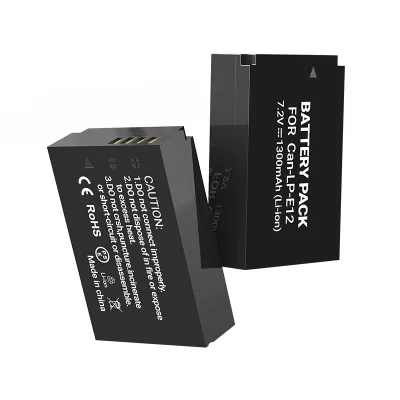
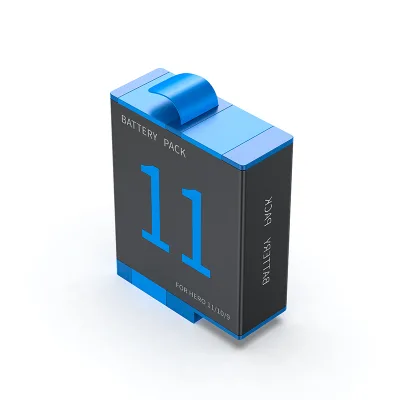
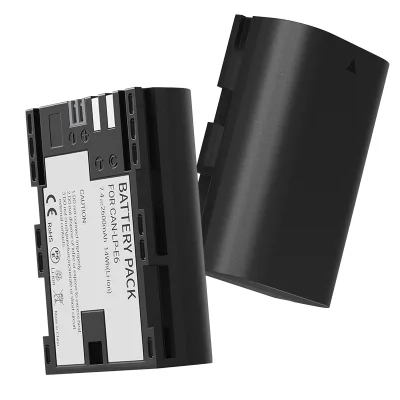
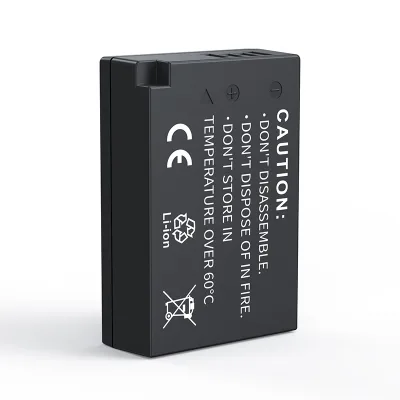
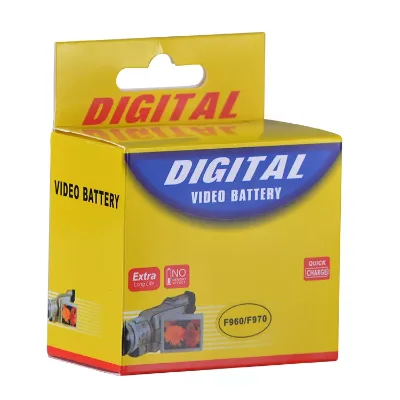
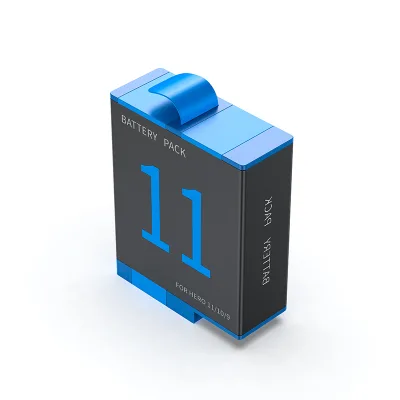
MAMEN Replacement Lithium Battery Sports Action Camera Accessories Battery
$3.4822 - $3.689
MOQ: 10 pieces

Zhuhai Jinwo Electronic Technology Co., Ltd
- Verified by TUVRHEINLAND
- Combined
- China Guangdong
- Lead time15 days
- Avg. response≤ 12h
Main productsMedical Battery, LiFePO4 Battery, Lithium Ion Battery, Li Ion Battery, Lithium Polymer Battery, Lithium Battery, NiMH Battery, Lithium Starter Battery
Main marketsDomestic


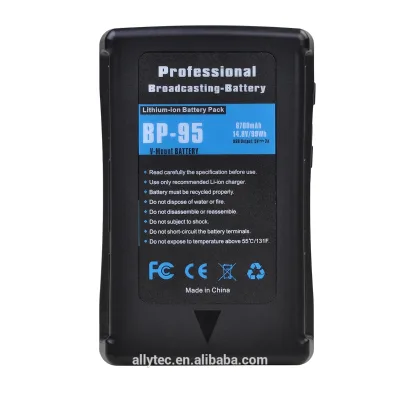
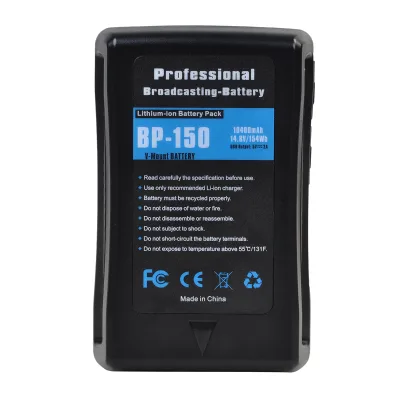
Broadcast Camera Battery 95wh 14.8V 6600mAh Broadcasting Video Camera Battery
$150.00 - $250.00
MOQ: 100 Pieces

Rechargeable Battery for Camera, LED Light, Monitor Broadcasting Video Camera Battery
$150.00 - $250.00
MOQ: 100 Pieces


Broadcast Battery for 230wh V-Mount Monitor Broadcasting Video Camera Battery
$150.00 - $250.00
MOQ: 100 Pieces

Gold Mount Type Li-ion Replacement Battery for Broadcasting Video Camera Battery
$100.00 - $250.00
MOQ: 100 Pieces
HONGKONG KUAIMEN FILM EQUIPMENT CO., LIMITED
- Trading Company
- Hong Kong S.A.R.
- Lead time0 days
- Avg. response≤ 6h
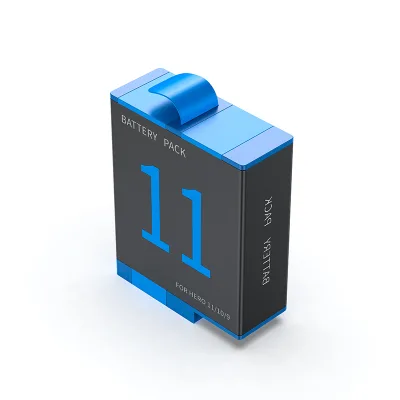
Suitable Longer Battery Life Circle Mini Rechargeable and Repleasement Digital Camera Battery
$3.4897 - $3.6965
MOQ: 2 pieces
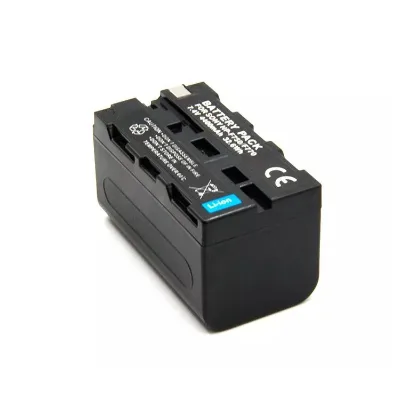
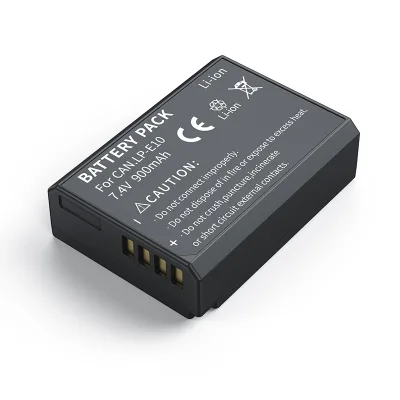
900mAh Rechargeable Popular 2023 Factory Production Mini Camera Battery Pack
$1.9967 - $2.5618
MOQ: 10 pieces
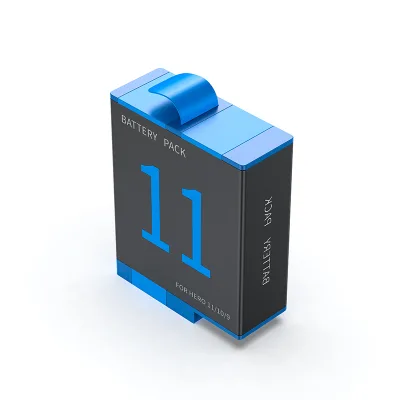
MAMEN Replacement Lithium Battery Sports Action Camera Accessories Battery
$3.37 - $3.57
MOQ: 2 pieces
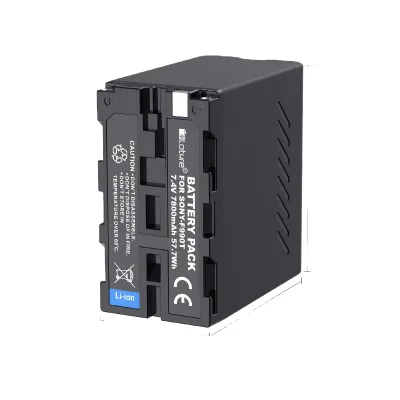
Camcorder Camera Battery Rechargeable Lithium Type C Battery Pack for NPF 990T Batteries
$7.3826 - $8.8936
MOQ: 10 pieces
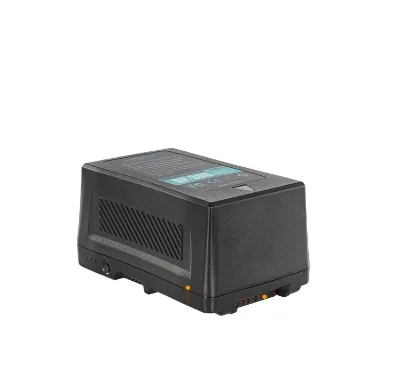
Factory Bulk Sales Original Production Replacement Lithium Ion Battery Camera Battery Pack
$108.3867 - $118.6129
MOQ: 10 pieces
Dongguan Keneng Electronic Technology Co., Ltd.
- Manufacturer
- Guangdong, China
- Lead time20 days
- Avg. response≤ 7h
Main productsDigital Battery, Battery Charger, Lithium Ion Battery
Main marketsNorth America(30.00%), Eastern Europe(20.00%), Oceania(15.00%), Domestic Market(10.00%), Southeast Asia(10.00%), Western Europe(5.00%), Southern Europe(5.00%), Northern Europe(5.00%)

Guangzhou Rontto Trading Co., Ltd
- Verified by SGS
- Trading Company
- China Guangdong
- Lead time15 days
- Avg. response≤ 3h
Main productsBattery, Battery Chargers, Lithium Battery, Total Station Battery, Storage Battery, Consumer Battery, Primary Battery, Medical Battery, 18650 Battery, Mini UPS
Main marketsSouth America,Africa,Others(foreignTradeCapacity.exportBusinessCapacityMarketOther),Southeast Asia/ Mideast,Europe,Australia,North America


$4.00 - $6.00
MOQ: 10 Pieces


Shenzhen Pkcell Battery Co., Ltd
- Verified by TUVRHEINLAND
- Manufacturer/Factory
- China Guangdong
- Lead time23 days
- Avg. response≤ 2h
Main productsBattery, Lithium Rechargeable Battery, Alkaline Battery, Carbon Zinc Battery, Ni-MH Rechargeable Battery, Button Cell, Carbon Batteries, Lithium Batteries, Battery Charger
Main marketsSouth America,Eastern Europe,Mid East,North America,Southeast Asia,Eastern Asia,Western Europe


Pkcell Non Rechargeable 3V Lithium Battery 1500mAh Cr123A Cr123 Camera Battery
$0.48 - $0.60
MOQ: 100 Pieces

Lithium Primary Battery 3V Cr123A GPS Monitoring Camera Battery for Camera
$0.48 - $0.60
MOQ: 100 Pieces

Hot Sale 123A Camera Batteries Pkcell 3V Cr123A Lithium Manganese Battery for Camera
$0.48 - $0.60
MOQ: 100 Pieces


Shenzhen Sunny Island Lilliput Electronic Co., Ltd,
- Manufacturer, Trading Company
- Guangdong, China
- Lead time7 days
- Avg. response≤ 1h
Main productsLCD Monitor,Embedded Industrial Computer,LCD Monitor/Embedded Industrial Computer
Main marketsNorth America(30.00%), Western Europe(15.00%), Eastern Europe(15.00%), Southern Europe(10.00%), Northern Europe(10.00%), Eastern Asia(5.00%), South America(2.00%), Oceania(2.00%), Central America(2.00%), Africa(2.00%), Southeast Asia(2.00%), Mid East(2.00%), South Asia(2.00%), Domestic Market(1.00%)
Dongguan Jiani Digital Technology Co., Ltd.
- Verified by SGS Group
- Manufacturer, Trading Company
- Lead time0 days
- Avg. response≤ 3h
Main productsCamera Cage, Camera Handle, Motorcycle Camera Mount, Underwater Photography Accessories, CNC Machining
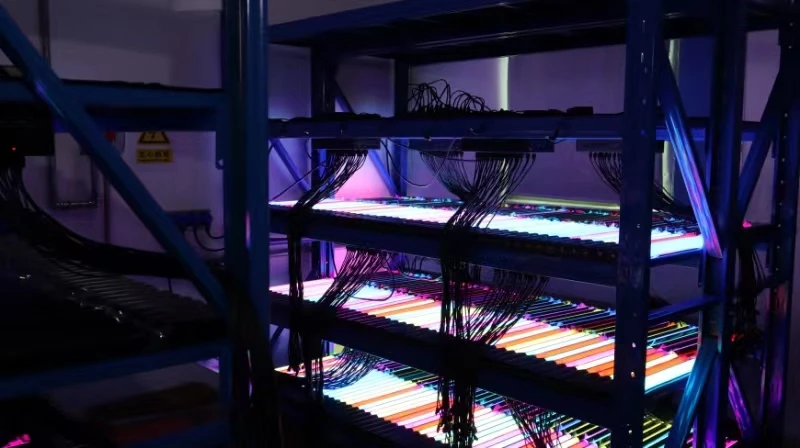
Shenzhen E-Reach Technology Co., Ltd.
- Trading Company, Agent, Distributor/Wholesaler
- Guangdong, China
- Lead time10 days
- Avg. response≤ 4h
Main productsPhotographic Equipment,Camera Flash light,Film Equipment,camera microphone,Studio lighting
Main marketsWestern Europe(11.00%), Central America(10.00%), North America(10.00%), Eastern Asia(10.00%), Mid East(10.00%), Africa(10.00%), Southeast Asia(10.00%), Eastern Europe(10.00%), South America(10.00%), South Asia(8.00%), Southern Europe(1.00%)
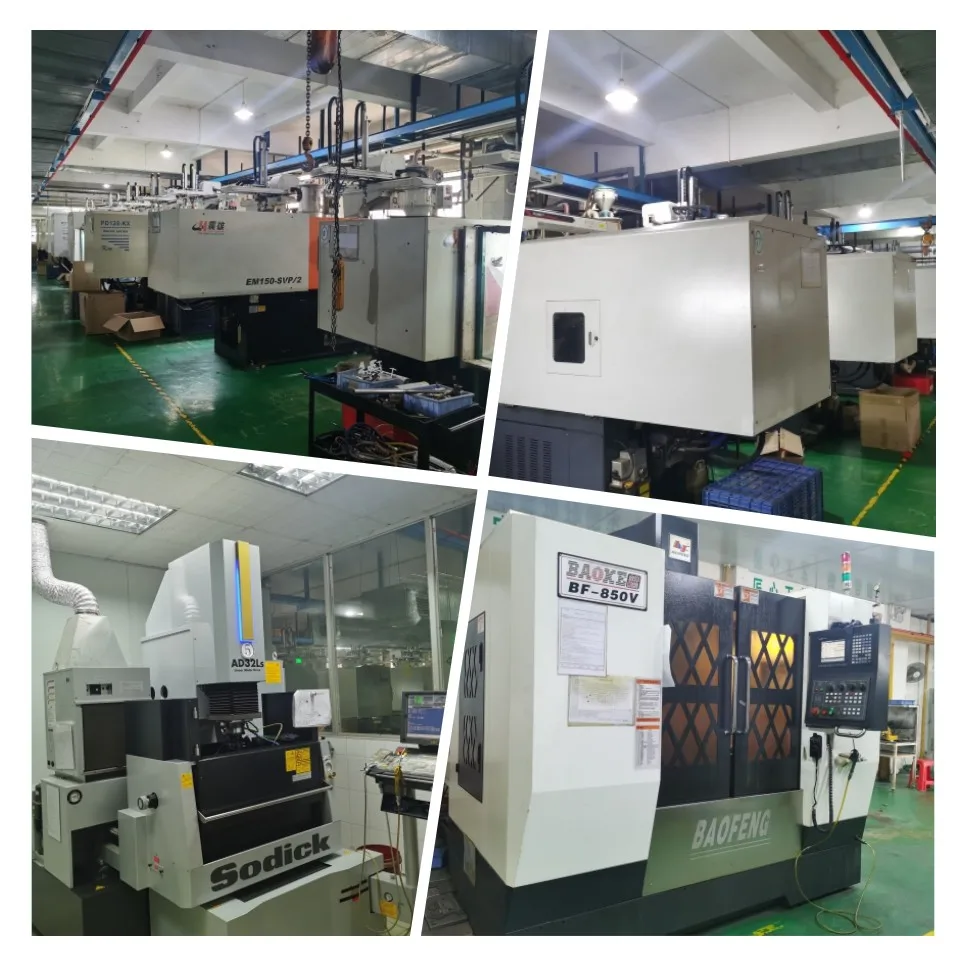
- Manufacturer
- Guangdong, China
- Lead time5 days
- Avg. response≤ 7h
Main productsDigital Battery,Camera/Camcorder battery Battery,Vacuum Cleaner battery,Battery for JBL Speaker,Charger
Main marketsNorth America(35.00%), Western Europe(15.00%), Eastern Asia(8.00%), Mid East(7.00%), Eastern Europe(6.00%), South Asia(5.00%), Domestic Market(5.00%), South America(5.00%), Africa(3.00%), Southeast Asia(3.00%), Southern Europe(3.00%), Northern Europe(2.00%), Oceania(2.00%), Central America(1.00%)
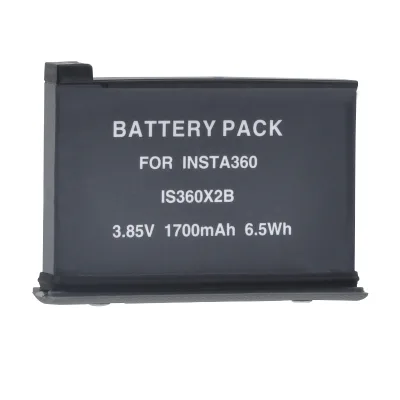
IS360X2B Camera Battery for Insta360 ONE X2
$4.46 - $4.87
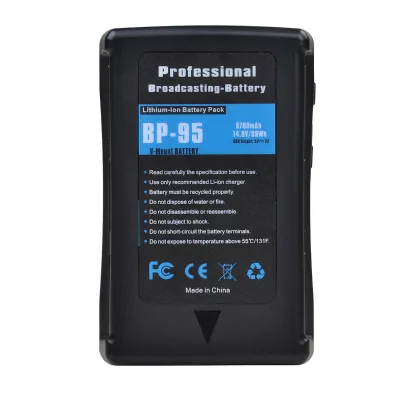

- Verified by BV
- Combined
- China Guangdong
- Lead time23 days
- Avg. response≤ 2h
Main products18650 Battery, Lithium Battery, Polymer Lithium Battery, Low/High Temperature Resistant Battery, Shaped Battery, Consumer Electronics Battery, Portable Electronics Battery, Lithium Battery for Drone, Lithium Battery for Electric Tool, Custom Lithium Battery Pack
Main marketsDomestic
Shenzhen Censreal Technology Co., Ltd.
- Trading Company
- Guangdong, China
- Lead time5 days
- Avg. response≤ 7h
Main productsLED Half Moon Lights, LED Video Lights, LED UV Lash Lights, Camera Batteries, Camera Chargers
Main marketsNorth America(30.00%), South America(10.00%), Western Europe(10.00%), Eastern Europe(10.00%), Domestic Market(10.00%), Oceania(5.00%), Southern Europe(5.00%), Eastern Asia(5.00%), Africa(5.00%), Mid East(5.00%), Southeast Asia(5.00%)
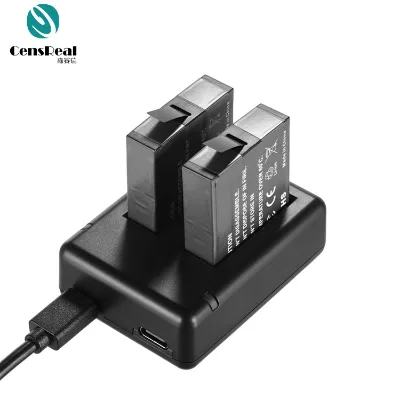
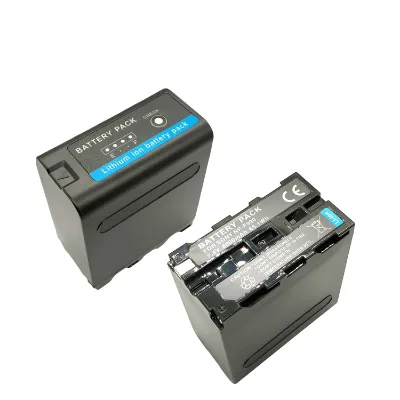
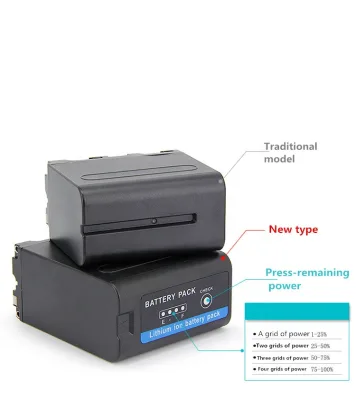
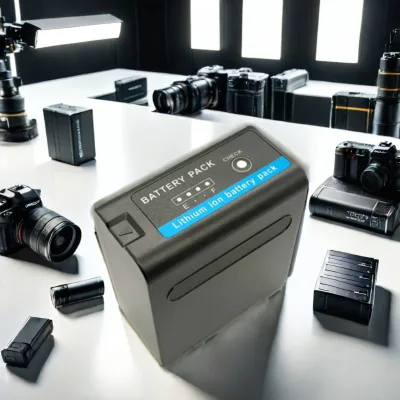
China Supplier Pocket Cinema Camera 8800mAh NP-F990 Battery
$17.10 - $17.50

Shenzhen Tcbest Battery Industry Co., Ltd.
- Verified by TUVRHEINLAND
- Manufacturer/Factory
- China Guangdong
- Lead time45 days
- Avg. response≤ 3h
Main productsAlkaline Battery, Ni-MH Battery, Lithium Battery, Carbon Zinc Battery, Button Cells, Ni-CD Battery, USB Battery, 18650 Battery, Charger
Main marketsSouth America,Eastern Europe,Mid East,North America,Southeast Asia,Eastern Asia,Oceania,Western Europe,Africa

Shenzhen Singo Electronics Co., Ltd
- Verified by SGS
- Manufacturer
- China Guangdong
- Lead time15 days
- Avg. response≤ 6h
Main productsLaptop Battery, Apple Laptop Battery, Cameras Battery, Jump Start, Portable Power Bank, Digital Camera Battery, Laptop Adapter

Shenzhen Topway New Energy Co., Ltd.
- Manufacturer/Factory
- China Guangdong
- Lead time23 days
- Avg. response≤ 11h
Main productsLife Po4 Battery, Lithium Battery, Energy Storage System, Portable Solar Power Station, Solar Power Generator, LFP Battery, Inverter Battery, Solar Battery, Home Solar Battery, Home Power Battery
Main marketsSouth America,Eastern Europe,Mid East,North America,Southeast Asia,Eastern Asia,Oceania,Western Europe,Africa
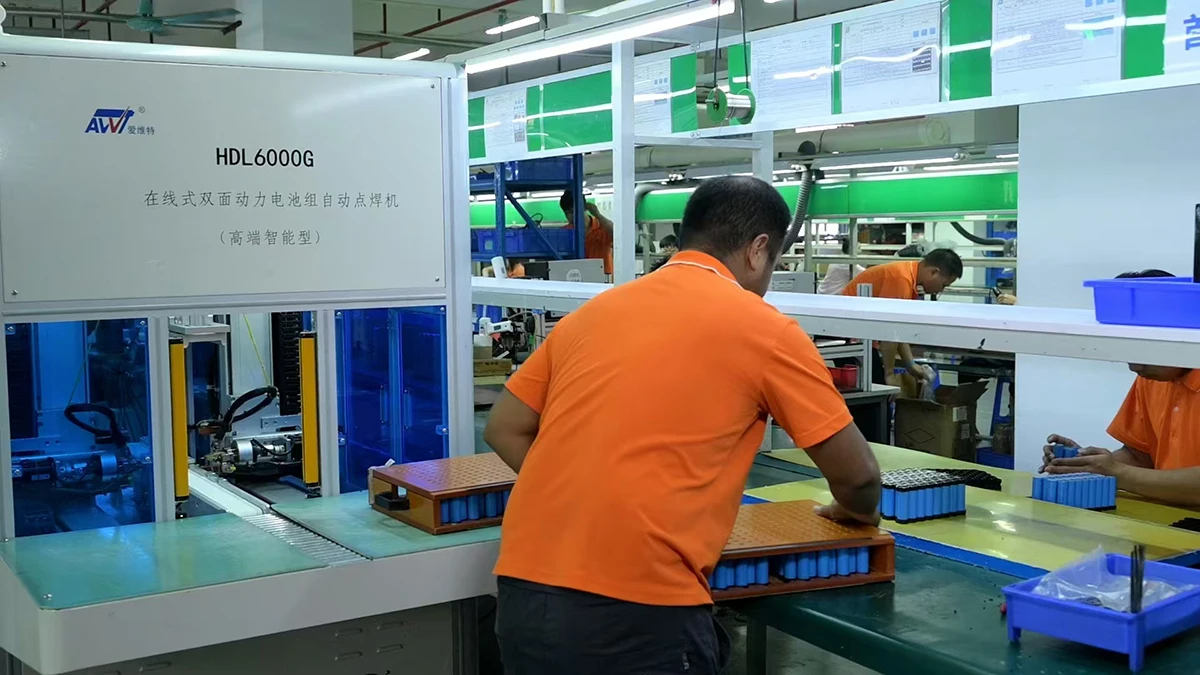
Shenzhen Lichen electronics CO.,LTD
- Manufacturer, Trading Company
- guangdong, China
- Lead time15 days
- Avg. response≤ 1h
Main productsBattery cell,Digital battery,mobile phone battery,Energy storage battery,LI-polymer battery
Main marketsWestern Europe(15.00%), North America(15.00%), Africa(10.00%), Central America(10.00%), South America(10.00%), Northern Europe(6.00%), Southern Europe(5.00%), South Asia(5.00%), Southeast Asia(5.00%), Eastern Europe(5.00%), Eastern Asia(5.00%), Mid East(5.00%), Domestic Market(2.00%), Oceania(2.00%)
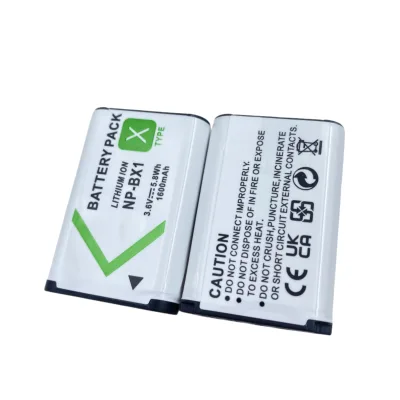
Wholesale Rechargeable Camera Battery NP-BX1 Battery Cameras for Best Price
$1.442 - $1.6474
MOQ: 2 pieces
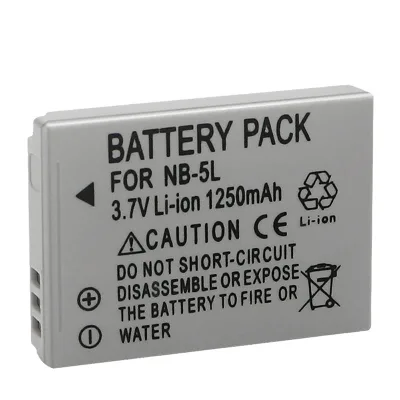
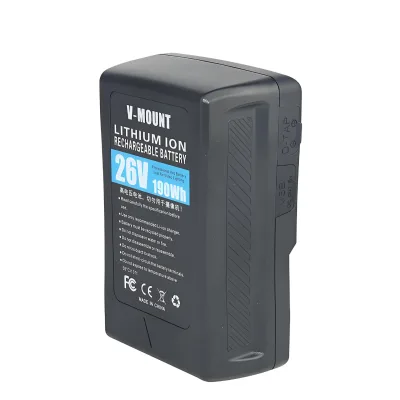
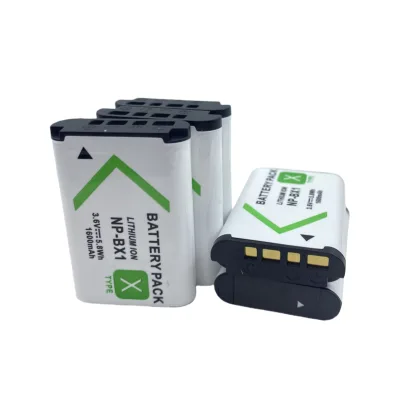
Rechargeable 1600mAh 3.7V Camera Lithium Ion Battery NP-BX1 for Sony Camera
$1.40 - $1.60
MOQ: 2 pieces
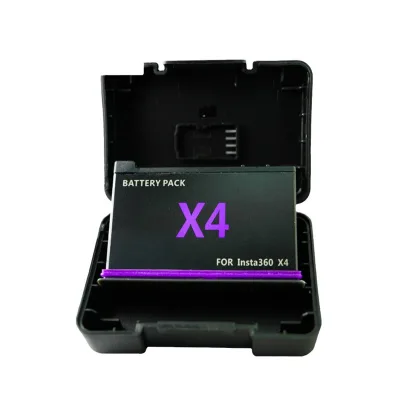
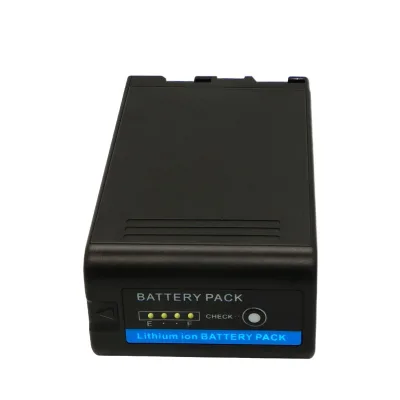
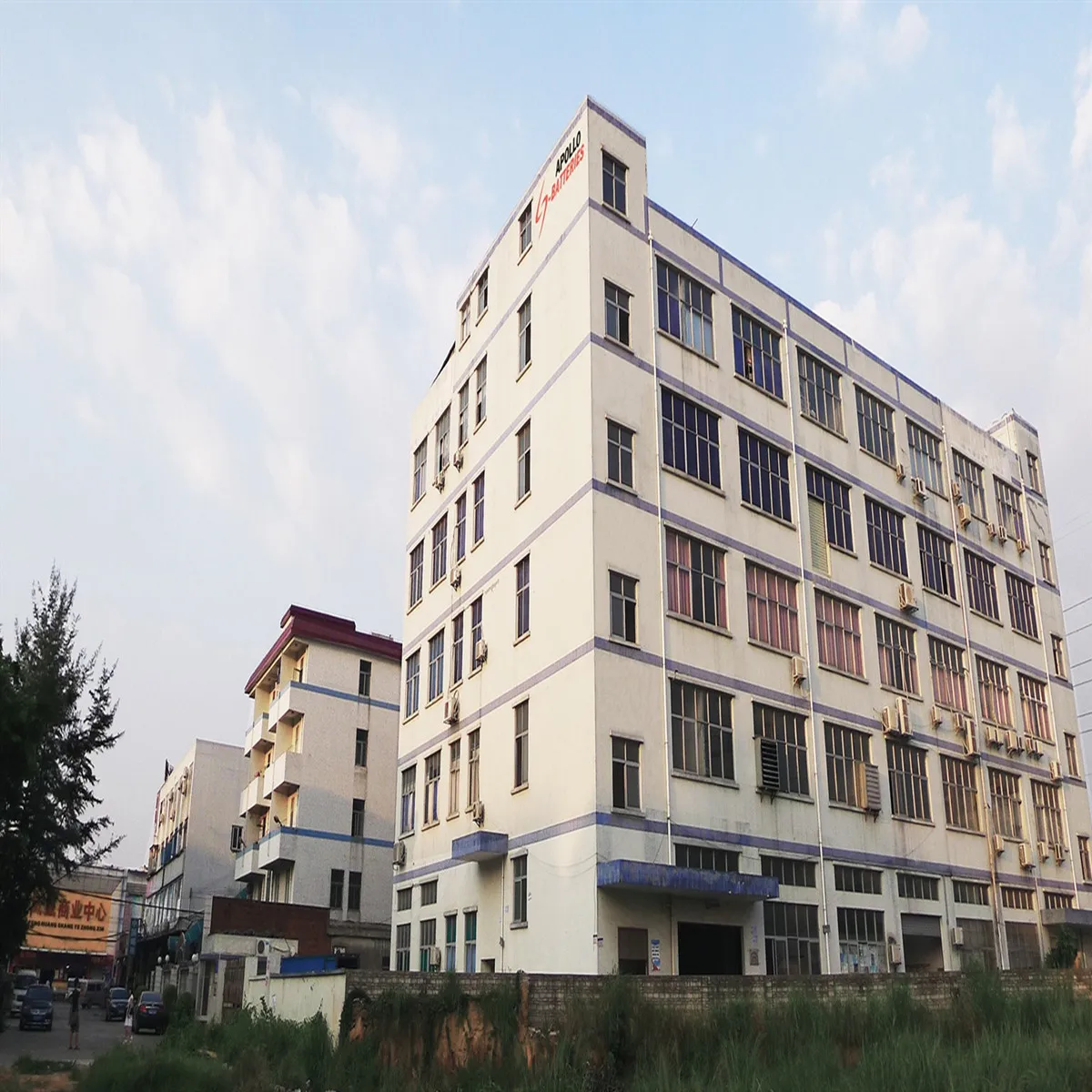
Shenzhen Apollo International Electronics Co., Ltd.
- Manufacturer, Trading Company
- Guangdong, China
- Lead time10 days
- Avg. response≤ 5h
Main productsLaptop Batteries,Laptop Adapters,Camera Batteries & Chargers & Grips,Mobile Phone Batteries,Power Tool Batteries & Chargers
Main marketsEastern Europe(20.00%), Northern Europe(20.00%), Western Europe(20.00%), Southern Europe(15.00%), North America(15.00%), Central America(5.00%), South America(5.00%)
Shenzhen KingMa Electronics Co., Limited
- Verified by TüVRheinland
- Trading Company
- Lead time10 days
- Avg. response≤ 3h
Main productsCamera Battery, Camera Battery Charger, LED Video Lights, Phone Vlog Selfie Screen, Laptop GaN Charger
Main marketsNorth America(35%), Southeast Asia(20%), Western Europe(20%)

Liyuan Battery Technology (Yichun) Co., Ltd.
- Verified by BV
- Combined
- China Jiangxi
- Lead time23 days
- Avg. response≤ 5h
Main productsButton Battery, 3V Lithium Button Coin Cell, 1.5V Manganese Dioxide Button Cell, 3.6V Rechargeable Button Cell, Button Battery with Weld Foot, Button Battery with Welding Wire, Alkaline Battery, Carbon-Zinc Battery, Ni-MH Battery, Ni-CD Battery
Main marketsDomestic

1.2V 2000mAh High Performance Rechargeable Ni-MH AA Battery for Camera
$0.55 - $0.586
MOQ: 10000 Pieces

Shenzhen Cowon Technology Limited
- Verified by SGS Group
- Manufacturer, Trading Company
- Lead time25 days
- Avg. response≤ 3h
Main productsDigital Battery, Li-ion Battery Cell & Battery Pack, LifePO4 Battery Cell & Battery Pack, Lithium Metal Battery Cell & Battery Pack, LiPO Battery Cell & Battery Pack
Main marketsNorth America(25%), Eastern Europe(20%), South America(10%)

- Verified by BV
- Combined
- China Jiangsu
- Lead time15 days
- Avg. response≤ 5h
Main productsAA Lr6 Am4 Um3 Alkaline Batteries, AAA Lr03 Am3 Alkaline Batteries, D Lr20 Am2 Alkaline Batteries, C Lr14 Am1 Alkaline Batteries, 9V Alkaline Batteries, 6V Alkaline Batteries
Main marketsEast Asia(Japan/ South Korea),Domestic,Europe,North America

$0.0735 - $0.0805
MOQ: 10000 Pieces


lr6 battery 370mins AA High capacity new best Quality OEM 1.5v aa alkaline battery
$0.074 - $0.076
MOQ: 10000 PCS

High Quality CE EU(2023/1542) 1.5V AA Dry Cell Lr6 Am3 No. 5 Super Alkaline Clock Remote Battery
$0.074 - $0.076
MOQ: 10000 PCS
Shenzhen Powerfirst Technology Co., Ltd.
- Trading Company
- Guangdong, China
- Lead time7 days
- Avg. response≤ 2h
Main productsPower Banks,Digital Camera Batteries,Digital Chargers,Vacuum Cleaner Accessories,Photographic Accessories
Main marketsNorth America(30.00%), Eastern Asia(20.00%), Southern Europe(10.00%), Western Europe(10.00%), Southeast Asia(10.00%), Oceania(5.00%), Africa(5.00%), Eastern Europe(5.00%), Northern Europe(5.00%)
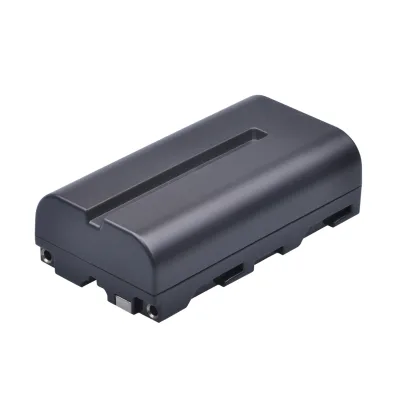
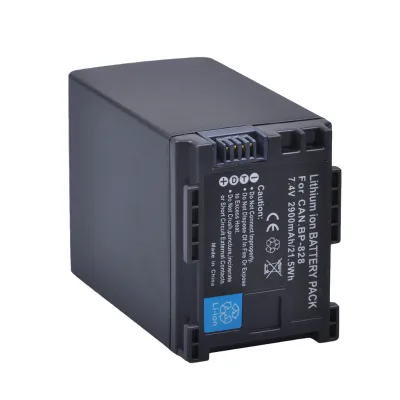
Rechargeable Lithium Battery BP-828 for CANON VIXIA HF-G40 HF-G30 HF-XA20 HF-XA25 DSLR Camcorder
$15.90 - $16.30
MOQ: 5 pieces
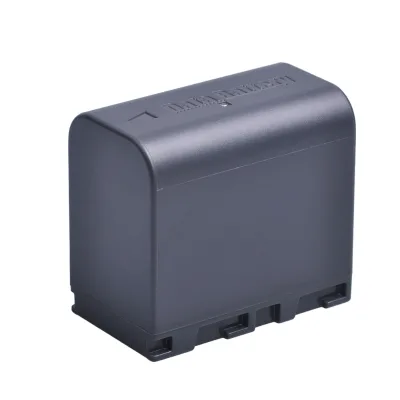
High Capacity Li-ion Battery BN-VF823 BN-VF823U for JVC GY-HM150U Camcorder
$9.20 - $12.80
MOQ: 10 packs

Shaanxi Deruite Industry and Trade Co., Ltd.
- Verified by BV
- Trading Company
- China Shaanxi
- Lead time23 days
- Avg. response≤ 7h
Main productsSurveying Instrument, Accessories, Tripod, Staff, Prism, Prism Poles
Main marketsSouth America,Africa,Southeast Asia/ Mideast,East Asia(Japan/ South Korea),Europe,Australia,North America
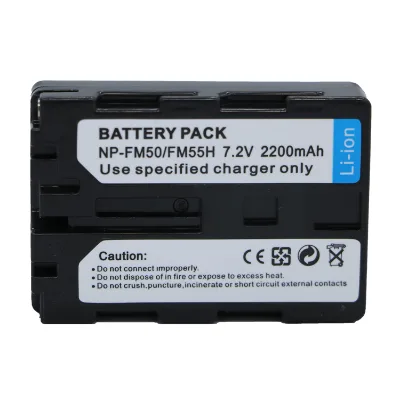
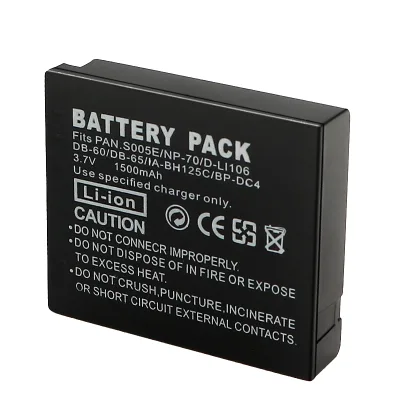
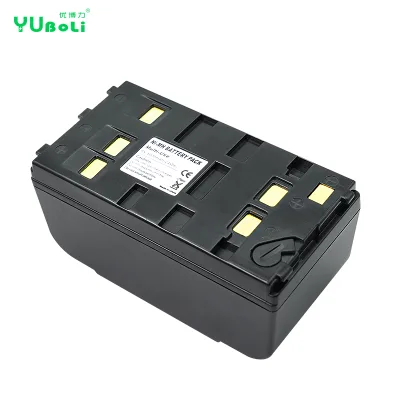
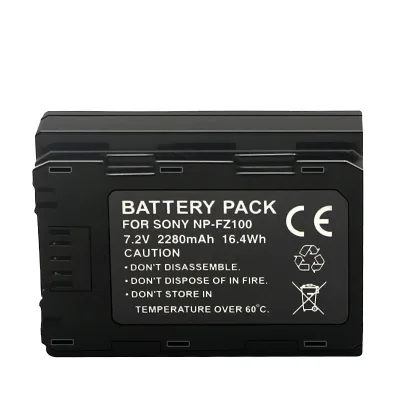
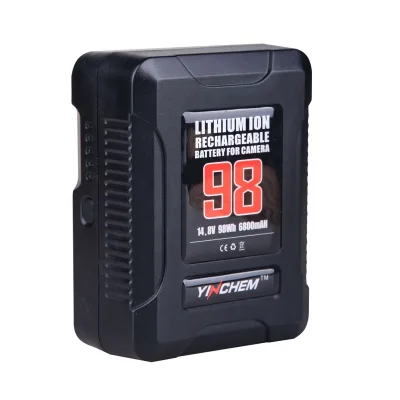
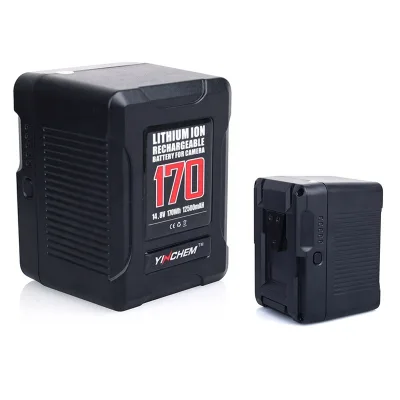
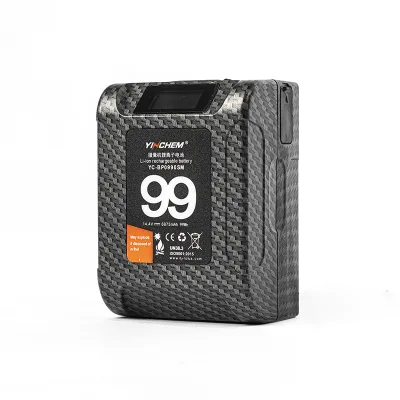
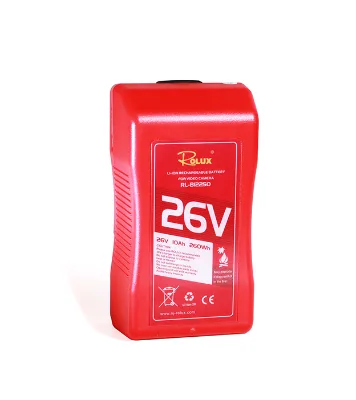
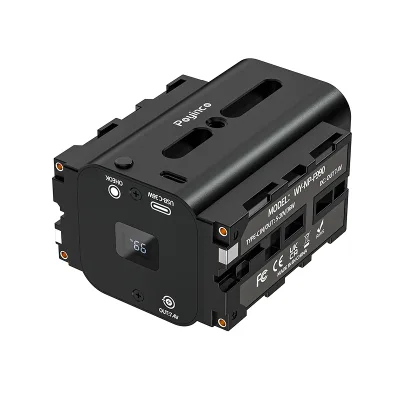
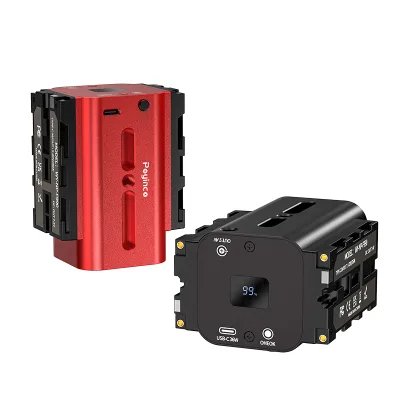
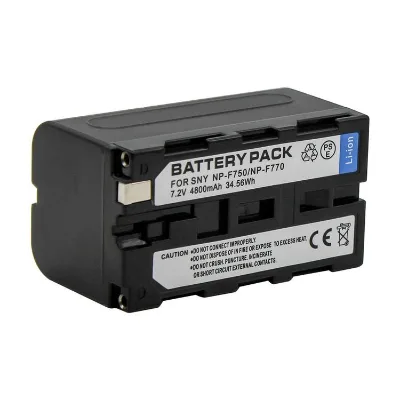
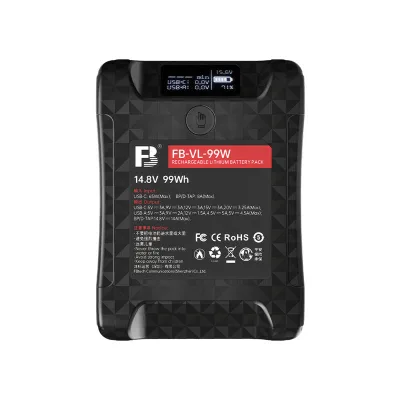


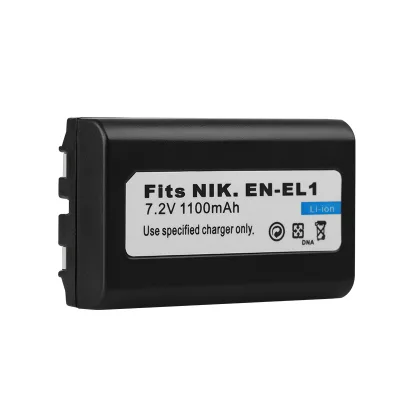
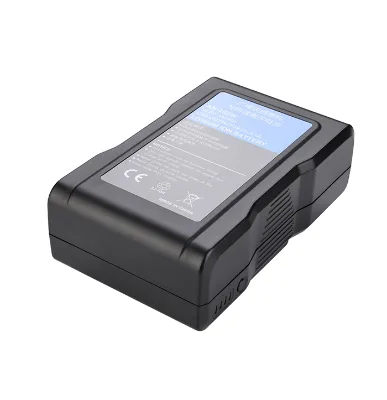
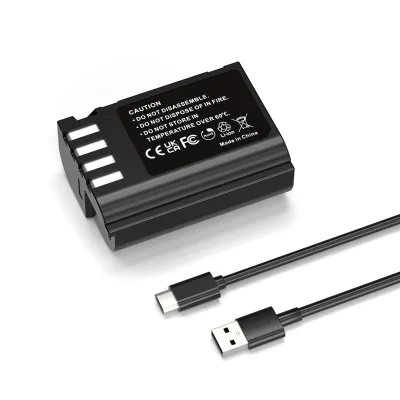
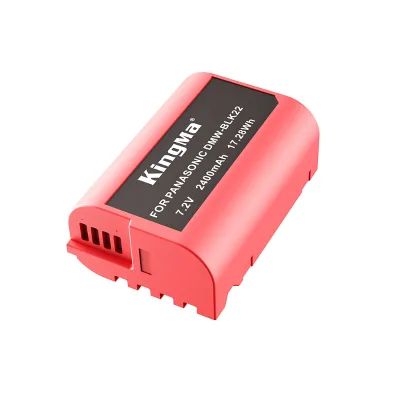


Comprehensive Sourcing Guide
Camera Battery Supplier Concentration and Factory Types
The current supplier landscape for camera batteries reveals a distinct concentration of manufacturing and trading entities within Guangdong, China. This region serves as a critical hub for consumer electronics components, including the specific digital batteries required for vlogging, DSLR, and action camera applications. Buyers observing search results will notice that many listed entities are classified as Trading Companies rather than direct manufacturers. This structural distinction is vital for procurement strategy, as trading companies often aggregate inventory from multiple factories, offering a broader selection of compatible models such as those for Sony, Nikon, or GoPro, while potentially adding a layer of margin to the final unit cost. Understanding this dynamic helps buyers anticipate negotiation leverage and communication channels, as trading entities may have different operational priorities compared to pure production facilities.
In contrast to the trading-heavy segment, a smaller subset of suppliers presents themselves as Combined entities or direct manufacturers with verified capabilities. These suppliers often highlight specific certifications like ISO9001:2015 and verification badges from recognized bodies such as TÜV Rheinland, indicating a more robust internal quality management system. The presence of OEM and ODM capabilities among these manufacturers suggests they can accommodate custom branding or specific technical modifications, which is less common among standard trading firms. Buyers should carefully distinguish between these two types when evaluating long-term partnership potential. Direct manufacturers may offer better control over production timelines and raw material sourcing, whereas trading companies might provide faster access to off-the-shelf stock for immediate fulfillment needs. Recognizing this split allows for a more targeted approach in supplier outreach and contract structuring.
How to Verify Camera Battery Suppliers
Verifying the legitimacy and capability of Camera Battery suppliers requires a multi-layered approach that goes beyond surface-level profile views. Buyers must prioritize suppliers who display third-party verification badges, such as those from TÜV Rheinland, which provide an independent assessment of the company’s business scope and legal standing. Additionally, checking for specific system certifications like ISO9001:2015 is crucial, as it indicates adherence to international quality management standards. For battery products specifically, safety certifications are non-negotiable. Buyers should look for explicit mentions of UN38.3 and MSDS documentation, which are essential for the safe transportation of lithium-ion cells. These documents prove that the batteries have passed rigorous testing for safety, reliability, and transportation security, reducing the risk of shipment delays or regulatory rejections at customs.
Beyond documentation, buyers should actively engage with suppliers to assess their responsiveness and technical knowledge. The response time metric provides a quantitative measure of how quickly a supplier acknowledges inquiries, with faster responses often correlating with better customer service and operational efficiency. However, speed alone is not enough; the quality of the technical response matters equally. Buyers should ask specific questions about battery chemistry, cell origin, and protection circuit board (PCB) specifications to gauge the supplier’s expertise. Furthermore, verifying the supplier’s main product focus is essential. A supplier whose primary listings are photography lights and microphones may have less depth in battery engineering compared to a supplier specializing in LiFePO4 or Lithium Polymer cells. Cross-referencing these verification points ensures that the chosen partner can deliver safe, compliant, and high-quality products consistently.
What to Compare Across Camera Battery Suppliers
When evaluating multiple suppliers, buyers must compare key operational metrics to determine the best fit for their specific business needs. Lead time is a critical factor, as it dictates inventory planning and order fulfillment speed. Some suppliers may offer rapid turnaround times of around seven days, while others with more complex manufacturing processes might require fifteen days or more. This variance can significantly impact a buyer’s ability to meet market demand, especially during peak seasons. Alongside lead times, the Minimum Order Quantity (MOQ) serves as another crucial comparison point. Suppliers may set MOQs as low as ten units for trial orders or higher volumes for production runs. Buyers should align these MOQs with their initial procurement strategy, balancing the desire for low-risk testing against the economies of scale offered by larger orders.
Price and product specifications also require careful comparison across different supplier listings. Unit prices for camera batteries can vary widely based on capacity, voltage, and included certifications. For instance, batteries with higher capacities or specific safety certifications may command a premium price. Buyers should analyze the price range relative to the stated specifications, such as nominal voltage and rated capacity, to ensure they are receiving fair value. Additionally, the supplier’s response time should be weighed against their pricing structure; a lower price might be offset by slower communication or less flexible terms. It is also important to compare the warranty terms offered, as some suppliers provide a one-year warranty while others may have different policies. By systematically comparing these dimensions, buyers can create a weighted scorecard to objectively rank suppliers and select the one that offers the best overall value proposition.
Common Camera Battery Sourcing Risks
Sourcing camera batteries involves several inherent risks that buyers must proactively manage to avoid supply chain disruptions. One significant risk is the variability in product quality and safety compliance. Not all suppliers adhere to the same rigorous testing standards, and some may offer batteries that do not meet international safety regulations. This can lead to product failures, customer complaints, or even legal liabilities if non-compliant batteries reach the end consumer. Buyers must be vigilant in verifying that all products come with the necessary safety certifications, such as UN38.3 and MSDS, and that these documents are authentic and up-to-date. Failing to do so can result in shipments being held at customs or rejected by retailers, causing significant financial losses and reputational damage.
Another common risk is the discrepancy between advertised specifications and actual product performance. Some suppliers may exaggerate battery capacity or voltage ratings to make their products appear more competitive. This misrepresentation can lead to poor customer satisfaction and high return rates. Buyers should request detailed technical datasheets and, if possible, conduct independent testing of sample units before placing large orders. Additionally, the risk of intellectual property infringement is present, especially when sourcing batteries for specific camera models. Buyers must ensure that the suppliers have the right to manufacture and sell compatible batteries, avoiding potential legal disputes with original equipment manufacturers. By identifying and mitigating these risks through thorough due diligence and clear contractual terms, buyers can protect their business interests and ensure a smoother sourcing process.
Camera Battery Regional Sourcing and Logistics
The geographic concentration of Camera Battery suppliers in Guangdong, China, offers both advantages and logistical considerations for international buyers. This region is well-established in the electronics manufacturing ecosystem, providing access to a robust supply chain of raw materials and components. However, buyers must account for the logistical complexities associated with shipping lithium-ion batteries, which are classified as dangerous goods. Proper packaging and labeling are essential to comply with international shipping regulations, and buyers should ensure that their suppliers have experience in handling these requirements. The lead times observed in supplier profiles, ranging from seven to fifteen days, should be factored into the overall logistics planning, including transit time and customs clearance.
Buyers should also consider the impact of regional trade policies and tariffs on their total landed cost. While sourcing from China can offer competitive pricing, fluctuations in shipping rates and import duties can affect the final cost of goods. Establishing clear communication with suppliers regarding Incoterms is crucial to determine who is responsible for shipping, insurance, and customs duties. Additionally, buyers should evaluate the supplier’s ability to handle export documentation accurately, as errors in this area can cause significant delays. By understanding the logistical landscape and working with suppliers who have proven experience in international shipping, buyers can minimize disruptions and ensure timely delivery of camera batteries to their target markets.
Camera Battery Commercial Terms and Order Planning
Effective order planning for camera batteries requires a clear understanding of commercial terms and payment structures. Buyers should negotiate favorable payment terms, such as using escrow services to protect their funds until the goods are received and verified. This is particularly important for new supplier relationships, where trust and reliability have not yet been established. Additionally, buyers should clarify the warranty terms and after-sales support policies before finalizing any agreement. A standard one-year warranty is common, but buyers should ensure that the supplier provides a clear process for handling defective units, including replacement or refund options. Understanding these terms helps mitigate financial risk and ensures that the buyer has recourse in case of product issues.
Furthermore, buyers should plan their orders based on projected demand and supplier lead times to avoid stockouts or excess inventory. Collaborating with suppliers on forecasted volumes can help secure better pricing and prioritize production slots. Buyers should also consider the flexibility of the supplier’s order terms, such as the ability to adjust quantities or modify specifications for subsequent orders. This flexibility is crucial for adapting to market changes and customer preferences. By integrating commercial terms into a comprehensive order planning strategy, buyers can optimize their supply chain efficiency, reduce costs, and maintain a competitive edge in the Camera Battery market. This proactive approach ensures that business operations run smoothly and that customer expectations are consistently met.
FAQs
What certifications do the camera batteries have?
Available camera batteries carry UN38.3, MSDS, CE, and RoHS certifications. These documents confirm safety and compliance for shipping and usage. Buyers should verify specific test reports for their target markets before placing large orders to ensure full regulatory adherence.
Where are these camera batteries manufactured?
All listed camera batteries originate from Guangdong, China. This region is a major hub for consumer electronics manufacturing. Buyers can expect consistent supply chain logistics from this location, though specific factory addresses require direct supplier confirmation.
What is the typical response time for suppliers?
Suppliers typically respond within 6 to 12 hours. This ensures quick communication regarding product specifications and order status. Faster response times help streamline the negotiation process and reduce delays in finalizing purchase agreements for urgent Camera Battery needs.
How long does shipping take for these batteries?
Standard lead times range from 7 to 15 days depending on the supplier. Some manufacturers offer faster turnaround for stock items. Buyers should confirm exact delivery schedules with the supplier to align with their production or sales timelines effectively.
What is the minimum order quantity for camera batteries?
The minimum order quantity is 10 units for many listed products. This allows small businesses to test the market without excessive inventory. Larger orders may qualify for better pricing tiers, so buyers should negotiate based on their total volume requirements.
Are custom logos and packaging available for these batteries?
Yes, custom logos and packaging are accepted for specific Camera Battery models. Suppliers offer private mold options to support branding efforts. Buyers must discuss design files and minimum quantities directly with the manufacturer to finalize custom production details.
What warranty is provided for the camera batteries?
A one-year warranty is standard for many listed Camera Battery products. This covers defects in materials and workmanship under normal use. Buyers should review the specific warranty terms provided by each supplier to understand coverage limits and claim procedures.
What is the price range for these camera batteries?
Prices range from approximately 1.84 to 5.43 US dollars per unit. Costs vary based on capacity, voltage, and compatible camera models. Buyers should request detailed quotes to compare value across different specifications and ensure the best deal for their specific needs.