CE Certified Heating Patch Suppliers and Manufacturers
Source 19 verified suppliers for CE Certified Heating Patch products. Compare key dimensions including lead times, MOQs, certifications, and response rates. Review product specifications and request quotes to streamline your procurement process; review the available evidence before requesting comparable quotations from suitable candidates.
Updated
Suppliers List

Jiangsu Meilan Medical Devices Co., Ltd
- Verified by BV
- Combined
- China Jiangsu
- Lead time45 days
- Avg. response≤ 15h
Main marketsSoutheast Asia/ Mideast,Europe,North America


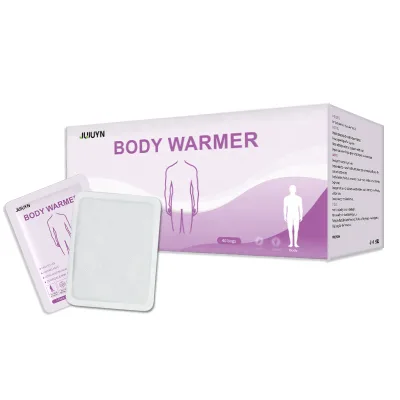
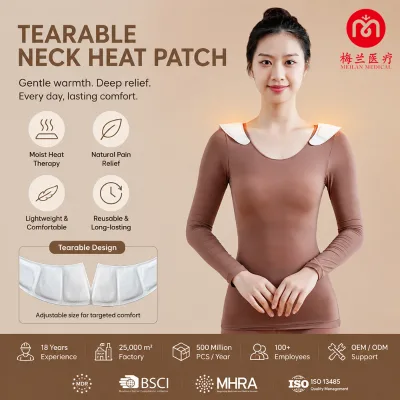
Heat Pads Warm Patches Heat Patches Detachable Design Heat Therapy Patch
$0.25 - $0.35
MOQ: 10000 Pieces

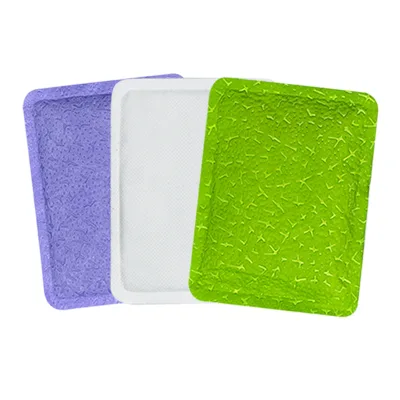
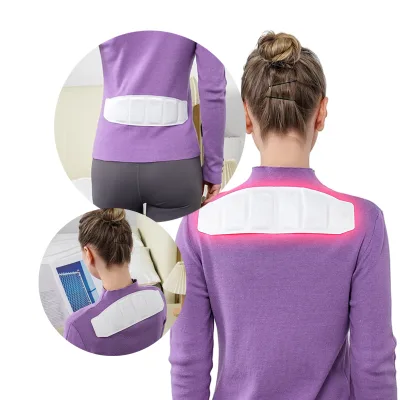
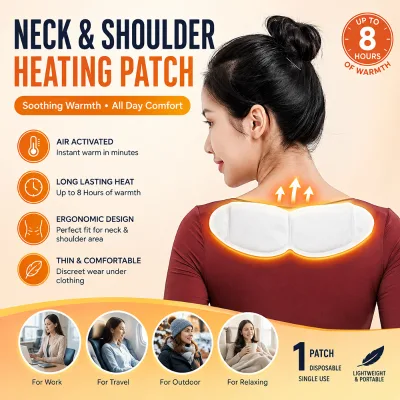
290*95mm Shoulder Meilan Jiangsu, China Thermal Heat Patch with High Quality Jb0407
$0.22 - $0.25
MOQ: 10 Pieces

Hebei Yuanrun Medical Devices Co., Ltd.
- Verified by TüVRheinland
- Manufacturer, Trading Company
- Lead time7 days
- Avg. response≤ 2h
Main productsNasal Strip, Warm Patch, Mouth Tape, Vitamin Patch, Acne Patch
Main marketsDomestic Market(57%), North America(8%), Mid East(8%)
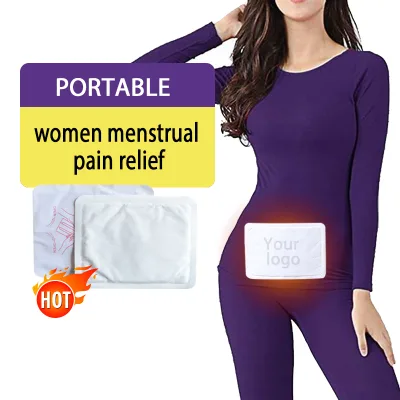
CE Certificate 8-12 Hours Heating Patch Sealed Individual Package Rapid Warm Patch
$0.05 - $0.07
MOQ: 1000
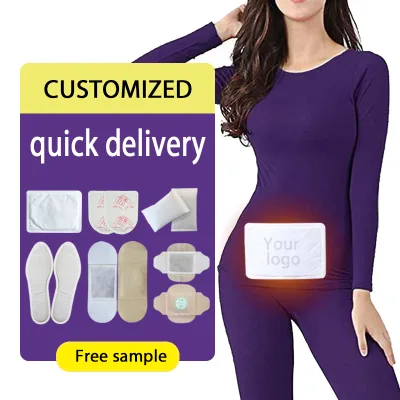
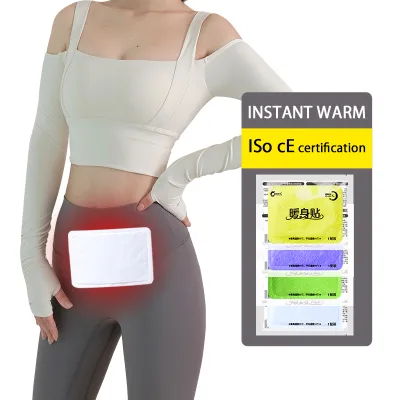
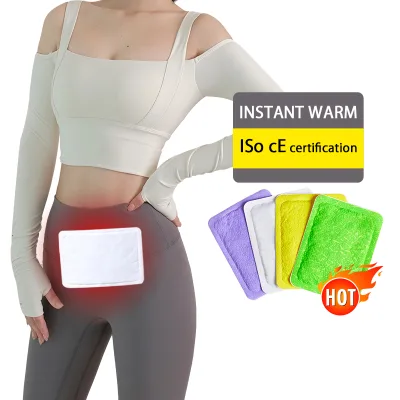
Customized Warm Patch Disposable for Long Time Heating Disposable Heating Patch
$0.06 - $0.08
MOQ: 1000
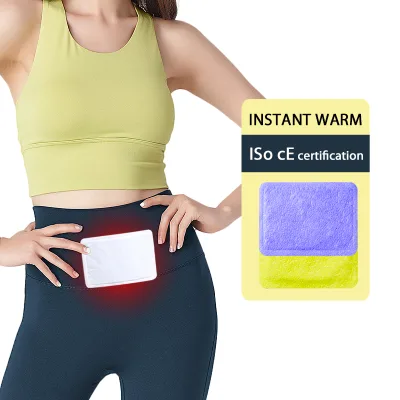
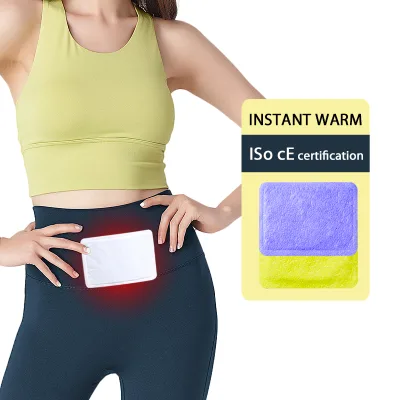
Multifunctional Self Heating Heat Packs Heating Transfer Patch Outdoor Provide Warmth
$0.0512 - $0.0716
MOQ: 1000 pieces
Hangzhou Houde Fuze Technology Co., Ltd.
- Verified by SGS Group
- Manufacturer, Trading Company
- Lead time10 days
- Avg. response≤ 2h
Main productsFoot Mask, Steam Eye Mask, Acne Patch, Collagen Eye Mask, Body Warmer Patch
Main marketsSouth America(17%), Eastern Europe(15%), Western Europe(15%)
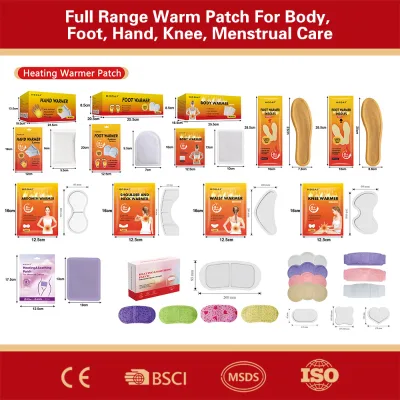
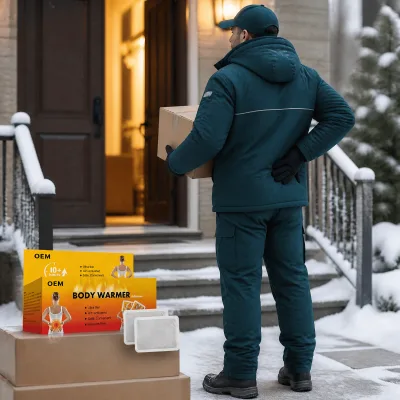
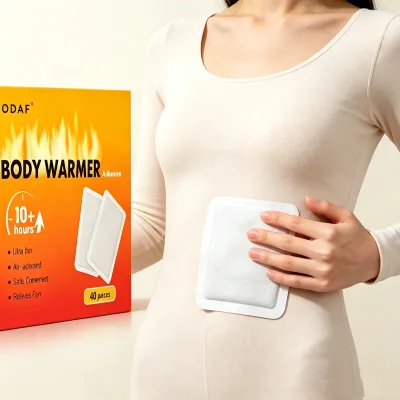
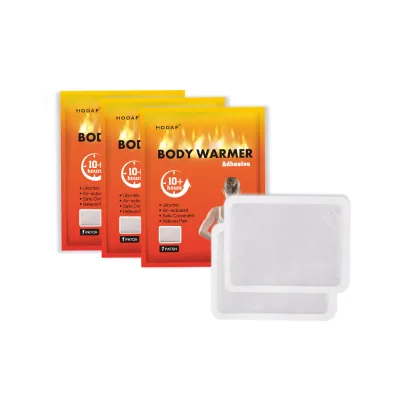
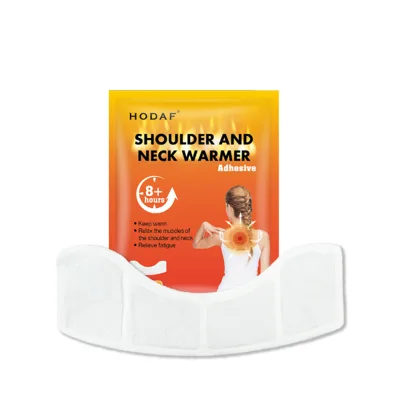
$0.0724 - $0.1035
MOQ: 1000 pieces
Henan Kangdi Medical Devices Co., Ltd.
- Verified by SGS Group
- Manufacturer, Trading Company
- Lead time20 days
- Avg. response≤ 3h
Main productsPain relief patch, Heat patch, Detox foot patch, Slim patch, Mosquito repellent bracelet
Main marketsMid East(17%), Oceania(16%), Southeast Asia(14%)
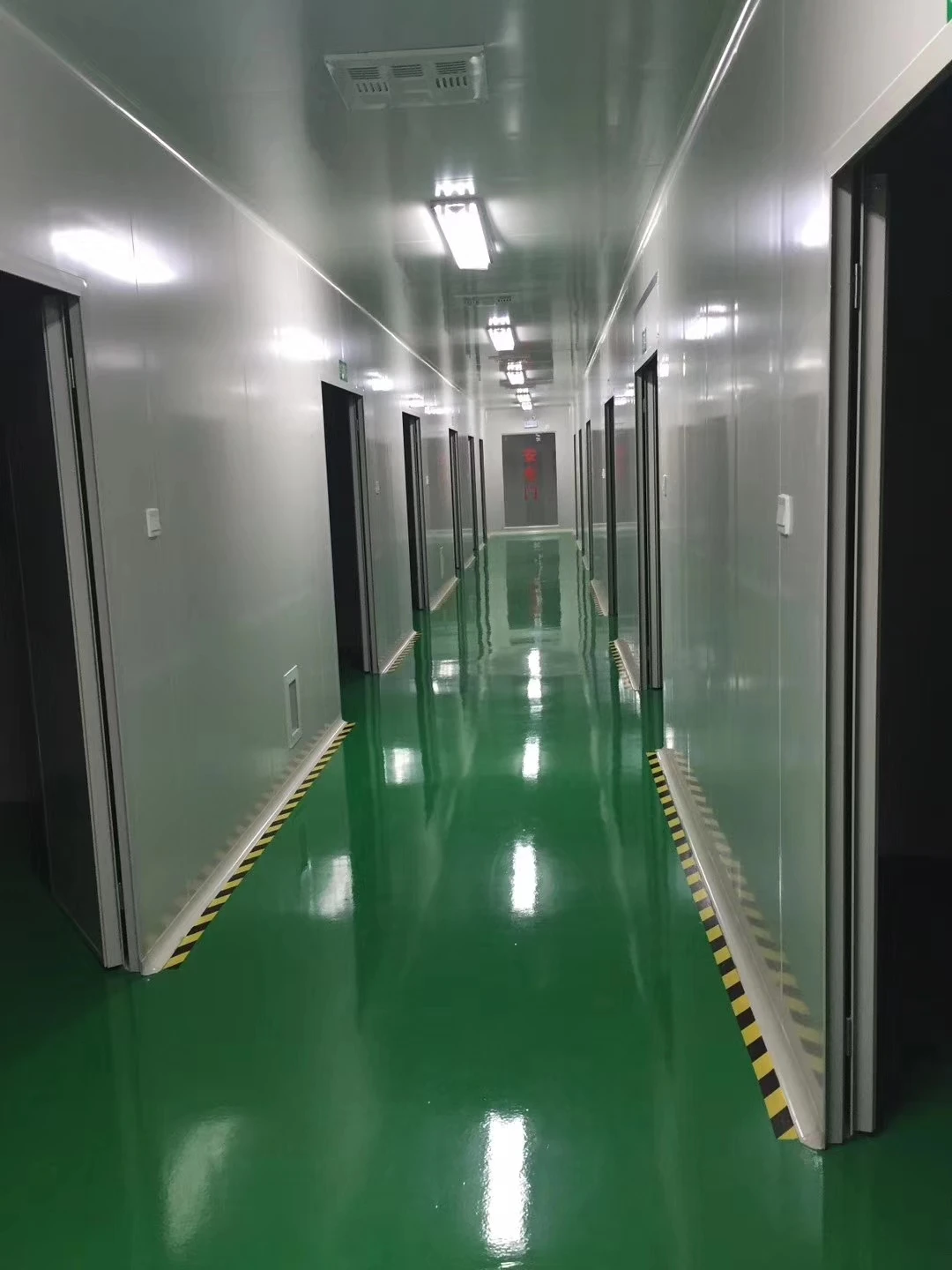
Shijiazhuang Jishantang Biotechnology Co., Ltd.
- Manufacturer, Trading Company
- Hebei Province, China
- Lead time10 days
- Avg. response≤ 1h
Main productsSteam eye mask,Nasal strip,Detox foot patch,Warm patch,Cooling patch
Main marketsSoutheast Asia(20.00%), Central America(10.00%), Western Europe(10.00%), Eastern Asia(10.00%), Oceania(10.00%), Africa(10.00%), North America(10.00%), Eastern Europe(10.00%), South America(10.00%)
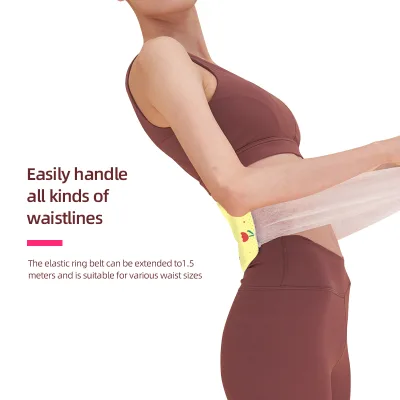
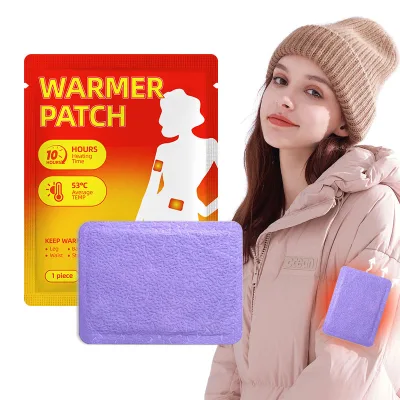

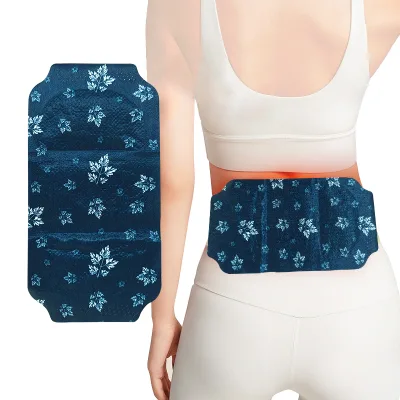
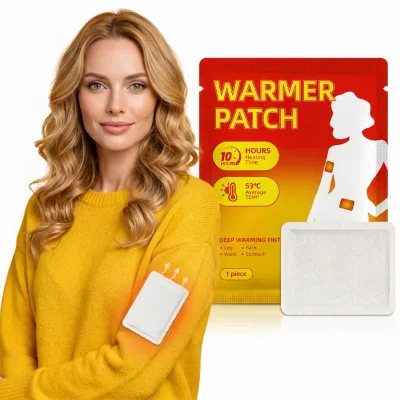
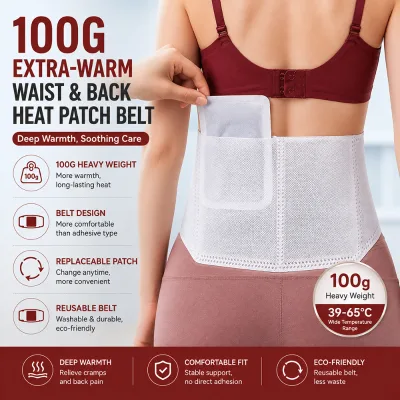
Healthcare Supply Waist Warmer Herbal Heat Patch China Heating Belt Temperature Adjust
$0.45 - $0.48
MOQ: 1000 bags

Qingdao Anlone Biotechnology Co., Ltd.
- Verified by SGS
- Combined
- China Shandong
- Lead time30 days
- Avg. response≤ 8h
Main productsHand Warmer, Body Wamer, Knee Warmer, Waist / Shoulder Warmer, Moisture Absorber, Odor Elimator, Drain Cleaner, Washing Machine Cleaner, Natural Insect Repellent, Anti Itch Lotion
Main marketsSoutheast Asia/ Mideast,East Asia(Japan/ South Korea),Europe

OEM Customized Heating Pad Warmer Patch for 12-Hour Warming Body Pain Relief
$0.06 - $0.15
MOQ: 50000 Pieces

Self-Heating Warmer Patch Pack Instant Warmth 14+ Hours Duration Heating Patchoem Customized
$0.07 - $0.12
MOQ: 20000 Pieces

$0.06 - $0.12
MOQ: 50000 Pieces

Customized Instant Heating 10-12 Hours Self-Heating Warmer Patch Pack for Cold Weather
$0.08 - $0.15
MOQ: 50000 Pieces

Customized 12hours Long Lasting Warmer Patch Period Heat Pack Perfect Fit for Winter Warm
$0.06 - $0.12
MOQ: 50000 Pieces

Warmer Pad Patch Instant Heating Pack: 10X Warming OEM Custom Pain Relief Body Heat Stickers
$0.06 - $0.12
MOQ: 50000 Pieces

Ningbo Multi Channel Co., Ltd.
- Trading Company
- China Zhejiang
- Lead time23 days
- Avg. response≤ 11h
Main productsFirst Aid Kit, Wound Dressing, Bandage, Outdoor Emergency Supplies, Hot/Cold Therapy, Surgery Supplies, Laboratory Supplies, Medical Devices, Anethesia Breathing Supplies, Daily Care
Main marketsSouth America,Southeast Asia/ Mideast,East Asia(Japan/ South Korea),Europe,North America

Heat Therapy Patches Air-Activated Adhesive Heating Pad for Neck and Shoulder Body Warmer Patch
$0.34 - $0.40
MOQ: 1000 Pieces

Body Heating Pad Pain Relief Heat Patchs Neck Air Activated Warmers Self-Adhesive Heat Patch
$0.51 - $0.56
MOQ: 10000 Pieces

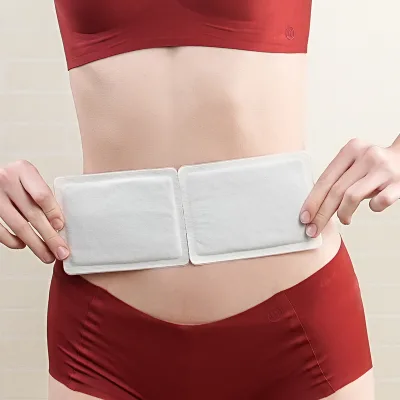
Hot Sale Instant Self Heating Patch Heat Pads Instant Waist Self Warmer
$0.67 - $0.75
MOQ: 10000 Pieces

Hebei Yinuan Biotechnology Co., Ltd.
- Verified by SGS Group
- Manufacturer, Trading Company
- Lead time15 days
- Avg. response≤ 1h
Main productsFoot patch, Heat patch, Silicone Scar Sheet, Transdermal Topical Patch, Steam eye mask
Main marketsDomestic Market(87%), North America(6%), Southeast Asia(2%)
Hebei Houde Hanfang Medical Devices Group Co., Ltd.
- Verified by SGS Group
- Manufacturer, Trading Company
- Hebei, China
- Lead time10 days
- Avg. response≤ 2h
Main productsTransdermal Nutrition, Non Woven Fabric Patch, Sleep & Respiratory, Warmer Heating Pad, Body Contouring
Main marketsDomestic Market(60%), North America(11%), Eastern Europe(9%)
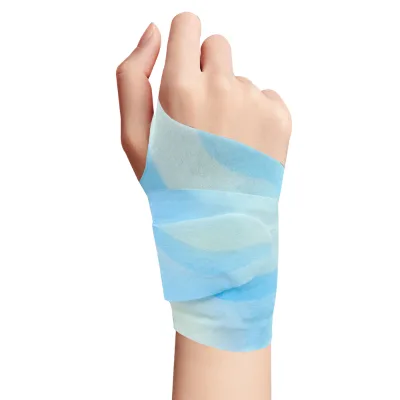
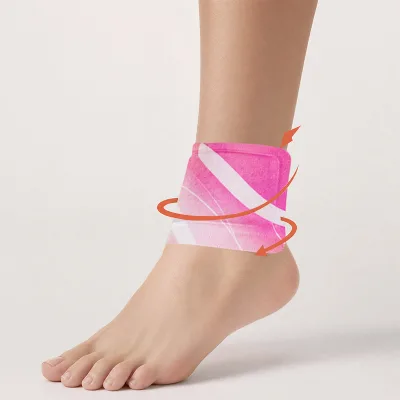
Disposable Air Activated Wrist Heat Patch, OEM Disposable Heating Wrist Patch
$0.16 - $0.17
MOQ: 5000 pieces
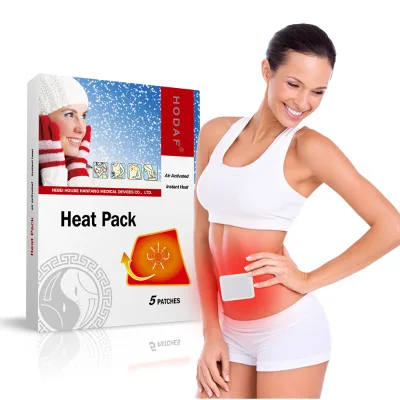
Wholesale Warm Paste Sticker Body Warmer Heat Patch for the Winter Charcoal Heat Pad Foot
$0.06 - $0.09
MOQ: 1000 pieces
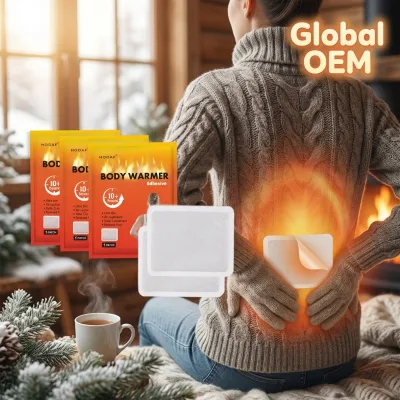
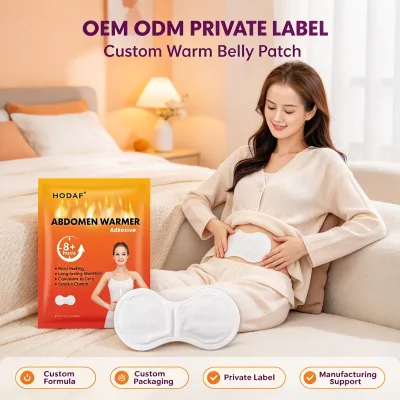
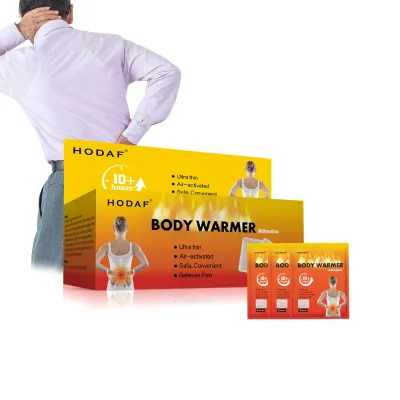
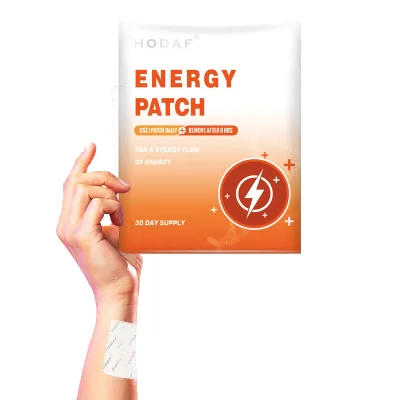
Jiangsu Meilan Medical Devices Co.,Ltd
- Verified by TüVRheinland
- Manufacturer, Trading Company
- Lead time30 days
- Avg. response≤ 5h
Main productsUterus Heat Patch, Shoulder & Back Heat Patch, Hand & Foot Heat Pack, General Heat Patch, Waist Heat Patch
Main marketsEastern Europe(30%), Western Europe(30%), Southeast Asia(10%)

PLANET (ANHUI) INTERNATIONAL CO., LTD.
- Verified by BV
- Combined
- China Jiangsu
- Lead time60 days
- Avg. response≤ 3h
Main productsBandage, First Aid Kits, Band Aid, Wound Dressing, Foot Patch, Knee Brace, Knee Support, Knee Pad, Adhesive Tape, Compression Stocks
Main marketsNorth America


Heat Pad Warm Patch for Abdomen Neck Back Hand Warm Heat Intelliheat Multi Purpose Heatpad
$1.05 - $1.07
MOQ: 5000 Pieces
Hebei Houde Hanfang Medical Devices Group Co., Ltd.
- Trading Company
- Lead time旺季: "1 - 10000":8,"10001 - 50000":15,"> 50000":"To be negotiated", 淡季: "1 - 10000":8,"10001 - 50000":15,"> 50000":"To be negotiated"
- Avg. response≤ 2h
Main productsFoot Patch, Hydrogel Patch, Scar Removal Patch, Non Woven Fabric Patch, Beauty Personal Care Products
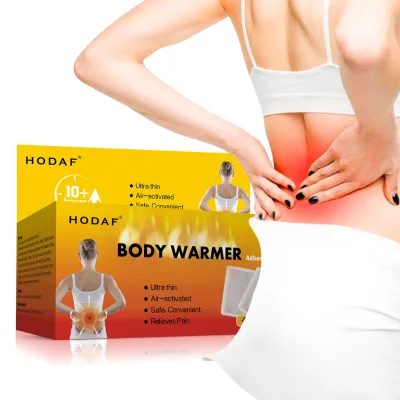
Outdoor Warmer Patch Self Adhesive Heating Pad Warm Body Warmer Back Heat Patch
$0.08 - $0.10
MOQ: 1000 bags
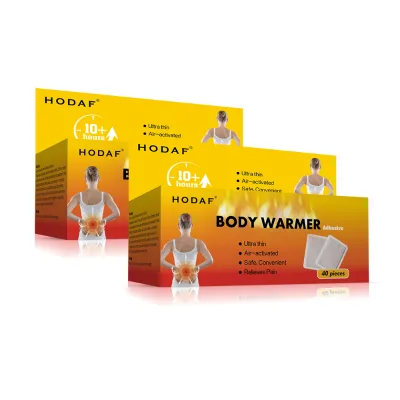
Wholesale Deep Heat Patch Hand and Body Hot Pads Heatpatch Keep Body Warm
$0.0512 - $0.0717
MOQ: 1000 bags

Henan Yuenai Trading Co., Ltd.
- Trading Company
- Henan, China
- Lead time5 days
- Avg. response≤ 2h
Main productsMedical consumables,safety butterfly needle,Vacuum blood collection,wheelchair,Medical equipment
Main marketsEastern Asia(30.00%), Southeast Asia(20.00%), Western Europe(20.00%), Africa(20.00%), Mid East(10.00%)
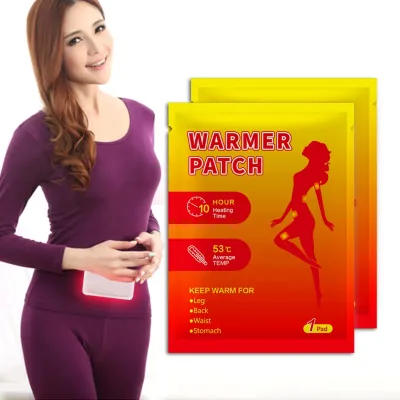
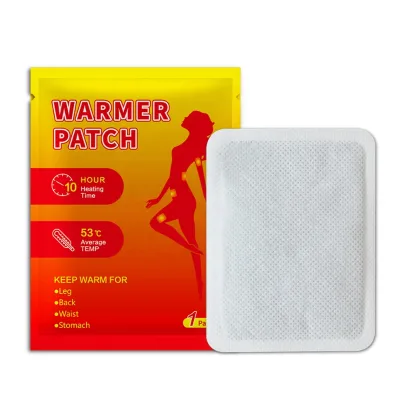
Health Products Self-heating Body Comfortable Warmer Patch Warm Stickers Heat Pad
$0.13 - $0.16
MOQ: 300 pieces

Henan Geesion Medical Devices Co., Ltd.
- Verified by BV
- Trading Company
- China Henan
- Lead time15 days
- Avg. response≤ 8h
Main productsPain Relief Patch, Cooling Gel Patch, Detox Foot Patch, Slimming Patch, Capsicum Plaster, Stop Smoking, Nasal Strips, Dental Mouthguard, Cough Relieve Patch, Wormwood Knee Patch
Main marketsSouth America,Africa,Southeast Asia/ Mideast,East Asia(Japan/ South Korea),Europe,Australia,North America


Factory Wholesale Proce Concessions Self-Heating Warm Patch Warm Foot Patch
$0.01 - $0.335
MOQ: 20 Bags
Hebei Houde Hanfang Medical Devices Group Co., Ltd.
- Verified by SGS Group
- Manufacturer, Trading Company
- Lead time10 days
- Avg. response≤ 2h
Main productsFoot Patch, Hydrogel Patch, Scar Removal Patch, Non Woven Fabric Patch, Beauty Personal Care Products
Main marketsDomestic Market(60%), North America(11%), Eastern Europe(9%)
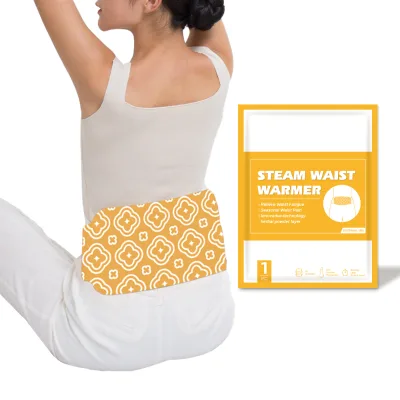
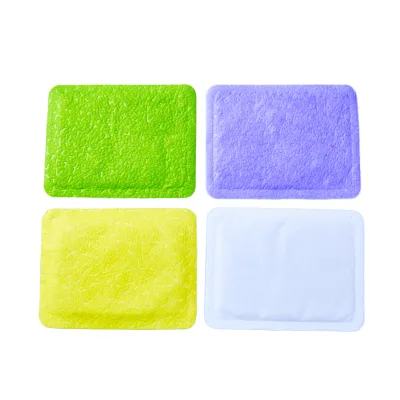
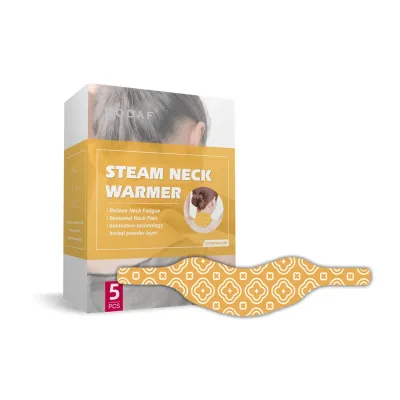
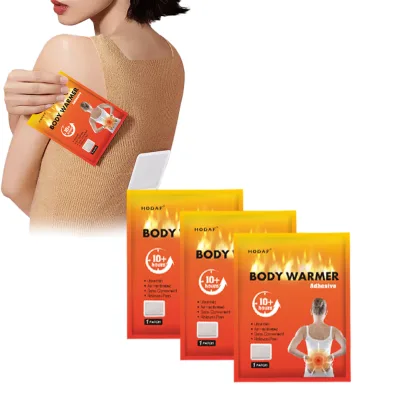
Factory Supply High Quality Self-adhesive Back Adhesive Heat Pack Heating Pads
$0.0719 - $0.0924
MOQ: 1000 pieces
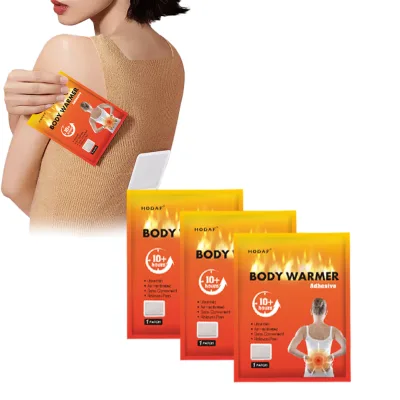
Reusable Heat Patch Body Warmer for Outdoor Camping Winter Cold Protection Heating Pad
$0.0411 - $0.2169
MOQ: 10 bags
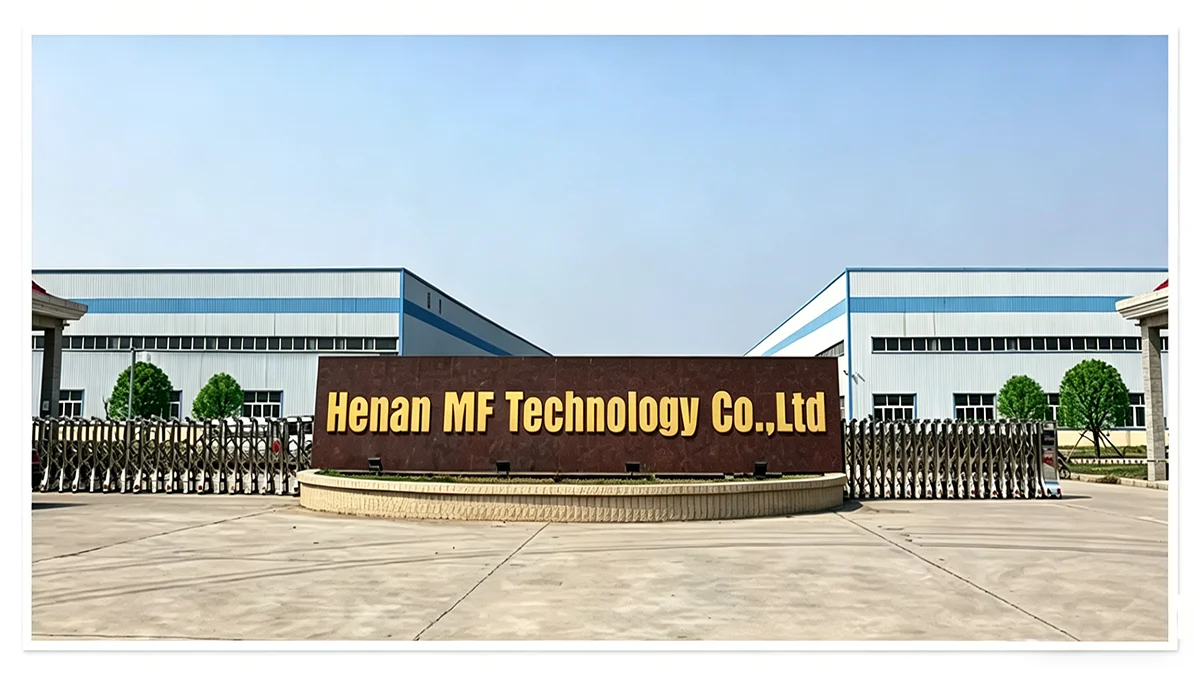
- Trading Company
- Henan, China
- Lead time15 days
- Avg. response≤ 5h
Main productsSlimming Patch,Pain Relief Patches,Detox Foot Patches,Smoke Patches,Ear Candles
Main marketsNorth America(30.00%), Domestic Market(10.00%), Africa(10.00%), Oceania(10.00%), Western Europe(6.00%), Southeast Asia(5.00%), South Asia(5.00%), Central America(5.00%), Eastern Europe(5.00%), Eastern Asia(5.00%), South America(5.00%), Southern Europe(2.00%), Northern Europe(2.00%)

Firstar Healthcare Company Limited (Guangzhou)
- Verified by SGS
- Combined
- China Guangdong
- Lead time30 days
- Avg. response≤ 12h
Main productsFirst Aid Kit, First Aid Box
Main marketsSoutheast Asia/ Mideast,Europe,Australia,North America

Far Infrared Pain Relief Patch-6 Patches 12-Hour Long-Lasting Self-Heating Patch
$0.89
MOQ: 5000 boxes

Shijiazhuang Chanming Biotechnology Co., Ltd.
- Manufacturer, Trading Company
- Hebei, China
- Lead time0 days
- Avg. response≤ 12h
Main productsFoot Patch,Heat Pack,Non-woven Fabric Patch,Warm Patch
Main marketsEastern Asia(12.00%), North America(10.00%), Southeast Asia(10.00%), Central America(10.00%), Eastern Europe(10.00%), South Asia(9.00%), Western Europe(8.00%), Northern Europe(7.00%), Southern Europe(5.00%), Africa(5.00%), Mid East(5.00%), South America(5.00%), Domestic Market(2.00%), Oceania(2.00%)

Junten Keep-Warm Products (Kunshan) Co., Ltd.
- Manufacturer/Factory
- China Jiangsu
- Lead time90 days
- Avg. response≤ 25h
Main productsHeat Pack, Hand Warmer, Body Warmer, Toe Warmer, Foot Warmer, Hot Pad, Heat Pad, Hot Pack, Adhesive Body Warmer, No-Adhesive Body Warmer
Main marketsSouth America,Eastern Europe,Mid East,North America,Southeast Asia,Eastern Asia,Oceania,Western Europe,Africa





Comprehensive Sourcing Guide
CE Certified Heating Patch Supplier Concentration and Factory Types
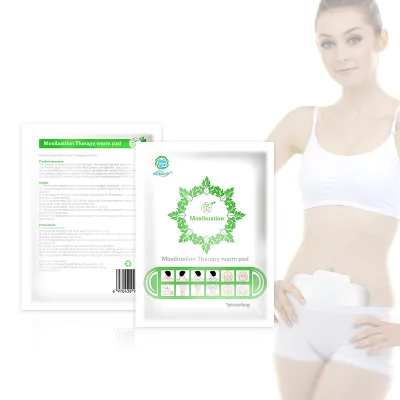
When buyers search for a CE Certified Heating Patch, the supplier pool typically mixes true manufacturers with combined manufacturer-and-trading entities. The listings in this category show at least one supplier based in Jiangsu, China, operating as a combined company type, while other suppliers identify as manufacturer-and-trading-company hybrids. This distinction matters: a pure manufacturer controls the iron-powder formulation and lamination lines that determine whether a patch sustains its stated heating duration, whereas a trading intermediary may broker output from several factories and have limited influence over batch consistency. Before shortlisting, ask each candidate whether it produces the air-activated patch in-house or resells it, and request evidence such as workshop photos, formulation sheets, or the right to audit.
Because location data is only sometimes displayed, buyers should not assume every listing comes from a single cluster. Where a province such as Jiangsu is explicitly shown as the production origin, it is reasonable to treat that region as part of the heat-therapy patch manufacturing base and prioritize it for audit trips. For listings without a location, use a verification sequence: ask for the factory's business license, the registered address, and the bill of lading history for prior exports of heat patches. Cross-check the registered address against satellite imagery and third-party audit reports. Cluster identification through supplier-provided evidence, rather than assumption, prevents wasted trips and misdirected samples.
How to Verify CE Certified Heating Patch Suppliers
Verification for a CE Certified Heating Patch starts with the credentials displayed on the listing and ends with documents you collect yourself. Some suppliers in this category carry third-party verification badges, such as Bureau Veritas or TüV Rheinland assessments, which confirm that a vetting body visited or validated the company profile. One supplier lists system certifications spanning ISO 9001, ISO 13485, ISO 14001, ISO 45001, REACH, MSDS, RoHS, and CE, while another shows an "Others" system certification with CE, MHRA, CFS, and ISO 13485 attached at the product level. Treat these as claims until you obtain the certificate numbers and confirm their validity and scope with the issuing bodies or through the certification databases.
Product-level claims deserve equal scrutiny. Listed patches advertise CE and MHRA certification, air-activated functionality, iron powder and activated carbon composition, and heating durations of 8 to 12 hours at temperature ranges such as 39–43°C, 43–48°C, and 50–60°C. Request the test reports behind each claim, including maximum temperature curves and duration data, and check whether the reported CE mark applies to the patch as a medical device or under general product safety rules, since the applicable route depends on your destination market. Confirm that the certificate holder's name matches the exporting entity exactly. Finally, order pre-production samples and independently test heating onset, peak temperature, and duration before approving any mass production run.
What to Compare Across CE Certified Heating Patch Suppliers
Build a comparison sheet for each CE Certified Heating Patch candidate using the attributes actually displayed on listings, then fill gaps through direct questions. Quantified dimensions in this category include lead time, where one supplier reports 7 days and another 45 days; response time, ranging from roughly 2 hours to nearly 15 hours; and minimum order quantities, which vary dramatically from 10 pieces on one customizable patch listing, to 1,000 pieces on a CE-certified 8–12 hour warm patch, to 10,000 pieces on a neck and shoulder heat patch. Unit prices on displayed products range from about 0.11 to 0.35 US dollars, so record the price band alongside the matching specification rather than as a standalone figure.
Beyond numbers, compare company type, verification status, research and development capability, and main product lines. One supplier lists main products including nasal strips, warm patches, mouth tape, vitamin patches, and acne patches, suggesting a broader transdermal and wellness portfolio; another offers ODM, OEM, and own-brand capacity. Note that not every listing displays establishment year, escrow support, or location, so mark those cells "unverified" instead of assuming. Weight the comparison toward attributes that affect regulatory risk, such as ISO 13485 certification and displayed CE or MHRA documentation, and toward operational fit, such as whether the quoted lead time covers your peak season volumes.
Common CE Certified Heating Patch Sourcing Risks
The most common risk in this category is certificate mismatch: a listing displays CE or MHRA wording in its title, but the certificate on file covers a different product model, an expired date, or a different legal entity. Since these patches are often classified as rehabilitation therapy supplies or medical devices, an invalid mark can block customs clearance or trigger recalls. A related risk is performance drift: an air-activated iron powder patch may reach its stated 39–60°C range in samples but underperform in mass production if the vermiculite, salt, or activated carbon ratios change or if the breathable film lot differs. Lock formulation and material specs in a signed specification sheet.
Operational risks are equally concrete. A 45-day lead time quoted by one supplier becomes a serious problem if you planned retail launch around a shorter cycle, and low advertised minimums, such as 10 pieces, may apply only to sample-grade customizations rather than repeat production. Weight and size tolerances, listed as 23±5 g or 30±5 g per patch, can affect both cost and user experience if the tolerance is not contractually bounded. Packaging is another gap: one listing states final pricing depends on the client's packaging requirements, meaning the displayed unit price may exclude printed pouches, individual sealed packaging, or inserts. Confirm what the quoted price includes before comparing offers across suppliers.
CE Certified Heating Patch Regional Sourcing and Logistics
Regional strategy for a CE Certified Heating Patch should begin with the evidence on the listings. One supplier explicitly lists Jiangsu, China, as the production origin, and its product records repeat that origin at the item level, which makes the province a defensible anchor for supplier visits, freight consolidation, and audit scheduling. Where origin data is absent, buyers can still infer regional concentration by requesting factory addresses, checking port proximity in quoted shipping terms, and comparing quoted freight estimates, since inland factories typically show higher inland haulage components than coastal ones. Do not treat an unverified region as fact simply because several listings share similar product designs.
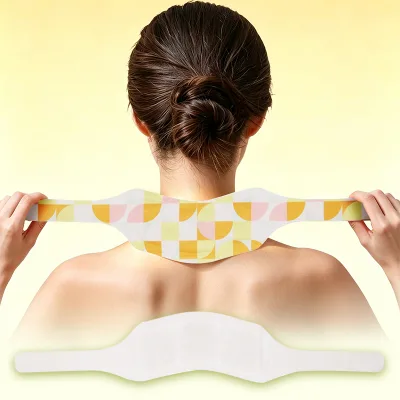
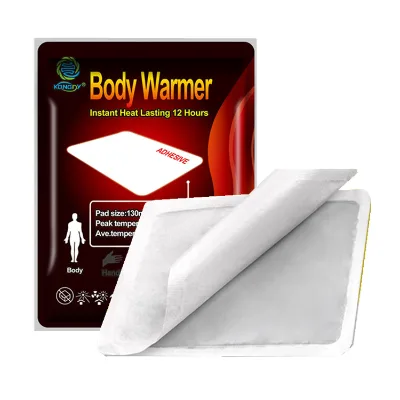
Logistics planning should reflect the product's physical profile. These patches are thin, lightweight items, with listed patch sizes around 130–150 mm in length and weights between roughly 23 and 65 grams per piece, which makes them well suited to consolidated sea freight for replenishment and air freight for launch quantities. Because iron-powder warm patches are air-activated, packaging integrity is a logistics concern: sealed individual packaging protects shelf life, listed by some suppliers as 2 to 3 years, so inspect carton compression, humidity exposure during transit, and pallet wrapping. Confirm export documentation early, including commercial invoice alignment with the CE certificate holder, since discrepancies at customs are costly to fix after departure.
CE Certified Heating Patch Commercial Terms and Order Planning
Commercial planning for a CE Certified Heating Patch should anchor on the displayed price and MOQ spread. Displayed unit prices run from approximately 0.11 to 0.35 US dollars, and minimums range from 10 pieces for customizable listings to 1,000 and 10,000 pieces elsewhere, so model your landed cost at each MOQ tier and include packaging customization, which one supplier prices only after reviewing the client's packaging requirements. Tie any price commitment to a specification sheet covering model numbers such as JB0407, JB0301, ZG0101, or TY0101 equivalents, size, weight tolerance, temperature range, and duration, so a supplier cannot substitute a cheaper formulation at the same price.
Order planning should sequence trial, validation, and scale. Start with a sample order at the lowest available MOQ, run independent heating and safety tests, then place a pilot order sized to your sales forecast while respecting the supplier's true production lead time, which ranges from 7 to 45 days across current listings. Add buffer for Chinese holiday closures and for certificate renewals if your market requires them. Negotiate payment terms that protect you on first orders, use milestone-based payments rather than full prepayment, and confirm whether the platform offers transaction protection for your specific order terms. Reorder points should be set from the longer quoted lead time, not the shorter one, to avoid stockouts during verification delays.
(Word count: approximately 1,390 words)
FAQs
What certifications do CE certified heating patches hold?
Suppliers offer patches with CE, Mhra, Cfs, and ISO13485 certifications. These credentials ensure compliance with medical device standards and safety regulations. Buyers should verify specific certificates for their target market to guarantee regulatory acceptance and product quality assurance.
What is the minimum order quantity for heat patches?
MOQs vary significantly by supplier and product type. Some manufacturers require a minimum of 10 pieces for customized orders, while others set the threshold at 1000 or 10000 pieces. Buyers should confirm the specific MOQ with the supplier before placing an order.
How long does production take for heating patches?
Lead times range from 7 days to 45 days depending on the supplier and order volume. Some manufacturers offer rapid production with a 7-day lead time, while others may require up to 45 days. Mold setup can take 3 days, and proofing takes 7 days.
What is the price range for CE certified heat patches?
Prices typically range from $0.11 to $0.35 per piece. The cost depends on the patch size, material composition, and customization requirements. Bulk orders often secure lower unit prices, while smaller quantities or complex packaging may increase the overall cost per unit.
Where are these heating patch suppliers located?
Most suppliers are located in Jiangsu, China. This region is a hub for medical device manufacturing and heat patch production. Buyers can expect suppliers to offer OEM and ODM services with established supply chains in this area.
How quickly do suppliers respond to inquiries?
Response times vary, with some suppliers responding within 2 hours and others taking up to 14.79 hours. Faster response times indicate active sales teams and efficient communication channels. Buyers should prioritize suppliers with quicker response rates for better service.
What materials are used in air-activated heat patches?
Common materials include iron powder, activated carbon, vermiculite, and salt. These ingredients react with air to generate heat. The patches are often made with breathable films like spunlace or PP non-woven materials for comfort and effective heat distribution.