Source Magnetic Anti-Snoring Nose Clip for Travel, Sleep, and Office
Source the magnetic anti-snoring nose clip from 30 verified listings. Compare options made from medical-grade silicone, featuring CE and ISO certifications, with customization and logo printing available for bulk orders; compare the available evidence and request quotations based on your requirements.
Updated
Key considerations
Products List


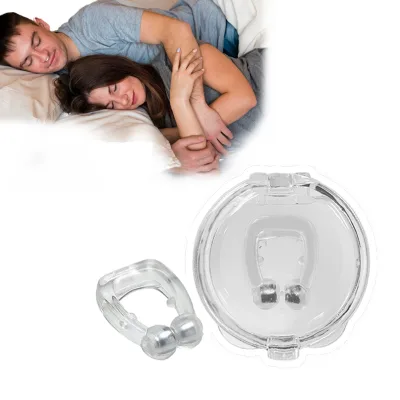
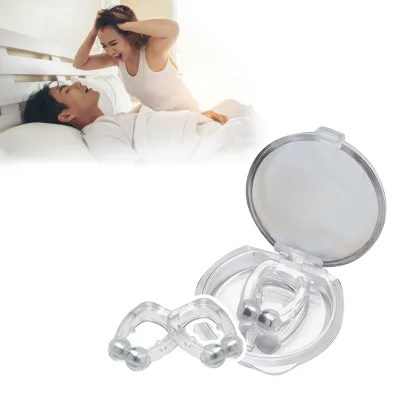
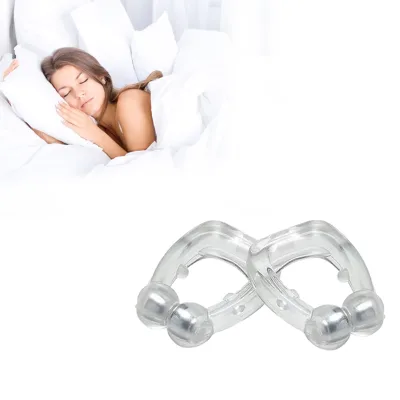
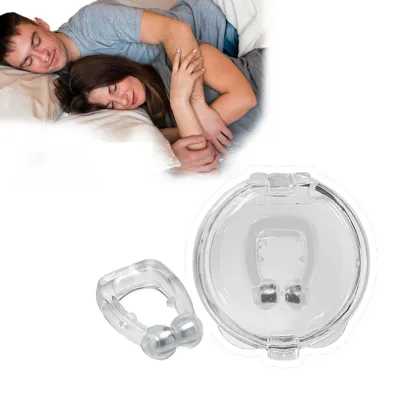
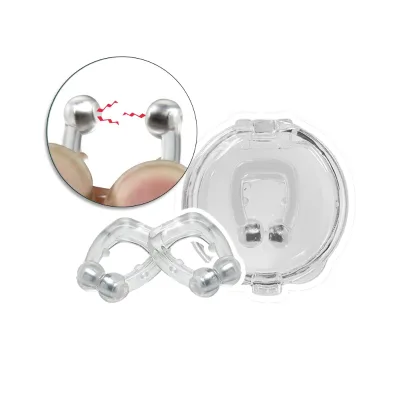
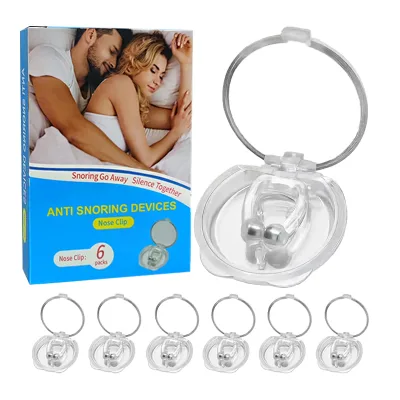
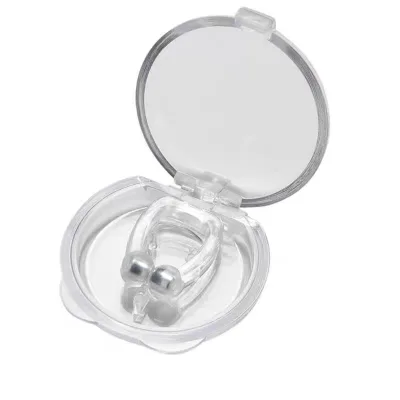
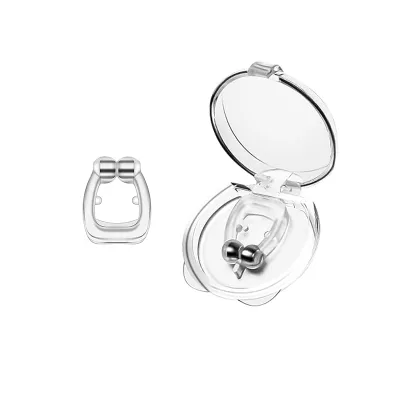
New Trending Product Anti-Snoring Silicone Magnet Comfortable Wear Nose Clip
$0.0722 - $0.0825
MOQ: 5000 pieces


Comprehensive Sourcing Guide
Magnetic Anti-Snoring Nose Clip Sourcing Guide
Procuring magnetic anti-snoring nose clips requires a disciplined approach to verifying material safety and functional efficacy, as these devices interact directly with the nasal mucosa. Buyers must prioritize suppliers who provide transparent documentation regarding the silicone grade and magnetic strength, ensuring that the product meets medical-grade standards rather than generic consumer toy specifications. The observed market data indicates a wide variance in origin locations, including Fujian, Henan, and Hebei provinces, which necessitates rigorous due diligence to identify manufacturers with consistent quality control processes.
This guide outlines the critical verification steps for sourcing these devices, focusing on technical specifications, compliance documentation, and commercial terms. By understanding the specific attributes such as certification types, packaging options, and customization capabilities, procurement teams can mitigate risks associated with product failure or regulatory non-compliance. The following sections provide a structured framework for evaluating suppliers and selecting products that align with both safety requirements and brand positioning goals.
Product Scope and Observed Listing Signals
The current market landscape for magnetic anti-snoring nose clips reveals a diverse range of product configurations, primarily centered around silicone-based designs intended for middle-aged and older demographics. Listings frequently highlight features such as effective sensory stimulation and the ability to stop snoring, with materials ranging from standard soft silicone to medical-grade variants. Buyers should note that while some products are marketed with specific model numbers like M007 or G-ASC02, the core functionality remains consistent across most offerings, focusing on nasal obstruction reduction through magnetic or physical means.
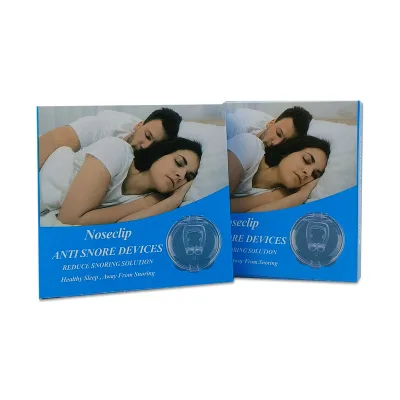
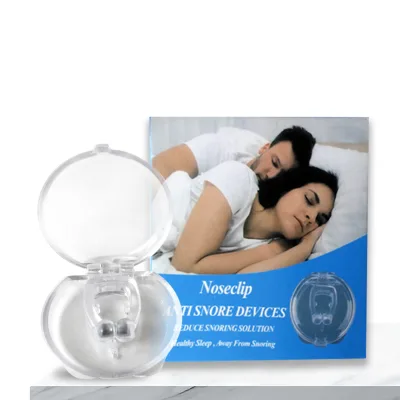
Observations from supplier listings indicate significant variability in packaging and branding options, with many manufacturers offering OEM and ODM services to accommodate private label requirements. Common packaging formats include OPP bags, gift boxes, and individual transparent plastic cases, reflecting different target markets from bulk wholesale to retail-ready units. The presence of logo printing options, both with and without branding, suggests that buyers can tailor the product presentation to their specific distribution channels, although this customization may impact minimum order quantities and lead times.
Technical Specifications to Verify
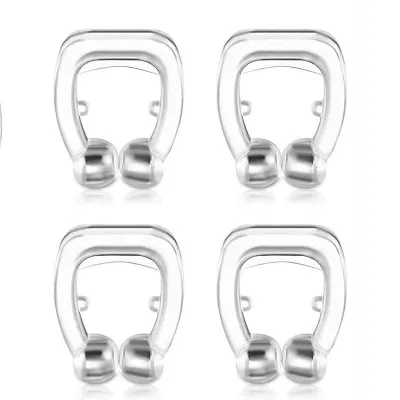
When evaluating technical specifications, buyers must scrutinize the material composition and physical dimensions to ensure compatibility and comfort for end-users. The supplied data highlights materials such as medical soft silicon and soft silicone, often combined with magnets rated at 800+ gauss, which are critical for the device's intended function. Dimensions vary significantly, with some products measuring as small as 14*6.5mm or 1.4x0.65cm, while others have larger single package sizes of 4X4X1 cm, indicating different design philosophies regarding nasal fit and magnetic strength distribution.
Verification of model numbers and standard specifications is essential for maintaining inventory consistency and regulatory compliance. Models such as NC-20250614 and G-ASC03 appear in listings, each associated with specific standards like FDA or general size specifications. Buyers should confirm that the stated dimensions, such as a diameter of 3.6cm for certain magnetic stop nose clips, align with the manufacturer's quality control protocols. Additionally, shelf life information, such as a two-year period, should be verified to ensure that stock rotation strategies do not result in expired inventory upon delivery.
Compliance and Safety Documentation
Compliance documentation is a non-negotiable aspect of sourcing medical or health-related devices, and buyers must request valid certificates before finalizing any purchase. The observed listings frequently cite CE certification, with some suppliers providing additional credentials such as ISO and MSDS, which indicate adherence to specific quality and safety management systems. It is crucial to verify that these certificates are current and issued by recognized bodies, as the presence of a certificate alone does not guarantee that the specific batch of products has been tested against the claimed standards.
Beyond basic certifications, buyers should inquire about the specific standards applied to the silicone material and the magnetic components. While some listings mention FDA standards, others reference general product standards without specifying the testing protocols used. Procurement teams should ensure that the supplier can provide test reports for biocompatibility, especially since the device is used in the nose, and confirm that the magnetic strength does not pose any health risks. Clear documentation of these safety measures is vital for mitigating liability and ensuring product acceptance in regulated markets.
Cost Drivers and Commercial Terms
Cost structures for magnetic anti-snoring nose clips are influenced by several factors, including material quality, customization requirements, and order volume. The observed price range of 0.05-2.28 USD suggests a wide disparity in product quality and branding value, with lower prices likely corresponding to basic silicone versions and higher prices reflecting medical-grade materials or premium packaging. Minimum order quantities (MOQ) vary from 1 to 5000 units, with some suppliers setting specific thresholds such as 20 boxes for customized orders, which can impact the initial investment required for new product launches.
Payment terms and logistical details also play a significant role in the total cost of ownership. Suppliers commonly accept payments via TT, PayPal, or Western Union, offering flexibility for different transaction sizes. Buyers should consider the single gross weight of approximately 0.01 kg per unit when calculating shipping costs, as lightweight items can be cost-effective to transport but may incur higher per-unit shipping fees if not consolidated efficiently. Understanding these commercial terms helps in negotiating better deals and planning cash flow for inventory replenishment.
Supplier Qualification and Quality Control
Supplier qualification involves assessing the manufacturer's production capabilities and quality assurance processes to ensure consistent product delivery. Buyers should verify the place of origin, with suppliers located in China, particularly in provinces like Henan and Fujian, offering varying levels of industrial maturity. It is advisable to request samples from multiple suppliers to evaluate the tactile quality of the silicone, the strength of the magnets, and the overall build quality, as these physical attributes are difficult to assess through listings alone.
Quality control measures should be explicitly discussed during the negotiation phase, including procedures for incoming material inspection and final product testing. Suppliers who offer OEM/ODM services should demonstrate their ability to maintain brand consistency and adhere to specific design requirements. Buyers should also inquire about the supplier's experience with international markets and their ability to handle customs documentation, ensuring that the supply chain remains robust and compliant with import regulations in the destination country.
Long-Term Procurement Checks
Long-term procurement success depends on establishing a reliable supply chain that can adapt to changing market demands and regulatory environments. Buyers should implement regular audits of supplier performance, focusing on delivery times, product consistency, and responsiveness to quality issues. Given the shelf life of two years for some products, inventory management strategies must be carefully planned to prevent stock obsolescence, especially for customized items that may have limited resale value if they do not sell as expected.
Continuous monitoring of market trends and competitor offerings is essential for maintaining a competitive edge. As the anti-snoring device market evolves, new materials or designs may emerge that offer superior comfort or efficacy. Procurement teams should stay informed about these developments and be prepared to pivot their sourcing strategies accordingly. Building strong relationships with qualified suppliers can facilitate early access to new innovations and ensure that the company remains at the forefront of product offerings in this niche market.
FAQs
What materials are used in magnetic anti-snoring nose clips?
These devices are typically constructed from medical-grade soft silicone to ensure comfort and safety during use. The internal components often include two magnets with a strength of 800+ gauss to effectively stimulate sensory nerves. This combination of materials helps the clip remain lightweight, compact, and suitable for sensitive nasal tissues while maintaining durability.
Can these nose clips be customized with a logo?
Yes, customization is available for buyers seeking branded products. Suppliers offer options for logo printing, allowing businesses to add their own designs or text to the packaging or the device itself. This service supports OEM and ODM requirements, enabling companies to create unique marketing assets while leveraging the standard functional benefits of the anti-snoring device.
What certifications do these products typically hold?
Manufacturers often provide products with CE and ISO certifications to ensure compliance with international quality and safety standards. Some listings also mention FDA standards or MSDS documentation. These certifications verify that the medical soft silicone and magnetic components meet regulatory requirements for consumer health products, providing assurance to B2B buyers regarding product safety and manufacturing quality.
What is the typical packaging format for these clips?
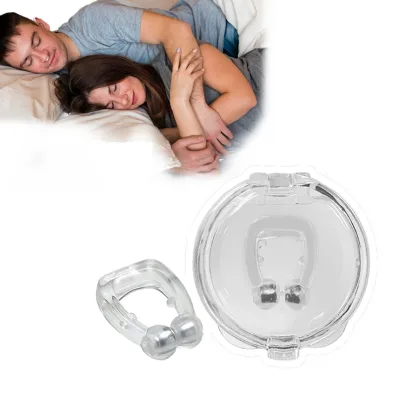
Products are commonly packaged in OPP bags, gift boxes, or individual transparent plastic boxes. Each unit usually contains one anti-snoring nose clip along with protective packaging materials. The standard single package size is approximately 4x4x1 cm, making them easy to store and ship. This compact packaging supports efficient logistics and retail presentation for various distribution channels.
Where are these magnetic nose clips manufactured?
Production primarily takes place in China, with specific origins noted in Fujian, Henan, and Hebei provinces. These regions are known for their manufacturing capabilities in silicone and medical device components. Buyers can source products directly from these locations, often benefiting from established supply chains and competitive pricing structures associated with these industrial hubs in China.
What is the minimum order quantity for these items?
MOQs vary by supplier but typically range from 1 to 5000 units. Some vendors require a minimum of 20 boxes, while others may accept single-item orders for sampling. This flexibility allows businesses to test market demand with low initial commitments before scaling up production volumes. Buyers should verify specific MOQ requirements with individual suppliers to align with their inventory needs.