Automatic Silk Screen Printing Machine Suppliers and Manufacturers
Source 29 verified suppliers for Automatic Silk Screen Printing Machine equipment. Compare grounded metrics including CE certification, lead times, and response speeds. Review product specifications and request quotes directly from manufacturers; review the available evidence before requesting comparable quotations from suitable candidates.
Updated
Suppliers List
Henan Share M&E Equipment Co.,Ltd
- Verified by SGS Group
- Trading Company
- Lead time7 days
- Avg. response≤ 3h
Main productsTextile Machinery, Printing Machinery, Construction Machinery, Wood Machinery
Main marketsNorth America(20%), South America(20%), Eastern Europe(10%)

SHEN FA ENG. CO., LTD.(GUANGZHOU)
- Combined
- China Guangdong
- Lead time23 days
- Avg. response≤ 25h
Main productsFully Automatic Screen Printing Machine, Automatic Servo Screen Printer, Automatic Hot Stamping Machine, Automatic Labeling Machine, Pad Printing Machine, Tempo Printing Machine, Digital Inkjet Printing Machine, Silk Screen Printer, Screen Printing Machine for Cosmetic Packaging, Automatic Screen Printer for Plastic Bottle
Main marketsSouth America,Africa,Others(foreignTradeCapacity.exportBusinessCapacityMarketOther),Southeast Asia/ Mideast,East Asia(Japan/ South Korea),Domestic,Europe,Australia,North America

Lingtie (Xiamen) Machinery Co., Ltd.
- Combined
- China Fujian
- Lead time15 days
- Avg. response≤ 1h
Main productsAutomatic Roll to Roll Screen Printing Machine, Automatic Label Silk Screen Printing Machine, Automatic Roll Silk Screen Printing Machine, Automatic Screen Printing Machine, Screen Printing Machine, Roll to Roll Screen Printing Machine, Automatic Label Rewinding Machine, Automatic Slitting and Rewinding Machine, Letterpress Printing Machine, Automatic Roll to Sheet Cutting Machine
Main marketsSoutheast Asia/ Mideast,Europe,North America

Shenzhen Shengxin Automation Equipment Co., Ltd.
- Verified by SGS
- Manufacturer
- China Guangdong
- Lead time30 days
- Avg. response≤ 10h
Main productsScreen Printing Machine, Hot Stamping Machine, Assembly Machine, Labeling Machine, Glass Bottle Silk Screen Printing Machine, Bottle Cover Printing, Bottle Cap Hot Stamping, Automatic Caps and Closures Assembly Machine, Plastic/Metallic/Glass Container Screen Printing, Plastic/Metallic/Glass Container Hot Stamping
Main marketsDomestic


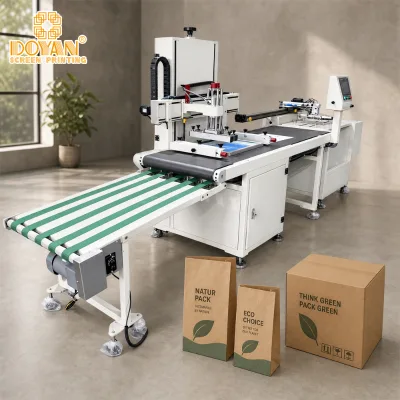
Automatic CNC Controlled Silk Screen Printing Machine Fast Speed
$150000.00 - $160000.00
MOQ: 1 Pieces


Hebei Doyan Screen Printing Equipment Co., Ltd.
- Verified by SGS Group
- Manufacturer, Trading Company
- Lead time10 days
- Avg. response≤ 1h
Main productsScreen Printing Machine, Heat Press Machines, Screen Printing Accessories, Screen printing equipment
Main marketsDomestic Market(15%), North America(14%), Southeast Asia(14%)
Zhengzhou Share Machinery Co., Ltd.
- Trading Company
- Henan, China
- Lead time7 days
- Avg. response≤ 3h
Main productsConstruction Machinery/Industrial Machinery/Printing Machinery
Main marketsSouth America(20.00%), North America(20.00%), Africa(10.00%), Southeast Asia(10.00%), Eastern Europe(10.00%), Oceania(7.00%), South Asia(5.00%), Southern Europe(5.00%), Central America(5.00%), Western Europe(2.00%), Eastern Asia(2.00%), Northern Europe(2.00%), Mid East(2.00%)

Guangdong Yincai Science & Technology Co., Ltd.
- Verified by SGS
- Manufacturer/Factory
- China Guangdong
- Lead time23 days
- Avg. response≤ 7h
Main productsUV LED Screen Printing Ink, Solvent Screen Printing Ink, Printing Services, Water Transfer Sticker, Screen Printing Machine, LED/UV Curing Machine, Hot Stamping Machine, Pre-Press Equipment, Printing Materials, Foil
Main marketsSouth America,Eastern Europe,Mid East,North America,Southeast Asia,Eastern Asia,Oceania,Western Europe,Africa

Wenzhou Quanfeng Garment Accessories Co., Ltd.
- Trading Company,Manufacturer/Factory
- China Zhejiang
- Lead time23 days
- Avg. response≤ 7h
Main productsLabel Printing Material, Polyester Satin, Seal Tag, Rubber Label, Plastic Seal Tag, Woven Label, Label Ribbon, TTR Ribbon, Woven Edge Satin Ribbon, Cotton Tape
Main marketsSouth America,Eastern Europe,Mid East,North America,Southeast Asia,Eastern Asia,Oceania,Western Europe,Africa

Jinan Boni Technology Co., Ltd
- Verified by CTI
- Manufacturer/Factory,Group Corporation
- China Shandong
- Lead time15 days
- Avg. response≤ 6h
Main productsLaser Cleaning Machine, Laser Welding Machine, Laser Marking Machine, Laser Particle Size Analyzer, Soil Particle Detector, Soil Moisture Temperature Measuring Instrument, Soil Environmental Nutrient Detector, Water Contact Angle Analyzer, Laser Welder, Laser Cleaner
Main marketsSouth America,Eastern Europe,Mid East,Southeast Asia,Western Europe


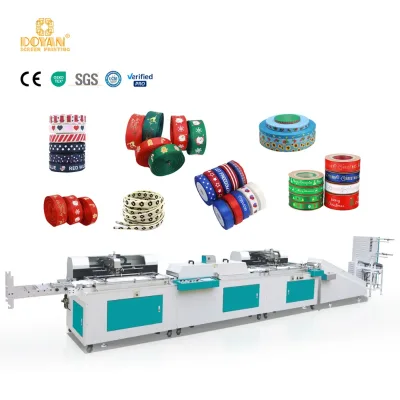
Horizontal Screen Silk Printing Machine/Roll to Roll Screen Printing Machine
$13000.00 - $26000.00
MOQ: 1 Pieces
- Trading Company
- Henan, China
- Lead time0 days
- Avg. response≤ 1h
Main productsFood machinery,Industrial machine,Textile machinery,Agricultural machinery,Commercial machinery
Main marketsAfrica(20.00%), North America(13.00%), Southeast Asia(12.00%), South America(12.00%), Mid East(10.00%), Central America(5.00%), South Asia(5.00%), Eastern Asia(5.00%), Eastern Europe(5.00%), Domestic Market(5.00%), Southern Europe(3.00%), Western Europe(2.00%), Oceania(2.00%), Northern Europe(1.00%)

Dongguan Chang-Ho Printing Machinery Co., Ltd.
- Verified by TUVRHEINLAND
- Combined
- China Guangdong
- Lead time15 days
- Avg. response≤ 5h
Main productsScreen Printing Machine, Pad Printing Machine, Automatic Pad Printer, Automatic Screen Printer, Silk Screen Printer, Rotary Screen Printer, Flat Silk Screen Printing Machine, Round Silk Screen Printer, Scale Printing Machine, Stationery Ruler Screen Printer
Main marketsOthers(foreignTradeCapacity.exportBusinessCapacityMarketOther)
Shanghai Gold-Up Screen Printing Facilities Co., Ltd.
- Trading Company
- Shanghai, China
- Lead time5 days
- Avg. response≤ 2h
Main productsScreen Aluminumen Printing Frames,Screen Printing Screens,SMT Stencil for PCB printing,Screen Printing Squeegee Blade,Screen Printing Scoop Coater
Main marketsWestern Europe(20.00%), North America(20.00%), Eastern Asia(10.00%), Northern Europe(8.00%), Oceania(7.00%), South America(7.00%), Domestic Market(5.00%), Eastern Europe(5.00%), Central America(5.00%), Southern Europe(4.00%), Mid East(3.00%), Southeast Asia(3.00%), South Asia(2.00%), Africa(1.00%)

- Combined
- China Zhejiang
- Lead time30 days
- Avg. response≤ 9h
Main productsScreen Printing Machine, Flexo Printing Machine, Gravure Printing Machine, Plastic Machine, Packaging Machine, Bag Making Machine, Creasing and Cutting Machine, Slitting Machine, Paper Cup Forming Machine, Paper Convert Machine
Main marketsSouth America,Africa,Southeast Asia/ Mideast

Zhengzhou Honest Machinery Co., Ltd.
- Trading Company,Manufacturer/Factory
- China Henan
- Lead time15 days
- Avg. response≤ 5h
Main productsFood Machinery, Packing Machines, Microwave Equipment, Drying Machines, Grain Product Making Machines, Commodity Making Machines, Texitle Machines, Construction Machinery
Main marketsSouth America,Eastern Europe,Mid East,North America,Southeast Asia,Eastern Asia,Oceania,Western Europe,Africa

Dongguan Ruida Machinery and Equipment Co., Ltd.
- Verified by TUVRHEINLAND
- Combined
- China Guangdong
- Lead time30 days
- Avg. response≤ 4h
Main productsScreen Printing Machine
Main marketsEurope
Dongguan Hoystar Machinery Co., Ltd.
- Manufacturer, Trading Company
- Lead time旺季: "1 - 1":5,"> 1":"To be negotiated", 淡季: "1 - 1":5,"> 1":"To be negotiated"
- Avg. response≤ 2h
Main productsScreen Printing Machine, Pad Printing Machine
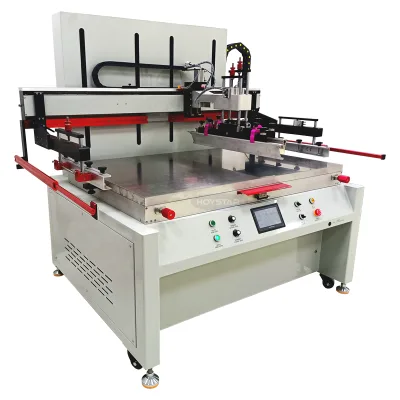
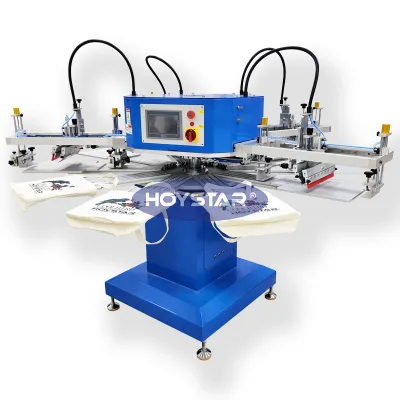
$11807.7934 - $13861.3226
MOQ: 1 sets
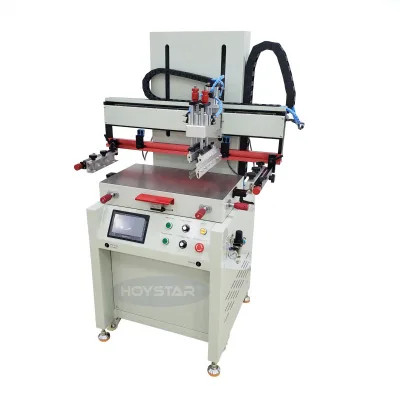
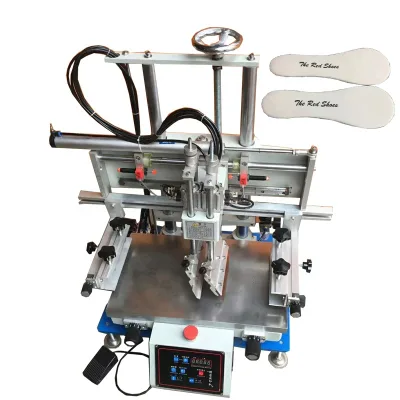
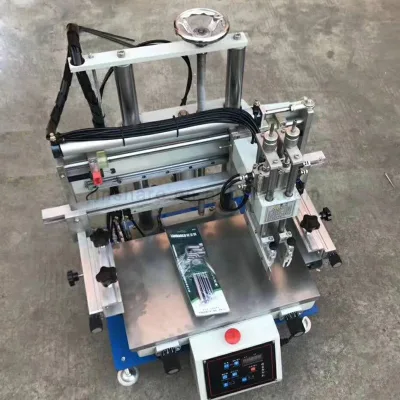
300*500mm Hot Selling High Quality Flat Silk Screen Printing Machine
$1950.00 - $5300.00
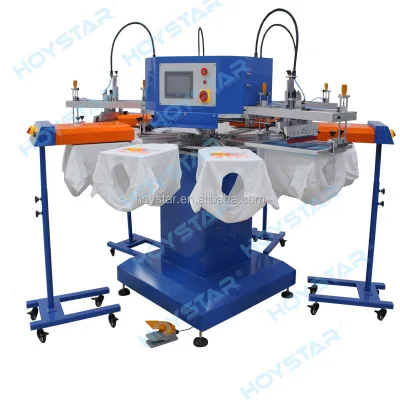
$13500.00 - $14850.00
MOQ: 1 units
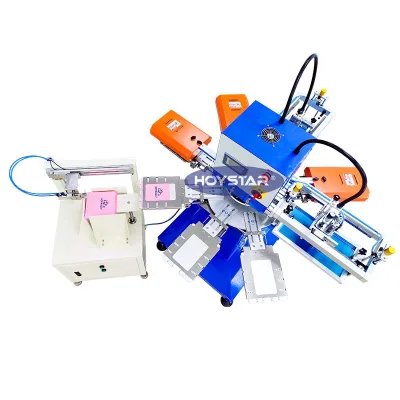
$5800.00 - $6800.00
MOQ: 1 sets

Wenzhou Daba Machinery Co., Ltd.
- Manufacturer/Factory
- China Zhejiang
- Lead time23 days
- Avg. response≤ 17h
Main productsFlexo Printing Machine, Intermittent Die Cutting Machine, Label Slitting Machine, Rotogravure Printing Machine, Slitting Machine, Laminating Machine
Main marketsSouth America,Eastern Europe,Mid East,North America,Southeast Asia,Eastern Asia,Oceania,Western Europe,Africa

- Verified by BV
- Trading Company
- China Hebei
- Lead time15 days
- Avg. response≤ 3h
Main productsPolyester Screen Printing Mesh, Screen Printing Squeegee, Aluminum Screen Printing Frames, Bolting Cloth, Screen Printing, Screen Printing Machine, Filter Mesh, Filter Bag, Bag Filter Housing
Main marketsAfrica,Others(foreignTradeCapacity.exportBusinessCapacityMarketOther),Southeast Asia/ Mideast,Europe,Australia,North America


4 Color 4 Station Silk Screening Screen Print Press Screen Printing Machine for T-Shirt
$520.00 - $560.00
MOQ: 1 set

8 Color 8 Station Silk Screening Screen Print Press Screen Printing Machine for T-Shirt
$1250.00 - $1360.00
MOQ: 1 set
Dongguan Guantu Machinery Technology Co., Ltd
- Manufacturer, Trading Company
- Guangdong, China
- Lead time15 days
- Avg. response≤ 3h
Main productsscreen printing machine,Pad Printing Machine,gilding press,thermal transfer machine,labelling machine
Main marketsNorth America(25.00%), Mid East(15.00%), Northern Europe(5.00%), Central America(5.00%), Western Europe(5.00%), Southeast Asia(3.00%), Domestic Market(2.00%), South Asia(2.00%), Southern Europe(2.00%), Africa(2.00%), Oceania(2.00%), Eastern Europe(2.00%), Eastern Asia(2.00%), South America(2.00%)
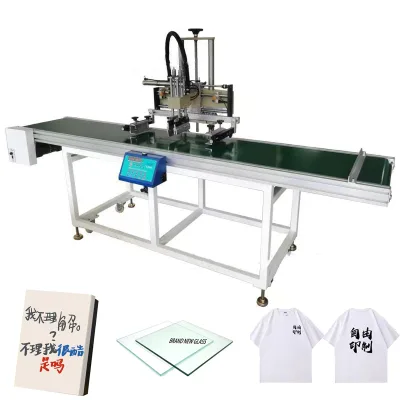
$5176.4592 - $5321.4007
MOQ: 50 boxes
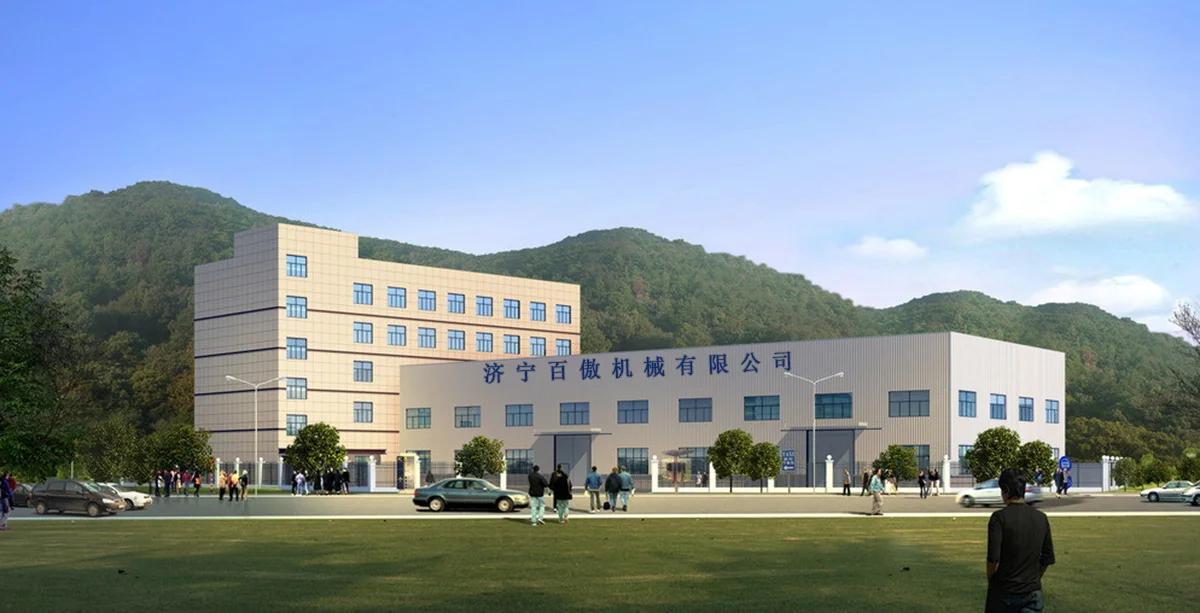
Jining Better Origin Machinery Co., Ltd.
- Trading Company
- Shandong, China
- Lead time7 days
- Avg. response≤ 3h
Main productsPackaging machinery,Cutting machinery,Hardware tools
Main marketsNorth America(20.00%), Western Europe(15.00%), Northern Europe(10.00%), South America(10.00%), Africa(10.00%), Southeast Asia(10.00%), Eastern Europe(10.00%), Southern Europe(5.00%), Mid East(5.00%), Oceania(5.00%)
Dongguan Matal Intelligent Equipment Co., Ltd.
- Manufacturer, Trading Company
- Guangdong, China
- Lead time25 days
- Avg. response≤ 2h
Main productsScreen printing machine,Gold stamping machine,Pad printing machine,Heat transfer machine,labeler
Main marketsOceania(10.00%), Africa(10.00%), Eastern Europe(10.00%), South America(10.00%), North America(10.00%)
Guilin Zhuo Nuo Technology Company Ltd.
- Trading Company
- Guangxi, China
- Lead time7 days
- Avg. response≤ 4h
Main productslabeling machine,Pad printing Consumables,Pad printing machine,Screen Printing Machine,Weighing printing labeling machine
Main marketsNorth America(35.00%), Eastern Europe(20.00%), Southeast Asia(15.00%), Western Europe(10.00%), South America(5.00%), Eastern Asia(5.00%), Mid East(5.00%), Oceania(5.00%)
Dongguan Ruida Machinery And Equipment Co., Ltd.
- Verified by TüVRheinland
- Manufacturer, Trading Company
- Lead time15 days
- Avg. response≤ 2h
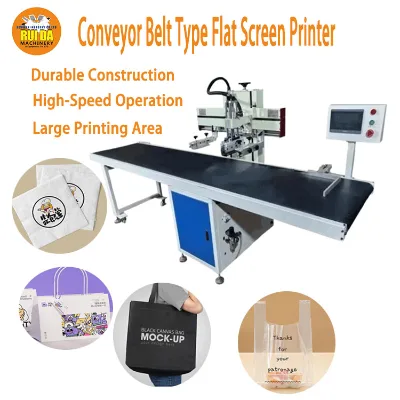
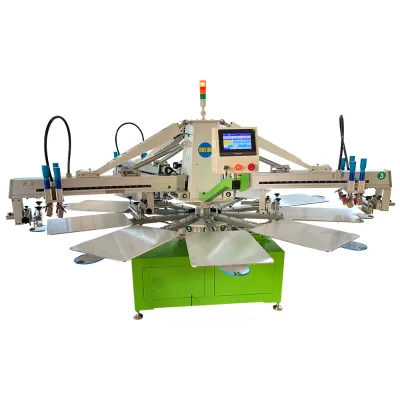
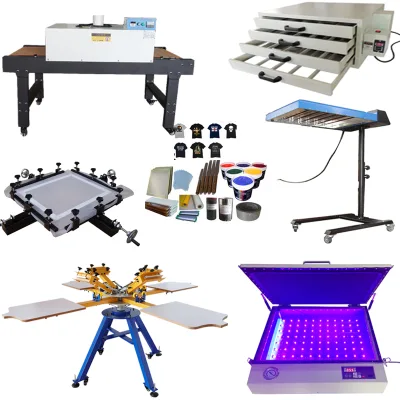
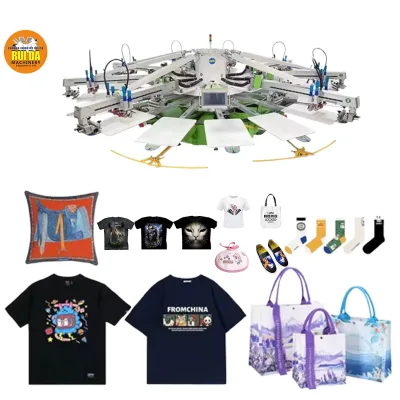
Main productsAutomatic Screen Printing Machine, Manual Screen Printing Machine, Flash Dryer, Heat Press Machine, Tunnel Dryer
Main marketsNorth America(35%), Domestic Market(15%), Eastern Europe(10%)
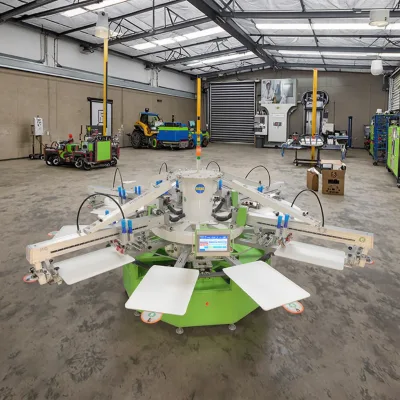
$17200.00 - $18200.00
MOQ: 1 pieces
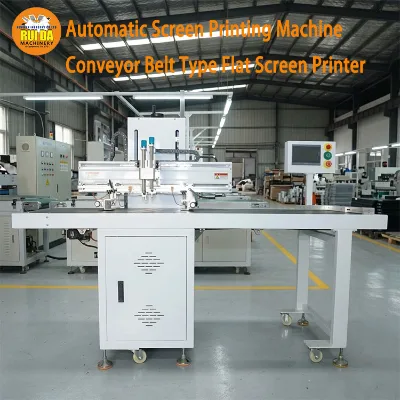
$20500.00 - $21000.00
MOQ: 1 pieces

LUEN CHEONG PRINTING EQUIPMENT LTD
- Verified by TUVRHEINLAND
- Combined
- China Guangdong
- Lead time15 days
- Avg. response≤ 1h
Main productsFull Automatic UV Screen Printer, Plane/Cylinder Silk Screen Printer, Hot Foil Stamping Machine, UV Curing Machine, Pens Bottles Printer, Ink Cup/Tray Pad Printing Machine, UV Printing Machine, Bottle Screen Printing Machine, Pad Printing Machine, Automatic Pad Printer
Main marketsNorth America
Dongguan City Kinwah Machinery Co.,ltd
- Verified by Intertek
- Manufacturer, Trading Company
- Lead time30 days
Main productsDyeing Machine, Printing Machine, Oval Screen Printing Machine, Digital Machine, New Energy Machine
Main marketsDomestic Market(65%), Southeast Asia(18%), South America(7%)
Dongguan Hengxin Printing Equipment Co., Ltd.
- Manufacturer, Trading Company
- Guangdong, China
- Lead time15 days
- Avg. response≤ 3h
Main productsPad printer,screen printing machine,hot stamping machine,heat transfer machine,exposure machine
Main marketsNorth America(40.00%), Africa(20.00%), South America(15.00%), Western Europe(5.00%), Eastern Asia(5.00%), Mid East(5.00%), Eastern Europe(5.00%), Southeast Asia(5.00%)
Changsha Deliou Technology Development Co., Ltd.
- Verified by SGS Group
- Manufacturer, Trading Company
- Lead time15 days
- Avg. response≤ 2h
Main productsScreen Printing Machine, Pad Printing Machine, Heat Press Machine, UV Printing Machine, Offset Printing Machine
Main marketsNorth America(20%), Southeast Asia(10%), Mid East(10%)

Shenzhen Hejia Automatic Printing Machine Co., Ltd.
- Verified by BV
- Combined
- China Guangdong
- Lead time38 days
- Avg. response≤ 6h
Main productsSilk Printer, Foil Stamping Machine, Printing Machine, Labeling Machine, Flame Treatment Machine, UV Dryer
Main marketsSouth America,Africa,Southeast Asia/ Mideast,East Asia(Japan/ South Korea),Europe,Australia,North America

Hebei Hanze International Trade Co., Ltd.
- Verified by TUVRHEINLAND
- Trading Company
- China Hebei
- Lead time15 days
- Avg. response≤ 6h
Main productsScreen Printing Products, Rotary Screen Printing Products, Tagging & Labeling Products, Spot Cleaning Products, Hat&Caps, Pet &Digital Printing Film, Acrylic &PVC Products, Diamond Tools for Drilling Cutting Grinding
Main marketsSouth America,Southeast Asia/ Mideast,East Asia(Japan/ South Korea),Europe,Australia,North America
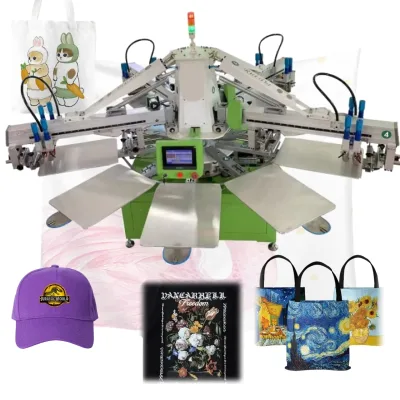


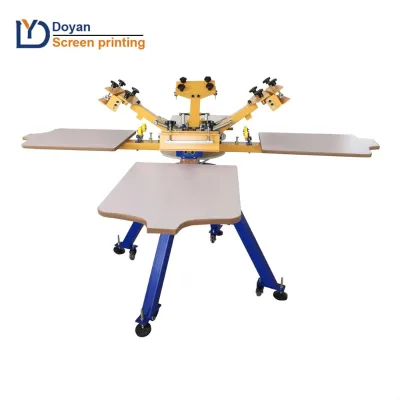
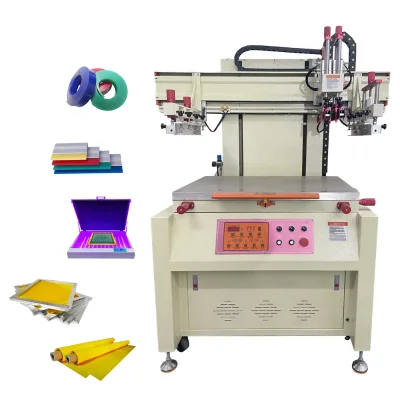
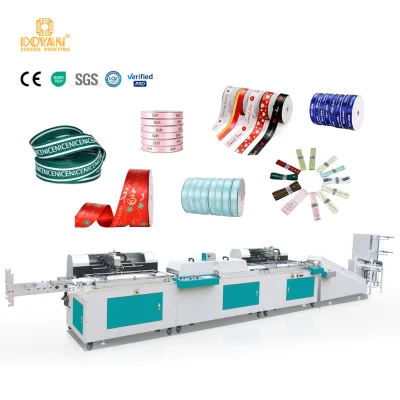








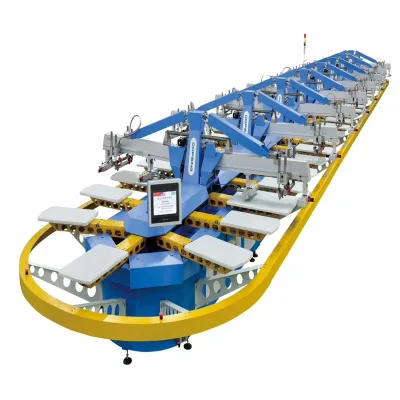
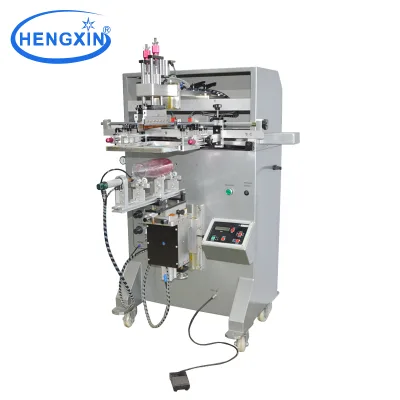
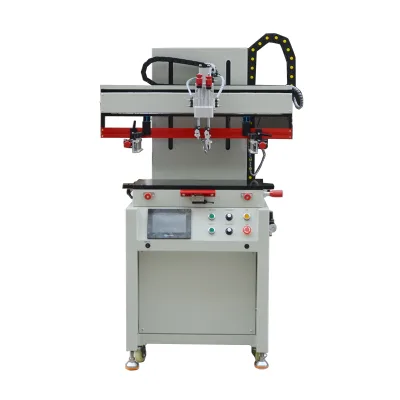
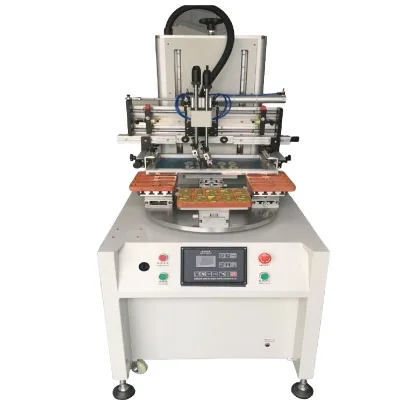


Comprehensive Sourcing Guide
Automatic Silk Screen Printing Machine Supplier Concentration and Factory Types
The landscape for sourcing automatic silk screen printing machines is defined by a mix of specialized manufacturers and broader trading entities. Current data indicates that suppliers in this category often operate as trading companies or combined entities, which can influence the depth of technical support and customization options available to buyers. It is crucial to distinguish between pure trading firms and those with integrated manufacturing capabilities, as the latter may offer more direct control over production quality and lead times. The presence of companies with combined types suggests a hybrid model where some suppliers may handle both sales and production, potentially streamlining communication but requiring careful verification of their actual factory assets.
Geographic concentration plays a significant role in the availability and pricing of these machines. Evidence points to specific regions in China, such as Henan and Guangdong, as key hubs for this equipment. Suppliers located in these areas may benefit from established supply chains for components like rotary printing presses and automatic servo systems. Buyers should consider the logistical implications of sourcing from these clusters, as proximity to manufacturing centers can sometimes reduce shipping costs and facilitate faster delivery. However, it is also important to verify if the listed location corresponds to the actual production site or merely a sales office, as this distinction affects the reliability of the supply chain and the ability to conduct on-site audits.
How to Verify Automatic Silk Screen Printing Machine Suppliers
Verification is a critical step in ensuring that the supplier you choose can deliver reliable and high-quality automatic silk screen printing machines. One of the primary methods for verification is checking for third-party certifications and audit reports. For instance, some suppliers may have undergone verification by recognized groups such as SGS, which can provide an additional layer of confidence in their business practices and product quality. Additionally, looking for system certifications like CE can indicate compliance with European safety and quality standards, which is particularly important for machinery that involves electrical components and moving parts. Buyers should request copies of these certificates and verify their validity through the issuing bodies to ensure they are current and applicable to the specific models being considered.
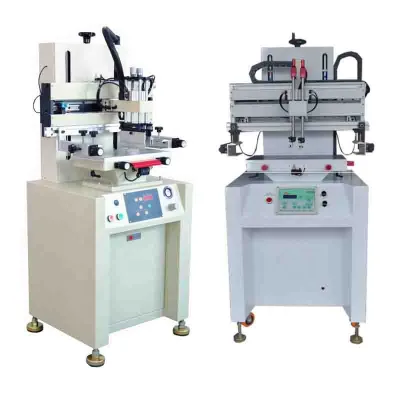
Beyond certifications, assessing the supplier’s response time and communication efficiency is vital for a smooth sourcing process. Data suggests that response times can vary significantly, with some suppliers responding within hours while others may take up to a day or more. A quick response time often reflects a well-organized sales team and a higher level of customer service commitment. Buyers should also evaluate the supplier’s ability to provide detailed product specifications and technical support. This includes their willingness to share information about the machine’s structure, such as whether it is a rotary printing press or a flatbed system, and their capacity for customization, such as OEM or ODM services. Clear and prompt communication is a strong indicator of a supplier’s professionalism and reliability.
What to Compare Across Automatic Silk Screen Printing Machine Suppliers
When evaluating different suppliers for automatic silk screen printing machines, it is essential to compare key operational metrics such as lead times, pricing, and production capacity. Lead times can vary widely, with some suppliers offering delivery within a week, while others may require several weeks. This difference can impact your production schedule and inventory management, so it is important to align the supplier’s lead time with your project requirements. Additionally, comparing prices is crucial, as costs can range from a few thousand dollars for basic models to over ten thousand dollars for advanced, multi-color automatic systems. Buyers should request detailed quotes that include all costs, such as shipping and taxes, to ensure a fair comparison.
Another important factor to consider is the supplier’s main products and specialization. Some suppliers may focus exclusively on silk screen printing machines, while others may offer a broader range of equipment, including textile machinery, construction machinery, or digital inkjet printers. Specialized suppliers may offer deeper expertise and better support for specific machine types, such as rotary or automatic servo-driven models. Additionally, comparing the warranty terms and after-sales service is vital, as these can significantly affect the long-term cost of ownership. Buyers should also look for suppliers that offer sample processing or customized solutions, as this can indicate a higher level of flexibility and customer-centric approach.
Common Automatic Silk Screen Printing Machine Sourcing Risks
One of the primary risks in sourcing automatic silk screen printing machines is the potential mismatch between advertised specifications and actual product performance. Suppliers may list machines with high printing speeds or multi-color capabilities, but the actual performance may vary depending on the materials being printed and the maintenance of the equipment. Buyers should request detailed technical specifications and, if possible, video demonstrations or sample prints to verify the machine’s capabilities. Additionally, there is a risk associated with the supplier’s ability to provide consistent quality across multiple units, especially if the supplier is a trading company with limited direct control over manufacturing processes. It is important to establish clear quality control standards and inspection protocols before placing an order.
Another significant risk is the lack of transparency regarding the supplier’s location and factory conditions. Some suppliers may list a location that does not correspond to their actual manufacturing site, which can complicate audits and quality assurance efforts. Buyers should verify the supplier’s physical address and, if feasible, conduct an on-site visit or hire a third-party inspection service. Additionally, there is a risk related to the supplier’s financial stability and reputation. While some suppliers may have positive verification badges, this does not guarantee long-term reliability. Buyers should research the supplier’s market presence, customer reviews, and history to assess their stability and commitment to customer satisfaction.
Automatic Silk Screen Printing Machine Regional Sourcing and Logistics
Sourcing automatic silk screen printing machines from specific regions can offer logistical advantages, but it also requires careful planning to manage shipping and customs processes. Regions like Guangdong and Henan in China are known for their manufacturing clusters, which can provide access to a wide range of suppliers and components. However, buyers must consider the distance and transportation costs associated with shipping heavy machinery from these locations. The weight and dimensions of the machines, which can range from a few hundred kilograms to over two tons, significantly impact shipping costs and require specialized logistics arrangements. Buyers should work with freight forwarders who have experience in handling industrial machinery to ensure safe and efficient delivery.
In addition to shipping costs, buyers must also account for customs duties and import regulations in their destination country. Different regions have varying tariff rates and regulatory requirements for imported machinery, which can affect the total cost of ownership. It is important to research these regulations in advance and ensure that the supplier provides all necessary documentation, such as commercial invoices, packing lists, and certificates of origin. Additionally, buyers should consider the lead time for customs clearance, which can add several days or weeks to the delivery process. Planning for these variables is essential to avoid delays and ensure that the machinery arrives on time for installation and operation.
Automatic Silk Screen Printing Machine Commercial Terms and Order Planning
Commercial terms and order planning are critical components of a successful sourcing strategy for automatic silk screen printing machines. Buyers should negotiate clear payment terms, such as using escrow services or letters of credit, to protect their financial interests. These methods provide a secure way to handle transactions, ensuring that payment is only released once the goods are received and verified. Additionally, buyers should establish a detailed order plan that includes specifications, quantities, delivery schedules, and quality acceptance criteria. This plan should be documented in a formal contract to avoid misunderstandings and disputes. It is also important to discuss the supplier’s return and refund policies in case the machinery does not meet the agreed-upon standards.
Furthermore, buyers should consider the long-term commercial relationship with the supplier, including after-sales support and maintenance services. Automatic silk screen printing machines require regular maintenance and occasional repairs, so having a reliable support network is essential. Buyers should inquire about the availability of spare parts, technical support, and training services. Some suppliers may offer extended warranty packages or annual maintenance contracts, which can provide peace of mind and reduce downtime. By carefully planning the commercial terms and establishing a strong foundation for the supplier relationship, buyers can mitigate risks and ensure a smooth and successful sourcing experience.
FAQs
What is the price range for automatic silk screen printing machines?
Prices for these machines typically range from approximately $1,750 to $17,500 depending on specifications. Basic semi-automatic models start near $1,799, while advanced multi-color automatic units with higher throughput can cost around $17,500. Buyers should verify specific pricing for their required print area and automation level.
What certifications do these printing machines usually have?
Many available automatic silk screen printing machines carry CE system certification, indicating compliance with European safety standards. Buyers should always request current certification documents from suppliers to ensure the equipment meets local regulatory requirements and safety protocols before finalizing any purchase agreement.
What is the typical lead time for these machines?
Lead times for automatic silk screen printing machines generally range from 7 to 23 days. Some suppliers offer faster turnaround times around one week, while others may require up to three weeks for production and preparation. Buyers should confirm exact delivery schedules with their chosen supplier.
What is the warranty period for these machines?
Standard warranty coverage for automatic silk screen printing machines is typically one year. This period usually covers manufacturing defects and component failures under normal operating conditions. Buyers should review the specific warranty terms provided by the supplier to understand what parts and services are included.
What materials can these machines print on?
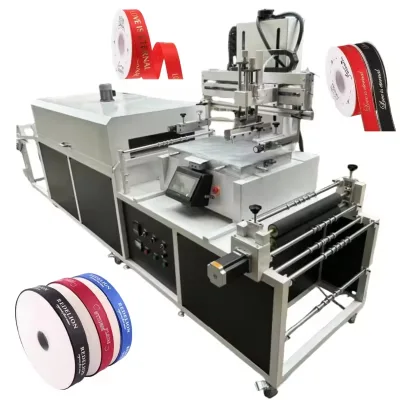
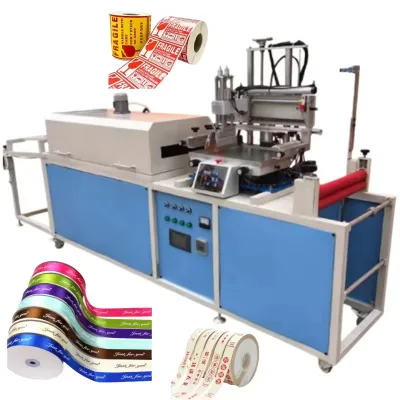
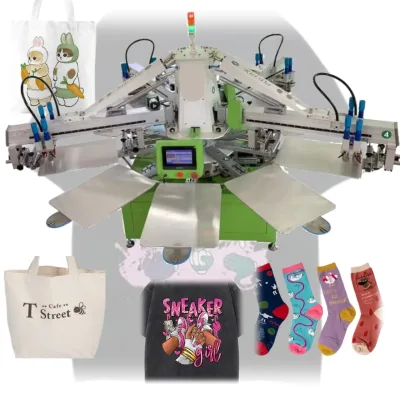
These machines are versatile and can print on paper, labels, cards, cloth, tubes, and glass. Specific models are designed for textiles, cosmetics packaging, and lanyards. Buyers should select a machine with the appropriate print area and automation grade for their specific material type and production volume.
Where are these machines typically manufactured?
Most automatic silk screen printing machines are manufactured in China, with specific origins in Henan and Guangdong provinces. Buyers should verify the exact place of origin for each machine to understand shipping logistics, import duties, and potential supply chain considerations for their specific location.