Collapsible Multifilament Aquaculture Tank Suppliers and Manufacturers
Explore 23 verified options for the Collapsible Multifilament Aquaculture Tank, comparing locations like China Shanghai and Shandong, response times, lead times, and certifications. Review product specs including PVC thickness and lifespan, then request quotes directly from manufacturers or trading companies.
Updated
Suppliers List

Shanghai BGO Import & Export Co., Ltd.
- Manufacturer/Factory,Group Corporation
- China Shanghai
- Lead time23 days
- Avg. response≤ 18h
Main productsTarpaulin Water Bladder, Aquaculture Tank, Gasoline Fuel Bladder, Dome Tent, PVC Non-Slip Mat, PVC Coated Mesh, Boat Buoy, Tree Watering Bags, Marina Salvage Airbag /Weight Test Bag, Swimming Pool and Pool Cover
Main marketsSouth America,Eastern Europe,Mid East,North America,Southeast Asia,Eastern Asia,Oceania,Western Europe,Africa


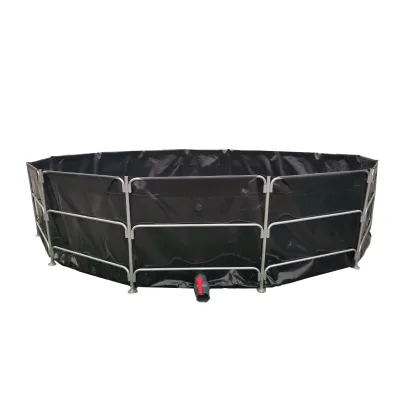
PVC Aquaculture Tank 5000L Collapsible Round Tarpaulin Fish Farming Tank
$59.00 - $159.00
MOQ: 1 Pieces


Dongguan Shenglong Environmental Protection Technology Co.Ltd
- Verified by CTI
- Trading Company
- China Guangdong
- Lead time30 days
- Avg. response≤ 6h
Main marketsDomestic
Weifang Gold Containment Co., Ltd.
- Manufacturer, Trading Company
- Shandong, China
- Lead time7 days
- Avg. response≤ 2h
Main productsCollapsible water bladder,collapsible fuel bladder,flexitank,flexible water tank,onion water bladder
Main marketsAfrica(20.00%), Mid East(15.00%), South America(10.00%), Eastern Europe(8.00%), Southeast Asia(8.00%), Oceania(6.00%), Northern Europe(5.00%), Central America(5.00%), Southern Europe(5.00%), Eastern Asia(5.00%), North America(5.00%), South Asia(3.00%), Domestic Market(3.00%), Western Europe(2.00%)

Shandong Ocean Blue Whale Packing Co., Ltd
- Verified by SGS
- Combined
- China Shandong
- Lead time30 days
- Avg. response≤ 3h
Main productsFlexitank, Flexibag, Dry Bulk Liner, Container Liner Bag, Sea Bulk Liner Bag, Flexitank for Food Grade Liquid, Cotton Picker Film, PP Woven Fabric, PE Film
Main marketsSouth America,Southeast Asia/ Mideast


Recirculating Aquaculture System Foldable PVC Fish Pond Fish Farming Tanks
$110.00 - $115.00
MOQ: 10 Pieces


Customized PVC Fish Tank Farm Aquaculture Large Fish Pond Aquaculture Tank
$110.00 - $115.00
MOQ: 10 Pieces

Fish Pond Farming Tank PVC Geomembrane Fish Tanks Farm Aquaculture Large
$110.00 - $115.00
MOQ: 10 Pieces

Recirculating Aquaculture System Waterproof PVC Canvas Fish Farming Tank
$110.00 - $115.00
MOQ: 10 Pieces
Qingdao Highway Rubber & Plastic Co., Ltd.
- Verified by TüVRheinland
- Trading Company
- Lead time20 days
- Avg. response≤ 1h
Main productsPVC Liquid Bladder, TPU Fuel Oil Bladder, Collapsible Fish Tanks, Frame Collapsible Tanks, Inflatable Boat
Main marketsAfrica(40%), Southeast Asia(15%), Mid East(15%)
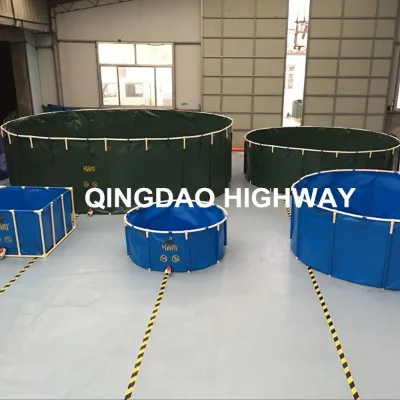
Highway Collapsible and Foldable square or Round 2000l Aquaculture tank
$80.1954 - $131.6023
MOQ: 5 pieces
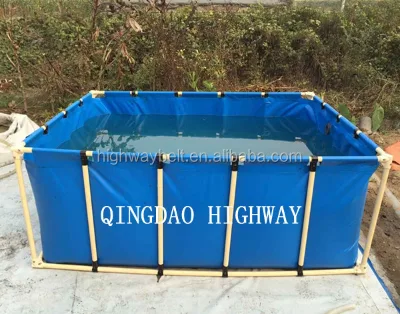
Collapsible and Foldable Live Fish Tanks for Basin Fish Breeding
$78.00 - $128.00
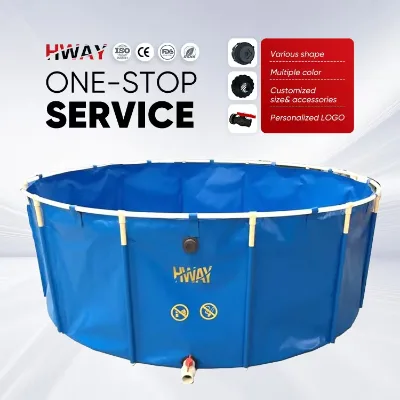
Foldable Aquaponics Fish tank 5000 Liters
$88.00 - $138.00
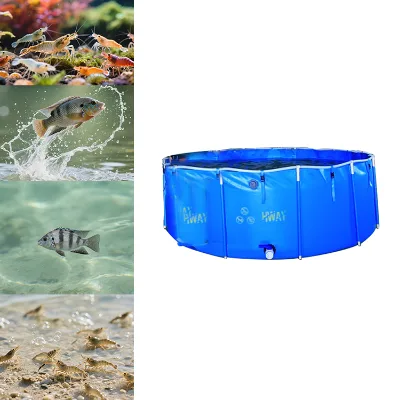
$61.2922 - $101.8071
MOQ: 1 pieces
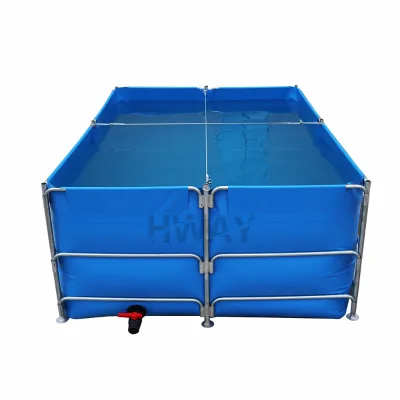
$178.2096 - $293.5211
MOQ: 1 pieces
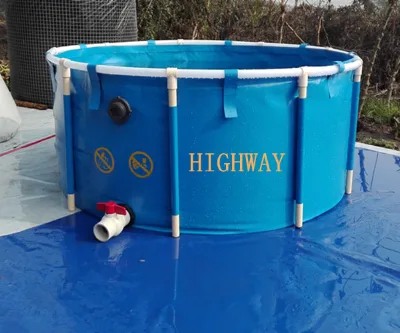
Collapsible and Foldable Commercial Fish Faming tank
$75.00 - $135.00

Hebei Jinbang Trading Co., Ltd.
- Verified by SGS
- Trading Company
- China Hebei
- Lead time15 days
- Avg. response≤ 3h
Main productsInsect Screen
Main marketsAfrica,Australia,North America


10000L Flexible Aquaculture Aquariums Tanks Aquaculture Tanks Fish Pond
$70.00 - $120.00
MOQ: 1 Pieces
Jinan Bollison International Trading Co., Ltd.
- Verified by TüVRheinland
- Trading Company
- Lead time25 days
- Avg. response≤ 3h
Main productsPVC Tarpaulin, Transport Tarpaulin, Waterproof Cover, Storage Bag, Outdoor Tent
Main marketsNorth America(60%), Oceania(15%), Western Europe(15%)
Guangzhou Fischer Chemical Co., Ltd.
- Trading Company
- Guangdong, China
- Lead time30 days
- Avg. response≤ 10h
Main productsAquarium Plant Tank,Aquarium Koi Products,Fish Farm Products,Electronics & Electrical Appliances,Alco-free fountain solution
Main marketsOceania(20.00%), Mid East(15.00%), North America(10.00%), Northern Europe(10.00%), Southeast Asia(10.00%), Western Europe(10.00%), South Asia(5.00%), Africa(5.00%), Eastern Europe(5.00%), Eastern Asia(5.00%), South America(5.00%)
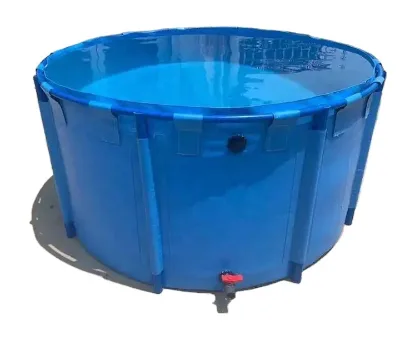
Tarpaulin Collapsible Aquaculture Round Tilapia Fish Farming Tank
$100.5518 - $292.4186
MOQ: 10 Minimum
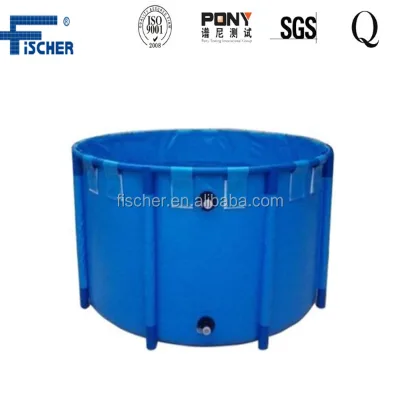
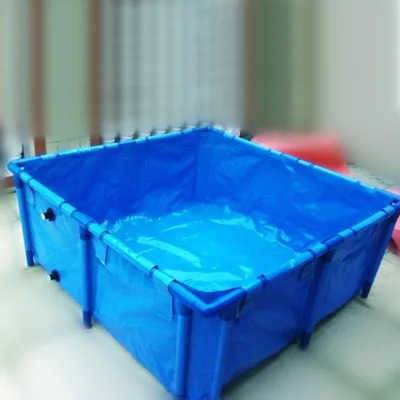
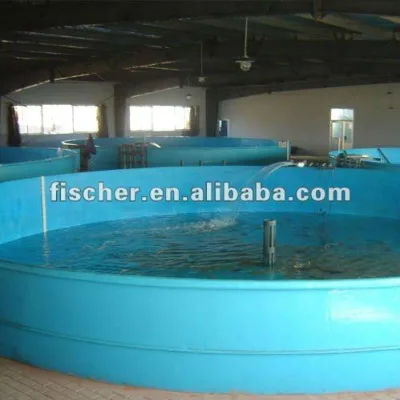
Fibregalss Fish Tank, Big FRP Fish tank for Fish Farm,Manufactural,Hot Selling
$614.7702 - $973.3869
MOQ: 10 Minimum
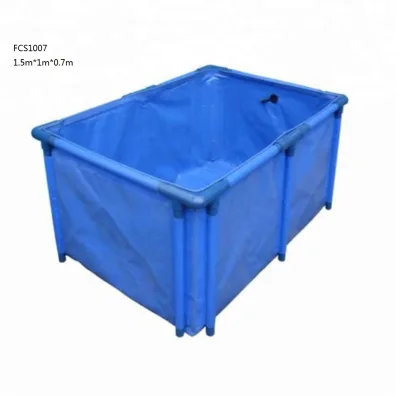

Guangdong ZKAQUA Aquaculture Equipment Co., Ltd.
- Verified by TUVRHEINLAND
- Combined
- China Guangdong
- Lead time30 days
- Avg. response≤ 3h
Main productsFish Hatchery Equipment, Drum Filter, Live Fish Transport Container, Integrated Recirculating  System, Degassing Filter, Protein Skimmer, Bio Filter, UV Sterilizer, Oxygen Generator, Fish Tank
Main marketsSoutheast Asia/ Mideast,Domestic


Factory Direct Customized Fish Tanks Other Aquaculture Equipment Fish Ponds for Fish Farming
$350.00 - $3316.00
MOQ: 1 Pieces


Jiangmen Bolipai Glass Products Co., Ltd.
- Verified by BV
- Manufacturer/Factory
- China Guangdong
- Lead time23 days
- Avg. response≤ 13h
Main productsTempered Glass, Glass Basketball Backboard, Laminated Glass, Glass Switch Panel, Borosilicate Glass, Mirror Glass, Basketball Stand, Smart Glass Film, Low-E Glass, Reflective Glass
Main marketsSouth America,Eastern Europe,Mid East,North America,Southeast Asia,Eastern Asia,Oceania,Western Europe,Africa
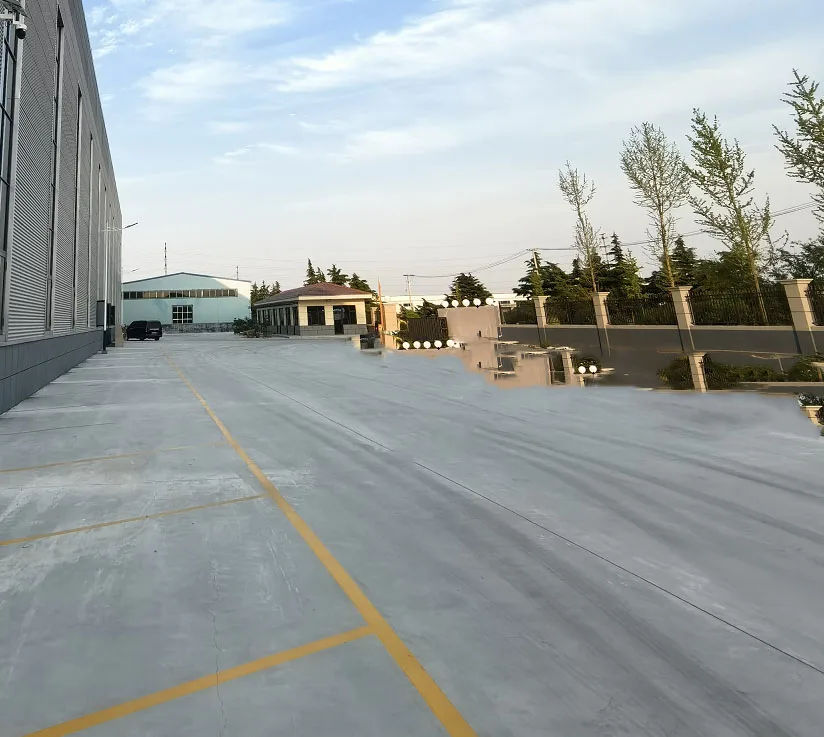
Chongqing Ailinyou Technology Co., Ltd.
- Manufacturer, Trading Company
- Chongqing, China
- Lead time15 days
- Avg. response≤ 2h
Main productsWater storage tank,Aquaculture tank,Fuel storage tank,Biogas bag,Fish farming tank
Main marketsWestern Europe(15.00%), North America(15.00%), Southeast Asia(12.00%), Africa(10.00%), Northern Europe(10.00%), Eastern Europe(5.00%), Central America(5.00%), South America(5.00%), Southern Europe(5.00%), Mid East(5.00%), Oceania(5.00%), South Asia(3.00%), Eastern Asia(3.00%), Domestic Market(2.00%)

Ningbo Hongwei International Trade Co., Ltd.
- Trading Company
- China Zhejiang
- Lead time30 days
- Avg. response≤ 8h
Main productsPVC Tarpaulin, Banner Stand, PVC Foam Board, Acrylic Sheet, PVC Tarpaulin for Tent, PVC Tarpaulin for Truck Cover, Display Stand, PVC Foam Panel, Acrylic Panel, PVC Coated Tarpaulin
Main marketsSouth America,Africa,Southeast Asia/ Mideast,East Asia(Japan/ South Korea),Europe,Australia,North America


$145.00 - $150.00
MOQ: 10 Pieces

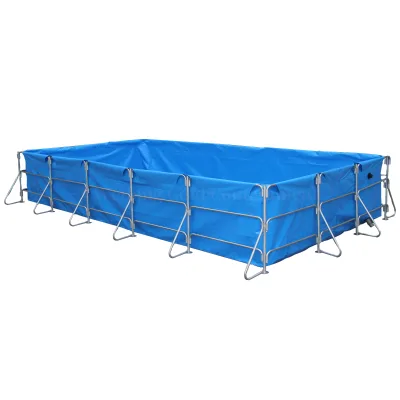
rectangular PVC flexible outdoor water fish farming tank for aquaculture
$145.00 - $150.00
MOQ: 10 Pieces

Customized Capacity Flexible Farming Tank Foldable PVC Fish Tank/Pond for Fish,Agriculture
$145.00 - $150.00
MOQ: 10 Pieces
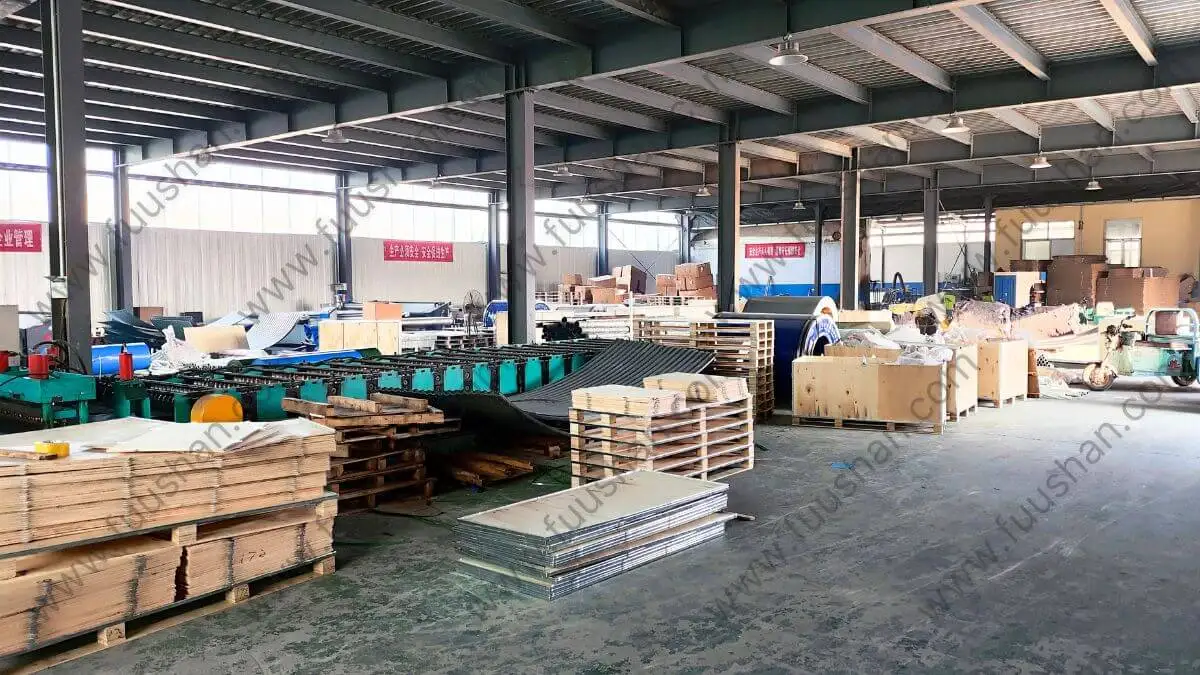
Chongqing Bancy Technology Co., Ltd.
- Manufacturer
- Chongqing, China
- Lead time15 days
- Avg. response≤ 5h
Main productsFlexible Water Tank, Aquaculture Tank, Biogas Bag, Spill Berms, Fuel Bladder
Main marketsNorth America(20.00%), Southeast Asia(20.00%), Africa(10.00%), South Asia(5.00%), Eastern Asia(5.00%), South America(5.00%), Oceania(5.00%), Western Europe(5.00%), Southern Europe(5.00%), Central America(5.00%), Northern Europe(5.00%), Eastern Europe(5.00%), Mid East(5.00%)
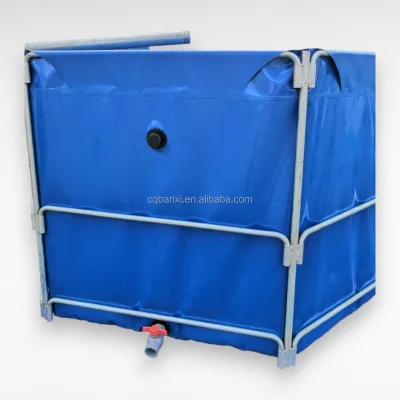
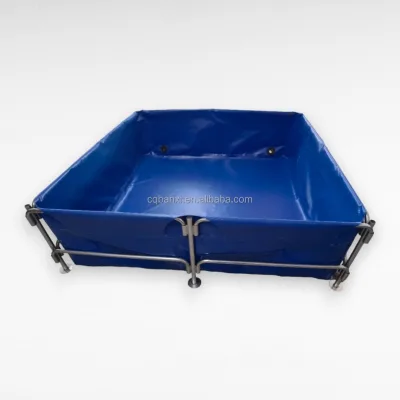
Tear-Resistant Reusable Water Tank for Sustainable Fish Farming Aquaculture Equipment
$80.00 - $100.00
MOQ: 1
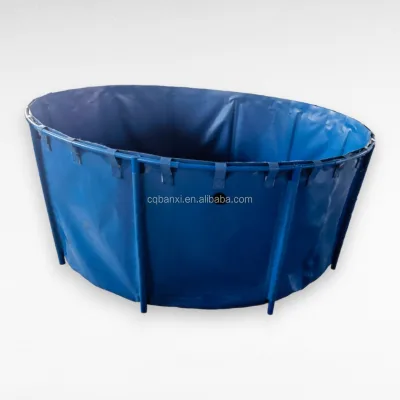
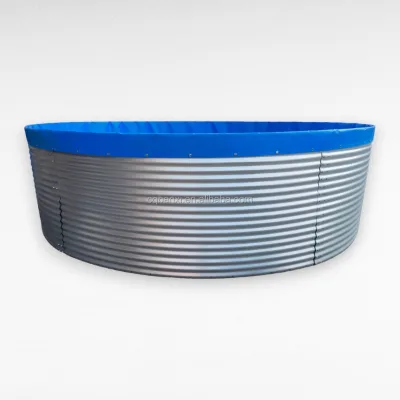
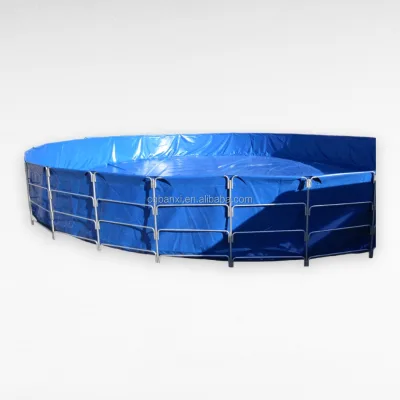
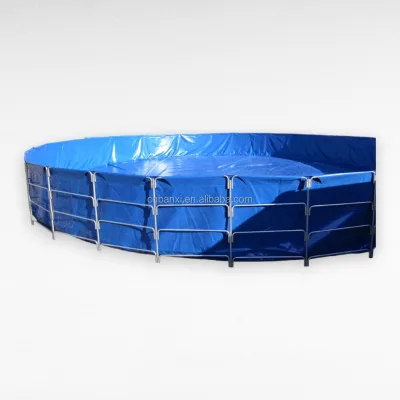
Durable PVC Water Tank Collapsible Outdoor Fish Pond for Koi and Aquatic Life Aquaculture Equipment
$73.1758 - $102.4467
MOQ: 20 pieces
$108.1047 - $128.6962
MOQ: 15 pieces
Chongrui Tech (fujian) Co., Ltd.
- Verified by SGS Group
- Manufacturer, Trading Company
- Lead time30 days
- Avg. response≤ 5h
Main productsIntegrated RAS, Protein Skimmer, Fish Incubator, Drum Filter, UV Sterilizer
Main marketsDomestic Market(65%), Southeast Asia(35%)
$665.00 - $685.00
MOQ: 1 sets
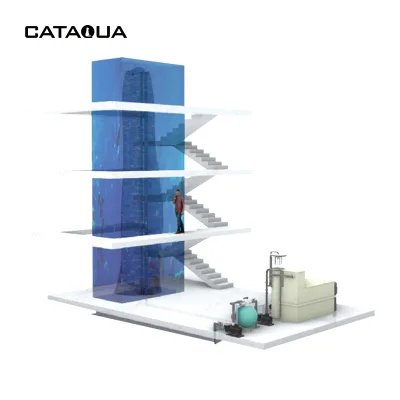
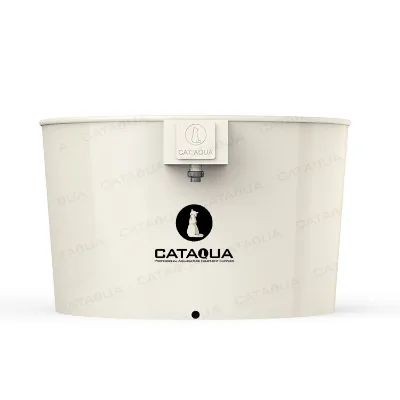
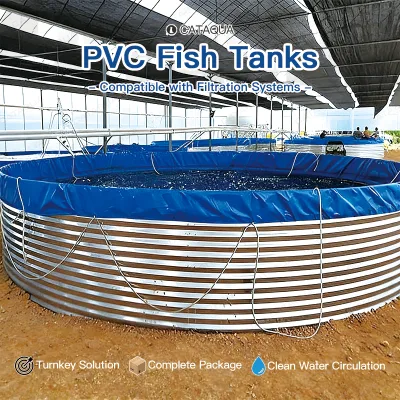

Weifang Hengzhong Environmental Protection Technol
- Manufacturer/Factory
- China Shandong
- Lead time0 days
- Avg. response≤ 4h
Main productsFrame Swimming Pool, Onion Water Tanks, Water Bladder Tank, Fuel Bladder, Galvanized Steel Water Tank, Aquaculture Tank, Rainwater Collection System


Recirculating Aquaculture System Fish Farm Geomembrane Circular Fish Farming Tank
$105.00 - $210.00
MOQ: 5 Pieces
Hebei Shunjie Environmental Protection Equipment Co., Ltd.
- Manufacturer, Trading Company
- Hebei, China
- Lead time15 days
- Avg. response≤ 13h
Main productsFRP water tank,FRP swimming pool,FRP beach chair,FRP warning ball,FRP fish tank
Main marketsDomestic Market(24.00%), Eastern Asia(10.00%), South Asia(10.00%), North America(9.00%), Mid East(8.00%), Southern Europe(7.00%), Eastern Europe(7.00%), Northern Europe(7.00%), South America(4.00%), Africa(4.00%), Central America(3.00%), Western Europe(3.00%), Oceania(2.00%), Southeast Asia(2.00%)

Qingdao Qihang Fishing Cage Co., Ltd.
- Verified by BV
- Trading Company,Manufacturer/Factory,Other
- China Shandong
- Lead time23 days
- Avg. response≤ 2h
Main productsFish Cage, Fishing Cage, Sea Cage, Aquaculture Cage, HDPE Fish Cage, Tilapia Net Cage, Floating Cage, Fishing Net, Fish Farm Cage, PE Net Cage
Main marketsSouth America,Eastern Europe,Mid East,North America,Southeast Asia,Eastern Asia,Oceania,Western Europe,Africa
Xiamen Chongrui Aqua Tech Co., Ltd.
- Manufacturer, Trading Company
- Fujian, China
- Lead time30 days
- Avg. response≤ 6h
Main productsAquaculture equipments,Recirculating Aquaculture System,Fish Farm Accessories,water treatment systems,Indoor fish farm
Main marketsDomestic Market(51.00%), Mid East(11.00%), Eastern Europe(9.00%), Western Europe(5.00%), Eastern Asia(5.00%), South Asia(4.00%), Southeast Asia(4.00%), Africa(3.00%), South America(3.00%), North America(2.00%), Central America(1.00%), Northern Europe(1.00%), Southern Europe(1.00%)
$19467.7234 - $21516.9574
MOQ: 1 sets

Shijiazhuang Zhengzhong Technology Co., Ltd
- Verified by CTI
- Combined
- China Hebei
- Lead time23 days
- Avg. response≤ 3h
Main productsGfs Tanks
Main marketsAfrica,Southeast Asia/ Mideast,East Asia(Japan/ South Korea),Domestic,Europe,Australia

Fish Farming Tanks Aquaculture Tanks Aquaponics Tank Systems Fish Breeding Tanks
$50000.00
MOQ: 1 Pieces

- Manufacturer
- Zhejiang, China
- Lead time30 days
- Avg. response≤ 2h
Main productsWatersports product,Marine product,Aquaculture product,entertainment product
Main marketsNorth America(30.00%), Domestic Market(10.00%), Southern Europe(10.00%), Northern Europe(10.00%), Southeast Asia(5.00%), South Asia(5.00%), Eastern Europe(5.00%), South America(5.00%), Western Europe(5.00%), Eastern Asia(5.00%), Mid East(5.00%), Oceania(5.00%)

Inborn Plastic Industrial (Ningbo) Ltd.
- Verified by CTI
- Trading Company
- China Zhejiang
- Lead time15 days
- Avg. response≤ 24h
Main productsRotational Moulding, Roto Mould, Kayak Roto Mould, Ice Box Roto Mould, Cooler Roto Mould, Water Storage Tank, Plastic Safety Barrier, Plastic Tank, Roto Mould Tank
Main marketsSouth America,Africa,Southeast Asia/ Mideast,East Asia(Japan/ South Korea),Europe,Australia,North America

TIANJIN JIASHENGYILONG TRADING CO., LTD.
- Verified by TUVRHEINLAND
- Trading Company
- China Hebei
- Lead time23 days
- Avg. response≤ 6h
Main productsCarport Tent, Garage Tent, Retractable Garage, Folding Carport, Car Canopy, Canvas Car Port, Portable Tent, Movable Garage, Portable Garage
Main marketsSouth America,Eastern Europe,North America

Zhongshan Laswim Lss Equipment Ltd
- Verified by SGS
- Combined
- China Guangdong
- Lead time45 days
- Avg. response≤ 2h
Main productsProtein Skimmer, Rotary Drum Filter, Pump, Sand Filter, Fish Farming, Aquarium, Water Treatment Equipment, Hatchery, Aquaculture Equipment, Shrimp Farming
Main marketsDomestic


Fish Farming Equipment Recirculating Aquaculture System Fish Tanks for Aquaculture Ponds
$1000.00 - $10000.00
MOQ: 1 Pieces




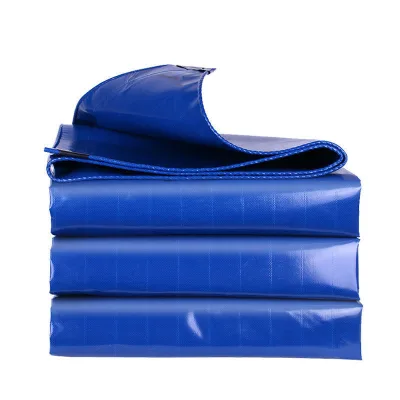
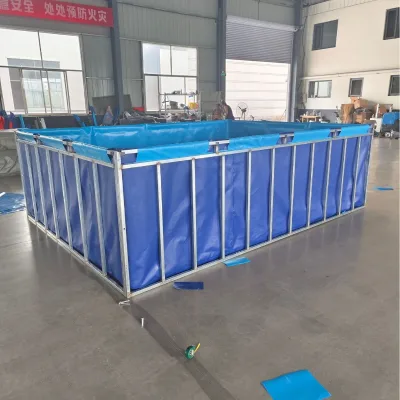
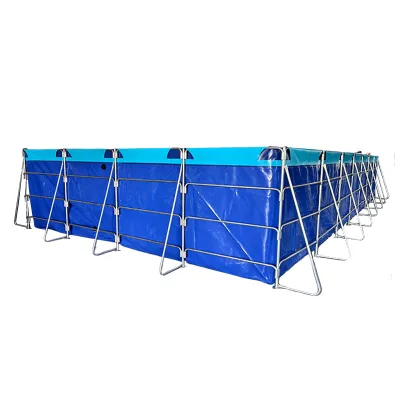
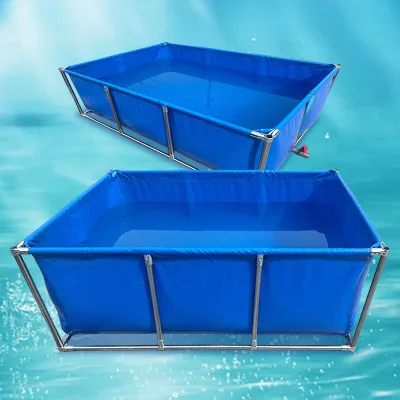




Comprehensive Sourcing Guide
Collapsible Multifilament Aquaculture Tank Supplier Concentration and Factory Types
The landscape for sourcing collapsible multifilament aquaculture tanks reveals a distinct split between manufacturing entities and trading intermediaries, each offering different value propositions for buyers. Evidence indicates that a significant portion of suppliers are classified as manufacturers or factory groups, primarily located in industrial hubs such as Shanghai and Guangdong in China. These entities often possess the capability to produce a wide array of related products, including tarpaulin water bladders, gasoline fuel bladders, and various PVC-coated mesh materials. This diversification suggests that these factories have established production lines for heavy-duty PVC and tarpaulin goods, allowing them to leverage existing material sourcing and manufacturing expertise for aquaculture tanks. Buyers looking for direct factory engagement will find that these suppliers often emphasize their ability to handle both OEM and ODM orders, providing flexibility for custom branding and design modifications. The presence of group corporations within this sector further implies a scale of operation that can support large-volume orders and complex logistical requirements, ensuring that production capacity is not a bottleneck for bulk procurement needs.
Conversely, the market also includes trading companies that act as intermediaries, connecting buyers with various manufacturing sources. These entities, often verified by third-party inspection agencies like CTI, may offer a broader selection of products from multiple factories under one roof. While they might not own the production facilities directly, their role is to streamline the sourcing process by aggregating inventory and managing quality control on behalf of the buyer. The distinction between a manufacturer and a trading company is crucial for buyers, as it impacts pricing structures, communication efficiency, and the level of technical support available. Manufacturers typically provide deeper technical insights into material specifications and production processes, whereas trading companies may excel in customer service and order consolidation. Understanding this dynamic allows buyers to decide whether they prefer the direct relationship and potential cost savings of a factory or the convenience and variety offered by a trading company. Both types play vital roles in the supply chain, and the choice depends on the buyer’s specific needs for customization, volume, and support.
How to Verify Collapsible Multifilament Aquaculture Tank Suppliers
Verifying the credibility and capabilities of suppliers requires a multi-layered approach that goes beyond simple profile reviews. Buyers should prioritize suppliers who hold recognized system certifications, such as ISO 9001 for quality management and ISO 14001 for environmental management. These certifications indicate a structured approach to production quality and environmental responsibility, which is critical for durable goods like aquaculture tanks. Additionally, product-specific standards such as SGS, CE, COC, UL, and EN14960 should be checked to ensure the tanks meet international safety and performance benchmarks. For trading companies, verification badges from reputable third-party inspection agencies provide an extra layer of trust, confirming that the supplier has undergone rigorous audits. Buyers must also scrutinize the supplier’s response time, as a quick and professional reply often reflects a well-organized internal team capable of handling complex inquiries. A response time of under ten hours is generally indicative of a responsive and attentive supplier, whereas longer delays may signal potential communication bottlenecks during the order fulfillment process.
Beyond certifications and response metrics, buyers should examine the supplier’s product evidence and technical specifications in detail. Look for clear indications of material composition, such as PVC coating on surface or thickened integrated tarpaulin, which are essential for the longevity and puncture resistance of the tanks. The presence of specific product models and detailed attributes, such as temperature resistance ranges and water compatibility, demonstrates a high level of product knowledge and transparency. Buyers should also verify the supplier’s capacity for customization, as many aquaculture projects require specific dimensions or features. Evidence of own brand capabilities or OEM services suggests that the supplier can tailor products to meet unique requirements. Furthermore, checking the warranty terms, such as a twelve-month warranty after receiving goods, provides insight into the supplier’s confidence in their product quality. By combining these verification steps, buyers can build a comprehensive profile of each supplier, ensuring that they select partners who are not only credible but also technically competent and reliable.
What to Compare Across Collapsible Multifilament Aquaculture Tank Suppliers
When evaluating multiple suppliers, buyers must compare key operational metrics to determine the best fit for their procurement strategy. Lead time is a critical factor, with some suppliers offering production cycles as short as seven days, while others may require up to thirty days. This variance can significantly impact project timelines, especially for urgent orders or seasonal demands. Buyers should also compare the minimum order quantity (MOQ) requirements, which can range from as low as one unit to higher thresholds like five or more units. Lower MOQs are beneficial for testing new products or small-scale projects, while higher MOQs may offer better unit pricing for large-scale deployments. Response time is another important metric, with some suppliers responding within two hours, indicating high availability and readiness to engage. Comparing these operational efficiencies helps buyers identify suppliers who can align with their specific logistical and scheduling needs, ensuring a smoother procurement experience.
Price and customization options are equally important dimensions for comparison. The price range for these tanks can vary widely, with some products starting at lower price points and others reaching higher tiers based on size, material thickness, and additional features. Buyers should analyze the price-to-value ratio, considering factors such as material thickness, lifespan, and warranty coverage. Customization availability is another key differentiator, with some suppliers offering fully customizable designs and others providing limited options. The ability to customize size, shape, and special processes like anti-UV treatment or fire resistance ratings can be crucial for specific aquaculture applications. Additionally, buyers should compare the main products offered by each supplier to ensure they have the necessary expertise and inventory for their specific needs. Suppliers with a diverse range of related products, such as water bladders and fuel tanks, may have more robust supply chains and production capabilities. By systematically comparing these factors, buyers can make informed decisions that balance cost, quality, and service.
Common Collapsible Multifilament Aquaculture Tank Sourcing Risks
One of the primary risks in sourcing collapsible aquaculture tanks is the potential discrepancy between advertised specifications and actual product quality. Buyers must be vigilant about material thickness and durability claims, as some suppliers may advertise high-performance features while using inferior materials. For instance, while some products specify a thickness of 1.0mm to 1.5mm, others may not provide clear details, leading to potential issues with puncture resistance and lifespan. The risk of receiving tanks that do not meet the required temperature resistance or water compatibility standards is also significant, especially for projects in extreme climates or saline environments. Buyers should request detailed material certificates and test reports to verify these claims, ensuring that the tanks can withstand the intended operational conditions. Additionally, the risk of poor packaging and shipping damage cannot be overlooked, as collapsible tanks are often shipped in rolled or folded states. Inadequate packaging can lead to creases, tears, or deformation, compromising the tank’s integrity upon installation.
Another common risk is the lack of clear warranty and after-sales support terms. Some suppliers may offer vague or limited warranty coverage, leaving buyers vulnerable to defects or failures post-purchase. It is essential to clarify the warranty duration and coverage scope, such as whether it includes material defects or workmanship issues. The risk of communication breakdowns is also prevalent, particularly when dealing with suppliers who have slower response times or language barriers. Misunderstandings regarding customization requirements or delivery schedules can lead to costly delays and rework. Buyers should establish clear communication channels and request written confirmations of all agreements to mitigate these risks. Furthermore, the risk of relying on unverified suppliers is heightened in a market with many trading companies. Without proper verification, buyers may encounter suppliers who cannot fulfill orders or deliver consistent quality. Conducting thorough due diligence, including site visits or third-party inspections, can help mitigate these risks and ensure a secure sourcing partnership.
Collapsible Multifilament Aquaculture Tank Regional Sourcing and Logistics
Sourcing from specific regions can offer distinct advantages in terms of logistics and supply chain efficiency. Suppliers located in Shanghai and Guangdong in China benefit from well-developed industrial clusters and robust logistical infrastructure. These regions are known for their manufacturing capabilities and access to major ports, facilitating efficient export operations. Buyers sourcing from these areas can expect streamlined shipping processes and reliable freight forwarding services. The proximity to raw material suppliers in these regions may also contribute to faster production cycles and reduced lead times. Additionally, the concentration of manufacturers in these hubs fosters a competitive environment, driving innovation and quality improvements. Buyers should consider the logistical implications of sourcing from these regions, including shipping costs and transit times, to optimize their overall procurement strategy. Understanding the regional strengths allows buyers to leverage these advantages for cost-effective and timely deliveries.
For buyers considering suppliers from other regions, such as Shandong in China, it is important to assess the local logistical capabilities and infrastructure. While these regions may offer competitive pricing, buyers should verify the efficiency of their shipping and export processes. The place of origin can impact the availability of certain materials and production techniques, so buyers should ensure that the supplier’s location aligns with their quality and delivery requirements. Additionally, buyers should consider the environmental and regulatory conditions in the supplier’s region, as these can affect production standards and compliance. By evaluating the regional logistics and infrastructure, buyers can make informed decisions about where to source their collapsible aquaculture tanks. This assessment helps in identifying suppliers who can provide reliable and efficient logistics support, ensuring that the tanks are delivered in optimal condition and on schedule.
Collapsible Multifilament Aquaculture Tank Commercial Terms and Order Planning
Effective order planning requires a clear understanding of the commercial terms offered by suppliers, including payment methods, delivery schedules, and return policies. Buyers should negotiate favorable payment terms, such as partial upfront payments and balance upon shipment, to mitigate financial risks. It is also important to clarify the delivery terms, such as FOB or CIF, to determine who is responsible for shipping costs and insurance. Suppliers with shorter lead times, such as seven days, can be advantageous for urgent orders, while those with longer lead times may require earlier planning. Buyers should also consider the MOQ requirements when planning orders, as lower MOQs allow for more flexible purchasing, while higher MOQs may offer better economies of scale. Understanding these commercial terms helps buyers structure their orders efficiently and avoid unexpected costs or delays.
Warranty and after-sales support are critical components of the commercial agreement. Buyers should ensure that the warranty terms are clearly defined, including the duration and coverage of the warranty. A twelve-month warranty after receiving goods is a common standard, but buyers should verify if this covers all aspects of the product, including material and workmanship defects. Additionally, buyers should inquire about the supplier’s return and replacement policies in case of defects or damages. Clear communication regarding these terms can prevent disputes and ensure that buyers are protected in case of issues. By carefully reviewing and negotiating these commercial terms, buyers can establish a solid foundation for a successful sourcing relationship. This proactive approach helps in managing risks and ensuring that the procurement process runs smoothly from order placement to delivery.
FAQs
What is the price range for collapsible aquaculture tanks?
Prices typically range from $28 to $600 per unit depending on size and specifications. Basic PVC models start around $28, while larger or specialized tanks can reach $600. Buyers should check specific product listings for exact pricing based on their required capacity and material thickness.
What certifications do these tanks usually have?
Many manufacturers hold ISO 9001 and ISO 14001 certifications for quality and environmental management. Products may also meet SGS, CE, COC, UL, and EN14960 standards. Buyers should verify specific certification documents for each supplier to ensure compliance with local regulations and industry requirements.
What is the typical lead time for orders?
Lead times generally range from 7 to 30 days depending on the supplier and order volume. Some manufacturers in Shandong offer faster turnaround times of 7 days, while others may require up to 30 days. Buyers should confirm specific delivery schedules with suppliers before placing orders.
What is the minimum order quantity for these tanks?
Minimum order quantities vary, with some suppliers accepting orders as low as 1 unit. Others may require a minimum of 2 or 5 units. Buyers should check individual product listings to determine the specific MOQ requirements for the desired tank size and customization options.
Where are these tanks typically manufactured?
Manufacturers are primarily located in China, including Shanghai, Guangdong, and Shandong provinces. These regions offer diverse manufacturing capabilities for PVC and tarpaulin-based aquaculture solutions. Buyers can source from various locations to find suppliers that best match their logistical and quality requirements.
What materials are used for these tanks?
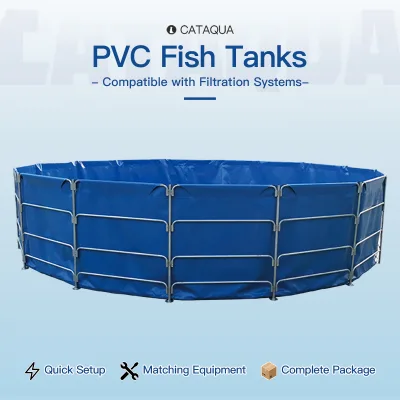
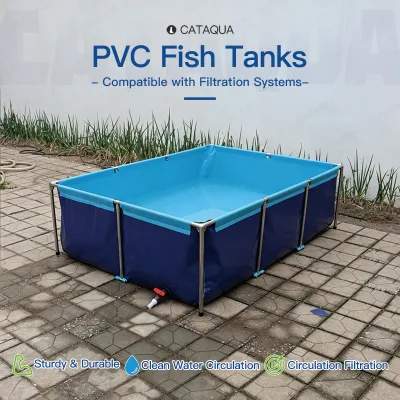
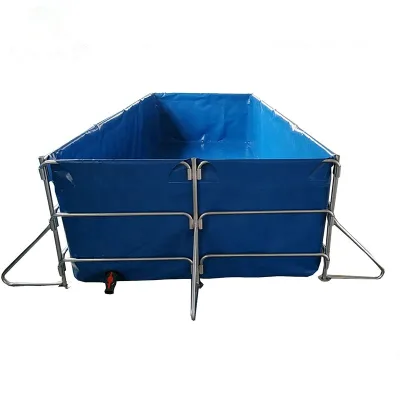
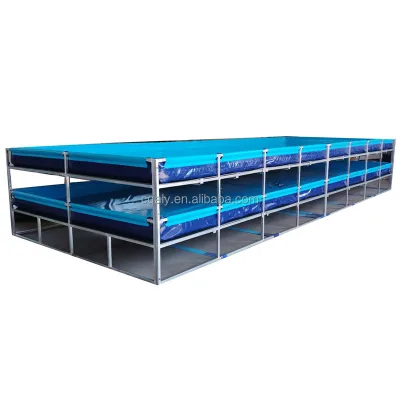
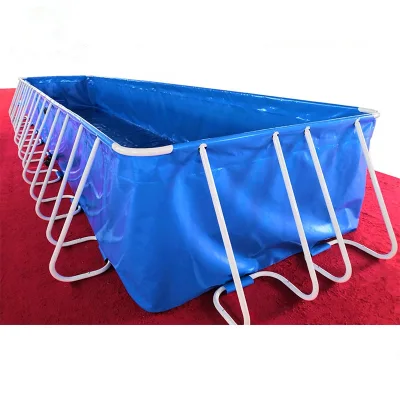
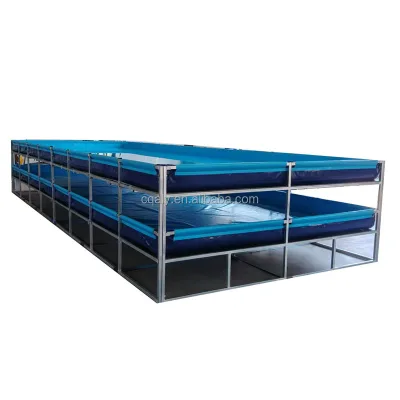
Tanks are typically made from PVC-coated fabric or tarpaulin with metal frames. Materials often feature anti-UV properties and fire resistance ratings like M1, M2, B1, or B2. Thickness usually ranges from 1.0mm to 1.5mm, ensuring durability and a lifespan of over 8 years.