Source skin-friendly fancy yarn baby blanket for Nursery, Travel, and Swaddling
Find 30 skin-friendly fancy yarn baby blanket options from Chinese manufacturers. Compare materials like cotton and bamboo fiber, weaving techniques, and customization services to select the best swaddle or wrap for your brand; compare the available evidence and request quotations based on your requirements.
Updated
Key considerations
Products List
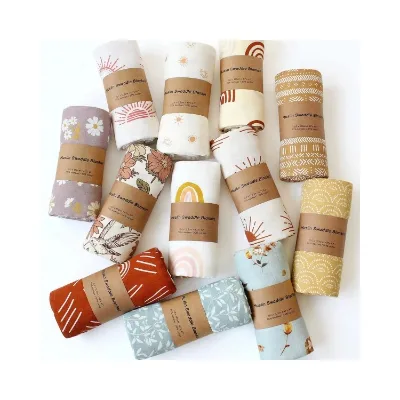
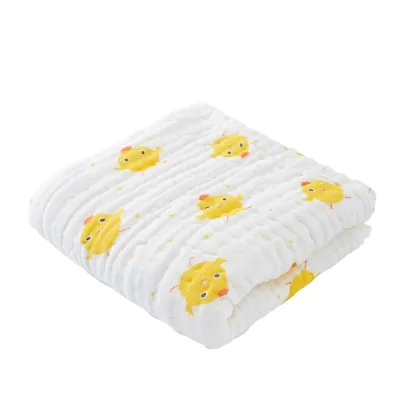
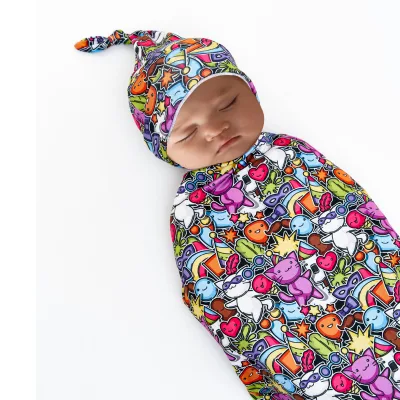
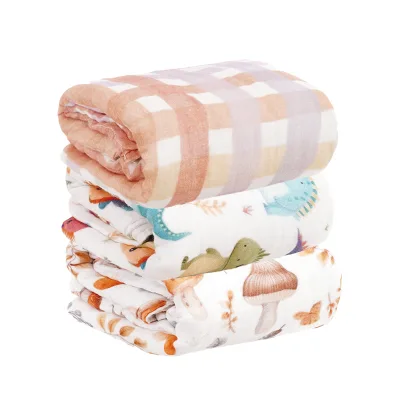
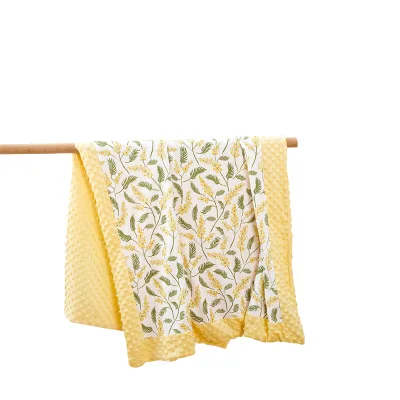
Baby Blanket with Dotted Backing Super Soft 110*140cm Bamboo Cotton Kids Blanket Baby
$6.7036 - $7.7776
MOQ: 100 pieces
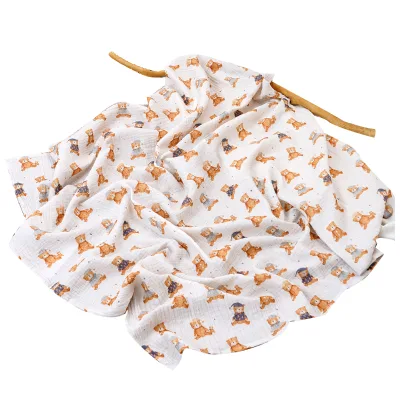
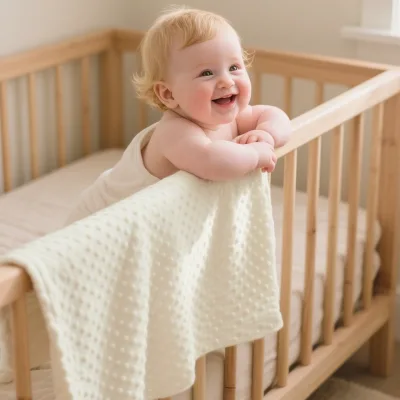


Eco-Friendly Baby Prints Blanket Soft Baby Blanket Cotton White Blanket
$1.68 - $2.86
MOQ: 1000 Pieces

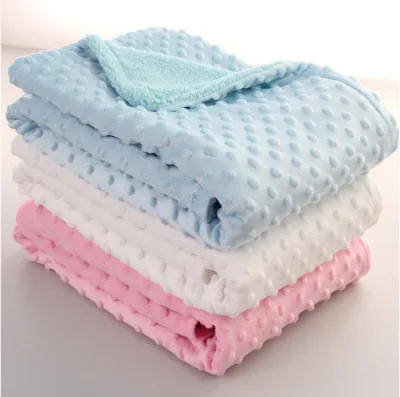
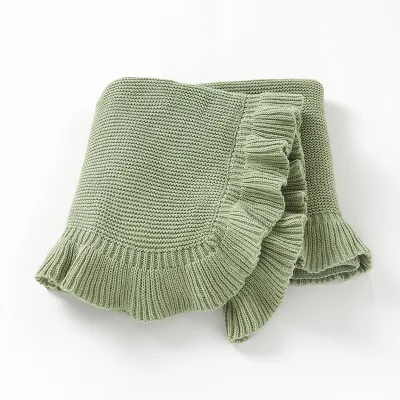
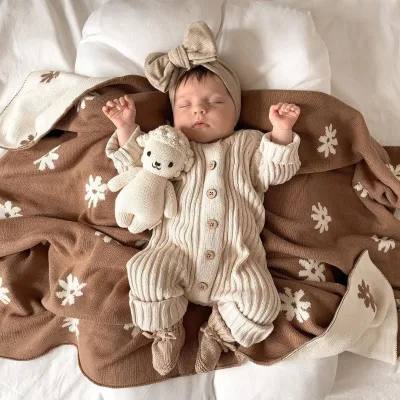
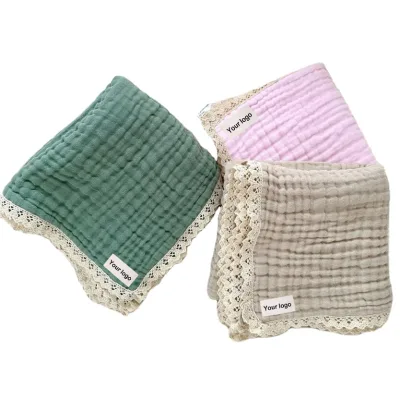
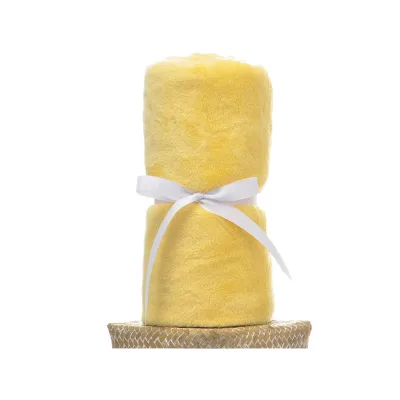
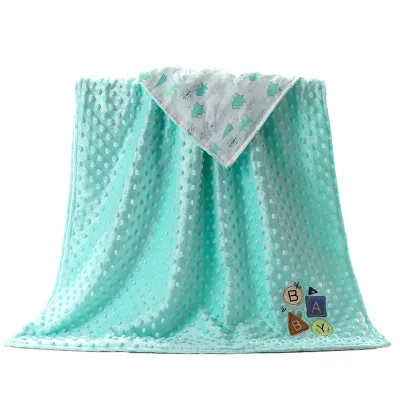
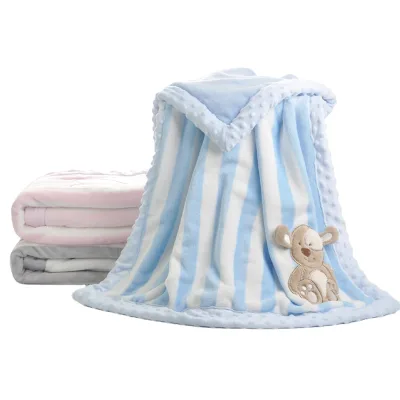
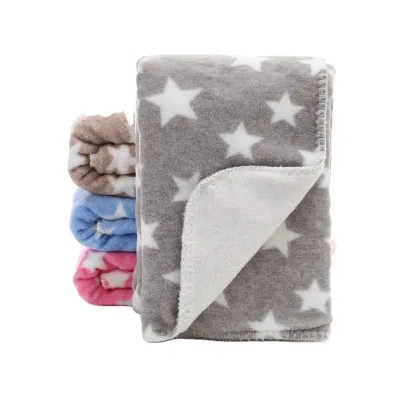
Personalized Fluffy Baby Blanket Warm Fleece Double Layer Soft Cozy Flannel Blanket
$3.8993 - $5.9516
MOQ: 20 Minimum
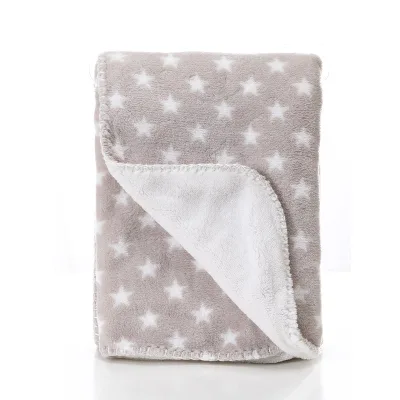
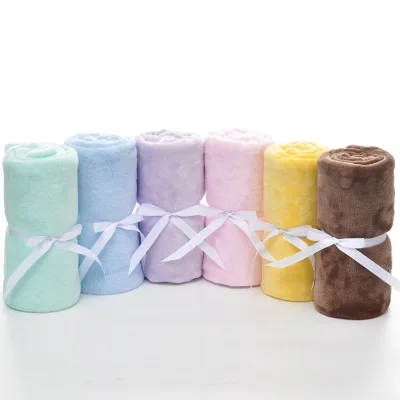
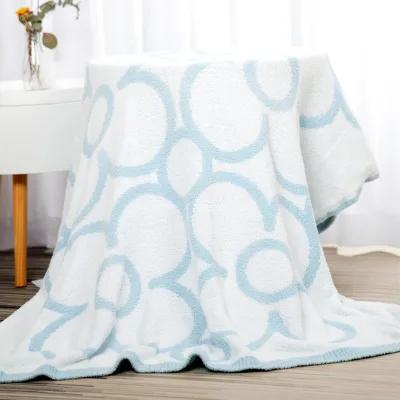


Minky Baby Blanket Microfiber Blanket Baby Winter Blanket Velvet Blanket
$3.00 - $6.00
MOQ: 1000 Pieces

Knit Baby Blanket Custom Blanket Printing Newborn Blanket Sherpa Blanket
$3.00 - $6.00
MOQ: 1000 Pieces


Custom Breathable Knit Wrap Blanket Baby Soft Multi-Color Cotton Blanket
$0.89 - $3.50
MOQ: 1000 Pieces

Comprehensive Sourcing Guide
Skin-Friendly Fancy Yarn Baby Blanket Sourcing Guide
Sourcing skin-friendly fancy yarn baby blankets requires a careful balance of aesthetic appeal and tactile comfort, ensuring the final product meets the high expectations of modern parents and retailers. The term "fancy yarn" often implies textured, novelty, or blended fibers that add visual interest, but for infant products, the primary concern remains skin safety and breathability. Buyers must prioritize materials that do not irritate delicate skin while maintaining the decorative qualities that make these blankets desirable for gifting and nursery decor. This guide outlines the critical verification steps needed to navigate the complex supply chain of textile manufacturing, focusing on material integrity, technical specifications, and supplier reliability.
The procurement process for these specialized blankets involves distinguishing between marketing claims and verifiable product attributes. While many suppliers advertise "organic" or "hypoallergenic" properties, buyers must rely on concrete data points such as fiber composition, thread count, and weaving techniques to assess quality. The observed market data indicates a wide range of product types, from simple muslin swaddles to more complex woven blankets, each with distinct manufacturing requirements. Understanding these differences is essential for defining accurate technical specifications and avoiding mismatches between buyer expectations and supplier capabilities, which can lead to costly returns or brand damage.
Product Scope and Observed Listing Signals
The current market landscape for baby blankets reveals a diverse array of product types, ranging from lightweight muslin swaddles to heavier woven blankets, each serving different seasonal and usage needs. Observed listings highlight products made from cotton, bamboo fiber, and milkfiber, with specific model numbers like "bamboo 4040 8864" and "OUT155" indicating varied sizing and construction methods. These signals suggest that buyers should not assume a uniform product standard across all suppliers, as materials and designs vary significantly. For instance, some products are explicitly labeled as "100% organic cotton," while others use blends or alternative fibers, necessitating careful review of material composition before placing orders.
Listing attributes also provide insight into customization capabilities and production flexibility, which are crucial for private label buyers. Many suppliers offer OEM services, allowing for custom patterns such as plants, animals, or solid colors, and support silk screen printing or reactive dye techniques. The observed minimum order quantities (MOQs) range from 100 to 1000 pieces, indicating that smaller buyers may have limited options or face higher per-unit costs. Additionally, features like anti-static, anti-pilling, and anti-bacterial properties are frequently advertised, but buyers must verify these claims through independent testing rather than relying solely on product descriptions, as these attributes directly impact the product's skin-friendly performance.
Technical Specifications to Verify
Verifying technical specifications is paramount to ensuring the blanket meets both aesthetic and functional requirements, particularly regarding fiber content and weave density. Buyers should confirm the exact material composition, such as whether a product is truly 100% cotton or a blend, as this affects breathability and softness. Thread count and fabric count are critical indicators of quality; for example, a 200TC rating suggests a denser, potentially more durable fabric, while a fabric count of 40 may indicate a lighter, more breathable weave suitable for summer use. These specifications directly influence the tactile experience and longevity of the product, making them essential parameters for quality control.
Size and packaging dimensions are also key technical factors that impact logistics and retail presentation. Observed sizes range from compact swaddle dimensions like 5629.5cm to larger blankets measuring 105105cm or 47*47inch, each requiring different handling and storage solutions. Buyers must verify single package sizes, such as 15X20X4 cm or 20X30X30 cm, to calculate accurate shipping volumes and costs. Additionally, the presence or absence of filling, as noted in some listings, distinguishes between lightweight wraps and insulated blankets, affecting the product's intended use and seasonal relevance. Clear specification alignment prevents discrepancies between samples and bulk production.
Compliance and Safety Documentation
Compliance with safety standards is non-negotiable for baby products, requiring buyers to demand rigorous documentation from suppliers. While OEKO-TEX is mentioned in background contexts, buyers must verify specific certification status for each batch, as this standard ensures the absence of harmful substances. Suppliers should provide test reports from accredited laboratories confirming that the fabrics meet international safety regulations for flammability, chemical content, and physical safety. These documents are essential for market entry in regions with strict consumer protection laws, such as the European Union and the United States, and serve as proof of due diligence in product safety.
Beyond formal certifications, buyers should inquire about the supplier's internal quality control processes and adherence to industry best practices. This includes verifying that the manufacturing facilities follow hygienic production protocols and that raw materials are sourced from reputable suppliers. Documentation should also cover the dyeing and finishing processes, ensuring that reactive dyes or other treatments do not leave residual chemicals that could irritate sensitive skin. By prioritizing comprehensive compliance documentation, buyers mitigate the risk of product recalls and build trust with end consumers who are increasingly conscious of product safety and ethical sourcing practices.
Cost Drivers and Commercial Terms
Understanding the cost drivers behind baby blanket pricing helps buyers negotiate better terms and avoid hidden expenses. Material costs are a primary factor, with organic cotton and bamboo fiber typically commanding higher prices due to their premium status and production complexity. The choice of printing technique, such as silk screen printing versus reactive dye, also impacts cost, as does the level of customization required for logos or specific patterns. Buyers should analyze these variables to determine the true cost structure and identify areas where savings can be achieved without compromising quality, such as optimizing order quantities or simplifying design elements.
Commercial terms, including minimum order quantities (MOQs) and lead times, significantly influence procurement strategy and cash flow. Observed MOQs range from 100 to 1000 pieces, with corresponding price variations that reflect economies of scale. Buyers must assess whether their sales volume justifies higher MOQs to secure better unit prices or if lower MOQs are necessary to test the market. Additionally, sample times of 3-5 working days and production lead times should be factored into inventory planning. Clear communication regarding payment terms, shipping responsibilities, and return policies is essential to establish a transparent and mutually beneficial commercial relationship with suppliers.
Supplier Qualification and Quality Control
Supplier qualification is a critical step in ensuring consistent product quality and reliable delivery, requiring a thorough assessment of manufacturing capabilities and business stability. Buyers should verify the supplier's place of origin, such as Hebei or Zhejiang in China, as these regions have established textile industries with varying levels of expertise. Site visits or third-party audits can provide insights into production capacity, equipment modernity, and workforce training, which are indicators of the supplier's ability to meet quality standards. Additionally, checking the supplier's history of OEM work and client references can reveal their experience in handling custom orders and maintaining quality consistency.
Quality control measures must be integrated into the procurement process to prevent defects and ensure product safety. Buyers should implement pre-production sample approvals, in-line inspections during manufacturing, and final random inspections before shipment. These steps help identify issues such as uneven weaving, color bleeding, or stitching defects early in the process. Suppliers should also have clear protocols for handling non-conforming products and providing replacements or refunds. By establishing robust quality control procedures, buyers protect their brand reputation and ensure that every blanket meets the high standards expected by discerning consumers.
Long-Term Procurement Checks
Long-term procurement success depends on continuous monitoring of supplier performance and market trends to adapt to changing consumer preferences and regulatory requirements. Buyers should regularly review supplier metrics, including on-time delivery rates, defect rates, and responsiveness to issues, to identify potential risks and areas for improvement. Building strong relationships with reliable suppliers can lead to better pricing, priority production slots, and collaborative innovation in product design. Additionally, staying informed about emerging materials and technologies, such as new eco-friendly fibers or advanced dyeing techniques, can provide competitive advantages and enhance product offerings.
Sustainability and ethical sourcing are increasingly important factors in long-term procurement strategies, reflecting growing consumer demand for responsible products. Buyers should encourage suppliers to adopt sustainable practices, such as using organic materials, reducing water consumption, and minimizing waste. Verifying supply chain transparency and ensuring fair labor practices are also essential for maintaining brand integrity and compliance with global standards. By prioritizing sustainability and ethical considerations, buyers not only meet regulatory requirements but also build loyalty among conscious consumers who value products that align with their values, ensuring long-term business growth and resilience.
FAQs
What materials are used for skin-friendly fancy yarn baby blankets?
These blankets typically use cotton, bamboo fiber, or milkfiber to ensure softness and breathability. The fabric count often reaches 200TC, providing a smooth texture that is gentle on newborn skin. Some options are made from 100% organic cotton or multi-layer muslin, offering eco-friendly and hypoallergenic properties suitable for sensitive infants.
Can I customize the design and logo on these baby blankets?
Yes, OEM customization is widely accepted for these products. Buyers can request specific patterns such as plants, animals, or solid colors. Silk screen printing or reactive dye techniques are commonly used for logo application. Minimum order quantities for customized designs typically start at 100 pieces, allowing for flexible branding options.
What are the standard sizes for muslin swaddle blankets?
Standard sizes vary by manufacturer but commonly include 47x47 inches, 105x105 cm, or 56x29.5 cm. These dimensions are optimized for swaddling and wrapping newborns securely. Some models are designed as larger plaids or wraps with hats, providing versatile usage for bedding, quilts, or stroller covers while maintaining a compact folded package size.
What features make these blankets suitable for newborns?
Key features include anti-static, anti-pilling, and anti-bacterial properties that enhance hygiene and comfort. The breathable fabric count ensures temperature regulation, preventing overheating. Many options are folded, eco-friendly, and dust-mite resistant, making them safe for direct skin contact. The soft texture and lightweight construction provide gentle warmth without bulk.
Where are these baby blankets typically manufactured?
Manufacturing primarily occurs in China, with specific origins in Hebei and Zhejiang provinces. These regions are known for textile production capabilities. Buyers can expect consistent quality from factories specializing in woven cotton and bamboo fiber products. The supply chain supports both standard and customized orders with reliable lead times for bulk procurement.
What is the minimum order quantity for these blankets?
MOQs range from 100 to 1000 pieces depending on the customization level. Standard items may require 1000 pieces, while customized designs with specific logos or patterns often start at 100 pieces. This flexibility allows small businesses to test markets with lower initial orders while supporting larger retailers with bulk pricing tiers.