Custom Color Tool Box Suppliers and Manufacturers
Find 29 verified suppliers offering custom color tool boxes with options for aluminum, polyester, and metal materials. Compare response times, lead times, certifications like ISO 9001 and CE, and MOQs ranging from 1 to 500 units. Contact suppliers directly to request samples or customized designs.
Updated
Suppliers List
- Verified by Intertek
- Manufacturer, Trading Company
- Lead time30 days
- Avg. response≤ 2h
Main productsAluminum Case, Flight Case, Tool Case, Bags, Accessories Of Cases And Bags
Main marketsEastern Asia(25%), North America(19%), South Asia(15%)
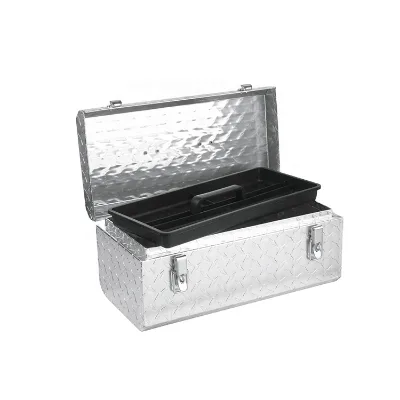
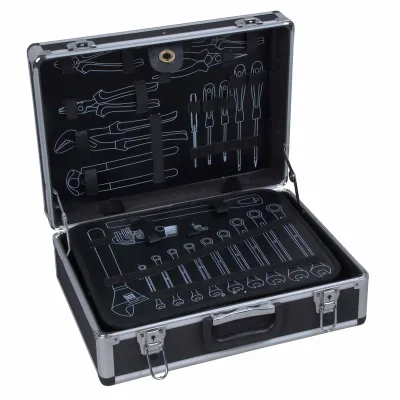
Custom Design Aluminum Profile Small Aluminum Tool Case Box for Saving Tool Kit Boxes
$14.80 - $18.00
MOQ: 100
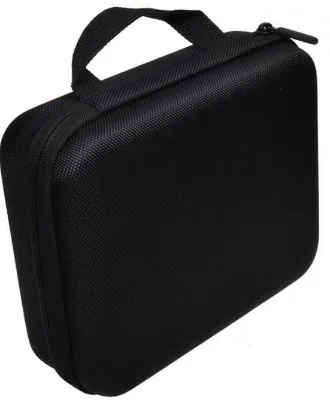
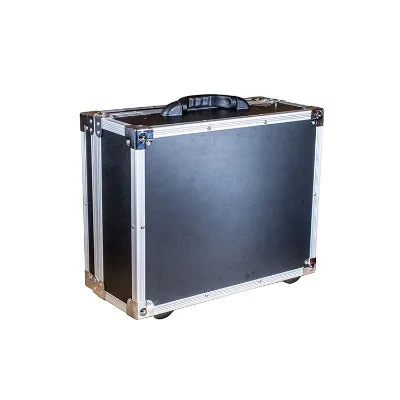

Changzhou Junye Aluminum Case Co., Ltd.
- Verified by TUVRHEINLAND
- Trading Company,Manufacturer/Factory
- China Jiangsu
- Lead time23 days
- Avg. response≤ 17h
Main productsAluminum Case, Aluminium Case, Tool Case, Aluminum Tool Box, Gun Case, Aluminium Box, Travel Case, Aluminum Instrument Case, Makeup Box, Medical Case
Main marketsSouth America,Eastern Europe,Mid East,North America,Southeast Asia,Eastern Asia,Western Europe,Africa


Customized Color Multi-Function High Hardness Aluminum Waterproof Tool Box
$6.00 - $7.00
MOQ: 1 Pieces


Shanghai Forests Packaging Group Co., Ltd.
- Verified by CTI
- Combined
- China Shanghai
- Lead time15 days
- Avg. response≤ 10h
Main productsPaper Gift Box, Carton Cardboard Box, Gift Box, Paper Box, Carton Box, Cardboard Box, Corrugated Box, Packaging Box, Paper Packaging, Paper Carton
Main marketsDomestic,Europe,North America
- Verified by TüVRheinland
- Manufacturer, Trading Company
- Lead time45 days
- Avg. response≤ 12h
Main productsHard Case, Tool Box
Main marketsNorth America(51%), Western Europe(12%), Eastern Asia(11%)

FUZHOU CONIC INDUSTRIAL CO., LTD.
- Verified by BV
- Trading Company
- China Fujian
- Lead time23 days
- Avg. response≤ 16h
Main productsHand Tools, Hardware, Measuring Tools, Insulator, Cutting Tools, Vernier Caliper, Micrometer, Furniture
Main marketsSouth America,Africa,Southeast Asia/ Mideast,East Asia(Japan/ South Korea),Europe,Australia,North America
Kunshan Zhida Plastic Products Co., Ltd.
- Manufacturer, Trading Company
- Jiangsu, China
- Lead time15 days
- Avg. response≤ 13h
Main productsPlastic Tool Case,Car creeper,Plastic drum,Baby car seat,Plastic auto parts
Main marketsWestern Europe(33.00%), Southeast Asia(33.00%), North America(33.00%)
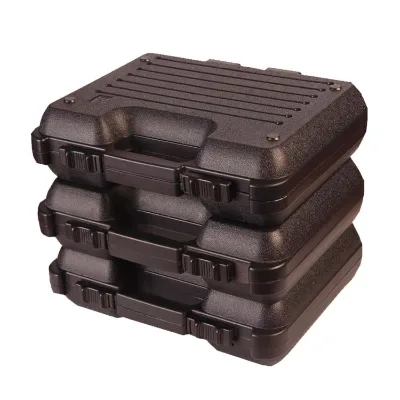
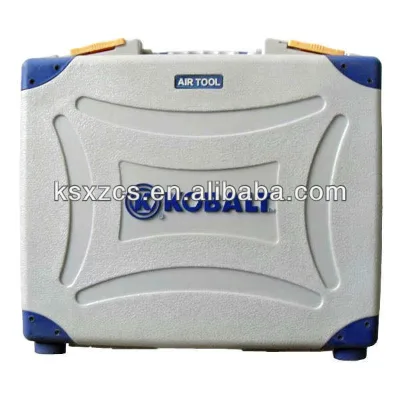
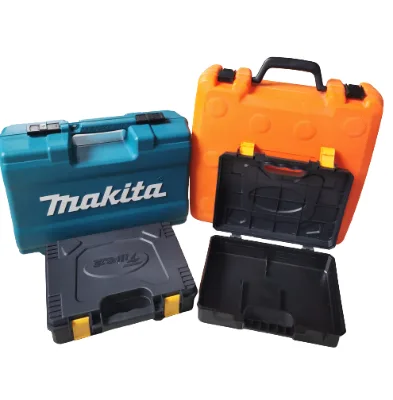
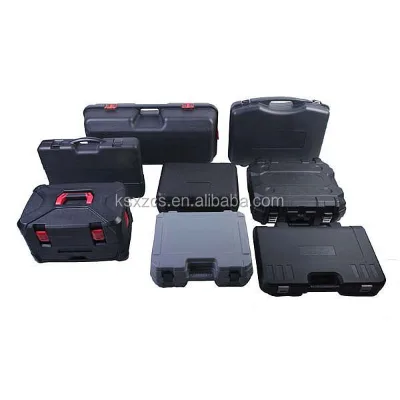
Strong Plastic Tool Case/box With Handle
$1.20 - $2.00
Zhongshan Jinting Plastic & Hardware Products Co., Ltd.
- Manufacturer
- Guangdong, China
- Lead time10 days
- Avg. response≤ 21h
Main productsPlastic Tool Case, Children Toys, Floating Dock, Outdoor Storage Box, Pet Supplies
Main marketsNorth America(92.00%), Western Europe(6.00%), Oceania(1.00%), Eastern Asia(1.00%)

SHANGHAI TECHWAY INDUSTRIAL CO., LTD.
- Verified by BV
- Trading Company
- China Shanghai
- Lead time15 days
- Avg. response≤ 6h
Main productsSanders, Polishers, Vacuum Cleaner, Car Films, Sandpaper, Pdr Tools, Tile Cutter, Tile Vibrator, Hot Glue Gun, Suction Cup
Main marketsSouth America,Europe,North America
Maxxtools (suzhou) Corp., Ltd.
- Trading Company
- Jiangsu, China
- Lead time45 days
- Avg. response≤ 2h
Main productsPlier, Screw Driver, Wrench, Hand Tools Set, Hammer
Main marketsNorth America(51.00%), Western Europe(21.00%), South America(10.00%), Southeast Asia(10.00%), Africa(6.00%), Eastern Europe(2.00%)
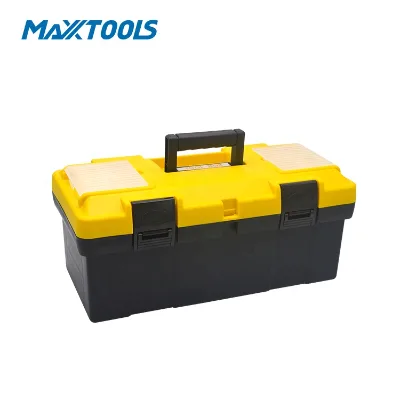
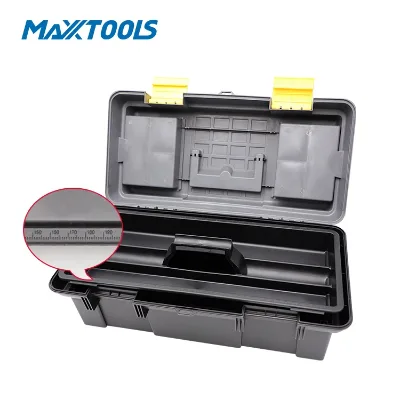
$3.4012 - $6.4907
MOQ: 1000 Minimum

- Combined
- China Guangdong
- Lead time30 days
- Avg. response≤ 12h
Main productsFirst Aid Kits, Kinesiology Tape, Rigid Strapping Tape, Coach Tape, Lite Eab, Precut Kinesio, CPR Mask, Band Aid Box, Zinc Oxide Tape, Cohesive Bandage
Main marketsSouth America,Africa,Southeast Asia/ Mideast,East Asia(Japan/ South Korea),Domestic,Europe,Australia,North America

Foshan Qisi Case And Bag Co., Ltd.
- Manufacturer, Trading Company, Buying Office
- Guangdong, China
- Lead time0 days
- Avg. response≤ 6h
Main productsaluminum case,makeup case,cosmetic bag,storage case,custom case
Main marketsWestern Europe(15.00%), Mid East(15.00%), North America(15.00%), Southeast Asia(10.00%), Southern Europe(8.00%), Domestic Market(5.00%), Eastern Europe(5.00%), Eastern Asia(5.00%), Northern Europe(5.00%), Oceania(5.00%), Central America(3.00%), South Asia(3.00%), Africa(3.00%), South America(3.00%)
Changchun Walter Storage Equipment Co., Ltd.
- Verified by Intertek
- Trading Company
- Lead time15 days
- Avg. response≤ 2h
Main productsTool Cabinet, Tool Cart, Racking, Plastic Box, Container House

Xiamen Mellow Rotomolding Co., Ltd.
- Combined
- China Fujian
- Lead time23 days
- Avg. response≤ 13h
Main productsPontoon Boat Seat, Plastic Fuel Tank, Military Case, Cooler Box
Main marketsEurope,Australia,North America

- Verified by TUVRHEINLAND
- Combined
- China Jiangsu
- Lead time30 days
- Avg. response≤ 2h
Main productsAluminum Case, Tool Bag, Tool Case, Flight Case, Cosmetic Case, Briefcase, Poker Chip Case, Road Case, Tool Kit, Equipment Case
Main marketsSoutheast Asia/ Mideast,Europe,North America

- Verified by BV
- Trading Company,Manufacturer/Factory
- China Guangdong
- Lead time23 days
- Avg. response≤ 6h
Main productsSheet Metal, Sheet Metal Fabrication, Water Vending Machine, Ice Vending Machine, Display Stand, Mail & Parcel Box, Metal Cabinet, Metal Tool Box, Metal Enclosure, Structure Metal Parts
Main marketsSouth America,Eastern Europe,Mid East,North America,Southeast Asia,Eastern Asia,Oceania,Western Europe,Africa

Ningbo Sunyoung Enclosure Co., Ltd.
- Verified by TUVRHEINLAND
- Manufacturer/Factory
- China Zhejiang
- Lead time15 days
- Avg. response≤ 5h
Main productsPlastic Case, Aluminum Case, Rotomolded Case, Tool Storage Case, Aluminum Enclosure, Plastic Enclosure, Tool Box, Organizer Box, Cooler Box, EVA Case
Main marketsSouth America,Eastern Europe,Mid East,North America,Southeast Asia,Eastern Asia,Oceania,Western Europe,Africa
Liaoning Smile Technology Co., Ltd.
- Verified by SGS Group
- Manufacturer, Trading Company
- Lead time20 days
- Avg. response≤ 19h
Main productsNon-standard Sheet Metal Parts, Non-standard Machined Parts, Electrical Enclosures, Mailboxes, Charging Pile Enclosures
Main marketsDomestic Market(35%), North America(25%), Oceania(20%)
Yong Kang City Yunteng Tools Co., Ltd.
- Manufacturer, Trading Company
- zhejiang, China
- Lead time15 days
- Avg. response≤ 15h
Main productsTool Case,Tool Box,Folding Tool Box,handle tool kit,storage tool carbinet
Main marketsSouthern Europe(9.09%), Northern Europe(9.09%), Central America(9.09%), Western Europe(9.09%), Eastern Asia(9.09%), Mid East(9.09%), Africa(9.09%), Southeast Asia(9.09%), Eastern Europe(9.09%), South America(9.09%), North America(9.09%)
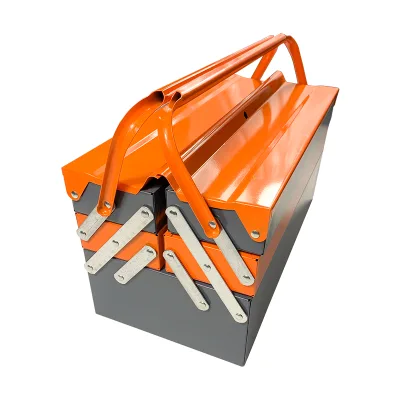
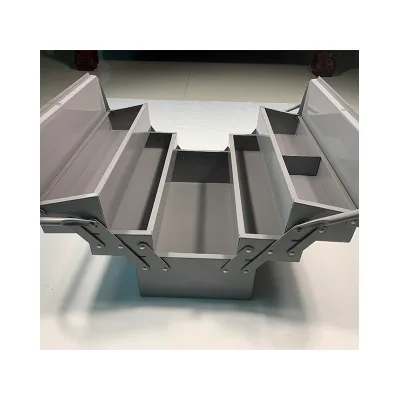
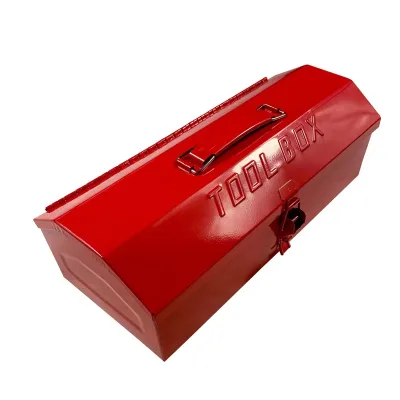
Metal tool box Hot sale foldable tool boxes hardware toolbox Iron jobsite tool boxes hand tool box
$9.20 - $15.00
MOQ: 1 pieces
Ningbo Dongrun Imp & Exp Co., Ltd.
- Verified by SGS Group
- Trading Company
- Lead time25 days
- Avg. response≤ 5h
Main productsHand Tools; Outdoor Equipment; Hardware; Power Tools
Main marketsNorth America(20%), South America(20%), Eastern Europe(10%)
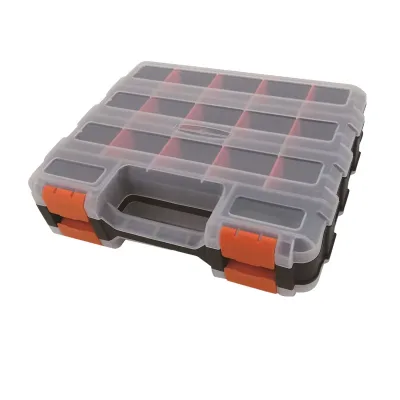
Hardware Tool Box General Tool Box Family Organization Storage Tool Box
$3.0085 - $3.3578
MOQ: 500 pieces
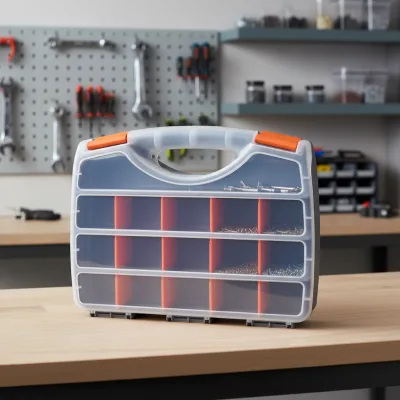
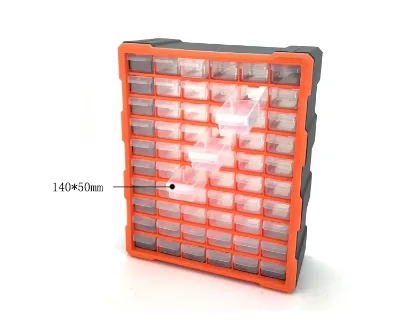
Hardware Replacement Parts Storage Box Plastic Case Tool Case Storage Box With Cubicle
$11.90
MOQ: 2000 pieces

Shandong Herui Mechanical Equipment Co., Ltd.
- Verified by SGS
- Trading Company,Manufacturer/Factory
- China Shandong
- Lead time30 days
- Avg. response≤ 4h
Main productsHorse Trailer, Aluminum Storage Box, Toolbox, Aluminum Box, Aluminum Tool Box, Rooftop Tent, Aluminum Ute Canopy, Ute Canopy, Aluminum Project Box, Aluminum Enclosure
Main marketsMid East,Southeast Asia,Oceania,Africa

Custom Aluminum Toolbox, High Quality Aluminum Box, Aluminum Storage Cabinet,
$19.00 - $499.00
MOQ: 1 Pieces


High Quality Tool Box Tool Box with Stainless Steel Material China Supplier
$19.00 - $499.00
MOQ: 1 Pieces
Huzhou Foxwoll International Trade Co., Ltd.
- Manufacturer, Trading Company
- Zhejiang, China
- Lead time15 days
- Avg. response≤ 15h
Main productshand tools,outdoor furnitures,screwdriver setss,socket sets,pliers
Main marketsNorth America(35.00%), Eastern Europe(10.00%), Southeast Asia(10.00%), Domestic Market(5.00%), South America(5.00%), South Asia(5.00%), Southern Europe(5.00%), Northern Europe(5.00%), Western Europe(5.00%), Eastern Asia(5.00%), Mid East(5.00%), Oceania(5.00%)

XinMao Packaging Products Dongguan Co., Ltd.
- Verified by SGS
- Manufacturer
- China Guangdong
- Lead time15 days
- Avg. response≤ 14h
Main productsNeoprene Bag, Laptop Sleeve, Bottle / Can Cooler, Phone / Camera Bag, Ice / Lunch Bag, Key Chain / Glasses Holder, Neoprene Gloves, Shopping Bag, Cosmetic/Pennies/Stationery Pouch, Felt Bag
Main marketsEurope,Australia
Ningbo Guanjiang Tools Co., Ltd.
- Verified by SGS Group
- Manufacturer, Trading Company
- Lead time25 days
- Avg. response≤ 7h
Main productsTools Set, Tools Trolley, Tools Box, Socket Wrench, Combination Wrench
Main marketsNorth America(35%), Eastern Europe(20%), Southeast Asia(15%)

Zhejiang Jinhongchina Tech Co., Ltd.
- Verified by TUVRHEINLAND
- Combined
- China Zhejiang
- Lead time30 days
- Avg. response≤ 5h
Main productsUte Canopy, Ute Tray, Aluminum Tool Box, Storage Box, Truck Tool Box, Pickup Tool Box, Aluminum Ute Tray, Aluminum Truck Canopy, Aluminum Ute Canopy, Tool Box
Main marketsAustralia

Durable Aluminum Tool Box for OEM with Quick Turnaround and Custom Sizes
$300.00 - $800.00
MOQ: 30 Pieces


Ubox187 Custom Aluminum Tool Box with Tailored Design for Different Needs
$300.00 - $800.00
MOQ: 30 Pieces
Ningbo Everest Enclosure Tech Co., Ltd.
- Verified by SGS Group
- Manufacturer, Trading Company
- Lead time14 days
- Avg. response≤ 2h
Main productsPlastic Protective Case; Plastic Waterproof Box; Aluminum Case; Aluminum Extruded Housing; Solderless Breadboard &Jumper Wire
Main marketsNorth America(15%), Eastern Europe(12%), Southeast Asia(10%)
Jiangsu Hexon Imp. & Exp. Co., Ltd.
- Trading Company
- Lead time旺季: "1 - 5000":90,"> 5000":"To be negotiated", 淡季: "1 - 5000":90,"> 5000":"To be negotiated"
- Avg. response≤ 3h
Main productsPlier, Wrench, Screwdriver, Hammer, Tool Set
Chengdu Gehua Hardware Business Department
- Trading Company
- Sichuan, China
- Lead time25 days
- Avg. response≤ 8h
Main productsAluminum Alloy Tool Cases,Aviation Flight Cases,Military Equipment Storage Boxes,Custom Industrial Equipment Enclosures,Waterproof Instrument Cases
Main marketsNorth America(30.00%), Western Europe(20.00%), Mid East(15.00%), South Asia(15.00%), Africa(10.00%), Oceania(5.00%), Northern Europe(5.00%)

Changshu Xingyu Hardware Products Co., Ltd.
- Verified by SGS
- Manufacturer
- China Jiangsu
- Lead time15 days
- Avg. response≤ 2h
Main productsToolbox Cabinet, Metal Fittings
Main marketsDomestic

- Verified by BV
- Trading Company
- China Zhejiang
- Lead time30 days
- Avg. response≤ 7h
Main productsOEM/ODM Hard Plastic Tool Cases, OEM/ODM Aluminum Cases, OEM/ODM Bags
Main marketsSouth America,Southeast Asia/ Mideast,Europe,North America






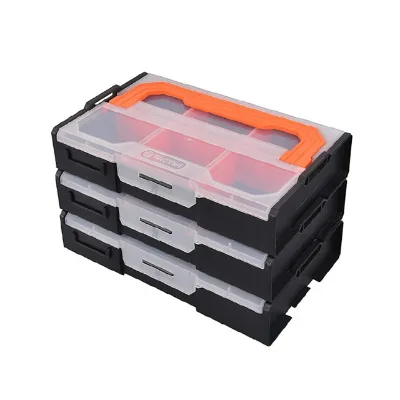
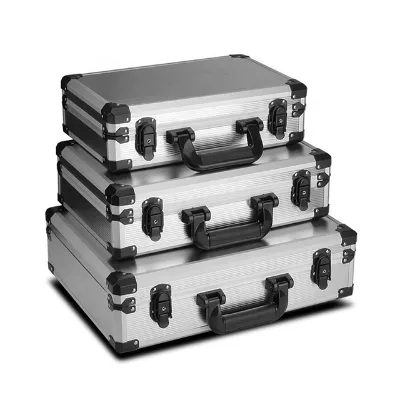


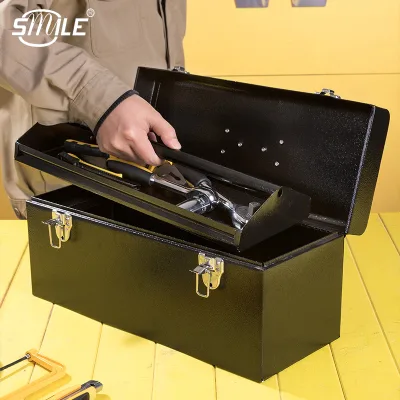
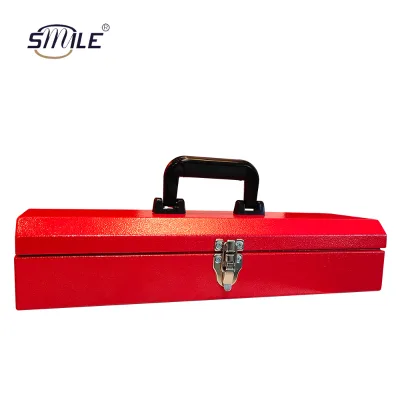


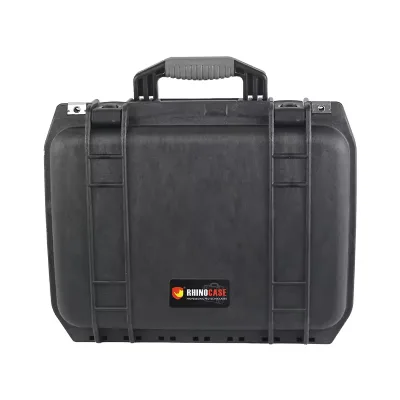
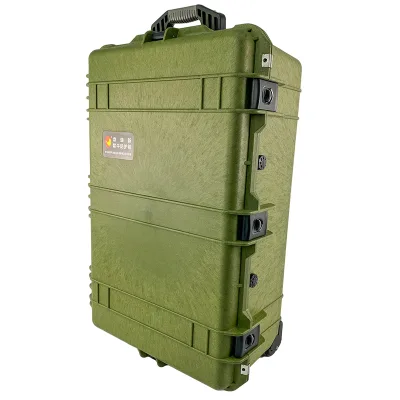
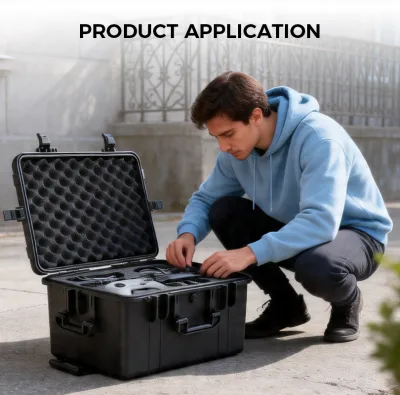
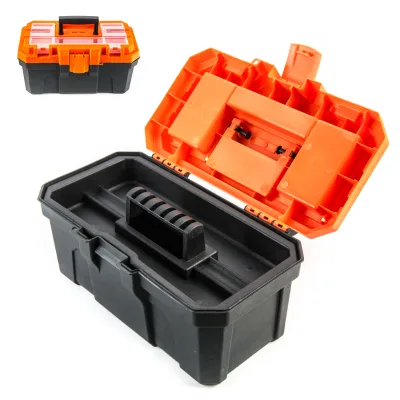


Comprehensive Sourcing Guide
Custom Color Tool Box Supplier Concentration and Factory Types
The landscape for sourcing custom color tool boxes is defined by a mix of manufacturing capabilities and trading structures, requiring buyers to distinguish between direct production sources and intermediary facilitators. Current market data indicates that suppliers operating in this niche often identify as either manufacturers or trading companies, with some entities listing themselves as a hybrid of both factory and trading operations. This dual classification suggests that while some suppliers possess direct control over the molding, extrusion, and assembly processes necessary for creating aluminum or plastic tool cases, others may leverage established supply chains to offer broader product ranges without holding inventory themselves. Understanding this distinction is critical for buyers seeking specific customization levels, as direct manufacturers typically offer more flexibility in material selection and structural design, whereas trading companies might provide faster access to standardized SKUs or bundled accessory packages. The presence of both types in search results highlights the importance of verifying the actual production capacity behind the listed company type, as this directly impacts the ability to handle complex custom color requests and large-volume orders efficiently.
Furthermore, the variety of main products offered by these suppliers provides insight into their operational focus and technical expertise. Many suppliers list aluminum cases, flight cases, tool boxes, and various bags as their primary offerings, indicating a specialization in protective storage solutions rather than general hardware manufacturing. This specialization often translates to higher quality control standards for the specific materials used, such as aluminum alloys or high-density polyethylene, which are essential for durable tool storage. Some suppliers also emphasize accessories and customization options, suggesting a mature supply chain capable of handling intricate design requirements like foam inserts, custom logos, and specialized locking mechanisms. Buyers should note that while some suppliers focus on simple tool boxes, others expand into gun cases, medical cases, and instrument cases, which may require additional certifications or stricter compliance standards. This diversity in product lines can be a useful indicator of a supplier’s versatility, but it also necessitates careful evaluation to ensure that the specific Custom Color Tool Box requirements align with the supplier’s core competencies and production capabilities.
How to Verify Custom Color Tool Box Suppliers
Verification is a critical step in mitigating risk when sourcing custom color tool boxes, as the market includes a wide range of supplier types with varying levels of transparency and accountability. Buyers should prioritize suppliers who have undergone third-party verification processes, as these assessments provide an independent validation of the supplier’s business legitimacy and operational capabilities. Current data shows that some suppliers have been verified by recognized inspection agencies, which can serve as a strong indicator of reliability and adherence to stated business practices. These verification badges often confirm that the supplier’s physical location, company registration, and core business activities have been checked against official records, reducing the likelihood of engaging with fraudulent or non-existent entities. Additionally, buyers should look for suppliers who display specific system certifications, such as ISO 9001, which demonstrates a commitment to quality management systems and consistent production standards. While certifications do not guarantee product quality on their own, they indicate that the supplier has established processes for monitoring and improving their manufacturing operations, which is particularly important for custom orders where consistency is key.
Beyond verification badges and certifications, buyers should assess the supplier’s responsiveness and communication efficiency as proxies for their operational maturity. Response time metrics can provide valuable insights into how quickly a supplier can address inquiries, provide quotes, and resolve issues during the sourcing process. Suppliers with faster response times are often better equipped to handle the dynamic nature of custom orders, where design changes and production adjustments may be required. Buyers should also examine the supplier’s product evidence, including detailed product attributes, specifications, and images, to ensure that the custom color tool boxes meet their specific requirements. This includes verifying details such as material composition, dimensions, and functional features like waterproofing or shockproofing capabilities. By combining verification status, certification records, and responsiveness metrics, buyers can build a comprehensive profile of each supplier, enabling them to make informed decisions based on objective data rather than subjective impressions. This multi-faceted approach to verification helps ensure that the selected supplier is not only legitimate but also capable of delivering high-quality custom products on time.
What to Compare Across Custom Color Tool Box Suppliers
When evaluating multiple suppliers for custom color tool boxes, buyers must systematically compare key operational metrics to identify the most suitable partner for their specific needs. One of the most critical factors is the minimum order quantity (MOQ), which can vary significantly depending on the supplier’s production model and customization requirements. Some suppliers may offer low MOQs, making them suitable for small batches or prototype orders, while others may require higher volumes to justify the setup costs for custom colors and designs. Buyers should also compare lead times, as these determine how quickly orders can be fulfilled and delivered. Suppliers with shorter lead times may be preferable for urgent projects, but buyers should ensure that speed does not compromise quality. Additionally, response speed is an important metric to consider, as it reflects the supplier’s ability to communicate effectively and address inquiries promptly. Suppliers with faster response times are often more reliable and easier to work with, particularly when dealing with complex custom orders that require frequent updates and adjustments.
Price is another essential factor in supplier comparison, but buyers should look beyond the base unit cost to understand the total cost of ownership. This includes considering factors such as shipping costs, customization fees, and potential hidden charges for tooling or design changes. Some suppliers may offer competitive prices for standard products but charge premium rates for custom colors or specialized features. Buyers should also compare the range of main products offered by each supplier, as this can indicate their versatility and ability to meet diverse needs. Suppliers that offer a wide range of tool cases, flight cases, and accessories may be better equipped to provide comprehensive solutions. Additionally, buyers should examine the supplier’s capacity for customization, including options for logo printing, foam inserts, and structural modifications. By comparing these operational metrics and product offerings, buyers can identify suppliers that align with their budget, timeline, and quality requirements, ensuring a successful sourcing outcome.
Common Custom Color Tool Box Sourcing Risks
Sourcing custom color tool boxes involves several inherent risks that buyers must proactively manage to ensure a smooth procurement process. One significant risk is the potential for quality inconsistencies, particularly when dealing with custom colors and materials. Different suppliers may use varying grades of aluminum, plastic, or foam, which can affect the durability and appearance of the final product. Buyers should be aware that visual samples may not always accurately represent the bulk production quality, especially when custom colors are involved. Color matching can be challenging, and slight variations may occur between the initial sample and the final order. To mitigate this risk, buyers should request detailed material specifications and conduct thorough quality inspections before finalizing orders. Additionally, buyers should be cautious of suppliers who offer unusually low prices, as this may indicate the use of inferior materials or substandard manufacturing processes. While cost savings are important, they should not come at the expense of product reliability and safety.
Another common risk is the potential for delays in production and delivery, which can disrupt supply chains and impact business operations. Lead times can vary significantly between suppliers, and unexpected delays may occur due to material shortages, production bottlenecks, or logistical issues. Buyers should establish clear communication channels with their suppliers and request regular updates on production progress. It is also important to have contingency plans in place, such as identifying alternative suppliers or adjusting inventory levels, to mitigate the impact of potential delays. Furthermore, buyers should be aware of the risks associated with intellectual property and design theft, particularly when sharing custom designs and specifications with suppliers. To protect their interests, buyers should consider using non-disclosure agreements and working with suppliers who have a strong reputation for confidentiality and ethical business practices. By understanding and addressing these common risks, buyers can minimize disruptions and ensure a more reliable sourcing experience.
Custom Color Tool Box Regional Sourcing and Logistics
Regional sourcing plays a crucial role in determining the cost, lead time, and overall feasibility of Custom Color Tool Box procurement. Current data indicates that many suppliers are located in specific manufacturing hubs, such as Jiangsu, China, which is known for its robust industrial infrastructure and specialized production capabilities. Sourcing from these regions can offer advantages in terms of cost efficiency and access to a wide range of suppliers, but buyers must also consider the logistical implications of international shipping. Transportation costs, customs duties, and import regulations can significantly impact the total cost of ownership, particularly for large-volume orders. Buyers should work with suppliers who have experience in international logistics and can provide accurate shipping estimates and documentation. Additionally, buyers should consider the environmental impact of long-distance shipping and explore options for more sustainable transportation methods, such as sea freight or consolidated shipping, to reduce carbon emissions.
Logistics planning is essential for ensuring timely delivery and minimizing disruptions in the supply chain. Buyers should establish clear communication with their suppliers regarding shipping schedules, tracking information, and delivery expectations. It is also important to have contingency plans in place for potential logistical challenges, such as port congestion, weather delays, or customs inspections. Buyers should consider using freight forwarders or logistics partners who can provide end-to-end visibility and management of the shipping process. Additionally, buyers should be aware of the specific packaging requirements for custom color tool boxes, as improper packaging can lead to damage during transit. Suppliers should use sturdy packaging materials and follow best practices for securing products during shipping. By carefully planning and managing regional sourcing and logistics, buyers can optimize their supply chain and ensure that custom color tool boxes are delivered safely and on time.
Custom Color Tool Box Commercial Terms and Order Planning
Commercial terms and order planning are critical components of successful Custom Color Tool Box sourcing, as they define the financial and operational framework for the transaction. Buyers should carefully review and negotiate payment terms, such as deposit requirements, milestone payments, and final payment conditions, to ensure alignment with their cash flow and risk management strategies. It is also important to clarify the scope of customization, including any additional costs for tooling, design changes, or special packaging, to avoid unexpected expenses. Buyers should establish clear specifications for the custom color tool boxes, including material requirements, dimensions, and functional features, to ensure that the final product meets their expectations. Additionally, buyers should define quality acceptance criteria and inspection procedures to verify that the products conform to the agreed-upon standards before shipment.
Order planning involves forecasting demand, managing inventory levels, and coordinating production schedules to ensure timely delivery. Buyers should work closely with their suppliers to develop a realistic production timeline, taking into account lead times, customization complexity, and logistical constraints. It is also important to have contingency plans in place for potential disruptions, such as material shortages or production delays, to minimize the impact on business operations. Buyers should consider using inventory management tools and software to track order status, monitor production progress, and optimize stock levels. Additionally, buyers should establish clear communication channels with their suppliers to facilitate regular updates and address any issues promptly. By carefully managing commercial terms and order planning, buyers can ensure a smooth and efficient sourcing process, resulting in high-quality custom color tool boxes delivered on time and within budget.
FAQs
What is the price range for custom color tool boxes?
Prices for custom color tool boxes typically range from $1.50 to $45.00 per unit depending on material and size. Aluminum alloy cases often cost between $42.00 and $45.00, while smaller plastic or polyester options may start as low as $1.50. Buyers should verify specific quotes based on order volume and customization requirements.
What are the minimum order quantities for these cases?
Minimum order quantities vary significantly by product type. Some aluminum tool boxes require a minimum of 50 units, while others may need 100 or 500 pieces. Certain customized options allow for a minimum order of just one unit. Buyers must check the specific product listing to confirm the exact MOQ applicable to their order.
How long does production take for custom orders?
Production lead times generally range from 23 to 30 days for custom tool boxes. Some suppliers offer faster turnaround times, while others may require longer periods for complex customizations. Buyers should confirm the exact lead time with the supplier before placing an order to ensure timely delivery for their specific project requirements.
Are these tool boxes waterproof and shockproof?
Many custom tool boxes are designed to be waterproof and shockproof. Features often include EVA foam lining, aluminum frames, and durable materials like aluminum alloy or polyester. Buyers should verify specific product attributes to ensure the case meets their protection standards for sensitive tools or equipment during transport and storage.
Can I customize the logo and design on the case?
Yes, most suppliers offer logo printing and design customization for tool boxes. Options include adding your logo, selecting specific colors like silver or black, and choosing materials such as aluminum or plastic. Buyers should confirm customization availability and any additional costs with the supplier before finalizing their order specifications.
What certifications do these tool box suppliers have?
Suppliers often hold ISO 9001 certification and may have products verified by Intertek or TÜV Rheinland. Some products also meet CE or SGS standards. Buyers should request relevant certification documents to ensure the supplier meets quality and safety requirements for their specific market or industry regulations.