anti-extrusion hydraulic cylinder buffer seal Suppliers and Manufacturers
Compare 11 verified suppliers of anti-extrusion hydraulic cylinder buffer seal based on location, lead time, and response time. Review product specifications like material and pressure ratings before contacting vendors for quotes; review the available evidence before requesting comparable quotations from suitable candidates.
Updated
Suppliers List

Guangzhou Zhuo Yue Seal Tech Co., Ltd.
- Verified by CTI
- Combined
- China Guangdong
- Lead time15 days
- Avg. response≤ 2h
Main productsHydraulic Seal, Rod Seal, Dust Seal, Buffer Seal, Piston Seal, Back-up Seal, Floating Seal, Coupling, Joystick Pusher/Foot Valve Pusher, Repair Service Seal Kit
Main marketsSouth America,Africa,Southeast Asia/ Mideast,Domestic,Europe


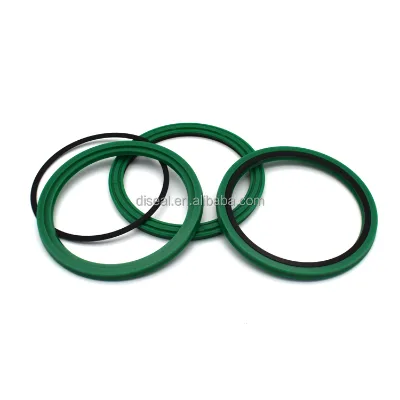
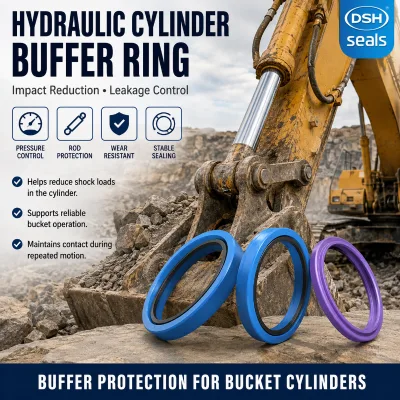
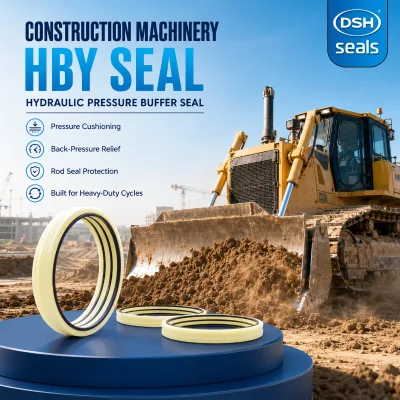
Robust Structure Designed Hby Long Lasting Hydraulic Cylinder Buffer Seal
$0.38 - $18.98
MOQ: 1 Pieces
Maoming Dier Sealing Materials Co., Ltd.
- Trading Company
- Guangdong, China
- Lead time0 days
- Avg. response≤ 2h
Main productsO-rings,Oil Seal,Gaskets,hydraulic seals,compressor parts
Main marketsMid East(25.00%), North America(20.00%), Western Europe(10.00%), Africa(10.00%), Southeast Asia(10.00%), South America(10.00%), Eastern Europe(10.00%), South Asia(5.00%)
Guangzhou JST Seals Technology Co., Ltd.
- Manufacturer, Trading Company
- Guangdong, China
- Lead time10 days
- Avg. response≤ 10h
Main productsHydraulic Seal,Gate Valve Seal,Oil & Gas Seal,Fracturing Pump Seal,Downhole Seal
Main marketsDomestic Market(60.00%), North America(15.00%), South America(5.00%), Oceania(5.00%), Eastern Europe(5.00%), Mid East(5.00%), Southeast Asia(5.00%)

Xiamen TYS Seals Technology Co., Ltd.
- Verified by BV
- Combined
- China Fujian
- Lead time23 days
- Avg. response≤ 3h
Main productsHydraculic Seals, PTFE Filled Seals, Rubber Seals, PU Seals
Main marketsSouth America,Africa,Southeast Asia/ Mideast,Europe,North America
Guangdong Desheng Industrial Technology Co., Ltd.
- Verified by SGS Group
- Trading Company
- Lead time15 days
- Avg. response≤ 2h
Main productsSeals, Oil Seal, Wiper Seal, Hydraulic Cylinder Seals, Spring Energized Seals
Main marketsDomestic Market(70%), North America(5%), South America(5%)
Guangdong Dlseals Technology Co., Ltd.
- Verified by SGS Group
- Manufacturer, Trading Company
- Lead time10 days
- Avg. response≤ 2h
Main productsPTFE Seals, Oil Seals, Spring Energized Seals, Rubber Seals, Metal Ring Seals
Main marketsDomestic Market(30%), North America(15%), South America(10%)

Ruian Taiyue Electromechanical Co., Ltd.
- Verified by TUVRHEINLAND
- Trading Company
- China Zhejiang
- Lead time15 days
- Avg. response≤ 3h
Main productsSeal, Oil Seal
Main marketsDomestic
Tianjin King Seal Trading Co., Ltd.
- Verified by TüVRheinland
- Trading Company
- Lead time10 days
- Avg. response≤ 4h
Main productsRubber Diaphragm, Gasket Washer, Other Hardware, Rubber O Ring, Rubber Oil Seal
Main marketsOceania(14%), North America(12%), Western Europe(12%)

GUANGZHOU GOLD-KING SEALS TECHNOLOGY CO., LTD.
- Verified by SGS
- Trading Company,Manufacturer/Factory
- China Guangdong
- Lead time23 days
- Avg. response≤ 4h
Main productsExcavator Seal Kit, Breaker Seal Kit, Jcb Seal Kit, Rubber Seal, Oil Seal, O-Ring Kit, Mechanical Seal, Pump Seal, Hydraulic Seal
Main marketsSouth America,Eastern Europe,Mid East,North America,Southeast Asia,Eastern Asia,Oceania,Western Europe,Africa

Guangdong DEF Seals Solutions Co., Ltd.
- Verified by SGS
- Manufacturer
- China Guangdong
- Lead time15 days
- Avg. response≤ 2h
Main productsSeal, PTFE Strip, U Cup, Spring Energized, Urethane Seals, Guide Ring, PU Seals, Hydraulic Seals, Seals, CNC Lathe Cut Seals
Main marketsSouth America,Africa,Southeast Asia/ Mideast,East Asia(Japan/ South Korea),Domestic,Europe,Australia,North America

Changsha Shante Mine Equipment Co., Ltd.
- Verified by SGS
- Trading Company
- China Hunan
- Lead time15 days
- Avg. response≤ 9h
Main productsDrilling Rig Accessories
Main marketsAfrica,Others(foreignTradeCapacity.exportBusinessCapacityMarketOther)


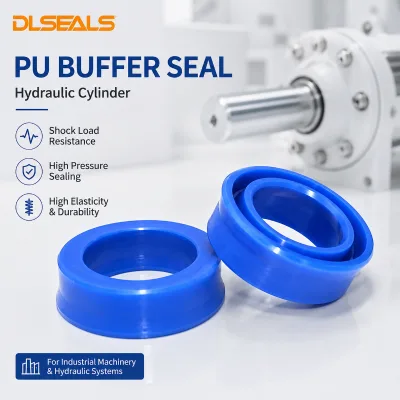


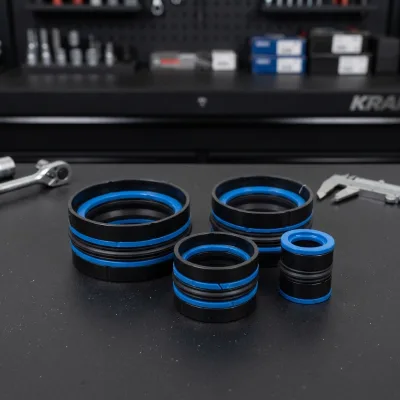
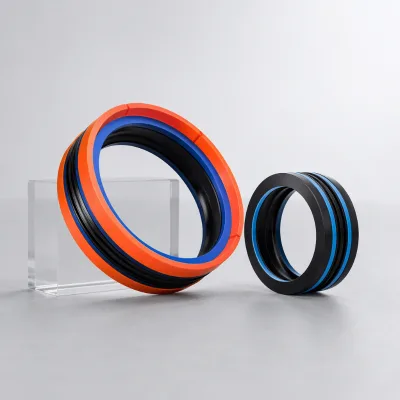
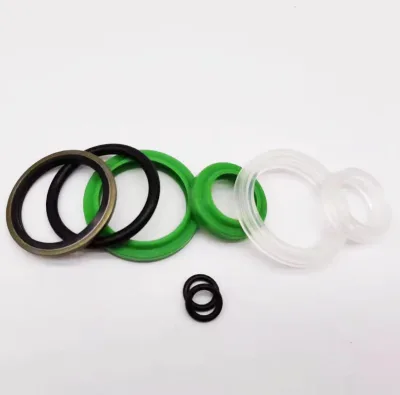


Comprehensive Sourcing Guide
Anti-Extrusion Hydraulic Cylinder Buffer Seal Supplier Concentration and Factory Types
The current supplier landscape for anti-extrusion hydraulic cylinder buffer seals reveals a distinct concentration of manufacturing and trading entities within specific industrial regions. Evidence indicates that a significant portion of these suppliers are located in Guangdong, China, a region known for its robust hardware and seal manufacturing infrastructure. This geographic clustering suggests that buyers seeking these components will likely encounter a high density of options in this area, facilitating easier comparison of local capabilities. The presence of suppliers in this specific location implies established supply chains for raw materials such as polyurethane and rubber, which are critical for producing durable buffer seals. Buyers should recognize that this concentration is not random but reflects the historical development of industrial hardware clusters in this province. Understanding this geographic reality helps in anticipating the types of suppliers available, ranging from pure manufacturers to those who act as intermediaries. The data shows that many of these entities are classified as combined or trading companies, indicating a mixed market where direct factory access may require careful verification. This mix offers variety but also necessitates diligence in identifying the actual source of production. The focus on Guangdong provides a clear starting point for sourcing strategies, allowing buyers to prioritize suppliers with this regional affiliation when evaluating potential partners. It is important to note that while this location is prominent, it is not the only possible source, and buyers should remain open to other regions if specific requirements dictate. However, the current evidence strongly points to Guangdong as a primary hub for these specific hydraulic components. This concentration allows for efficient logistics and potentially faster turnaround times for orders originating from this area. Buyers can leverage this knowledge to streamline their initial supplier screening process by focusing on entities with verified presence in this industrial zone. The density of suppliers here also suggests competitive pricing and a wide range of product specifications available to meet diverse hydraulic system needs.
The types of companies operating in this space vary significantly, impacting how buyers should approach their selection process. The observed supplier types include combined entities, trading companies, and manufacturers, each offering different advantages and potential drawbacks. Combined companies often blend manufacturing capabilities with trading functions, potentially offering both production control and flexible order handling. Trading companies, on the other hand, may provide a broader portfolio of related products but might not have direct control over the manufacturing process. Manufacturers are typically focused on production capacity and quality control, which can be crucial for custom or high-volume orders. The evidence shows that some suppliers offer both OEM and ODM services, indicating a level of flexibility in product customization. This is particularly relevant for buyers who require specific dimensions or material compositions for their hydraulic systems. The presence of repair service seal kits among main products suggests that some suppliers also provide maintenance solutions, adding value beyond just component supply. Buyers should carefully review the company type to align with their specific sourcing goals, whether they prioritize direct factory pricing, broad product availability, or customized manufacturing capabilities. Understanding these distinctions helps in setting realistic expectations regarding communication, lead times, and quality assurance processes. It also aids in determining the appropriate level of engagement required for each supplier type. For instance, dealing with a trading company might involve more layers of communication but could offer greater flexibility in order sizes. Conversely, working directly with a manufacturer might provide better technical support but could have stricter minimum order requirements. The variety of company types in the current results reflects the diverse needs of the global hydraulic industry. Buyers must navigate this landscape with a clear understanding of what each supplier type can deliver. This awareness is essential for building a reliable and efficient supply chain for anti-extrusion buffer seals. The mix of supplier types also indicates a competitive market where differentiation is key. Buyers should look for suppliers that clearly articulate their role and capabilities to ensure a smooth procurement experience.
How to Verify Anti-Extrusion Hydraulic Cylinder Buffer Seal Suppliers
Verifying the legitimacy and capability of suppliers is a critical step in the sourcing process for anti-extrusion hydraulic cylinder buffer seals. One of the primary methods for establishing trust is through third-party verification services. The current data indicates that some suppliers have undergone verification by CTI, a recognized testing and certification body. This verification status provides a layer of assurance regarding the supplier's business operations and product quality standards. Buyers should prioritize suppliers with such verifications, as it reduces the risk of engaging with fraudulent or unreliable entities. However, verification is not a guarantee of product performance, so it should be combined with other due diligence steps. Buyers should also look for specific certifications related to the products themselves, such as ISO standards, which indicate adherence to international quality management systems. The evidence shows that some products are associated with ISO9001:2008 certification, which is a strong indicator of consistent manufacturing processes. This certification suggests that the supplier has implemented a quality management system that meets specific criteria. Buyers should request copies of these certificates and verify their validity with the issuing body. Additionally, buyers should inquire about any product-specific tests or standards that the seals meet, such as pressure resistance or temperature tolerance. These technical validations are crucial for ensuring that the buffer seals will perform reliably in demanding hydraulic applications. The absence of such certifications does not necessarily mean a supplier is unreliable, but it requires more thorough investigation. Buyers should ask for detailed product specifications and test reports to assess the quality of the components. This proactive approach helps in identifying suppliers who are transparent about their quality control measures. It also allows buyers to compare suppliers based on objective criteria rather than just marketing claims. Verification processes should be seen as an ongoing activity, not a one-time check. Buyers should regularly review supplier performance and update their verification status as needed. This continuous monitoring helps in maintaining a high standard of supply chain integrity. By focusing on verified suppliers and demanding proper documentation, buyers can significantly reduce the risks associated with sourcing hydraulic components. The presence of CTI verification and ISO certifications in the current results provides a benchmark for what buyers should look for. These indicators serve as initial filters in the supplier selection process. Buyers should use these verification statuses as a starting point for deeper engagement with potential suppliers.
Beyond certifications, buyers should assess the supplier's response time and communication efficiency. The data shows varying response times among suppliers, ranging from 1.21 hours to 10 hours. A faster response time often indicates a more responsive and customer-focused organization. Buyers should consider this factor when evaluating potential partners, as quick communication is essential for resolving issues and managing orders. Suppliers with shorter response times are likely to be more attentive to buyer inquiries and requirements. This can lead to a smoother procurement experience and better problem resolution. Buyers should also look for suppliers who provide detailed and accurate information in their responses. This includes clear product specifications, pricing, and lead times. The ability to provide comprehensive information quickly is a sign of a well-organized and professional supplier. Buyers should test the supplier's responsiveness by sending initial inquiries and evaluating the quality and speed of the replies. This practical test can reveal a lot about the supplier's operational efficiency. Additionally, buyers should check if the supplier offers multiple channels for communication, such as email, phone, or instant messaging. This flexibility can be beneficial for urgent matters or complex discussions. The evidence shows that some suppliers have specific response time metrics displayed, which can be used for comparison. Buyers should use these metrics to gauge the supplier's commitment to customer service. A supplier with a consistently fast response time is likely to be more reliable in meeting deadlines and addressing concerns. This reliability is crucial for maintaining production schedules and avoiding delays. Buyers should also consider the language proficiency of the supplier's staff, especially if they are located in a different country. Clear communication is essential for avoiding misunderstandings and ensuring that specifications are met. By focusing on both verification status and communication efficiency, buyers can build a strong foundation for a successful sourcing relationship. These factors are key indicators of a supplier's professionalism and reliability. Buyers should not overlook these aspects in their evaluation process.
What to Compare Across Anti-Extrusion Hydraulic Cylinder Buffer Seal Suppliers
When evaluating multiple suppliers for anti-extrusion hydraulic cylinder buffer seals, buyers must compare several key dimensions to identify the best fit for their needs. One of the most critical factors is the lead time, which directly impacts production schedules and inventory management. The current data shows a range of lead times, with some suppliers listing 15 days and others showing 0 or 10 days. A lead time of 0 might indicate a ready-stock item, while 15 days could suggest a production cycle. Buyers should clarify what these lead times represent, whether they include shipping or just production. Understanding the lead time helps in planning orders and avoiding stockouts. Buyers should also compare the minimum order quantity (MOQ) requirements, as these can vary significantly. The evidence shows MOQs ranging from 1 piece to 100 pieces. A low MOQ is beneficial for testing new suppliers or for small-scale projects, while a higher MOQ might offer better unit pricing. Buyers should align their order size with the supplier's MOQ to optimize costs. Another important factor is the price range, which can indicate the quality and complexity of the product. The data shows prices ranging from $0.38 to $18.98 per unit. This wide range suggests that buyers should not rely solely on price but should consider the value proposition. Buyers should request detailed quotes that include all costs, such as shipping and taxes, to make accurate comparisons. The main products offered by each supplier can also provide insights into their specialization. Some suppliers focus on hydraulic seals, while others offer a broader range of hardware. Buyers should choose suppliers whose main products align with their specific needs. This ensures that the supplier has the necessary expertise and inventory. The response time is another comparative metric, as discussed earlier. Faster response times can lead to better service and quicker issue resolution. Buyers should also compare the customization options available. The evidence shows that customization is available for some products, which is crucial for unique hydraulic applications. Buyers should inquire about the flexibility of the supplier in accommodating custom designs or materials. This comparison helps in identifying suppliers who can meet specific technical requirements. By systematically comparing these factors, buyers can make informed decisions and select the most suitable supplier. This structured approach reduces the risk of choosing a supplier that does not meet their operational needs. The variety of options in the current results allows for thorough comparison. Buyers should use this diversity to their advantage by creating a scoring matrix for evaluation. This method ensures a comprehensive assessment of all relevant factors.
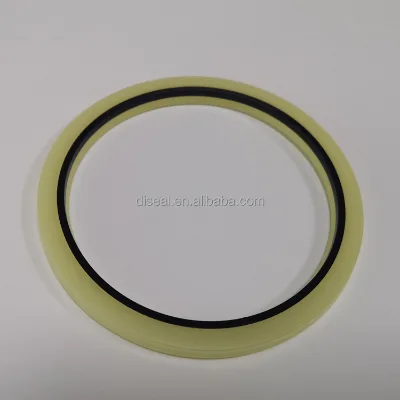
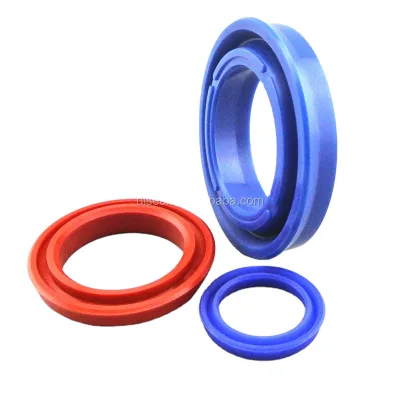
In addition to the operational metrics, buyers should compare the product specifications and materials used in the buffer seals. The evidence shows various materials such as PU, POM, and rubber, each with different properties. Buyers should understand the performance characteristics of these materials in their specific application. For example, polyurethane offers high wear resistance, while rubber provides flexibility. The working temperature range is another critical specification, with some seals rated for -35 to +110 degrees Celsius. Buyers should ensure that the selected seals can withstand the operating conditions of their hydraulic systems. The hardness of the material, measured in Shore A, is also important for determining the seal's durability and sealing effectiveness. The evidence shows a hardness of 93+/-2 Shore A for some products. Buyers should compare these technical details across suppliers to find the best match for their application. The color of the seals can also be a distinguishing factor, with options like turquoise, yellow, or purple. While color may not affect performance, it can help in identification and quality control. Buyers should also compare the packaging details, as proper packaging is essential for protecting the seals during shipping. The evidence shows options like poly bags and cartons. Buyers should ensure that the packaging is suitable for their logistics requirements. The brand name associated with the products can also provide insights into the supplier's reputation. Some suppliers use their own brand, while others may use generic names. Buyers should research the brand to
FAQs
What is the typical lead time for buffer seals?
The typical lead time for buffer seals is 15 days based on current supplier data. Some suppliers offer faster turnaround with zero days for specific items. Buyers should confirm exact delivery schedules with the manufacturer before placing orders to ensure timely project completion.
What is the minimum order quantity for these seals?
Minimum order quantities vary significantly among suppliers. Some vendors accept orders as low as one piece, while others require a minimum of 100 pieces. Buyers must check specific product listings to determine the exact MOQ required for their purchase volume and budget constraints.
Where are these hydraulic seals manufactured?
These hydraulic seals are manufactured in Guangdong, China. All observed suppliers in the current results list this location as their place of origin. Buyers seeking specific regional manufacturing capabilities should verify the exact facility details with the supplier directly.
What materials are used for buffer seals?
Common materials include PU, POM, PTFE, and rubber compounds. Specific products may use PU plus PA or POM combinations for enhanced durability. Buyers should request material certificates to confirm the exact composition matches their application requirements and environmental conditions.
What is the price range for these seals?
Prices range from 0.38 to 18.98 units per piece depending on specifications. Some specialized items cost between 2.40 and 3.70 units. Buyers should compare multiple listings to find the best value for their specific size and material requirements.
Do suppliers offer customization for buffer seals?
Yes, customization is available for many buffer seal products. Suppliers offer custom sizes and specific material options to meet unique application needs. Buyers should specify their dimensional and material requirements clearly when requesting quotes to ensure the final product fits their machinery.
What certifications do these suppliers hold?
Some suppliers hold ISO9001:2008 certification for quality management. Verification status includes CTI for certain vendors. Buyers should request current certification documents to ensure the supplier meets industry standards and regulatory requirements for their specific market.