Customized Plastic Cup Thermoforming Moulds Suppliers and Manufacturers
Explore 14 verified options for Customized Plastic Cup Thermoforming Moulds from factories in China. Compare response times, lead times, certifications like CE and ISO, and location details to find the right partner. Contact suppliers directly to request quotes and verify specifications.
Updated
Suppliers List

Guangdong Plusbest Machinery Co., Ltd.
- Verified by TUVRHEINLAND
- Manufacturer/Factory
- China Guangdong
- Lead time90 days
- Avg. response≤ 1h
Main productsPlastic Sheet Extruder, Thermoforming Machine, Offset Printing Machine, Laser Printing Machine, Stacking Packing Machine, Plastic Cup Rim Rolling Machine, Plastic Online Crusher, Mould, Cup Making Machine, Plastic Cup Printing Machine
Main marketsSouth America,Eastern Europe,Mid East,North America,Southeast Asia,Eastern Asia,Oceania,Western Europe,Africa

Ruian Polyprint Machinery Co., Limited
- Verified by TUVRHEINLAND
- Trading Company
- China Zhejiang
- Lead time60 days
- Avg. response≤ 16h
Main productsThermoforming Machine, Cup Printing Machine, Cup Stacker, Plastic Sheet Extrusion Line, Vacuum Forming Machine, Automatic Cup Thermoforming Machine, Cup Counting and Packing Machine, Plastic Cup Making Machine, PP PS Sheet Extruder, Lid Forming Machine
Main marketsAfrica,Others(foreignTradeCapacity.exportBusinessCapacityMarketOther),Southeast Asia/ Mideast,Europe
Wenzhou Daba Machinery Co., Ltd.
- Manufacturer, Trading Company
- Lead time旺季: "1 - 1":30,"> 1":"To be negotiated", 淡季: "1 - 1":30,"> 1":"To be negotiated"
- Avg. response≤ 2h
Main productsplastic thermoforming machine,plastic vacuum forming machine,plastic cup thermoforming machine,plastic extruder,thermoforming machine mold

Zhejiang Zhuorui Machinery Technology Co., Ltd.
- Combined
- China Zhejiang
- Lead time30 days
- Avg. response≤ 25h
Main productsThermoforming Machine, Cup Making Machine, Automatic Cup Machine, Sheet Extrusion, Plastic Cup Machine, Tray Making Machine, Plastic Machine, BOPS, PP HIPS PS Sheet Extruder, Sheet Extruder
Main marketsSoutheast Asia/ Mideast
Suzhou Costar Machinery Co., Limited
- Trading Company
- Jiangsu, China
- Lead time25 days
- Avg. response≤ 4h
Main productsinjection molding machine,plastic mould,PET Blowing machine,PET preform,Plastic products
Main marketsAfrica(32.00%), South America(28.00%), Southeast Asia(10.00%), Mid East(10.00%), Eastern Europe(6.00%), Eastern Asia(5.00%), Western Europe(5.00%), North America(4.00%)
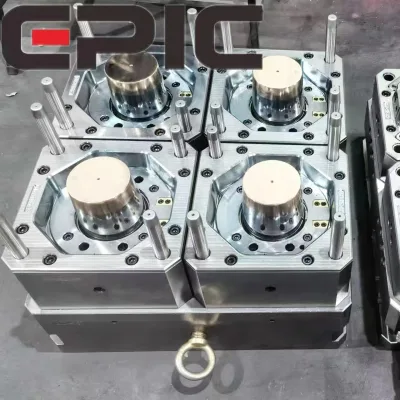
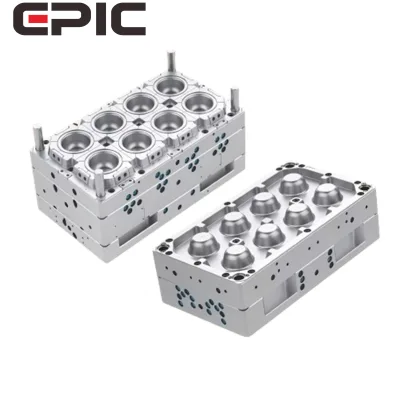
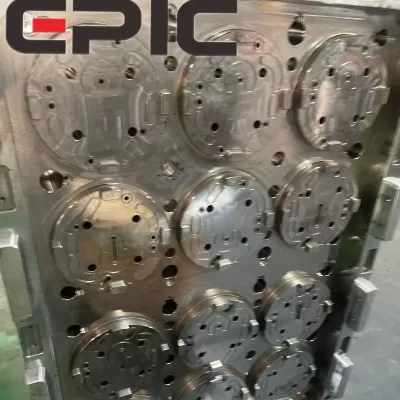
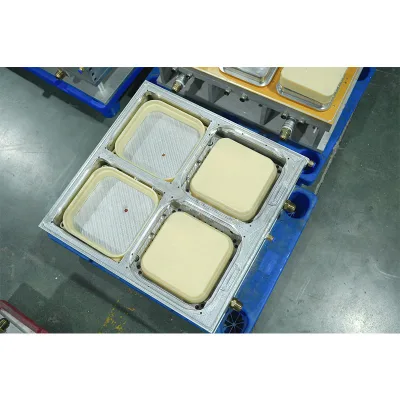
Food-Safe Milky Tea Cup & Lid Mould | official Certified | PP/PE Compatible | Smooth Surface Finish
$12414.0584 - $20690.0974
MOQ: 1 pieces
Taizhou KAJI Mould & Plast Co,.LTD
- Verified by SGS Group
- Trading Company
- Lead time30 days
- Avg. response≤ 3h
Main productsPlastic Mould, Injection Mould, Blowing Mould, Cap Mould, PET Preform Mould
Main marketsMid East(30%), North America(30%), Southeast Asia(20%)
Guangdong Honggang Intelligent Equipment Co., Ltd.
- Manufacturer, Trading Company
- Guangdong, China
- Lead time15 days
- Avg. response≤ 11h
Main productsHydraulic Cutting Machine/Plastic Thermoforming Machine,Hydraulic Embossing Machine,Thermoforming Machine
Main marketsDomestic Market(80.00%), North America(5.00%), Southeast Asia(4.00%), Eastern Asia(2.00%), South America(1.00%), Southern Europe(1.00%), Northern Europe(1.00%), Central America(1.00%), Western Europe(1.00%), Eastern Europe(1.00%), Mid East(1.00%), Oceania(1.00%), Africa(1.00%)

SHANTOU RAYBURN MACHINERY CO., LTD.
- Verified by SGS
- Combined
- China Guangdong
- Lead time60 days
- Avg. response≤ 10h
Main marketsSoutheast Asia/ Mideast

Pressure Forming Thermoforming Machine with Custom Molds for Plastic Coffee Cup Lids
$70000.00 - $195000.00
MOQ: 1 Pieces


Advanced Thermoforming Machine for Efficient Plastic Cup Production
$50000.00 - $100000.00
MOQ: 1 Pieces

Thermoforming Machine with High-Efficiency Molding System for Disposable Plastic Cups
$90000.00
MOQ: 1 Pieces
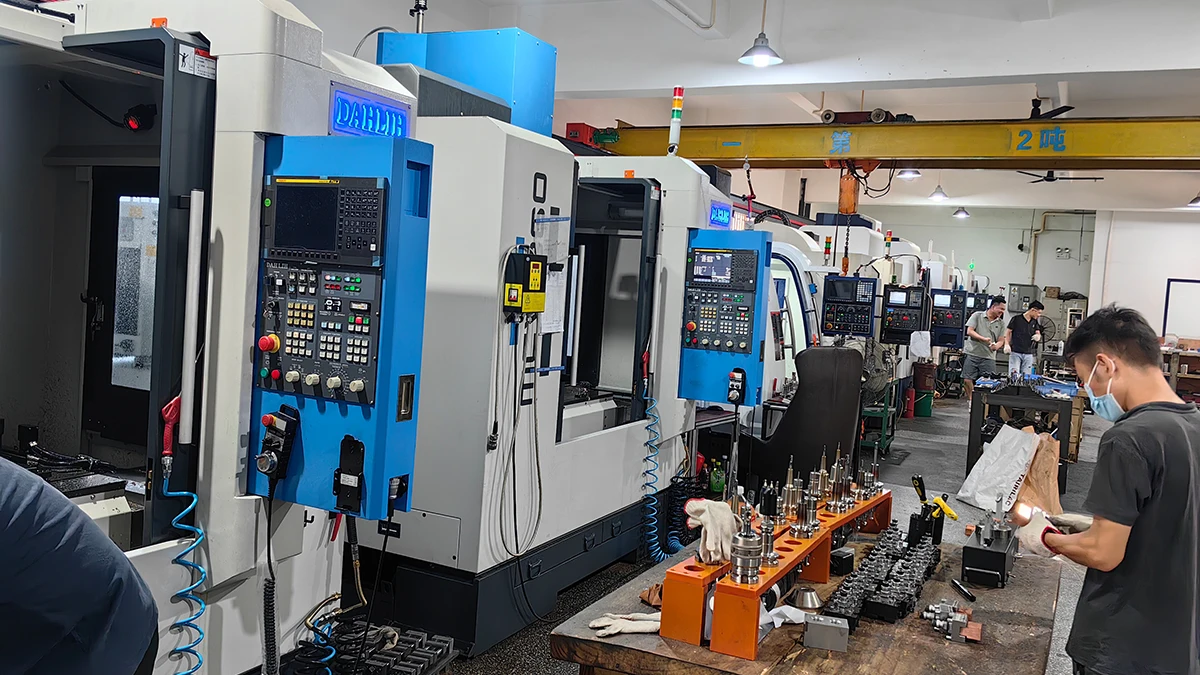
Dongguan Fulaier Technology Co., Ltd.
- Manufacturer, Trading Company
- Guangdong Province, China
- Lead time20 days
- Avg. response≤ 1h
Main productsBlowing mould,Rotational molding,Reflex reflectors,Plastic Injection Parts,Fresnel lens
Main marketsNorth America(30.00%), Western Europe(20.00%), Southeast Asia(10.00%), Oceania(10.00%), South America(5.00%), Southern Europe(3.00%), Northern Europe(3.00%), Central America(3.00%), Domestic Market(3.00%), Eastern Asia(3.00%), South Asia(3.00%), Eastern Europe(3.00%), Africa(2.00%), Mid East(2.00%)

- Verified by SGS
- Trading Company
- China Zhejiang
- Lead time60 days
- Avg. response≤ 7h
Main productsPlastic Injection Mold, Plastic Mold, Plastic Mould, Injection Mold, Injection Mould, Plastic Injection Mould
Main marketsSoutheast Asia/ Mideast


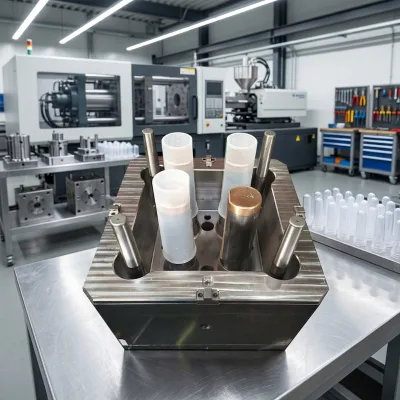
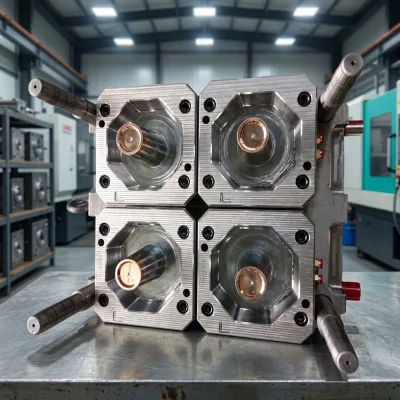
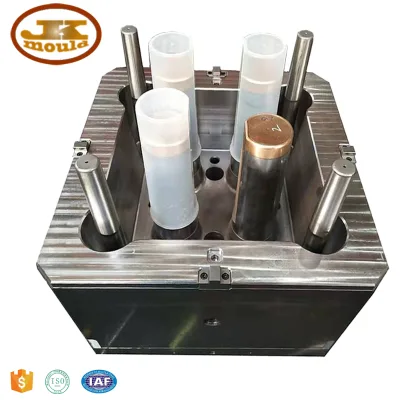
Plastic Milk Tea Cup Injection Mould PP Material Injection Molding Mold
$300.00 - $10000.00
MOQ: 1 Sets
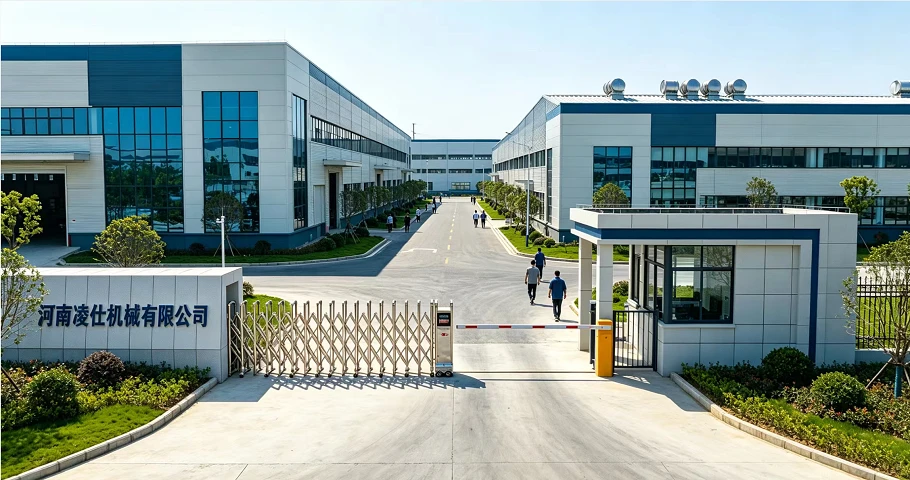
Henan Lingshi Machinery Co., Ltd.
- Trading Company
- Henan, China
- Lead time15 days
- Avg. response≤ 2h
Main productsdrill machine,concrete pump,sand blaster,shot blasting machine,hydroseeding machine
Main marketsAfrica(25.00%), South America(20.00%), South Asia(15.00%), North America(15.00%), Southeast Asia(15.00%), Mid East(10.00%)
Zhejiang Honghua Machinery Plastic & Rubber Co., Ltd.
- Verified by SGS Group
- Manufacturer, Trading Company
- Lead time90 days
Main productsPlastic thermoforming machine
Main marketsDomestic Market(40%), North America(20%), Eastern Europe(10%)
Fujian Baochuang Machinery Industry Co., Ltd.
- Verified by TüVRheinland
- Manufacturer, Trading Company
- Lead time50 days
- Avg. response≤ 2h
Main productsCup Making Machine, Sheet Making Machine, One-Step Inline Thermoforming Machine, Granules Making Machine, Biodegradable Corn Starch Tableware Machine
Main marketsDomestic Market(50%), North America(25%), South America(10%)
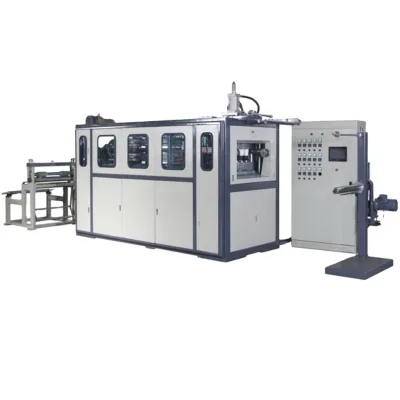
$28337.1979 - $36550.8785
MOQ: 1 Minimum
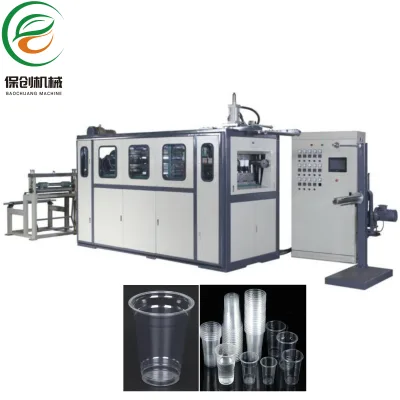
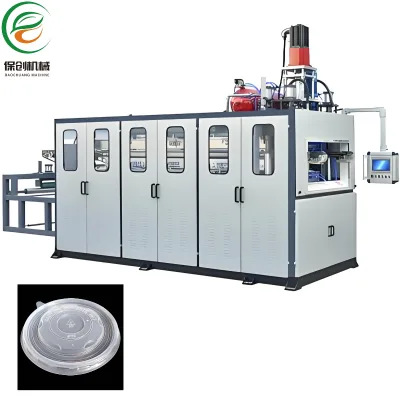
Henan Allwin Machinery Equipment Co., Ltd.
- Trading Company
- Lead time旺季: "1 - 1":25,"2 - 3":35,"> 3":"To be negotiated", 淡季: "1 - 1":25,"2 - 3":35,"> 3":"To be negotiated"
- Avg. response≤ 2h
Main productsAnti Counterfeit Lable Production Line,Paper Container Production Line,Rigid Box Production Line,Book Production Line,Paper Tube Production Line
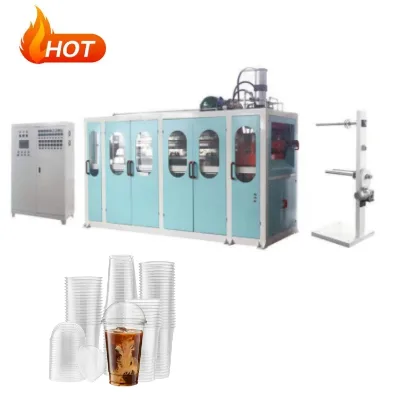
Products Manufacturer Full Line Plastic Cup Making Machine
$20000.00 - $30000.00
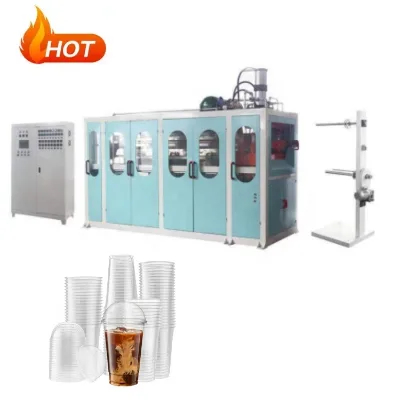
Low Cost Small Onetime Plastic Cup Making Machines Prices
$20000.00 - $30000.00





Comprehensive Sourcing Guide
Customized Plastic Cup Thermoforming Moulds Supplier Concentration and Factory Types
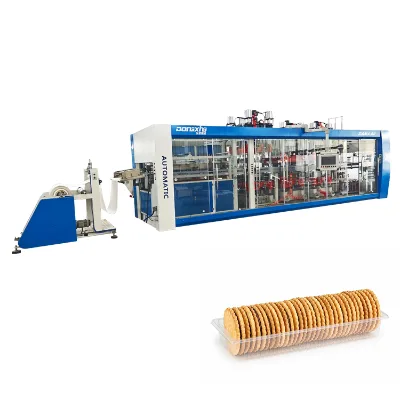
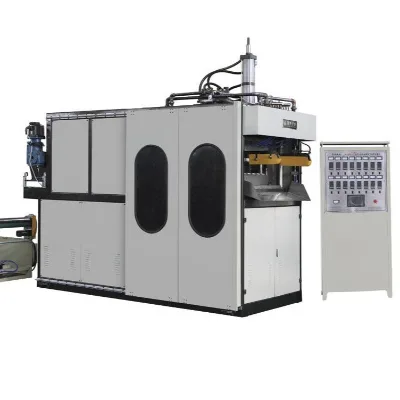
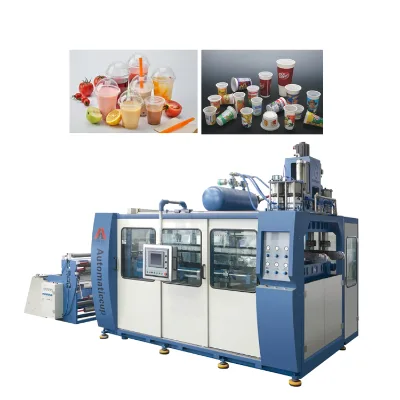
The landscape for sourcing Customized Plastic Cup Thermoforming Moulds is defined by a mix of manufacturing capabilities and trading structures, primarily concentrated in specific Chinese industrial hubs. Current data indicates that suppliers are located in regions such as Guangdong and Zhejiang, which are known for their robust plastic machinery ecosystems. In Guangdong, entities often operate as manufacturers or factories, offering a direct line to production facilities that can handle complex mould fabrication. These suppliers typically list main products that include plastic sheet extruders, thermoforming machines, and various cup-making equipment, suggesting an integrated approach where the mould is designed in tandem with the forming machinery. This vertical integration can be advantageous for buyers seeking cohesive solutions where the mould specifications are perfectly aligned with the machine’s operational parameters. The presence of verified entities, such as those holding TÜV Rheinland certifications, adds a layer of trust regarding the manufacturing standards and quality control processes employed by these factories. Buyers should recognize that factory-type suppliers often provide more direct control over the customization process, allowing for specific adjustments in mould cavities, runner systems, and surface finishes that are critical for high-volume cup production.
In contrast, suppliers located in Zhejiang may present a different operational model, often identified as trading companies or combined entities that blend manufacturing with distribution services. These suppliers might offer a broader range of thermoforming machines and cup-making equipment, acting as a one-stop shop for various components of the production line. While they may not always be the direct manufacturers, their role as trading companies can facilitate easier communication and logistics for international buyers, especially when sourcing multiple items like cup stackers, printing machines, or sheet extrusion lines alongside the moulds. The distinction between a pure manufacturer and a trading company is crucial because it affects lead times, pricing structures, and the depth of technical support available. Some suppliers are listed as having both manufacturing and trading capabilities, which can offer the best of both worlds: direct factory access for the moulds and streamlined logistics for ancillary equipment. Understanding this concentration and type helps buyers tailor their outreach strategy, deciding whether to engage directly with factories for specialized mould work or with trading companies for broader equipment packages.
How to Verify Customized Plastic Cup Thermoforming Moulds Suppliers
Verifying the credibility and capability of suppliers for Customized Plastic Cup Thermoforming Moulds requires a multi-layered approach that goes beyond basic company profiles. One of the most effective initial steps is to check for third-party verification badges, such as those provided by TÜV Rheinland, which indicate that the supplier has undergone rigorous audits of their business operations and manufacturing capabilities. These verifications provide a baseline of trust, confirming that the entity is a legitimate business entity with established processes. However, verification alone is not sufficient; buyers must also scrutinize the specific certifications listed for the products themselves. For instance, some moulds are certified with CE, ISO, and FDA standards, which are critical for ensuring that the materials and manufacturing processes meet international safety and quality requirements, especially if the moulds are intended for food-contact applications. Buyers should request copies of these certificates and verify their validity with the issuing bodies to ensure they are current and applicable to the specific mould models being considered.
Beyond certifications, buyers should assess the supplier’s technical documentation and design capabilities to ensure they can handle customized requests. Many suppliers list AutoCAD as their design software, which is a standard tool for mould design, but buyers should inquire about the depth of their engineering support. Questions should be directed toward how they handle customizations, such as multi-cavity configurations, specific runner types (cold or hot), and surface finish processes like polishing or heat treatment. The ability to provide detailed technical drawings and specifications before production is a strong indicator of a supplier’s professionalism. Additionally, buyers should verify the supplier’s response time and communication efficiency, as these factors are crucial for resolving technical queries during the customization process. A supplier with a rapid response time, such as under one hour, is likely to have a dedicated technical team that can quickly address design changes or production issues. This level of responsiveness is particularly important when dealing with complex moulds that require precise adjustments to meet specific production needs.
What to Compare Across Customized Plastic Cup Thermoforming Moulds Suppliers
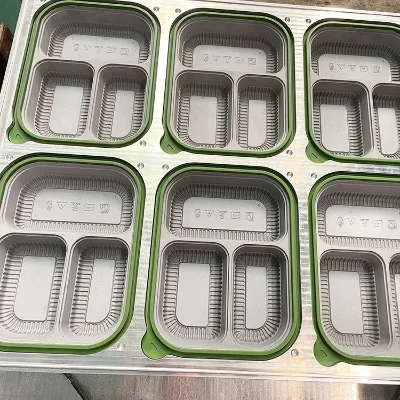
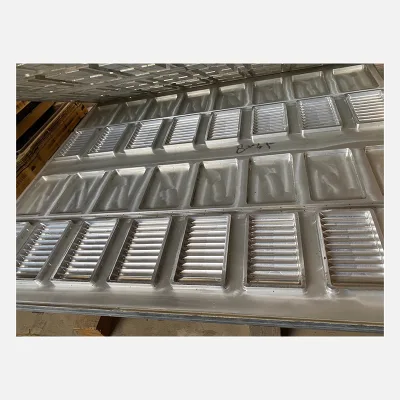
When evaluating multiple suppliers for Customized Plastic Cup Thermoforming Moulds, buyers must compare a range of technical and commercial attributes to identify the best fit for their specific needs. One of the primary technical differentiators is the mould cavity configuration, with many suppliers offering multi-cavity options to increase production efficiency. Buyers should compare the number of cavities available and the flexibility to customize this based on their production volume requirements. Another critical aspect is the runner system, with options ranging from cold runners to hot runners, each having distinct implications for material waste, cycle time, and energy consumption. Suppliers may also differ in their application focus, with some moulds designed for household appliances and commodities, while others are suitable for automotive or furniture industries. Comparing these application-specific features ensures that the mould is optimized for the intended end-use, whether it is for disposable cups, lids, or containers.
Commercially, buyers should compare lead times, minimum order quantities (MOQ), and pricing structures to assess the overall value proposition. Lead times can vary significantly, with some suppliers offering standard times of around 30 to 90 days, while others may have seasonal variations or negotiate lead times for larger orders. MOQs are often low, with some suppliers accepting orders for as few as one unit, which is beneficial for prototyping or small-batch production. Pricing is another key factor, with costs ranging from a few thousand dollars for basic moulds to nearly $30,000 for complex, multi-cavity systems with advanced features. Buyers should also compare the installation type, with options for fixed or semi-fixed installations, and the surface finish processes, such as polishing or heat treatment, which can affect the mould’s durability and the quality of the final product. By systematically comparing these attributes, buyers can make informed decisions that balance technical requirements with budgetary constraints.
Common Customized Plastic Cup Thermoforming Moulds Sourcing Risks
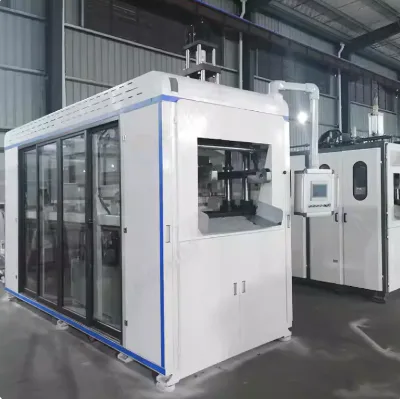
Sourcing Customized Plastic Cup Thermoforming Moulds involves several risks that buyers must proactively manage to ensure a successful procurement outcome. One significant risk is the potential mismatch between the mould design and the existing thermoforming machinery. Since moulds are often custom-designed to fit specific machine models, such as the HFTF-70T series, there is a risk that the mould may not integrate seamlessly with the buyer’s current equipment. This can lead to production delays, additional modification costs, or even the need to purchase new machinery. To mitigate this risk, buyers should provide detailed specifications of their existing machines to the supplier and request compatibility verification before placing the order. Additionally, buyers should be aware of the variability in lead times, which can be affected by seasonal demand or supply chain disruptions. Some suppliers may have lead times that extend beyond the initial quote, particularly during peak seasons, which can impact production schedules.
Another risk is the quality of the surface finish and material durability, which can affect the lifespan of the mould and the quality of the produced cups. Suppliers may use different materials, such as steel or aluminium, and apply various surface finish processes, such as polishing or heat treatment. If these processes are not performed to a high standard, the mould may wear out quickly or produce cups with defects. Buyers should request samples or detailed technical data on the materials and processes used to ensure they meet their quality standards. Furthermore, there is a risk associated with communication barriers, especially when dealing with international suppliers. Misunderstandings in technical specifications or customization requests can lead to incorrect moulds being produced. To minimize this risk, buyers should maintain clear and documented communication, using detailed technical drawings and specifications to ensure that both parties have a shared understanding of the requirements. Regular updates and progress checks can also help identify and address any issues early in the production process.
Customized Plastic Cup Thermoforming Moulds Regional Sourcing and Logistics
The regional location of suppliers plays a crucial role in the logistics and overall cost of sourcing Customized Plastic Cup Thermoforming Moulds. Suppliers located in Guangdong and Zhejiang, China, are major hubs for plastic machinery and mould manufacturing, offering access to a well-established supply chain and skilled labor. Guangdong, in particular, is known for its concentration of manufacturers and factories, which can provide competitive pricing and faster production times due to the density of related industries. Zhejiang, on the other hand, may offer a mix of trading companies and combined entities, which can simplify logistics by consolidating multiple items into a single shipment. Buyers should consider the proximity of the supplier to major shipping ports, as this can impact transit times and freight costs. For instance, suppliers in Guangdong may have easier access to ports like Shenzhen or Guangzhou, while those in Zhejiang may use Ningbo or Shanghai.
Logistics planning should also account for the packaging and handling requirements of the moulds, which are often heavy and delicate. Suppliers typically use wooden cases or sea-worthy packing to protect the moulds during transit, but buyers should verify the packaging standards to ensure that the moulds arrive in perfect condition. Additionally, buyers should consider the customs clearance process and any import duties or taxes that may apply in their home country. Working with suppliers who have experience in international shipping can help streamline this process, as they can provide the necessary documentation and handle logistics arrangements. Buyers should also factor in the time required for shipping, which can vary depending on the destination and the mode of transport. By carefully planning the logistics and considering the regional advantages of different supplier locations, buyers can optimize their sourcing strategy and reduce overall costs.
Customized Plastic Cup Thermoforming Moulds Commercial Terms and Order Planning
Effective order planning for Customized Plastic Cup Thermoforming Moulds requires a clear understanding of the commercial terms and payment structures offered by suppliers. Many suppliers offer flexible payment terms, such as a deposit followed by the balance upon completion or before shipment, which helps to manage cash flow and risk for both parties. Buyers should negotiate these terms to align with their financial capabilities and risk tolerance. Additionally, buyers should inquire about warranty and after-sales support, as moulds are long-term investments that may require maintenance or repairs. Suppliers with strong after-sales support can provide technical assistance, spare parts, and troubleshooting services, which can extend the lifespan of the mould and reduce downtime. Buyers should also consider the scalability of the supplier’s production capacity, especially if they plan to order multiple moulds or expand their production line in the future.
Order planning should also include a detailed timeline that accounts for design, production, testing, and shipping phases. Buyers should establish clear milestones and communication checkpoints to ensure that the project stays on track. It is advisable to request a detailed production schedule from the supplier, including key dates for design approval, material procurement, mould fabrication, and final inspection. This schedule can help buyers anticipate potential delays and plan their production activities accordingly. Furthermore, buyers should consider the total cost of ownership, which includes not only the initial purchase price but also ongoing costs such as maintenance, energy consumption, and material waste. By carefully planning the order and understanding the commercial terms, buyers can ensure a smooth procurement process and maximize the return on their investment in Customized Plastic Cup Thermoforming Moulds.
FAQs
What is the price range for Customized Plastic Cup Thermoforming Moulds?
Prices for these moulds typically range from $2,999 to $29,999 depending on complexity and cavity count. Some standard options start around $7,999. Buyers should verify specific quotes based on material selection and design software requirements to ensure accurate budgeting for their production needs.
What certifications are available for these thermoforming moulds?
Manufacturers offer moulds with CE, ISO, and FDA certifications to meet various international safety and quality standards. Some suppliers also provide ISO9001, ISO14001, and ISO45001 system certifications. Buyers should confirm specific certification requirements with the supplier to ensure compliance with their local market regulations.
What is the typical lead time for manufacturing these moulds?
Lead times generally range from 30 to 90 days depending on the supplier and order volume. Some manufacturers offer 30-day turnaround during off-peak seasons, while others require up to 90 days. Buyers should negotiate delivery schedules directly with suppliers to align with their production timelines.
What is the minimum order quantity for these moulds?
The minimum order quantity is typically set at just one unit, allowing buyers to purchase single moulds for testing or small-scale production. This low MOQ facilitates easier entry for new projects. Buyers should confirm if bulk discounts apply for larger orders when placing their initial request.
Where are these thermoforming moulds primarily manufactured?
These moulds are primarily manufactured in China, specifically in the Guangdong and Zhejiang provinces. These regions are known for their robust manufacturing infrastructure for plastic machinery and moulds. Buyers can verify the exact origin and shipping details with the supplier to ensure efficient logistics and delivery.
What customization options are available for these moulds?
Suppliers offer extensive customization including multi-cavity designs, cold or hot runners, and specific surface finishes like polishing or heat treatment. Design software such as AutoCAD is commonly used. Buyers can request custom shapes and sizes to match their specific thermoforming machine requirements and production goals.