Random Rock Concrete Stamp Mold Suppliers and Manufacturers
Find 14 verified suppliers offering Random Rock Concrete Stamp Mold with ISO certifications and plastic or polyurethane materials. Compare lead times, MOQs, and response times to source durable molds for construction applications today; review the available evidence before requesting comparable quotations from suitable candidates.
Updated
Suppliers List

Henan bekebe Building Materials Co., Ltd
- Trading Company
- Henan, China
- Lead time7 days
- Avg. response≤ 4h
Main productsAll kinds of Construction decoration molds,plastic paver mold,Pu wall panel foaming molds,Flexible tile manufacture line,Construction equipment
Main marketsAfrica(59.00%), Mid East(10.00%), Southeast Asia(10.00%), Central America(5.00%), Western Europe(5.00%), Southern Europe(3.00%), South Asia(2.00%), Eastern Europe(2.00%), Eastern Asia(1.00%), Oceania(1.00%), North America(1.00%), South America(1.00%)

ZHENGZHOU LYA MACHINERY CO., LTD.
- Verified by CTI
- Trading Company
- China Henan
- Lead time15 days
- Avg. response≤ 10h
Main productsStone Mold, LED Curbstone, Brick Making Machine, Wall Panel Mold
Main marketsAfrica

SHANGHAI DUBAY INDUSTRIAL CO., LTD.
- Trading Company
- Shanghai, China
- Lead time12 days
- Avg. response≤ 23h
Main productsPigment,Iron Oxide Pigment,Fluorescent Pigment,Building Materials,Concrete Stamp Mold
Main marketsDomestic Market(20.00%), Mid East(8.00%), Eastern Europe(8.00%), South America(8.00%), Eastern Asia(7.00%), Africa(7.00%), North America(6.00%), Northern Europe(6.00%), Central America(6.00%), Western Europe(6.00%), South Asia(6.00%), Southeast Asia(6.00%), Southern Europe(3.00%), Oceania(3.00%)
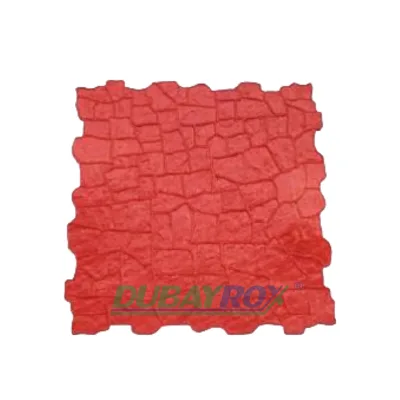
Clear Rock & Stone Texture Concrete Stamping Mold for Pool Deck/Patio/Recreational Landscape Road
$70.00 - $100.00
MOQ: 2 Minimum
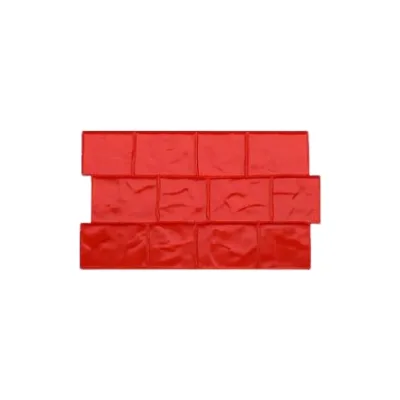
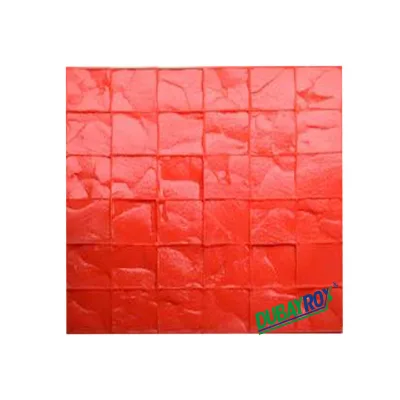
Printing on Cement Stone Rock Pattern Concrete Texture Square Shape Stamped Mats Mold
$40.00 - $60.00
MOQ: 2 Minimum
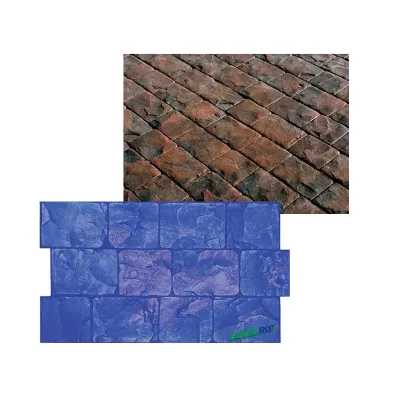
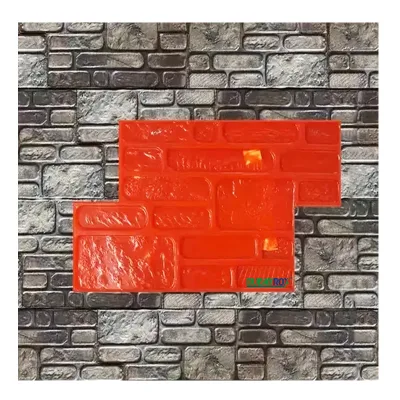
$29.7746 - $46.2022
MOQ: 2 Minimum
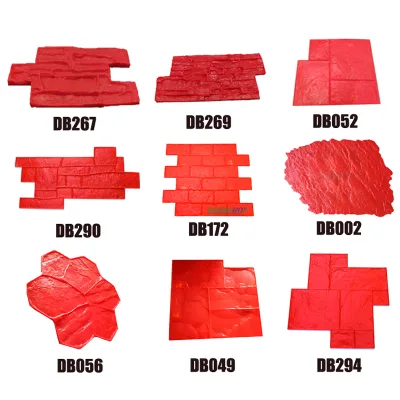
Eco-Friendly Concrete Stamp Molds - Silicone Molds for Decorative Concrete Works
$40.00 - $90.00
MOQ: 2 Minimum
Henan Cekly Building Material Co., Ltd.
- Trading Company
- Henan, China
- Lead time10 days
- Avg. response≤ 4h
Main productsMould,Building material,Commodity,Mechanical Parts,Decorative material
Main marketsAfrica(20.00%), Eastern Europe(20.00%), Central America(15.00%), North America(15.00%), Western Europe(10.00%), Oceania(5.00%), Eastern Asia(5.00%), Southern Europe(5.00%), Northern Europe(2.00%), South Asia(1.00%), Mid East(1.00%), South America(1.00%)
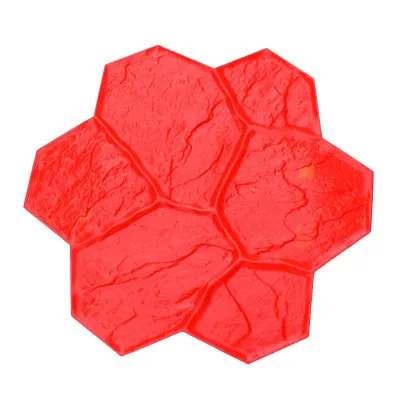
Random Stone Concrete Stamp Mold Rubber Concrete Flooring Mold Concrete Slat Mold
$18.00 - $35.00
MOQ: 1
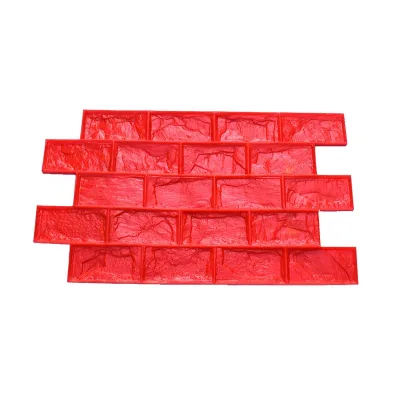
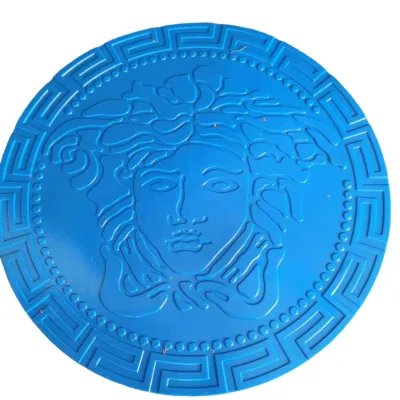
Rubber Concrete Stamp Mold Silicone Wall Concrete Stone Stamp Mold logo Concrete Stamping Molds
$15.4547 - $66.9663
MOQ: 1 pieces
Hebei Minida Building Materials Techonogy Co., Ltd.
- Verified by TüVRheinland
- Manufacturer, Trading Company
- Lead time15 days
- Avg. response≤ 2h
Main productsConcrete Stamping Mold, Concrete Color Hardening Agent, Concrete Release Agent, Concrete Sealant
Main marketsDomestic Market(30%), North America(8%), Africa(8%)
Zhengzhou Renfa Machinery & Equipment Co., Ltd.
- Trading Company
- Lead time旺季: "1 - 10":7,"11 - 50":15,"> 50":"To be negotiated", 淡季: "1 - 10":7,"11 - 50":15,"> 50":"To be negotiated"
- Avg. response≤ 1h
Main productsartificial stone molds,Concrete Stamp Mold,plastic paver mold,European building mold
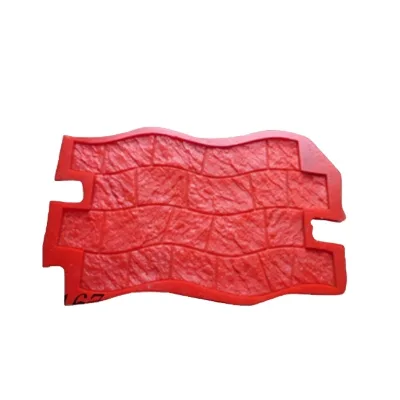
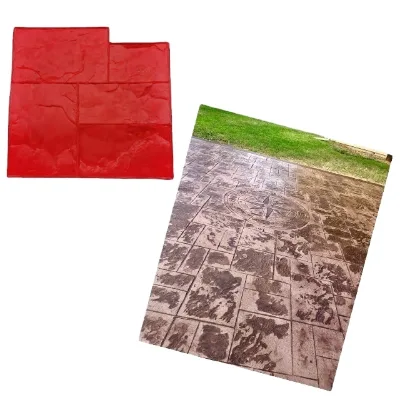
Customized Decorative Concrete Block Wall Molding for Imprint Stamped Concrete Molds
$46.2981 - $51.4412
MOQ: 1 pieces


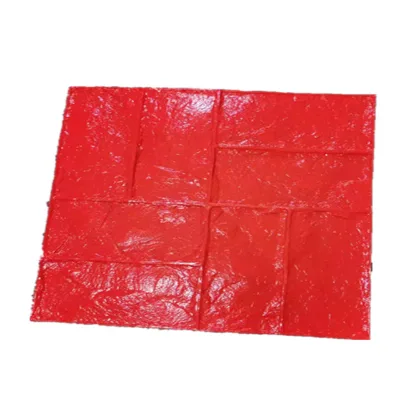
New Design Flexible Silicone Concrete Imprint Stamps Wall Decor Concrete Molds
$5.9016 - $8.1785
MOQ: 1 pieces

Shandong Goin Yon Industry And Trade Co., Ltd.
- Manufacturer, Trading Company
- Shandong, China
- Lead time10 days
- Avg. response≤ 5h
Main productsPlastic Paving Mould,Concrete Rubber Stamps,DIY Paving Mould,Construction Machine,Raw Material
Main marketsAfrica(30.00%), Domestic Market(20.00%), Mid East(10.00%), Eastern Asia(10.00%), South America(10.00%), South Asia(5.00%), Southeast Asia(5.00%), Central America(2.00%), North America(2.00%), Northern Europe(2.00%), Eastern Europe(1.00%), Southern Europe(1.00%), Western Europe(1.00%), Oceania(1.00%)

Hengshui Lilang International Trade Co., Ltd.
- Verified by TUVRHEINLAND
- Trading Company,Manufacturer/Factory
- China Hebei
- Lead time30 days
- Avg. response≤ 3h
Main productsPrecast Concrete Mould, Beton Mold, Lego Block Metal Mould, Box Culvert Mold, Manhole Mould, New Jersey Barrier Mould, Precast Concrete Tetrapod Mold, U-Shaped Drainage Channel Mold, Ditch Channel Mould, Manhole Cover/Grating
Main marketsSouth America,Eastern Europe,Mid East,North America,Southeast Asia,Eastern Asia,Oceania,Western Europe,Africa

Manhole Concrete Mold/ Shafts/Chamber/Concrete Mould/ Concrete Pit Mould
$200.00 - $2000.00
MOQ: 2 Pieces


- Combined
- China Jiangsu
- Lead time30 days
- Avg. response≤ 11h
Main productsPrecast Concrete Production Line, Cage Welding Machine, Pole Making Machine, Pile Mould, Pole Mould, Pipe Making Machine, Pile Making Machine, Cutting Machine, Spinning Machine, Heading Machine
Main marketsSouth America,Africa,Southeast Asia/ Mideast,Domestic,Europe,North America
Hebei Guanghong Mold Manufacturing Co., Ltd.
- Verified by Intertek
- Manufacturer, Trading Company
- Lead time0 days
- Avg. response≤ 1h
Main productsConcave-Convex Block Mold, Rectangular Groove Mold, Breakwater Mold, Inspection Well Mold

Shanxi SUFENG New Material Technology Co., Ltd.
- Verified by TUVRHEINLAND
- Trading Company,Manufacturer/Factory
- China Shanxi
- Lead time15 days
- Avg. response≤ 3h
Main productsPlastic Formwork, PP Hollow Formwork, PVC Formwork, Column Formwork, Plastic H-Beam, Steel Props, Scaffolding
Main marketsEastern Europe,Mid East,North America,Southeast Asia,Eastern Asia,Oceania,Western Europe,Africa

YANCHENG LIANGGONG FORMWORK CO., LTD.
- Verified by TUVRHEINLAND
- Combined
- China Jiangsu
- Lead time30 days
- Avg. response≤ 3h
Main productsHydraulic Auto-Climbing Formwork, Cantilever Climbing Formwork, Timber Beam Formwork, Single-Side Bracket, Tunnel Formwork, Table Formwork, Road and Bridge Steel Formwork, Formwork Accessory, Scaffolding, Slab and Wall Formwork
Main marketsSouth America,Africa,Others(foreignTradeCapacity.exportBusinessCapacityMarketOther),Southeast Asia/ Mideast,Domestic,Europe,Australia,North America

Qingzhou Xusen Machinery Co., Ltd
- Verified by TUVRHEINLAND
- Manufacturer
- China Shandong
- Lead time15 days
- Avg. response≤ 3h
Main productsConcrete Pole Machine, Concrete Pole Mould, Inspection Well Mold, Steel Drainage Trough Mold


Efficient Concrete Spun Pile Mould - Tapered Steel Mould for Custom Sizes
$3000.00 - $5000.00
MOQ: 1 Pieces

Versatile Concrete Spun Pile Mould - Tapered Steel Mould for Custom Sizes
$3000.00 - $5000.00
MOQ: 1 Pieces


Zhejiang Tugong Instrument Co., Ltd.
- Combined
- China Zhejiang
- Lead time30 days
- Avg. response≤ 2h
Main productsUniversal Testing Machine, Testing Machine, Soil Testing, Field Test, Aggregate, Asphale Asphalt Mixture, Curing Controller Cabinet, Concrete, Rock, Cement
Main marketsSouth America,Africa,Southeast Asia/ Mideast






Comprehensive Sourcing Guide
Random Rock Concrete Stamp Mold Supplier Concentration and Factory Types
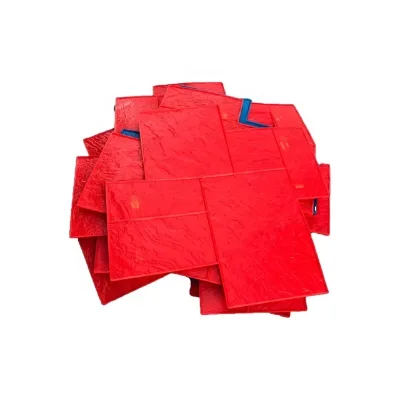
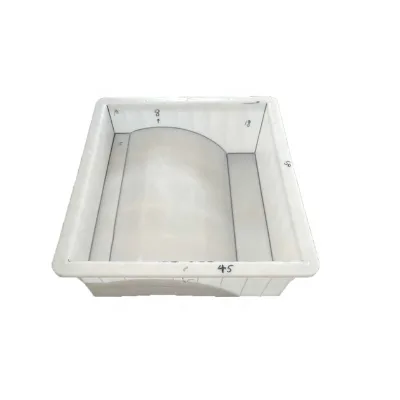
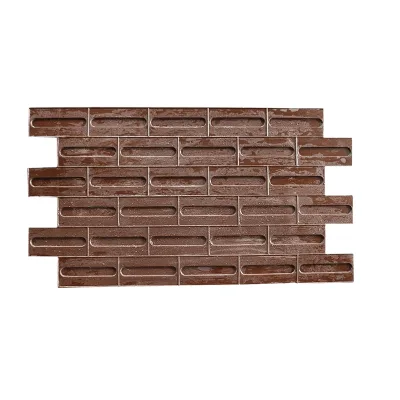
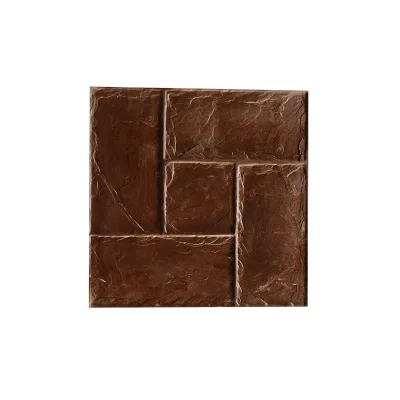
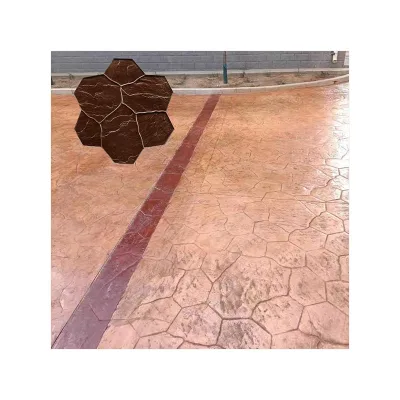
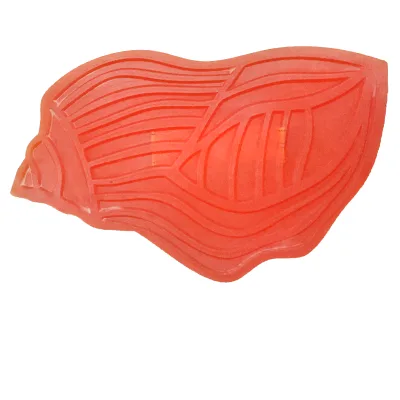
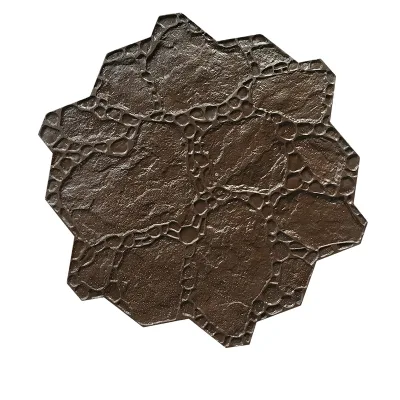
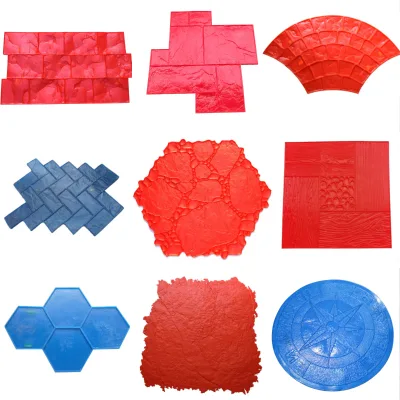
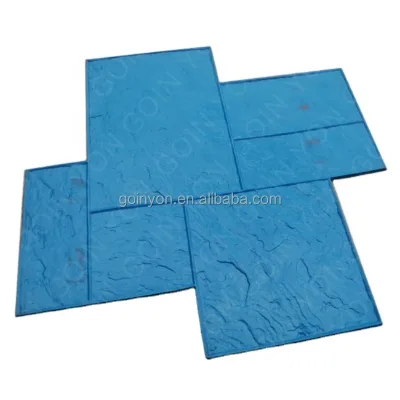
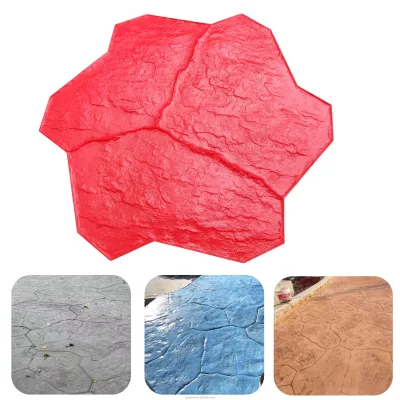
The current supplier landscape for random rock concrete stamp molds reveals a distinct concentration in Henan, China, where manufacturing capabilities are clustered. This regional focus suggests a specialized industrial ecosystem dedicated to construction decoration molds and plastic paver molds. Buyers evaluating these suppliers will often encounter trading companies rather than direct manufacturers, which influences the dynamics of pricing and communication. These entities typically aggregate products from various local factories, offering a broader catalog that includes flexible tile manufacture lines and construction equipment alongside the specific stamp molds required for decorative concrete work. The presence of trading companies indicates that while the physical production may occur in specialized workshops, the commercial interface is managed by firms skilled in export logistics and international client relations. This structure allows buyers to access a wide variety of mold designs, from flagstone patterns to custom embossed floor molds, without needing to vet multiple small-scale factories individually. However, it also means that the buyer must carefully distinguish between the trading company’s service capabilities and the actual manufacturing quality of the molds. Understanding this distinction is crucial for setting realistic expectations regarding product consistency and after-sales support. The concentration in Henan provides a logistical advantage for sourcing, as the region has developed infrastructure to handle the shipping of heavy or bulky construction materials. Buyers should leverage this geographic clustering to request samples from multiple suppliers within the same region to compare quality standards directly. This approach helps in identifying which trading companies have the strongest relationships with high-quality manufacturers. It also allows for more efficient sampling logistics, as shipping costs between nearby factories can be minimized. By focusing on suppliers located in this specific province, buyers can tap into a mature supply chain that has refined its production processes for concrete molds over time. The variety of main products listed by these suppliers, such as LED curbstones and wall panel molds, further suggests a versatile manufacturing base capable of adapting to different construction trends. This versatility is a key indicator of a supplier’s ability to innovate and meet specific design requirements for random rock patterns.
How to Verify Random Rock Concrete Stamp Mold Suppliers
Verifying the legitimacy and capability of suppliers requires a multi-layered approach that goes beyond simple profile reviews. Buyers should prioritize suppliers who display specific verification badges, such as CTI verification, which indicates that a third-party inspection agency has validated certain aspects of the company’s operations. This level of verification provides a baseline of trust, suggesting that the supplier has undergone scrutiny regarding its business license and operational capacity. However, verification badges alone are not sufficient; buyers must also examine the supplier’s response time and lead time metrics to gauge operational efficiency. A supplier with a rapid response time, such as four hours, demonstrates a commitment to customer service and timely communication, which is critical when resolving issues related to mold specifications or shipping delays. Conversely, a longer response time may indicate a less agile operation that could struggle with urgent orders or custom requests. It is also essential to check for system certifications, although some suppliers may list none, which requires buyers to request additional documentation directly. Buyers should ask for proof of ISO certification if it is claimed, as this standard relates to quality management systems that can impact the consistency of mold production. Additionally, examining the product attributes listed, such as material type and certification claims, helps in assessing the supplier’s technical knowledge. For instance, a supplier claiming ISO certification for plastic molds should be able to provide relevant test reports or certificates upon request. Buyers should also look for detailed product descriptions that include specific model numbers and brand names, as this level of detail suggests a professional approach to product management. Engaging with the supplier to ask specific questions about their manufacturing process, such as the shaping mode used for their molds, can further reveal their expertise. Suppliers who can clearly explain their production methods, whether it be plastic injection molding or casting, are more likely to deliver high-quality products. This due diligence helps in filtering out unreliable suppliers and identifying those who are serious about maintaining high standards in the competitive market for concrete stamp molds.
What to Compare Across Random Rock Concrete Stamp Mold Suppliers
When evaluating multiple suppliers, buyers should focus on key comparative dimensions such as minimum order quantity, pricing, and supply ability to determine the best fit for their project needs. The minimum order quantity for random rock concrete stamp molds can vary significantly, with some suppliers offering a MOQ of just one piece, which is ideal for small-scale projects or testing purposes. This low barrier to entry allows buyers to order samples without committing to large volumes, reducing financial risk. In contrast, other suppliers may have higher MOQs, which could be more suitable for large construction projects requiring bulk orders. Pricing is another critical factor, with costs ranging from approximately seven dollars to over fifty dollars per unit, depending on the complexity and material of the mold. Buyers should compare these prices against the specified material, such as plastic or polyurethane, to ensure they are getting fair value for the quality offered. Supply ability is also a vital metric, with some suppliers indicating a capacity of up to one hundred thousand pieces per month, which is essential for large-scale orders. This capacity ensures that the supplier can meet tight deadlines and deliver consistent quantities over time. Additionally, buyers should compare the lead times, which can range from seven to fifteen days, to assess the supplier’s ability to meet project schedules. A shorter lead time may be preferable for urgent projects, while a longer lead time might allow for more thorough quality control processes. It is also important to compare the product attributes, such as mold life and application, to ensure they align with the buyer’s specific requirements. For example, a mold with a longer life span may be more cost-effective in the long run, even if the initial price is higher. By systematically comparing these factors, buyers can make informed decisions that balance cost, quality, and delivery speed. This comparative analysis helps in identifying suppliers who offer the best overall value proposition for their specific sourcing needs.
Common Random Rock Concrete Stamp Mold Sourcing Risks
Sourcing random rock concrete stamp molds involves several potential risks that buyers must actively manage to ensure project success. One significant risk is the variability in product quality, as molds are often made from different materials such as plastic or polyurethane, each with distinct durability and performance characteristics. Buyers may encounter inconsistencies in mold dimensions or surface texture, which can affect the final appearance of the concrete. This risk is heightened when dealing with trading companies that may source from multiple factories with varying quality standards. Another risk is the potential for delays in delivery, which can disrupt construction schedules. Lead times can vary based on the supplier’s current workload and production capacity, and unexpected delays can occur if the supplier lacks sufficient supply ability. Buyers should also be cautious of inaccurate product descriptions, such as incorrect model numbers or misleading certification claims. These discrepancies can lead to receiving molds that do not meet the specified requirements, resulting in additional costs for replacements or modifications. Furthermore, there is a risk associated with communication barriers, especially when dealing with suppliers in different regions. Misunderstandings regarding design specifications or shipping instructions can lead to errors in production or delivery. Buyers should mitigate these risks by establishing clear communication channels and requesting detailed product specifications before placing orders. It is also advisable to conduct pre-shipment inspections or request video evidence of the production process to verify quality. Additionally, buyers should be aware of the potential for hidden costs, such as shipping fees or customs duties, which can impact the total cost of ownership. By proactively identifying and addressing these risks, buyers can protect their interests and ensure a smoother sourcing experience. This proactive approach helps in building a more resilient supply chain and reduces the likelihood of costly surprises.
Random Rock Concrete Stamp Mold Regional Sourcing and Logistics
The regional concentration of suppliers in Henan, China, offers distinct logistical advantages for sourcing random rock concrete stamp molds. This location is well-connected to major ports such as Shanghai, Tianjin, and Qingdao, facilitating efficient export shipping. Buyers should consider the proximity of the supplier to these ports when calculating shipping costs and transit times. The availability of multiple dispatch ports provides flexibility in choosing the most cost-effective or fastest shipping route based on the buyer’s destination. Additionally, the region’s infrastructure supports the handling of various packaging types, including woven bags and cartons, which are commonly used for mold shipments. Buyers should verify the packaging details with the supplier to ensure that the molds are protected during transit, as improper packaging can lead to damage. The lead time for production and shipping should be carefully coordinated to align with project timelines. Buyers should also consider the impact of seasonal factors on logistics, such as holiday periods or weather conditions, which can affect shipping schedules. It is advisable to plan for buffer time in the logistics schedule to account for potential delays. Furthermore, buyers should be aware of the import regulations and duties in their home country, as these can impact the total cost and delivery time. Working with suppliers who have experience in international shipping can help navigate these complexities. Some suppliers may offer assistance with documentation and customs clearance, which can simplify the import process. By leveraging the logistical advantages of the Henan region, buyers can optimize their supply chain and reduce overall sourcing costs. This strategic approach ensures that the molds arrive on time and in good condition, supporting the successful execution of construction projects.
Random Rock Concrete Stamp Mold Commercial Terms and Order Planning
Effective order planning for random rock concrete stamp molds requires a thorough understanding of commercial terms and payment structures. Buyers should negotiate clear terms regarding payment methods, such as using escrow services to protect their funds until the goods are received and verified. This financial safeguard is crucial for mitigating the risk of non-delivery or substandard products. It is also important to clarify the warranty terms, as some suppliers may offer warranties on their molds, which can provide additional protection against defects. Buyers should ensure that the warranty covers specific issues, such as cracking or deformation, and understand the process for claiming warranty support. Additionally, buyers should discuss the return and refund policies in case the molds do not meet the agreed-upon specifications. Clear communication regarding these terms helps in avoiding disputes and ensures a smooth transaction. Buyers should also plan for the total cost of ownership, including shipping, insurance, and any applicable taxes or duties. This comprehensive cost analysis helps in budgeting accurately and avoiding unexpected expenses. It is advisable to request a detailed quotation that breaks down all costs, allowing for a transparent comparison between suppliers. Furthermore, buyers should consider the scalability of their orders, as some suppliers may offer discounts for larger volumes. Planning for future orders can help in negotiating better terms and securing a reliable supply chain. By carefully managing commercial terms and order planning, buyers can optimize their procurement process and achieve better value for their investment. This strategic approach ensures that the sourcing process is efficient, cost-effective, and aligned with the buyer’s business objectives.
FAQs
What is the minimum order quantity for concrete stamp molds?
The minimum order quantity is typically one piece for most plastic and polyurethane molds. This low threshold allows buyers to test product quality before committing to larger orders. It supports flexible procurement strategies for small construction projects or sample evaluations without significant upfront inventory costs.
What certifications do these concrete molds hold?
Many available molds carry ISO certification, ensuring adherence to international quality management standards. Some specialized products also feature CE, RoHS, UL, FDA, and REACH certifications. These credentials verify material safety and manufacturing consistency, providing assurance for compliance in regulated construction markets and export requirements.
How long does delivery take for these molds?
Standard lead times range from three to seven days for production, with some suppliers offering faster turnaround. Response times vary, averaging around four to ten hours for initial inquiries. Buyers should confirm specific shipping schedules, as dispatch ports like Shanghai or Qingdao may affect transit duration to international destinations.
What materials are used to manufacture these molds?
Molds are primarily manufactured from durable plastic or polyurethane materials. Plastic variants are often used for curbstone and flagstone applications, while polyurethane is preferred for detailed embossed floor designs. These materials ensure flexibility, reusability, and resistance to wear during the concrete pouring and demolding processes.
Where are these concrete molds manufactured?
The majority of these molds are produced in Henan, China. This region is a known hub for construction equipment and mold manufacturing. Buyers sourcing from this location benefit from established supply chains and competitive pricing structures inherent to the local industrial ecosystem for fabrication services.
What is the price range for concrete stamp molds?
Prices vary significantly based on material and complexity, ranging from approximately eight dollars to fifty-four dollars per unit. Simple plastic curbstone molds start at the lower end, while intricate polyurethane floor stamp mats command higher prices. Costs reflect the durability, mold life, and specific design requirements.