Disposable PE Plastic Packaging Bag Suppliers and Manufacturers
Source 19 verified suppliers for Disposable PE Plastic Packaging Bag. Compare lead times, MOQs, certifications, and response speeds to find the right partner. Contact suppliers directly to request quotes and samples; review the available evidence before requesting comparable quotations from suitable candidates.
Updated
Suppliers List

- Combined
- China Zhejiang
- Lead time23 days
- Avg. response≤ 18h
Main productsVacuum Bag, Vacuum Stoarge Bag, Travel Roll up Bag, Hanging Vacuum Bag
Main marketsSoutheast Asia/ Mideast,East Asia(Japan/ South Korea),Europe,North America

Weifang Brother Packing Co., Ltd.
- Verified by TUVRHEINLAND
- Combined
- China Shandong
- Lead time15 days
- Avg. response≤ 3h
Main productsPP Woven Bag, PP Woven Fabric, Flexible Packaging, Bulk Bag, Ground Weed Control Fabric, PP Woven Shopping Bag, Kraft Paper Laminated PP Woven Bag, PE Shopping Bag, PP Nonwoven Shopping Bag, BOPP Woven Bag
Main marketsOthers(foreignTradeCapacity.exportBusinessCapacityMarketOther),North America

Composite Packaging Bags Plastic Packaging Bags PE Packaging Bags 25kg Packaging Bag
$0.08 - $0.40
MOQ: 50000 Pieces

PE Packing Bag Plastic Packaging Bag Plastic Bag 3 Layers Co-Extruded PE Bag
$0.08 - $0.40
MOQ: 50000 Pieces


Dongguan Chenghua Industrial Co., Ltd.
- Verified by BV
- Manufacturer/Factory
- China Guangdong
- Lead time23 days
- Avg. response≤ 4h
Main productsZiplock Bag, Biodegradable Bag, Aluminum Bag, Doypack, Zipper Bag, Food Bag, OPP Bags, Plastic Bags, Poly Bags, Specimen Bags
Main marketsSouth America,Eastern Europe,Mid East,North America,Southeast Asia,Eastern Asia,Oceania,Western Europe,Africa


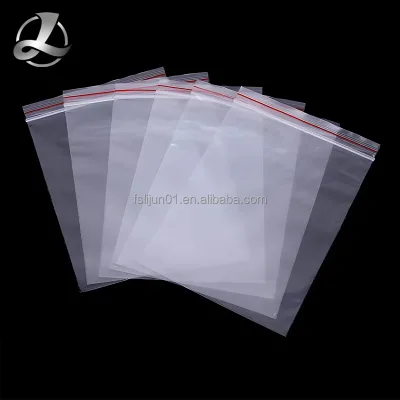
Resealable Ziplock Plastic Bag Thickened PE Food Grade Storage Packaging Bag
$0.01 - $0.03
MOQ: 1000 Pieces

Rizhao Chunhui Plastic Products Co., Ltd.
- Manufacturer, Trading Company
- Shandong, China
- Lead time0 days
- Avg. response≤ 15h
Main productsShopping Bags,Garbage Bags,Food Bags
Main marketsAfrica(30.00%), Western Europe(20.00%), Northern Europe(20.00%), Eastern Europe(20.00%), North America(10.00%)
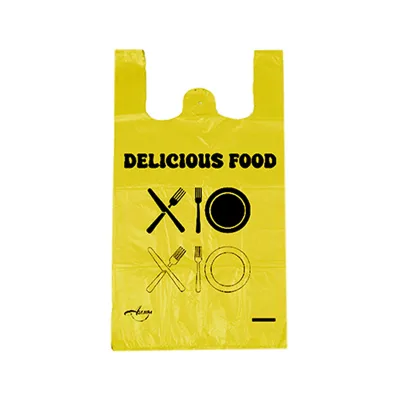
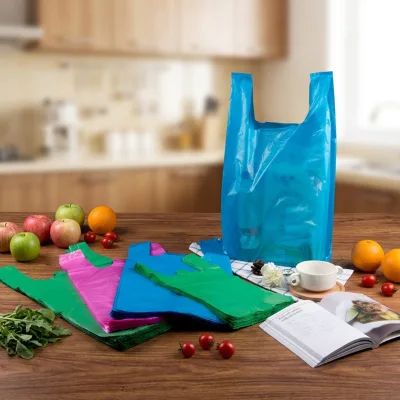
Disposable Plastic Packaging Bags Customized Size Clear Plastic Shopping T-shirt Bag
$1300.00
MOQ: 1 Minimum

Ningbo DH Textile Industry&Trade Co., Ltd.
- Verified by TUVRHEINLAND
- Trading Company
- China Zhejiang
- Lead time15 days
- Avg. response≤ 8h
Main productsLace, Interlining, Embroidery Thread, Poplin, Hook and Loop, Satin Ribbon, Sewing Thread, Button, Zipper, Lace Fabric
Main marketsAfrica,Southeast Asia/ Mideast,North America
Hebei Anda Packaging Co., Ltd.
- Manufacturer, Trading Company
- Lead time旺季: "1 - 1000":14,"> 1000":"To be negotiated", 淡季: "1 - 1000":14,"> 1000":"To be negotiated"
- Avg. response≤ 13h
Main productsFood packaging,Plastic packaging film,packaging film,Printing packaging film,Ice cream packaging

Shenyang Zhonghe Plastic Packaging Products Co., Ltd.
- Verified by SGS
- Manufacturer
- China Liaoning
- Lead time15 days
- Avg. response≤ 2h
Main productsGarbage Bag, Food Packing Bag, Plastic Packing Bag, Biodegradable Plastic Bag, Non Woven Bag, OPP Bag, Vest Bag, PE Bag, Frozen Food Flat Bag, Stand up Pouch
Qingdao Fullsun Biotechnology Packaging Co., Ltd
- Verified by BV
- Combined
- China Shandong
- Lead time15 days
- Avg. response≤ 17h
Main productsBiodegradable Bag
Main marketsNorth America

Biodegradable Plastic Food Packaging Compostable Disposable Clear Bags
$0.03 - $0.20
MOQ: 50000 Pieces


Shenzhen Target Packaging Products Co., Ltd
- Manufacturer, Buying Office
- Guangdong, China
- Lead time7 days
- Avg. response≤ 2h
Main productsChemical barrel round bottom bag,Equipment vacuum bag,Moisture proof and pest proof vacuum bag,Anti-static bag,Chemical barrel round bottom bag
Main marketsDomestic Market(10.00%), Eastern Europe(10.00%), North America(10.00%), Oceania(9.00%), South Asia(8.00%), Central America(8.00%), Southeast Asia(8.00%), Northern Europe(7.00%), Mid East(7.00%), South America(6.00%), Western Europe(5.00%), Eastern Asia(5.00%), Southern Europe(4.00%), Africa(3.00%)

Anhui TIANDA Environmental New Material Co., Ltd.
- Verified by BV
- Combined
- China Anhui
- Lead time15 days
- Avg. response≤ 4h
Main productsBlock Bottom Valve Bag, Woven Bag, Ffs Film, Woven Fabric, Valve Bag, Ffs Bag, Ffs Membrance, PE Bag, Cement Bag, PP Bag
Main marketsSouth America,Africa,Others(foreignTradeCapacity.exportBusinessCapacityMarketOther),Southeast Asia/ Mideast,East Asia(Japan/ South Korea),Europe,North America

Bio-Degradable Packaging Bag, Plastic Bags, Food Packaging, Food Bags, PP Woven Bag
$0.051 - $0.071
MOQ: 10000 Pieces

Packaging Bags/Plastic Product/Plastic Bag/Plastic Packaging/40kg Bags
$0.024 - $0.03
MOQ: 100000 Pieces

Plastic Packaging, Packaging Bag, Plastic Bags, Food Packaging, Food Bags, PP Woven Bag 3
$0.051 - $0.071
MOQ: 10000 Pieces

Plastic Packaging, Packaging Bag, Plastic Bags, Food Packaging, Food Bags, PP Woven Bag 6
$0.051 - $0.071
MOQ: 10000 Pieces

Plastic Packaging, Packaging Bag, Plastic Bags, Food Packaging, Food Bags, PP Woven Bag 2
$0.061 - $0.081
MOQ: 10000 Pieces

Plastic Packaging, Packaging Bag, Plastic Bags, Food Packaging, Food Bags, PP Woven Bag 4
$0.051 - $0.071
MOQ: 10000 Pieces
Anqing Decoration Packaging Materials Co., Ltd.
- Verified by SGS Group
- Manufacturer, Trading Company
- Lead time30 days
- Avg. response≤ 1h
Main productsHandle Bags, T-shirt Bags, Die Cut Bags, Drink Carrier Bags, Non-woven Bags
Bubu Hong Kong Company Limited
- Trading Company
- Hong Kong S.A.R.
- Lead time31 days
- Avg. response≤ 18h
Main productsCoffee bag,Food bag,Roll Film,Kraft Paper bag,Stand up pouch
Main marketsDomestic Market(10.00%), South Asia(10.00%), Northern Europe(10.00%), Central America(10.00%), Eastern Asia(10.00%), Mid East(10.00%), Africa(10.00%), Southeast Asia(10.00%), South America(10.00%), North America(10.00%)
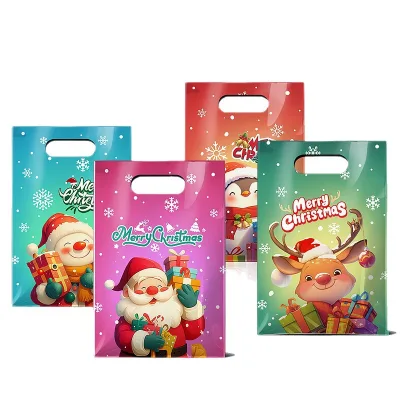
Hot Selling Plastic Shopping Bag Custom Logo Die Cut Handle Bag Christmas Pe Packaging Bag
$0.77 - $1.07
MOQ: 1000 pieces
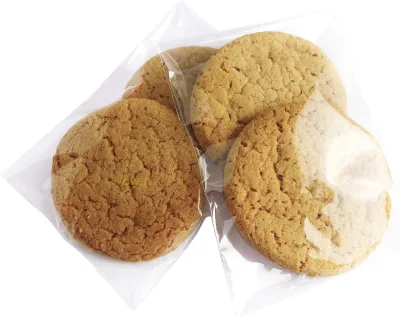
Hot sale Custom Printed Biodegradable PE Opp Plastic Self-Adhesive Packaging for Cookie Bags
$0.05 - $0.35
MOQ: 200 pieces

Shanghai Wallis Technology Co., Ltd.
- Verified by BV
- Trading Company
- China Shanghai
- Lead time30 days
- Avg. response≤ 5h
Main productsPet Sheet / Film, PVC Sheet /Film, Acrylic Sheet, PVC PC Pet Card, RFID Card or Tag, Blister Packing
Main marketsSoutheast Asia/ Mideast,Europe
Dongguan Chenghua Industrial Co., Ltd.
- Verified by TüVRheinland
- Manufacturer, Trading Company
- Lead time0 days
- Avg. response≤ 2h
Main productsZiplock Bag, Self Adhesive Bag, Food Bag, T Shirt Bag, Zipper Bag
Main marketsDomestic Market(40%), North America(15%), Africa(10%)
Guangzhou Jet Biofiltration Co., Ltd.
- Manufacturer, Trading Company
- Guangdong, China
- Lead time30 days
- Avg. response≤ 10h
Main productstissue culture products,serological pipettes,centrifuge tubes,petri dishes,ELISA plates
Main marketsWestern Europe(11.11%), Eastern Asia(11.11%), Mid East(11.11%), Oceania(11.11%), Africa(11.11%), Southeast Asia(11.11%), Eastern Europe(11.11%), South America(11.11%), North America(11.11%)
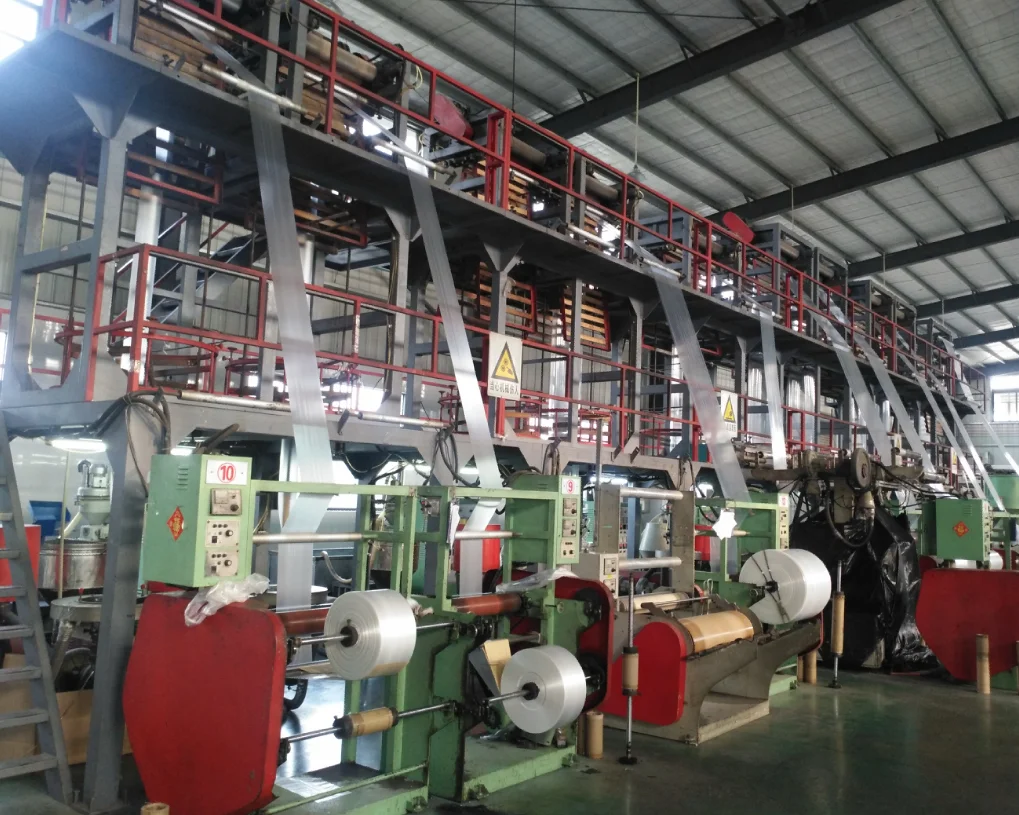
Billion Plastic Manufacturing Co., Ltd. Jiangmen
- Manufacturer, Trading Company
- Guangdong, China
- Lead time20 days
- Avg. response≤ 4h
Main productsPlastic Bags,Food Packaging Bags,Garbage bag,T-shirt Bags,Cutlery
Main marketsNorth America(65.00%), Eastern Asia(20.00%), Oceania(15.00%)
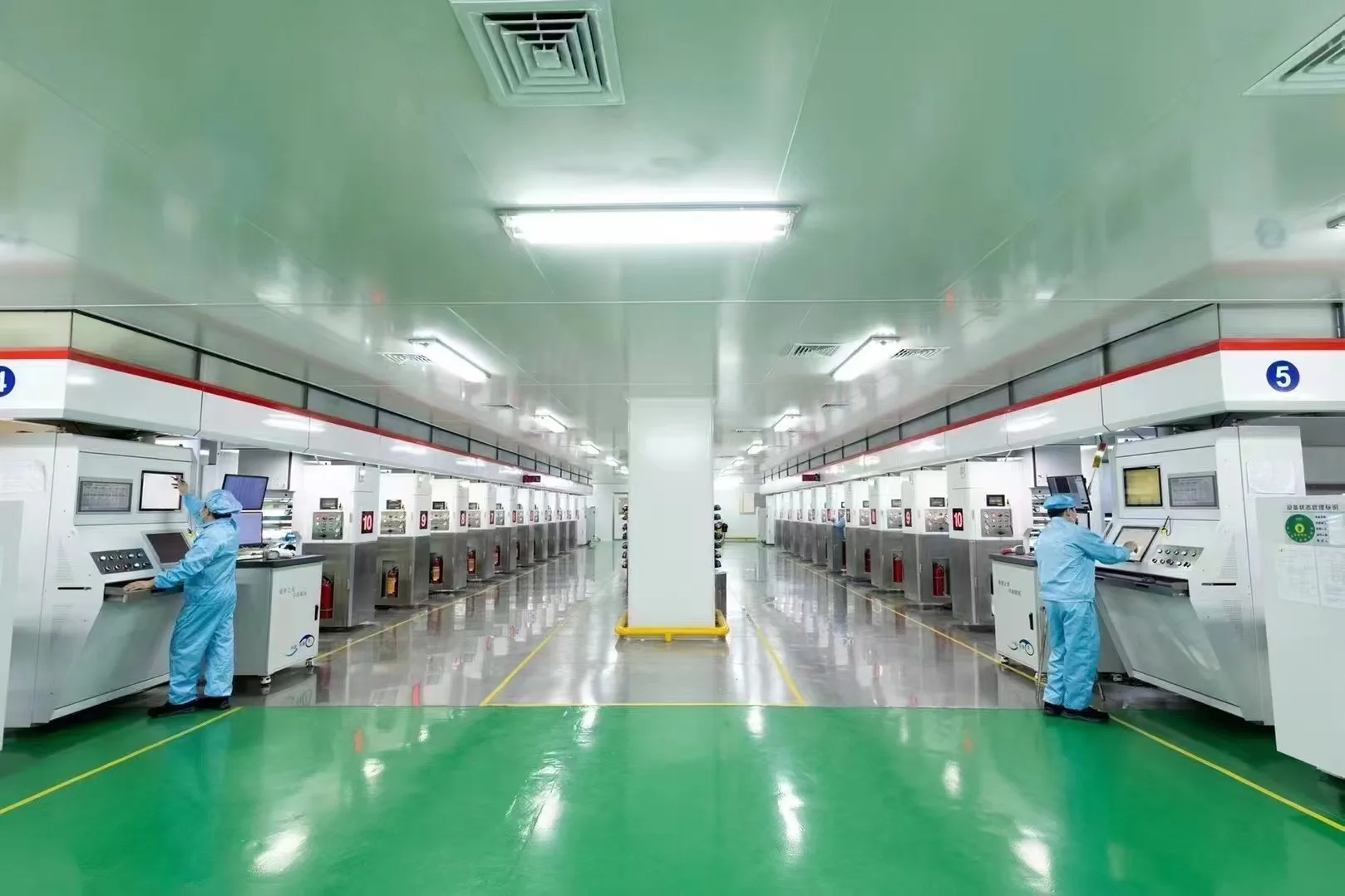
Foshan Shunde District Lijun Jiajia Business Operation Department (individual Business)
- Trading Company
- Guangdong, China
- Lead time7 days
- Avg. response≤ 4h
Main productsPlastic Bag,Food Bag,Ziplock Bag,Kraft Paper Bag,Mailing Bag
Main marketsAfrica(20.00%), Domestic Market(13.00%), North America(12.00%), South America(10.00%), Eastern Europe(10.00%), Southeast Asia(10.00%), Mid East(10.00%), Western Europe(10.00%), Southern Europe(5.00%)

Qingdao Zhongbang Packaging Co., Ltd.
- Verified by SGS
- Manufacturer/Factory
- China Shandong
- Lead time15 days
- Avg. response≤ 4h
Main productsPlastic Bag, Food Bag, Food Packaging Bag, Coffee Bag, Pet Food Bag, Stand up Pouch, Kraft Paper Bag, Zipper Bag, Spout Pouch, Plastic Packaging Bag
Main marketsSouth America,Eastern Europe,Mid East,North America,Southeast Asia,Eastern Asia,Oceania,Western Europe,Africa


High quality food grade customized printing and size plastic packaging bag
$0.02 - $0.90
MOQ: 10000 Pieces

QINGDAO WANDA FORTIS CO., LTD.
- Verified by TUVRHEINLAND
- Trading Company
- China Shandong
- Lead time30 days
- Avg. response≤ 4h
Main productsGarbage Bag, T-Shirt Bag, Drawstring Bag, Ziplock Bag, Dog Poop Bag, Nappy Bag, Biodegradable Bag, Food Packing Bag, Die-Cut Bag, Loop Handle Bag
Main marketsOthers(foreignTradeCapacity.exportBusinessCapacityMarketOther)

Cookies Packaging Bags Custom Packaging Shopping Bag Food Packaging Plastic Bag Fruit Bags
$0.001 - $0.0015
MOQ: 3000000 Pieces







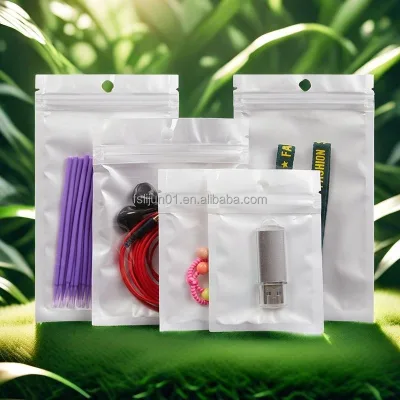
Comprehensive Sourcing Guide
Disposable PE Plastic Packaging Bag Supplier Concentration and Factory Types
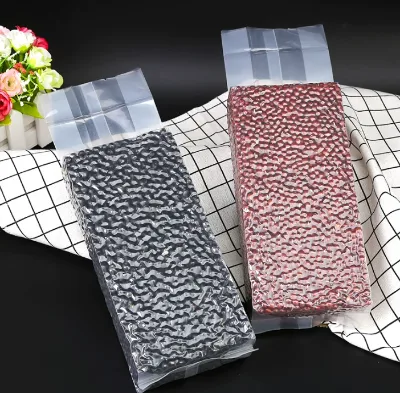
The current supplier landscape for disposable PE plastic packaging bags reveals a distinct geographic concentration in China, with specific manufacturing hubs identified in Zhejiang and Shandong provinces. These regions serve as primary centers for producing various forms of plastic packaging, ranging from simple household bags to complex industrial solutions. Suppliers in these areas often operate as combined entities, meaning they function as both manufacturers and trading companies. This dual role can offer buyers a broader selection of products, including vacuum bags, travel roll-up bags, and hanging vacuum bags, alongside standard disposable options. The presence of these combined companies suggests a mature supply chain infrastructure where production capabilities are integrated with commercial distribution networks. Buyers should recognize that while the location data points to these specific Chinese provinces, the actual factory floor may be located within these broader industrial zones. Understanding this concentration helps in assessing the logistical feasibility of sourcing, as proximity to ports and raw material suppliers in Zhejiang and Shandong can influence overall delivery efficiency and cost structures.
Within these manufacturing clusters, the types of companies vary significantly in their operational focus and capabilities. Some suppliers specialize in high-volume, low-cost items like basic LDPE bags, while others focus on specialized applications such as mask packaging or heavy-duty FFS bags. The product evidence indicates a strong emphasis on customization, with many suppliers offering OEM and ODM services. This flexibility allows buyers to tailor bag specifications, including thickness, printing, and shape, to meet specific brand or functional requirements. The material composition is predominantly LDPE, derived from high-pressure polyethylene, which is known for its durability and flexibility. However, the market also includes biodegradable options made from Pbat/PLA and cornstarch blends, catering to the growing demand for sustainable packaging solutions. Buyers must carefully distinguish between suppliers who merely trade generic goods and those who possess genuine manufacturing expertise, as this distinction impacts quality control and innovation potential. The diversity in main products, from woven PP bags to composite packaging, highlights the specialized nature of many factories, requiring buyers to verify that a supplier’s core competency aligns with their specific disposable PE bag needs.
How to Verify Disposable PE Plastic Packaging Bag Suppliers
Verifying the legitimacy and capability of Disposable PE Plastic Packaging Bag suppliers requires a multi-layered approach that goes beyond basic company profiles. One critical step is to check for third-party verification badges, such as the TÜV Rheinland certification observed in some supplier results. This type of external validation provides a higher degree of confidence in the supplier’s operational standards and business practices compared to self-declared information. Buyers should also scrutinize system certifications, such as ISO9001:2015, which indicates a structured quality management system. While these certifications are strong indicators, they should be cross-referenced with other data points to ensure consistency. For instance, a supplier claiming high-quality standards should also demonstrate responsive communication and transparent production processes. The verification process should include reviewing the supplier’s response time, as a quick and professional reply often reflects a well-organized internal team. Additionally, buyers should look for evidence of past performance, such as detailed product attributes and clear specifications, which suggest a mature understanding of their own manufacturing capabilities.
Beyond certifications and response metrics, buyers must validate the technical specifications of the products offered. The product evidence shows detailed attributes such as material type (LDPE), transparency levels, and functional layers. Buyers should request samples to physically verify these claims, ensuring that the plastic type matches the stated composition and that features like heat sealing and tensile strength meet their requirements. It is also important to verify the supplier’s ability to handle customization, as many products listed offer adjustable sizes, colors, and printing options. Buyers should ask for proof of previous customization projects, including photos or case studies, to confirm the supplier’s flexibility. Furthermore, checking the supplier’s main products list can reveal their primary focus; a supplier specializing in disposable PE bags is likely more reliable for this specific need than one with a scattered product portfolio. By combining digital verification tools with physical sample testing and detailed technical inquiries, buyers can build a comprehensive profile of each supplier, reducing the risk of partnering with unreliable or mismatched vendors.
What to Compare Across Disposable PE Plastic Packaging Bag Suppliers
When evaluating multiple suppliers for disposable PE plastic packaging bags, several key dimensions must be compared to identify the best fit for specific business needs. Lead time is a critical factor, with observed values ranging from 15 to 23 days. Suppliers with shorter lead times may offer faster turnaround for urgent orders, but buyers should also consider the reliability of these timelines. Response time is another important metric, with some suppliers showing response speeds as low as 2.01, indicating high availability and engagement. Comparing these metrics helps buyers assess the operational efficiency of each potential partner. Additionally, the Minimum Order Quantity (MOQ) varies significantly, with some suppliers requiring as few as 20,000 units while others demand 50,000 or more. Buyers with smaller volume requirements should prioritize suppliers with lower MOQs, while those planning large-scale production may benefit from the economies of scale offered by higher-volume suppliers. Understanding these thresholds is essential for aligning supplier capabilities with the buyer’s inventory and cash flow strategies.
Price and customization options are also central to the comparison process. The observed price points for certain products are fixed at specific levels, such as $0.08 for some plastic packaging bags, while others have a maximum price of $0.40. Buyers should request detailed quotations that break down costs based on volume, customization, and shipping terms. Customization availability is a key differentiator, with many suppliers offering options for material, shape, and printing. Buyers should compare the extent of customization each supplier can provide, including the ability to use specific inks or achieve particular design complexities. The product attributes, such as transparency, hardness, and layered structure, should also be compared to ensure they meet the functional requirements of the end product. For example, some bags are designed for food and pharmaceutical use, requiring specific safety standards, while others are for general household use. By systematically comparing lead times, MOQs, response speeds, prices, and customization capabilities, buyers can make informed decisions that balance cost, speed, and quality.
Common Disposable PE Plastic Packaging Bag Sourcing Risks
Sourcing disposable PE plastic packaging bags from international suppliers involves several inherent risks that buyers must proactively manage. One significant risk is the discrepancy between advertised specifications and actual product quality. While product evidence lists attributes like LDPE material and specific thickness ranges, buyers may receive goods that do not meet these standards if quality control is lax. This risk is heightened when dealing with suppliers who have limited verification badges or unclear manufacturing processes. Another common risk is the variability in lead times, which can disrupt supply chains if not properly managed. Suppliers may promise short lead times but fail to deliver on schedule due to production bottlenecks or raw material shortages. Buyers should mitigate this by establishing clear contractual terms and maintaining open communication channels. Additionally, the risk of intellectual property infringement exists when customizing designs, as suppliers may replicate proprietary bag designs for other clients. Buyers should use non-disclosure agreements and monitor the market for unauthorized use of their designs.
Environmental and regulatory compliance is another area of concern, particularly for biodegradable or compostable bags. Suppliers may claim that their products are eco-friendly, but without proper certification, these claims may be unsubstantiated. Buyers must verify that the materials used, such as Pbat/PLA blends, meet the relevant international standards for biodegradability. Failure to do so can result in legal issues and damage to brand reputation. Furthermore, the risk of communication barriers cannot be overlooked, especially when dealing with suppliers in different time zones and cultural contexts. Misunderstandings regarding product specifications, packaging requirements, or shipping instructions can lead to costly errors. Buyers should invest in clear, documented communication and consider using third-party inspection services to verify production quality before shipment. By identifying and addressing these risks early in the sourcing process, buyers can protect their interests and ensure a smoother procurement experience.
Disposable PE Plastic Packaging Bag Regional Sourcing and Logistics
The geographic location of suppliers plays a crucial role in determining logistics costs and delivery efficiency. The current results indicate a strong concentration of suppliers in China, specifically in Zhejiang and Shandong provinces. These regions are well-established manufacturing hubs with access to major ports, facilitating international shipping. Buyers sourcing from these areas can benefit from established logistics networks and competitive freight rates. However, the distance between the factory and the port can impact inland transportation costs and lead times. Buyers should inquire about the specific factory location within these provinces to better estimate logistics expenses. Additionally, the type of packaging used for shipping, such as small bales, cartons, or pallets, can affect the volume and weight of the shipment, influencing freight costs. Understanding these logistical nuances helps buyers plan their supply chain more effectively.
Logistics planning also involves considering the mode of transport and insurance coverage. For large orders, sea freight is often the most cost-effective option, while air freight may be necessary for urgent, smaller shipments. Buyers should compare quotes from multiple freight forwarders to find the best rates and transit times. Insurance is another critical component, protecting against loss or damage during transit. Buyers should ensure that their contracts specify who is responsible for insurance and what coverage is provided. Furthermore, the supplier’s ability to handle export documentation is essential for smooth customs clearance. Buyers should verify that the supplier can provide all necessary documents, such as commercial invoices, packing lists, and certificates of origin. By carefully planning logistics and understanding the regional advantages of sourcing from China, buyers can optimize their supply chain and reduce overall procurement costs.
Disposable PE Plastic Packaging Bag Commercial Terms and Order Planning
Commercial terms and order planning are vital for ensuring a successful transaction with Disposable PE Plastic Packaging Bag suppliers. Payment terms are a key aspect of the agreement, with options ranging from partial deposits to full payment upon shipment. Buyers should negotiate terms that protect their interests, such as using escrow services or letters of credit for large orders. These financial instruments provide security by ensuring that payment is only released when the goods are shipped or received as agreed. Additionally, buyers should clarify the Incoterms, such as FOB or CIF, to determine who is responsible for shipping costs and risks. Understanding these terms helps in calculating the total landed cost of the products. Order planning also involves forecasting demand and aligning it with supplier production capacities. Buyers should provide accurate forecasts to help suppliers plan their production schedules, reducing the risk of delays or stockouts.
Warranty and after-sales support are also important considerations. Buyers should inquire about the supplier’s policy for handling defective goods or quality issues. A clear return or replacement policy can mitigate the financial impact of receiving substandard products. Furthermore, buyers should establish a long-term relationship with their suppliers to benefit from volume discounts and priority production slots. Regular communication and performance reviews can help maintain a healthy partnership. Buyers should also stay updated on market trends and regulatory changes that may affect the Disposable PE Plastic Packaging Bag industry. By carefully planning commercial terms and fostering strong supplier relationships, buyers can secure a reliable and cost-effective supply chain for their packaging needs.
FAQs
What is the minimum order quantity for disposable PE plastic packaging bags?
The minimum order quantity is 20,000 units for standard models like XH153. For heavy-duty composite options, the threshold rises to 50,000 units. Buyers should confirm specific MOQs with suppliers before placing orders to ensure production readiness.
How long does production take for these plastic packaging bags?
Production lead times typically range from 15 to 23 days depending on the supplier location and order volume. Zhejiang-based suppliers often require around 23 days, while Shandong facilities may complete orders in 15 days. Timelines vary by customization needs.
Are these bags made from LDPE material?
Yes, many disposable plastic packaging bags are manufactured using LDPE, specifically high-pressure polyethylene plastic. This material ensures flexibility and durability for household and promotional applications. Some eco-friendly alternatives utilize Pbat/PLA blends with cornstarch for biodegradability.
What certifications do these suppliers hold?
Suppliers often hold ISO9001:2015 system certification to ensure quality management standards. Additionally, some manufacturers undergo verification by TÜV Rheinland for product reliability. Buyers should request current certificates to verify compliance with international safety and quality requirements for packaging materials.
Can I customize the design and printing on these bags?
Customization is available for most plastic packaging bags, including logo printing and specific designs. Suppliers offer gravure printing up to eight colors and offset printing options. Buyers can specify custom sizes, thicknesses, and shapes to meet unique branding or functional requirements.
What is the price range for these disposable bags?
Prices for standard disposable plastic packaging bags start at approximately $0.08 per unit. Heavy-duty composite bags may cost up to $0.40 per unit. Costs depend on material thickness, customization complexity, and order volume, so bulk purchases often yield better rates.
How quickly do suppliers respond to inquiries?
Response times vary, with some suppliers replying within 2.01 hours and others taking up to 17.20 hours. Faster response times often indicate higher operational efficiency. Buyers should prioritize suppliers with quick reply rates to ensure smooth communication during the sourcing process.