Double Wall PP Plastic Cup Suppliers and Manufacturers
Explore 31 verified suppliers offering Double Wall PP Plastic Cup options with varying lead times, certifications, and MOQs. Compare dimensions like response time, location, and product attributes to select the right factory for your needs; review the available evidence before requesting comparable quotations from suitable candidates.
Updated
Suppliers List

Jinjiang Jiaxing Import and Export Co., Ltd.
- Verified by CTI
- Manufacturer/Factory
- China Fujian
- Lead time120 days
- Avg. response≤ 2h
Main productsShoes, Slipper, Clothes, Promotion Gifts, Silicone Products, Outdoor Sports Products, Bags, Fashion Accessories, Consumer Electronics
Main marketsSouth America,Eastern Europe,Mid East,North America,Southeast Asia,Eastern Asia,Oceania,Western Europe,Africa

Zhejiang Daian Commodity Co., Ltd.
- Verified by TUVRHEINLAND
- Combined
- China Shanghai
- Lead time45 days
- Avg. response≤ 8h
Main productsTumbler, Water Bottle, Stainless Steel Water Bottle, Travel Mug, Coffee Mug, Stainless Steel Tumbler, Mug, Plastic Cup, Barware, Pet Bowl
Main marketsSouth America,East Asia(Japan/ South Korea),Australia,North America


Hot Sale Customized 24oz Plastic Cup Double Wall Plastic Tumbler with Straw
$1.10 - $1.25
MOQ: 1000 pieces

Reusable Transparent Plastic Cup Insulated Double Wall Plastic Tumbler with Lids and Straws
$0.50 - $1.08
MOQ: 1000 pieces


Ningbo Beixuan International Trading Co., Ltd.
- Verified by TUVRHEINLAND
- Manufacturer/Factory
- China Zhejiang
- Lead time15 days
- Avg. response≤ 10h
Main productsPlastic Bottle, Plastic Cup, Plastic Honey Jar, Plastic Food Container, Glass Juice/ Beverage Bottle, Glass Jar, Glass Wine Bottle, Glass Essential Oil Bottles, Cosmetic & Perfume Glass Bottles, Paper Cup
Main marketsSouth America,Eastern Europe,Mid East,North America,Southeast Asia,Eastern Asia,Oceania,Western Europe,Africa


Hot Seller 450ml Customized Reusable Cheap Gift Plastic Double Wall Cup
$1.56 - $1.95
MOQ: 5000 Pieces


Guangzhou Dingchen Import And Export Co., Ltd.
- Trading Company
- Guangdong, China
- Lead time7 days
- Avg. response≤ 3h
Main productspaper bottle,plastic bottle,glass bottle,plastic cup,paper box
Main marketsSoutheast Asia(20.00%), South America(20.00%), North America(20.00%), Eastern Asia(5.00%), Northern Europe(5.00%), Western Europe(5.00%), Southern Europe(5.00%), Eastern Europe(5.00%), Domestic Market(3.00%), Central America(3.00%), Oceania(3.00%), Mid East(2.00%), South Asia(2.00%), Africa(2.00%)
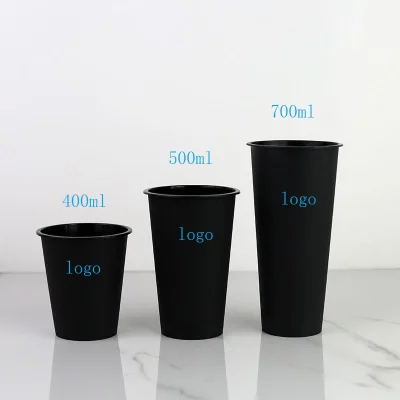
12oz 400ml Black Double Wall Disposable PP Plastic Cups for Coffee & Tequila
$0.0616 - $0.1026
MOQ: 10000 sets
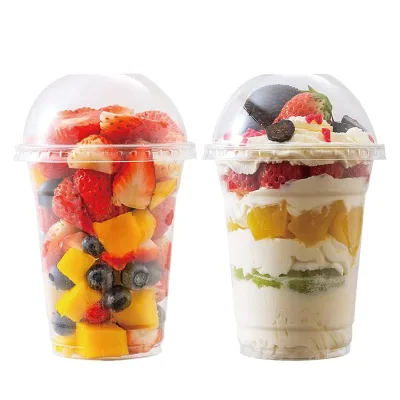
12 oz Clear Double Wall Disposable PP Plastic Cups with Dome Lids and Custom Logo
$0.0309 - $0.0618
MOQ: 10000 pieces
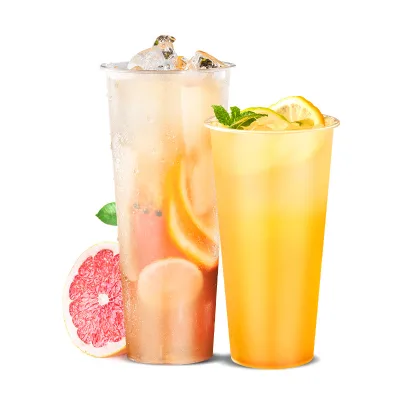
Custom Double Wall Disposable PP Clear Plastic Cups 32oz & 16oz for Juice Bubble Tea & Coffee
$0.0311 - $0.0621
MOQ: 10000 pieces

Wenzhou Guanmin Import and Export Co., Ltd.
- Verified by BV
- Trading Company,Manufacturer/Factory
- China Zhejiang
- Lead time120 days
- Avg. response≤ 6h
Main productsShopping Bag, Cooler Bag, Notebook, Pen, Color Pencil, Lanyard, Beach Ball, Umbrella, Sunshade, Air Freshener
Main marketsSouth America,Eastern Europe,Mid East,North America,Southeast Asia,Eastern Asia,Western Europe

Ningbo Two Birds Industry Co., Ltd.
- Verified by BV
- Trading Company,Manufacturer/Factory
- China Zhejiang
- Lead time45 days
- Avg. response≤ 7h
Main productsCosmetic & Makeup Items, Cleaning Tool, Pet Supplies, Bathroom Products, Bags, Kitchen Accessories, Hair Accessories, Home Textile, Consumable Items, Home Storage
Main marketsSouth America,Eastern Europe,Mid East,North America,Southeast Asia,Eastern Asia,Oceania,Western Europe,Africa


Large Capacity 700ml Straw Cup Drinking Water Cup Plastic Water Cup with Straw and Lids
$1.35 - $1.85
MOQ: 1500 Pieces

Shanghai Touch Industrial Development Co., Ltd.
- Verified by TUVRHEINLAND
- Combined
- China Shanghai
- Lead time15 days
- Avg. response≤ 5h
Main productsInstant Hot Pack, Hot Cold Pack, Gel Eye Mask, Gel Ice Pack, Gel Bottle Cooler, Instant Ice Pack, Hand Warmer, Heat Pack, Cooling Scarf, Gel Beads
Main marketsSouth America,Others(foreignTradeCapacity.exportBusinessCapacityMarketOther),Southeast Asia/ Mideast,East Asia(Japan/ South Korea),Domestic,Europe,Australia,North America

- Verified by BV
- Manufacturer/Factory
- China Fujian
- Lead time15 days
- Avg. response≤ 25h
Main productsWater Bottle, Kitchen Ware, Shoes, Plastic Product, Bag, Toy
Main marketsSouth America,Eastern Europe,Mid East,North America,Southeast Asia,Eastern Asia,Oceania,Western Europe,Africa
- Manufacturer, Trading Company
- Lead time旺季: "1 - 1000":30,"> 1000":"To be negotiated", 淡季: "1 - 1000":30,"> 1000":"To be negotiated"
- Avg. response≤ 2h
Main productsPlastic Cutlery, Deli Container, Plastic Cup, Paper Cup, Bagasse

Taizhou Shike Plastics Co., Ltd.
- Verified by CTI
- Trading Company
- China Zhejiang
- Lead time23 days
- Avg. response≤ 6h
Main productsBamboo Fiber Kids Set, Bamboo Fiber Stainless Steel Cup, Bamboo Fiber Dinner Set, Bamboo Fiber Dinnerware, Bamboo Fiber Coffee Cup, Bamboo Fiber Plate, Bamboo Fiber Bowl, Bamboo Fiber Tray, Sports Water Bottle, Alkaline Water Bottle
Main marketsSoutheast Asia/ Mideast,East Asia(Japan/ South Korea),Domestic,Europe,Australia,North America


$1.04 - $1.22
MOQ: 1000 Pieces


Hubei Xinyujie Import and Export Trading Co., Ltd.
- Verified by SGS
- Combined
- China Hubei
- Lead time15 days
- Avg. response≤ 4h
Main productsSingle Wall Paper Cup, Double Wall Paper Cup, Embossed Wall Paper Cup, Ripple Wall Paper Cup, Soup Paper Cup, Ice Cream Paper Cup, Paper Bucket, Paper Bowl, PP / Pet / PLA Plastic Cup, Fruit Plastic Barrel
Main marketsDomestic
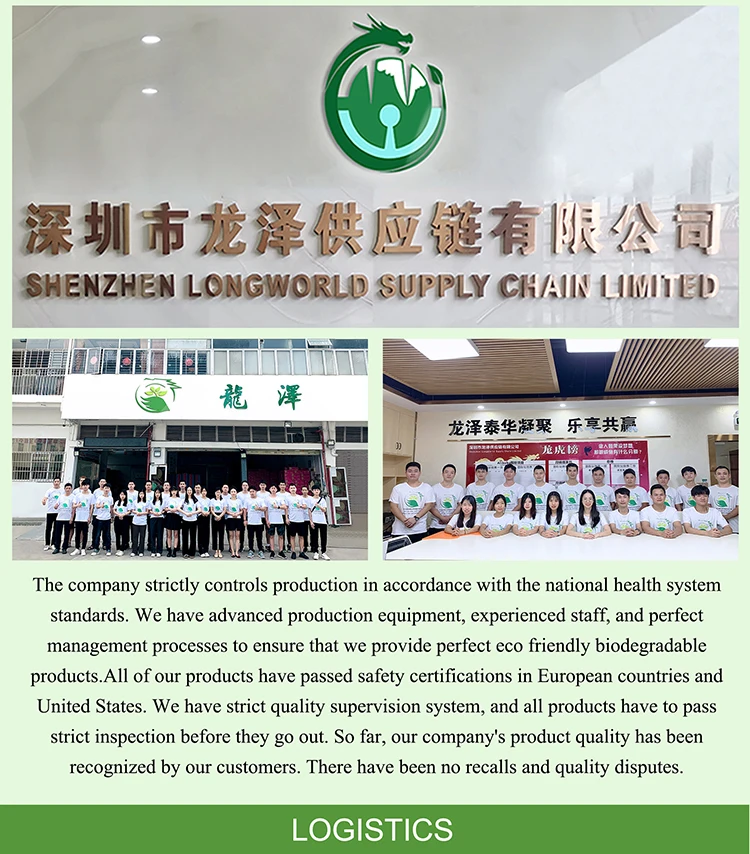
Shenzhen Longworld Supply Chain Limited
- Trading Company
- Guangdong, China
- Lead time3 days
- Avg. response≤ 4h
Main productsBiodegradable Cup,Biodegradable Lunch Box,Biodegradable Bowl,Biodegradable Cutlery,Paper Bag
Main marketsNorth America(58.00%), Southeast Asia(15.00%), Mid East(13.00%), Western Europe(10.00%), Eastern Asia(3.00%), Domestic Market(1.00%)

- Verified by TUVRHEINLAND
- Trading Company
- China Beijing
- Lead time30 days
- Avg. response≤ 11h
Main productsWater Bottle, Tumbler, Vacuum Flask, Lunch Box/Food Jar, Travel Mug, Water Jug/Pot, Stainless Steel Cup, Thermo
Main marketsEurope


Hot Selling 16 Oz Studded Tumbler Cups with Lid and Straw Plastic Tumbler
$1.92 - $2.53
MOQ: 50 Pieces

WUHAN NABOBWAY INDUSTRIAL LTD.
- Verified by TUVRHEINLAND
- Combined
- China Hubei
- Lead time30 days
- Avg. response≤ 2h
Main productsDisposable Paper Cups for Beverage, Paper Cup with Lid, Double Wall Paper Cup for Hot Coffee, Disposable Cup, Coffee Paper Cup, Plastic Cup, Ripple Paper Cup, Paper and Plastic Mug, Popcorn Bucket, Ice Cream Bowl
Main marketsOthers(foreignTradeCapacity.exportBusinessCapacityMarketOther),Southeast Asia/ Mideast,Europe,Australia,North America

Zhejiang Jinhao Packing Material Co., Ltd.
- Verified by SGS
- Combined
- China Zhejiang
- Lead time15 days
- Avg. response≤ 8h
Main productsPaper Cup, Paper Bowl, Paper Food Tray, Paper Food Container, Paper Cup Sleeve, Soup Cup, Disposable Cup, Salad Bowl, Lunch Box, Plate
Main marketsSoutheast Asia/ Mideast,East Asia(Japan/ South Korea),Domestic,Europe,North America

Sturdy Custom Double Wall Disposable Paper Coffee, Plastic Tea Drinking Cup
$0.0074 - $0.0219
MOQ: 100000 Pieces

Durable Custom Double Wall Disposable Paper Coffee, Plastic Tea Drinking Cup
$0.0137 - $0.0381
MOQ: 400000 Pieces

Compact Custom Double Wall Disposable Paper Coffee, Plastic Tea Drinking Cup
$0.0074 - $0.0219
MOQ: 100000 Pieces


Foshan Rui Qi Lin Plastic Products Co., Ltd.
- Manufacturer, Trading Company
- Guangdong, China
- Lead time15 days
- Avg. response≤ 5h
Main productsDisposable Plastic Cup,Paper Cup,Plastic Straw,Paper Bags,Plastic Film
Main marketsDomestic Market(100.00%)

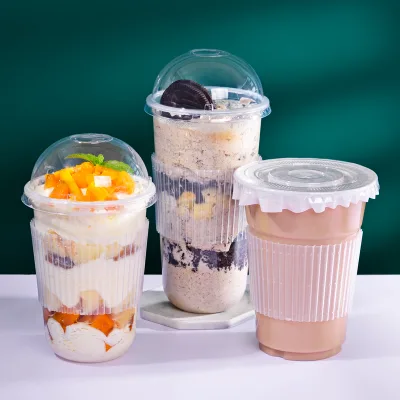
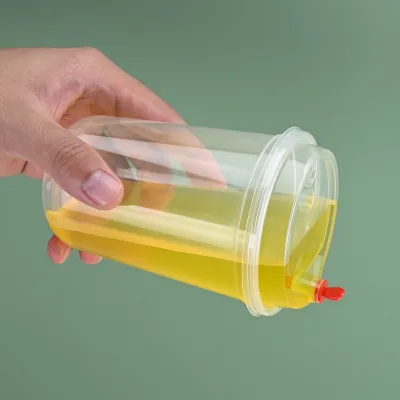
$22.00 - $25.00
MOQ: 20 cartons
Dongguan Langma Trading Co., Ltd.
- Verified by Intertek
- Trading Company
- Lead time7 days
- Avg. response≤ 5h
Main productsPaper Boxes, Paper Cups, Paper Bags, Sticker, Plastic Cups
Main marketsNorth America(70%), Western Europe(10%), Eastern Europe(5%)
Xiamen Ebelee Environmental Protection Technology Co., Ltd.
- Verified by TüVRheinland
- Manufacturer, Trading Company
- Lead time15 days
- Avg. response≤ 5h
Main productsPaper Cup, Paper Bowl, Coating Paper, Paper Box, Paper Bag
Main marketsWestern Europe(35%), North America(20%), Southeast Asia(15%)

Guangdong Yasitai New Material Packaging Co., Ltd.
- Verified by TUVRHEINLAND
- Combined
- China Guangdong
- Lead time15 days
- Avg. response≤ 6h
Main productsPlastic Cup, Pet Cup, PP Cup, PLA Cup, RPET Cup, Sushi Container, Food Box, Plastic Cup Accessories
Main marketsDomestic

Disposable 16oz PP Cups Plastic Cup for Cold and Hot Drinks Both High Quality PP Cups
$0.012 - $0.039
MOQ: 5000 Pieces


Disposable Plastic Cup with Different Size 12oz to 22oz U Cup with Cover
$0.012 - $0.039
MOQ: 5000 Pieces

Anhui Beauty Home Technology Co., Ltd
- Verified by TUVRHEINLAND
- Trading Company
- China Anhui
- Lead time30 days
- Avg. response≤ 2h
Main productsStainless Steel Vacuum Thermos Cup, Smart Auto Cooling and Heating Cup Holder, Thermal Vacuum Flask, Ceramic Mug with Thermostat, Coffee Mugs, Reusable Plastic Cups, Glass Container, Stainless Steel Wine Accessories, Stainless Steel Vacuum Insulated Tumbler, Disposable PP Pet Cups
Main marketsSouth America

Wholesale Eco Friendly as Plastic Pineapple Water Cup Double Wall Tumbler
$1.35 - $2.80
MOQ: 500 Pieces

Acrylic Tumbler 16oz Double Wall Plastic Reusable Clear Cups with Lid and Straw
$0.90 - $1.35
MOQ: 1000 Pieces

Reusable Matte Acrylic Plastic Tumblers 16oz Double Wall Plastic Coffee Cup with Cover
$0.90 - $1.35
MOQ: 1000 Pieces
Guangdong Shuangyang Plastic Packing Products Co., Ltd.
- Verified by TüVRheinland
- Manufacturer, Trading Company
- Lead time0 days
- Avg. response≤ 3h
Main productsPet Can, Plastic Can, Plastic Jars, Pet Jar
Main marketsNorthern Europe(12%), Eastern Europe(10%), Western Europe(10%)
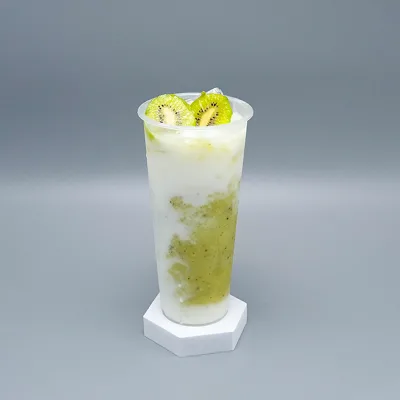
Plastic Cups 12 16 20 24oz Clear Plastic Cups 16 oz Plastic Cups With Lids
$0.03 - $0.04
MOQ: 3000 Minimum
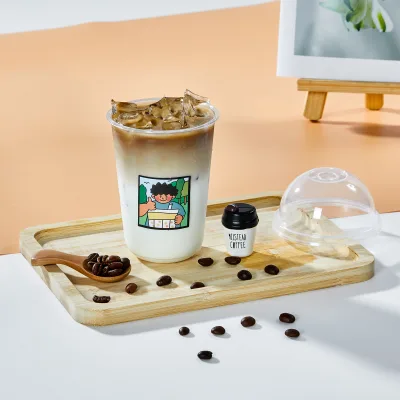
Customizable PP PET Disposable Plastic Cup With Lid 360ml To 700ml For Beverages Coffee Juice Soda
$0.0314 - $0.0418
MOQ: 3000 pieces

Changsha Mingkai Paper Products Co., Ltd.
- Combined
- China Hunan
- Lead time30 days
- Avg. response≤ 4h
Main productsCoffee Cup, Disposable Plastic Cup, OPP Bag, Brown Craft Paper Cup
Main marketsSouth America,Africa,Southeast Asia/ Mideast,East Asia(Japan/ South Korea),Domestic,Europe,Australia,North America
Hunan Limon Technology Co., Ltd.
- Trading Company
- Hunan Province, China
- Lead time15 days
- Avg. response≤ 13h
Main productsPaper Cups,Paper Boxes/Biodegradable Products,Paper Bags,Papar Bowls
Main marketsNorth America(40.00%), Western Europe(20.00%), Southeast Asia(10.00%), Domestic Market(10.00%), Oceania(10.00%), Mid East(5.00%), Africa(5.00%)
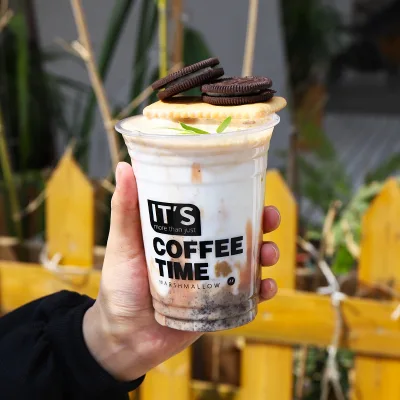
Hot Selling 12-24 OZ Single Wall Disposable PP Plastic Eco-friendly Water Cups with Lids
$0.01 - $0.03
MOQ: 1000
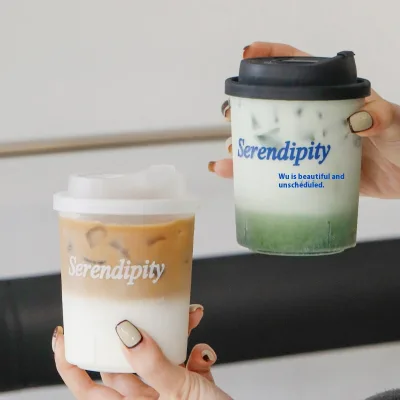
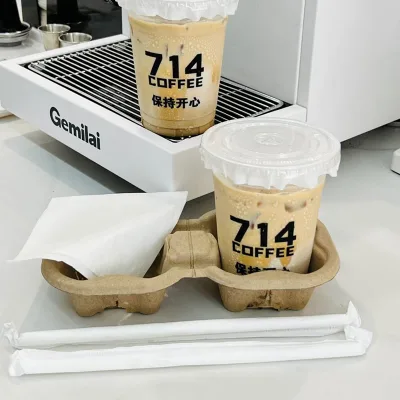
Guangxi Semper Technology Co., Ltd.
- Manufacturer, Trading Company
- Guangxi, China
- Lead time15 days
- Avg. response≤ 4h
Main productsPlastic cup,Plastic box,Paper Bowls,Paper Cups,Plastic Bag
Main marketsNorth America(50.00%), Southern Europe(10.00%), Mid East(10.00%), Western Europe(10.00%), South America(10.00%), Eastern Asia(5.00%), Eastern Europe(5.00%)
Shijiazhuang Langkuo Trading Co., Ltd.
- Verified by SGS Group
- Trading Company
- Lead time15 days
- Avg. response≤ 2h
Main productsStainless Steel Insulated Cup, Ceramic Mug, Glass Can, Heat Transfer Printing Machine, Intelligent Coffee Cup
Main marketsNorth America(35%), Southeast Asia(18%), Western Europe(15%)
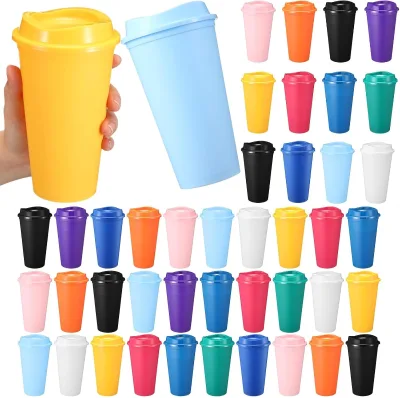
Custom Logo Muitcolor 16oz Reusable Single Wall Coffee Plastic Cup With Lid
$0.48 - $0.55
MOQ: 200 pieces
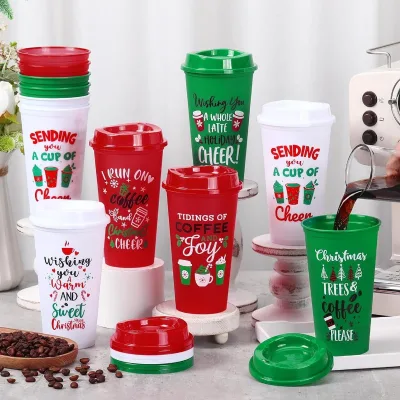
Custom Logo Printed Reusable Round Bottom 16oz PP Plastic Cup With Lids for Personalization
$0.5048 - $0.5782
MOQ: 200 pieces
Shanghai Kangbosi New Materail Co., Ltd.
- Trading Company
- Shanghai, China
- Lead time15 days
- Avg. response≤ 4h
Main productsdisposable Cutlery,disposable cups,cling film,food container,ice cream spoon
Main marketsNorth America(50.00%), Western Europe(40.00%), Oceania(5.00%), Mid East(5.00%)
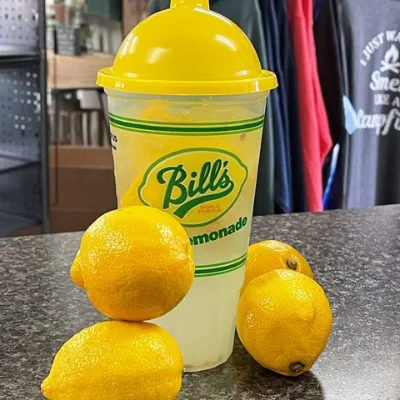
Customized Biodegradable Composatable Beverage Cup 16oz 24oz 32oz Lemonade Plastic PP Cups with Lids
$0.0308 - $0.0513
MOQ: 1 pieces
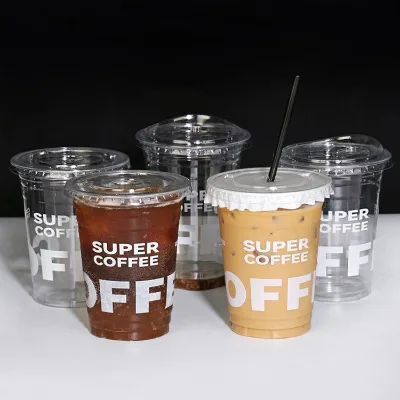
$0.01 - $0.04
MOQ: 50000 pieces
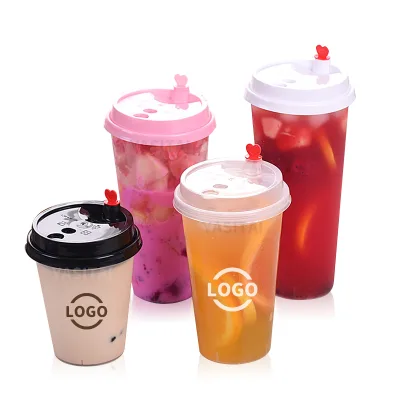
Custom logo Plastic Beverage Cups with Lids
$0.02 - $0.03

Xiamenshi Baijiada Paper Plastic Products Co., Ltd.
- Verified by BV
- Trading Company
- China Fujian
- Lead time23 days
- Avg. response≤ 5h
Main productsPaper Cup, Paper Bowl, Paper Boxes, Plastic Tray, Paper Bags, Plastic Boxes, Plastic Cup
Main marketsAfrica,Southeast Asia/ Mideast,Europe,North America


Disposable Multi-Specification Can Be Customized 8oz 10oz Single Wall Cup
$0.018 - $0.02
MOQ: 30000 Pieces

Shanghai David International Trade Co., Ltd.
- Verified by TUVRHEINLAND
- Combined
- China Shanghai
- Lead time15 days
- Avg. response≤ 9h
Main productsPromotional Gifts, Gift Sets, Tshirts, Hats, Hot Packs, Hot Cold Packs, Ice Packs, Bags, Umbrellas, Water Bottles
Main marketsSouth America,Africa,Southeast Asia/ Mideast,East Asia(Japan/ South Korea),Domestic,Europe,Australia,North America
Shanghai Jiema Industrial Co., Ltd.
- Manufacturer, Trading Company
- Shanghai, China
- Lead time25 days
- Avg. response≤ 5h
Main productsPaper Cup,Plastic Cup,Paper Box,Plastic Container,Pizza Box
Main marketsDomestic Market(70.00%), North America(8.00%), Mid East(5.00%), Southeast Asia(5.00%), Eastern Europe(3.00%), Southern Europe(3.00%), Northern Europe(3.00%), Western Europe(3.00%)
Intlpack (shanghai) Industrial Co., Ltd.
- Manufacturer, Trading Company
- Shanghai, China
- Lead time30 days
- Avg. response≤ 9h
Main productsDisposable Cups,Disposable Cutlery,Yogurt&Pudding Cups,Disposable Lunch Box,Drinking Straw
Main marketsNorth America(65.00%), Domestic Market(15.00%), Southeast Asia(10.00%), Mid East(5.00%)
Jinjiang Honghai Plastic Industry Co., Ltd.
- Manufacturer
- Fujian, China
- Lead time30 days
- Avg. response≤ 2h
Main productsPlastic Container,Plastic Cup,plastic box,dinner box,juice cup
Main marketsNorth America(60.00%), Domestic Market(10.00%), Mid East(10.00%), Southeast Asia(10.00%), South America(10.00%)










Comprehensive Sourcing Guide
Double Wall PP Plastic Cup Supplier Concentration and Factory Types
The sourcing landscape for double wall PP plastic cups reveals distinct manufacturing clusters, primarily concentrated in regions like China Fujian and China Shanghai. These geographic hubs are critical for buyers to understand, as they often dictate the type of production capabilities available. Suppliers in these areas typically operate as manufacturers or factories, offering direct control over the production process. This structure allows for greater flexibility in customization, including OEM and ODM services, which are essential for brands seeking unique product designs. The presence of established industrial zones in these locations suggests a mature supply chain ecosystem, where raw material sourcing and logistics are streamlined. Buyers should prioritize suppliers located in these verified clusters to ensure access to consistent quality and reliable production schedules. The concentration of factories in Fujian and Shanghai indicates a high density of specialized producers, reducing the risk of fragmented supply chains.
In addition to geographic location, the company type plays a significant role in determining the supplier's capabilities. While many suppliers are identified as manufacturers, some may operate as combined entities, blending trading and production functions. This distinction is vital for buyers evaluating their specific needs. Pure manufacturers often provide better pricing and direct communication with production lines, whereas combined entities might offer broader product ranges and additional services. For double wall PP plastic cups, the ability to customize materials, such as using BPA-free plastic, is a key differentiator. Suppliers in these regions often highlight their adherence to international standards, such as ISO 9001 or ISO 9001:2015, which serves as a baseline for quality management. Buyers should verify these certifications to ensure that the supplier maintains rigorous quality control protocols. Understanding the interplay between location and company type helps buyers narrow down their search to suppliers who can meet their specific operational and quality requirements.
How to Verify Double Wall PP Plastic Cup Suppliers
Verification is a critical step in mitigating risk when sourcing double wall PP plastic cups. Buyers should prioritize suppliers who have undergone third-party verification processes, such as CTI or TÜV Rheinland. These verifications provide an independent assessment of the supplier's business legitimacy and operational capabilities. For instance, some suppliers display verification badges from recognized testing agencies, which adds a layer of trust to their claims. Additionally, system certifications like ISO 9001 are strong indicators of a supplier's commitment to quality management. Buyers should request copies of these certificates and verify their validity through the issuing body. This step ensures that the supplier adheres to internationally recognized standards for production and quality control. Verification also extends to the supplier's response time and communication efficiency, which are often displayed on their profiles. A quick response time, such as under two hours, suggests a responsive and professional team.
Beyond certifications, buyers should examine the supplier's product evidence and specifications. Detailed product attributes, such as material type, customization options, and packaging methods, provide insight into the supplier's technical expertise. For example, some suppliers offer double wall cups with specific features like splash-proof lids or custom logos. Buyers should compare these details across multiple suppliers to identify those with the most comprehensive offerings. It is also important to check for any discrepancies in the supplier's claims versus their actual product listings. Inconsistent information may indicate a lack of transparency or reliability. Furthermore, buyers should look for suppliers who provide clear information about their production standards and origins. Suppliers from China, for instance, may highlight their ability to produce customized products with specific material compositions. By thoroughly verifying these aspects, buyers can build a shortlist of reliable suppliers who meet their quality and operational standards.
What to Compare Across Double Wall PP Plastic Cup Suppliers
When evaluating suppliers, buyers must compare key operational metrics to determine the best fit for their needs. Lead time is a crucial factor, as it impacts inventory management and delivery schedules. Some suppliers offer lead times as short as 45 days, while others may require up to 120 days. This variation can significantly affect a buyer's ability to meet market demands. Buyers should align their order planning with suppliers who offer lead times that match their sales cycles. Additionally, minimum order quantities (MOQ) vary widely among suppliers, ranging from 100 units to 10,000 units. Smaller MOQs are beneficial for testing new markets or launching limited editions, while larger MOQs may offer better unit pricing. Buyers should assess their volume requirements and choose suppliers whose MOQs align with their production plans. Response time is another important metric, with some suppliers responding within 1.86 hours, indicating high availability and customer service efficiency.
Price and customization options are also critical comparison points. Unit prices for double wall PP plastic cups can range from $0.02 to $1.10, depending on factors such as material quality, design complexity, and order volume. Buyers should request detailed quotes that break down costs, including tooling and shipping fees. Customization capabilities, such as logo printing, color options, and packaging design, should be clearly defined. Some suppliers offer extensive customization, including OEM services, while others may have limited options. Buyers should also compare the supplier's main product offerings to ensure they specialize in double wall cups. Suppliers with a focus on drinkware and plastic products may have more expertise and better quality control. By systematically comparing these metrics, buyers can identify suppliers that offer the best balance of cost, quality, and service. This comparative analysis helps in making informed decisions that align with the buyer's strategic goals.
Common Double Wall PP Plastic Cup Sourcing Risks
Sourcing double wall PP plastic cups involves several potential risks that buyers must manage carefully. One significant risk is the variability in product quality, which can arise from differences in material sourcing and manufacturing processes. Buyers should be cautious of suppliers who do not provide detailed material specifications, such as confirming the use of BPA-free plastic. Without clear material certifications, there is a risk of receiving products that do not meet safety standards. Additionally, the risk of non-compliance with international standards is a concern, especially for suppliers exporting to regulated markets. Buyers should verify that suppliers adhere to relevant standards, such as LFGB or BSCI, to ensure product safety and ethical production practices. Another risk is the potential for delays in production, which can disrupt supply chains. Buyers should assess the supplier's production capacity and historical performance to mitigate this risk.
Communication and transparency are also critical areas where risks can emerge. Suppliers with poor communication may fail to provide timely updates on order status or resolve issues promptly. Buyers should prioritize suppliers with demonstrated responsiveness and clear communication channels. Furthermore, the risk of intellectual property infringement is a concern when working with suppliers offering extensive customization services. Buyers should ensure that their designs and logos are protected through proper agreements and contracts. Another risk is the discrepancy between sample quality and bulk production. Buyers should request pre-production samples and conduct thorough inspections before approving bulk orders. Additionally, the risk of hidden costs, such as unexpected shipping fees or customs duties, can impact the total cost of ownership. Buyers should request comprehensive quotes that include all potential costs. By identifying and addressing these risks, buyers can build a more resilient and reliable supply chain for double wall PP plastic cups.
Double Wall PP Plastic Cup Regional Sourcing and Logistics
Regional sourcing plays a pivotal role in determining the efficiency and cost-effectiveness of the supply chain. Suppliers located in China, particularly in Fujian and Shanghai, offer distinct logistical advantages due to their proximity to major ports and manufacturing hubs. These locations facilitate faster shipping times and lower freight costs, which are critical for maintaining competitive pricing. Buyers should consider the geographic location of suppliers when evaluating logistics options, as it directly impacts delivery schedules and inventory management. For instance, suppliers in Shanghai may offer quicker access to international shipping routes, reducing transit times to global markets. Additionally, the concentration of suppliers in these regions creates a competitive environment, which can lead to better pricing and service offerings. Buyers should leverage this competition to negotiate favorable terms and secure reliable supply chains.
Logistics planning also involves understanding the supplier's packaging and shipping capabilities. Some suppliers offer customized packaging solutions, such as polybag packing, which can optimize space and reduce shipping costs. Buyers should evaluate the supplier's packaging standards to ensure they meet their requirements for product protection and sustainability. Furthermore, the supplier's ability to handle export documentation and customs clearance is crucial for smooth international transactions. Buyers should verify that suppliers have experience in exporting to their target markets and can provide necessary documentation, such as certificates of origin and compliance certificates. Additionally, buyers should consider the impact of regional trade policies and tariffs on their sourcing strategy. Understanding these factors helps buyers make informed decisions about where to source their double wall PP plastic cups. By aligning regional sourcing with logistical capabilities, buyers can optimize their supply chain for efficiency and cost-effectiveness.
Double Wall PP Plastic Cup Commercial Terms and Order Planning
Commercial terms and order planning are essential components of a successful sourcing strategy. Buyers must carefully review payment terms, such as escrow services, to ensure secure transactions. Escrow provides a layer of protection by holding funds until the buyer confirms receipt and quality of the goods. This is particularly important for new suppliers or large orders. Buyers should also consider the supplier's return and refund policies, which can mitigate risks associated with defective products. Order planning involves aligning production schedules with sales forecasts to avoid stockouts or excess inventory. Buyers should work with suppliers who offer flexible production capacities and can accommodate rush orders if necessary. Additionally, buyers should negotiate volume discounts and long-term partnership agreements to secure better pricing and priority service.
Effective order planning also requires clear communication of product specifications and customization requirements. Buyers should provide detailed briefs, including design files, material preferences, and packaging instructions, to ensure accurate production. Regular communication with the supplier throughout the production process helps identify and resolve issues early. Buyers should also establish clear milestones for sample approval, production start, and shipment dates. This structured approach minimizes the risk of delays and ensures that orders are completed on time. Furthermore, buyers should monitor supplier performance metrics, such as on-time delivery rates and quality consistency, to assess their reliability. By implementing robust commercial terms and order planning processes, buyers can build a stable and efficient supply chain for double wall PP plastic cups. This proactive approach helps in maintaining product quality, managing costs, and meeting market demands effectively.
FAQs
What is Double Wall PP Plastic Cup construction and why does it matter?
A Double Wall PP Plastic Cup uses two polypropylene layers with an insulating air gap between them. That design keeps hot drinks comfortable to hold and cold drinks from sweating, while the double wall also prevents interior contents from showing through. Many buyers choose it for tumblers, party cups, and reusable drinkware programs.
Can double wall PP plastic cups be customized with logos and colors?
Yes, customization is widely offered, with screen printing being a common surface handling method for logos. Suppliers typically accept custom colors and printed designs, and some support OEM services covering logo, color, and packaging. Minimum order quantities apply before custom work begins, so confirm the artwork format, printing area, and any plate or setup charges.
What minimum order quantities should I expect for double wall PP plastic cups?
Minimum order quantities vary by model and customization level. Listed products range from around 100 pieces for some reusable cups to 5,000 pieces or more for certain printed models, with some designs quoting 10,000 pieces. Simpler stock items usually carry lower MOQs, while custom printing, packaging, and special colors typically require higher volumes.
How much do double wall PP plastic cups typically cost?
Unit prices depend on size, wall design, decoration, and order quantity. Observed quotes range from roughly 0.02 to 0.50 US dollars per piece for standard and clear models, with decorated double wall cups around 0.11 to 0.15 dollars. Larger custom tumblers with lids and straws can reach about 1.10 dollars, so request quotes for your exact specification.
Are double wall PP plastic cups food safe and certified?
Food safety depends on the material grade and the certifications each product carries. Some listed cups reference LFGB or QS certification, and suppliers may hold ISO 9001 quality management systems. Always request the latest test reports for your target market, confirm BPA-free polypropylene, and verify which certificates apply to the specific model you order.
What lead times apply when ordering double wall PP plastic cups?
Lead times differ significantly by supplier and order type. Observed production lead times range from about 45 days for some suppliers to 120 days for others, and customization can extend schedules further. Confirm the lead time for your specific model and quantity, including mold or printing-plate preparation, before committing to a delivery date.
Are double wall PP plastic cups reusable or disposable?
Both types exist, so you should confirm the intended use before ordering. Many double wall PP cups are designed as non-disposable, reusable tumblers, while some models are listed with disposable, recyclable features for party or event use. Check whether the material, lid, and wall construction suit repeated washing or single-occasion service.
What should I check before placing a Double Wall PP Plastic Cup order?
Confirm the material grade, capacity, wall construction, and lid or straw accessories against your specification. Request samples to evaluate printing quality and fit, then verify certifications, MOQ, unit pricing at your volume, and packing details such as polybag or export cartons. Also agree on tooling costs, production lead time, and inspection terms in writing.