eco-friendly printed baby bib Suppliers and Manufacturers
Compare 27 verified suppliers offering eco-friendly printed baby bibs with customizable materials like cotton and terry. Review response times, lead times, and MOQs to select a factory in Jiangsu or Fujian for your next order; review the available evidence before requesting comparable quotations from suitable candidates.
Updated
Suppliers List

Zhenjiang Fashiontex Industries Co., Ltd.
- Verified by TUVRHEINLAND
- Trading Company
- China Jiangsu
- Lead time30 days
- Avg. response≤ 4h
Main productsHandkerchief, Bandana, Towel, Muslin Cloth, Facial Cleansing Cloth, Makeup Remove Cloth
Main marketsAustralia

Jinjiang Jiaxing Supply Management Co., Ltd.
- Verified by TUVRHEINLAND
- Trading Company
- China Fujian
- Lead time30 days
- Avg. response≤ 2h
Main productsEVA Clogs, Flip Flop, Shoe Charms, Shopping Bags, Wristbands, Gifts, Promotional Gifts, Slipper, Sport Cap, Ball
Main marketsNorth America

PUYANG SELFAIDING INDUSTRIAL CO., LTD.
- Verified by SGS
- Manufacturer
- China Henan
- Lead time15 days
- Avg. response≤ 3h
Main productsAdult Bib, Pet Pad, Underpad, Baby Bib, Protective Panties, Washable Sanitary Pad, Compression Stockings, Patient Care Clothing, Pet Nest, Pet Toy


Customized Blank Infant Feeding Silicone Baby Bib Comfortable Soft Waterproof Bib
$1.62 - $1.91
MOQ: 500 Pieces

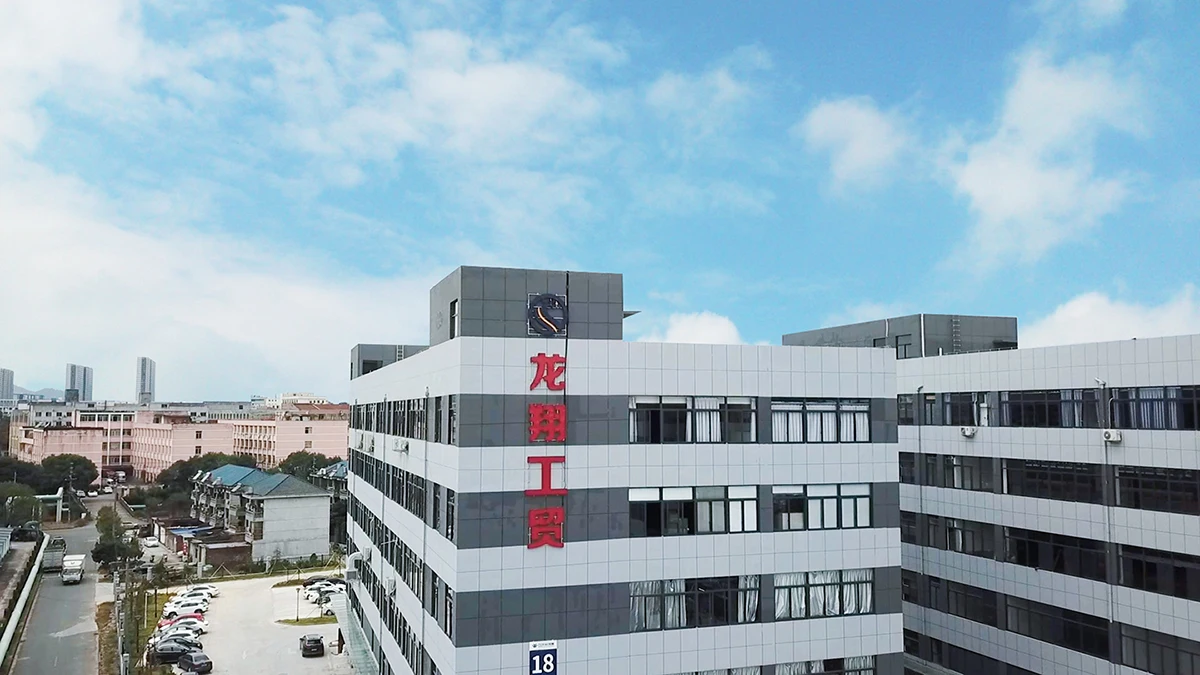
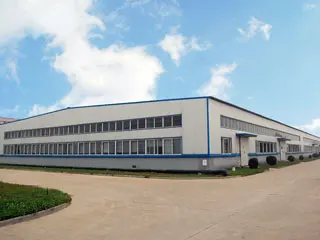
Pujiang Longxiang Industry & Trade Co., Ltd.
- Manufacturer, Trading Company
- Zhejiang, China
- Lead time0 days
- Avg. response≤ 6h
Main productsCloth Diaper,Baby Bib,Swaddle Blanket,Diaper Wet Bag,Baby Clothing
Main marketsNorth America(50.00%), Western Europe(22.00%), Southeast Asia(12.00%), South America(10.00%), Eastern Europe(6.00%)
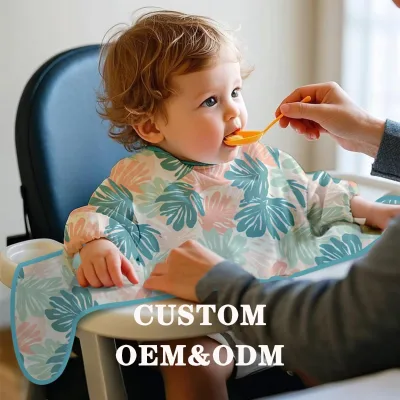
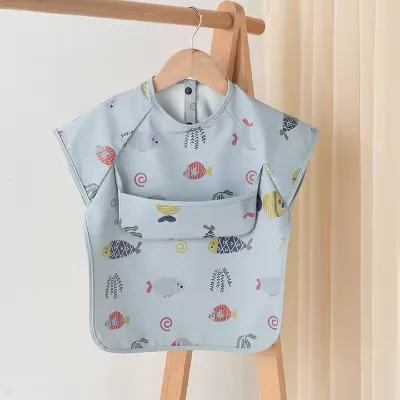
Best Seller Short Sleeve Baby Bib Waterproof Fabric Baby Bib Home Kitchen Feed Bib Baby
$2.5243 - $2.8856
MOQ: 20 pieces
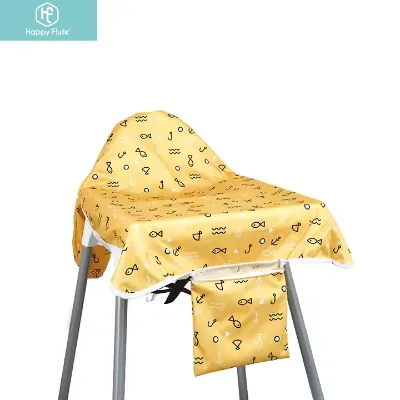
$3.4912 - $3.6965
MOQ: 300 pieces
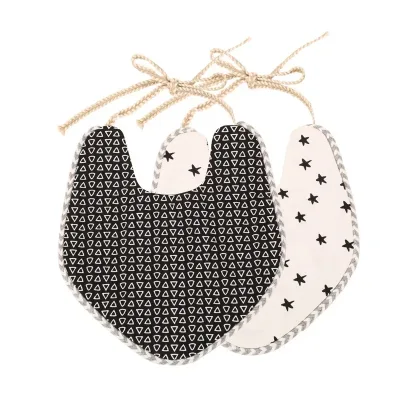
HappyFlute New Design Attractive Fashion Boys and Girls Baby Bibs Cotton Bib
$1.8528 - $2.3669
MOQ: 50 pieces
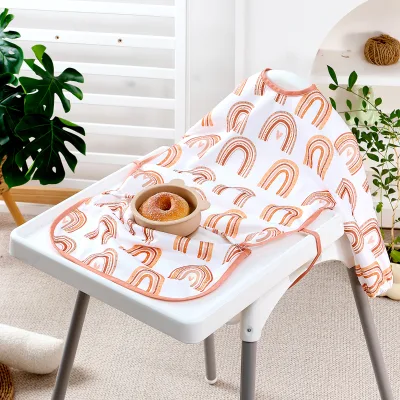
Customizable Baby Bibs Removable Buttons Waterproof 100% Polyester Free Samples
$2.1646 - $2.6787
MOQ: 100 pieces
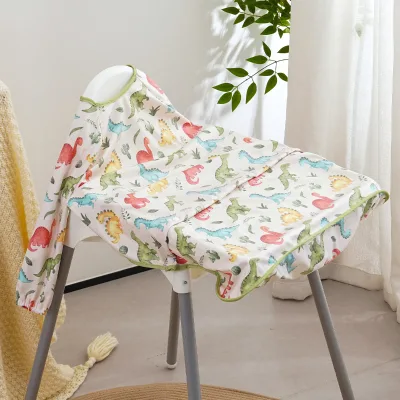
Quanzhou Xiami Baby Products Co., Ltd.
- Trading Company
- Fujian, China
- Lead time10 days
- Avg. response≤ 5h
Main productsbaby clothes,baby romper,baby pants,baby socks,baby products
Main marketsNorth America(50.00%), Oceania(40.00%), South America(10.00%)

Zhejiang Gangju Import & Export Co., Ltd
- Verified by SGS
- Combined
- China Zhejiang
- Lead time15 days
- Avg. response≤ 7h
Main productsCloth Diaper, Bib, Swaddle Blanket, Changing Mat, Wet Dry Bag, Baby Clothing, Baby Blanket
Main marketsSouth America,Africa,Europe,Australia,North America


New Designs Waterproof Polyester Printed Pattern Baby Bib with Pocket Child Bibs
$2.66 - $3.06
MOQ: 300 Pieces


Toddler Cute Printed Pattern Baby Bibs Waterproof and Dirt Resistant Baby Bibs for Infants Teething
$0.99 - $1.20
MOQ: 500 Pieces

Ningbo Yinzhou Xindew Textile Co., Ltd.
- Trading Company
- China Zhejiang
- Lead time15 days
- Avg. response≤ 10h
Main productsKnitting Needles, Knitting Looms, Knitting Crochet Hook Set, Acrylic Yarn, Elastic Tape, Zipper, Thread, Hook and Loop, Baby Blankets, Baby Bibs
Main marketsSouth America,Africa,Southeast Asia/ Mideast,East Asia(Japan/ South Korea),Domestic,Europe,Australia,North America

Shanghai Hexuan Baby Products Co., Ltd.
- Verified by SGS
- Trading Company
- China Shanghai
- Lead time15 days
- Avg. response≤ 5h
Main productsBaby Wear Baby Cloth Diaper Bibs Baby Rompers
Main marketsSouth America,Africa,Southeast Asia/ Mideast,East Asia(Japan/ South Korea),Europe,Australia,North America
Lanxi Aiwang Industrial Co., Ltd.
- Manufacturer, Trading Company
- Lead time旺季: "1 - 5000":20,"> 5000":"To be negotiated", 淡季: "1 - 5000":20,"> 5000":"To be negotiated"
- Avg. response≤ 3h
Main productsBaby Products
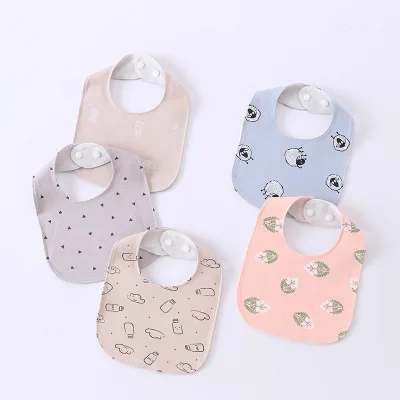
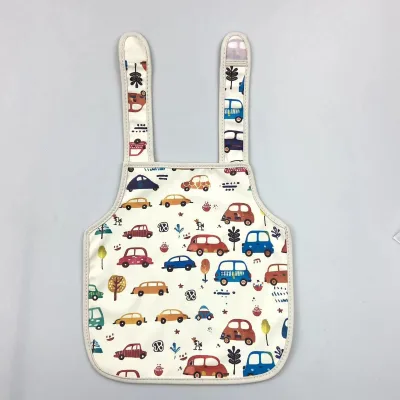
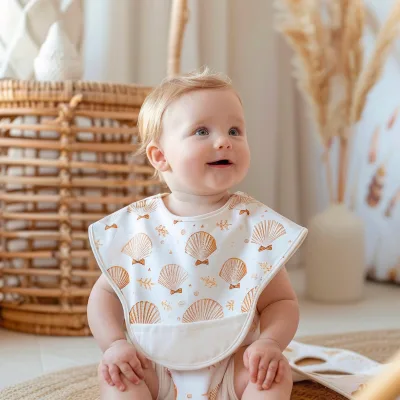
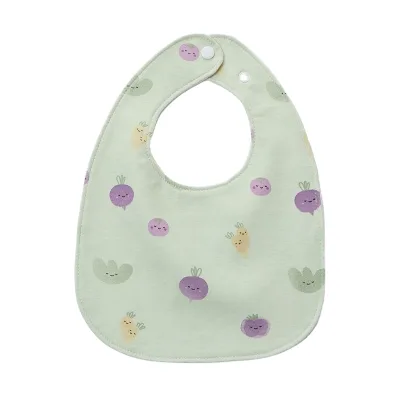
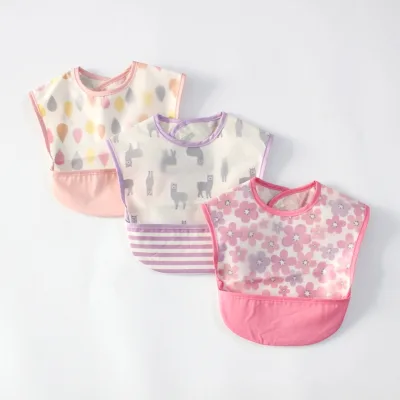
$0.6161 - $0.8215
MOQ: 20 pieces
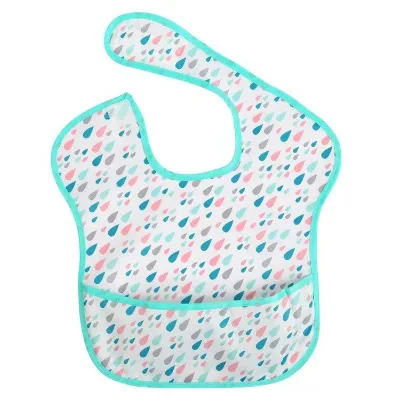
Factory Price Rotatable Round Waterproof Anti-Bacterial Eco-Friendly Unisex Baby Bib
$0.4632 - $1.4375
MOQ: 10 pieces

- Verified by TUVRHEINLAND
- Combined
- China Shanghai
- Lead time15 days
- Avg. response≤ 3h
Main productsInfant Clothes, Baby Clothes, Kids Wear, Underwear, Sock, Pajama, Night Dress, Sleep Bag, Yoga Clothes, Nursing Tee
Main marketsEurope,Australia,North America


Eco-Friendly High Absorbent Waterproof Super Soft Adjustable Organic Cotton Baby Bibs
$0.80 - $2.10
MOQ: 300 Pieces

Soft Cotton Waterproof Baby Bib with Tie-Back - Lightweight Feeding Bib for Newborns
$1.99 - $3.99
MOQ: 100 Pieces
Lanxi J-Lin Clothing Textile Co., Ltd.
- Manufacturer, Trading Company
- Zhejiang, China
- Lead time0 days
- Avg. response≤ 7h
Main productsBaby Cloth Diaper / Baby Sleeved Bib / Baby Bandana Bib / Triangle Bib / Diaper Bag,Baby Bib,Baby romper,Wet bag,baby long sleeve bib
Main marketsWestern Europe(40.00%), North America(30.00%), Southeast Asia(10.00%), Northern Europe(10.00%), Oceania(10.00%)

Xiamen Newtop Material Company
- Verified by TUVRHEINLAND
- Combined
- China Fujian
- Lead time15 days
- Avg. response≤ 3h
Main productsSilicone Pet Prodcuts, Silicone Housewares Product, Silicone Baby Product, Silicone Parts, Silicone Cap, Silicone Breast Pump, Slow Feeder, Silicone Pet Mat, Silicone Gasket, Silicone Hose
Main marketsEurope,North America


Printing Silicone Feeding Bebes Bibs Waterproof Custom Printed Baby Bibs
$1.80 - $2.22
MOQ: 100 Pieces


Shijiazhuang Longai Import & Export Trade Co., Ltd.
- Verified by SGS Group
- Manufacturer, Trading Company
- Lead time45 days
- Avg. response≤ 5h
Main productsRain Wear, Soft-Shell Jacket, Padding Wear, Children Wear, Baby Sleeping Bags
Main marketsNorthern Europe(30%), Western Europe(25%), North America(20%)
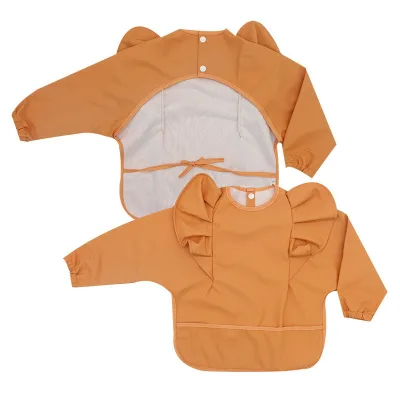
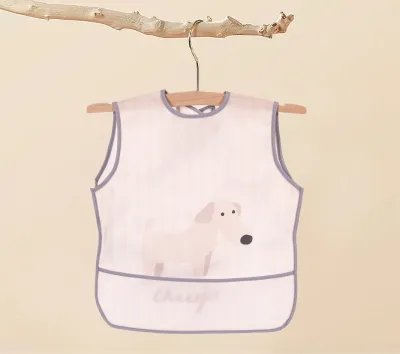
$2.4359 - $3.0879
MOQ: 500 pieces
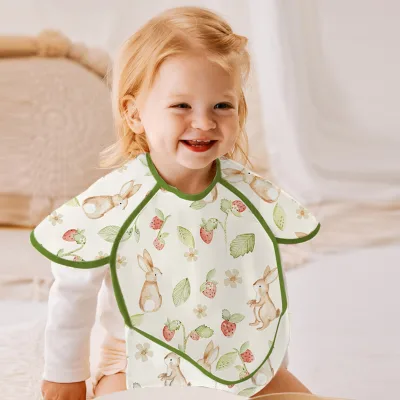
$3.3877 - $4.0413
MOQ: 300 pieces
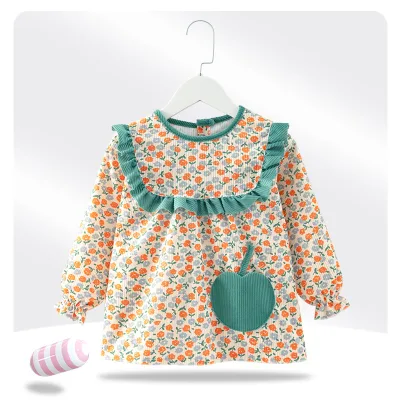
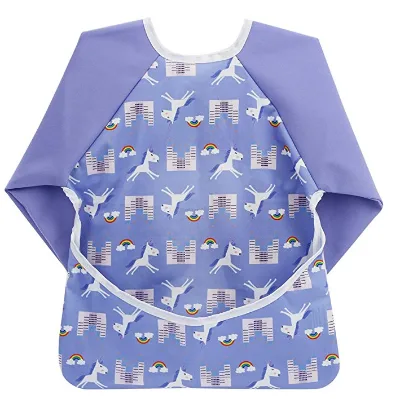
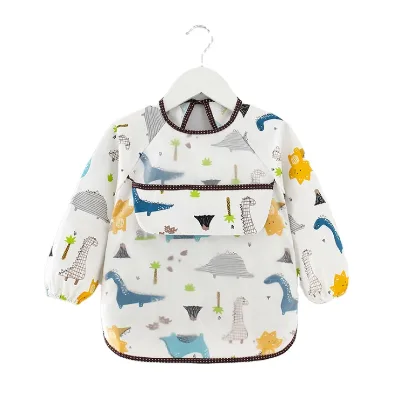
Zhejiang Gangju Import & Export Co., Ltd.
- Verified by TüVRheinland
- Manufacturer, Trading Company
- Lead time15 days
- Avg. response≤ 5h
Main productsCloth Diaper, Baby Bib, Wet Bag, Baby Clothes, Muslin Swaddle Blanket
Main marketsNorth America(27%), Southeast Asia(10%), Oceania(10%)
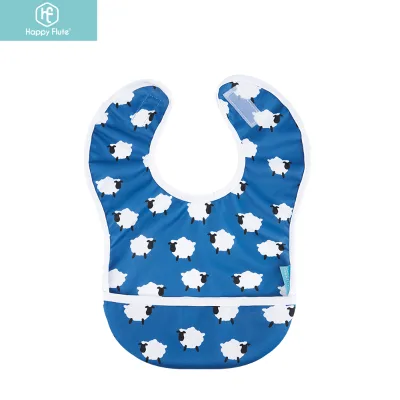
$1.2906 - $1.9052
MOQ: 200 pieces
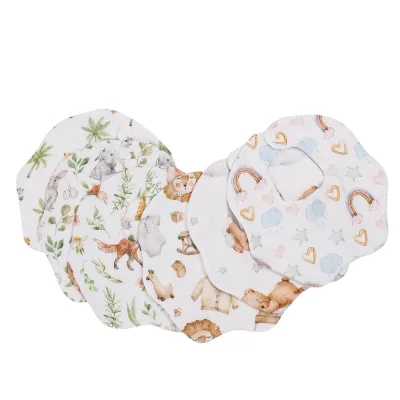
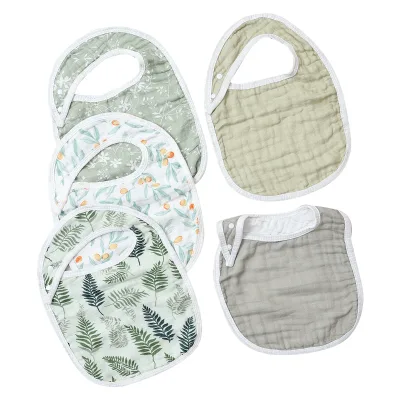
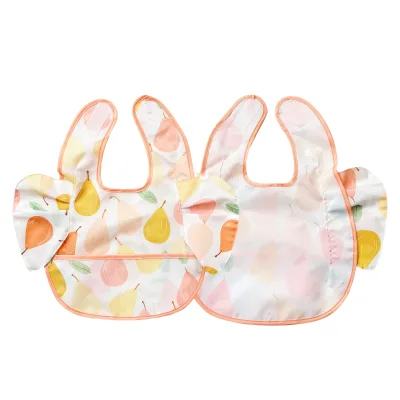

Anhui JM Healthcare Products Co., Ltd.
- Verified by SGS
- Trading Company,Manufacturer/Factory
- China Anhui
- Lead time0 days
- Avg. response≤ 4h
Main productsDental Bibs, Disposable Bed Sheets/Cover, Headrest Cover, Examination Table Bed Sheet Roll, Dental Apron, Disposable Toilet Seat Cover, Disposable Underpad, Disposable Face Mask, Isolation Gown, Dental Tray Cover
Main marketsSouth America,Eastern Europe,Mid East,North America,Southeast Asia,Eastern Asia,Western Europe

Eco-Friendly Baby Bibs with Unique Patterns for Hassle-Free Maintenance
$0.05 - $0.08
MOQ: 100000 piece


Fashionable Nonwoven Waterproof Disposable Baby Bib for Feeding Infants
$0.0408 - $0.0602
MOQ: 20000 Pieces

Eco-Friendly Disposable Baby Bibs with Long Sleeves for Mess-Free Feeding
$0.17 - $0.19
MOQ: 10000 Pieces
- Verified by TüVRheinland
- Manufacturer, Trading Company
- Lead time10 days
- Avg. response≤ 2h
Main productsBoy's Clothing, Baby Bodysuit, Kids Yoga Suits, Baby Bib, Kids 2 Piece Set
Main marketsNorth America(43%), Southeast Asia(14%), Oceania(13%)
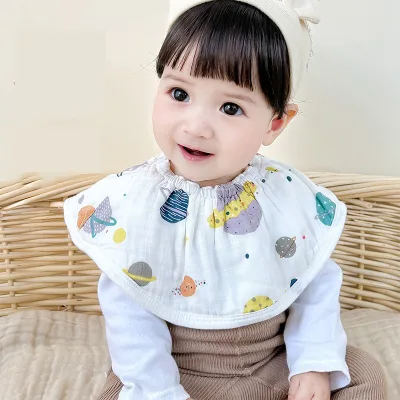
$1.6984 - $2.2545
MOQ: 500 pieces
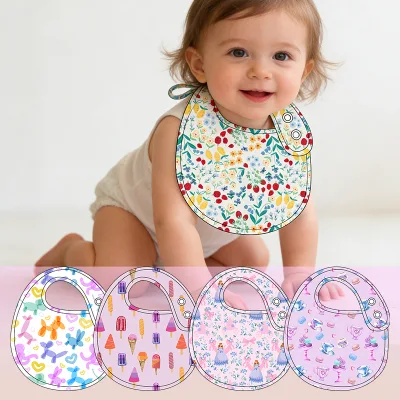

Ningbo Riway Industrial Co., Ltd.
- Verified by TUVRHEINLAND
- Combined
- China Zhejiang
- Lead time30 days
- Avg. response≤ 3h
Main productsWet Wipes, Nonwoven Folding Machines, Nonwoven Wet Machines, Towel Rolls
Main marketsDomestic
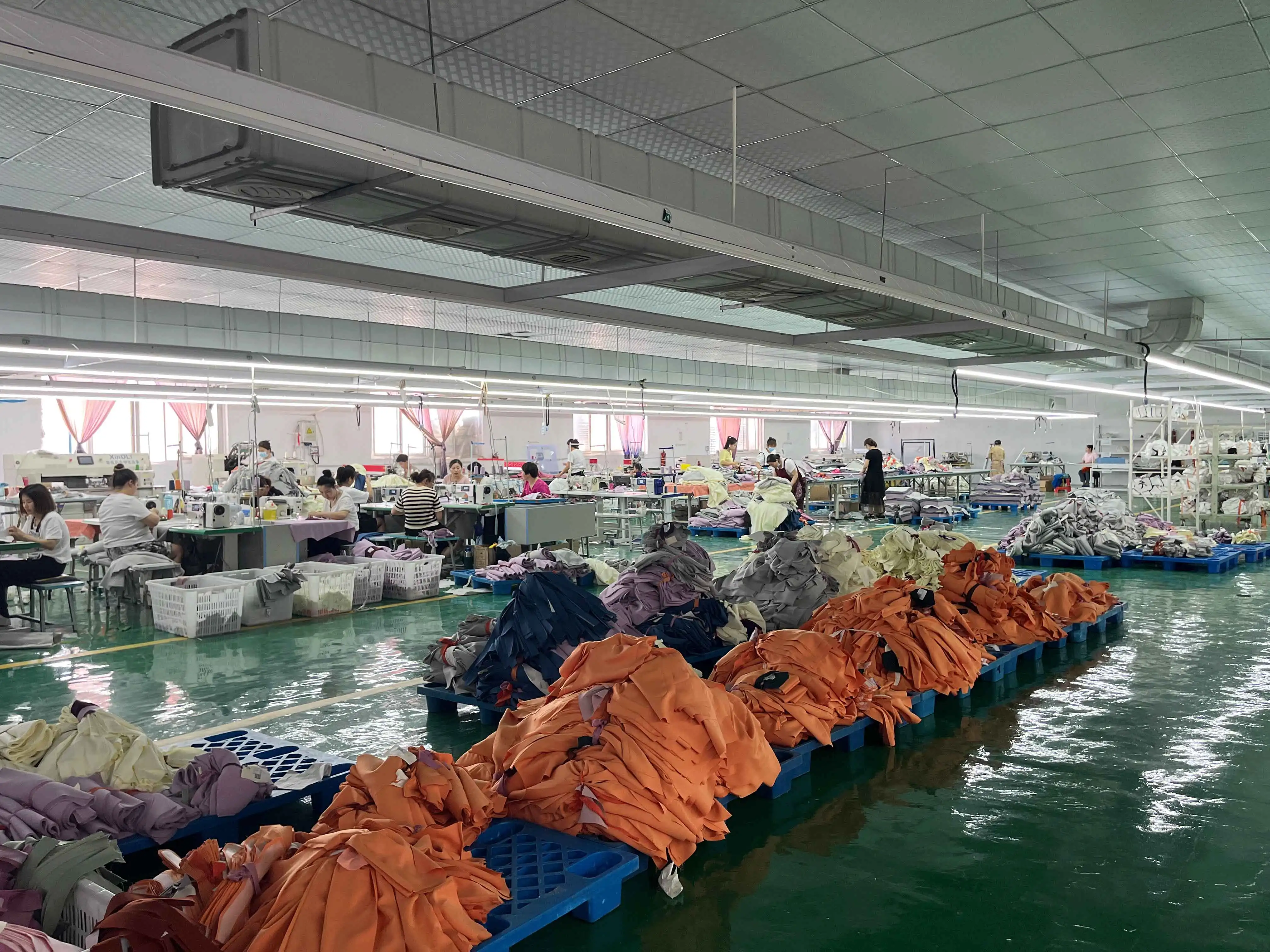
Yiwu Keqin Baby Products Factory
- Manufacturer, Trading Company
- Zhejiang, China
- Lead time0 days
- Avg. response≤ 2h
Main productsbaby carrier,baby walking assistant,Mommy bag,Children's anti-lost rope,Baby sleeping bag
Main marketsSoutheast Asia(10.00%), Domestic Market(5.00%), South Asia(5.00%), Southern Europe(5.00%), Northern Europe(5.00%), Central America(5.00%), Western Europe(5.00%), Eastern Asia(5.00%), Mid East(5.00%), Oceania(5.00%), Africa(5.00%), North America(5.00%), Eastern Europe(5.00%), South America(5.00%)
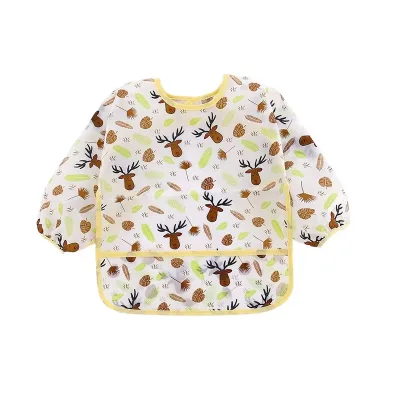
Baby Bibs, Waterproof Toddler Bib With Catcher Pocket, Cartoon Bunny Design, Ins Style, Unisex
$0.97 - $1.15
MOQ: 20 pieces
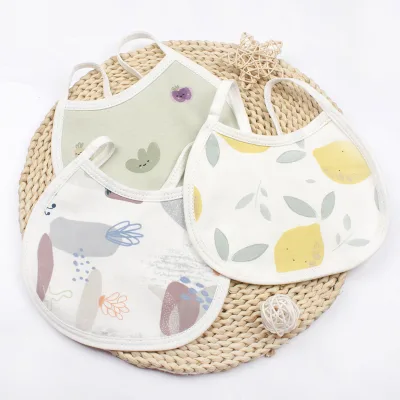
Cotton Baby Bib Lace-up Long Sleeve Bib Waterproof Bib Baby Infant Using for All Season
$0.2683 - $0.3193
MOQ: 20 pieces

- Trading Company
- China Jiangxi
- Lead time23 days
- Avg. response≤ 3h
Main productsDrawstring Bags, Canvas Bags, Plastic Case, Car Sunshade, Arm Sleeves, Cellphone Holder, Bandana, Headband, Scarf Scrunchie, Scarf
Main marketsEast Asia(Japan/ South Korea),Europe,Australia,North America

Jin Qiao Textile Company Limited
- Manufacturer, Trading Company
- Henan, China
- Lead time30 days
- Avg. response≤ 3h
Main productsbaby clothes,household towels,beach towel,hajj towels,hotel towel
Main marketsMid East(25.00%), Southeast Asia(15.00%), Africa(15.00%), Eastern Asia(10.00%), South America(10.00%), Domestic Market(10.00%), Eastern Europe(5.00%), South Asia(5.00%), Northern Europe(5.00%)
Quanzhou BKD Kids Wear Co., Ltd.
- Verified by Intertek
- Manufacturer, Trading Company
- Lead time45 days
- Avg. response≤ 6h
Main productsBaby Romper, Baby Bodysuit, Girl's Clothing, Baby Clothing Sets , Other Leisurewear
Main marketsNorth America(60%), Southeast Asia(16%), Oceania(12%)
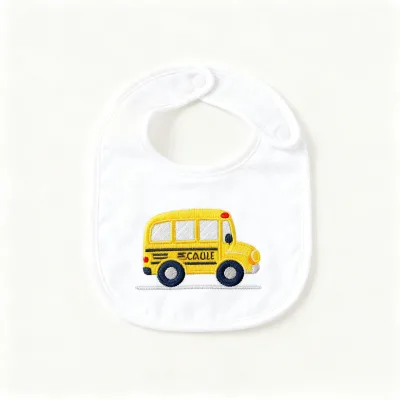
$0.9249 - $1.2322
MOQ: 200 sets

Zhongshan Xinyuan Silicone Rubber Co. Ltd
- Verified by TUVRHEINLAND
- Combined
- China Guangdong
- Lead time15 days
- Avg. response≤ 2h
Main productsSilicone Mold, Silicone Ice Cube Tray, Silicone Wristband, Silicone Tea Infuser, Silicone Bakeware, Silicone Keychain, Silicone Cup Coaster, Silicone Bag
Main marketsSouth America,Southeast Asia/ Mideast,Domestic,Europe,North America


$0.85 - $1.50
MOQ: 300 Pieces

- Trading Company
- Zhejiang, China
- Lead time0 days
- Avg. response≤ 5h
Main productsHoodies,Sweatshirts,T-shirts,Pants,Shorts
Main marketsWestern Europe(30.00%), North America(30.00%), Oceania(20.00%), South America(10.00%), Southeast Asia(10.00%)

HEFEI TELIJIE SANITARY MATERIAL CO., LTD.
- Verified by BV
- Trading Company,Manufacturer/Factory
- China Anhui
- Lead time15 days
- Avg. response≤ 5h
Main productsRaw Material of Scrim Reinforced Paper, Surgical/Medical Hand Paper Towel, Scrim Reinforced Exam Gown, Industrial Paper Wiper, Kitchen Paper Wipes, Wet Tissue, Facial Paper Towel, Disposable Bib, Couch Cover Roll, Dental Bib
Main marketsSouth America,Eastern Europe,Mid East,North America,Southeast Asia,Eastern Asia,Oceania,Western Europe,Africa

Customized Multicolor Superior Quality Health Care Multi Purpose Baby Bib
$0.019 - $0.032
MOQ: 100000 Piece

Customized Many Colors Superior Quality Multi Purpose Baby Bib for Children
$0.019 - $0.032
MOQ: 100000 Piece

Customized Multicolor Superior Quality Manufacture Multi Purpose Baby Bib
$0.019 - $0.032
MOQ: 100000 Piece
Jinan Huatian Leinuo Trade Corporation Ltd.
- Trading Company
- Shandong, China
- Lead time30 days
- Avg. response≤ 10h
Main productsHome Textile Manufacturer & Exporter | OEM/ODM Supported,Towel,Tea Towel,Cooking Apron,Table linen
Main marketsWestern Europe(40.00%), North America(19.00%), Oceania(15.00%), Eastern Europe(10.00%), Northern Europe(8.00%), Mid East(5.00%), Eastern Asia(3.00%)
Suzhou Mygreen Textiles Co., Ltd.
- Verified by Intertek
- Trading Company
- Lead time15 days
- Avg. response≤ 4h
Main productsBaby Blanket, Plush Toy, Baby Clothes, Baby Towel
Main marketsNorth America(35%), Eastern Europe(25%), South America(5%)

Chiaus (Fujian) Industrial Development Co., Ltd.
- Verified by BV
- Combined
- China Fujian
- Lead time23 days
- Avg. response≤ 2h
Main productsBaby Diapers, Disposable Diapers, Nappy Pads, Adult Diapers, Wet Wipes, Baby Wipes, Pet Diapers, Baby Nappies, Baby Goods, Incontinent Products
Main marketsSouth America,Africa,Southeast Asia/ Mideast,East Asia(Japan/ South Korea),Europe,Australia,North America


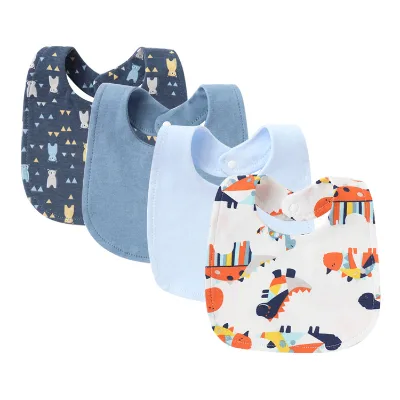


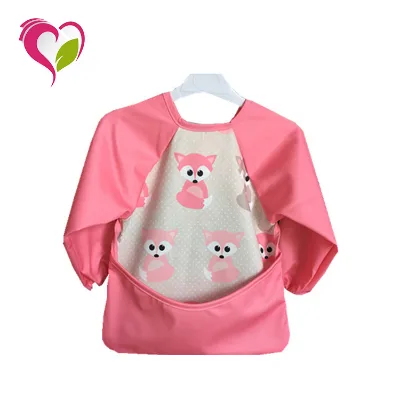
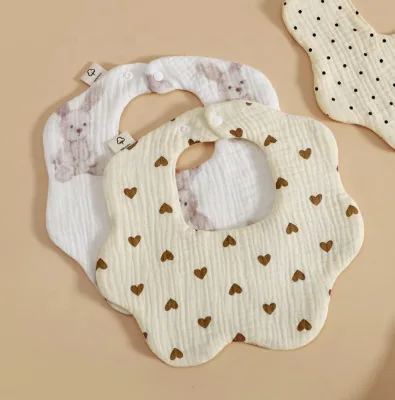


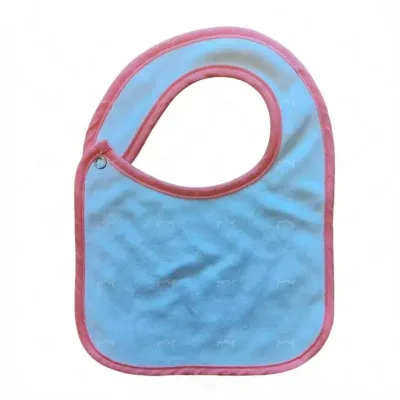
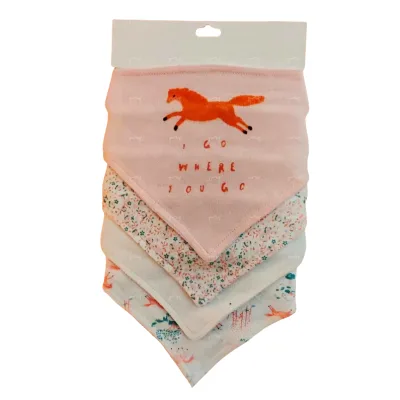
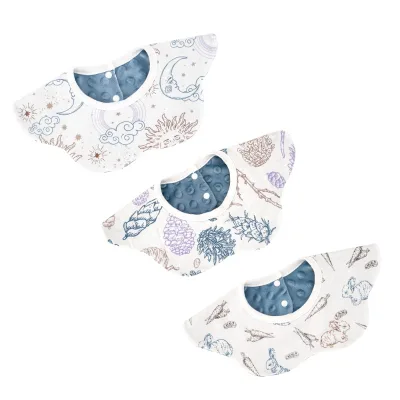
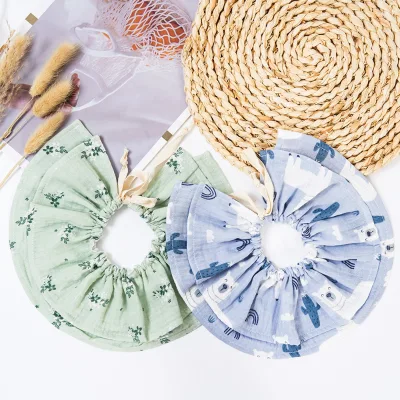
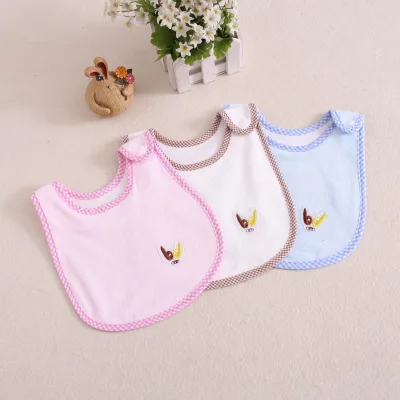


Comprehensive Sourcing Guide
Eco-Friendly Printed Baby Bib Supplier Concentration and Factory Types
The current supplier landscape for eco-friendly printed baby bibs reveals a distinct concentration of manufacturing and trading entities within specific Chinese provinces, primarily Jiangsu and Fujian. These regions serve as critical hubs for textile production, offering established supply chains for cotton materials and printing technologies. Suppliers located in Jiangsu often specialize in a broader range of baby care products, including handkerchiefs, muslin cloths, and facial cleansing cloths, indicating a versatile manufacturing capability that extends beyond simple bib production. This diversification suggests that factories in this region are equipped to handle various fabric types and customization requests, which is essential for producing high-quality printed bibs that meet specific eco-friendly standards. The presence of trading companies in these clusters further facilitates access to a wider array of product options, allowing buyers to source from entities that may not own factories but have strong relationships with verified manufacturers. Understanding this geographic concentration helps buyers identify where to look for suppliers with the necessary infrastructure to produce cotton-based, printed baby bibs efficiently.
In contrast, suppliers based in Fujian appear to focus more heavily on specific product lines such as EVA clogs, flip-flops, and promotional gifts, alongside baby bibs. This suggests a different manufacturing specialization, potentially leaning towards water-resistant or synthetic material blends, although cotton options are also available. The distinction between Jiangsu and Fujian suppliers highlights the importance of aligning your sourcing strategy with the specific capabilities of the region. While Jiangsu suppliers may offer a more comprehensive range of textile-based baby products, Fujian suppliers might provide competitive advantages in terms of response times or specific product designs like water-resistant bibs. Buyers should consider these regional differences when evaluating potential partners, as the location can influence not only the product variety but also the logistical efficiency and communication dynamics. Recognizing these patterns allows for a more targeted approach to supplier identification, ensuring that the chosen partners have the relevant expertise and infrastructure to meet the demands of eco-friendly printed baby bib production.
How to Verify Eco-Friendly Printed Baby Bib Suppliers
Verifying the credibility and capabilities of suppliers requires a multi-layered approach that goes beyond basic company profiles. One critical step is to check for third-party verification badges, such as those from TÜV Rheinland, which indicate that the supplier has undergone rigorous audits for business legitimacy and operational standards. These verifications provide a baseline level of trust, ensuring that the entity is a legitimate business entity rather than a shell company. Additionally, buyers should scrutinize the supplier’s response time, as a quick and professional response often correlates with better customer service and operational efficiency. A response time of around one to three hours is generally indicative of a responsive team, which is crucial for resolving issues related to custom designs or production delays. Furthermore, examining the supplier’s main products can reveal their core competencies; a supplier listing baby bibs alongside other textile items like muslin cloths or handkerchiefs is likely more specialized in this niche than a general trading company with a disparate product range.
Beyond verification badges and response metrics, buyers must assess the supplier’s product specifications and certifications closely. For eco-friendly printed baby bibs, it is essential to confirm that the materials used, such as 100% cotton or cotton terry, meet specific environmental and safety standards. Look for product attributes that explicitly mention eco-friendly features, washability, and compliance with standards like CE. The presence of detailed product attributes, such as material composition, customization options, and packing specifications, indicates a level of transparency and professionalism. Buyers should also verify the supplier’s ability to provide custom designs, including logo embroidery and specific color choices, as this demonstrates their flexibility and commitment to meeting unique buyer requirements. By combining these verification methods, buyers can build a comprehensive profile of each supplier, ensuring that they select partners who not only meet basic business criteria but also possess the technical expertise and ethical standards required for producing high-quality, eco-friendly baby bibs.
What to Compare Across Eco-Friendly Printed Baby Bib Suppliers
When evaluating multiple suppliers, it is crucial to compare key operational metrics such as minimum order quantities (MOQ), lead times, and pricing structures to determine the best fit for your business needs. MOQs can vary significantly, ranging from 500 pieces for certain water-resistant designs to 3,000 pieces per design for custom printed options. Understanding these thresholds helps buyers assess the financial risk and inventory management implications of each supplier. Similarly, lead times are a critical factor, with some suppliers offering a standard 30-day production window. This timeline allows for adequate planning and ensures that orders can be fulfilled within expected delivery schedules. By comparing these operational details, buyers can identify suppliers who align with their production cycles and inventory strategies, avoiding potential bottlenecks or excess stock issues.
In addition to operational metrics, buyers should compare the customization capabilities and product attributes offered by each supplier. Some suppliers provide extensive customization options, including logo embroidery, specific sizes, and custom packaging, which can be vital for brand differentiation. The material composition, such as 100% cotton terry or plain cotton, also plays a significant role in product quality and eco-friendliness. Buyers should also consider the response time of the supplier, as quicker responses can facilitate smoother communication and faster resolution of queries. Furthermore, comparing the price ranges, which can vary from $0.10 to $1.36 per unit depending on the product type and customization level, helps in budgeting and cost analysis. By systematically comparing these factors, buyers can make informed decisions that balance cost, quality, and operational efficiency, ensuring that the selected supplier meets all their specific requirements for eco-friendly printed baby bibs.
Common Eco-Friendly Printed Baby Bib Sourcing Risks
One of the primary risks in sourcing eco-friendly printed baby bibs is the potential discrepancy between claimed eco-friendly attributes and actual product specifications. Buyers must be vigilant in verifying that materials labeled as "eco-friendly" are indeed made from sustainable sources, such as 100% organic cotton or certified recycled materials. Without proper verification, there is a risk of receiving products that do not meet environmental standards, which can damage brand reputation and lead to customer dissatisfaction. Additionally, the complexity of customization, such as logo embroidery and specific color matching, introduces risks related to quality control and consistency. Suppliers may struggle to maintain uniformity across large orders, leading to variations in print quality or fabric texture. Buyers should establish clear quality benchmarks and request samples before committing to large orders to mitigate these risks.
Another significant risk is the reliability of supply chain logistics, particularly when dealing with suppliers in different regions. Variations in lead times and production capacities can lead to delays, impacting inventory levels and sales timelines. Buyers should assess the supplier’s ability to handle peak demand and their contingency plans for potential disruptions. Furthermore, the risk of intellectual property infringement is a concern when working with suppliers who offer extensive customization options. Buyers must ensure that their designs and logos are protected and that the supplier adheres to confidentiality agreements. By identifying and addressing these risks proactively, buyers can build a more resilient sourcing strategy, ensuring that their eco-friendly printed baby bibs meet both quality and ethical standards while maintaining operational efficiency.
Eco-Friendly Printed Baby Bib Regional Sourcing and Logistics
Sourcing eco-friendly printed baby bibs from China involves navigating the logistical advantages and challenges associated with different manufacturing regions. Jiangsu and Fujian are key provinces for textile production, each offering distinct logistical benefits. Jiangsu, with its established textile industry, provides access to a wide range of materials and manufacturing expertise, making it an ideal location for complex, customized orders. The region’s infrastructure supports efficient transportation and distribution, reducing transit times to major ports. Buyers should consider the proximity of suppliers to shipping hubs when planning logistics, as this can impact overall delivery costs and timelines. Additionally, the concentration of suppliers in Jiangsu facilitates easier communication and collaboration, as many entities are familiar with international trade practices and standards.
Fujian, on the other hand, offers a different logistical profile, with suppliers often focusing on specific product lines and faster response times. This region’s specialization in items like water-resistant bibs and promotional gifts may provide competitive advantages in terms of production speed and cost efficiency. Buyers should evaluate the logistical implications of sourcing from Fujian, considering factors such as port accessibility and local transportation networks. By understanding the logistical landscape of these regions, buyers can optimize their supply chain, ensuring timely delivery and cost-effective transportation. Furthermore, working with suppliers who have experience in international shipping can help mitigate logistical risks, ensuring that orders are handled professionally and delivered as scheduled. This regional awareness is crucial for building a robust and efficient sourcing strategy for eco-friendly printed baby bibs.
Eco-Friendly Printed Baby Bib Commercial Terms and Order Planning
Effective order planning for eco-friendly printed baby bibs requires a thorough understanding of commercial terms, including pricing, payment conditions, and customization policies. Pricing can vary significantly based on material quality, customization level, and order volume, with ranges from $0.10 to $1.36 per unit. Buyers should negotiate clear pricing structures that account for any additional costs associated with custom designs, such as logo embroidery or specific packaging. Payment terms should be aligned with the supplier’s requirements and the buyer’s cash flow needs, ensuring that transactions are secure and transparent. Additionally, buyers should clarify the supplier’s policies on returns, defects, and quality assurance to mitigate financial risks. By establishing clear commercial terms, buyers can protect their interests and ensure a smooth transaction process.
Customization policies are another critical aspect of order planning, as they directly impact product design and production timelines. Buyers should confirm the supplier’s capabilities in handling custom designs, including size, color, and material specifications. It is essential to agree on the number of samples required for approval and the timeline for sample production. Furthermore, buyers should discuss the supplier’s capacity to handle large orders and their ability to maintain quality consistency across batches. By addressing these commercial and operational details upfront, buyers can avoid misunderstandings and ensure that the final products meet their expectations. This proactive approach to order planning helps build a strong partnership with suppliers, fostering trust and reliability in the long term.
FAQs
What is the price range for eco-friendly printed baby bibs?
Prices for eco-friendly printed baby bibs typically range from 0.10 to 1.36 USD per piece. Specific costs depend on material type, customization options, and order volume. Buyers should verify exact pricing based on their required quantity and design specifications before placing an order.
What are the minimum order quantities for these bibs?
Minimum order quantities vary by product type, ranging from 500 to 3000 pieces. Some standard plain bibs require 2000 units, while custom printed options may start at 1000 or 3000 pieces. Buyers must check specific product listings to confirm the exact MOQ for their selected design.
How long does it take to receive these baby bibs?
Lead times for eco-friendly printed baby bibs are generally around 30 days. This duration covers production and preparation for shipment. Buyers should confirm specific delivery schedules with suppliers, as lead times can vary based on order complexity and current production capacity.
Are these bibs made from 100% cotton materials?
Yes, many eco-friendly printed baby bibs are made from 100% cotton or 100% cotton terry. Some products also utilize muslin cloth for added softness. Buyers should verify material specifications in product details to ensure the fabric meets their specific quality and safety requirements.
Can I customize the design and logo on these bibs?
Customization is available for most eco-friendly printed baby bibs, including logo embroidery and custom colors. Buyers can request specific sizes, patterns, and packaging options. However, customization often requires meeting higher minimum order quantities, so planning ahead is essential for successful production.
Where are these baby bibs manufactured?
These bibs are manufactured in China, specifically in regions like Jiangsu and Fujian. Suppliers in these locations offer various cotton-based products. Buyers should verify the exact origin of their selected items to ensure compliance with any regional sourcing preferences or trade requirements.
Do these suppliers have any quality certifications?
Some suppliers hold TUVRHEINLAND verification and their products meet CE standards. These certifications indicate adherence to specific safety and quality benchmarks. Buyers should request current certification documents directly from suppliers to confirm that the products meet their specific regulatory needs.