eco-friendly stainless steel soap pump Suppliers and Manufacturers
Compare 19 verified suppliers offering eco-friendly stainless steel soap pumps with details on location, lead times, and MOQs. Review product specifications like material and finishings before requesting samples or quotes; review the available evidence before requesting comparable quotations from suitable candidates.
Updated
Suppliers List
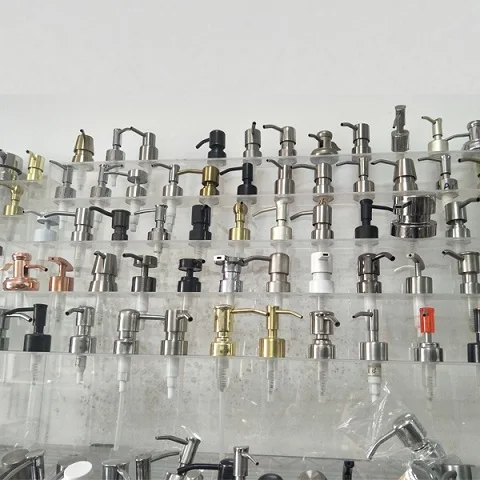
Xiamen Cosyee Houseware Co., Ltd.
- Trading Company
- Fujian, China
- Lead time30 days
- Avg. response≤ 3h
Main productssoap dispenser pump,customized soap dispenser,soap dispenser holders,oil pourers,soap dispenser tray
Main marketsSouth America(60.00%), Northern Europe(30.00%), South Asia(2.00%), Southern Europe(2.00%), Eastern Europe(2.00%), Western Europe(2.00%), Southeast Asia(2.00%)
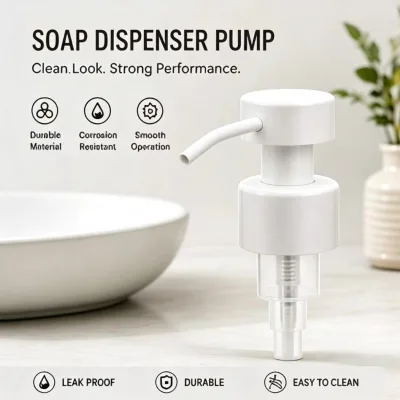
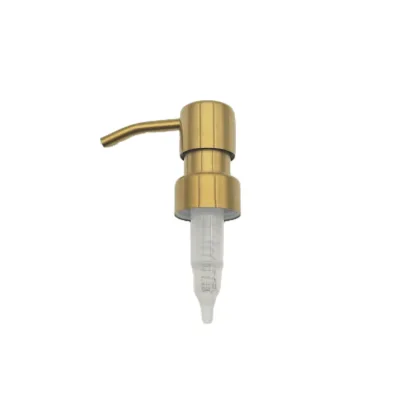
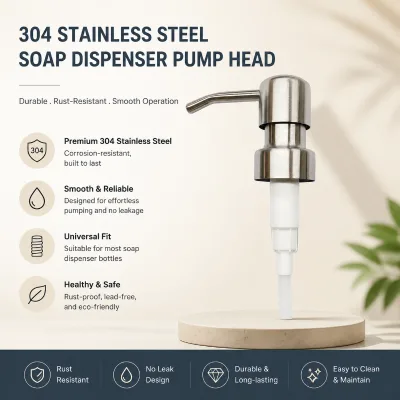
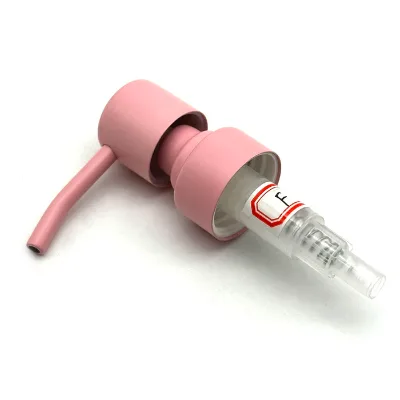
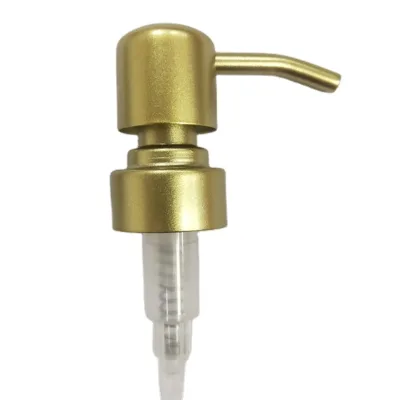
High Quality Stainless Steel Gold 28/410 Soap Sink Small Hand Wash Pump
$0.814 - $1.4016
MOQ: 250 pieces

Xiamen Cosyee Houseware Co., Ltd.
- Verified by SGS
- Trading Company
- China Fujian
- Lead time30 days
- Avg. response≤ 2h
Main marketsEurope,North America


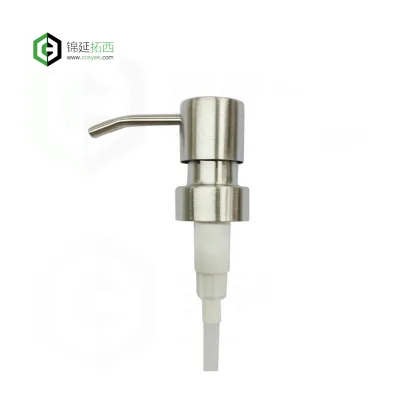
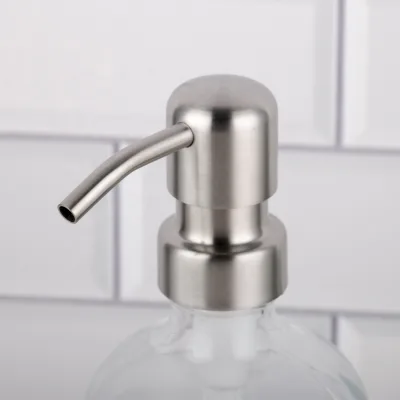
Brushed Stainless Steel Liquid Soap Pump for Refillable Bathroom and Kitchen Bottles
$1.25 - $1.30
MOQ: 500 Pieces

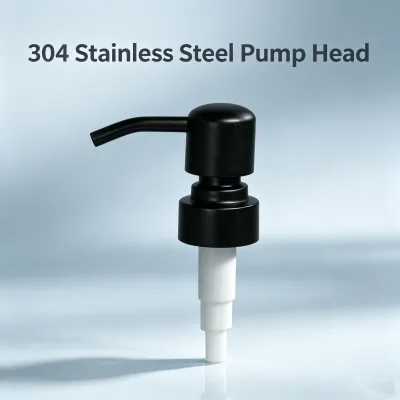
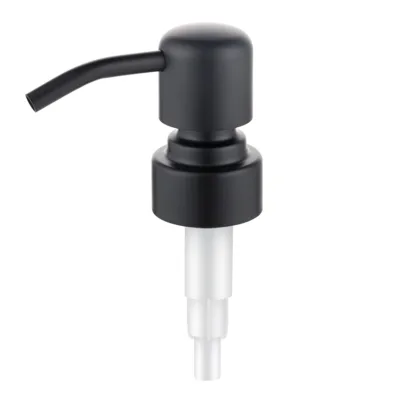
Stainless Steel Hand Sanitizer Body Wash Lotion Pressure Nozzle Black Soap Pump
$0.70 - $1.25
MOQ: 5000 Pieces


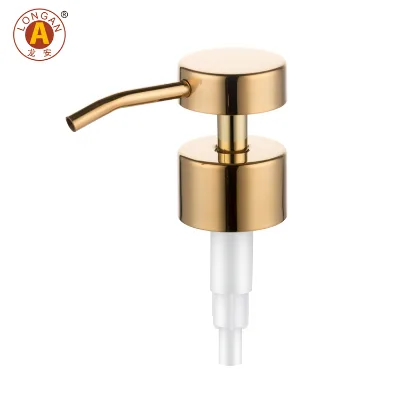
Golden Stainless Steel Liquid Soap Dispenser 28.5/410 Stainless Steel Lotion Pump
$1.25 - $1.35
MOQ: 500 Pieces

Hot Selling 304 Stainless Steel28mm 24mm Soap Dispenser Pump Liquid Soap Pump
$0.70 - $1.25
MOQ: 500 Pieces
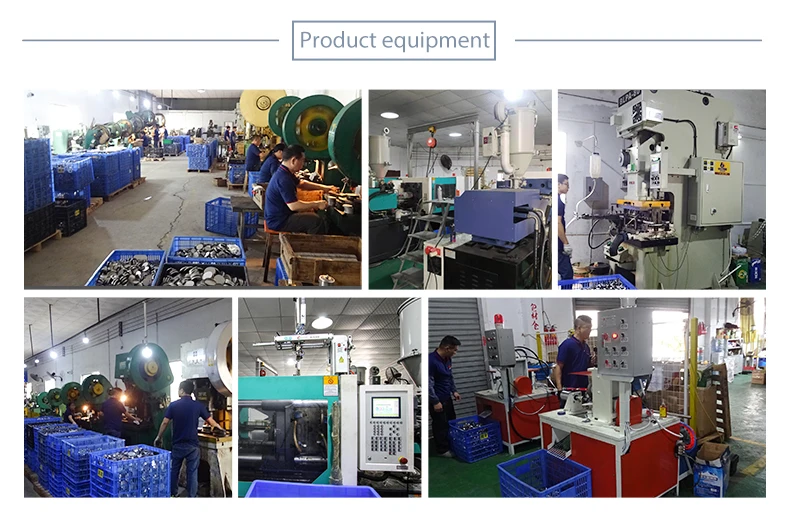
Jiangmen Longan Houseware Co., Ltd.
- Manufacturer, Trading Company
- Lead time旺季: "1 - 1":7,"2 - 1000":25,"1001 - 10000":35,"> 10000":"To be negotiated", 淡季: "1 - 1":7,"2 - 1000":25,"1001 - 10000":35,"> 10000":"To be negotiated"
- Avg. response≤ 2h
Main productsSoap Bottle, Soap Dispenser Pump, Soap Dispenser
Jiangmen Yueyufeng Hardware & Plastic Co., Ltd.
- Manufacturer, Trading Company
- Guangdong, China
- Lead time26 days
- Avg. response≤ 6h
Main productsLotion Pump,Bathroom Accessories Set,Soap Dispenser,Stainless Steel Oil Lamp,Paper Holder
Main marketsNorth America(40.00%), South America(20.00%), Western Europe(10.00%), Mid East(10.00%), Northern Europe(10.00%), Southern Europe(5.00%), Eastern Europe(5.00%)

NINGBO KINHO PACKAGING CO., LTD.
- Manufacturer/Factory
- China Zhejiang
- Lead time23 days
- Avg. response≤ 8h
Main productsTrigger Sprayer, Lotion Pump, Foam Pump, Nail Polish Pump, Mist Sprayer, Airless Bottle, PP Bottle, Pet Bottle, HDPE Bottle, Cosmetic Jar
Main marketsSouth America,Mid East,North America,Southeast Asia,Eastern Asia,Oceania,Western Europe,Africa


Metal Stainless Steel Soap Dispenser Bathroom Washing Lotion Pump 28/400 28/410 24/410
$0.73 - $0.75
MOQ: 2000 Pieces
Jiangmen Longan Houseware Co., Ltd.
- Verified by Intertek
- Manufacturer, Trading Company
- Lead time20 days
- Avg. response≤ 2h
Main productsSoap Dispenser, Lotion Pump, Soap Bottle
Main marketsNorth America(50%), Southeast Asia(25%), Western Europe(12%)
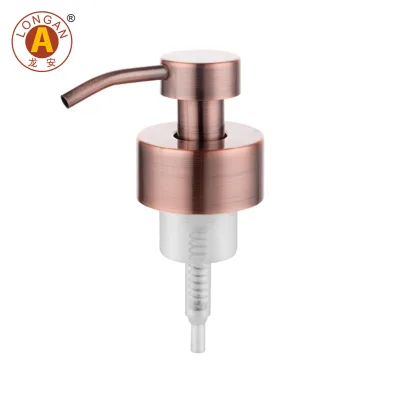
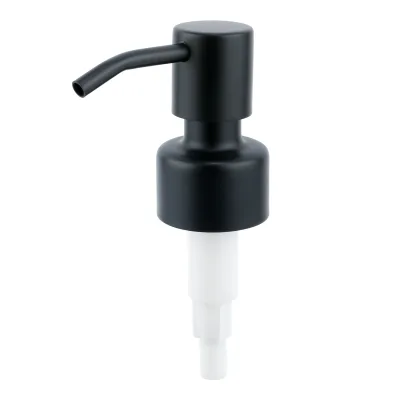
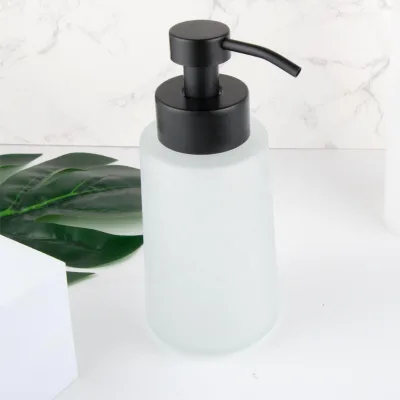
$1.0178 - $1.8483
MOQ: 1 pieces
Guangzhou Fengyun Plastic Products Co., Ltd.
- Verified by SGS Group
- Manufacturer, Trading Company
- Lead time0 days
- Avg. response≤ 2h
Main productsPlastic Pump, Plastic Bottles, Lotion Pump, Foam Pump, Mist Sprayer Pump
Main marketsDomestic Market(25%), North America(20%), Eastern Europe(10%)
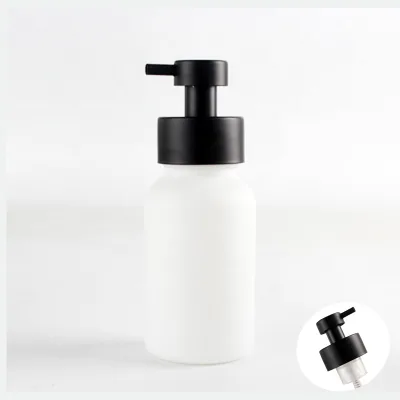
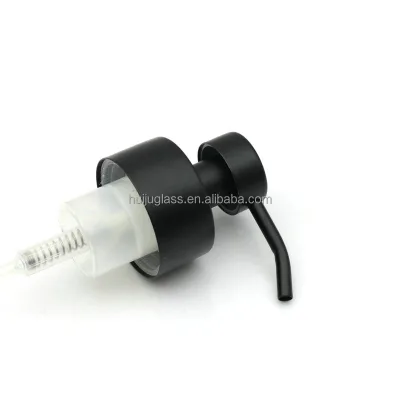
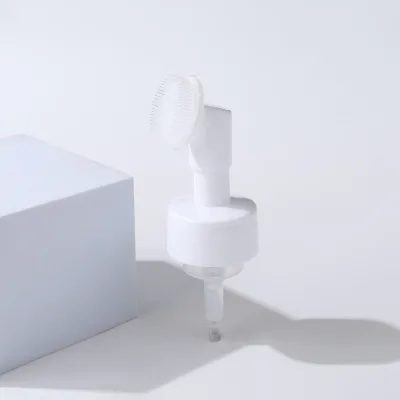
44mm Stainless Steel Matte Black Short Nozzle Soap Foam Pump 30mm 40mm 38mm 28/410
$0.78 - $0.82
MOQ: 10000
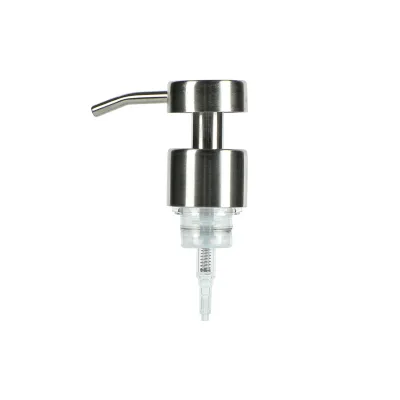
$0.85 - $0.88
MOQ: 10000 pieces

Yuyao Yuge Commodity Packing Co., Ltd.
- Verified by SGS
- Combined
- China Zhejiang
- Lead time15 days
- Avg. response≤ 9h
Main productsLotion Pump, Trigger Sprayer, Plastic Cap, Cosmetic Packaging
Main marketsSouth America,Europe,Australia,North America


24mm 28mm Nature Raw Material Lotion Pump Stainless Steel Hand Wash Lotion Pump
$0.87
MOQ: 2000 pieces
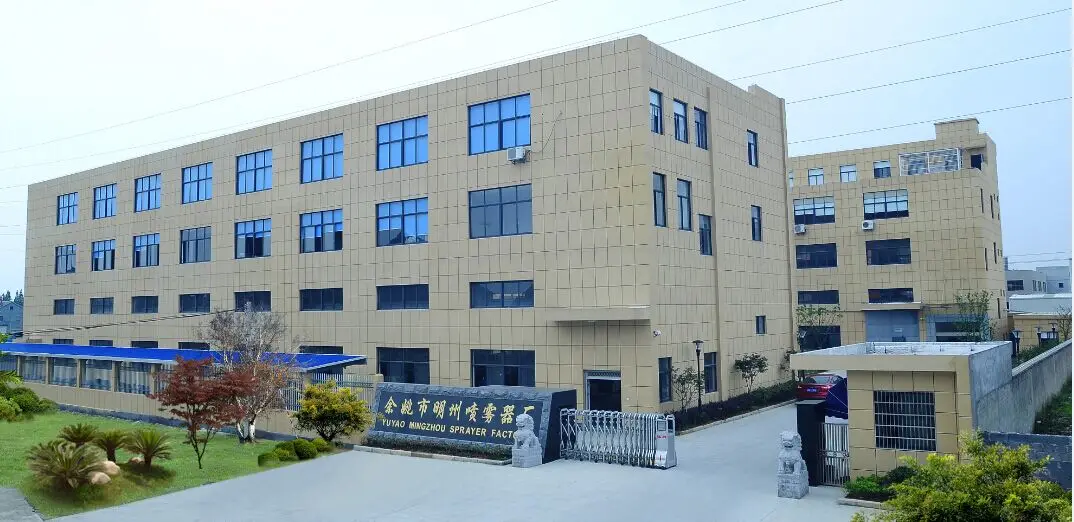
Yuyao Mingzhou Sprayer Factory
- Manufacturer
- Zhejiang, China
- Lead time25 days
- Avg. response≤ 7h
Main productsLotion Pump,Metal Pump,Foam Pump,PET Box,Trigger Sprayer
Main marketsDomestic Market(30.00%), North America(25.00%), Eastern Europe(8.00%), South America(5.00%), Western Europe(5.00%), Africa(3.00%), South Asia(3.00%), Southern Europe(3.00%), Northern Europe(3.00%), Central America(3.00%), Southeast Asia(3.00%), Eastern Asia(3.00%), Mid East(3.00%), Oceania(3.00%)
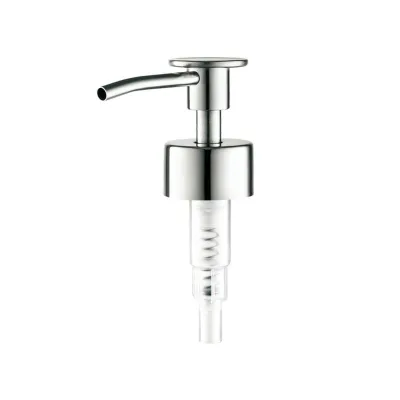
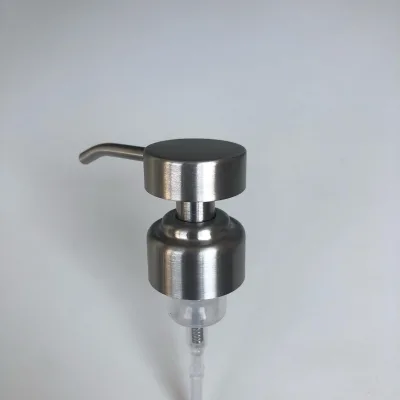
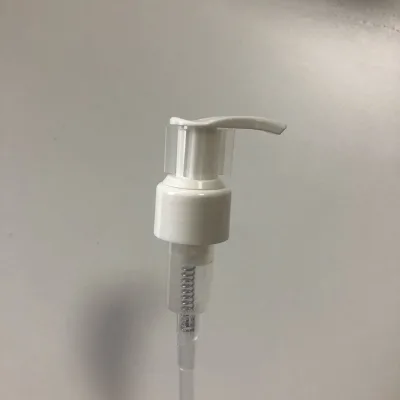
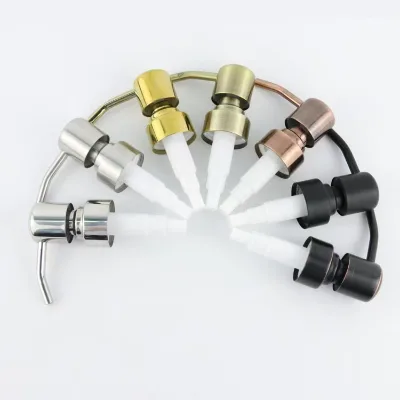
ElegantStainlessSteelPumpTopwithWideBottleCompatibilityfor SoapLotionandCream
$0.6266 - $0.8979
MOQ: 1 Minimum

NINGBO KINPACK COMMODITY CO., LTD.
- Verified by TUVRHEINLAND
- Trading Company
- China Zhejiang
- Lead time30 days
- Avg. response≤ 5h
Main productsFoam Pump, Ailress Bottle, Trigger Sprayer, Lotion Pump, Airless Jars, Treatment Pump, Lotion Bottle, Mini Trigger Sprayer, Cosmetics Package, Outdoor Products
Main marketsSouth America,Africa,Southeast Asia/ Mideast,East Asia(Japan/ South Korea),Domestic,Europe

Ningbo Kylin Packaging Solutions Co., Ltd.
- Verified by TUVRHEINLAND
- Manufacturer/Factory
- China Zhejiang
- Lead time23 days
- Avg. response≤ 9h
Main productsTrigger Sprayer, Lotion Pump, Fine Mist Sprayer, Plastic Cap, Dropper, Cream Pump, Airless, Glass Bottle, Alum. Bottle, Mini Trigger
Main marketsSouth America,Eastern Europe,North America,Oceania,Western Europe
Xuzhou Huiju Glass Products Co., Ltd.
- Manufacturer, Trading Company
- Jiangsu, China
- Lead time20 days
- Avg. response≤ 3h
Main productsSupplement Bottle,Unishell Cap,Oud Oil Bottles,Candle Jars,Amber Jars
Main marketsNorth America(40.00%), Mid East(20.00%), Oceania(10.00%), Southeast Asia(7.00%), South America(5.00%), Southern Europe(3.00%), Northern Europe(3.00%), Western Europe(3.00%), South Asia(2.00%), Africa(2.00%), Central America(2.00%), Eastern Europe(2.00%), Eastern Asia(1.00%)
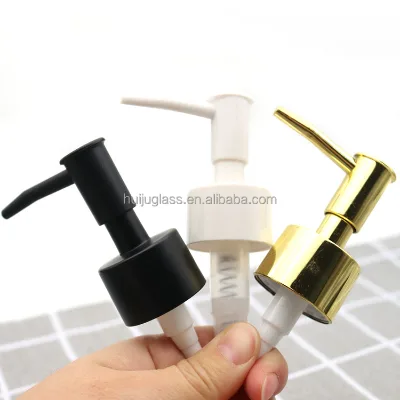
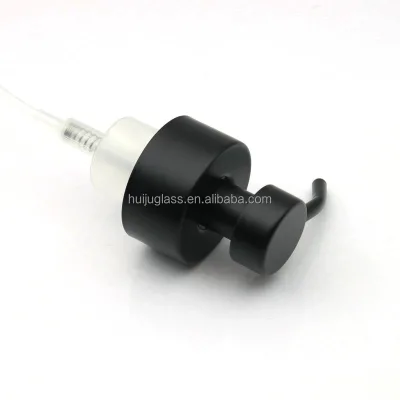
$0.90 - $2.00
MOQ: 100 pieces

- Verified by SGS
- Combined
- China Zhejiang
- Lead time30 days
- Avg. response≤ 11h
Main productsTrigger Sprayer, Lotion Pump, Mini Trigger Sprayer, Foam Pump, Cream Pump, Airless Bottle
Main marketsEurope
Yuyao Lonshine Sprayer Co.,ltd
- Verified by SGS Group
- Manufacturer, Trading Company
- Lead time20 days
- Avg. response≤ 3h
Main productsTrigger Sprayer, Nail & Cleaning Pump, Fine Mist Sprayer, Lotion Pump, Airless Bottle
Main marketsSoutheast Asia(60%), North America(10%), South America(10%)

Foshan Color Pump Technology Co., Ltd
- Verified by SGS
- Combined
- China Guangdong
- Lead time30 days
- Avg. response≤ 3h
Main productsLotion Pump, Foam Pump
Main marketsDomestic,Europe

Plastic Foam Pump 40mm 42mm 43mm Hand Wash Soap Pump Foaming Shampoo Pump
$0.10 - $0.15
MOQ: 20000 Pieces


HANG ZHOU KOSMETEK INDUSTRY CO., LTD.
- Verified by CTI
- Trading Company,Manufacturer/Factory
- China Zhejiang
- Lead time23 days
- Avg. response≤ 25h
Main productsTrigger Sprayer, Lotion Pump, Mist Sprayer, Foam Pump, Nail Polish Bottle, Perfume Sprayer, Pet Preforms, Nail Polish Pump, Plastic Cap, Pet Bottles
Main marketsSouth America,Eastern Europe,Mid East,North America,Southeast Asia,Eastern Asia,Oceania,Western Europe,Africa

Ningbo Fantasy Packaging Co., Ltd.
- Verified by SGS
- Trading Company,Manufacturer/Factory
- China Zhejiang
- Lead time23 days
- Avg. response≤ 7h
Main productsLotiton Pump, Trigger Sprayer, Mini Sprayer, Foam Pump, Mist Sprayer, Card Sprayer, Plastic Cap, Plastic Jar, Plastic Bottle, Airless Bottle
Main marketsSouth America,Eastern Europe,Mid East,North America,Southeast Asia,Eastern Asia,Oceania,Western Europe,Africa

Guangzhou Zhengxi Packing Products Co., Ltd.
- Verified by BV
- Combined
- China Guangdong
- Lead time15 days
- Avg. response≤ 15h
Main productsLotion Pump
Main marketsSouth America,Southeast Asia/ Mideast,East Asia(Japan/ South Korea),Europe,Australia,North America

Factory Direct Customization Eco-Friendly Plastic PP Liquid Soap Lotion Pump
$0.04 - $0.089
MOQ: 10000 Pieces


Jiangyin Success Industry Co., Ltd.
- Verified by Intertek
- Trading Company
- Lead time40 days
- Avg. response≤ 2h
Main productsEssential Oil Bottle, Glass Bottle, Lotion Bottle, Diffuser Glass Bottle, UV Bottle
Main marketsNorth America(50%), South America(20%), Western Europe(20%)
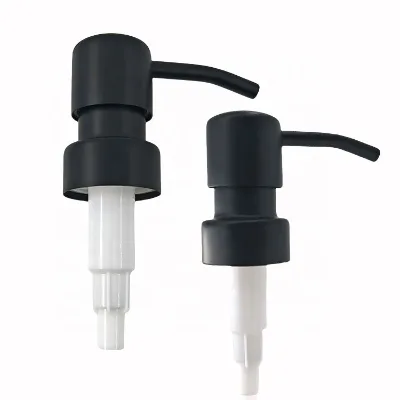
Custom Color Lotion Pump Metal 28/410 Stainless Steel Refill Soap Dispenser Pump
$1.00
MOQ: 5000 Minimum
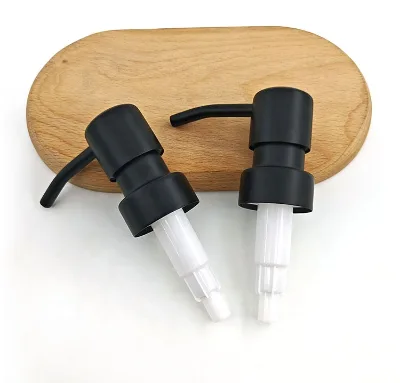
28/400 Soap Pump Lotion 304 Stainless Steel Round Pump Head Hotel Bathroom Metal Press Nozzle
$0.84 - $1.65
MOQ: 100 pieces
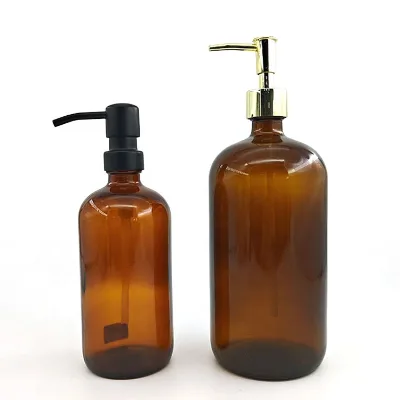
Rotary Stainless Steel Pump Custom Matte Pump Hair Lotion Pressure Pump Head
$0.84 - $1.65
MOQ: 100 pieces




Comprehensive Sourcing Guide
Eco-Friendly Stainless Steel Soap Pump Supplier Concentration and Factory Types
The current supplier landscape for eco-friendly stainless steel soap pumps is heavily concentrated in Fujian, China, a region that has emerged as a significant manufacturing hub for these specific packaging auxiliary materials. This geographic clustering suggests a mature supply chain ecosystem where specialized tooling and material sourcing are readily available, potentially offering buyers access to a dense network of capable producers. The primary company type observed in this sector is the Trading Company, which acts as an intermediary between the factory floor and the international buyer. These entities often aggregate products from multiple workshops or smaller factories, providing a broader catalog of finishes and models than a single production line might offer. For buyers seeking direct factory engagement, it is crucial to verify whether the trading company has exclusive rights or direct operational control over the manufacturing facilities in Fujian. Understanding this structural dynamic helps in assessing the reliability of production capacity and the flexibility of the supply chain during peak demand periods.
Within this concentrated region, the product range extends beyond simple soap dispensers to include customized soap dispenser holders, oil pourers, and specialized trays, indicating a versatile manufacturing capability. The presence of main products like heavy-duty stainless steel foam pumps and durable metal satin pumps highlights a focus on both aesthetic appeal and functional durability. Buyers should note that while the location is consistently reported as Fujian, China, the specific factory addresses may vary, requiring due diligence to ensure consistency in quality control. The trading company model allows for easier communication and order consolidation, but it also introduces a layer of complexity regarding direct technical support. Therefore, evaluating the depth of the supplier’s technical knowledge and their ability to coordinate with the actual production site is essential. This structure supports a wide variety of custom orders, including logo printing and specific finish choices, which are key differentiators in the competitive soap pump market.
How to Verify Eco-Friendly Stainless Steel Soap Pump Suppliers
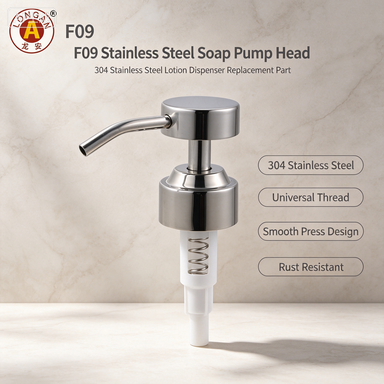
Verification of suppliers in this niche requires a multi-layered approach that goes beyond basic profile checks, focusing heavily on material authenticity and production capabilities. One critical step is to confirm the specific grade of stainless steel used, as products are frequently described as 304 stainless steel, which offers superior corrosion resistance compared to lower grades. Buyers should request material test reports or certificates of compliance to ensure the metal meets the specified standards for durability and safety, especially since these pumps come into direct contact with soaps and lotions. Additionally, the presence of third-party verifications, such as SGS, serves as a strong indicator of a supplier’s commitment to quality and transparency. However, buyers must ensure that such certifications are current and directly applicable to the specific product lines being ordered, rather than being generic company credentials. This verification process helps mitigate the risk of receiving substandard materials that may rust or fail prematurely in use.
Another vital aspect of verification is assessing the supplier’s responsiveness and their ability to handle custom orders effectively. The response time is a key metric, with some suppliers demonstrating rapid reply rates, which is crucial for resolving technical queries regarding thread sizes, straw lengths, and finish options. Buyers should test this responsiveness by asking detailed questions about the manufacturing process, such as the methods used for logo printing, whether it is UV printing or heat transfer, and the availability of free samples. The ability to provide free samples, as noted in several product listings, is a strong positive signal, allowing buyers to physically inspect the finish, weight, and pumping mechanism before committing to a large order. Furthermore, verifying the supplier’s capacity for OEM branding and their experience with international standards can provide confidence in their ability to meet specific market requirements. This due diligence ensures that the supplier is not just a reseller but a capable partner in the supply chain.
What to Compare Across Eco-Friendly Stainless Steel Soap Pump Suppliers
When evaluating multiple suppliers, it is essential to compare key operational metrics such as minimum order quantities, lead times, and pricing structures to find the best fit for your business needs. The minimum order quantity (MOQ) varies significantly across the market, with some suppliers requiring as few as 250 pieces, while others set the bar at 500 or even 1000 pieces. This variation allows buyers with different volume requirements to find suitable partners, but it also necessitates careful calculation of total landed costs, including shipping and tariffs. Lead times are another critical factor, with standard production cycles often cited around 30 days, which impacts inventory planning and stock replenishment strategies. Buyers should also compare the response times of different suppliers, as quicker communication can lead to faster problem resolution and smoother order processing. These operational differences can significantly affect the overall efficiency of the sourcing process and the reliability of delivery schedules.
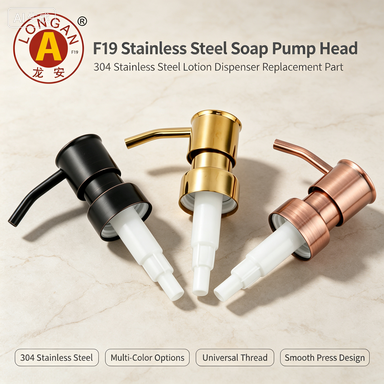
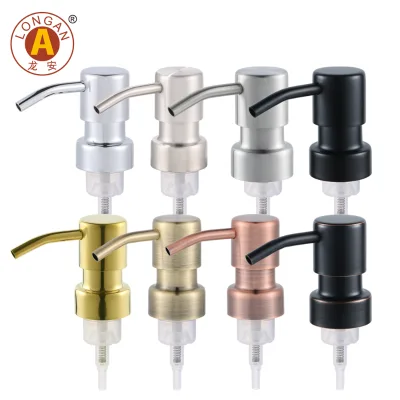
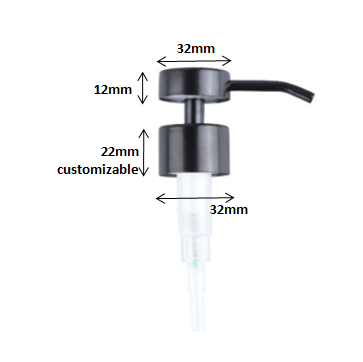
In addition to operational metrics, buyers should compare the specific product attributes and customization options available from each supplier. The range of available finishes, including mirror, chrome, bronze, antique copper, golden, ORB, and black, offers significant aesthetic flexibility, but the quality and consistency of these finishes can vary. It is important to compare the thread sizes offered, such as 28/400, 28/410, and 24/410, to ensure compatibility with existing bottle inventory. Some suppliers may offer additional features like eco-friendly certifications or specific output volumes, such as 2cc foam pumps, which can be a deciding factor for certain applications. Comparing the single package size and gross weight is also useful for estimating shipping costs, as these dimensions directly impact freight charges. By systematically comparing these details, buyers can identify suppliers that offer the best balance of quality, customization, and cost-effectiveness for their specific product requirements.
Common Eco-Friendly Stainless Steel Soap Pump Sourcing Risks
One of the primary risks in sourcing stainless steel soap pumps is the potential discrepancy between the specified material grade and the actual product received. While suppliers may claim to use 304 stainless steel, there is a risk of receiving lower-grade metals that are more prone to corrosion and rust, especially in humid bathroom environments. This risk is exacerbated if the buyer does not conduct thorough material verification or request independent testing. Another significant risk is the inconsistency in finish quality, where the advertised colors or textures may not match the final product due to variations in the plating or coating process. Buyers must be vigilant in requesting samples to inspect the finish durability and resistance to scratching or fading. Additionally, the risk of thread incompatibility is high, as there are multiple standard sizes, and a mismatch can render the pumps unusable with existing bottles. This underscores the importance of precise specification communication and verification before placing large orders.
Another common risk is the variability in supplier reliability and communication, which can lead to delays and misunderstandings. Trading companies, while convenient, may sometimes lack direct control over production schedules, leading to unexpected lead time extensions. Buyers should be aware that response times can vary, and a slow response may indicate underlying operational issues or a lack of dedicated support for international clients. There is also the risk of hidden costs, such as additional charges for logo printing or custom packaging, which may not be clearly stated in the initial quotation. Furthermore, the risk of intellectual property infringement exists if the supplier uses unauthorized designs or logos. To mitigate these risks, buyers should establish clear contracts with defined penalties for delays and quality issues, and maintain open lines of communication throughout the production process. Regular quality checks and third-party inspections can also help ensure that the final products meet the agreed-upon standards.
Eco-Friendly Stainless Steel Soap Pump Regional Sourcing and Logistics
Sourcing from Fujian, China, offers logistical advantages due to the region’s well-developed infrastructure and proximity to major shipping ports, which can facilitate efficient export operations. The concentration of suppliers in this area allows for easier consolidation of orders from multiple vendors, potentially reducing shipping costs and simplifying logistics management. However, buyers must also consider the impact of regional trade policies and tariffs on the final cost of goods. Understanding the specific export procedures and documentation requirements for stainless steel products is crucial to avoid delays at customs. Additionally, the lead time for production, typically around 30 days, should be factored into the overall logistics plan, including transit time and customs clearance. Buyers should work closely with their suppliers to ensure that all necessary paperwork, such as certificates of origin and material compliance documents, are prepared accurately and in a timely manner.
Logistics planning also involves selecting the appropriate shipping method based on the volume and urgency of the order. For smaller orders, air freight may be considered for its speed, although it comes at a higher cost. For larger volumes, sea freight is often more economical, but it requires careful planning to manage inventory levels and avoid stockouts. Buyers should also consider the packaging dimensions and weight, as these factors directly influence shipping costs. Some suppliers provide single package sizes that are optimized for space efficiency, which can help reduce freight charges. Additionally, buyers should evaluate the supplier’s experience with international shipping and their ability to handle any logistical challenges that may arise during transit. Establishing a reliable relationship with a freight forwarder can also provide valuable support in navigating the complexities of international logistics. By carefully planning the logistics, buyers can ensure a smooth and cost-effective supply chain.
Eco-Friendly Stainless Steel Soap Pump Commercial Terms and Order Planning
Commercial terms play a crucial role in the success of any sourcing transaction, and buyers must carefully negotiate payment terms, warranties, and return policies to protect their interests. It is advisable to use secure payment methods, such as escrow services, to ensure that funds are only released upon satisfactory delivery of the goods. Buyers should also clarify the warranty period for the pumps, particularly regarding issues like rusting or mechanical failure, and understand the process for claiming replacements or refunds. Additionally, it is important to discuss the terms for sample orders, including whether samples are free and if the cost is deductible from the final order. Clear communication of these commercial terms helps to establish trust and ensures that both parties have a shared understanding of their responsibilities and expectations throughout the transaction.
Order planning should be aligned with the supplier’s production capacity and lead times to avoid disruptions in supply. Buyers should consider seasonal demand fluctuations and plan their orders accordingly to ensure timely delivery. It is also beneficial to establish a long-term relationship with the supplier, which can lead to better pricing, priority production slots, and improved customer service. Regular communication and feedback can help identify potential issues early and foster a collaborative partnership. Buyers should also monitor market trends and competitor offerings to stay competitive and adjust their product strategies as needed. By combining careful commercial negotiation with strategic order planning, buyers can optimize their sourcing efforts and achieve sustainable growth in their business. This holistic approach ensures that the supply chain remains resilient and responsive to changing market conditions.
FAQs
What is the typical MOQ for eco-friendly stainless steel soap pumps?
Most listings in this category start at 500 pieces per order, though some pump models are available from 250 or 1000 pieces depending on the finish and output type. If you are testing a new product line, ask suppliers whether trial quantities are possible before committing to the standard MOQ. Confirm the MOQ again after customization is requested.
Which stainless steel grade is used for these soap pump heads?
Listed pump heads are made from 304 stainless steel, a corrosion-resistant grade commonly chosen for bathroom and kitchen liquid dispensers. Always confirm the grade in writing, especially for pumps that will contact saline or acidic formulations. You can also request material certificates to verify the claimed grade before mass production begins.
What finishes and colors can I choose for a stainless steel soap pump?
Available finishes commonly include black, satin, mirror, chrome, bronze, antique copper, antique brass, golden, and ORB. Custom logo printing and logo lasering are also offered on several models. Because plating quality varies between workshops, request physical finish samples in your chosen color before approving bulk production.
How long does production take for custom soap pump orders?
Typical lead time is around 30 days after order confirmation, based on supplier listings in this category. Lead time can extend if you require custom straw lengths, special plating, or logo lasering. Ask each supplier to confirm the current production schedule and factor in shipping time before planning your launch date.
Are free samples available before placing a bulk order?
Several suppliers on this page offer free samples, including one listing with two free samples available and others noting free samples generally. You typically pay only shipping. Always test a sample pump on your actual bottle neck size, since thread standards like 28/400 and 28/410 must match your containers exactly.
Which bottle neck sizes do these stainless steel pumps fit?
Common sizes include 28/400 and 28/410, with one supplier also offering 24/410, 27.5/400, 28.5/400, and 28.5/410 specifications. Foam and lotion outputs are both available. Check the exact thread specification against your bottle before ordering, because a 28/400 pump will not seal correctly on a 28/410 neck.
Can I customize the straw length and add my own logo?
Yes, customization is available on multiple listed pump models, including customized straw length and both logo printing and logo lasering. Printing methods include UV printing and heat transfer printing. Provide your artwork and bottle dimensions early, and confirm any extra tooling charges and added lead time before confirming the order.
Where are these stainless steel soap pump suppliers located?
The suppliers featured here are located in Fujian, China, a region with established metal and packaging component manufacturing. Sourcing from a concentrated region simplifies comparing finishes and consolidating shipments. Verify each company's trading or factory status and request business licenses independently, since company type can differ even within the same region.