Wood French Press Coffee Maker Suppliers and Manufacturers
Compare 26 verified suppliers of Wood French Press Coffee Maker based on location, lead time, and certifications. Review product specs like LFGB and FDA compliance, then request quotes for OEM or ODM services directly; review the available evidence before requesting comparable quotations from suitable candidates.
Updated
Suppliers List

Hebei Xingchen Glass Technology Co., Ltd.
- Verified by CTI
- Combined
- China Hebei
- Lead time30 days
- Avg. response≤ 9h
Main productsGlass Cup, French Press, Coffee Pot, Glass Jar, Teapot, Syphon Coffee Maker, Glass Cooking Pot, Glass Pitcher, Glass Straw, Glass Teacup
Main marketsSouth America,Africa,Others(foreignTradeCapacity.exportBusinessCapacityMarketOther),Southeast Asia/ Mideast,East Asia(Japan/ South Korea),Europe,Australia,North America

Anhui Ifun Import&Export Co., Ltd
- Verified by BV
- Combined
- China Anhui
- Lead time23 days
- Avg. response≤ 7h
Main productsWater Bottles, Stainless Steel Tumbler, Lunch Box, Food Container, Protein Shaker Bottle, Coffee Pot, Cooler Box
Main marketsSouth America,Africa,Southeast Asia/ Mideast,East Asia(Japan/ South Korea),Europe,Australia,North America


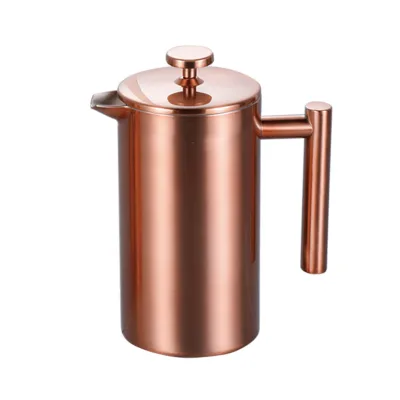
Manual Coffee Maker Stainless Steel French Press with Gold Copper Finish for Home Cafe Brewing
$6.99 - $9.80
MOQ: 100 Pieces
Huailai Golden Glass Co., Ltd.
- Manufacturer, Trading Company
- Lead time旺季: "1 - 240":15,"241 - 1000":30,"> 1000":"To be negotiated", 淡季: "1 - 240":15,"241 - 1000":30,"> 1000":"To be negotiated"
- Avg. response≤ 4h
Main productsGlass Cup & Mug, Glass vase, Glass candle jars, Wine glasses, Tableware
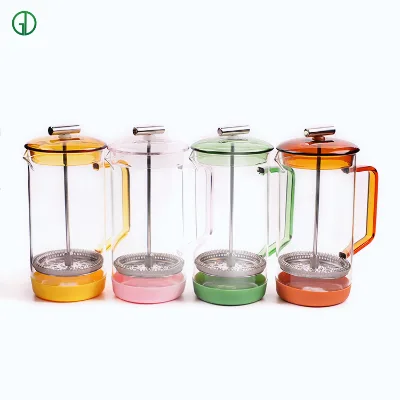
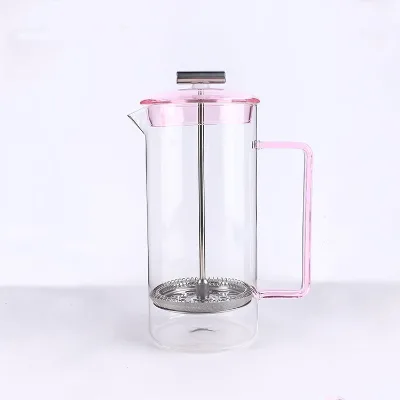
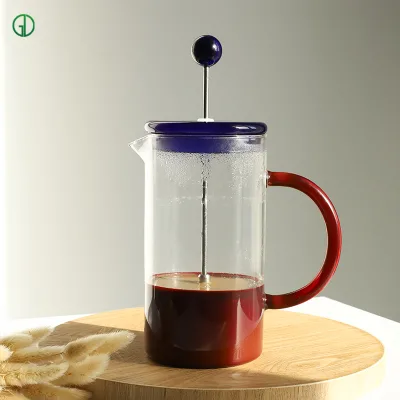
Custom Colored French Press Coffee Maker Cafetieres in Red Blue Coffee Tea and Espresso Maker Custom
$9.6321 - $13.488
MOQ: 200 pieces
Xiamen Cacocina Coffee International Co., Ltd.
- Verified by TüVRheinland
- Trading Company
- Lead time45 days
- Avg. response≤ 2h
Main productsKitchenware, Cookware, Tableware, Flatware, Coffeeware
Main marketsEastern Asia(40%), Eastern Europe(20%), Mid East(20%)
Cangzhou ABC Glassware Co., Ltd.
- Trading Company
- Hebei, China
- Lead time20 days
- Avg. response≤ 10h
Main productsDouble wall glass cup,Glass carafe,glass teapot,glass storage jar,Glass dome
Main marketsDomestic Market(30.00%), North America(20.00%), South America(20.00%), Eastern Europe(10.00%), Western Europe(10.00%)
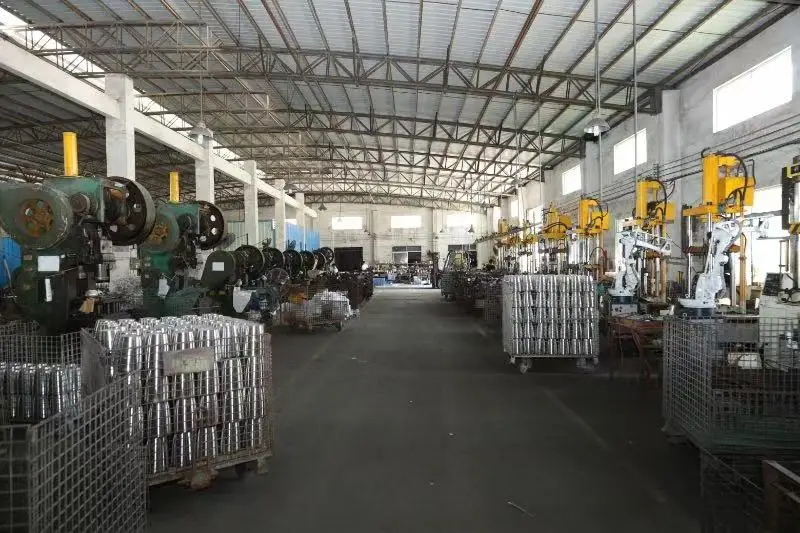
Jiangmen Guansen Hardware Products Co., Ltd.
- Trading Company
- Guangdong, China
- Lead time40 days
- Avg. response≤ 5h
Main productsFrench Press,Ice Bucket,Milk Pot,Compost Bin,Coffee Tamper
Main marketsNorth America(70.00%), Western Europe(15.00%), Domestic Market(10.00%), Southeast Asia(5.00%)

Shenzhen Timlife Industry Limited
- Verified by TUVRHEINLAND
- Manufacturer/Factory
- China Guangdong
- Lead time60 days
- Avg. response≤ 3h
Main productsKitchenware, Homeware, Electrical Appliances
Main marketsSouth America,Eastern Europe,Mid East,North America,Southeast Asia,Eastern Asia,Oceania,Western Europe,Africa

Wooden Handle French Press Italy Acacia Wood Coffeemaker Mokapot Espresso Maker
$4.00 - $10.00
MOQ: 300 Pieces

Wooden Handle French Press Italy Acacia Wood Coffeemaker Mokapot Coffee
$4.00 - $10.00
MOQ: 300 Pieces

High Quality Insulated Coffeemaker Acacia Wood Lid Wooden Handle French Press
$4.00 - $10.00
MOQ: 300 Pieces

French Press Coffeemaker Real Wood Handle Insulation Dual-Filter Screen
$4.00 - $10.00
MOQ: 300 Pieces

Wooden Handle Coffeemaker Acacia Wood French Press Mokapot Stainless Steel
$4.00 - $10.00
MOQ: 300 Pieces
Guangzhou Belr Housewares Co., Ltd.
- Verified by Intertek
- Trading Company
- Lead time15 days
- Avg. response≤ 3h
Main productsCoffee Machine, Reusable Coffee Capsule, French Press, Coffee Mug, Coffee Grinder
Main marketsNorth America(60%), Southeast Asia(20%), South America(10%)

- Verified by TUVRHEINLAND
- Trading Company,Manufacturer/Factory
- China Guangdong
- Lead time45 days
- Avg. response≤ 4h
Main productsStainless Steel Cookware, Stainless Steel Untensil, Stainless Steel Kitchenware, Stainless Steel Colander Bowl, Stainless Steel G. N Pan, Stainless Steel Pressure Cooker, Stainless Steel Buckets, Stainless Steel Dishes Rack, Stainless Steel Chafing Dishes, Stainless Steel Fittings
Main marketsSouth America,Eastern Europe,Mid East,North America,Southeast Asia,Eastern Asia,Oceania,Western Europe,Africa


High Quality Coffee Maker French Press Pot 304 Stainless Steel Coffee French Press
$11.50 - $12.10
MOQ: 100 Pieces
Xiamen Amoycrafts Industrial Co., Ltd.
- Verified by SGS Group
- Manufacturer, Trading Company
- Lead time45 days
- Avg. response≤ 4h
Main productsCeramic Ware, Drinkware, Resin Ware, Dinnerware, Bar & Wine
Main marketsNorth America(45%), Northern Europe(13%), Eastern Europe(10%)
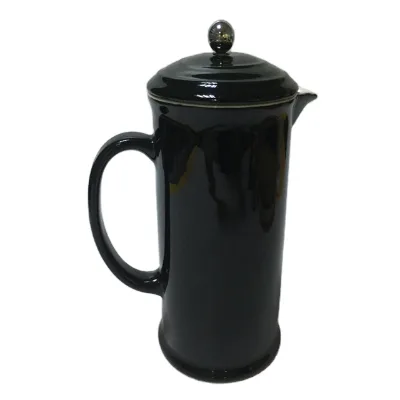
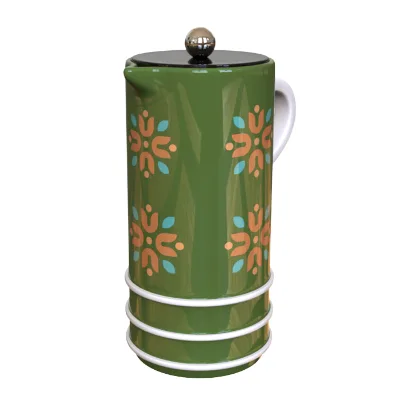
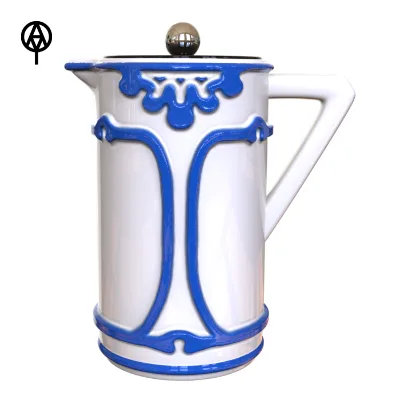
$2.0433 - $5.7973
MOQ: 720 pieces
$2.0493 - $5.8182
MOQ: 720 pieces
- Manufacturer, Trading Company, Distributor/Wholesaler
- Fujian, China
- Lead time30 days
- Avg. response≤ 2h
Main productscoffee product,coffee mug,coffee cup,coffee maker,nespresso
Main marketsEastern Europe(20.00%), Northern Europe(18.00%), Southern Europe(13.00%), Western Europe(12.00%), Mid East(11.00%), North America(10.00%), South America(5.00%), Africa(3.00%), Eastern Asia(2.00%), South Asia(2.00%), Domestic Market(1.00%), Central America(1.00%), Southeast Asia(1.00%), Oceania(1.00%)

- Verified by BV
- Trading Company
- China Zhejiang
- Lead time30 days
- Avg. response≤ 13h
Main productsLunch Box
Main marketsSouth America,Africa,Southeast Asia/ Mideast,East Asia(Japan/ South Korea),Europe,Australia,North America

- Verified by SGS
- Trading Company
- China Yunnan
- Lead time15 days
- Avg. response≤ 2h
Main marketsSoutheast Asia/ Mideast

LIANYUNGANG KAESHING INTERNATIONAL TRADING CO., LTD.
- Verified by TUVRHEINLAND
- Trading Company
- China Jiangsu
- Lead time15 days
- Avg. response≤ 4h
Main productsGlass Bottle, Glass Jar, Glass Cup, Glassware, High Borosilicate Glass Jar Bottle Mug, Glass Perfume Bottle, Glass Mug, Glass Decanter, Storage Jar, Fused Silica
Main marketsNorth America

Hot Sale Coffee Maker French Press Espresso Maker Stainless Steel French Coffee Press
$10.00 - $13.00
MOQ: 200 Pieces

Stainless Steel French Press Eco-Friendly Coffee Maker for Home /Travel Coffee Utensil
$5.50 - $7.90
MOQ: 200 Pieces

$10.00 - $13.00
MOQ: 200 Pieces
- Verified by SGS Group
- Trading Company
- Lead time20 days
- Avg. response≤ 10h
Main productsKitchenware, Coffee French Maker, Plastic Bento Box, Bamboo Wooden Kitchen Items, Ceramic & Glass Products
Main marketsNorthern Europe(20%), South Asia(20%), North America(10%)
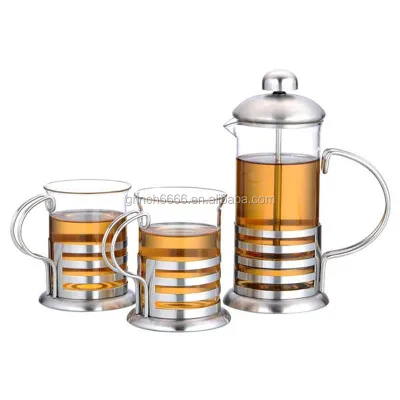
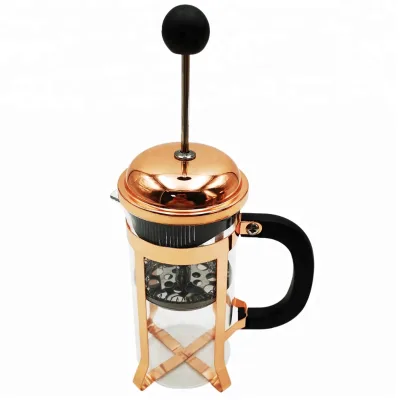
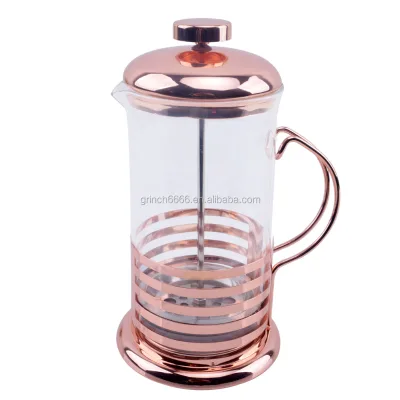
OEM 1000ml Borosilicate Glass Espresso Coffee Press, French Press Coffee and Tea Maker
$1.0276 - $5.1381
MOQ: 2 Minimum
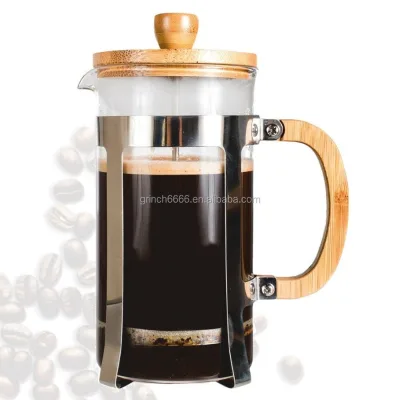
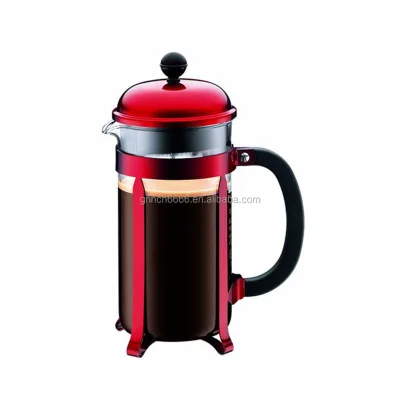
OEM Durable design stainless steel french press double walled insulated coffee espresso maker
$1.0501 - $5.246
MOQ: 1000 Minimum
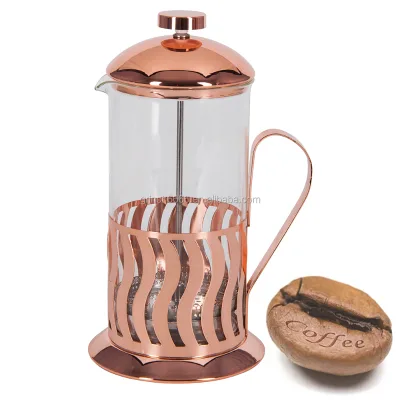
OEM French Press Coffee Maker,Large Brewer Makes 34 Ounces of Coffee - Made with Strong and Thick
$1.00 - $5.00
MOQ: 1000 Minimum

Hefei Green Intelligent Technology Co., Ltd.
- Verified by SGS
- Trading Company,Manufacturer/Factory
- China Anhui
- Lead time23 days
- Avg. response≤ 4h
Main productsFlask, Thermos, Stainless Steel Vacuum Flask, Sport Water Bottle, Stainless Steel Office Cup, Wide Mouth Bottle, Stainless Steel Travel Mug, Lunch Box, Plastic Water Bottle, Space Cup
Main marketsSouth America,Eastern Europe,Mid East,North America,Southeast Asia,Eastern Asia,Oceania,Western Europe,Africa

- Trading Company
- China Zhejiang
- Lead time30 days
- Avg. response≤ 13h
Main productsHome Appliance, Cookware Set, Thermos, Home Storage, Furniture, Pet Supplies, Garden Tools, Outdoor Supplies, Baby Supplies, Houesehold Items
Main marketsSouth America,Africa,Southeast Asia/ Mideast,East Asia(Japan/ South Korea),Domestic,Europe,Australia,North America
Shenzhen Bogart Kitchenware Co., Ltd.
- Verified by TüVRheinland
- Trading Company
- Lead time15 days
- Avg. response≤ 2h
Main productsCoffee & Tea Sets, Matcha Tools, Portable Coffee Maker, Coffee Tumbler & Mugs, Coffee Accessories
Main marketsMid East(30%), North America(20%), Western Europe(13%)
Guangzhou Donghan Ceramics Co., Ltd.
- Verified by Intertek
- Trading Company
- Lead time35 days
- Avg. response≤ 6h
Main productsCoffee Grinder, Ceramic Tea Set, Ceramic Cup, Coffee French Press, Coffee Ware
Main marketsNorth America(25%), Mid East(10%), Northern Europe(9%)
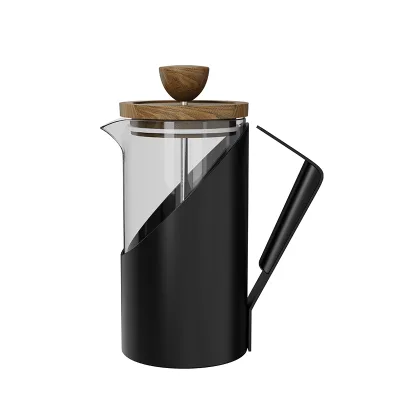
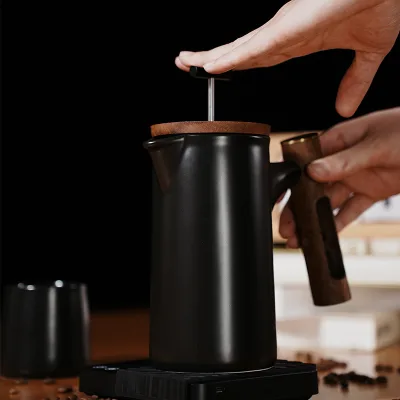
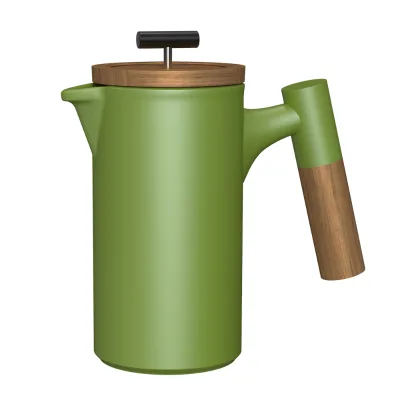
$22.94 - $24.94
MOQ: 100 pieces
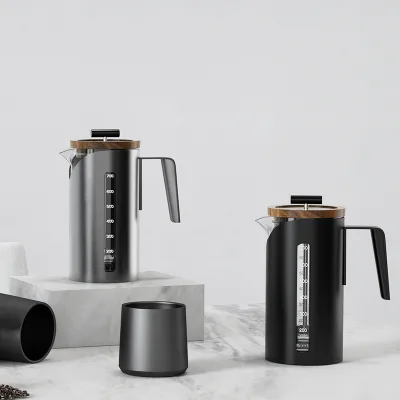
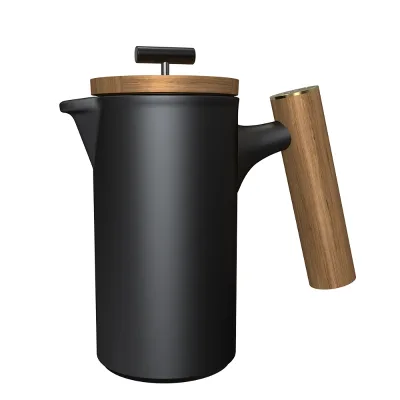
Huailai Tianyuan Special Type Glass Co., Ltd.
- Verified by SGS Group
- Manufacturer, Trading Company
- Lead time20 days
- Avg. response≤ 4h
Main productsBorosilicate Glassware, Borosilicate Glass Tubing, Borosilicate Glass Rod, Dinnerware, Cookware
Main marketsDomestic Market(71%), North America(10%), South Asia(6%)
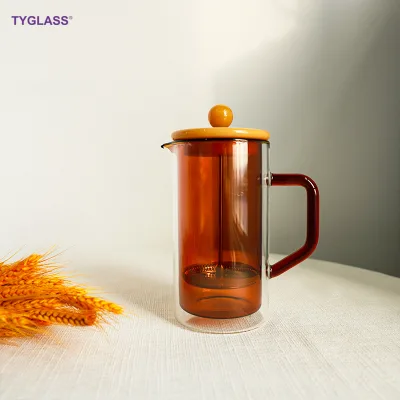
$11.978 - $16.7716
MOQ: 2400 pieces
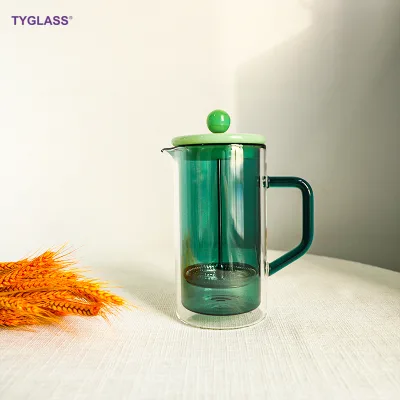
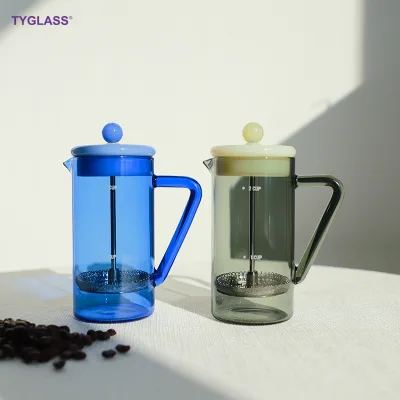
Antique Unique Colored Large Capacity Double Wall Glass Coffee Pots Maker French Coffee Press
$11.57 - $16.20
MOQ: 2400 pieces
- Trading Company
- Lead time旺季: "1 - 1000":61,"> 1000":"To be negotiated", 淡季: "1 - 1000":61,"> 1000":"To be negotiated"
- Avg. response≤ 4h
Main productsStainless Steel Cups/Stainless Steel Wine Glasses/Stainless Steel Ice Bucket
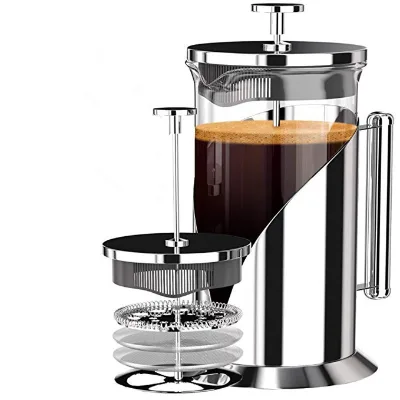
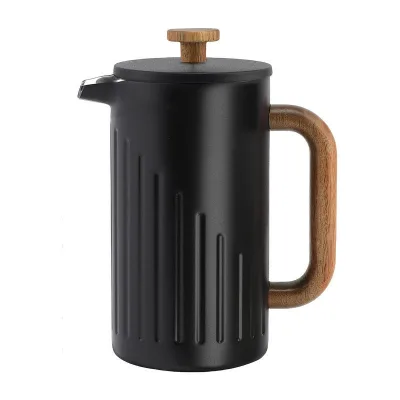
$11.2305 - $14.7044
MOQ: 500 sets
Zhengzhou Estarlink coffee Co., Ltd
- Trading Company
- Henan, China
- Lead time0 days
- Avg. response≤ 6h
Main productsCoffee Grinder,Coffee Pot,Coffee Machine,Coffee Makers,Coffee Tools
Main marketsNorth America(21.00%), Mid East(17.00%), Western Europe(15.00%), Oceania(10.00%), Southeast Asia(10.00%), Domestic Market(7.00%), Northern Europe(5.00%), Eastern Asia(5.00%), South America(4.00%), Eastern Europe(3.00%), Southern Europe(3.00%)
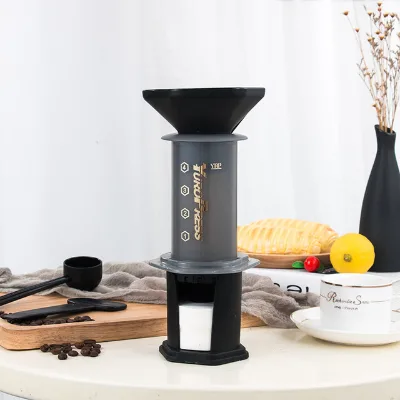
Espresso Coffee Maker Portable Cafe French Press Cafe Coffee Pot 240ml
$6.0714 - $12.3675
MOQ: 18 pieces
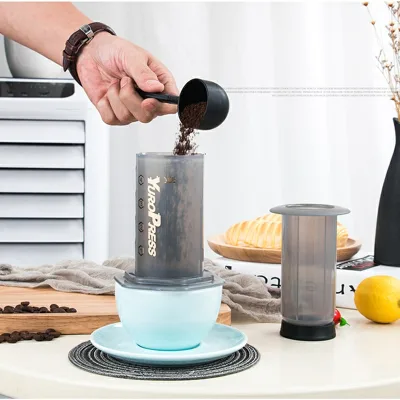
Wholesale Plastic French Press Yuropress Coffee Maker Espresso Coffee Maker Coffee Appliances
$5.6744 - $11.4013
MOQ: 5 pieces
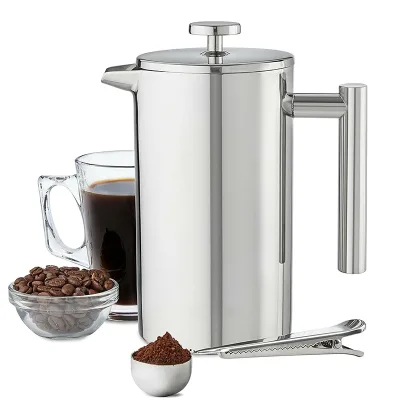
$7.90 - $13.00
MOQ: 10 Minimum
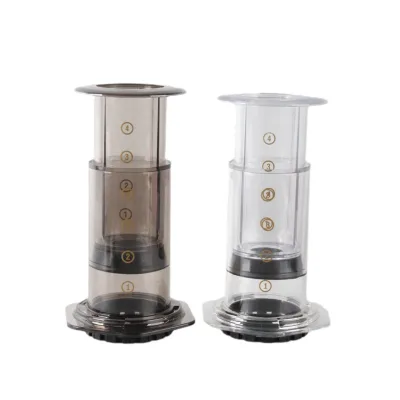
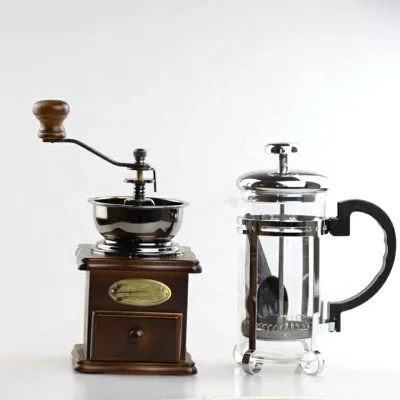
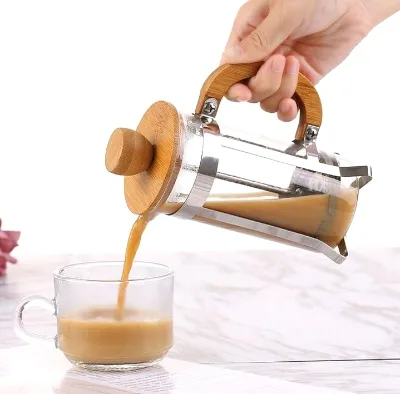
Manufactures Hot Products Custom logo Wholesale Coffee Maker Low Price French Press
$1.7646 - $2.7174
MOQ: 50 pieces
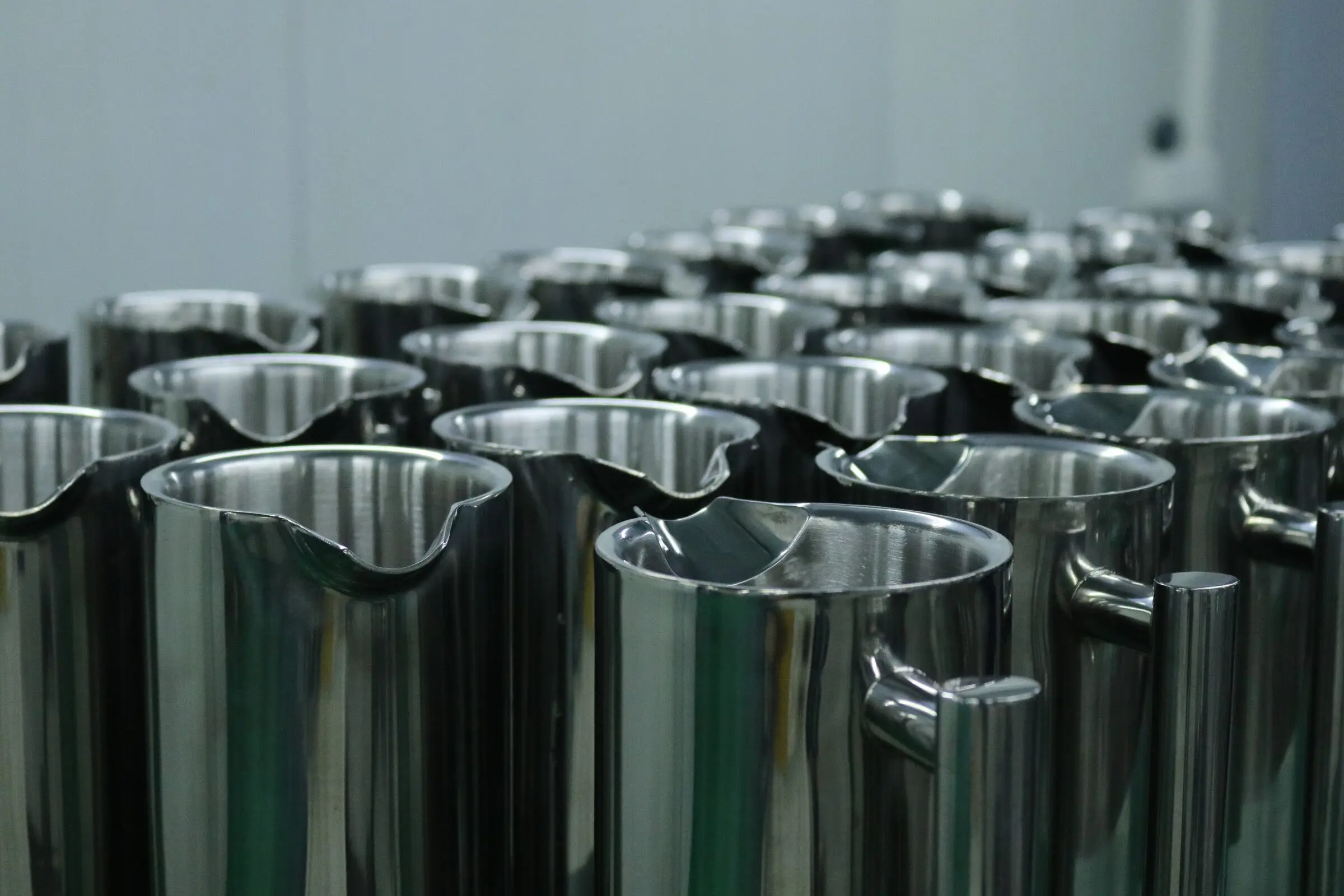
Jiangmen Xinhui Y&Y Metal Products Co., Ltd.
- Manufacturer, Trading Company
- Guangdong, China
- Lead time30 days
- Avg. response≤ 3h
Main productsFrench Press,Coffee Tea Pot,Coffee Capsule Holder,Bakeware,Barthroom Accessories
Main marketsWestern Europe(60.60%), North America(24.20%), Oceania(12.10%), Northern Europe(3.10%)
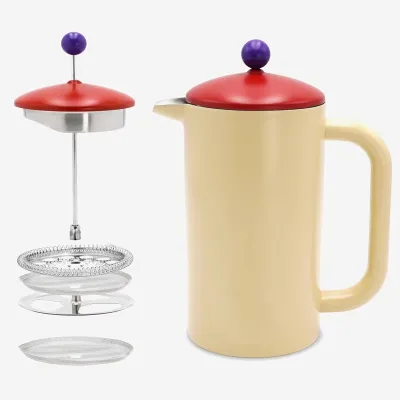
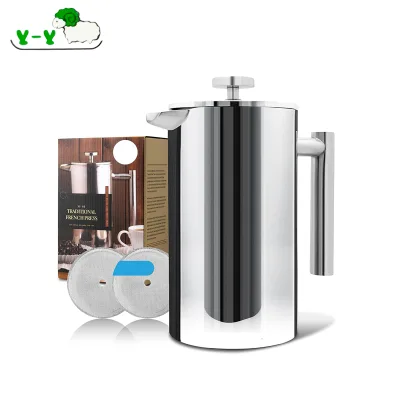
Custom Logo Matt Black Stainless Steel French Press Coffee Maker 18/10 Coffee French Press
$11.2979 - $20.0088
MOQ: 2 pieces
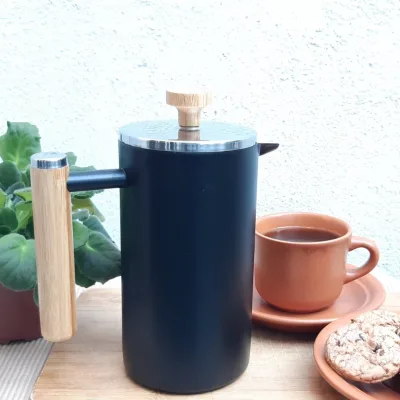
$7.00 - $7.50
MOQ: 500 pieces
Jiangmen Xinhui Yitai Stainless Steel Co., Ltd.
- Verified by TüVRheinland
- Manufacturer
- Lead time45 days
- Avg. response≤ 10h
Main productsFrench Press, Moka Pot, Teapot, Coffee Kettle, Whistling Kettle
Main marketsNorth America(50%), Western Europe(20%), South America(10%)
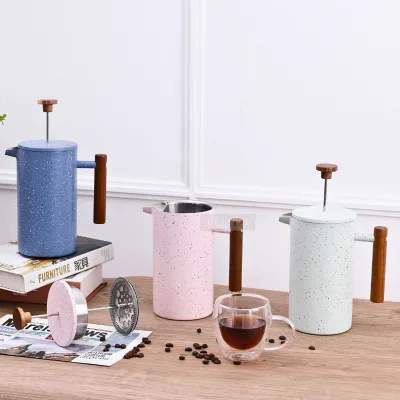
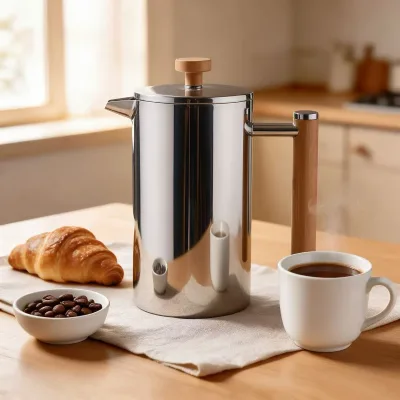
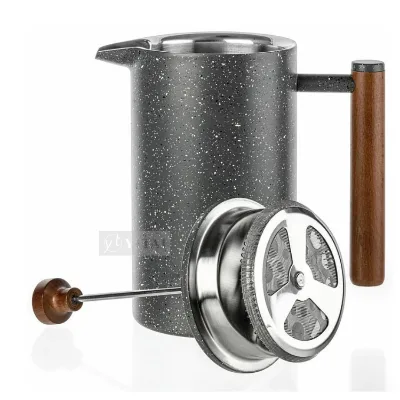
New Color Marble Painting French Press Coffee Maker Double Wall Coffee Press With Wood Handle
$7.5844 - $9.1423
MOQ: 100 pieces
Jiangmen HC Koinen Hardware Factory
- Manufacturer
- China Guangdong
- Lead time30 days
- Avg. response≤ 4h
Main productsStainless Steel and Wood Kitchenware, Coffee Maker, Camping Product, Chafing Dish, Cutting Board, Buffet Products
Main marketsSoutheast Asia/ Mideast,Europe,North America

Eagle Catering Equipment Co., Ltd.
- Manufacturer/Factory
- China Guangdong
- Lead time30 days
- Avg. response≤ 12h
Main productsTrolleys, Gastronorm Containers, Table, Shelves, Sink, Barrier Post, Cookware, Buffetware, Barware, Kitchen Utensils
Main marketsSouth America,Eastern Europe,Mid East,North America,Southeast Asia,Eastern Asia,Oceania,Western Europe,Africa


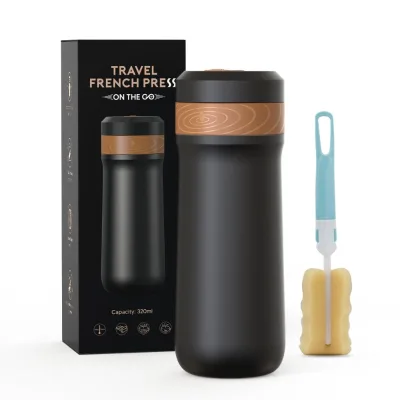
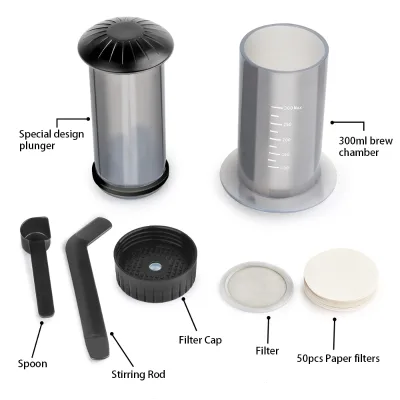
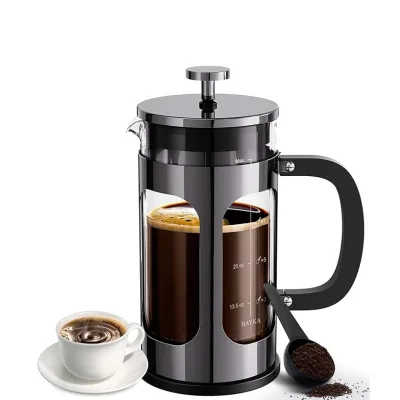
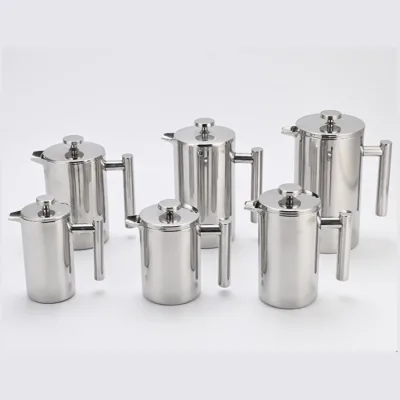
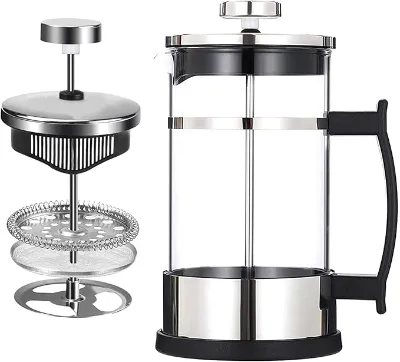
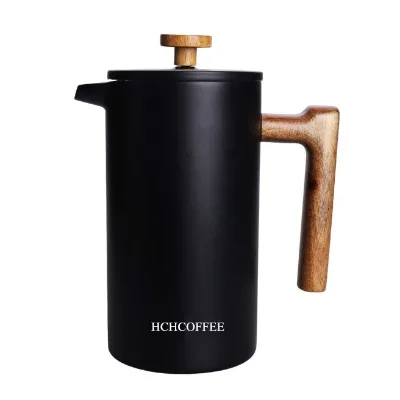
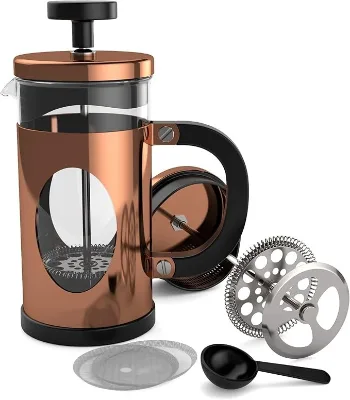
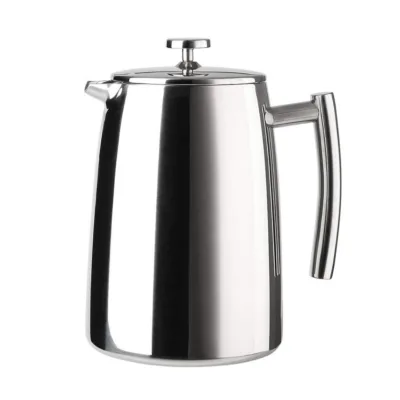




Comprehensive Sourcing Guide
Wood French Press Coffee Maker Supplier Concentration and Factory Types
The current supplier landscape for Wood French Press Coffee Maker products reveals a distinct geographic concentration in China, with specific manufacturing hubs identified in Hebei and Anhui provinces. Suppliers in Hebei are primarily focused on glass-based brewing equipment, offering items such as glass french presses with various capacity options ranging from 350ml to 1000ml. These facilities often operate as combined entities, handling both trading and manufacturing functions, which allows for flexible order structures. The presence of ISO9001:2015 certification among these Hebei-based suppliers indicates a baseline commitment to quality management systems, which is crucial for maintaining consistency in product finishes and material integrity. Buyers looking for suppliers in this region should note that the primary materials listed include glass, with customization available for logos and packaging. The response times for these suppliers average around 8.35 hours, suggesting a moderate level of operational efficiency that buyers must factor into their communication planning.
In contrast, suppliers located in Anhui province demonstrate a different specialization, often focusing on stainless steel constructions with wood handles. These manufacturers typically offer ODM and OEM capabilities, indicating a stronger emphasis on design innovation and private label development. The main products from this region include water bottles, lunch boxes, and specifically, stainless steel french presses with wood handles, which align closely with the core keyword. These suppliers boast a faster response time of 6.69 hours, which may reflect a more agile sales team or a different operational model compared to their Hebei counterparts. The verification status for these Anhui suppliers includes BV certification, providing an additional layer of trust regarding their business legitimacy and operational standards. When evaluating factory types, buyers should distinguish between pure trading companies and those with direct manufacturing capabilities, as the latter often provide better control over lead times and quality assurance processes.
How to Verify Wood French Press Coffee Maker Suppliers
Verifying the legitimacy and capability of Wood French Press Coffee Maker suppliers requires a multi-layered approach that goes beyond simple profile reviews. Buyers should prioritize suppliers who have undergone third-party verification processes, such as CTI or BV, as these organizations conduct on-site audits that confirm the existence of the factory and the accuracy of the claimed capabilities. For instance, some suppliers display CTI verification, which validates their business license and operational status, while others may hold BV certification, indicating a rigorous assessment of their management systems. It is essential to check the specific scope of these verifications to ensure they cover the manufacturing of coffee brewing equipment and not just general trading activities. Additionally, buyers should look for system certifications like ISO9001:2015, which demonstrate a structured approach to quality control. However, buyers must verify that these certifications are current and relevant to the specific product lines they intend to purchase, as outdated or generic certifications may not reflect the actual quality of the wood french press coffee makers being produced.
Beyond certifications, buyers should assess the supplier's product evidence and attribute consistency to gauge their technical competence. Detailed product listings that include specific material compositions, such as high borosilicate glass or stainless steel with wood handles, provide insight into the supplier's manufacturing expertise. For example, some suppliers list certifications like LFGB and FDA for their glass products, which are critical for food safety compliance in international markets. Buyers should request test reports or certificates of conformity for these specific standards to ensure the products meet the regulatory requirements of their target markets. Furthermore, examining the customization options available, such as logo printing or packaging design, can reveal the supplier's flexibility and willingness to accommodate specific brand requirements. Suppliers that provide detailed product attributes, including model numbers and standard capacities, are often more transparent and reliable. Buyers should also verify the supplier's response time, as a consistent and quick response indicates a professional sales team that is likely to provide better after-sales support and issue resolution.
What to Compare Across Wood French Press Coffee Maker Suppliers
When comparing suppliers, buyers must evaluate a range of operational metrics to determine the best fit for their specific business needs. One critical factor is the lead time, which varies significantly across different suppliers and regions. For example, some suppliers may offer a lead time of 30 days, while others might provide a faster turnaround of 23 days. This difference can impact inventory management and time-to-market strategies, making it essential for buyers to align their order planning with the supplier's production capacity. Additionally, the minimum order quantity (MOQ) is a key consideration, as it affects the initial investment and risk exposure. Suppliers may have MOQs ranging from 100 units to 500 units, with some offering lower thresholds for custom products. Buyers should assess whether the MOQ aligns with their sales volume projections and storage capabilities, as ordering in excess can lead to increased holding costs, while ordering too little may result in higher per-unit prices.
Price and customization capabilities are also vital comparison points. The price range for wood french press coffee makers can vary based on material quality, design complexity, and order volume. Some suppliers may offer prices starting from $1.25 per unit for basic glass models, while stainless steel options with wood handles may command higher prices, such as $9.62 per unit. Buyers should request detailed quotations that break down costs for materials, labor, and packaging to understand the value proposition. Customization options, including logo placement, color variations, and packaging design, should be evaluated for their impact on the final price and lead time. Suppliers that offer flexible customization without significant price premiums can provide a competitive advantage in the market. Additionally, buyers should compare the main products offered by each supplier to ensure they have a diverse portfolio that can meet varying customer demands. Suppliers with a broad range of products, from single-piece glass presses to multi-piece sets, may offer better bundling opportunities and cross-selling potential.
Common Wood French Press Coffee Maker Sourcing Risks
Sourcing wood french press coffee makers involves several inherent risks that buyers must proactively manage to ensure a successful procurement process. One significant risk is the potential for quality inconsistencies, particularly when dealing with composite materials like wood and metal or glass. Wood handles can be susceptible to moisture damage, cracking, or finish degradation if not properly treated or stored. Buyers should verify the treatment processes used for the wood components and request samples to assess durability and finish quality. Additionally, the integration of wood with other materials, such as stainless steel or glass, must be secure to prevent detachment during use. Suppliers that provide detailed product attributes, such as filter systems and heat retention features, may offer better insights into the structural integrity of their products. However, buyers should not rely solely on product descriptions and should conduct thorough quality inspections, either through third-party agencies or on-site visits, to mitigate the risk of receiving substandard goods.
Another common risk is the discrepancy between quoted prices and final costs, which can arise from hidden fees or changes in material costs. Buyers should ensure that quotations include all costs, such as packaging, shipping, and any customization fees, to avoid unexpected expenses. Some suppliers may offer low initial prices but charge extra for custom logos or specific packaging requirements. Additionally, lead time delays can disrupt supply chains and result in missed market opportunities. Buyers should establish clear communication channels with suppliers to monitor production progress and address any potential bottlenecks early. Suppliers with faster response times, such as those averaging 6.69 hours, may be more responsive to issues and better equipped to handle urgent requests. Furthermore, buyers should be cautious of suppliers who do not provide clear information about their certifications or verification status, as this may indicate a lack of transparency or compliance with international standards. Establishing a robust supplier evaluation process can help identify and mitigate these risks before committing to large orders.
Wood French Press Coffee Maker Regional Sourcing and Logistics
Regional sourcing decisions for wood french press coffee makers are heavily influenced by the geographic location of suppliers and the associated logistics infrastructure. Suppliers in China, particularly in Hebei and Anhui provinces, offer distinct advantages in terms of manufacturing density and supply chain efficiency. Hebei-based suppliers, often focused on glass products, benefit from established industrial clusters that provide easy access to raw materials and specialized labor. This concentration can lead to competitive pricing and faster production cycles for glass-based french presses. However, buyers must consider the logistics implications of sourcing from this region, including shipping costs and transit times to their target markets. Similarly, Anhui-based suppliers, which specialize in stainless steel and wood handle products, may offer different logistical advantages due to their proximity to major ports or transportation hubs. Buyers should evaluate the total landed cost, including freight, insurance, and customs duties, to determine the true cost advantage of sourcing from these regions.
Logistics planning also involves understanding the packaging and handling requirements of the products to minimize damage during transit. Suppliers often provide specific packaging details, such as color boxes with bubble bags or master cartons, which are designed to protect the products during shipping. Buyers should assess the robustness of these packaging solutions and ensure they meet the standards required for international shipping. Additionally, buyers should consider the supplier's experience with export logistics, including their ability to handle documentation, customs clearance, and delivery to the final destination. Suppliers with a track record of successful exports may offer more reliable logistics support and better coordination with freight forwarders. Furthermore, buyers should evaluate the supplier's flexibility in accommodating different shipping methods, such as sea freight or air freight, depending on the urgency of the order and the volume of goods. By carefully considering regional sourcing and logistics factors, buyers can optimize their supply chain and reduce the overall cost and risk of importing wood french press coffee makers.
Wood French Press Coffee Maker Commercial Terms and Order Planning
Effective order planning for wood french press coffee makers requires a thorough understanding of commercial terms and payment structures to ensure financial stability and operational efficiency. Buyers should negotiate clear payment terms, such as a deposit followed by a balance payment upon shipment, to balance risk and cash flow. Suppliers may offer different payment options, including letters of credit or escrow services, which can provide additional security for both parties. It is essential to verify the supplier's acceptance of these payment methods and understand the associated fees and processing times. Additionally, buyers should establish clear delivery terms, such as FOB or CIF, to define the responsibilities for shipping and insurance. Suppliers with faster lead times, such as 23 days, may offer more flexibility in meeting tight delivery schedules, but buyers must confirm these timelines in writing to avoid disputes.
Order planning also involves forecasting demand and aligning production schedules with market needs. Buyers should consider the supplier's capacity and production capabilities to ensure they can meet the required volume within the desired timeframe. Suppliers with OEM and ODM capabilities may offer greater flexibility in customizing products to match specific market trends, but buyers must provide detailed specifications and approvals early in the process. Furthermore, buyers should plan for potential variations in order quantities, as suppliers may have different MOQs for standard and custom products. By maintaining open communication with suppliers and regularly reviewing order forecasts, buyers can optimize inventory levels and reduce the risk of stockouts or excess inventory. Additionally, buyers should establish a long-term relationship with their suppliers to benefit from preferential pricing and priority production slots. By carefully managing commercial terms and order planning, buyers can enhance their competitiveness and profitability in the Wood French Press Coffee Maker market.
FAQs
What is the price range for glass French press coffee makers?
Glass French press coffee makers typically range from $1.25 to $2.50 per unit. Prices vary based on capacity, certification, and customization options. Buyers should verify specific model pricing and minimum order quantities directly with suppliers to ensure accurate budgeting for their procurement needs.
What certifications are required for glass coffee press suppliers?
Glass coffee press suppliers generally hold LFGB and FDA certifications. Some manufacturers also provide ISO9001:2015 system certification. These credentials ensure product safety and quality standards. Buyers should request valid certificates to verify compliance with international food contact regulations before placing large orders.
What is the typical lead time for French press orders?
Typical lead times for French press orders range from 23 to 30 days. This duration depends on the supplier's location and current production capacity. Buyers should confirm exact timelines with their chosen supplier to align with their inventory planning and delivery schedules effectively.
What are the minimum order quantities for French press makers?
Minimum order quantities for French press makers vary from 100 to 500 units. Some suppliers offer lower MOQs for specific models, while others require higher volumes. Buyers should check individual product listings to determine the exact MOQ applicable to their desired specifications and pricing tiers.
Where are French press coffee makers primarily manufactured?
French press coffee makers are primarily manufactured in China, specifically in Hebei and Anhui provinces. These regions host numerous suppliers offering glass and stainless steel options. Buyers can source from these locations to access a wide variety of designs and customization capabilities.
What materials are used in French press coffee makers?
French press coffee makers are commonly made from glass or stainless steel. Glass models often feature heat-resistant borosilicate glass, while stainless steel versions may include double-wall insulation. Some designs incorporate wood handles or acrylic lids for enhanced aesthetics and user comfort during brewing.
Can French press coffee makers be customized with logos?
Yes, many French press coffee makers can be customized with logos. Suppliers typically offer OEM and ODM services for branding, packaging, and design modifications. Buyers should confirm customization availability, associated costs, and minimum order requirements directly with the supplier to ensure their branding needs are met.