Eco Friendly Wooden Disposable Plates Suppliers and Manufacturers
Source Eco Friendly Wooden Disposable Plates from 25 verified suppliers. Compare key dimensions including location, lead times, MOQ, response times, and certifications. Review product specifications and request quotes directly to streamline your procurement process; review the available evidence before requesting comparable quotations from suitable candidates.
Updated
Suppliers List

Jiangsu Shaoneng Bowin Environmental Technology Co., Ltd
- Manufacturer
- Jiangsu, China
- Lead time15 days
- Avg. response≤ 2h
Main productsIce Cream Cups,Bagasse Cups & Lids,Coffee Pods & K-Cups,Pulp Box Packaging,OEM/ODM Package
Main marketsNorth America(30.00%), Oceania(15.00%), Western Europe(10.00%), Eastern Asia(10.00%), South America(5.00%), Southeast Asia(5.00%), Southern Europe(5.00%), Mid East(5.00%), Northern Europe(5.00%), Africa(5.00%), Eastern Europe(3.00%), Central America(2.00%)
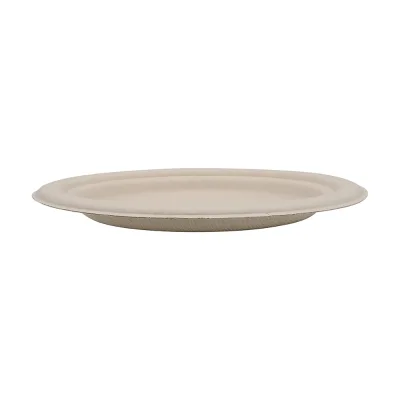
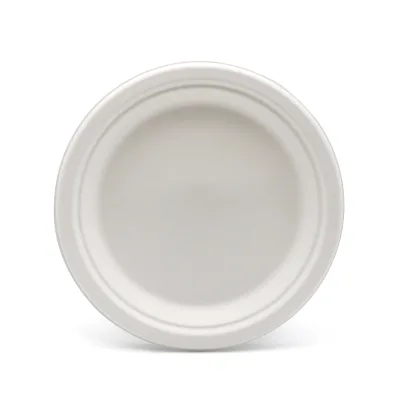
ECO Friendly Dishware Disposable Dinnerware Environmentally Friendly Disposable Plates
$0.01 - $0.03
MOQ: 30000 pieces
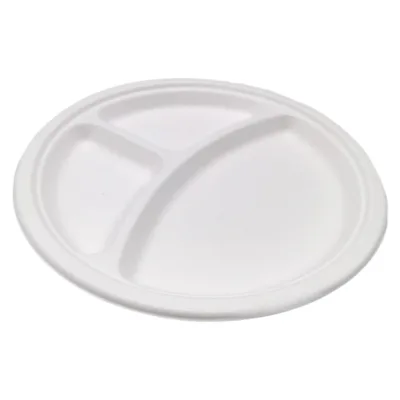
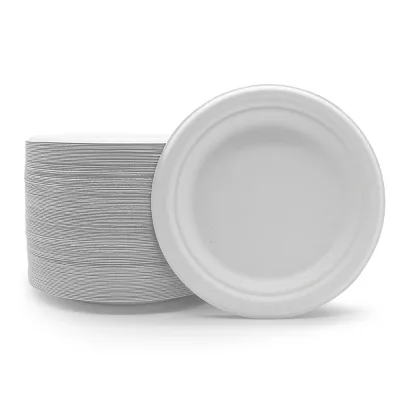
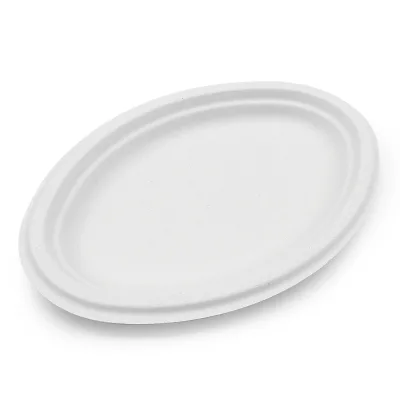

Hangzhou Meshine Import And Export Co., Ltd
- Trading Company,Manufacturer/Factory
- China Zhejiang
- Lead time23 days
- Avg. response≤ 4h
Main productsFood Packaging, Paper Bag, Paper Cup, Paper Box, Tableware, Sushi Box, Food Box, Salad Bowl, Plastic Packaging, Fast Food Box
Main marketsSouth America,Eastern Europe,Mid East,North America,Southeast Asia,Eastern Asia,Oceania,Western Europe,Africa

- Verified by SGS
- Trading Company
- China Zhejiang
- Lead time23 days
- Avg. response≤ 4h
Main productsBagasse Tableware, Food Packaging, Biodegradable Container, PLA Cup, Paper Bag, Salad Bowl, Disposable Tableware, Perfume
Main marketsOthers(foreignTradeCapacity.exportBusinessCapacityMarketOther),Southeast Asia/ Mideast

Hefei Hyde Environment Protection Technology Co., Ltd.
- Verified by TUVRHEINLAND
- Trading Company,Manufacturer/Factory
- China Anhui
- Lead time23 days
- Avg. response≤ 2h
Main productsPaper Cups, Ice Cream Paper Cup, Kraft Shopping Paper Bags, Ripple Wall Cup, Paper Bread Bags, Double Wall Cups, Paper Salad Bowl, Paper Pizza Box, Paper Soup Cup, Paper Plates
Main marketsSouth America,Eastern Europe,Mid East,North America,Southeast Asia,Eastern Asia,Oceania,Western Europe,Africa

Biodegradable Eco-Friendly Dessert Plates Dinner Plates Disposable Paper Plate
$0.01 - $0.02
MOQ: 50000 Pieces

Disposable Eco Friendly Compostable Biodegradable Tableware Paper Plate
$0.01 - $0.02
MOQ: 50000 Pieces

Natural Eco Friendly Biodegradable Compostable Disposable 9 Inch Paper Plates
$0.01 - $0.02
MOQ: 50000 Pieces


Cao County Puchuang Wood Industry Co., Ltd.
- Manufacturer, Trading Company
- Shandong, China
- Lead time7 days
- Avg. response≤ 11h
Main productswooden mealtray,wooden Food container,Natural Wood Slices,Christmas Ornaments,Diy Crafts
Main marketsNorth America(20.00%), Eastern Europe(15.00%), South America(15.00%), Central America(10.00%), Western Europe(10.00%), Mid East(10.00%), Oceania(10.00%), South Asia(5.00%), Northern Europe(5.00%)
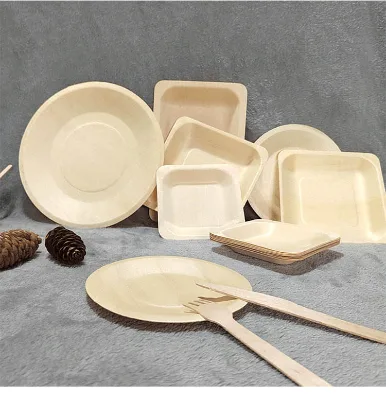
Factory Eco Friendly Shape Size Customized Dinnerware Biodegradable Disposable Wooden Plates
$0.23 - $0.35
MOQ: 500 pieces
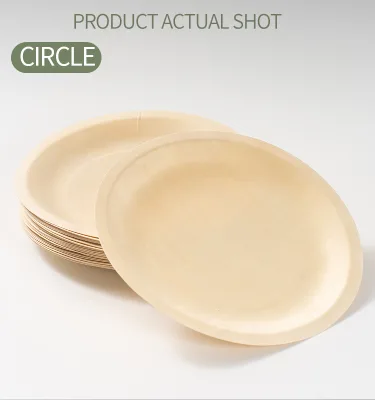
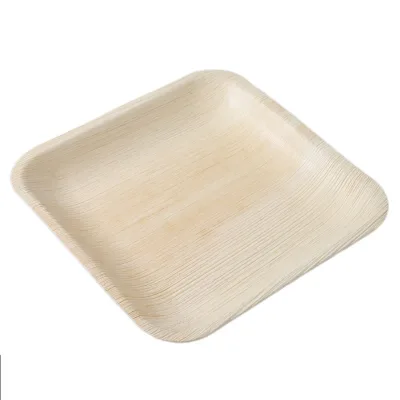
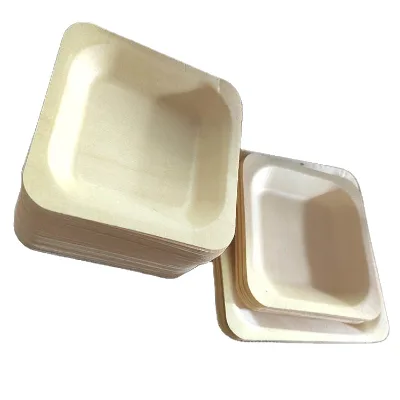
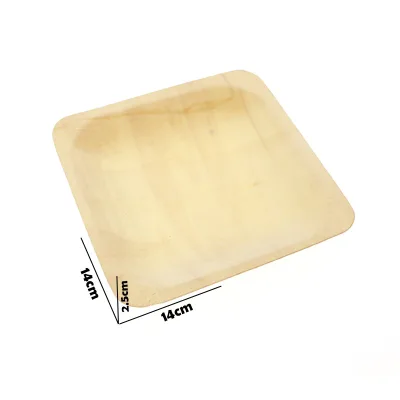
Biodegradable Square 15*15*1.5 cm Wooden Food Containers Disposable Wood Plate for Food
$0.10 - $0.25
MOQ: 1000 pieces
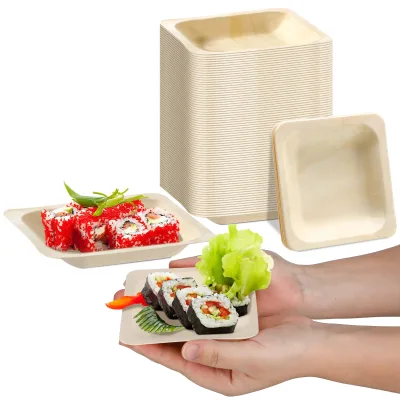
$0.10 - $0.30
MOQ: 500 pieces

Qingdao Smart Wooden Products Co., Ltd.
- Trading Company,Manufacturer/Factory
- China Shandong
- Lead time45 days
- Avg. response≤ 1h
Main productsDisposable Wooden Cutlery, Disposable Wooden Cutlery Set, Wooden Cones, Wooden Coffee Stirrer, Wooden Fruit Skewer, Wooden Ice Cream Spoon, Wooden Boats, Wooden Plate, Wooden BBQ Stick, Bamboo Skewer
Main marketsSouth America,Eastern Europe,Mid East,North America,Southeast Asia,Eastern Asia,Oceania,Western Europe,Africa


Eco Friendly Wooden Disposable Plates for Stylish Dinner Party Dining
$0.22 - $0.45
MOQ: 200000 Pieces


Disposable Tableware Natural Birch Wooden Plates for Eco Friendly Dining
$0.22 - $0.45
MOQ: 200000 Pieces

Hefei Craft Tableware Co., Ltd.
- Verified by SGS Group
- Manufacturer, Trading Company
- Lead time30 days
- Avg. response≤ 3h
Main productsWooden Cutlery, Bamboo Skewers, Sugarcane Bagasse Containers, Wooden Stirrers, Bamboo Cutlery
Main marketsWestern Europe(30%), North America(16%), Oceania(12%)
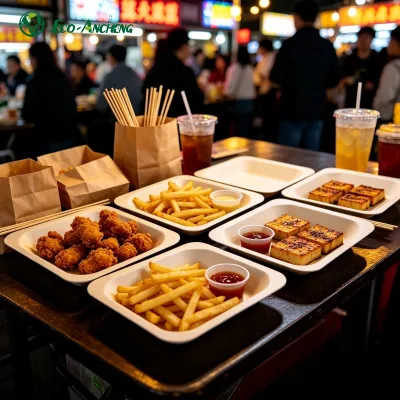
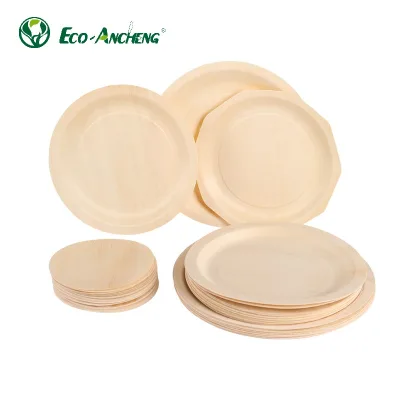
Professional Most Popular Disposable Eco Friendly Plates Cutlery Set Wooden Plates Disposable
$0.1663 - $0.2487
MOQ: 30000 pieces
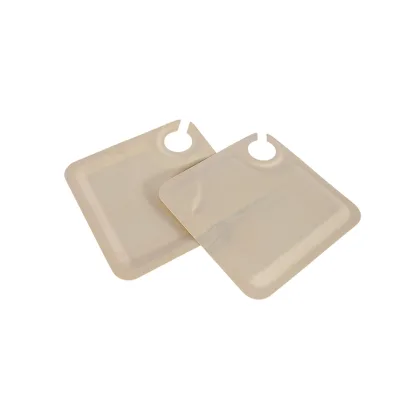
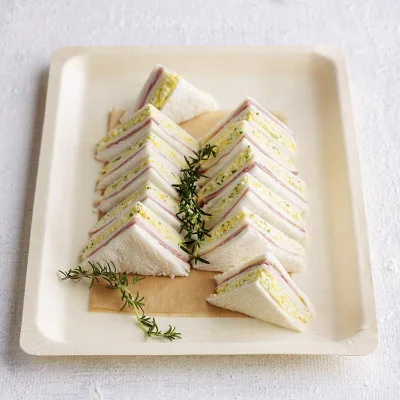
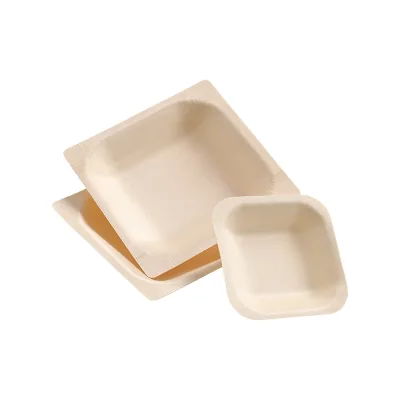
Wholesale Custom Disposable Rectangular Wood Plates Set Wooden Tray
$0.0835 - $0.1253
MOQ: 30000 pieces
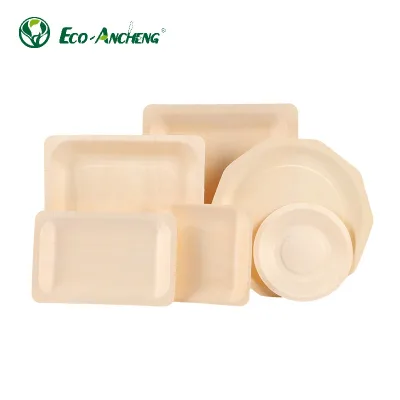
$0.0827 - $0.124
MOQ: 30000 pieces
Anhui Yien Import-Export Trading Co., Ltd.
- Verified by SGS Group
- Trading Company
- Lead time20 days
- Avg. response≤ 3h
Main productsBamboo Skewer, Bamboo Coffee Stirrer, Bamboo Toothpick, Disposable Cutlery, Bamboo Knot Skewer
Main marketsSouth Asia(13%), Southern Europe(12%), Western Europe(11%)
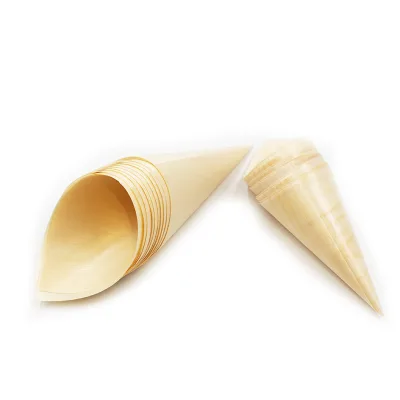
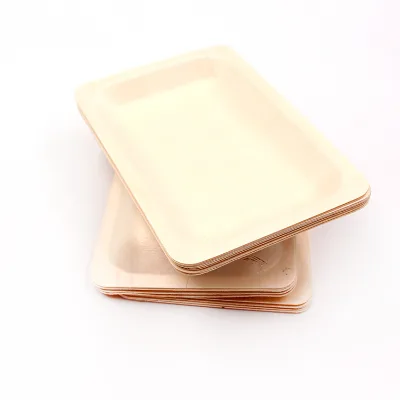
Eco-Friendly Biodegradable Wooden Disposable Plates for Party & Wedding Use
$0.0207 - $0.0413
MOQ: 100000 pieces
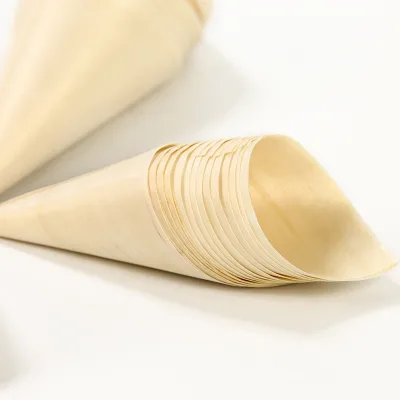
Hot Sale Wooden Cone 100 Pcs Disposable Wood Cones Wooden Serving Plates for Snack
$4.00 - $5.00
MOQ: 5000
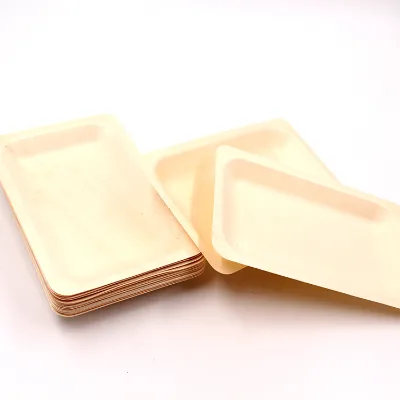
High Quality Tableware Sets Disposable Wooden Dishes Wood Plates for Serving
$0.0204 - $0.0409
MOQ: 100000 bags
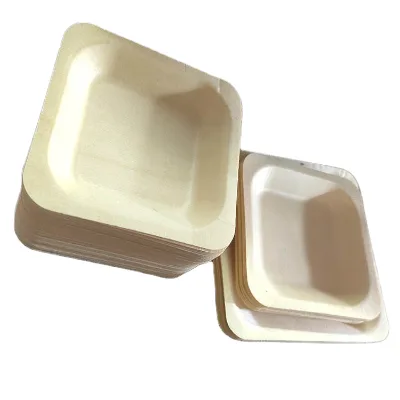
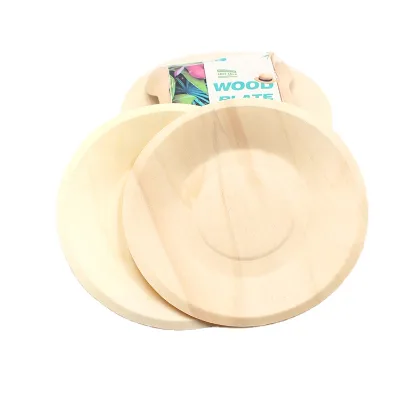
$0.0207 - $0.0413
MOQ: 100000 pieces

Anhui Nature Imp. & Exp. Co., Ltd.
- Verified by SGS
- Trading Company
- China Anhui
- Lead time15 days
- Avg. response≤ 2h
Main productsBamboo Products, Wooden Products, Multiple Knife Fork & Spoon, Bamboo Scissors Stick, Bamboo Sushi Curtain, Disposable Creative Bead Bamboo Stick, Bamboo Straw, Bamboo Stick, Wooden Cutlery, Wooden Knife Spoon Fork
Main marketsSoutheast Asia/ Mideast,Europe,North America

$0.08 - $0.10
MOQ: 50000 Pieces

Disposable Wooden Plates Custom Square Restaurant Food Wooden Dinner Plates
$0.08 - $0.10
MOQ: 50000 Pieces

Eco Friendly Biodegradable Disposable Square Food Wooden Plate for Restaurant
$0.08 - $0.10
MOQ: 50000 Pieces

High Quality Wooden Plate for Wedding and Party Events Sturdy Eco Friendly Disposable Plates
$0.08 - $0.10
MOQ: 50000 Pieces


100% Eco-Friendly Wooden Plate Compostable & Biodegradable, Better Than Plastic Plate
$0.08 - $0.10
MOQ: 50000 Pieces

Ningbo Greenhome International Trade Co., Ltd.
- Verified by SGS
- Trading Company
- China Zhejiang
- Lead time30 days
- Avg. response≤ 5h
Main productsDisposable Plastic Tableware, Disposable Woodentableware, Disposable Bamboo Tableware, Disposable Paper Tableware, Disposable Biobased Tableware, Disposable Biodearadable Tableware
Main marketsAfrica,Southeast Asia/ Mideast,Europe,North America

Customized Logo Printing Disposable Eco-Friendly Tray Wooden Plate for Dinner
$136.30 - $163.50
MOQ: 25 Boxes


Biodegradable Disposable Wooden Tableware 195mm Diameter Birch Wooden Plate Custom for Party
$0.03 - $0.05
MOQ: 15000 Pieces

Foshan City Nanhai Harvest Plastic Co., Ltd.
- Verified by SGS Group
- Manufacturer, Trading Company
- Lead time30 days
- Avg. response≤ 2h
Main productsPlastic Container, Pulp Container, Paper Container
Main marketsNorth America(25%), Western Europe(17%), Northern Europe(10%)
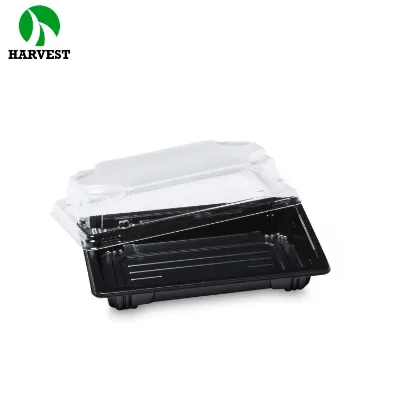
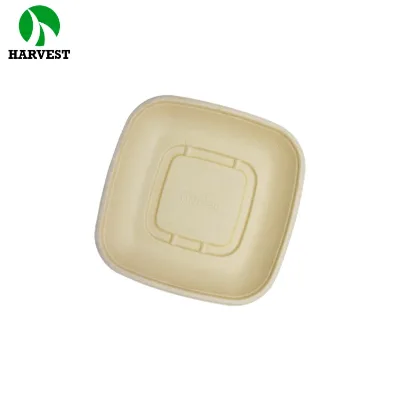
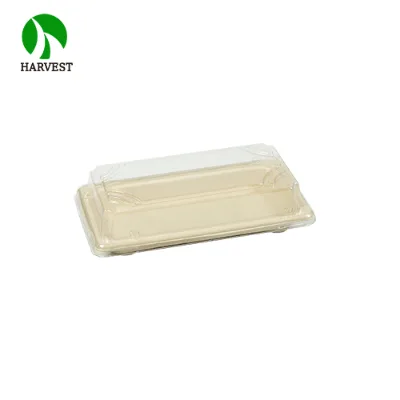
High Quality Take Out Disposable Pack Sushi Bagasse Plate Tray With Lid
$0.0411 - $0.0514
MOQ: 30 sets

Xuzhou Tuosen Bamboo Wood Products Co., Ltd.
- Verified by CTI
- Combined
- China Jiangsu
- Lead time23 days
- Avg. response≤ 1h
Main productsIce Cream Stick
Main marketsSoutheast Asia/ Mideast

Disposable Biodegradable Poplar Wooden Plates for Food Picnic Restaurant Events
$0.07
MOQ: 5000 Pieces

Biodegradable Poplar Wood Disposable Plates Eco Friendly Square Food Serving Plates
$0.07
MOQ: 5000 Pieces

Custom Logo Natural Wooden Biodegradable Disposable Dishware Plates for Picnics
$0.07
MOQ: 5000 Pieces


Harbin Huipeng Wooden Products Co., Ltd.
- Manufacturer, Trading Company
- Heilongjiang, China
- Lead time20 days
- Avg. response≤ 1h
Main productsDisposable knife,Disposable fork
Main marketsNorth America(10.00%)
Anhui Nature Imp. & Exp. Co., Ltd.
- Verified by TüVRheinland
- Trading Company
- Lead time20 days
- Avg. response≤ 2h
Main productsSugarcane Box And Plate, Paper Cup And Bowl, Paper Bag, Cornstarch Box And Plate, Cornstarch Cutlery And CPLA Cutlery
Main marketsNorth America(30%), Southeast Asia(20%), Mid East(20%)
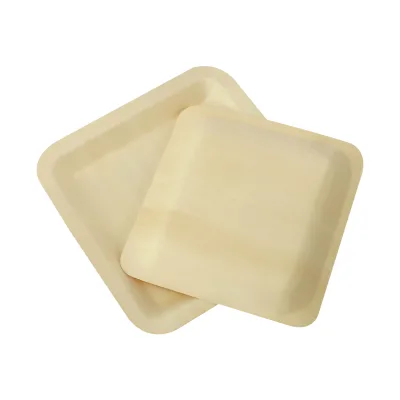
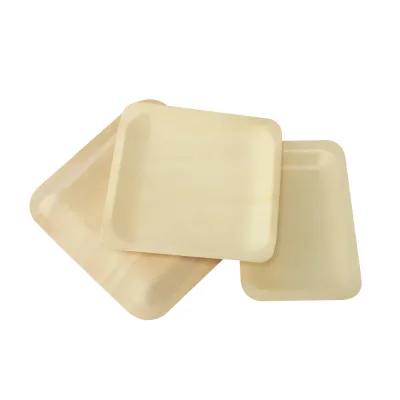
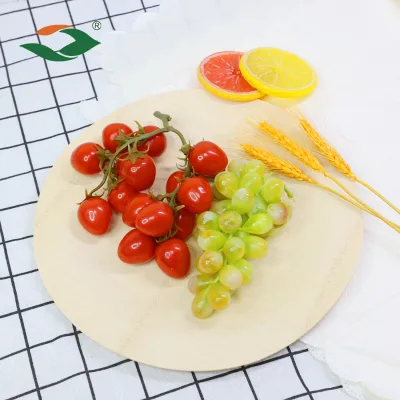
$0.0823 - $0.1028
MOQ: 50 pieces

Uniflow International Trade Co., Ltd.
- Verified by SGS
- Trading Company
- China Guangdong
- Lead time15 days
- Avg. response≤ 3h
Main productsDisposable Tableware, Disposable Plate, Lunch Box, Disposable Cup, Sustainable Disposable Tableware, Sugarcane Fiber Tableware, Compostable Sugarcane Dinnerware, Renewable Resource Kitchenware, Eco-Friendly Plant-Based Cutlery, Disposable Pizza Pan
Main marketsSoutheast Asia/ Mideast
Anhui Nature Imp. & Exp. Co., Ltd.
- Trading Company
- Lead time旺季: "1 - 50000":20,"50001 - 80000":25,"> 80000":"To be negotiated", 淡季: "1 - 50000":20,"50001 - 80000":25,"> 80000":"To be negotiated"
- Avg. response≤ 2h
Main productsSugarcane Box And Sugarcane Plate, Sugarcane Tray And Sugarcane Bowl, Cornstarch Box And Cornstarch Plate, Biodegradable Cutlery, Biodegradable Bag
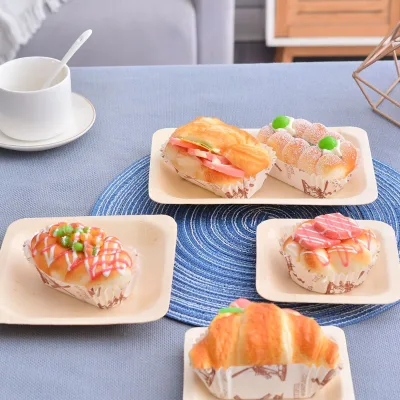
Dinnerware Restaurant Use Disposable Natural Color Wooden Utensils Plates for Food
$0.08 - $0.10
MOQ: 50000 pieces
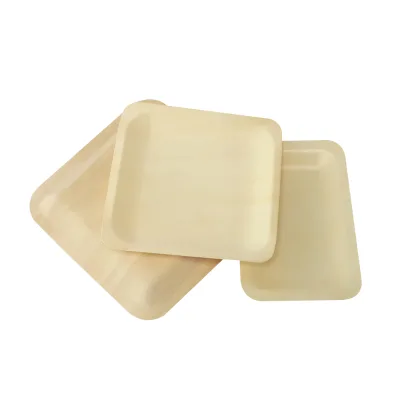
Disposable Party Restaurants Dinner Pizza square Wooden Plate for Food
$0.08 - $0.10
MOQ: 50000 pieces
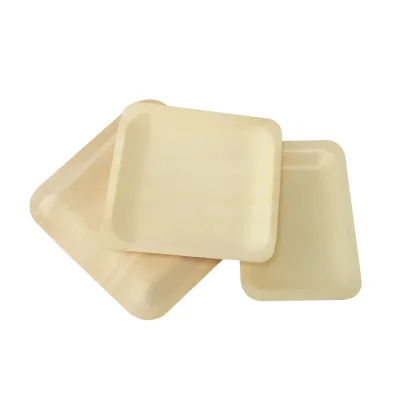
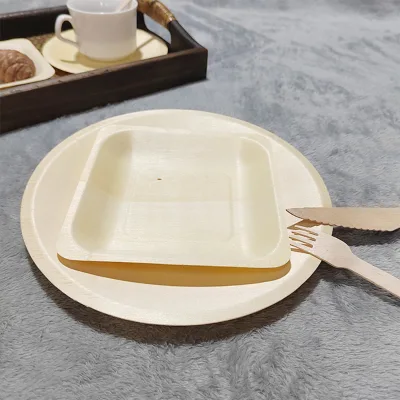
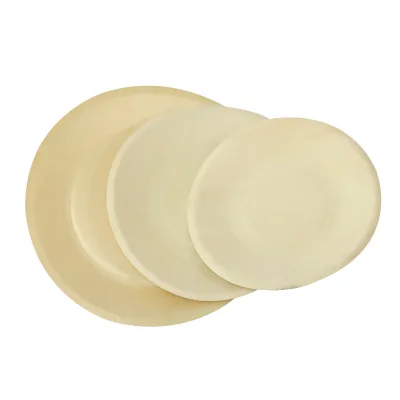
Wholesale Eco-friendly Disposable Compostable Wooden Square Plate for Party
$0.1038
MOQ: 50000 Minimum
Shandong Lufan Trading Co., Ltd.
- Verified by SGS Group
- Manufacturer, Trading Company
- Lead time25 days
- Avg. response≤ 4h
Main productsWooden Products, Home Decorations, Outdoor Garden Furniture, Kitchen Home Storage, Hotel and Bar Supplies
Main marketsWestern Europe(20%), Southern Europe(20%), North America(10%)
$0.0102 - $0.0409
MOQ: 30000 pieces

Shenzhen Lemeifu Technology Co., Ltd.
- Manufacturer
- Guangdong, China
- Lead time0 days
- Avg. response≤ 4h
Main productsHair Brush,Clean brush,Cutlery,Hair Comb,Bamboo Fan
Main marketsDomestic Market(5.00%), South Asia(5.00%), Southern Europe(5.00%), Northern Europe(5.00%), Central America(5.00%), Western Europe(5.00%), Eastern Asia(5.00%), Mid East(5.00%), Oceania(5.00%), Africa(5.00%), Southeast Asia(5.00%), Eastern Europe(5.00%), South America(5.00%), North America(5.00%)

Ningbo East Packaging Technology Co., Ltd.
- Verified by BV
- Trading Company
- China Zhejiang
- Lead time23 days
- Avg. response≤ 3h
Main productsDisposable Gloves, Nitrile Gloves, Vinyl Gloves, Latex Gloves, Food Packaging, Disposable Tableware, PPE Products, Packaging & Labels, Flashlights, General Consumer Products
Main marketsDomestic

Biodegradable Disposable Dinner Plates - Environmentally Conscious Choice
$0.068 - $0.09
MOQ: 500 Pieces


$0.075 - $0.08
MOQ: 10000 Pieces
Dalian F.T.Z A2U Industrial Co., Ltd.
- Manufacturer, Trading Company
- Liaoning, China
- Lead time20 days
- Avg. response≤ 6h
Main productsWooden Cutlery,Chopsticks,Coffee Stirrer,Wooden Tongue Depressor,Toothpicks
Main marketsWestern Europe(30.00%), Eastern Asia(25.00%), Southeast Asia(25.00%), North America(20.00%)

Wenzhou Qiangsen Import and Export Co., Ltd.
- Verified by BV
- Trading Company
- China Zhejiang
- Lead time30 days
- Avg. response≤ 4h
Main productsFood Container, Cornstarch Cutlery, Paper Plate, Salad Bowl, Paper Bag, Bamboo Stick, Wooden Cutlery, Greaseproof Paper, Bamboo Cutlery, Paper Cup
Main marketsSoutheast Asia/ Mideast,North America

Eco-Friendly Custom Printing Round Paper Tableware Disposable Paper Plate
$0.012 - $0.02
MOQ: 100000 piece


Hangzhou Renmin Eco-Tech Co., Ltd.
- Verified by TUVRHEINLAND
- Trading Company,Manufacturer/Factory,Other
- China Zhejiang
- Lead time23 days
- Avg. response≤ 4h
Main productsPaper Cup, Paper Cup Fan, Paper Cup Roll, Coffee Paper Cup, Plastic Cup, Plastic Lid, PE Coated Paper, Kraft Paper Bowl, Kraft Paper Box, Paper Food Container
Main marketsSouth America,Eastern Europe,Mid East,North America,Southeast Asia,Eastern Asia,Oceania,Western Europe,Africa


Custom Print 5 6 7 8 9 10 Inch Biodegradable Disposable Food Round Plates
$0.01 - $0.02
MOQ: 100000 Pieces


- Verified by TUVRHEINLAND
- Trading Company
- China Jiangsu
- Lead time30 days
- Avg. response≤ 7h
Main productsSugarcane Bagasse Tableware, Cornstarch Tableware, Cpla Tableware, Wooden/Bamboo Cutlery, Paper Food Container, Kraft Paper Box, Plastic Dinnerware Sets, Plastic Plates/Bowls, Plastic Cutlery/Silverware, Plastic Cups/Tumblers
Main marketsSoutheast Asia/ Mideast

Eco-Friendly Disposable Plates for Sustainable Living and Waste Reduction
$0.44 - $0.47
MOQ: 57400 Bags

Eco-Friendly Cornstarch Plates - Compostable and Biodegradable Dinnerware
$0.06 - $0.15
MOQ: 50000 Pieces

Stylish Eco-Friendly Round Serving Plates Made From Biodegradable Materials
$0.44 - $0.47
MOQ: 57400 Bags


Anhui Jiushun Photoelectric Technology Co., Ltd.
- Verified by TUVRHEINLAND
- Manufacturer/Factory
- China Anhui
- Lead time38 days
- Avg. response≤ 4h
Main productsBidoegradable Paper Plates, Bidoegradable Paper Cups, Bidoegradable Paper Bowls, Bidoegradable Paper Bags, PLA Paper Cups, PLA Tableware, Paper Lunch Box, Paper Gift Box, PE Paper Container, Other Package
Main marketsEastern Europe,Mid East,North America,Western Europe,Africa

Biodegradable Tableware Dining Room Dinner Non Plastic Plate Disposable Paper Plate
$0.03 - $0.06
MOQ: 10000 Pieces

Tableware Dining Room Dinner Biodegradable Round Plate Disposable Paper Plate
$0.03 - $0.06
MOQ: 10000 Pieces

10inch Biodegradable Tableware Dining Room Dinner Plate Disposable Round Paper Plate
$0.03 - $0.06
MOQ: 10000 Pieces

Biodegradable Paper Plates Home Compostable Paper Plates with Private Logo
$0.02 - $0.06
MOQ: 10000 Pieces

Anhui Taicheng Paper & Plastic Technology Co., Ltd.
- Verified by SGS
- Trading Company
- China Anhui
- Lead time30 days
- Avg. response≤ 6h
Main productsDisposable Paper Cups, Compostable Lids, Disposable Cutlery, Biodegradable Tableware, Disposable Food Box, Disposable Plate, Disposable Tableware, Kraft Paper Food Container, Sugarcane Tableware, Cornstarch Tableware
Main marketsSouth America,Africa,Southeast Asia/ Mideast,Europe,North America

6 Inch Eco Friendly Biodegradable White Dinner Disposable Corn Starch Plate
$0.02 - $0.03
MOQ: 50000 Pieces




Comprehensive Sourcing Guide
Eco Friendly Wooden Disposable Plates Supplier Concentration and Factory Types
Search results for Eco Friendly Wooden Disposable Plates cluster around two documented Chinese sourcing bases. One is Jiangsu Province, where a manufacturer lists disposable plate products including eco friendly dinnerware, bagasse cups and lids, coffee pods, and pulp box packaging, with OEM/ODM package services also offered. The second is Zhejiang Province, where a combined trading company and manufacturer/factory lists a broader food packaging assortment: paper bags, paper cups, paper boxes, tableware, sushi boxes, food boxes, salad bowls, plastic packaging, and fast food boxes. These two provinces appear repeatedly in disposable tableware searches, so buyers starting from scratch can reasonably prioritize them, while still checking whether dedicated wooden plate specialists exist elsewhere before committing.
Factory types in this category split along predictable lines. Pure manufacturers, like the Jiangsu company, typically control molding and drying of fiber-based plates themselves and advertise OEM/ODM acceptance, custom printing, and brand-name production on product attributes. Hybrid trading-plus-manufacturing operations, like the Zhejiang entry, may broker wooden or fiber plates from partner workshops while manufacturing packaging lines in-house, which widens catalog breadth but adds a margin layer. When screening, read the company type field carefully and cross-check the main products list against your wooden plate specification. A supplier whose catalog centers on cups, boxes, or cornstarch alternatives may be reselling wooden plates rather than producing them, which affects quality control depth, tooling changes, and how quickly a custom size or shape can be developed.
How to Verify Eco Friendly Wooden Disposable Plates Suppliers
Verification starts with the profile fields a platform already displays, then moves to evidence the buyer requests. The Zhejiang supplier in current results lists system certifications including BSCI, ISO 9000, ISO 9001, ISO 14000, ISO 14001, BRC, and ISO 20000 — a strong signal for a food-contact packaging operation, since BRC covers packaging hygiene and ISO 14001 addresses environmental management. The Jiangsu manufacturer's profile shows no certification list in the captured data, which is not proof of absence but does mean the buyer must ask for certificates directly and check issuing bodies. Never assume a certification applies to wooden plates specifically; scope statements on certificates matter as much as the badge itself.
Product-level evidence is the second verification layer. Listings on this page document material declarations such as bagasse pulp, sugarcane paper, and bamboo in keywords, plus attribute fields like food grade described as BPA free, nontoxic and hygienic, and features such as waterproof, greaseproof, and biodegradable. For wooden plates, request the same depth: species and origin of the timber, food-contact safety documentation, and any compostability or biodegradation claims with supporting test references. Ask each supplier to confirm whether microwave or refrigerator use is supported, since at least one listing advertises this. Finally, verify production reality: request a factory video call or audit, confirm which items are made in-house versus outsourced, and match the registered business name to bank details before any deposit.
What to Compare Across Eco Friendly Wooden Disposable Plates Suppliers
Build a comparison table using the attribute dimensions that platforms actually expose, without assuming every supplier displays every field. Response time is one of the most usable: captured results show roughly 2 hours for the Jiangsu manufacturer and about 3.73 hours for the Zhejiang hybrid, a meaningful gap when you are iterating on specs or chasing a sampling decision. Lead time differs too — 15 days versus 23 days in current listings — which directly affects your replenishment calendar for seasonal or event-driven demand. MOQ ranges widely across this category's listings, from 5,000 pieces on one round bagasse plate to 30,000 on a biodegradable paper plate and up to 200,000 on an unbleached bamboo plate, so MOQ tolerance is often the first filter for small or mid-size buyers.
Beyond speed and volume, compare breadth and specialization. The Zhejiang supplier's main products span food packaging, paper bags, cups, boxes, and tableware, suggesting consolidation potential if you also need packaging; the Jiangsu manufacturer is narrower but lists OEM/ODM package services and custom print acceptance directly on product attributes. Company type matters: manufacturer versus trading company changes pricing transparency and accountability. Also compare R&D capacity labels, establishment year where shown, and whether escrow or secure payment is offered on the platform. Score suppliers on the fields you can verify, and mark unverifiable fields as items to confirm in your RFQ rather than guessing.
Common Eco Friendly Wooden Disposable Plates Sourcing Risks
The first risk cluster is material substitution and claim inflation. Listings in this category mix bamboo, bagasse pulp, sugarcane paper, and cornstarch under overlapping eco-friendly keywords, and one listing markets itself with both "bamboo plates" and unbleached biodegradable language. A buyer ordering wooden plates can receive a fiber-molded substitute if the specification is not written into the contract with the model number, material, dimensions, and weight. Captured attributes like single gross weight of 0.030 kg and package size of 20.00 × 20.00 × 2.00 cm show how precisely specifications should be pinned down. Biodegradability claims such as "compostable within 90 days" appear in listings but should be backed by test documentation before they reach your own marketing.
The second cluster is volume and communication risk. MOQs in this category run as high as 200,000 pieces, so buyers who skip MOQ confirmation waste RFQ cycles; conversely, low-MOQ listings at 5,000 pieces may carry higher unit prices or fewer customization options. Pricing spreads also matter: captured listings range from roughly $0.01–$0.03 per piece up to $0.05–$0.06, so treat any quote far below the documented range with scrutiny on thickness and finishing. Response gaps — hours or days between messages — delay sampling and can push production past your window, especially given 15–23 day lead times before shipping. Finally, mixing trading companies and manufacturers in one comparison risks double margins; always ask who molds the product and who holds the tooling.
Eco Friendly Wooden Disposable Plates Regional Sourcing and Logistics
The documented geography for this search centers on two Chinese provinces with distinct logistics profiles. Jiangsu sits in the Yangtze Delta near Shanghai's port complex, giving the manufacturer there short inland hauls to major container terminals — useful for both full-container and consolidated shipments. Zhejiang, also coastal and delta-adjacent, offers similar port access and is densely served by packaging and tableware factories, which matters if you plan to source wooden plates alongside paper cups, boxes, or bags from the same region to fill a container. Both bases are established enough that freight forwarders know the lanes, but you should still confirm the actual loading port and whether the quoted price includes inland trucking to it.
Logistics planning should also account for lead times and packaging formats. Captured listings show 15-day and 23-day lead times; add sampling time, production queue variability around Chinese holidays, and ocean transit to your market when building a calendar. Packaging details in listings — 125 pieces per bag, 500 pieces per carton on one item; single-item selling units on another — directly determine container utilization and your repacking labor at destination. Ask each supplier for carton dimensions, gross weights, and stackability, since molded fiber and wooden plates tolerate compression differently. For mixed shipments, confirm whether the supplier can consolidate its own items or cooperates with nearby factories, and verify whether export documentation for wood products, such as treatment declarations where required, is handled by the factory.
Eco Friendly Wooden Disposable Plates Commercial Terms and Order Planning
Commercial terms should be negotiated against the documented ranges, not in a vacuum. Captured unit prices span roughly $0.01–$0.06 depending on product and material, so request itemized quotes covering unit price at your volume, tooling or mold fees for custom shapes, printing or branding charges, packaging, and inland freight. Confirm which Incoterms the quote assumes, whether platform escrow or trade assurance is available, and what deposit-to-balance split the supplier requires. OEM/ODM acceptance appears explicitly on several listings here, so if you need a private brand, negotiate logo application, artwork approval steps, and who owns the resulting tooling before the deposit is paid.
Order planning should sequence sampling, pilot orders, and scale-up deliberately. Given MOQs from 5,000 to 200,000 pieces across this category, a staged plan — sample, small pilot against the lowest workable MOQ, then volume once rejection rates are known — protects cash and shelf space. Anchor the schedule to the lead times in current listings of 15 and 23 days, then add buffers for Chinese New Year and other peak-season congestion. Align reorders with response-speed realities: suppliers answering within roughly two to four hours, as the captured profiles do, support faster iteration but should still be given written approval checkpoints. Finally, plan quality gates at pre-shipment: dimensions, weight, moisture, finish, and food-contact documentation, with a stated remedy such as replacement or credit if inspection fails.
(Word count: approximately 1,390)
FAQs
Are these plates made from wood or bagasse?
The available products are primarily made from bagasse pulp, sugarcane fiber, or cornstarch rather than solid wood. These materials provide a biodegradable and compostable alternative to traditional plastic or wooden disposables. They are designed to be eco-friendly while maintaining durability for food service applications.
What is the minimum order quantity for these plates?
Minimum order quantities vary significantly by supplier and product type. Some manufacturers require a minimum of 5,000 pieces, while others may demand up to 200,000 units for specific bagasse or bamboo options. Buyers should verify the exact MOQ with the supplier before placing an order.
How long does production take for custom orders?
Production lead times typically range from 15 to 23 days depending on the supplier and order volume. Manufacturers in Jiangsu and Zhejiang offer these timelines for standard and custom printed items. Buyers should confirm the exact schedule with the supplier to ensure timely delivery for their events.
Can I get custom printing on these disposable plates?
Yes, many suppliers accept custom printing and OEM/ODM requests for their eco-friendly plates. Options include custom logos and designs on bagasse or paper-based materials. Buyers should discuss specific printing requirements and additional costs directly with the manufacturer to ensure the final product meets their branding needs.
Are these plates microwave and refrigerator safe?
Many of the listed bagasse and pulp plates are microwave and refrigerator safe. They are designed to handle hot and cold foods without leaking or deforming. Buyers should check the specific product attributes for microwave compatibility, as some paper-based options may have different heat resistance limits.
What certifications do these suppliers hold?
Suppliers in this category often hold certifications such as ISO 9001, ISO 14001, BRC, and BSCI. These credentials indicate adherence to quality management and environmental standards. Buyers should request valid certification documents to verify compliance with international safety and sustainability requirements for their specific market.