Electric Circular Shearing Machine Suppliers and Manufacturers
Find 31 verified Electric Circular Shearing Machine suppliers in China offering ISO 9001 certified machines with response times under 10 hours. Compare lead times, MOQs, and prices ranging from $2,000 to $30,799 before requesting quotes; review the available evidence before requesting comparable quotations from suitable candidates.
Updated
Suppliers List

Shanghai Ants Machine Equipment Co., Ltd.
- Verified by BV
- Manufacturer/Factory,Group Corporation
- China Shanghai
- Lead time38 days
- Avg. response≤ 3h
Main productsBandsaw Machine, CNC Lathe, CNC Milling Machine, Grinding Machine, Drilling Machines, EDM Machine, Laser Cutting Machine, Shearing Machine, Press Braker Machine, Pipe Bending Machine
Main marketsSouth America,Eastern Europe,Mid East,North America,Southeast Asia,Eastern Asia,Oceania,Western Europe,Africa
Zaozhuang Honest Machinery Equipment Co., Ltd.
- Verified by SGS
- Trading Company
- China Shandong
- Lead time15 days
- Avg. response≤ 10h
Main productsBrake Lathe, Hydraulic Press, Cylinder Boring Machine, Hydraulic Hose, Lifter, Gratings, Paper Machine
Main marketsSouth America,Southeast Asia/ Mideast,East Asia(Japan/ South Korea),North America

Nantong Woke Machinery Equipment Co., Ltd.
- Trading Company
- China Jiangsu
- Lead time23 days
- Avg. response≤ 16h
Main productsPress Brake, Shearing Machine, Rolling Bending Machine, Punching Machine, Press Machine, CNC Cutting Machine, Iron Worker, Angle Notching Machine, Circular Shear Machine
Main marketsSouth America,Eastern Europe,Mid East,North America,Southeast Asia,Eastern Asia,Oceania,Western Europe,Africa

Dongguan Yafeng Hardware Machine Co., Ltd.
- Manufacturer
- Guangdong, China
- Lead time15 days
- Avg. response≤ 8h
Main productsCNC spinning machine,Threading Machine,Screw rolling machine,Edge Cutting And Rolling Machine,Cone rolling machine
Main marketsDomestic Market(32.00%), North America(7.69%), South Asia(7.69%), Southern Europe(7.69%), Northern Europe(7.69%), Central America(7.69%), Western Europe(7.69%), Eastern Asia(7.69%), Mid East(7.69%), Oceania(7.69%), Africa(7.69%), Southeast Asia(7.69%), Eastern Europe(7.69%), South America(7.69%)

Nanjing APEX CNC MACHINARY Co., Ltd.
- Verified by TUVRHEINLAND
- Trading Company
- China Jiangsu
- Lead time23 days
- Avg. response≤ 3h
Main productsPress Brake, CNC Press Brake, Fiber Laser Cutting Machine
Main marketsOthers(foreignTradeCapacity.exportBusinessCapacityMarketOther),Europe


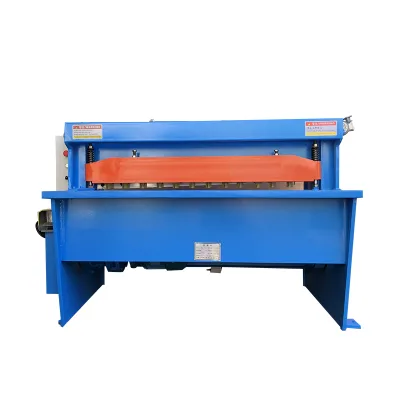
Perfect Electric Shearing Machine Copper Shearing Machine Chinese Manufacturers
$11900.00 - $99000.00
MOQ: 1 Pieces

Jining Qingke Machinery Co., Ltd.
- Manufacturer, Trading Company
- Lead time旺季: "1 - 100":10,"> 100":"To be negotiated", 淡季: "1 - 100":10,"> 100":"To be negotiated"
- Avg. response≤ 4h
Main productsExcavator, Forklift, Skid Steer Loader, Tricycle, Road Roller
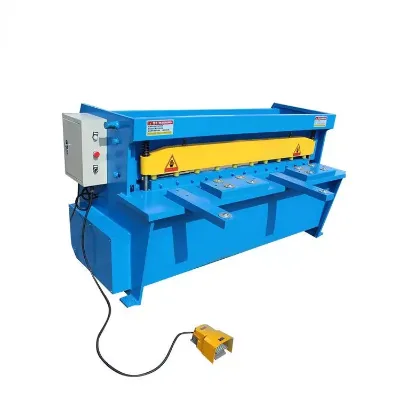
Factory Price Sheet Metal Shearing Cutting Machine Electric Shearing Machine
$5464.0469 - $5876.4278
MOQ: 1 sets
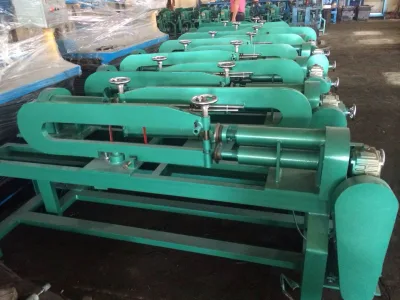
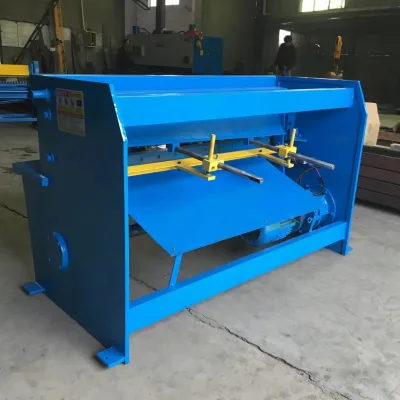
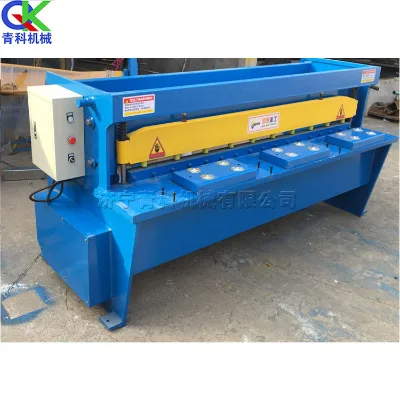
$900.00 - $990.00
MOQ: 1 sets

Anhui Viken Intelligent Equipment Manufacturing Co., Ltd.
- Verified by SGS
- Combined
- China Anhui
- Lead time15 days
- Avg. response≤ 1h
Main productsPress Brake, Fiber Laser Cutting Machine, Laser Welding Machine, Panel Bender
Main marketsSouth America,Europe,North America

$1000.00 - $3500.00
MOQ: 1 Sets

$1000.00 - $3500.00
MOQ: 1 Sets

Anhui Aoxuan Heavy Industry Machine Co., Ltd.
- Manufacturer/Factory
- China Anhui
- Lead time23 days
- Avg. response≤ 2h
Main productsPress Brake, Hydraulic Shearing Machine, Laser Cutting Machine, Power Press Machine, Hydraulic Press Machine, Iron Worker
Main marketsSouth America,Eastern Europe,Mid East,North America,Southeast Asia,Eastern Asia,Oceania,Western Europe,Africa

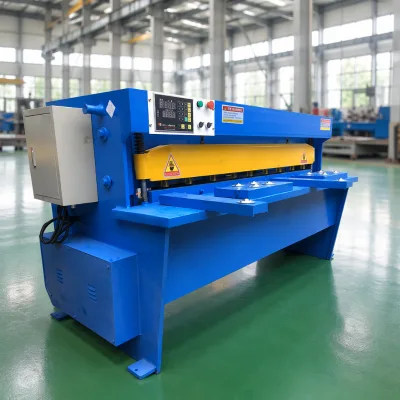
Mechanical Electric Shearing Machine, Stainless Steel Shear Machine, Carbon Steel Shearing Machine
$1250.00 - $1550.00
MOQ: 1 Sets

Electric Shearing Machine for Cut Plate with High Efficiency Reasonable Price
$3759.00 - $3888.00
MOQ: 1 Sets

TTMC IMPORT & EXPORT CO., LTD.
- Verified by BV
- Combined
- China Shandong
- Lead time30 days
- Avg. response≤ 3h
Main productsBand Saw, Bandsaw, Vertical Saw, Circular Saw, Belt Grinder, Welding Positioner, Bending Machine, Hydraulic Press, Drilling & Milling Machine, Jointer & Planer
Main marketsSouth America,Southeast Asia/ Mideast,North America
Henan Penghui Machinery And Equipment Co., Ltd.
- Trading Company
- Lead time旺季: "1 - 1":7,"> 1":"To be negotiated", 淡季: "1 - 1":7,"> 1":"To be negotiated"
- Avg. response≤ 2h
Main productsPastry Machinery, Food Machinery, Agriculture Machinery, Textile Machinery, Plastic Machinery

Henan Wadjay Machinery Co., Ltd.
- Verified by BV
- Manufacturer/Factory
- China Henan
- Lead time90 days
- Avg. response≤ 2h
Main productsRoof Panel Roll Forming Machine, C/Z Purlin Roll Forming Machine, Metal Stud and Track Roll Forming Machine, Floor Decking Roll Forming Machine, Door Frame Roll Forming Machine, Highway Guardrail Roll Forming Machine, Downspout/Gutter Roll Forming Machine, Solar Panel Frame Roll Forming Machine, Automotive Parts Roll Forming Machine, Concrete Mixing Plant
Main marketsSouth America,Eastern Europe,Mid East,North America,Southeast Asia,Eastern Asia,Oceania,Western Europe,Africa
Anhui Colgar Machinery Manufacturing Co., Ltd.
- Trading Company
- Lead time旺季: "1 - 1":15,"2 - 3":25,"4 - 5":30,"> 5":"To be negotiated", 淡季: "1 - 1":15,"2 - 3":25,"4 - 5":30,"> 5":"To be negotiated"
- Avg. response≤ 2h
Main productsCNC Press Brake, Shearing Machine, Laser Cutting Machine, CNC Rolling Machine, CNC Punching Machine

Shandong Pinjia Machinery Technology Co., Ltd.
- Manufacturer, Trading Company
- Shandong, China
- Lead time3 days
- Avg. response≤ 4h
Main productsForklift,excavator,seed planting,spayer machine,construction machine
Main marketsSoutheast Asia(25.00%), Africa(21.00%), Eastern Europe(14.00%), North America(12.00%), Domestic Market(8.00%), South America(8.00%), Mid East(6.00%), Oceania(3.00%), Northern Europe(3.00%)
Shandong keruide Heavy Machinery co.,ltd
- Verified by TüVRheinland
- Manufacturer, Trading Company
- Lead time3 days
- Avg. response≤ 4h
Main productsExcavator, Forklift, Skid Steer Loader, Tricycle, Road Roller
Main marketsDomestic Market(25%), North America(20%), Eastern Europe(20%)
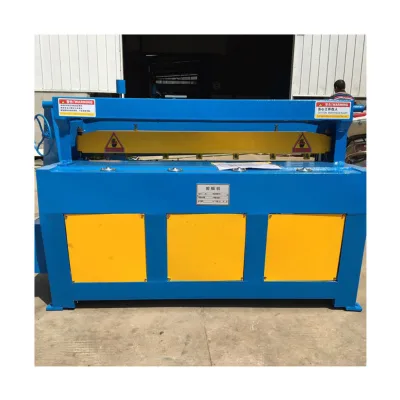
$880.5531 - $984.1475
MOQ: 1 sets
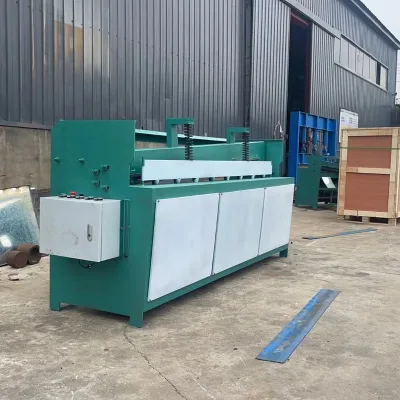
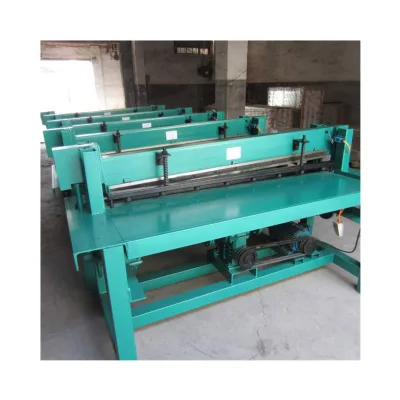
$690.00 - $720.00
MOQ: 1 sets
Ma'anshan Jude Machinery Technology Co., Ltd.
- Trading Company
- Anhui, China
- Lead time15 days
- Avg. response≤ 1h
Main productsrolling machine,CNC V-shaped grooving machine,Punching and shearing machine,shearing machine,press brake
Main marketsSoutheast Asia(20.00%), North America(10.00%), South Asia(10.00%), South America(10.00%), Domestic Market(5.00%), Eastern Europe(5.00%), Southern Europe(5.00%), Northern Europe(5.00%), Central America(5.00%), Western Europe(5.00%), Eastern Asia(5.00%), Mid East(5.00%), Oceania(5.00%), Africa(5.00%)
Xingtai Wanrun Machinery Manufacturing Co., Ltd.
- Verified by TüVRheinland
- Manufacturer, Trading Company
- Lead time0 days
- Avg. response≤ 2h
Main productsPipe Shrinking Machine, Pipe Expanding Machine
Main marketsDomestic Market(40%), North America(15%), Eastern Europe(15%)

Anhui Yawei Machine Tool Manufacturing Co., Ltd.
- Verified by TUVRHEINLAND
- Combined
- China Anhui
- Lead time30 days
- Avg. response≤ 13h
Main productsLaser Cutting Machine
Main marketsSouth America,Africa,Southeast Asia/ Mideast,East Asia(Japan/ South Korea),Domestic,Europe,Australia,North America
Shanghai Lions Machinery Co., Ltd.
- Verified by Intertek
- Trading Company
- Lead time0 days
- Avg. response≤ 1h
Main productsSheet Rolling Machines, Plate Bending Machines, Cable Conveyors, Bearing Heaters, Pipe Bending Machines
Main marketsSoutheast Asia(35%), Eastern Europe(20%), North America(15%)
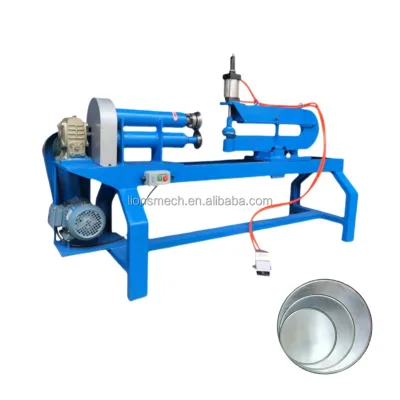
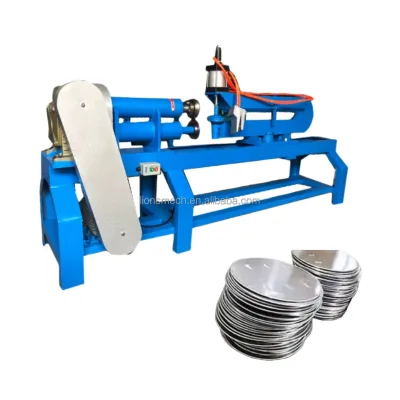
$1310.00 - $1820.00
MOQ: 1 pieces
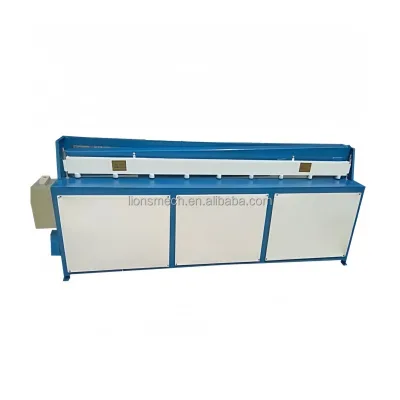
$1020.00 - $1550.00
MOQ: 1 pieces
Qingdao Blade Network Technology Co., Ltd.
- Trading Company
- Shandong, China
- Lead time0 days
- Avg. response≤ 6h
Main productsLift Tables,Hoists,Crane,Forklift,Industrial Machinery
Main marketsNorth America(40.00%), Mid East(15.00%), Southeast Asia(15.00%), Eastern Europe(15.00%), Central America(10.00%), South Asia(5.00%)

- Verified by TUVRHEINLAND
- Trading Company,Manufacturer/Factory
- China Shandong
- Lead time15 days
- Avg. response≤ 6h
Main productsCNC Drilling Machine, CNC Punching Machine, Hydralic Shearing Machine, Press Brake, CNC Laser Cutting Machine, CNC Plasam Flame Cutting Machine, Angle Steel Line
Main marketsSouth America,Mid East,Southeast Asia,Africa
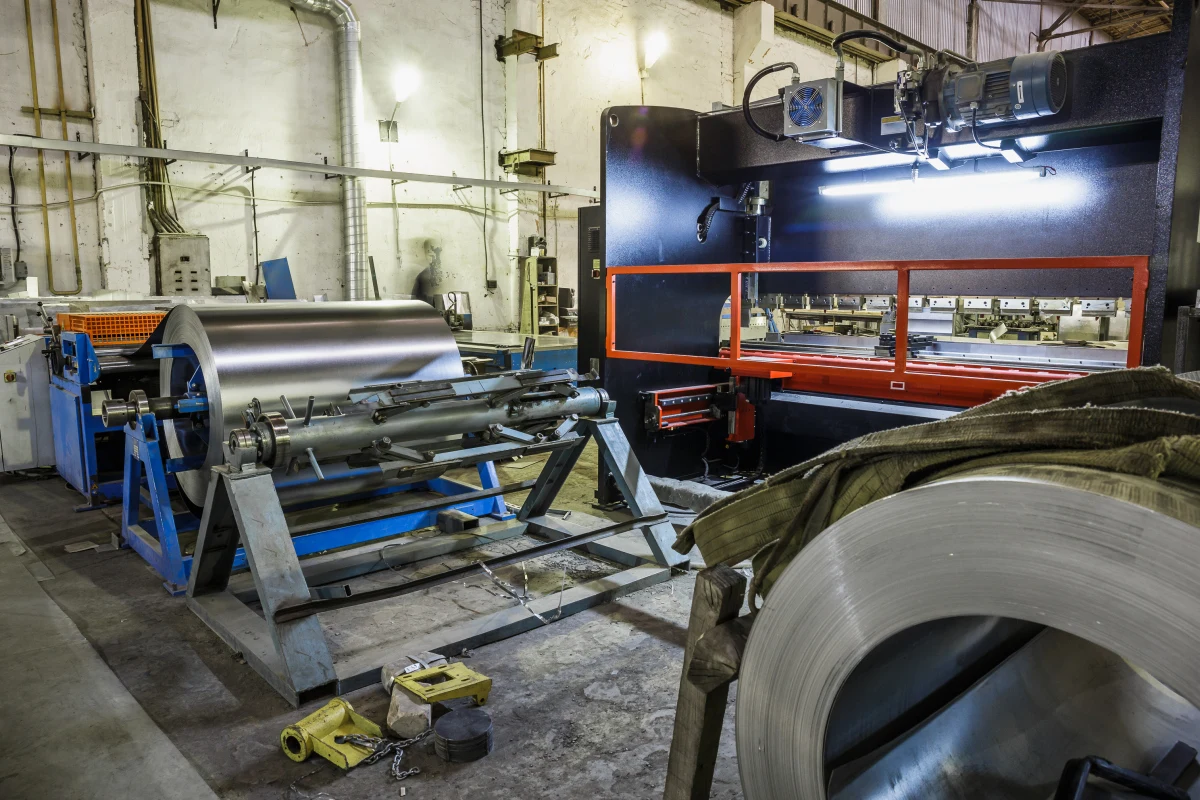
Maanshan Guohua Machinery Co., Ltd.
- Manufacturer, Trading Company
- Anhui, China
- Lead time40 days
- Avg. response≤ 1h
Main productsduct making machine,folding machine,rolling machine,shearing machine,lock forming machine
Main marketsAfrica(10.00%), North America(10.00%)

TENGZHOU MILLART MACHINE TOOL CO., LTD.
- Trading Company,Manufacturer/Factory
- China Shandong
- Lead time23 days
- Avg. response≤ 6h
Main productsCNC Machining Center, CNC Lathe Machine, Milling Machine, Lathe Machine, Drilling Machine, Sawing Machine, Grinding Machine, Sheet Metal Machine, Tube Profile Bending Machine, Press and Punching
Main marketsSouth America,Eastern Europe,Mid East,North America,Southeast Asia,Eastern Asia,Oceania,Western Europe,Africa

Mechanical Shearing Machine Q11-3X1500 /Electric Shearing Machine/Shearing
$1600.00 - $1800.00
MOQ: 1 Pieces


Electric Shearing Machine Q11-4X2000 Q11-4X2500 /Shearing Machine/Shear
$3500.00 - $3800.00
MOQ: 1 Pieces

Hot Sale Mechanical Shearing Machine Q11-6X2000 Q11-6X2500/Electric Shearing Machine/Shear
$4500.00 - $5000.00
MOQ: 1 Pieces
Hefei Zhixin Machinery Co., Ltd.
- Trading Company
- Anhui, China
- Lead time30 days
- Avg. response≤ 2h
Main productspress brake machine,shearing machine,slitting machine,cnc plate rolling machine,air duct making machines
Main marketsSoutheast Asia(20.00%), South Asia(20.00%), Mid East(10.00%), North America(10.00%), Central America(5.00%), Africa(5.00%), Domestic Market(4.00%), South America(3.00%), Southern Europe(3.00%), Western Europe(2.00%), Eastern Asia(2.00%), Eastern Europe(2.00%), Northern Europe(2.00%), Oceania(2.00%)

Nanjing Byfo Machinery Co., Ltd.
- Verified by CTI
- Trading Company,Manufacturer/Factory
- China Jiangsu
- Lead time23 days
- Avg. response≤ 10h
Main productsHydraulic Press, Punching Machine, Ironworker, Power Press, Press Brake, Stamping Machine, Punch Press
Main marketsSouth America,Eastern Europe,Mid East,North America,Southeast Asia,Eastern Asia,Oceania,Western Europe,Africa
Nanjing Jinqiu CNC Machine Tool Co., Ltd.
- Verified by TüVRheinland
- Manufacturer, Trading Company
- Lead time20 days
- Avg. response≤ 2h
Main productsPress Brake, Shearing Machine, Laser Cutting Machine, Grooving Machine, Hydraulic Press
Main marketsDomestic Market(60%), Western Europe(8%), Eastern Europe(5%)
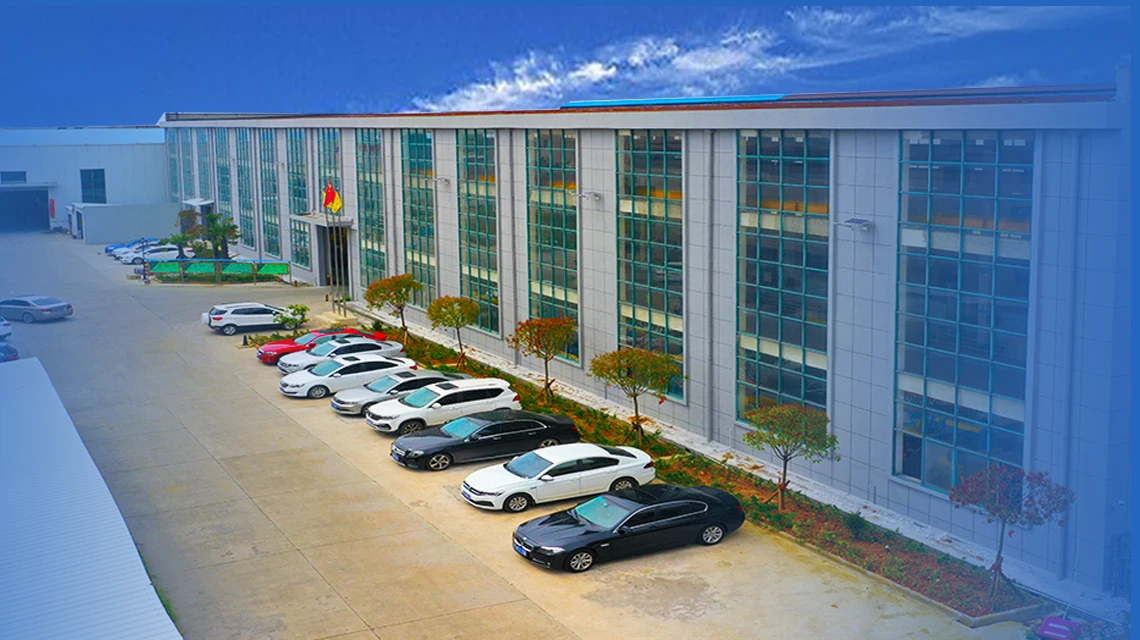
Anhui Zhongchi Machinery Manufacturing Co., Ltd.
- Manufacturer, Trading Company
- Anhui, China
- Lead time15 days
- Avg. response≤ 1h
Main productssquare duct product line,Round Duct Machine,Rollformer,Seam Closer,Duct Related Equipmet
Main marketsNorth America(25.00%), South America(19.00%), Mid East(16.00%), Domestic Market(10.00%), Southeast Asia(8.00%), Oceania(6.00%), Africa(3.50%), Eastern Europe(3.00%), South Asia(2.50%), Eastern Asia(2.00%), Western Europe(2.00%), Central America(2.00%), Southern Europe(0.50%), Northern Europe(0.50%)
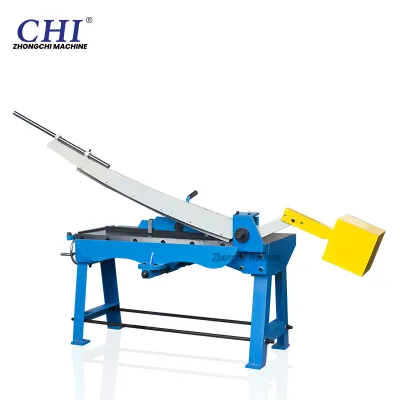
Electric Plate Shears for Duct Making Shearing Machine Product Type
$924.0391 - $1642.7361
MOQ: 1 sets
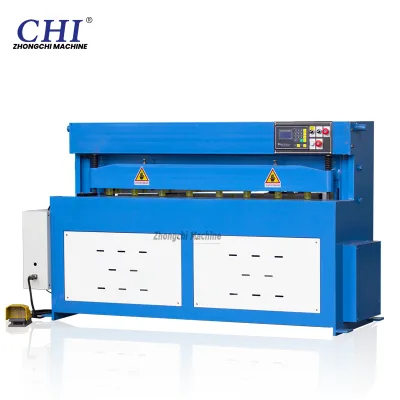
$2618.1114 - $3490.8142
MOQ: 1 sets

Shandong Zeye Machine Tool Manufacturing Co., Ltd.
- Verified by BV
- Combined
- China Shandong
- Lead time120 days
- Avg. response≤ 1h
Main productsSlitting Line, Cut to Length Line, Moving Cut to Length Machine, Slitting and Cut to Length Line, Slitting & Cut to Length Compound Line, Decoiler Machine, Steel Coil Slitting Line, Steel Coil Rotary Shear, Combined Line
Main marketsSoutheast Asia/ Mideast,Domestic,Europe

Nanjing Jinqiu CNC Machine Tool Co., Ltd.
- Verified by SGS
- Combined
- China Jiangsu
- Lead time30 days
- Avg. response≤ 7h
Main productsPress Brake, Shearing Machine, Power Press, Bending Machine, Rolling Machines and Plate Rolls, CNC Press Brake, CNC Shearing Machine, Mould, Blade
Main marketsSouth America,Africa,Southeast Asia/ Mideast,East Asia(Japan/ South Korea),Europe,North America
Jiangsu Hoston Machine Tools Co., Ltd.
- Verified by TüVRheinland
- Trading Company
- Lead time25 days
- Avg. response≤ 3h
Main productsLathe Machine, CNC Metal Spinning Machine, Welding Table, Plate Rolling Machine, Press Brake Machine
Main marketsWestern Europe(25%), North America(20%), South America(15%)
Anhui Colgar Machinery Manufacturing Co., Ltd.
- Verified by Intertek
- Trading Company
- Lead time20 days
- Avg. response≤ 1h
Main productsCNC Press Brake, Shearing Machine, Laser Cutting Machine, CNC Rolling Machine, CNC Punching Machine
Main marketsDomestic Market(17%), Northern Europe(16%), South Asia(12%)
Anhui Aoxuan Machinery Equipment Co., Ltd.
- Verified by TüVRheinland
- Manufacturer, Trading Company
- Lead time30 days
- Avg. response≤ 3h
Main productsHydraulic Press Brake, Hydraulic Shearing Machine, Fiber Laser Cutting Machine, Hydraulic Ironworker, Punching Machine
Main marketsNorth America(20%), South America(20%), Southeast Asia(10%)
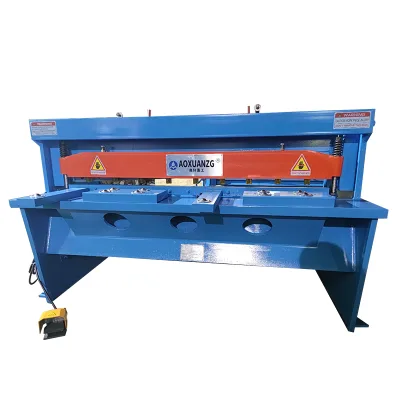
Electric Plate Shears 3 X 1500mm High Efficiency Shearing Machines
$1500.00 - $3500.00
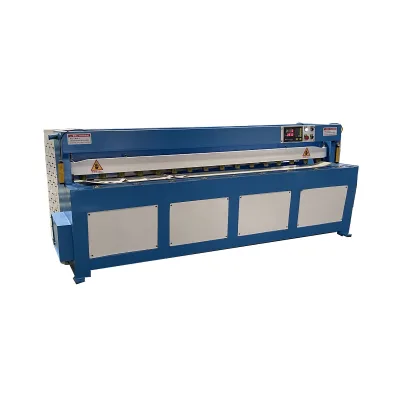
Competitive Priced Q11-1.2*1500MM Electric Shearing Machine High Efficiency Cutting & Shearing Tool
$1400.00 - $1600.00
MOQ: 1 sets


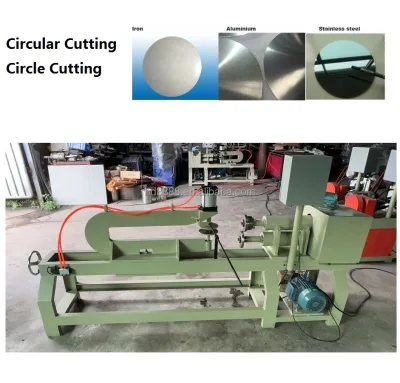
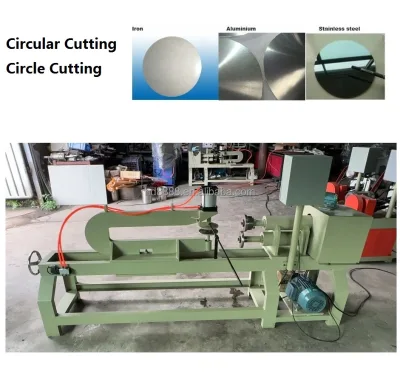
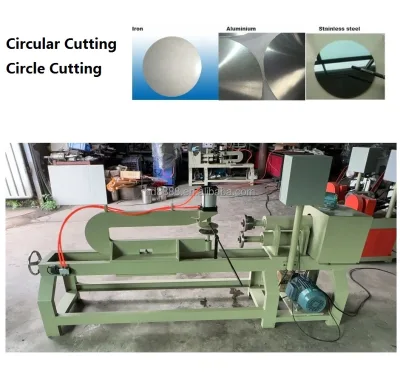


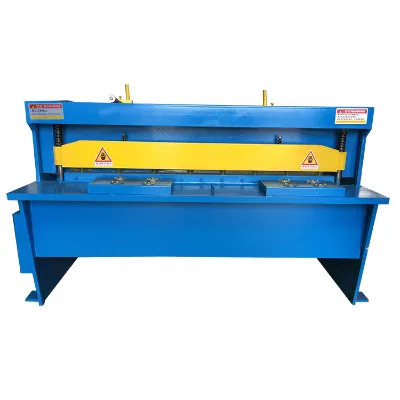


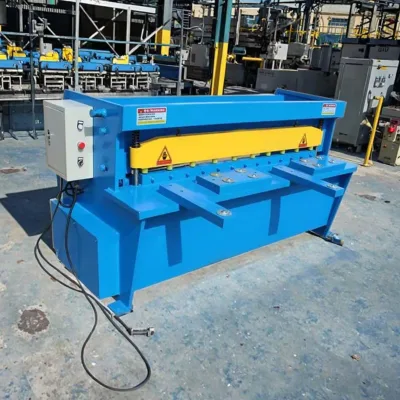
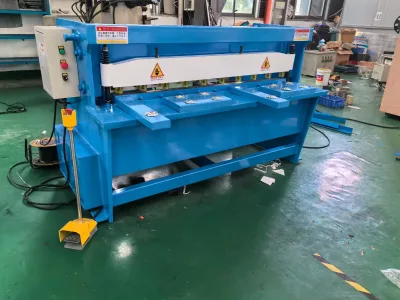
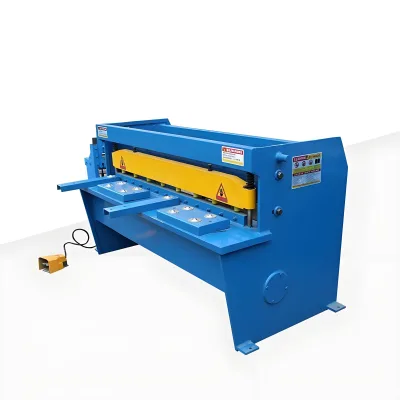
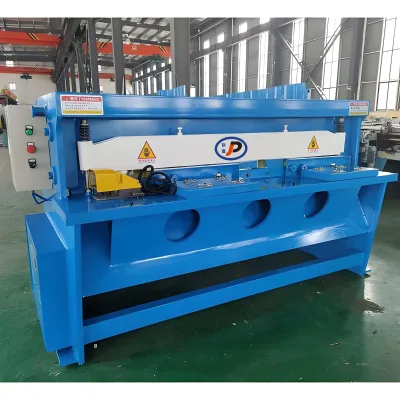






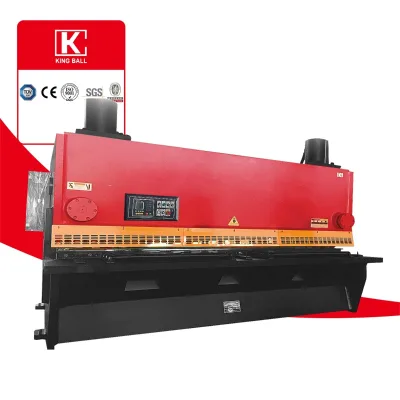


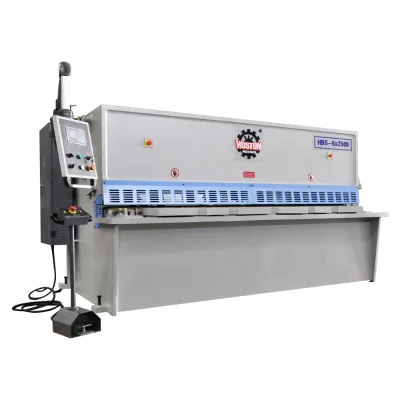
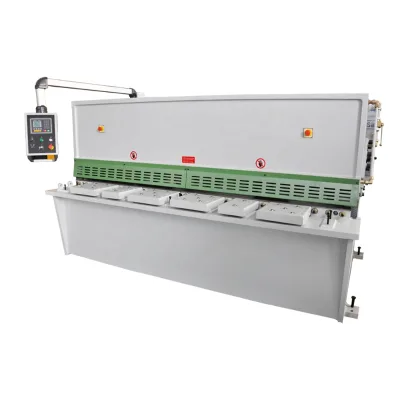
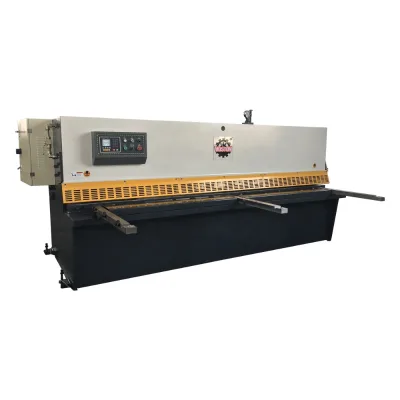
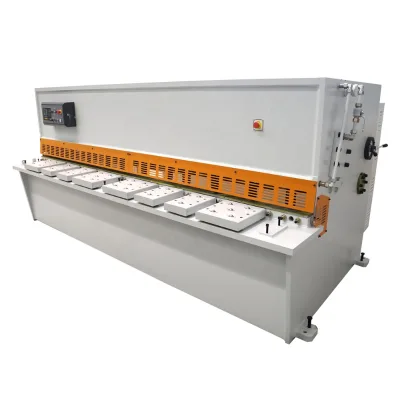
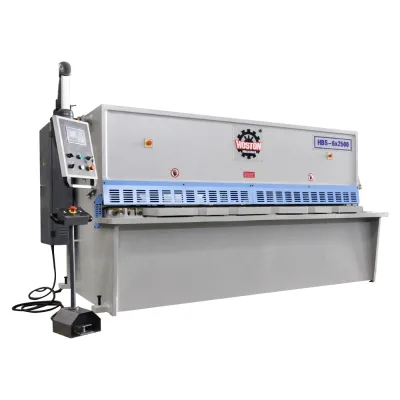
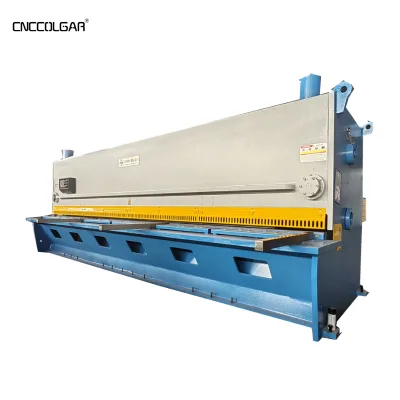
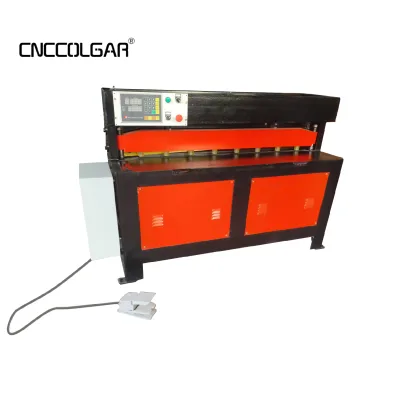
Comprehensive Sourcing Guide
Electric Circular Shearing Machine Supplier Concentration and Factory Types
The current supplier landscape for electric circular shearing machines reveals a distinct geographic concentration in China, with specific results highlighting manufacturing hubs in Shanghai and Shandong. These regions serve as primary centers for industrial machinery production, offering buyers access to established supply chains and specialized labor pools. When evaluating potential partners, it is crucial to distinguish between different company types, as the results indicate a mix of Manufacturer/Factory entities and Group Corporations alongside Trading Companies. Manufacturers typically offer direct control over production processes, allowing for greater customization and potentially lower costs, while trading companies may provide broader product ranges and logistical support. Understanding this distinction helps buyers align their sourcing strategy with their specific needs for quality control, volume, and service level.
In Shanghai, suppliers are often associated with advanced CNC capabilities and a wide array of machine tool equipment, including bandsaw machines, lathes, and milling centers. This suggests a mature industrial ecosystem where electric shearing machines are part of a comprehensive portfolio of metalworking solutions. Conversely, suppliers in Shandong may focus on different segments of the machinery market, such as brake lathes and hydraulic presses, indicating a diverse regional specialization. Buyers should verify the specific operational focus of each supplier to ensure they possess the requisite expertise for electric circular shearing technology. The presence of both factory and trading entities in these locations means that due diligence is required to confirm whether a supplier is the actual producer or a middleman, as this impacts pricing, communication efficiency, and after-sales support capabilities.
How to Verify Electric Circular Shearing Machine Suppliers
Verification is a critical step in mitigating risk when sourcing industrial machinery from international suppliers. The available data indicates that some suppliers hold BV (Bureau Veritas) verification, while others have undergone SGS verification processes. These third-party audits provide a baseline level of confidence regarding the supplier’s business legitimacy and operational stability. Buyers should prioritize suppliers with these verifications, as they indicate a commitment to meeting international standards for business practices and product quality. However, verification alone is not sufficient; it must be complemented by an assessment of the supplier’s technical capabilities and product-specific certifications. For instance, checking for ISO 9001 and ISO 14001 certifications can confirm that the supplier adheres to recognized quality management and environmental standards, which is essential for ensuring consistent product performance and regulatory compliance in various markets.
Beyond corporate certifications, buyers must scrutinize the specific product attributes and warranties offered. The results show that electric shearing machines often come with warranties ranging from one to two years, covering core components and general machine integrity. It is vital to verify the scope of these warranties, including the duration and coverage for parts and labor. Additionally, buyers should request detailed product specifications, such as motor power, cutting thickness capacity, and automation levels, to ensure the machine meets their production requirements. Confirming that the supplier provides accurate and transparent information about their products is a strong indicator of reliability. Buyers should also inquire about the supplier’s response time, as a quick and professional reply often reflects a well-organized customer service team capable of handling post-sale support and technical inquiries efficiently.
What to Compare Across Electric Circular Shearing Machine Suppliers
When evaluating multiple suppliers, buyers should compare key operational metrics such as lead time, minimum order quantity (MOQ), and response speed to determine the best fit for their procurement timeline and budget. The data shows significant variation in lead times, with some suppliers offering delivery within 35 to 38 days, while others may have different production schedules. Understanding these lead times is crucial for production planning, especially for large-scale industrial projects where delays can have cascading effects. Similarly, MOQs can vary, with some suppliers requiring a minimum of one unit, making them suitable for small businesses or pilot projects, while others may have higher thresholds. Buyers should align their order volume with the supplier’s MOQ policies to avoid unnecessary costs or inventory issues. Response time is another critical factor, as faster responses can indicate a more agile and customer-centric organization, which is beneficial for resolving technical questions or negotiating terms quickly.
Price and payment terms are also essential comparison points. The results indicate price ranges for electric shearing machines, with some models starting around $10,000 and others reaching higher price points depending on specifications and automation levels. Buyers should request detailed quotations that break down costs, including shipping, taxes, and any additional fees, to ensure a transparent comparison. Payment terms, such as a 30/70% split, are common and should be evaluated in the context of the supplier’s reputation and verification status. Additionally, buyers should compare the technical specifications of the machines, such as maximum cutting thickness, width, and motor power, to ensure they meet their specific operational needs. By systematically comparing these factors, buyers can make informed decisions that balance cost, quality, and service reliability.
Common Electric Circular Shearing Machine Sourcing Risks
One of the primary risks in sourcing electric circular shearing machines is the potential mismatch between advertised specifications and actual product performance. Buyers must be cautious of suppliers who provide vague or incomplete technical details, as this can lead to receiving machinery that does not meet their production requirements. For example, discrepancies in motor power, cutting capacity, or automation levels can significantly impact operational efficiency and output quality. To mitigate this risk, buyers should request detailed technical datasheets and, if possible, conduct factory audits or third-party inspections to verify the supplier’s manufacturing capabilities. Additionally, buyers should be wary of suppliers who offer prices that seem unusually low compared to market averages, as this may indicate the use of substandard materials or components that could compromise the machine’s longevity and safety.
Another significant risk is the lack of adequate after-sales support and warranty coverage. Industrial machinery requires regular maintenance and occasional repairs, so buyers must ensure that the supplier provides comprehensive support services. This includes the availability of spare parts, technical assistance, and clear warranty terms. Buyers should verify the supplier’s warranty policy, including the duration and coverage for core components, and inquire about their response time for service requests. Additionally, buyers should consider the logistical challenges of importing heavy machinery, such as shipping costs, customs clearance, and installation requirements. Choosing suppliers with experience in international shipping and a proven track record of successful deliveries can help minimize these logistical risks. By proactively addressing these potential issues, buyers can protect their investment and ensure smooth operations.
Electric Circular Shearing Machine Regional Sourcing and Logistics
Sourcing electric circular shearing machines from China involves navigating complex logistical considerations, including shipping methods, packaging standards, and customs regulations. The results indicate that suppliers in Shanghai and Shandong utilize various packaging methods, such as export wooden boxes and plywood cases, to protect the machinery during transit. Buyers should ensure that the packaging is robust enough to prevent damage during long-distance shipping, especially for heavy and sensitive equipment. Additionally, buyers must consider the dimensions and weight of the machines, as these factors influence shipping costs and handling requirements. For instance, some models have significant dimensions and weights, requiring specialized freight solutions and careful planning for port handling and inland transportation.
Customs clearance and import duties are also critical logistical factors that can impact the total cost and delivery timeline. Buyers should familiarize themselves with the import regulations in their destination country, including any required certifications or documentation for industrial machinery. Working with suppliers who have experience in international trade and can provide necessary documentation, such as commercial invoices, packing lists, and certificates of origin, can streamline the customs process. Additionally, buyers should consider the benefits of using freight forwarders who specialize in machinery imports, as they can offer expertise in logistics optimization and risk management. By carefully planning the logistics and understanding the regional shipping dynamics, buyers can ensure timely and cost-effective delivery of their electric circular shearing machines.
Electric Circular Shearing Machine Commercial Terms and Order Planning
Effective order planning for electric circular shearing machines requires a clear understanding of commercial terms, including payment structures, delivery schedules, and contractual obligations. The results show that common payment terms include a 30/70% split, where an initial deposit is made upon order confirmation, and the balance is paid before shipment. Buyers should negotiate these terms to align with their cash flow management and risk tolerance. Additionally, buyers must ensure that the delivery time, often cited as 35 to 38 days, is realistic and factored into their production schedule. It is advisable to include penalty clauses for delays in the contract to incentivize timely delivery and protect against potential disruptions.
Furthermore, buyers should plan for the installation and commissioning of the machinery upon arrival. This may require coordinating with local technicians or requesting on-site support from the supplier. Clear communication regarding installation requirements, training, and technical support is essential to ensure a smooth startup process. Buyers should also consider the long-term operational costs, including energy consumption and maintenance, when evaluating the total cost of ownership. By carefully planning the commercial terms and operational logistics, buyers can minimize risks and maximize the value of their investment in electric circular shearing machines. This proactive approach ensures that the machinery integrates seamlessly into their production workflow, delivering the expected performance and efficiency.
FAQs
What is the typical lead time for electric shearing machines?
Lead times vary by supplier and model, ranging from 15 to 38 days based on current factory schedules. Some manufacturers offer faster delivery for standard models, while custom orders may require extended production windows. Buyers should confirm specific timelines before placing orders to ensure alignment with project deadlines.
Do suppliers offer customization for electric shearing machines?
Yes, customization is available for many electric shearing machines to meet specific production needs. Buyers can request modifications to dimensions, automation levels, or motor power. This flexibility allows for tailored solutions that fit unique operational requirements while maintaining compliance with safety and performance standards.
What certifications do these machines typically hold?
Most electric shearing machines carry ISO 9001 and CE certifications to ensure quality and safety compliance. Some suppliers also hold ISO 14001 for environmental management. These certifications indicate adherence to international standards, providing buyers with confidence in the reliability and safety of the machinery purchased.
What is the minimum order quantity for these machines?
Minimum order quantities vary, with some suppliers accepting single units while others require a batch of 30 pieces. Buyers should check specific product listings to determine the exact MOQ. Lower quantities are often available for standard models, whereas specialized or bulk orders may have different thresholds.
Where are these electric shearing machines manufactured?
These machines are primarily manufactured in China, with major production hubs located in Shanghai and Shandong. Buyers can expect products to originate from these regions, which are known for their industrial machinery capabilities. Shipping times and logistics will depend on the specific factory location and destination.
What warranty periods are offered for these machines?
Warranty periods typically range from one to two years depending on the machine model and supplier. Core components often carry a one-year warranty, while full machine coverage may extend to two years. Buyers should verify specific warranty terms to understand coverage for parts and labor during the period.
What is the response time for supplier inquiries?
Supplier response times vary, with some manufacturers replying within approximately three hours and others taking up to nine hours. Faster response times are common for verified suppliers. Buyers should expect prompt communication to facilitate quick decision-making and efficient order processing during the sourcing phase.