Source Horizontal Yam Lathe Machine for Auto Parts, Shafts, and Fittings
Compare 30 Horizontal Yam Lathe Machine listings from verified Chinese suppliers. Buyers can evaluate models like C6241 and SK40P based on precision, power source, and swing over bed dimensions to find the right equipment for industrial machining needs; compare the available evidence and request quotations based on your requirements.
Updated
Key considerations
Products List


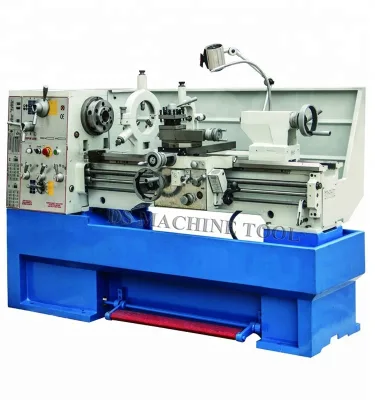


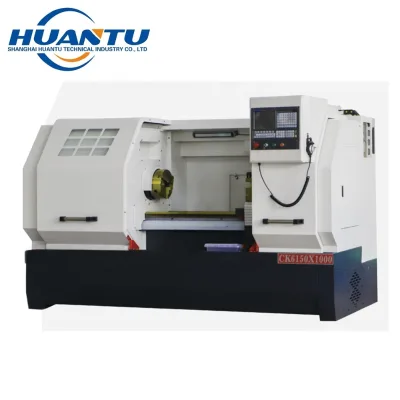
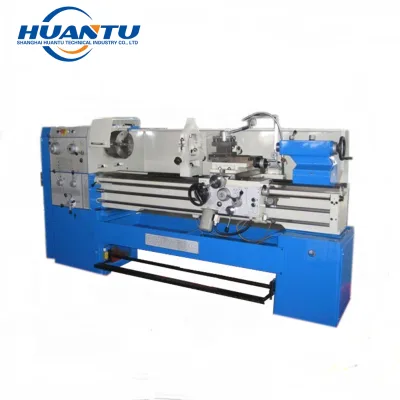


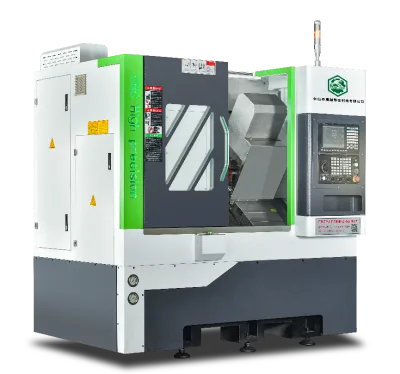
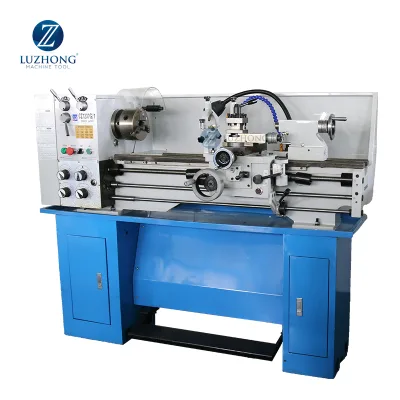
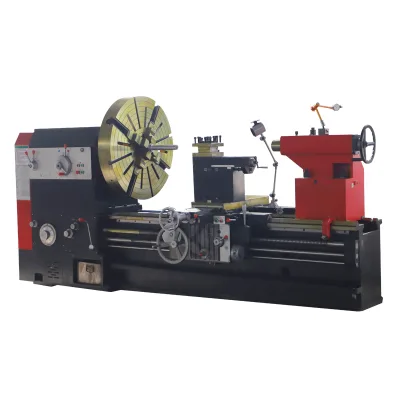
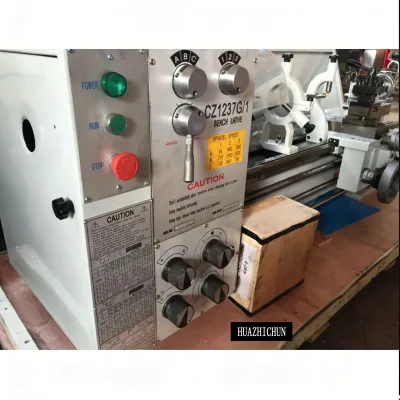
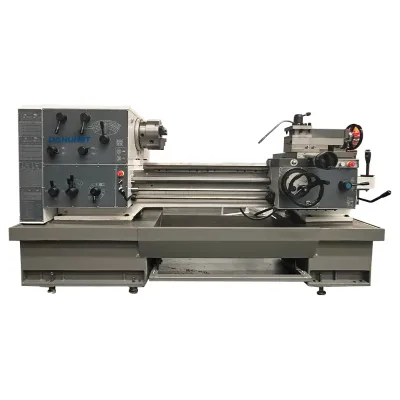
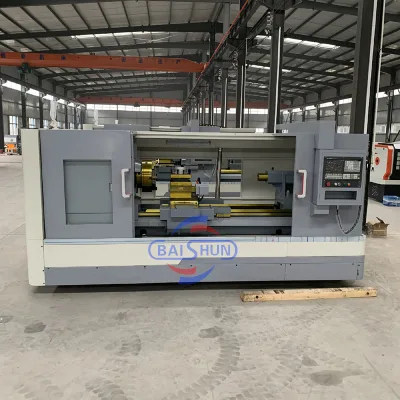
Hot Sale Good Precision China Brand Lathe New Floor Type Horizontal Cnc Lathe Machine
$12500.00 - $13000.00
MOQ: 1 sets
Comprehensive Sourcing Guide
Horizontal Yam Lathe Machine Sourcing Guide
Procuring a Horizontal Yam Lathe Machine requires careful alignment of mechanical specifications with your specific processing volume and material handling needs. The market offers a diverse range of configurations, from semiautomatic units to fully automatic CNC systems, each serving distinct operational tiers. Buyers must first determine whether their workflow demands the high-speed consistency of automatic grades or the flexibility of manual controls for specialized tasks. Understanding these fundamental differences is crucial for selecting a machine that integrates seamlessly into existing production lines without causing bottlenecks or requiring excessive retraining for operators.
The sourcing landscape is heavily influenced by regional manufacturing hubs, with significant supply originating from regions such as Liaoning and Dezhou in China. These geographic clusters often dictate lead times, shipping logistics, and the availability of local service support. Buyers should evaluate not just the machine’s technical capabilities but also the supplier’s logistical reliability and after-sales infrastructure. Establishing clear communication channels early in the procurement process helps mitigate risks associated with international trade, ensuring that any technical queries or customization requests are addressed promptly before finalizing purchase agreements.
Product Scope and Observed Listing Signals
Current market listings reveal a wide spectrum of product attributes, including varying power sources such as hydraulic pressure, electric, and manual options. This diversity indicates that buyers can find machines tailored to specific energy constraints or operational preferences. For instance, some models feature artificial controlling modes, while others offer advanced CNC capabilities for enhanced precision. The observed condition is predominantly new, suggesting that the market is active with fresh inventory rather than refurbished units. Buyers should carefully review these signals to ensure the selected machine matches their facility’s power infrastructure and automation strategy.
Packaging and origin details provide additional context for logistics planning. Products are typically packed in veneer cases, wooden boxes, or steel pallets with wood packaging, reflecting standard export practices for heavy machinery. The origin is frequently listed as China, with specific provinces like Liaoning and Dezhou highlighted as key manufacturing centers. These details are critical for calculating landed costs, including freight and insurance. Buyers must verify that the packaging is robust enough to protect the machine during transit, especially for long-distance shipments, to avoid damage that could delay production schedules.
Technical Specifications to Verify
Key technical parameters such as swing over bed and distance between centers are vital for determining the machine’s capacity to handle your specific yam processing requirements. Observed specifications include a max swing over bed of 410mm and a distance between centers of 1500mm for certain models, while others offer a 400mm swing with a 750mm center distance. These dimensions directly impact the size of the workpieces that can be processed. Buyers must match these specifications to their largest raw material dimensions to ensure the machine can accommodate their full range of products without modification or limitation.
The type of guide rail and tool holder also plays a significant role in machining accuracy and stability. Horizontal guide rails are common in standard horizontal lathes, while inclined guide rails may be found in more specialized or high-precision models. Tool holders vary from single-tool holder CNC lathes to more complex configurations. Additionally, the automatic grade, ranging from semiautomatic to fully automatic, affects throughput and labor requirements. Buyers should verify these details against their production speed targets and quality standards to avoid purchasing a machine that lacks the necessary precision or automation level for their operations.
Compliance and Safety Documentation
Certification status is a primary indicator of a machine’s adherence to international safety and quality standards. Many listed products carry ISO and CE certifications, which are essential for operating in regulated markets. Some suppliers also mention additional certifications such as GS, indicating compliance with specific German safety standards. Buyers must request valid certification documents to verify that the machine meets the regulatory requirements of their destination country. This step is crucial for avoiding customs delays and ensuring that the equipment can be legally operated within your facility.
Beyond certifications, documentation regarding the machine’s standard color and optional customization options can impact workplace safety and integration. Standard colors like upper white and down black may be chosen for visibility and cleanliness, while customized colors might be required for brand consistency or hazard identification. Buyers should confirm that all safety guards, emergency stops, and warning labels are present and compliant with local regulations. Ensuring that the machine’s physical design supports safe operation is as important as its technical performance, reducing the risk of accidents and ensuring a compliant working environment.
Cost Drivers and Commercial Terms
Pricing for horizontal yam lathe machines varies significantly based on specifications, automation level, and supplier location. The observed price range spans from $2,000 to $100,000, reflecting the diversity from basic manual units to high-end CNC systems. Buyers should correlate price with features such as precision level, power source, and automatic grade to ensure they are paying for relevant capabilities. It is important to request detailed quotations that break down costs for the machine, packaging, and any optional accessories, allowing for accurate budgeting and comparison across different suppliers.
Minimum order quantities (MOQ) and lead times are critical commercial terms that affect procurement planning. In the current market, MOQs are often set at one unit, providing flexibility for small to medium-sized buyers. However, lead times can extend to two to three months, particularly for customized orders or machines requiring specific configurations. Buyers must factor these lead times into their production schedules to avoid stockouts or delays. Negotiating clear delivery terms and potential penalties for late shipment can help mitigate risks associated with extended manufacturing periods.
Supplier Qualification and Quality Control
Evaluating supplier qualifications is essential to ensure reliability and product quality. Buyers should verify the supplier’s manufacturing capabilities, including their experience with horizontal lathe production and their ability to meet specific technical requirements. Checking for established quality control processes, such as pre-shipment inspections and testing protocols, can provide assurance that the machine will perform as expected. Suppliers who offer customization options, such as tailored accessories or specific color schemes, may demonstrate greater flexibility and customer focus, which can be valuable for unique operational needs.
Quality control should also extend to the post-sale support and warranty terms provided by the supplier. Buyers must inquire about the availability of spare parts, technical support, and maintenance services. A supplier with a robust support network can significantly reduce downtime and extend the machine’s lifespan. Additionally, reviewing customer feedback and references can provide insights into the supplier’s reputation and reliability. Ensuring that the supplier has a proven track record of delivering high-quality machines on time is crucial for long-term operational success and minimizing procurement risks.
Long-Term Procurement Checks
Long-term procurement success depends on establishing a sustainable relationship with suppliers and continuously monitoring performance. Buyers should implement regular reviews of machine performance, maintenance costs, and supplier responsiveness. Tracking key metrics such as uptime, defect rates, and service response times can help identify potential issues early and drive continuous improvement. Building a strong partnership with suppliers can lead to better pricing, priority support, and access to new technologies, enhancing the overall value of the procurement strategy over time.
Additionally, buyers should stay informed about industry trends and technological advancements in horizontal lathe machinery. Regularly updating technical specifications and requirements can ensure that the procurement strategy remains aligned with evolving market conditions and operational needs. Engaging with industry networks and attending trade shows can provide valuable insights into new products and best practices. By maintaining a proactive approach to supplier management and technology adoption, buyers can optimize their operations and maintain a competitive edge in the yam processing industry.
FAQs
What certifications do horizontal yam lathe machines typically hold?
Most horizontal yam lathe machines hold ISO and CE certifications to ensure compliance with international safety and quality standards. Some models may also include GS certification for additional market access. Buyers should verify specific certification documents provided by the manufacturer to confirm regulatory adherence for their region.
What is the typical lead time for these machines?
The typical lead time for horizontal yam lathe machines is approximately 2-3 months from order confirmation. This duration allows for manufacturing, quality control, and preparation for export. Buyers should account for this timeframe when planning production schedules and coordinate with suppliers for precise delivery dates.
Can these machines be customized for specific needs?
Yes, customization is available for many horizontal yam lathe machines. Buyers can request specific accessories, colors, or packaging options according to their demand. Standard colors may include upper white and down black, but customized colors are often possible. This flexibility ensures the machine fits specific operational requirements.
What is the maximum swing over bed for these lathes?
The maximum swing over bed for these horizontal lathes is typically 410mm, with some models offering 400mm. This dimension determines the largest diameter of workpiece that can be rotated above the bed. Buyers should select a model with sufficient swing capacity to accommodate their largest required turning diameters.
How are these machines packed for shipping?
Horizontal yam lathe machines are packed in various formats including veneer cases, wooden cases, or steel pallets with wood packaging. The specific packing method depends on the model and supplier. Proper packaging protects the machine during transit. Buyers should confirm the packing details with the supplier to ensure safe delivery.
What power sources are used for these lathes?
These lathes primarily use hydraulic pressure or electric power sources. Some manual models exist but are less common. The controlling mode varies between artificial, CNC, and manual operations. Buyers should choose a power source and control mode that matches their automation level and operational preferences for efficient production.