Excavator Track Chain Assy Suppliers and Manufacturers
Source Excavator Track Chain Assy from 28 verified suppliers in China. Compare ISO certifications, response times, lead times, and pricing to find suitable manufacturers and factories for your procurement needs; review the available evidence before requesting comparable quotations from suitable candidates.
Updated
Suppliers List

Xiamen Winsum Machinery Co., Ltd.
- Verified by BV
- Manufacturer/Factory
- China Fujian
- Lead time0 days
- Avg. response≤ 7h
Main productsUndercarriage Part, Track Chain, Track Link, Track Roller, Bulldozer Parts, Excavator Parts, Excavator Bucket Teeth, Hydraulic Cylinder, Top Roller
Main marketsSouth America,Eastern Europe,Mid East,North America,Southeast Asia,Eastern Asia,Oceania,Western Europe,Africa

NINGBO SUNNYLUX IMPORT & EXPORT CO., LTD.
- Manufacturer/Factory
- China Zhejiang
- Lead time23 days
- Avg. response≤ 4h
Main productsRubber Tracks, LED Waterproof Light, LED Bulkhead Light, Food Waste Disposal, DC Motor, LED Triproof Lighting Fixture, Safety Helmet, LED Ceiling Light, LED Batten Light, LED Flood Light
Main marketsSouth America,Eastern Europe,Mid East,North America,Southeast Asia,Eastern Asia,Oceania,Western Europe,Africa

Excavator Track Link Assy Track Chain Assy for Different Excavator Track Chain Link
$280.00 - $960.00
MOQ: 2 Pieces

Track Chain Assy Excavator Track Link Track Chain Assy Agricultural Machine Track
$280.00 - $960.00
MOQ: 2 Pieces

Excavator Undercarriage Rubber Track Parts Track Link Track Chain Track Link Assembly
$280.00 - $960.00
MOQ: 2 Pieces

Guangzhou Sanjiang Machinery Equipment Co., LtD.
- Verified by TUVRHEINLAND
- Trading Company,Manufacturer/Factory
- China Guangdong
- Lead time15 days
- Avg. response≤ 7h
Main productsHydraulic Pump, Engine Parts, Electric Parts, Chassis Parts, Excavator Bucket and Teeth, Radiator, Full Gasket Kit Series, Maintenance Parts, Bearings, Rotary Motor
Main marketsMid East,Southeast Asia,Eastern Asia,Africa

Jiangsu Origin Machinery Co., Ltd.
- Verified by BV
- Trading Company
- China Jiangsu
- Lead time45 days
- Avg. response≤ 1h
Main productsExcavator Undercarriage Parts, Bulldozer Undercarriage Parts, Excavator Attachments, Hydraulic Cylinder, Excavator Buckets, Loader Buckets, Track Assembly, Track Roller, Track Shoe, Hydraulic Parts
Main marketsSouth America,Southeast Asia/ Mideast,Europe,Australia,North America


Excavator Undercarriage Steel Track Link Chain Assy Bulldozer Track Shoe Track Group Assembly
$99.00 - $5000.00
MOQ: 1 Pieces

Excavator Bulldozer Track Chain Assembly Long Life Undercarriage Track Link
$99.00 - $5000.00
MOQ: 1 Pieces


Replacement Excavator Track Assembly Track Link Assy Mining Earthmoving Machinery
$99.00 - $5000.00
MOQ: 1 Pieces
Zhiyuan Bida Supply Chain (shandong) Co., Ltd.
- Verified by TüVRheinland
- Trading Company
- Lead time7 days
- Avg. response≤ 1h
Main productsExcavator Parts, Crane Parts, Loader Parts, Mining Truck Parts, Port Machinery Parts
Main marketsSoutheast Asia(35%), Eastern Asia(30%), Africa(15%)
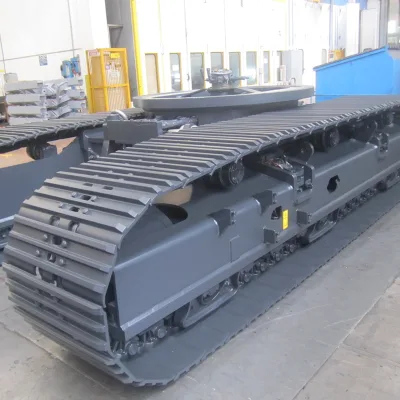
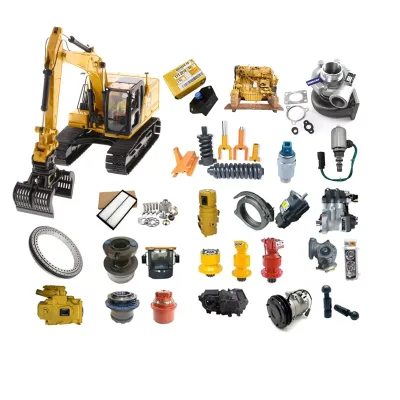
Heavy-Duty Track-Type Excavator OEM-Spec Parts - Durable Bucket & Undercarriage Components
$50.00 - $200.00
MOQ: 10

Anhui Yingxie Basic Engineering Co., Ltd.
- Verified by TUVRHEINLAND
- Trading Company,Manufacturer/Factory
- China Anhui
- Lead time15 days
- Avg. response≤ 1h
Main productsRotary Drilling Rig, Engineering Drilling Rig, Used Rotary Dig Drill, Used Hydraulic Drilling Rig, Backhoe Loader, Second-Hand Machinery, Used Construction Machinery, Pile Driver, Water Well Drilling Machine, Drilling Machinery
Main marketsSouth America,Eastern Europe,Mid East,North America,Southeast Asia,Eastern Asia,Oceania,Western Europe,Africa

Quanzhou Fuwei Machinery Co., Ltd
- Trading Company,Manufacturer/Factory
- China Fujian
- Lead time0 days
- Avg. response≤ 1h
Main productsBucket Tooth, Slewing Bearing, Digger, Bucket, Track Roller, Track Lin, Excavator Tires, Engine, Hydraulic Pump, Oil Cylinder
Main marketsSouth America,Eastern Europe,Mid East,North America,Southeast Asia,Eastern Asia,Oceania,Western Europe,Africa

PC1250 Excavator Track Shoe Assembly for Track Link Assy for Excavator Track Chain Assy
$10.00 - $20.00
MOQ: 1 Pieces

$199.00 - $599.00
MOQ: 1 Pieces

Heavy Excavator Ec210 Track Group Track Chain Assy for Digger Spare Parts
$199.00 - $599.00
MOQ: 2 Pieces


E390 Excavator Undercarriage Parts 150-4745 Track Link Assy for Excavator Track Chain
$199.00 - $599.00
MOQ: 1 Pieces

E345 E385 Excavator Undercarriage Parts 150-4745 Track Link Assy for Excavator Track Chain
$199.00 - $599.00
MOQ: 1 Pieces

Xiamen Hanlinuo Machinery Co., Ltd.
- Verified by TUVRHEINLAND
- Trading Company
- China Fujian
- Lead time15 days
- Avg. response≤ 2h
Main productsExcavator Part, Track Roller, Rubber Track, Track Shoe, Chain Sprocket, Carrier Roller, Idler, Track Shoes Assy, Top Roller, Wheel Loader Part
Main marketsSouth America


Excavator Track Link Chain Assy Dozer Track Chains 203mj-37000 Track Link Assy
$200.00 - $230.00
MOQ: 1 pieces


Excavator Track Chain Track Link Assy for Caterpillar Cat320 Undercarriage Spare Part
$400.00 - $450.00
MOQ: 1 pieces

Track Group Bulldozer/Excavator Undercarriage Parts Track Chain Assy Track Link Assembly
$369.00 - $599.00
MOQ: 1 pieces


QINDING MACHINERY TOOLS (SHANDONG) CO., LTD.
- Verified by TUVRHEINLAND
- Trading Company
- China Shandong
- Lead time30 days
- Avg. response≤ 4h
Main productsConstruction Machinery and Parts Service, Engine Assembly and Parts Service, Excavator Undercarriage Parts, Bulldozer Undercarriage Parts, Caterpiller Undercarriage Parts, Komatsu Undercarriage Parts, Excavator Bucket, Mini Excavator, Agricultural Machinery, Agricultural Tractor
Main marketsSouth America,Europe

Ex400h-3 Ex400-2 Ex400-5 Excavator Spare Parts Track Links Track Chain Assy
$300.00 - $1500.00
MOQ: 1 Pieces


R55-3 R55-7 R55-7A R55-9 Excavator Spare Parts Track Links Track Chain Assy
$300.00 - $1500.00
MOQ: 1 Pieces

Zx200-3 Zx210-3 Zx210h-3 Excavator Spare Parts Track Links Track Chain Assy
$300.00 - $1500.00
MOQ: 1 Pieces


Xiamen Worthpart Machinery Co., Ltd.
- Verified by TUVRHEINLAND
- Combined
- China Fujian
- Lead time15 days
- Avg. response≤ 3h
Main productsUndercarriage Parts, Excavator Undercarriage Parts, Bulldozer Undercarriage Parts, Track Roller, Track Link, Track Idler, Track Sprocket, Track Shoe, Track Adjuster, Track Bolt and Nut
Main marketsSouth America,Southeast Asia/ Mideast


Factory Direct Sale Ec210 Ec290 Ec290b Ec360 Ec360b Excavator Parts Track Link Chain Assy
$500.00 - $3000.00
MOQ: 1 Pieces
Huamaoji Construction Machinery Trading (beijing) Co., Ltd.
- Trading Company
- Beijing, China
- Lead time10 days
- Avg. response≤ 8h
Main productsshovel,Machete,Undercarriage Part,Rubber track,Diesel Engine Assy
Main marketsAfrica(30.00%), Eastern Asia(20.00%), Domestic Market(10.00%), Southeast Asia(7.00%), Oceania(6.00%), South America(5.00%), Mid East(5.00%), South Asia(5.00%), Eastern Europe(2.00%), North America(2.00%), Southern Europe(2.00%), Northern Europe(2.00%), Central America(2.00%), Western Europe(2.00%)

Xiamen Fortune Industrial Co., Limited
- Verified by SGS
- Trading Company
- China Fujian
- Lead time15 days
- Avg. response≤ 1h
Main productsExcavator Spare Parts, Undercarriage Parts, Track Roller, Carrier Roller, Sprocket, Idler, Track Chain, Track Shoe, Excavator Bucket, Bucket Teeth
Main marketsSouth America,Africa,Europe,Australia,North America

Excavator Track Chain Link Assy for Daewoo Doosan Undercarriage Parts
$421.26 - $1335.25
MOQ: 2 Pieces

$230.00 - $450.00
MOQ: 2 Pieces


Shandong Bolin Machinery Co., Ltd.
- Verified by SGS
- Manufacturer/Factory
- China Shandong
- Lead time15 days
- Avg. response≤ 3h
Main productsTrack Undercarriage Parts, Crawler Track Assembly, Drilling Rig, Agriculture Rubber Track, Paver Rubber Track, Rubber Track, Excavator Parts, Bulldozer Parts, Livestock Machinery
Main marketsSouth America,Eastern Europe,Mid East,North America,Southeast Asia,Eastern Asia,Oceania,Western Europe,Africa

Heavy Excavators Chains Undercarriage Parts PC1250 Track Chain Track Link Assy for Komatsu
$800.00 - $3999.00
MOQ: 1 Sets

Excavator Undercarriage Parts Zx870LC-3 Track Chain 9152643 Track Link Assy
$300.00 - $2999.00
MOQ: 1 Sets

High Quality Excavator Undercarriage Track Link Excavator Chain for PC200 PC300 Track Shoe Assy
$300.00 - $999.00
MOQ: 1 Sets

Digger Chassis Part Excavator Track Link Assembly for Komatsu PC300-3/5/6/7/8 Track Chain Assy
$300.00 - $999.00
MOQ: 1 Pieces

E330b Excavator E330c Track Chain Assy 49 Links E336D Track Shoe Assy 6y2754
$1000.00 - $2999.00
MOQ: 1 Sets

Excavator Parts PC650 Track Chain Link or Track Shoe Assy 209-32-00022
$300.00 - $980.00
MOQ: 1 Pieces
Fujian Tianzhong Machinery Technology Co., Ltd.
- Verified by SGS Group
- Manufacturer, Trading Company
- Lead time0 days
- Avg. response≤ 5h
Main productsTorque Rod Bush, Engine Mounting, Center Bearing, Excavator Undercarriage Parts, Track Roller
Main marketsSoutheast Asia(35%), Eastern Asia(25%), Domestic Market(24%)
Guangzhou Dongjun Machinery Parts Co., Ltd.
- Trading Company
- Guangdong, China
- Lead time15 days
- Avg. response≤ 3h
Main productsTrack Roller, Carrier Roller, Sprocket, Idler, Track Link
Main marketsSoutheast Asia(20.00%), South Asia(17.00%), South America(10.00%), Domestic Market(10.00%), North America(6.00%), Northern Europe(6.00%), Eastern Asia(5.00%), Western Europe(5.00%), Central America(5.00%), Africa(4.00%), Oceania(3.00%), Southern Europe(3.00%), Eastern Europe(3.00%), Mid East(3.00%)
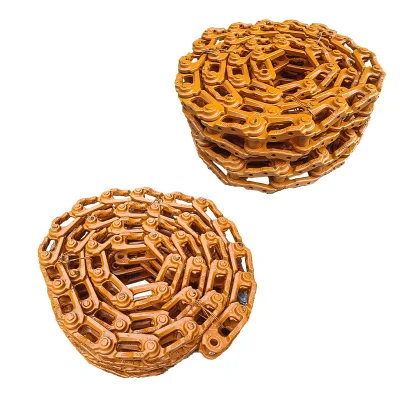
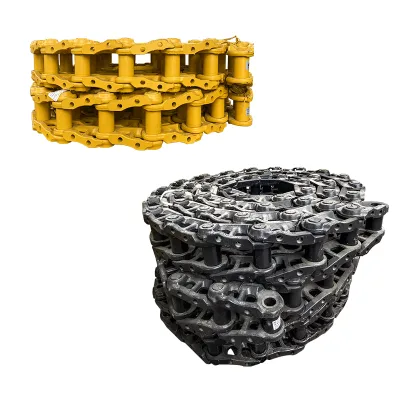
Top Sale Parts Excavator Track Link Chain Assy Hitachi Ex200 Track Chain D4 Dozer Tracks Chain
$18.5333 - $28.829
MOQ: 1 pieces
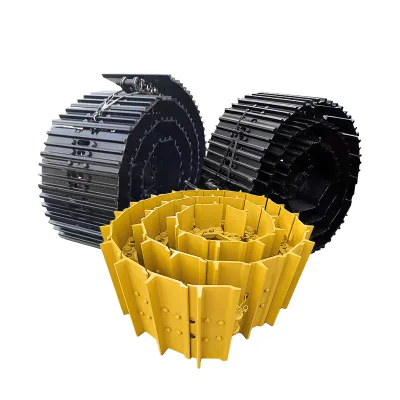
$510.093 - $676.6541
MOQ: 1 pieces
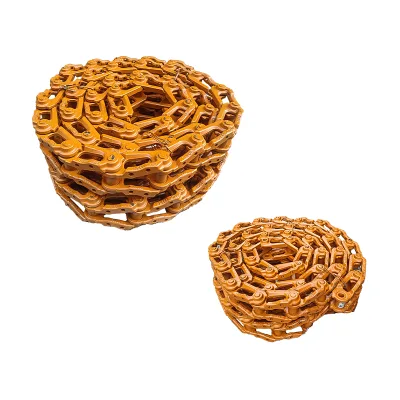
OEM Track Link Assy komatsu Track Link Assy Pc400- 5 Track Link Assy
$1309.5846 - $2082.0103
MOQ: 1 pieces
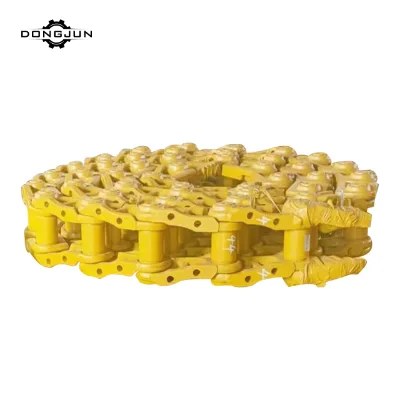
Excav-link-track-chain Kobelco Sk50 Excavator Track Link Assy Track Link for Excavator Sk 100kobelc0
$1650.00 - $2000.00
MOQ: 1
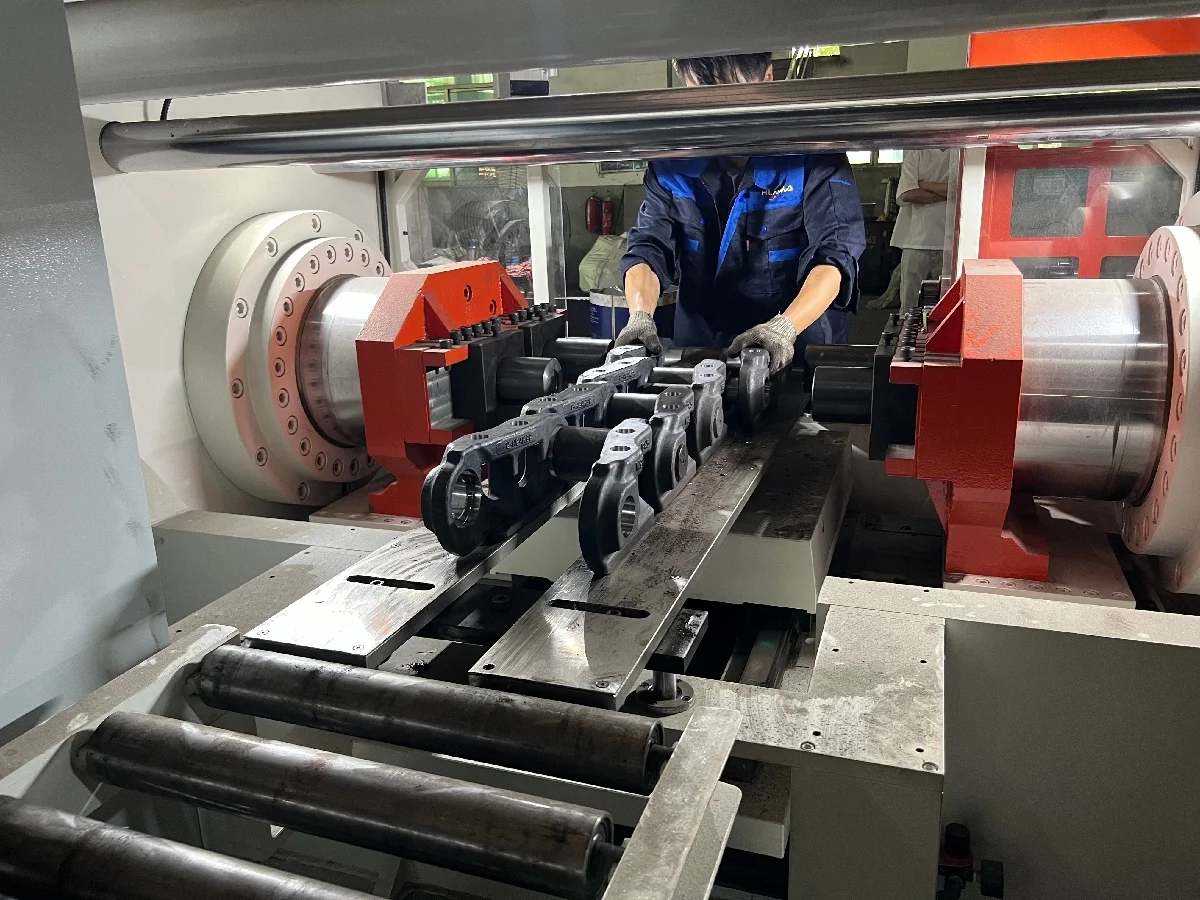
Xiamen Hanlinuo Machinery Co., Ltd.
- Trading Company
- Fujian, China
- Lead time3 days
- Avg. response≤ 1h
Main productsTrack Roller, Carrier Roller, Sprocket, Front Idler, Rubber Track
Main marketsSoutheast Asia(40.00%), South America(30.00%), Africa(10.00%), North America(10.00%), Eastern Europe(10.00%)
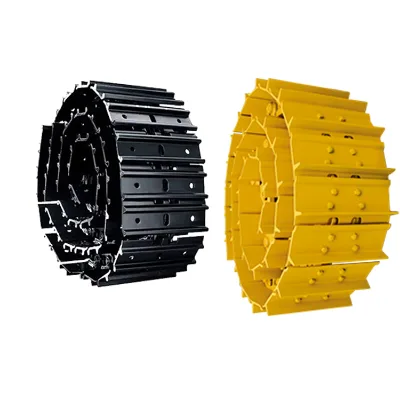
$205.0642 - $389.6223
MOQ: 1 pieces
Durable Track Chain Link Assy Fits for Construction Equipment Crawler Chassis
$499.00 - $899.00
MOQ: 1
Heavy Duty Forged Track Link Assy Replacement Crawler Chain for Mini and Large Excavators
$499.00 - $899.00
MOQ: 1
Xiamen Doozer Industries Co., Ltd.
- Manufacturer, Trading Company
- Fujian, China
- Lead time15 days
- Avg. response≤ 7h
Main productsTrack Roller,Track Link,Track Bolt&Nut,Track Shoe,Construction Machinery Parts
Main marketsEastern Europe(42.00%), South America(32.00%), North America(22.00%), Oceania(2.00%), Southeast Asia(1.00%), Africa(1.00%)
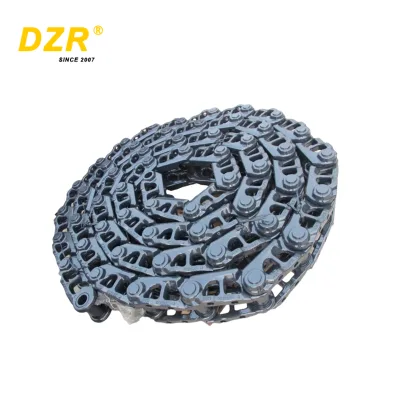
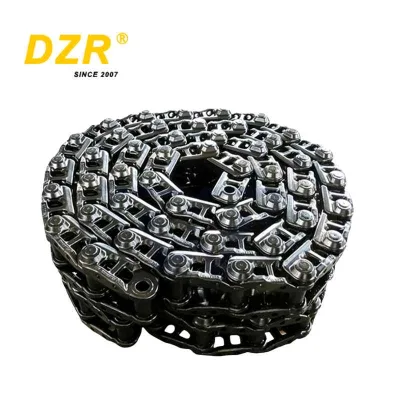
Durable Excavator Track Link Chain Compatible for XCMG Excavator
$180.00 - $300.00

Quanzhou Jindian Machinery Development Co., Ltd.
- Manufacturer, Trading Company
- Fujian, China
- Lead time30 days
- Avg. response≤ 1h
Main productsBucket Bush,Track Bush,Track Link,Bucket Pin,Track Pin
Main marketsSoutheast Asia(20.16%), Eastern Europe(17.56%), Africa(12.73%), Mid East(11.48%), Domestic Market(11.28%), North America(10.42%), Western Europe(8.29%), South America(4.58%)
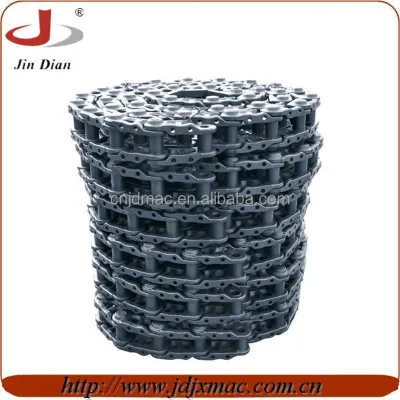
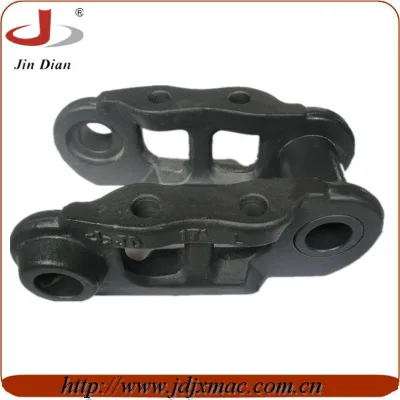
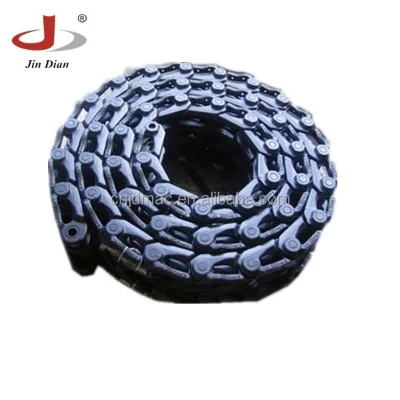
$390.4252 - $513.7166
MOQ: 10 Minimum
Jining Bairuize Electrical Equipment Co., Ltd.
- Trading Company
- Shandong, China
- Lead time3 days
- Avg. response≤ 2h
Main productsexcavator spare parts,excavator final drive,hydraulic pump,excavator undercarriage,Bulldozer Parts
Main marketsNorth America(20.00%), South America(18.00%), Northern Europe(12.00%), Africa(10.00%), Oceania(10.00%), South Asia(5.00%), Eastern Europe(5.00%), Mid East(5.00%), Central America(5.00%), Southern Europe(3.00%), Southeast Asia(3.00%), Eastern Asia(2.00%), Domestic Market(1.00%), Western Europe(1.00%)
Guangzhou Jinda Construction Machinery Co. , Ltd.
- Distributor/Wholesaler, Other
- Guangdong, China
- Lead time30 days
- Avg. response≤ 2h
Main productsKomatsu excavator parts,Hitachi Excavator Parts,Caterpillar Excavator Parts,Kobelco Excavator Parts,Kato excavator parts
Main marketsMid East(5.00%), Southeast Asia(5.00%)
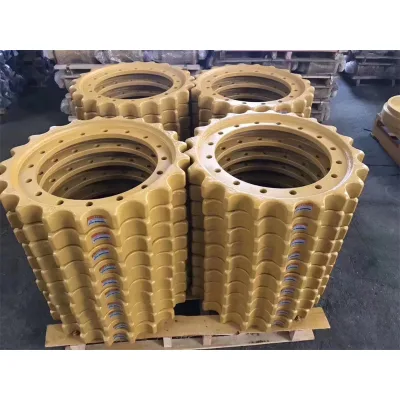
$506.7285 - $658.78
MOQ: 1 cases
$50.00 - $500.00
MOQ: 1 cases
Guangzhou Kaituo Machinery Co., Ltd.
- Manufacturer
- Guangdong, China
- Lead time旺季: "1 - 10":3,"> 10":"To be negotiated", 淡季: "1 - 10":3,"> 10":"To be negotiated"
- Avg. response≤ 6h
Main productsTrack roller,Carrier roller,Idler,Sprocket,Track link
Main marketsMid East(20.00%), Africa(20.00%), Southeast Asia(20.00%), Eastern Europe(20.00%), South America(20.00%)

Jinan Zichen Trading Co., Ltd.
- Verified by TUVRHEINLAND
- Trading Company,Manufacturer/Factory
- China Shandong
- Lead time23 days
- Avg. response≤ 3h
Main productsTruck Parts, Auto Parts, Sinotuck Parts, Truck Spare Parts, HOWO Truck Spare Parts, Sitrak Truck Parts, Shacman Truck Parts, Shaxxi Truck Parts, FAW Truck Parts
Main marketsSouth America,Eastern Europe,Mid East,North America,Southeast Asia,Eastern Asia,Oceania,Western Europe,Africa

Undercarriage Track Link Undercarriage Track Chains Excavator Track Link Assembly
$20.00 - $300.00
MOQ: 1 Pieces


Quanzhou Zhongkai Machinery Co., Ltd.
- Verified by BV
- Trading Company,Manufacturer/Factory
- China Fujian
- Lead time23 days
- Avg. response≤ 2h
Main productsUndercarriage Parts, Track Roller, Track Chain, Track Link, Idler, Sprocket, Excavator Parts, Top Roller, Bolt&Nut, Bushing&Pin
Main marketsSouth America,Eastern Europe,Mid East,North America,Southeast Asia,Eastern Asia,Oceania,Western Europe,Africa


$1050.00 - $1860.00
MOQ: 1 Pieces
Jining Yuesheng Construction Machinery Co., Ltd.
- Trading Company
- Shandong, China
- Lead time3 days
- Avg. response≤ 6h
Main productsExcavator parts,Hydraulic motor,Hydraulic pump,Final drive,hydraulic parts
Main marketsSouth America(20.00%), North America(20.00%), Southern Europe(10.00%), Northern Europe(10.00%), Central America(10.00%), Western Europe(10.00%), Africa(10.00%), Eastern Europe(10.00%)

Shandong Juning Machinery Co., Ltd.
- Manufacturer, Trading Company
- Shandong, China
- Lead time1 days
- Avg. response≤ 3h
Main productsCutting edges,Track Shoes,Segment Groups,Ripper Shanks,End Bits
Main marketsNorth America(18.00%), Eastern Europe(14.00%), South America(12.00%), Western Europe(10.00%), Mid East(10.00%), Africa(10.00%), Southeast Asia(10.00%), South Asia(8.00%), Central America(8.00%)
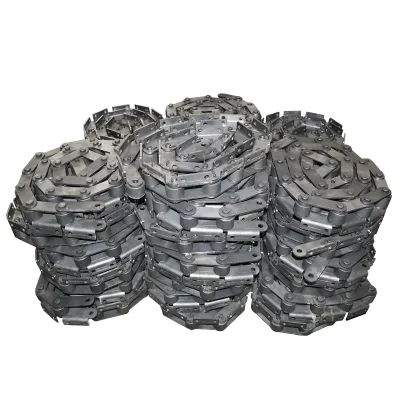
$60.00 - $120.00
MOQ: 2 pieces

Fujian Shengan Machinery Development Co., Ltd.
- Verified by TUVRHEINLAND
- Combined
- China Fujian
- Lead time15 days
- Avg. response≤ 1h
Main productsTrack Roller, Carrier Roller, Ldler, Sprocket, Segment, Sider Cutter, Ldler Yoke, Swamp Track Shoe, Excavator Chains
Main marketsSoutheast Asia/ Mideast


Excavator Track Chain Track Link Assembly for Cat320 Undercarriage Parts
$577.00 - $817.00
MOQ: 1 Pieces
Guangzhou Xugong Machinery Co., Ltd.
- Verified by Intertek
- Trading Company
- Lead time15 days
- Avg. response≤ 2h
Main productsHydraulic Pump, Travel Motor, Swing Motor, Engine Assembly, Travel Gear Box
Main marketsSouth America(35%), North America(25%), Mid East(12%)
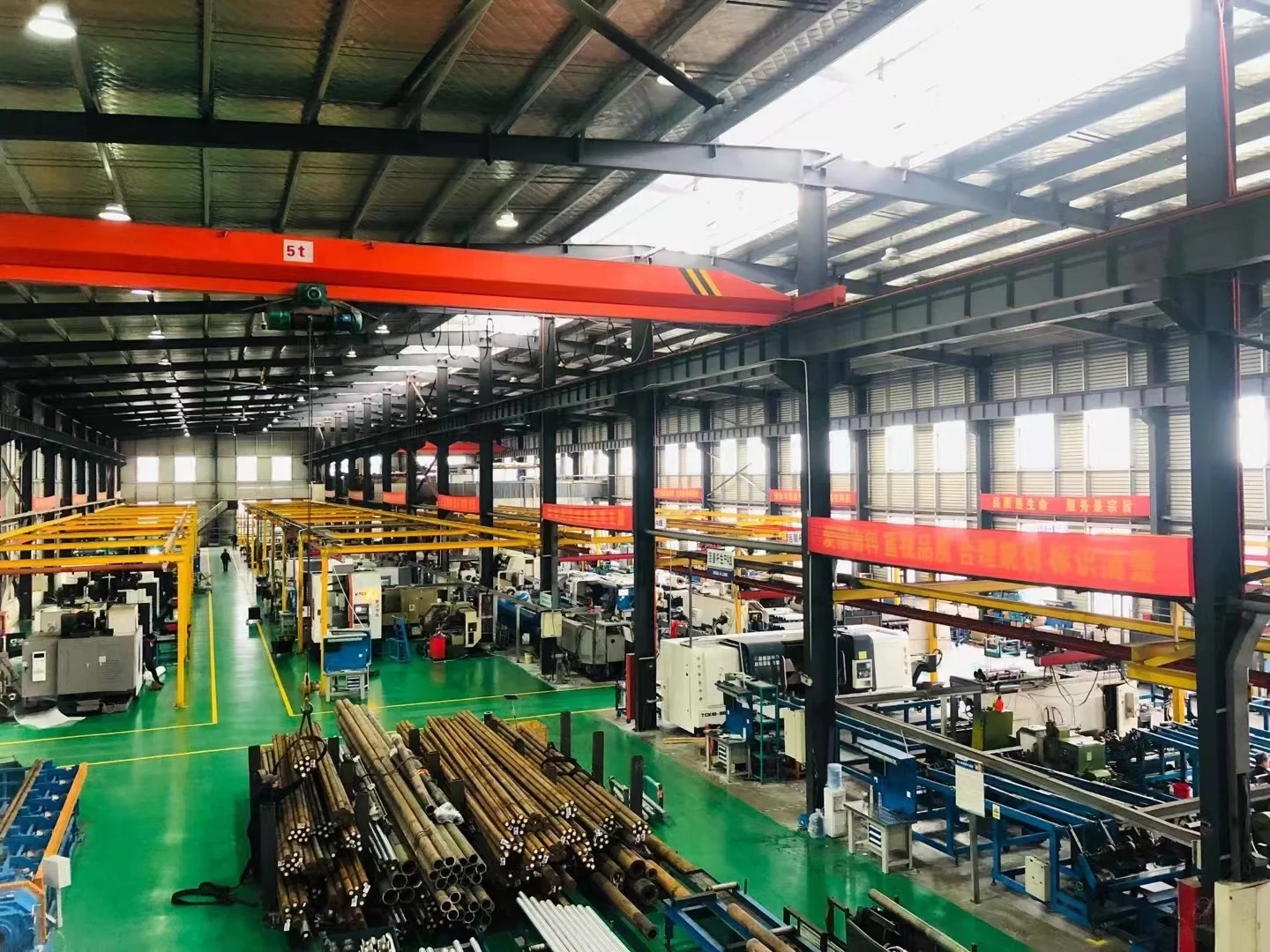
Guangzhou Songte Engineering Machinery Co., Ltd.
- Manufacturer, Trading Company, Distributor/Wholesaler
- Guangdong Province, China
- Lead time7 days
- Avg. response≤ 4h
Main productsHydraulic Cylinder,Control Valve,Hydraulic Pump,Breaker Hammer,Center Joint
Main marketsSoutheast Asia(20.00%), North America(20.00%), Africa(15.00%), Western Europe(15.00%), Domestic Market(10.00%), South America(10.00%), Mid East(10.00%)
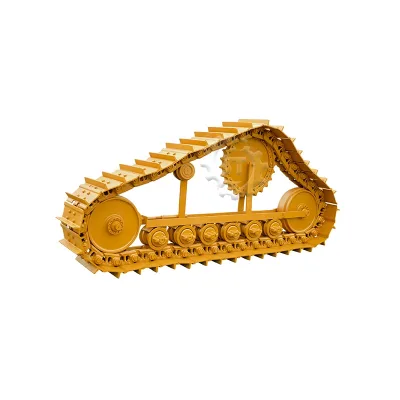
High Quality Track Link Group Undercarriage Parts for Excavator Track Link Assembly
$50.00 - $60.00
MOQ: 1 pieces


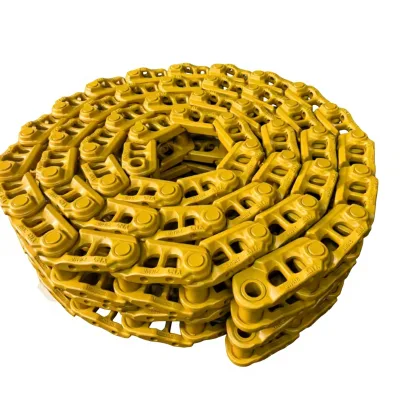
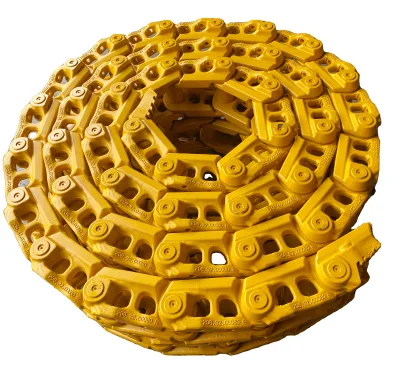
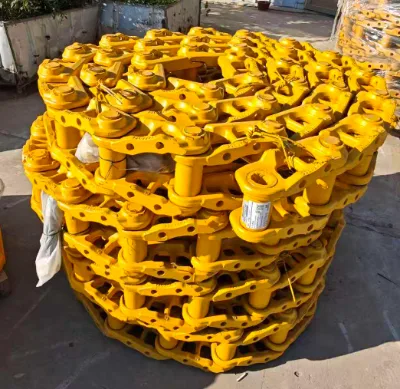
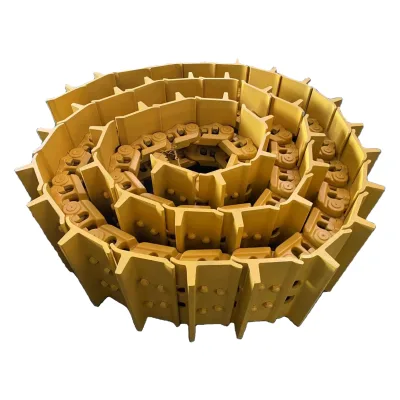
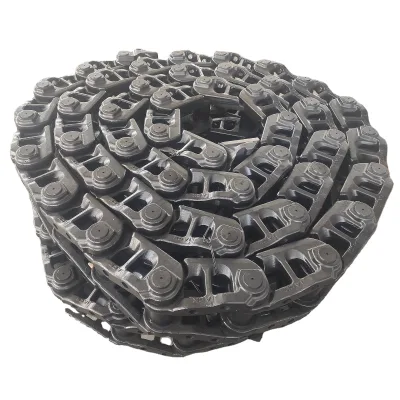
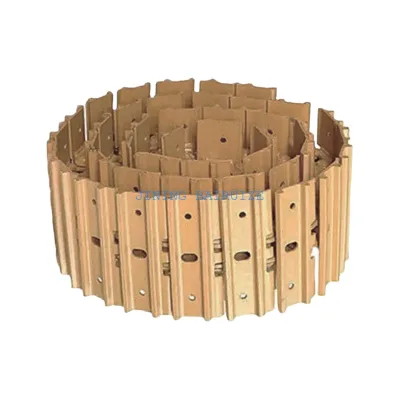
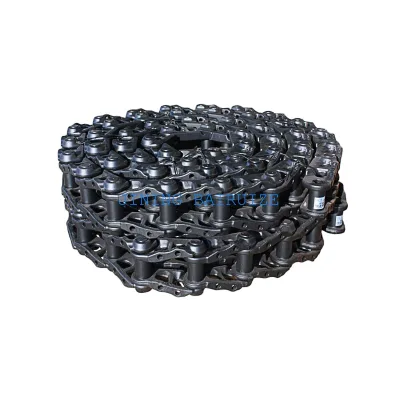
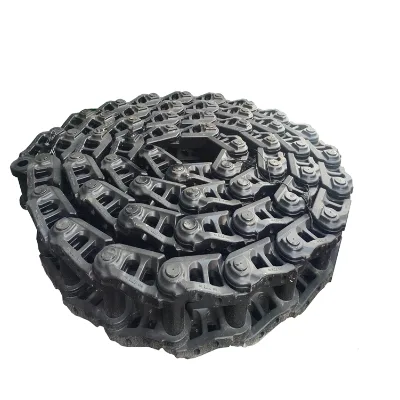
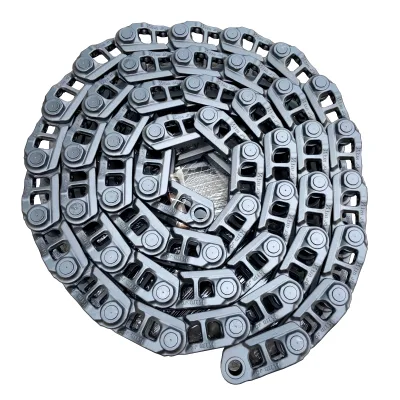
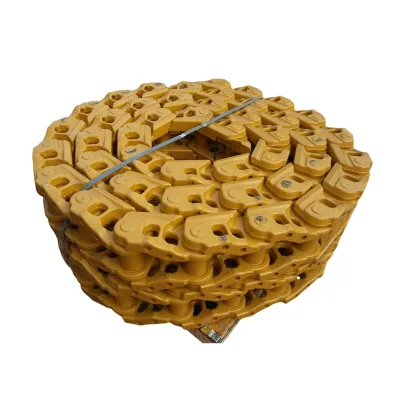
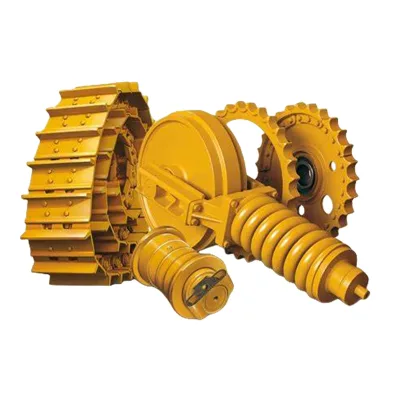
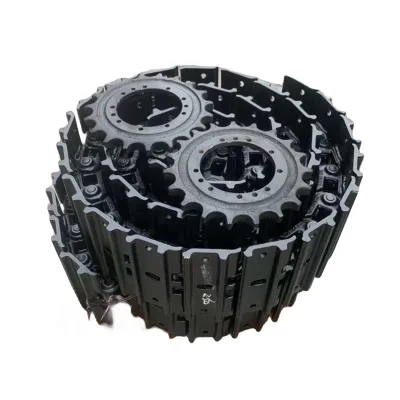
Comprehensive Sourcing Guide
Excavator Track Chain Assy Supplier Concentration and Factory Types
The current supplier landscape for excavator track chain assemblies reveals a distinct geographic concentration within China, specifically highlighting manufacturing hubs in Fujian, Zhejiang, and Guangdong provinces. Suppliers located in Fujian often operate as direct manufacturers or factories, leveraging local industrial ecosystems to produce heavy-duty undercarriage components such as track chains, links, and rollers. These entities frequently emphasize their capability to handle both OEM and ODM orders, suggesting a robust internal production infrastructure capable of meeting specific client specifications. The presence of established manufacturing facilities in this region indicates a mature supply chain for construction machinery parts, where proximity to raw material sources and specialized labor pools supports efficient large-scale production. Buyers evaluating suppliers from this area should consider the implications of factory-direct sourcing, which often allows for greater control over production quality and customization options compared to trading entities.
In contrast, suppliers based in Zhejiang and Guangdong may present a different operational profile, with some operating as trading companies that aggregate products from various factories or as hybrid entities combining trading and manufacturing functions. For instance, certain Zhejiang-based suppliers list a diverse range of main products, including LED lighting and food waste disposals alongside excavator parts, which may indicate a broader trading portfolio rather than a specialized manufacturing focus. Meanwhile, Guangdong-based suppliers might highlight specific verification statuses, such as TÜV Rheinland, and offer a mix of hydraulic pumps and undercarriage parts, suggesting a versatile industrial capability. The variation in company types—from pure manufacturers to trading companies and hybrid models—means that buyers must carefully assess the actual source of the track chain assembly. Understanding whether a supplier is a factory or a trader is crucial for determining pricing structures, communication efficiency, and the ability to resolve technical issues directly with the production line.
How to Verify Excavator Track Chain Assy Suppliers
Verifying the legitimacy and capability of Excavator Track Chain Assy suppliers requires a multi-layered approach that goes beyond basic company profiles. One critical step is to examine third-party verification badges and system certifications displayed on supplier pages. For example, some suppliers hold BV verification, while others may have TÜV Rheinland certification, providing an external layer of trust regarding their business operations and product quality. Additionally, system certifications such as ISO 9001, ISO 14001, and others like TS 16949 or ISO 13485, indicate adherence to international quality and environmental management standards. Buyers should cross-reference these certifications with the supplier’s claimed capabilities, ensuring that the listed certifications are relevant to the manufacturing of heavy machinery parts. It is also important to note that some suppliers may list certifications that are not explicitly tied to the specific product being purchased, so verifying the scope of these certificates is essential for accurate assessment.
Beyond certifications, buyers should scrutinize the response time and verification status to gauge supplier reliability and engagement levels. Suppliers with faster response times, such as those reporting under four hours, may indicate a more active sales team capable of addressing urgent inquiries and technical questions promptly. Conversely, slower response times might suggest a less dedicated customer service structure, which could impact the overall sourcing experience. Furthermore, examining the supplier’s main products and company type can provide insights into their specialization. A supplier listing excavator undercarriage parts as a primary focus is likely more knowledgeable and experienced than one with a broad, unrelated product range. Buyers should also look for evidence of past performance, such as detailed product attributes and specifications, to ensure the supplier has a proven track record in producing high-quality track chain assemblies that meet industry standards.
What to Compare Across Excavator Track Chain Assy Suppliers
When evaluating multiple suppliers for excavator track chain assemblies, buyers must compare key operational metrics such as lead time, minimum order quantity (MOQ), and pricing structures to determine the best fit for their procurement needs. Lead times can vary significantly, with some suppliers offering immediate availability or very short production cycles, while others may require several weeks for manufacturing and delivery. For instance, certain suppliers list a lead time of zero days, suggesting ready stock or rapid production capabilities, whereas others may have lead times extending to 45 days. Understanding these variations is crucial for planning inventory and managing project timelines effectively. Buyers should also consider the MOQ, which can range from single units to larger batch requirements, impacting the flexibility of orders and the ability to test new suppliers with smaller quantities before committing to larger purchases.
In addition to lead times and MOQs, buyers should compare the technical specifications and customization options offered by different suppliers. Attributes such as material composition, hardness levels, and production methods like casting or forging are critical for ensuring the durability and performance of the track chain assembly. Some suppliers may offer customization services, allowing buyers to specify exact dimensions, colors, or branding requirements, which can be vital for maintaining consistency across a fleet of machinery. Pricing is another significant factor, with costs varying based on the complexity of the assembly, material quality, and order volume. Buyers should request detailed quotes that break down costs for different models and configurations, enabling a fair comparison across suppliers. By systematically comparing these factors, buyers can identify suppliers that offer the best balance of cost, quality, and service reliability for their specific requirements.
Common Excavator Track Chain Assy Sourcing Risks
Sourcing excavator track chain assemblies from international suppliers introduces several risks that buyers must proactively manage to ensure successful procurement. One significant risk is the potential mismatch between product specifications and actual delivery, particularly when dealing with suppliers who have diverse product portfolios or limited specialization in undercarriage parts. For example, a supplier listing a wide range of unrelated products may lack the deep technical expertise required to produce high-quality track chains, leading to inconsistencies in material hardness, dimensional accuracy, or overall durability. Additionally, the risk of receiving substandard materials, such as incorrect steel grades or inadequate heat treatment, can compromise the performance and lifespan of the track chain assembly. Buyers must therefore prioritize suppliers with clear evidence of specialized manufacturing capabilities and rigorous quality control processes to mitigate these technical risks.
Another common risk involves logistical and communication challenges, particularly when dealing with suppliers who have slower response times or less transparent operational practices. Delays in communication can lead to misunderstandings regarding order details, shipping arrangements, and payment terms, potentially resulting in costly errors or project disruptions. Furthermore, variations in packaging standards and export documentation can cause issues during customs clearance and transportation, especially if the supplier is not experienced in international trade practices. Buyers should also be cautious of suppliers who do not provide clear information about their production methods or quality assurance protocols, as this lack of transparency can obscure potential quality issues. To mitigate these risks, buyers should establish clear communication channels, request detailed product documentation, and consider using secure payment methods that offer protection against non-delivery or non-conformance.
Excavator Track Chain Assy Regional Sourcing and Logistics
The geographic location of suppliers plays a crucial role in determining logistics costs, delivery times, and overall supply chain efficiency for excavator track chain assemblies. Suppliers located in Fujian, Zhejiang, and Guangdong provinces in China benefit from established industrial clusters and proximity to major shipping ports, which can facilitate faster and more cost-effective transportation of heavy machinery parts. For instance, suppliers in Guangdong may offer delivery from Guangzhou, leveraging the region’s robust logistics infrastructure to streamline export processes. Buyers should consider the impact of these regional advantages on their total landed cost, including freight, insurance, and handling fees. Additionally, the distance between the supplier’s location and the buyer’s destination can affect transit times, which is particularly important for time-sensitive projects or urgent replacement parts. Understanding the logistical landscape of different supplier regions can help buyers make informed decisions about sourcing strategies and inventory management.
Beyond transportation, regional sourcing also influences the availability of local support and after-sales service. Suppliers in well-established manufacturing hubs may have better access to local technical resources and spare parts networks, enabling quicker resolution of any post-delivery issues. However, buyers must also consider the potential challenges of managing relationships with suppliers in different time zones and cultural contexts. Effective communication and clear documentation are essential to bridge these gaps and ensure smooth transactions. Buyers should also evaluate the supplier’s experience with international shipping and their ability to handle complex logistics requirements, such as customs clearance and regulatory compliance. By carefully assessing the logistical implications of sourcing from different regions, buyers can optimize their supply chain for efficiency, reliability, and cost-effectiveness, ensuring that excavator track chain assemblies are delivered in optimal condition and on schedule.
Excavator Track Chain Assy Commercial Terms and Order Planning
Effective order planning for excavator track chain assemblies requires a thorough understanding of commercial terms, including pricing structures, payment conditions, and warranty policies. Buyers should request detailed quotations that specify the cost per unit, any applicable discounts for bulk orders, and the validity period of the price. It is also important to clarify the Incoterms used, such as FOB or CIF, to determine who is responsible for shipping costs and insurance. Additionally, buyers should inquire about the supplier’s payment terms, such as the percentage of advance payment required and the timing of the final payment. Understanding these commercial terms helps buyers manage cash flow and mitigate financial risks associated with international transactions. Furthermore, buyers should verify the supplier’s warranty policy and return procedures to ensure protection against defective products or non-conformance with agreed specifications.
In addition to commercial terms, buyers must plan for the long-term maintenance and replacement needs of their excavator track chain assemblies. This involves estimating the expected lifespan of the components based on usage conditions and supplier quality standards, and scheduling regular inspections and replacements accordingly. Buyers should also consider the availability of compatible spare parts and accessories, such as track shoes and rollers, to ensure seamless maintenance operations. Establishing a reliable supply relationship with a supplier who can provide consistent quality and timely delivery is crucial for minimizing downtime and maximizing equipment productivity. By carefully planning orders and commercial terms, buyers can build a resilient supply chain that supports the ongoing operational needs of their construction machinery fleet, ensuring that excavator track chain assemblies are available when needed and meet the required performance standards.
FAQs
What is the price range for excavator track chain assemblies?
Excavator track chain assemblies typically range from $280 to $960 per unit. Prices vary based on material specifications, hardness levels, and customization requirements. Buyers should verify specific model compatibility and order quantities to determine the exact cost for their project needs.
What is the minimum order quantity for these parts?
The minimum order quantity varies by supplier, with some accepting single units while others require two units. Buyers should check specific product listings to confirm the MOQ. Flexible ordering options allow small-scale procurement for immediate repairs or larger orders for fleet maintenance.
How long does delivery usually take?
Lead times differ significantly among suppliers, ranging from immediate availability to 45 days. Some manufacturers offer delivery within three days after payment receipt, while others have standard production cycles. Buyers should confirm lead times with the supplier before placing orders to ensure project timelines are met.
What certifications do these track chains have?
Many excavator track chain assemblies come with ISO 9001 and CE certifications. Some suppliers also hold ISO 14001 or ISO 20000 standards. Buyers should verify specific certification documents to ensure compliance with international quality and environmental standards for their machinery operations.
Where are these suppliers located?
Suppliers offering excavator track chain assemblies are primarily located in China, including Fujian, Zhejiang, Guangdong, and Jiangsu provinces. These regions are known for manufacturing construction machinery parts. Buyers can filter results by location to prioritize suppliers based on shipping logistics and regional expertise.
What materials are used in track chain assemblies?
Track chain assemblies are typically made from 35mnbh steel or rubber and steel combinations. Hardness levels often range from HRC 50 to 56. Materials are selected for wear resistance and durability. Buyers should specify material requirements based on their operating conditions and machine type.