For Lexus Wheel Hub Assembly Suppliers and Manufacturers
Find 11 verified sources for For Lexus Wheel Hub Assembly with details on location, lead time, and response time. Compare certifications like ISO and SGS, MOQs, and pricing ranges before contacting suppliers directly; review the available evidence before requesting comparable quotations from suitable candidates.
Updated
Suppliers List

Beijing Funch Autoparts Co., Ltd.
- Trading Company
- China Beijing
- Lead time23 days
- Avg. response≤ 23h
Main productsWheel Bearing, Wheel Hub Bearing, Cylinder Head, Wheel Hub, Wheel Bearing Kit, Turbocharger, Gearbox/ Autotransmission, Chery Parts, Automotive Clips, Engine Parts
Main marketsSouth America,Europe,North America

Hebei Dien Bearing Manufacturing Co., Ltd.
- Verified by CTI
- Trading Company
- China Hebei
- Lead time45 days
- Avg. response≤ 4h
Main productsAutomotive Bearing, Wheel Hub Bearing, Wheel Bearing, Car Auto Parts, Tapered Roller Bearing, Auto Parts, OEM Wheel Bearing, Bearing, Wheel Hub, Toyota Japanese Car Parts
Main marketsDomestic

Jinjiang Sidebo Technology Industrial Co., Ltd.
- Verified by CTI
- Trading Company,Manufacturer/Factory
- China Fujian
- Lead time23 days
- Avg. response≤ 4h
Main productsEngine Cylinder Block, Oil Pan Sump, Timing Cover, Oil Pickup Screen Connection Suction Strainer, Oil Dipstick and Lead Tube, Aluminum Oil Pan, Engine Oil Pump, Oil Pan and Cylinder Head Gasket, Expansion Freeze Plugs, Cylinder Head
Main marketsSouth America,North America,Western Europe

Shanghai Luxevo New Materials Co., Ltd.
- Verified by SGS
- Trading Company
- China Shanghai
- Lead time23 days
- Avg. response≤ 12h
Main productsTPU Ppf, Color TPU Ppf, Forged Wheel, Flow Formed Wheel, Inflatable Sup Boards, Buillding Protecation Film, Car Tires, Casted Wheels
Main marketsSouth America,Southeast Asia/ Mideast,East Asia(Japan/ South Korea),Europe,North America


20inch 22inch Genuine for Lexus Rx350 Front Hub Assembly 2016-2023 - 5X114.3
$100.00 - $150.00
MOQ: 4 Pieces
Jinan Huayuan Bearing Co., Ltd.
- Verified by SGS Group
- Trading Company
- Lead time0 days
- Avg. response≤ 2h
Main productsAuto Bearing, Wheel Hub Bearing Assembly, Tensioner, Universal Joint, Axle Shaft
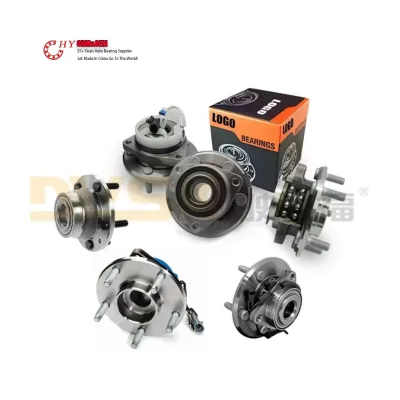
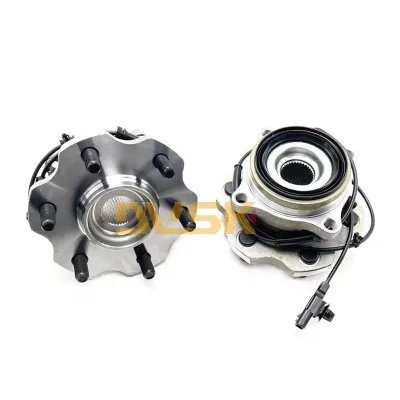
Wholesale Auto Front /Rear Wheel Hub Bearing for lexus Ux Ls430 Ux250h Rx 300
$3.0759 - $10.2532
MOQ: 12 pieces

Guangzhou Fengcheng Accessories Co., Ltd.
- Verified by CTI
- Manufacturer/Factory
- China Guangdong
- Lead time23 days
- Avg. response≤ 5h
Main productsAuto Part, Steering Rack, Drive Shaft, CV Joint, Wheel Hub Bearing, Steering Gear, Power Steering Pump
Main marketsSoutheast Asia,Africa

Guangzhou Lianyou Auto Parts Co., Ltd.
- Trading Company
- Guangdong, China
- Lead time0 days
- Avg. response≤ 3h
Main productsAuto sensor,Iginition System,Fuel System,Engines Parts,Cooling System
Main marketsSouthern Europe(30.00%), Central America(20.00%), Eastern Asia(20.00%), North America(10.00%), Eastern Europe(10.00%), South America(10.00%)

Xiamen Wondee Autoparts Co., Ltd.
- Verified by CTI
- Trading Company
- China Fujian
- Lead time23 days
- Avg. response≤ 7h
Main productsLeaf Spring, Semi Trailer Axle, Casting Turntable, Steel Wheel Rim, Mechanical Suspension, Landing Gear, Brake Drum, Air Suspension, Semi Trailers, Fifth Wheel
Main marketsSouth America,North America

Ningbo WWS Industrial Co., Ltd.
- Verified by BV
- Combined
- China Zhejiang
- Lead time30 days
- Avg. response≤ 16h
Main productsCNC Machining Parts, Casting Parts, Stamping Parts, Plastic Injection Parts, Forging Parts, Rubber Molding Parts, Hardware
Main marketsDomestic

Linyi HUAYANG AUTO Accessories Co., Ltd.
- Verified by SGS
- Combined
- China Shandong
- Lead time15 days
- Avg. response≤ 2h
Main productsCar Mat, Car Wheels, Car Seat Covers
Main marketsSouth America,Africa,Southeast Asia/ Mideast,East Asia(Japan/ South Korea),Domestic,Europe,North America

Weifang Beixin International Trade Co., Ltd.
- Verified by SGS
- Trading Company
- China Shandong
- Lead time30 days
- Avg. response≤ 5h
Main productsAuto Accessories, Industrial Equipment and Components, Business Service, Stamping Parts, Machining Parts, Plastic Injection Parts
Main marketsAustralia




Comprehensive Sourcing Guide
For Lexus Wheel Hub Assembly Supplier Concentration and Factory Types
The current supplier landscape for Lexus wheel hub assemblies reveals a diverse mix of manufacturing capabilities and business models, primarily concentrated in specific Chinese industrial hubs. Data indicates that suppliers are located in Beijing, Hebei, Fujian, and Shanghai, suggesting a geographic spread rather than a single monolithic cluster. In Beijing, the available entities are identified as trading companies, which typically act as intermediaries connecting buyers with manufacturing partners rather than owning the production facilities themselves. This model allows for a broader catalog of automotive parts, including wheel bearings, cylinder heads, and turbochargers, but may introduce an additional layer of communication and potential markup. Buyers seeking direct factory engagement might find these entities less suitable for deep customization or strict quality control oversight, although they can offer convenience for mixed-container orders.
In contrast, suppliers in Hebei and Fujian present a more complex operational structure. The Hebei-based suppliers are verified by CTI, a third-party inspection agency, which adds a layer of credibility regarding their operational standards. These entities specialize in automotive bearings and wheel hub assemblies, with a focus on OEM and ODM services for brands like Toyota and Lexus. The Fujian-based suppliers explicitly list both trading company and manufacturer/factory company types, indicating that some operations may have direct production capabilities for components like engine blocks and oil pans, while others may trade finished wheel hubs. This duality requires careful verification to determine if the supplier is the actual producer or a reseller. The presence of ISO 9000, TS 16949, and ISO 14001 certifications in Fujian suggests a higher level of standardized quality management, which is critical for automotive safety components. Understanding this distinction between pure trading entities and hybrid manufacturer-traders is essential for aligning procurement strategy with quality and cost objectives.
How to Verify For Lexus Wheel Hub Assembly Suppliers
Verifying the legitimacy and capability of suppliers for Lexus wheel hub assemblies requires a multi-layered approach that goes beyond basic profile reviews. First, buyers should scrutinize the verification badges and third-party audit reports associated with each supplier. For instance, the presence of a CTI verification in Hebei indicates that an independent agency has inspected the supplier’s facilities, providing a higher degree of confidence in their operational reality compared to unverified profiles. Similarly, SGS verification in Shanghai suggests adherence to specific international standards, although the specific scope of the audit should be confirmed. Buyers must request these verification reports directly to understand what was inspected, whether it was a factory audit, a business license check, or a product quality assessment. Relying solely on platform-generated badges without reviewing the underlying documentation can lead to misjudgments about a supplier’s actual manufacturing capacity and financial stability.
Secondly, technical verification is crucial for automotive components like wheel hub assemblies, which are safety-critical parts. Buyers should demand detailed product specifications that include material composition, such as chrome steel, and certification standards like ISO or TS 16949. The product data shows variations in certifications, with some items listing ISO TS and others SGS, highlighting the need to match the supplier’s certified processes with the buyer’s quality requirements. Additionally, buyers should verify the supplier’s ability to provide OEM numbers and cross-reference them with original equipment manufacturer specifications. For example, products listed with OE numbers like 42460-60010 or 512284 should be validated against the specific Lexus model year and variant. Requesting sample units for physical inspection and bearing load testing is a practical step to ensure that the supplier’s claims about tolerance, clearance, and ABS compatibility are accurate. This technical due diligence helps mitigate the risk of receiving substandard components that could fail in the field.
What to Compare Across For Lexus Wheel Hub Assembly Suppliers
When evaluating multiple suppliers for Lexus wheel hub assemblies, buyers must compare key operational metrics to determine the best fit for their supply chain needs. Response time is a critical indicator of supplier reliability and communication efficiency. Data shows significant variation, with some suppliers responding in under four hours, while others take over twenty hours. A faster response time often correlates with better customer service and quicker resolution of technical queries, which is vital when dealing with complex automotive parts. Lead time is another essential factor, ranging from twenty-three days to forty-five days in the observed data. Buyers should align these lead times with their inventory planning and production schedules, considering that longer lead times may require larger safety stocks. It is important to note that these times are estimates and can fluctuate based on order volume and raw material availability, so clear communication about delivery commitments is necessary.
Minimum Order Quantity (MOQ) and pricing structures also play a pivotal role in supplier selection. The observed MOQs vary widely, from as low as one unit to as high as one thousand units, catering to different buyer segments. Small businesses or those testing new markets may prefer suppliers with low MOQs, while large-scale distributors might negotiate better prices through higher volume commitments. Pricing data indicates a range from one to thirty dollars per unit, depending on the specific product model and customization requirements. Buyers should compare not just the unit price but also the total landed cost, including shipping and tariffs. Additionally, the availability of customization services, such as neutral packing or specific branding, should be evaluated against the buyer’s market needs. Suppliers offering OEM/ODM services may provide more flexibility but could have higher MOQs or longer lead times. A comprehensive comparison matrix should include these variables to facilitate an objective decision-making process.
Common For Lexus Wheel Hub Assembly Sourcing Risks
Sourcing wheel hub assemblies from international suppliers carries inherent risks that buyers must proactively manage to ensure supply chain integrity. One significant risk is the discrepancy between claimed specifications and actual product quality. Automotive bearings are precision components, and variations in material grade, such as the use of chrome steel versus lower-quality alternatives, can drastically affect performance and lifespan. Buyers may encounter suppliers who claim ISO or TS 16949 certification but fail to provide valid documentation or whose products do not meet the rigorous standards required for automotive applications. This risk is compounded by the fact that some suppliers are trading companies rather than manufacturers, which can obscure the true source of the components and make quality control more challenging. Without direct access to the manufacturing process, buyers have less visibility into production practices and potential shortcuts.
Another major risk is the potential for supply chain disruptions due to logistical or regulatory issues. The geographic dispersion of suppliers across Beijing, Hebei, Fujian, and Shanghai means that buyers may be dealing with multiple logistics providers and export procedures. Delays in customs clearance, changes in import regulations, or transportation bottlenecks can impact delivery schedules. Furthermore, the lack of standardized packaging or labeling among suppliers can lead to confusion in warehousing and distribution. For instance, some suppliers offer neutral packing while others use color-coded boxes, which may not align with the buyer’s inventory management systems. Additionally, warranty claims can be difficult to process if the supplier’s support structure is weak or if communication barriers exist. Buyers should establish clear contractual terms regarding quality guarantees, return policies, and liability for defective products to mitigate these risks. Regular audits and performance reviews can help identify and address issues before they escalate.
For Lexus Wheel Hub Assembly Regional Sourcing and Logistics
The regional distribution of suppliers for Lexus wheel hub assemblies in China offers both opportunities and logistical considerations for international buyers. Suppliers in Beijing, primarily trading companies, may benefit from proximity to major international airports and logistics hubs, facilitating faster air freight options for urgent orders. However, their role as intermediaries means that the actual manufacturing location might be elsewhere, potentially adding complexity to the logistics chain. In contrast, suppliers in Hebei and Fujian are likely closer to industrial manufacturing zones, which can streamline the production and consolidation process. Hebei’s CTI-verified suppliers suggest a mature industrial ecosystem with established quality control practices, which can reduce the risk of production delays due to quality failures. Fujian’s hybrid manufacturer-traders may offer more direct control over production schedules, potentially leading to more predictable lead times.
Logistics planning should account for the specific shipping requirements of automotive parts, which are often heavy and require careful handling to prevent damage. Buyers should consider the total shipping cost and transit time from each region, as well as the reliability of local freight forwarders. Consolidating orders from multiple suppliers in the same region can reduce shipping costs and simplify customs clearance. For example, sourcing from both Hebei and Fujian suppliers might require separate shipments unless a consolidation service is used. Additionally, buyers should be aware of any regional export restrictions or environmental regulations that could impact production or shipping. The presence of ISO 14001 certification in Fujian indicates a commitment to environmental standards, which may be relevant for buyers with sustainability goals. Understanding the logistical landscape of each supplier’s location helps buyers optimize their supply chain for cost, speed, and reliability.
For Lexus Wheel Hub Assembly Commercial Terms and Order Planning
Effective order planning for Lexus wheel hub assemblies requires a thorough understanding of commercial terms and payment structures. Buyers should negotiate clear payment terms that balance risk and cash flow, such as using escrow services for initial orders to ensure product quality before releasing full payment. The observed price ranges from one to thirty dollars per unit suggest that buyers should seek volume discounts for larger orders, especially given the varying MOQs. Suppliers with lower MOQs may charge higher unit prices, so buyers should calculate the total cost of ownership, including storage and handling, to determine the most economical order size. Additionally, buyers should clarify the Incoterms for each transaction, such as FOB or CIF, to understand who is responsible for shipping and insurance costs. This clarity is essential for accurate cost forecasting and budget management.
Warranty and after-sales support are critical components of the commercial agreement for automotive parts. Buyers should ensure that the supplier provides a clear warranty period, such as the twelve months mentioned for some products, and define the scope of coverage for defects or failures. It is also important to establish a process for handling returns and replacements, including who bears the cost of return shipping. Suppliers offering sample development services can be valuable for testing new products or validating quality before committing to large orders. Buyers should leverage these services to build a relationship with the supplier and assess their responsiveness and technical support capabilities. Finally, buyers should maintain open communication regarding order status and potential delays, ensuring that any changes in production or logistics are communicated promptly. This proactive approach helps minimize disruptions and maintains a smooth supply chain.
FAQs
What is the price range for Lexus wheel hub assemblies?
Prices for these assemblies range from 1.00 to 30.00 USD per unit depending on the specific model and supplier. Some listings show a minimum price of 5.00 USD while others start at 1.00 USD. Buyers should verify the exact cost for their required quantity before placing an order.
What is the minimum order quantity for these parts?
Minimum order quantities vary significantly between suppliers, ranging from 1 unit to 1000 units. Some sellers accept orders as low as one piece, while others require a bulk purchase of fifty or one thousand units. Always check the specific MOQ listed for the product you intend to buy.
How long does it take to receive these wheel hubs?
Lead times for delivery typically range from 23 to 45 days depending on the supplier location and production schedule. Some suppliers in China Beijing offer a lead time of 23 days, while others in Hebei may require up to 45 days. Confirm the estimated delivery date with your chosen vendor.
Are these wheel hub assemblies compatible with Toyota vehicles?
Yes, many listed products are explicitly designed for Toyota and Lexus vehicles, including models like the Land Cruiser and Lexus GX470. The specifications often mention compatibility with Toyota car brands and list specific OEM numbers for replacement. Verify the fitment details against your vehicle model before purchasing.
What certifications do these suppliers hold for their products?
Suppliers often provide products certified under ISO, TS, and SGS standards to ensure quality and safety. Some listings specifically mention ISO 9000, TS 16949, or SGS certifications for their manufacturing processes. Buyers should request proof of these certifications to ensure the parts meet international automotive standards.
Where are the manufacturers of these wheel hubs located?
Manufacturers and trading companies are primarily located in China, specifically in cities like Beijing, Hebei, Fujian, and Shanghai. These regions host suppliers offering various automotive parts including wheel bearings and hub assemblies. The origin of the products is consistently listed as China or specific cities within the country.
Do suppliers offer customization for these wheel hub units?
Yes, customization is available for many wheel hub assemblies, allowing buyers to request specific packing or design changes. Suppliers indicate that they support custom requirements for models and packaging types. Contact the seller directly to discuss your specific customization needs and confirm availability.