Bolt-on Wide Body Kit Suppliers and Manufacturers in China
Compare 30 verified suppliers offering bolt-on wide body kits with varying lead times, MOQs, and certifications like CE. Review product materials such as ABS and fiberglass, then request quotes for specific vehicle models to proceed; review the available evidence before requesting comparable quotations from suitable candidates.
Updated
Suppliers List

Guangzhou Deliang Auto Accessory Co., Ltd.
- Verified by SGS
- Manufacturer/Factory,Group Corporation
- China Guangdong
- Lead time23 days
- Avg. response≤ 8h
Main productsFender Flare Wheel Arch Flares, 4X4 Snorkels, Car Front Grille, Car Bumpers, Hood Scoops, Roof Racks, 4X4 Body Kits, Auto Lights, Mud Flaps Mud Guard, 4X4 off Road Accessories
Main marketsSouth America,Eastern Europe,Mid East,North America,Southeast Asia,Eastern Asia,Oceania,Western Europe
Guangzhou Cdykit Auto Parts Co., Ltd.
- Trading Company
- Guangdong, China
- Lead time15 days
- Avg. response≤ 4h
Main productsbody kits,exhaust,auto parts,bumper kits,car hood
Main marketsMid East(30.00%), North America(30.00%), South Asia(10.00%), Western Europe(10.00%), Northern Europe(8.00%), Southern Europe(5.00%), Eastern Europe(2.00%), South America(2.00%), Africa(1.00%), Eastern Asia(1.00%), Oceania(1.00%)
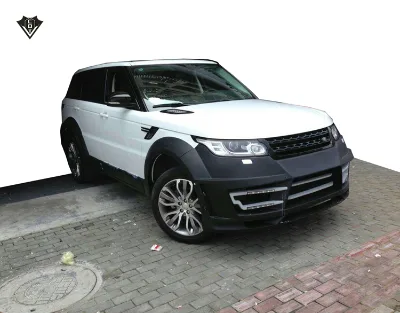
Range-rover Sport Body Kit LA Wide Body Kit Good Price Range -rover Body Kit
$1800.00 - $2000.00
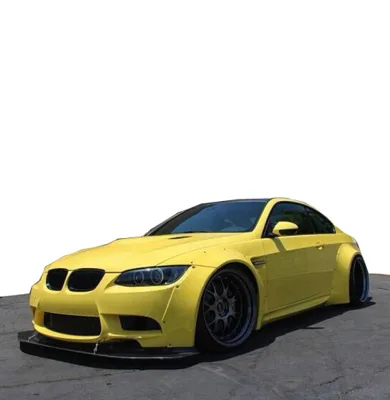
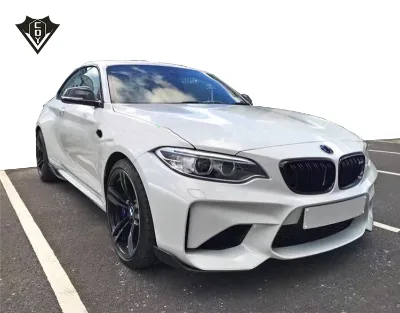
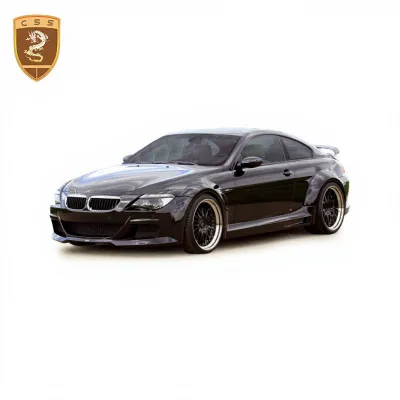
2008-2011M3/ E92/E93 Body Kit the Best Selling LB E92 Wide Body Kits
$900.00 - $1000.00

Changzhou Feituo Moulded Plastic Co., Ltd.
- Manufacturer
- Jiangsu, China
- Lead time35 days
- Avg. response≤ 7h
Main productsAuto Parts,headlamp,taillamp,side mirrow,bumper
Main marketsDomestic Market(40.00%), Southern Europe(5.00%), Northern Europe(5.00%), Central America(5.00%), Western Europe(5.00%), Eastern Asia(5.00%), Mid East(5.00%), South Asia(5.00%), North America(5.00%), Southeast Asia(5.00%), Eastern Europe(5.00%), South America(5.00%), Oceania(3.00%), Africa(2.00%)
Changzhou Ouye Auto Parts Co., Ltd.
- Verified by TüVRheinland
- Trading Company
- Lead time0 days
- Avg. response≤ 4h
Main productsBumper, Headlamp, Taillamp, Tailwing, Carbon Fiber Hood
Main marketsNorth America(20%), Mid East(20%), Eastern Europe(10%)
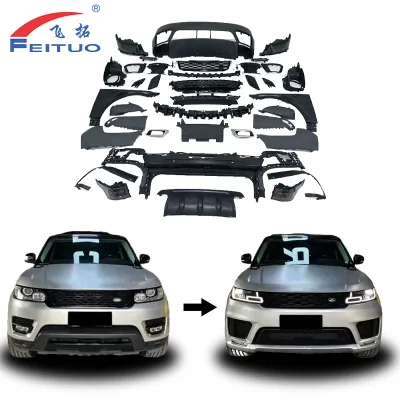
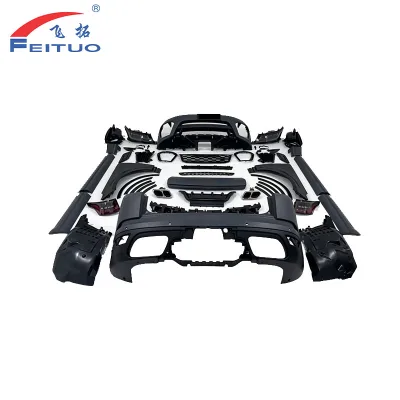
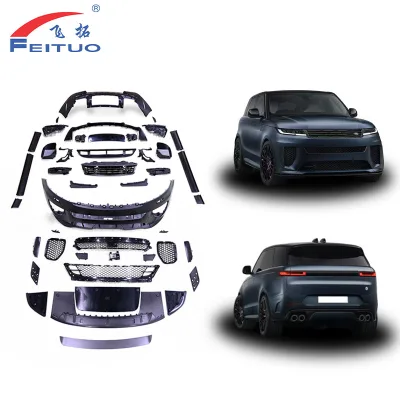
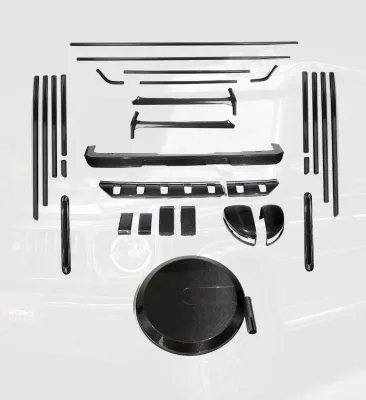
New Bumper Kit for Sport 2023-2026 1:1 SV Style-Bolt-On Retrofit Upgrade
$1750.00 - $1815.00
Jinan Junchen Trading Co., Ltd.
- Trading Company
- Shandong, China
- Lead time15 days
- Avg. response≤ 3h
Main productsAuto Parts,Car Spoilers,Car modification kit,Car protection bumper,Car grille
Main marketsAfrica(15.00%), North America(10.00%), Southeast Asia(10.00%), Mid East(10.00%), South America(10.00%), Domestic Market(5.00%), South Asia(5.00%), Southern Europe(5.00%), Northern Europe(5.00%), Central America(5.00%), Western Europe(5.00%), Eastern Asia(5.00%), Eastern Europe(5.00%), Oceania(5.00%)
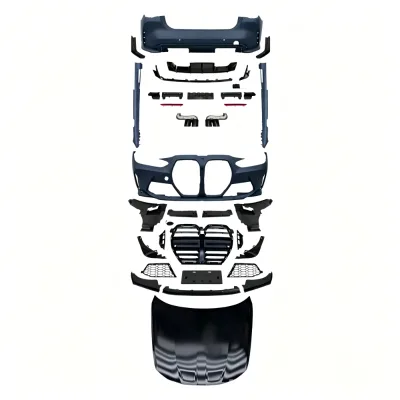
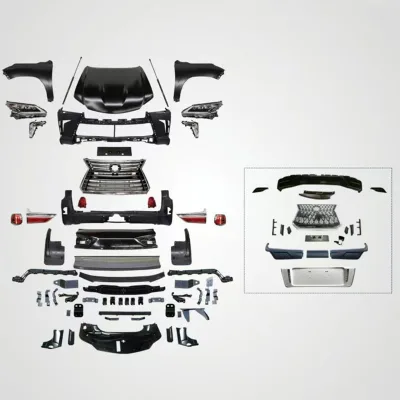
$1751.4211 - $2060.4954
MOQ: 1 sets
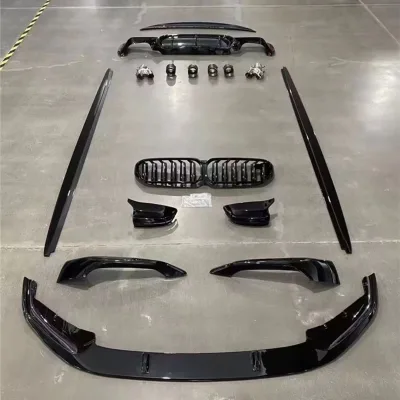
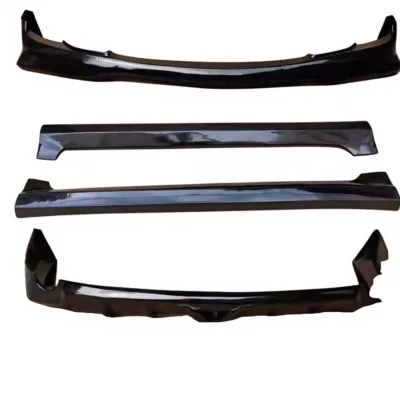

Yiwu Jony Auto Parts Co., Ltd.
- Trading Company
- China Zhejiang
- Lead time45 days
- Avg. response≤ 4h
Main productsAuto Parts, Car Body Kit, Cooling System, Engine Parts, Car Light
Main marketsSouth America,East Asia(Japan/ South Korea),Domestic,North America

$942.00 - $1130.00
MOQ: 10 Pieces


Changzhou Shijun Automobile Decoration Co., Ltd.
- Verified by SGS
- Combined
- China Jiangsu
- Lead time15 days
- Avg. response≤ 14h
Main productsAuto Part, Auto Body Part, Auto Spare Part, Auto Tuning, Auto Accessory, Headlight, Bumper, Auto Lamp, Car Body Kit, Grill
Main marketsSoutheast Asia/ Mideast,Europe


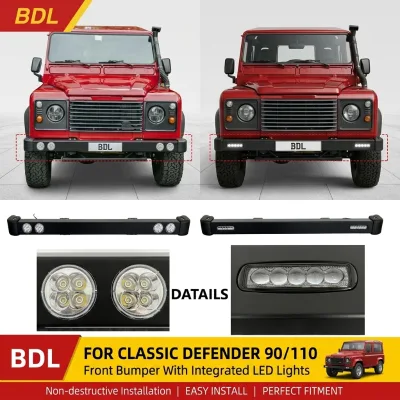
Body Kit for Land Rover Defender Car Body Kit Offroad Car Steel Rear Cap Customized
$74.00 - $97.00
MOQ: 1 Pieces


Bengbu Taidahui Auto Parts Co., Ltd.
- Verified by SGS
- Trading Company
- China Anhui
- Lead time15 days
- Avg. response≤ 1h
Main productsBody Kit, Forged Wheels, Bumper, Auto Lamp, Steering Wheel, Carbon Fiber Parts, 4X4 Accessories, Grille, Front Splitter, Rear Spoiler
Main marketsSoutheast Asia/ Mideast,Domestic

$2199.00 - $2399.00
MOQ: 1 Sets

$1200.00 - $1399.00
MOQ: 1 Sets

$650.00 - $699.00
MOQ: 1 Sets

$950.00 - $1050.00
MOQ: 1 Sets

Facelift A45 Amg Wide 1: 1 Body Kit for 2019+Mercedes Benz W177 Hatchback
$650.00 - $750.00
MOQ: 1 Sets

$3499.00 - $3799.00
MOQ: 1 Sets

Foshan Mingyang Auto Parts Co., Ltd.
- Verified by SGS
- Trading Company
- China Guangdong
- Lead time15 days
- Avg. response≤ 7h
Main productsCar Body Kit, Tonneau Cover, Hood, Grille, Headlight, Taillight, 4X4 Parts
Main marketsSoutheast Asia/ Mideast,Australia,North America

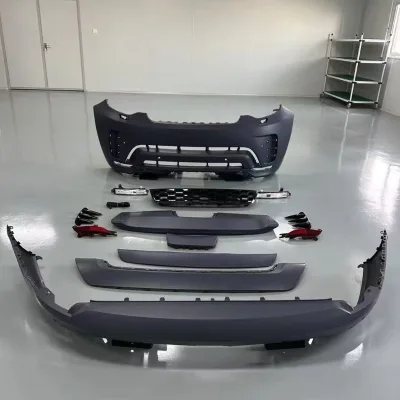
Aspec Front Rear Bumper Fender Flare Spoiler Body Kit 2018-2022 for Range Rover Sport Body Kit
$1430.00 - $1545.00
MOQ: 2 Sets


Guangzhou Abinna Commerce Trading Co., Ltd.
- Verified by SGS Group
- Trading Company
- Lead time10 days
- Avg. response≤ 2h
Main productsCarbon Fiber Body Kit, Car Spoilers, Engine Hood, Car Interior Trims, Wheels Rims
Main marketsNorth America(30%), South America(20%), Eastern Europe(12%)

Guangzhou Lingfeng Carbon Fiber Technology Co., Ltd.
- Manufacturer
- Guangdong, China
- Lead time15 days
- Avg. response≤ 3h
Main productscarbon fiber products,fiber glass products,PP injection products,hardware products,Vacuum formed products
Main marketsSouth America(50.00%), Africa(20.00%), Mid East(20.00%), Southeast Asia(10.00%)
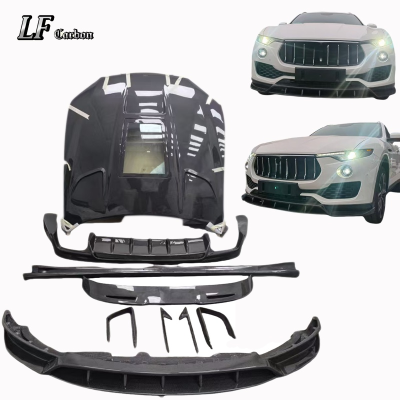
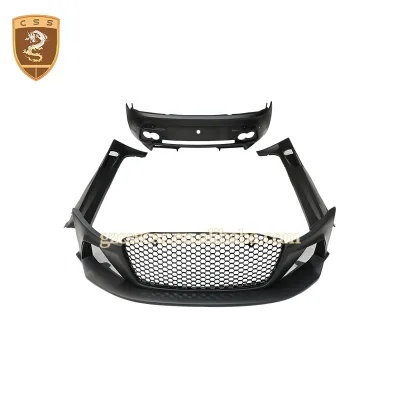
For Maserativante LD Carbon Fiber Surround Bumper Side Skirt Frame Small Body Kit
$2300.00 - $2500.00
MOQ: 1 sets
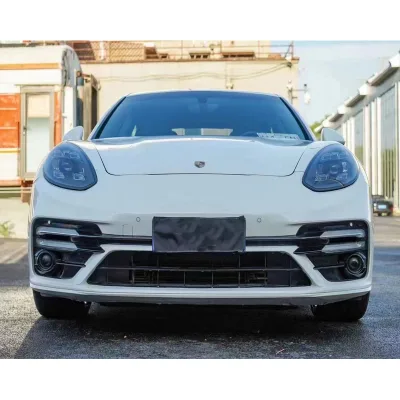

Guangzhou Fangyuyuan Product Design Service Co., Ltd.
- Manufacturer
- Guangdong, China
- Lead time0 days
- Avg. response≤ 2h
Main productsCarbon Fiber Kit,Automobile Parts,Carbon Fiber Steering Wheel,Carbon Fiber Spoiler Wing,Carbon Fiber Mirror Shell
Main marketsWestern Europe(35.00%), Mid East(20.00%), Eastern Europe(20.00%), North America(15.00%), Southeast Asia(10.00%)
Guangzhou Css Auto Accessories Co., Ltd.
- Verified by SGS Group
- Trading Company
- Lead time15 days
- Avg. response≤ 2h
Main productsBody Kits, Car Bumpers, Car Spoiler, Carbon Fiber Auto Body Parts, Carbon Fiber Interior Trims
Main marketsWestern Europe(20%), North America(18%), Southeast Asia(15%)
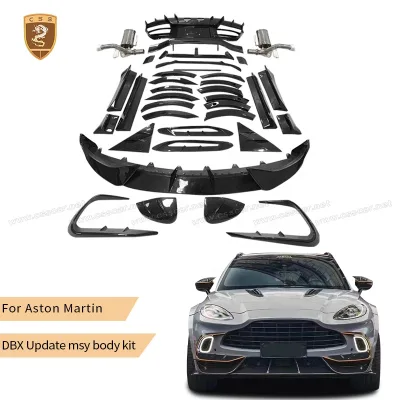
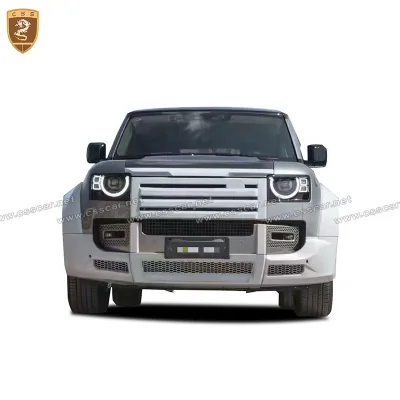
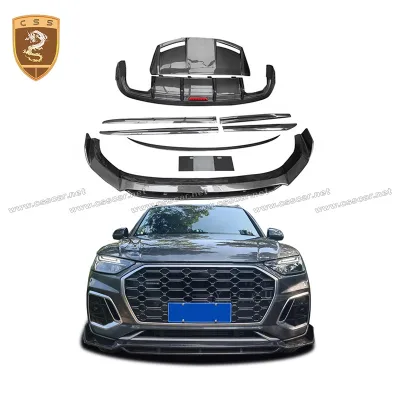
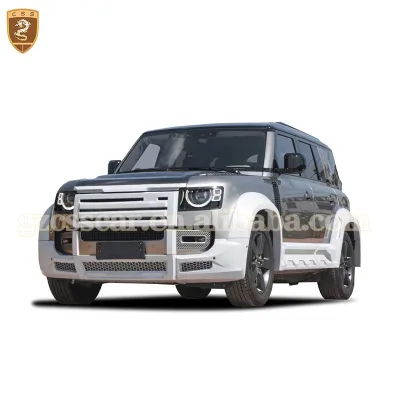
Fiberglass Front Bumper Rear Lip Side Skirts CSS Style Wide Body Kit for Land-Rover Defender
$1688.00 - $1888.00
MOQ: 1
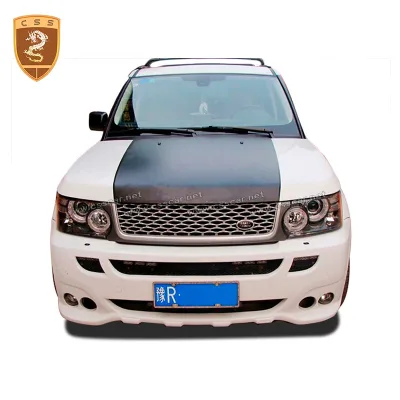
Best Price HM Complete Bumper Kit Side Skirts Car Parts Fit for Range-Rover Sport Body Kit
$3400.00 - $3680.00
MOQ: 1
Guangzhou Feisheng Carbon Fiber Co., Ltd.
- Verified by TüVRheinland
- Trading Company
- Lead time3 days
- Avg. response≤ 4h
Main productsCar Exterior Accessories
Main marketsMid East(40%), North America(10%), South America(8%)
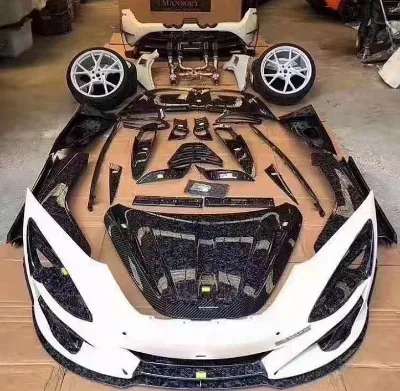
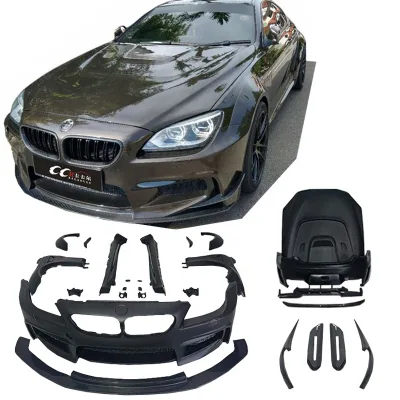
HOT Sale Car Styling PD Design Carbon Wide Body Kit for M6 F06/F12 F13 6seires
$2200.00 - $2300.00
MOQ: 1 sets
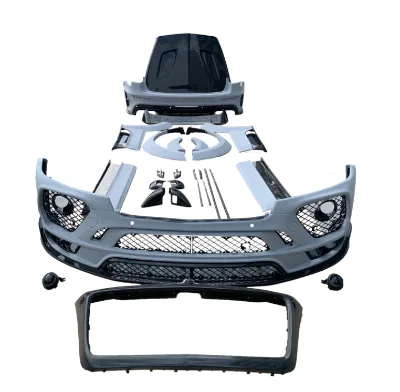
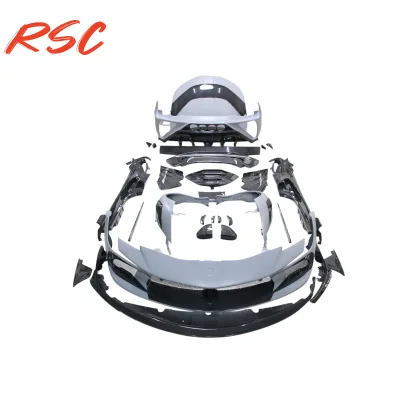
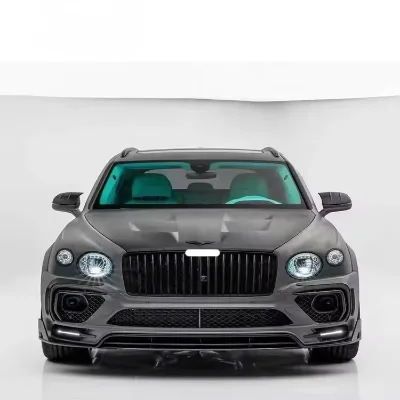
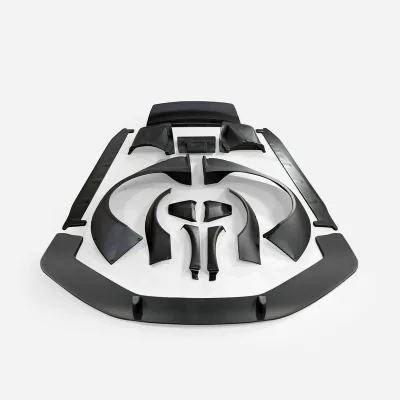
High Quality R8 V8 06-12 Coupe LB Style Wide Full Body Kits Front Fender
$3413.8661 - $3620.767
MOQ: 1 sets
Guangzhou Jinkunhao Automotive Parts Co., Ltd.
- Verified by TUVRHEINLAND
- Trading Company
- China Guangdong
- Lead time0 days
- Avg. response≤ 22h
Main productsAutomotive Electrical System, Body Kit, Front Light, Hood, Interior Modification Parts of The Car

Old Modified New Body Kit Suitable for 7 Series Bumper Surrounding Headlight Cutting-Free
$1857.14 - $1928.57
MOQ: 1 Pieces

Changzhou Yuecheng Auto Accessories Co., Ltd.
- Manufacturer, Trading Company
- Jiangsu, China
- Lead time30 days
- Avg. response≤ 2h
Main productsCar Storage Boxes, Car Insect Screens, Car Front Lip, Car Spoilers, Car Body Kits
Main marketsNorth America(50.00%), Domestic Market(20.00%), Oceania(10.00%), Western Europe(10.00%), Mid East(10.00%)
Dalian Eurocar Auto Parts Co., Ltd.
- Trading Company
- Lead time旺季: "1 - 16":16,"> 16":"To be negotiated", 淡季: "1 - 16":16,"> 16":"To be negotiated"
- Avg. response≤ 3h
Main productsAuto Body Kits, Auto Tuning Parts
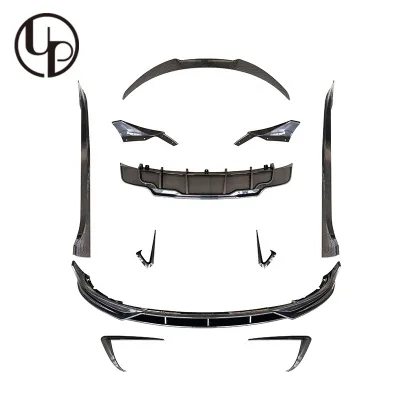
$390.1507 - $410.684
MOQ: 1 sets
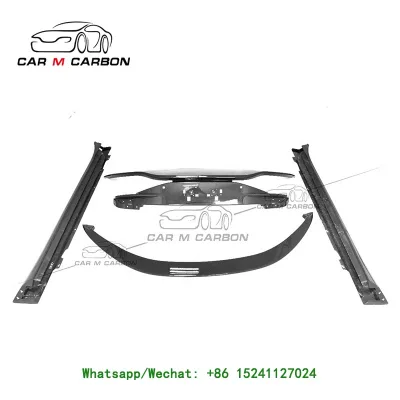
2019year+ DB11 Car Body Parts Body Kit Car Bumpers Vantages 19 Style Carbon Fiber DB11 Car Body Kits
$2829.2651 - $3112.1923
MOQ: 1 sets
Guangzhou Cheshang Auto Parts Co., Ltd.
- Manufacturer, Trading Company, Distributor/Wholesaler
- Guangdong, China
- Lead time10 days
- Avg. response≤ 1h
Main productsAuto body kit,Auto hood,Auto fender,Auto carbon parts,Forged carbon
Main marketsNorth America(30.00%), Mid East(20.00%), South Asia(10.00%), Central America(10.00%), Southeast Asia(10.00%)
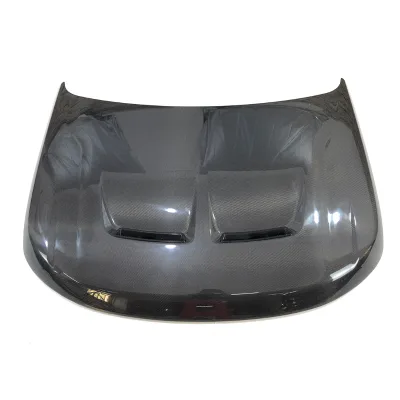
New CSYP Carbon Fiber Engine Hood for Sport 2014-2022 Black SVR Style Bolt-On Car Body Kit
$480.00 - $500.00
MOQ: 1
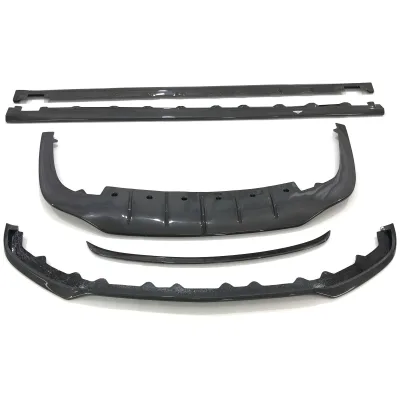
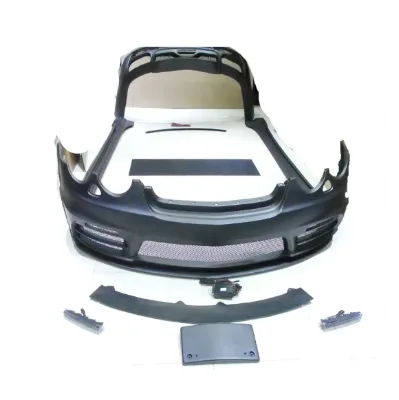
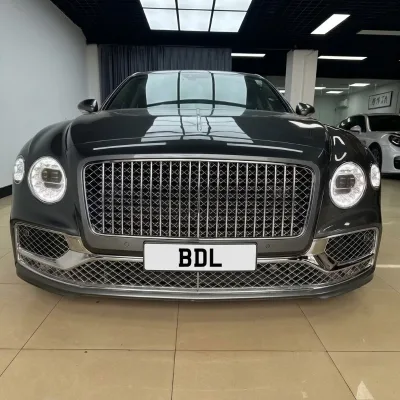
Carbon Fiber Body Kit for Bentley Flying Spur Front Bumper Lip Rear Diffuser Spoiler Side Skirts
$1689.4465 - $1791.8371
MOQ: 1 sets

Qingyuan Huazhongye Auto Accessories Co., Ltd
- Verified by SGS
- Manufacturer
- China Guangdong
- Lead time15 days
- Avg. response≤ 7h
Main productsBody Kits, Carbon Fiber Auto Parts, Car Modification, Auto Parts, Carbon Fiber Engine Hood, Front Lip, Carbon Fiber Automotive Parts, Carbon Fiber Spoiler, Rear Wing, Rear Lip
Changzhou Youke Auto Accessories Co., Ltd.
- Manufacturer
- Jiangsu, China
- Lead time5 days
- Avg. response≤ 2h
Main productsbody kits,grilles,air vents,headlamps,tail lamps
Main marketsEastern Europe(18.00%), Western Europe(15.00%), Southern Europe(12.00%), Northern Europe(10.00%), Eastern Asia(9.00%), South Asia(8.00%), Mid East(7.00%), Central America(6.00%), North America(4.00%), Southeast Asia(4.00%), Africa(3.00%), Oceania(2.00%), South America(2.00%)
Changzhou Wodisi Vehicle Parts Co., Ltd.
- Manufacturer
- Jiangsu, China
- Lead time15 days
- Avg. response≤ 2h
Main productsbody Kit,carbon products
Main marketsAfrica(45.00%), Southeast Asia(15.00%), Mid East(10.00%), Oceania(5.00%), Southern Europe(5.00%), South America(5.00%), Central America(4.00%), Eastern Asia(3.00%), North America(2.00%), Northern Europe(2.00%), Eastern Europe(2.00%), Western Europe(2.00%)
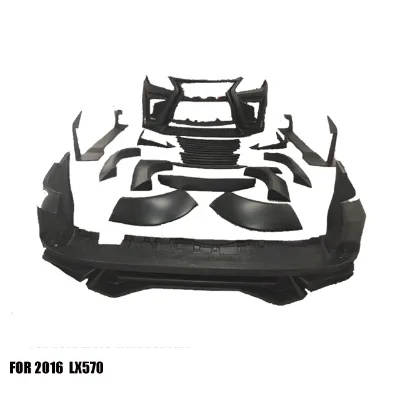
LX570 2018 New Style Body Kit Facelift for LX570 to Wide Style with Front Bumper
$357.8803 - $460.1315
MOQ: 1 sets
Guangzhou Extreme Carbon Fiber Products Co., Ltd.
- Guangdong, China
- Lead time0 days
- Avg. response≤ 2h
- Verified by Intertek
- Trading Company
- Lead time20 days
- Avg. response≤ 6h
Main productsSide Steps, Grills, Body Kits, Roll Bar, Electric Motorcycle Parts
Main marketsNorth America(30%), South America(30%), Mid East(20%)
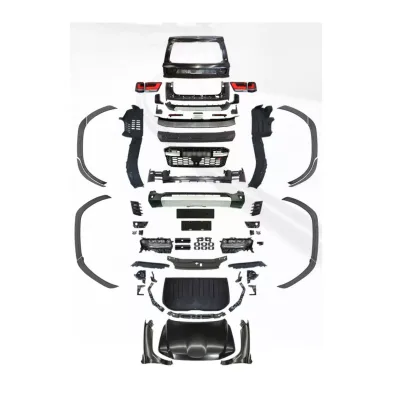
For 2008-2020 LC200 Bodykit Upgrade to 2022 LC300 Wide Body Kit for LC200
$1500.00 - $1700.00
MOQ: 2 sets
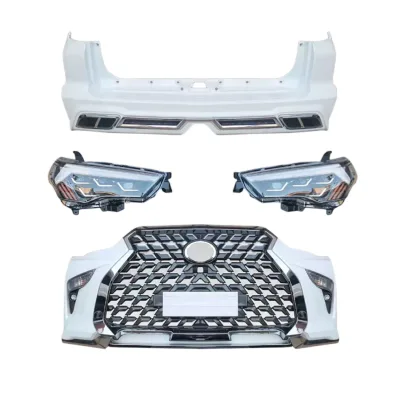
4x4 Offroad Car Spare Parts New Design Body Kits Facelift With Head Lights for 4 Runner 2014-2020
$475.00 - $625.00
MOQ: 10 sets
Guangzhou Carest Auto Parts Co., Ltd.
- Manufacturer, Distributor/Wholesaler, Business Service (Transportation, finance, travel, Ads, etc)
- guangdong, China
- Lead time10 days
- Avg. response≤ 9h
Main productsCar Conditioning sysytem,Automobile braking system,Car decoration parts,Auto lighting system,Automotive electronics
Main marketsEastern Europe(30.00%), North America(20.00%), Mid East(15.00%), South America(15.00%), South Asia(12.00%), Southeast Asia(5.00%), Africa(3.00%)

HENAN MYCAR AUTO PARTS TECHNOLOGY LTD.
- Verified by BV
- Trading Company
- China Henan
- Lead time15 days
- Avg. response≤ 5h
Main productsTire Pressure Sensors, Solar Tire Pressure Sensors, Car Stereo, Radar, Reverse Camera, Auto Diagnostic Tool, Fuel Filter, Programmable Tire Pressure Sensor, Dash Cam, Carplay Decoder
Main marketsSouth America,Africa,Southeast Asia/ Mideast,East Asia(Japan/ South Korea),Europe,Australia,North America


$188.00 - $450.00
MOQ: 1 Pieces
Changzhou Carbon Tech Composite Material Co., Ltd.
- Verified by TüVRheinland
- Manufacturer, Trading Company
- Lead time7 days
- Avg. response≤ 5h
Main productsBody Kit, Bumpers, Carbon Fiber Parts, Head and Taillights, Hood
Main marketsDomestic Market(40%), Eastern Europe(20%), South America(10%)
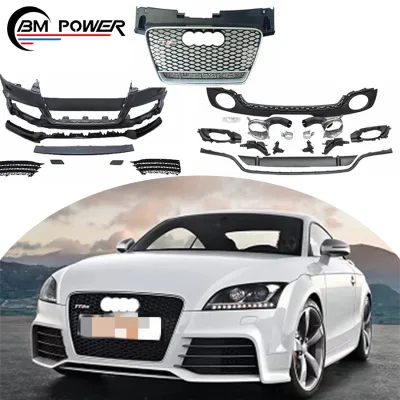
$709.8889 - $771.6177
MOQ: 2 sets
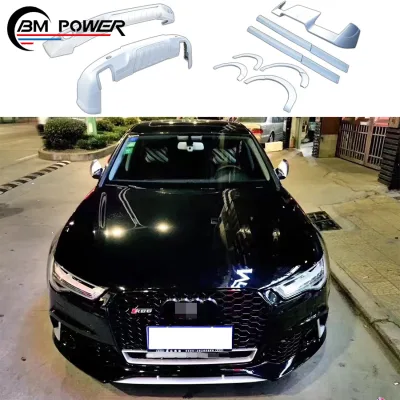
$892.1373 - $995.8741
MOQ: 2 sets
$10288.2366 - $20576.4732
MOQ: 1 sets

Changzhou Keyray Auto Parts Co., Ltd.
- Verified by BV
- Trading Company
- China Jiangsu
- Lead time15 days
- Avg. response≤ 18h
Main productsAuto Parts
Main marketsSoutheast Asia/ Mideast
Yujiang County Runze Auto Accessories Co., Ltd.
- Trading Company
- Jiangxi, China
- Lead time6 days
- Avg. response≤ 9h
Main productsCar bumper,Car grill,Car spoiler,Car diffuser,Car bodykit
Main marketsSouth America(25.00%), North America(23.00%), Africa(15.00%), Mid East(12.00%), Central America(6.00%), Eastern Europe(6.00%), Southern Europe(2.00%), Oceania(2.00%), Western Europe(2.00%), Eastern Asia(2.00%), Southeast Asia(2.00%), Domestic Market(1.00%), South Asia(1.00%), Northern Europe(1.00%)
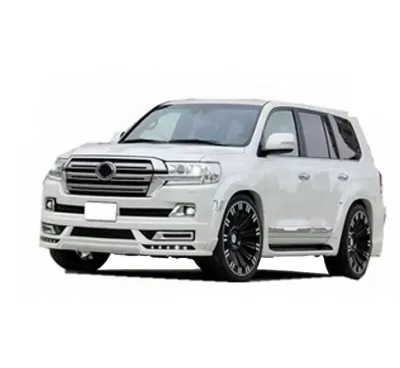
$821.4685 - $883.1553
MOQ: 1 sets
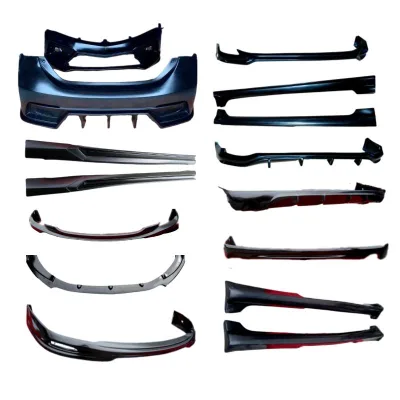
$261.8123 - $292.6138
MOQ: 1 sets
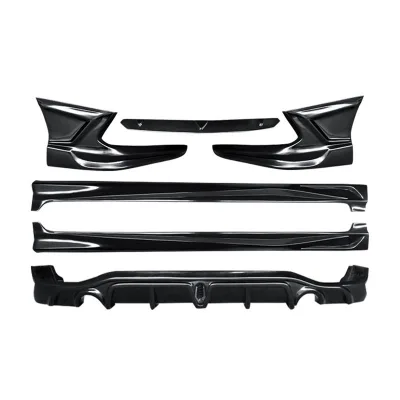
$502.7511 - $615.8447
MOQ: 1 sets

Changzhou Harmonious Import and Export Company Limited
- Trading Company,Manufacturer/Factory
- China Jiangsu
- Lead time23 days
- Avg. response≤ 18h
Main productsAuto Accessory, Side Steps, Running Boards, Bumper Guards, Roof Racks, Roof Spoiler, Front Grille
Main marketsSouth America,Mid East,North America,Southeast Asia
Guangzhou Bodykit Auto Parts Co., Ltd.
- Manufacturer, Distributor/Wholesaler
- Guangdong, China
- Lead time25 days
- Avg. response≤ 1h
Main productsbodykit,engine hood,Exterior Accessories,rear spoiler,Auto Body Systems
Main marketsNorth America(20.00%), Mid East(15.00%), South America(10.00%), Domestic Market(5.00%), South Asia(5.00%), Southern Europe(5.00%), Northern Europe(5.00%), Central America(5.00%), Eastern Europe(5.00%), Western Europe(5.00%), Eastern Asia(5.00%), Oceania(5.00%), Africa(5.00%), Southeast Asia(5.00%)


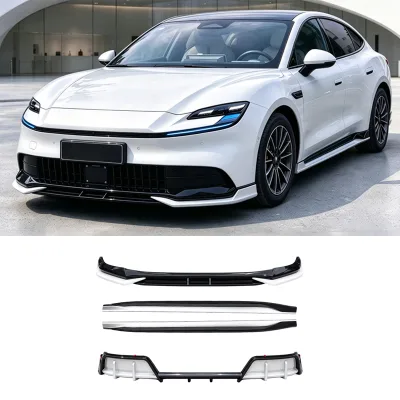
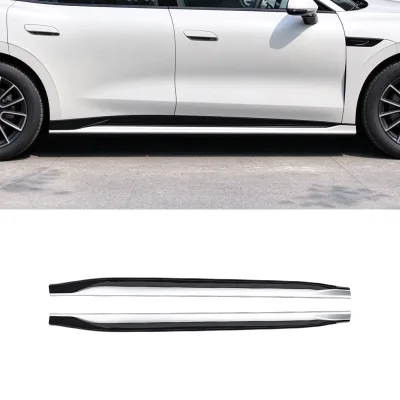


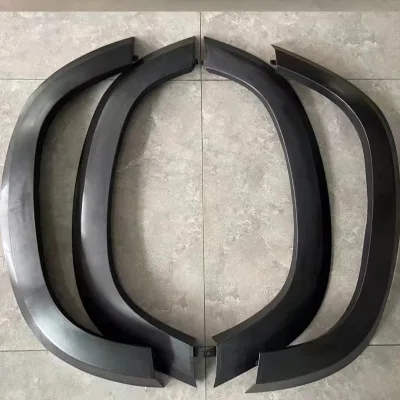
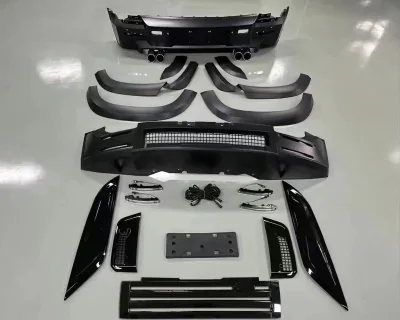


Comprehensive Sourcing Guide
Bolt-On Wide Body Kit Supplier Concentration and Factory Types
The sourcing landscape for bolt-on wide body kits reveals a distinct concentration of manufacturing activity within specific industrial regions, with Guangdong, China, emerging as a primary hub for these automotive components. This geographic clustering is not arbitrary; it reflects the established supply chain infrastructure for plastics, fiberglass, and composite materials essential for producing durable body kits. Buyers evaluating suppliers will frequently encounter entities located in this province, which benefits from proximity to raw material suppliers and specialized molding facilities. The presence of these manufacturers in Guangdong suggests a mature ecosystem capable of supporting both high-volume production and complex customization requests. When assessing potential partners, it is crucial to recognize that this regional concentration often correlates with competitive pricing and rapid prototyping capabilities, as the local industry has refined its processes over years of serving global automotive aftermarket demands.
Supplier types in this sector vary significantly, ranging from direct manufacturers and factories to group corporations and trading companies. Direct manufacturers typically offer greater control over quality assurance and customization options, often boasting OEM and ODM capabilities alongside their own brand identities. These entities are equipped to handle specific material requirements, such as ABS plastic or fiberglass, which are common in wide body kit production. In contrast, trading companies may provide a broader catalog of styles and fitments, leveraging relationships with multiple factories to offer diverse options to buyers. However, trading entities might have less direct oversight over the manufacturing process compared to factory-direct suppliers. Understanding this distinction is vital for buyers, as it influences lead times, communication efficiency, and the ability to resolve technical issues during production. The choice between a manufacturer and a trader should align with the buyer’s specific needs for customization, volume, and direct technical support.
How to Verify Bolt-On Wide Body Kit Suppliers
Verification of suppliers requires a multi-layered approach that goes beyond basic company profiles to ensure reliability and product quality. One critical step is checking for third-party verification badges, such as SGS, which indicate that the supplier has undergone rigorous audits of their business operations and manufacturing capabilities. These verifications provide a layer of confidence regarding the legitimacy of the entity and its adherence to international business standards. Buyers should prioritize suppliers who display such credentials, as they signal a commitment to transparency and operational integrity. Additionally, examining the supplier’s response time is a practical indicator of their operational efficiency and customer service orientation. A rapid response time, such as under eight hours, often correlates with a well-organized sales team that can address technical queries and order specifics promptly, reducing the risk of misunderstandings during the procurement process.
Beyond verification badges and response metrics, buyers must scrutinize the specific product attributes and certifications associated with the wide body kits. For instance, some products may carry CE certification, indicating compliance with European health, safety, and environmental protection standards, which is crucial for markets with strict regulatory requirements. Buyers should also verify the material composition, such as ABS or fiberglass, and ensure that the supplier provides detailed specifications regarding fitment, color, and condition. It is essential to confirm that the supplier offers customization options if the buyer requires specific modifications or branding. Furthermore, checking the supplier’s main product list can reveal their expertise; a supplier specializing in body kits, bumpers, and related accessories is likely more knowledgeable than a generalist auto parts trader. By combining these verification steps, buyers can build a robust profile of each potential supplier, minimizing the risk of engaging with unreliable partners.
What to Compare Across Bolt-On Wide Body Kit Suppliers
When evaluating multiple suppliers, buyers must compare key operational metrics to determine the best fit for their business needs. Lead time is a critical factor, as it directly impacts inventory management and customer satisfaction. Suppliers may offer varying lead times, ranging from fifteen to twenty-three days, depending on the complexity of the order and current production capacity. Buyers should align their ordering schedules with these lead times to avoid stockouts or delays. Additionally, the minimum order quantity (MOQ) is a significant consideration, particularly for smaller buyers or those testing new markets. MOQs can vary widely, with some suppliers requiring as few as two units for certain items, while others may have higher thresholds. Understanding these MOQs helps buyers plan their initial investments and assess the scalability of their orders.
Another vital aspect of comparison is the pricing structure and the range of products offered. Prices for wide body kits can fluctuate based on material, complexity, and customization requirements. For example, ABS fender flares may be priced differently from comprehensive fiberglass body kits. Buyers should compare price ranges across suppliers to ensure they are receiving competitive rates without compromising on quality. It is also important to assess the supplier’s capacity for customization, including OEM and ODM services. Suppliers that offer flexible customization options can provide unique products that differentiate the buyer in the market. Additionally, comparing the response time and communication efficiency of suppliers can reveal which partners are more likely to provide timely support and resolve issues quickly. By systematically comparing these factors, buyers can make informed decisions that balance cost, quality, and operational efficiency.
Common Bolt-On Wide Body Kit Sourcing Risks
Sourcing bolt-on wide body kits involves several inherent risks that buyers must proactively manage to ensure a smooth procurement process. One significant risk is the variability in product quality and fitment, particularly when dealing with fiberglass or unpainted components. These materials can be prone to defects such as warping, cracking, or poor surface finish if not manufactured under strict quality control standards. Buyers should be cautious of suppliers who do not provide detailed specifications or quality assurance documentation. Additionally, the risk of miscommunication regarding customization requirements can lead to products that do not meet the buyer’s expectations. Clear and detailed specifications, including dimensions, materials, and fitment details, are essential to mitigate this risk. Buyers should insist on sample approvals before placing bulk orders to verify that the final product matches the agreed-upon standards.
Another common risk is the potential for delays in production and shipping, which can disrupt supply chains and customer relationships. Suppliers may face capacity constraints or logistical challenges that extend lead times beyond the initially quoted periods. Buyers should maintain open communication with suppliers to monitor production progress and address any potential bottlenecks early. Furthermore, the risk of receiving products with inadequate packaging is a concern, especially for fragile materials like fiberglass. Proper packaging, such as foam inside and plywood outside, is crucial to prevent damage during transit. Buyers should verify that suppliers use robust packaging methods and consider insurance for high-value shipments. Additionally, buyers should be aware of the risks associated with trading companies that may not have direct control over manufacturing processes. Engaging directly with manufacturers or verifying the trading company’s relationships with factories can help mitigate these risks. By identifying and addressing these potential pitfalls, buyers can enhance the reliability of their sourcing operations.
Bolt-On Wide Body Kit Regional Sourcing and Logistics
Regional sourcing plays a pivotal role in the logistics and cost structure of bolt-on wide body kits, with Guangdong, China, serving as a major dispatch hub. This region’s strategic location facilitates efficient export operations, with ports like Guangzhou offering convenient access to global shipping routes. Buyers sourcing from this area can benefit from established logistics networks that streamline the transportation of bulky and heavy automotive parts. Understanding the port of dispatch is crucial for calculating shipping costs and transit times. Suppliers often provide detailed packaging details, such as the use of foam and plywood, to ensure safe transit. Buyers should coordinate with their freight forwarders to optimize shipping methods, whether by sea or air, based on the urgency and volume of the order. The regional concentration of suppliers also allows for easier consolidation of orders from multiple factories, reducing overall logistics costs.
Logistics planning must also account for the specific characteristics of wide body kits, which are often large and irregularly shaped. These dimensions can impact container utilization and shipping costs, making it essential to plan packaging and loading strategies carefully. Buyers should work closely with suppliers to ensure that products are packed efficiently to maximize space and minimize damage. Additionally, understanding the import regulations and duties in the destination country is vital for accurate cost estimation. Some regions may have specific requirements for automotive parts, including certification and labeling standards. Buyers should verify these requirements with their local customs brokers to avoid delays or penalties. Furthermore, considering the environmental impact of shipping and exploring sustainable logistics options can enhance the buyer’s brand reputation. By integrating regional logistics insights into their sourcing strategy, buyers can optimize their supply chain and reduce operational risks.
Bolt-On Wide Body Kit Commercial Terms and Order Planning
Commercial terms and order planning are foundational to successful procurement of bolt-on wide body kits, requiring careful attention to payment structures and contract details. Buyers should negotiate clear terms regarding payment methods, such as escrow services, which provide security for both parties by holding funds until the order is fulfilled. This mechanism reduces the risk of fraud and ensures that suppliers are compensated only after delivering the agreed-upon products. Additionally, buyers should establish clear timelines for order placement, production, and delivery to align with their sales cycles. Understanding the supplier’s supply ability, such as the number of sets they can produce per month, helps in planning larger orders and avoiding capacity constraints. Buyers should also clarify any additional costs, such as tooling fees for custom designs, to avoid unexpected expenses.
Order planning must also consider the lifecycle of the products and the potential for repeat orders. Buyers should assess the supplier’s ability to maintain consistent quality and pricing over time, which is crucial for long-term business relationships. Establishing a framework for regular communication and performance reviews can help identify areas for improvement and strengthen the partnership. Buyers should also plan for inventory management, considering the lead times and MOQs to optimize stock levels. By integrating commercial terms with strategic order planning, buyers can create a resilient supply chain that supports their business growth. This approach ensures that they can respond effectively to market demands while maintaining cost efficiency and product quality. Ultimately, a well-structured commercial strategy enhances the buyer’s ability to compete in the automotive aftermarket sector.
FAQs
What materials are used for wide body kits?
Suppliers offer kits made from ABS plastic and fiberglass. ABS is common for bumper and fender flare components, while fiberglass is often used for unpainted wide body kits. Always check the specific product attributes to confirm the material type before ordering.
What is the minimum order quantity for these kits?
Minimum order quantities vary by product. Some ABS fender flares require a minimum of two units, while other wide body kits may need five pieces. Verify the specific MOQ listed for the exact model number you intend to purchase to ensure compliance.
How long does production take for these kits?
Lead times for manufacturing these kits range from 15 to 23 days depending on the supplier. Some trading companies offer faster turnaround times of 15 days, while manufacturers may require up to 23 days. Confirm the specific lead time with your chosen vendor.
Are these wide body kits customizable?
Yes, customization is available for many wide body kit products. Suppliers indicate that OEM services are welcome and specific customization options can be arranged. Check the product attributes section to confirm if the specific kit you select supports custom requirements.
Where are these wide body kits manufactured?
All observed wide body kits originate from Guangdong, China. The products are manufactured in the Mainland region of China, specifically within the Guangdong province. This location is consistent across the various auto body parts and accessories listed in the current results.
What is the price range for these kits?
Prices vary significantly based on the vehicle model and material. Wide body kits for specific models like the X-Class range from 730 to 750 dollars, while others for Rangers start around 59 dollars. Luxury vehicle kits can cost between 1540 and 2000 dollars.
Do suppliers offer certifications for these parts?
Some products carry CE certification, indicating compliance with specific standards. Additionally, suppliers may hold SGS verification status. Always verify the certification details listed in the product attributes to ensure the parts meet your required safety and quality standards.