Red Carbon Fiber Hood Badge Suppliers and Manufacturers
Compare 13 verified suppliers offering red carbon fiber hood badges with varying MOQs, prices, and lead times. Review product attributes like material and customization options before contacting factories in Guangdong for quotes; review the available evidence before requesting comparable quotations from suitable candidates.
Updated
Suppliers List

Guangzhou Congsin Electronic Technology Co., Ltd
- Combined
- China Guangdong
- Lead time15 days
- Avg. response≤ 16h
Main productsPower Inverter, Pure Sine Wave Inverter, Solar Panel, Modified Sine Wave Inverter, Car Power Inverter, DC to AC Power Inverter, Solar Inverter, Solar Charger Controller, Car Emblem Badge, Inverter
Main marketsSouth America,Africa,Southeast Asia/ Mideast
Guangzhou Lisen Auto Parts Co., Ltd.
- Trading Company, Distributor/Wholesaler
- Guangdong, China
- Lead time5 days
- Avg. response≤ 10h
Main productsAppearance,Chassis Parts,car interior parts,automotive electronic componentsstem,cooling system
Main marketsMid East(10.00%), Southeast Asia(10.00%), Central America(5.00%), South Asia(5.00%), Oceania(5.00%), North America(5.00%), South America(2.00%)

Ningbo Yinzhou Guda Imp. & Exp. Co., Ltd.
- Verified by SGS
- Trading Company,Manufacturer/Factory
- China Zhejiang
- Lead time15 days
- Avg. response≤ 4h
Main productsSticker, Emblem, Decal, Metal Sticker, Vinyl Sticker, Keyring, Fridge Magnet, Key Chain, Badge, Label
Main marketsSouth America,Eastern Europe,Mid East,North America,Southeast Asia,Eastern Asia,Oceania,Western Europe,Africa
Guangzhou Zhihuiguan Trading Co., Ltd.
- Manufacturer, Trading Company, Distributor/Wholesaler
- Guangdong, China
- Lead time7 days
- Avg. response≤ 5h
Main productsAutomobile wheel hub cover center cap,Hub Cap Center Cap Fittings,Car LED,Car front and rear badges,Car front and rear logo accessories
Main marketsNorthern Europe(20.00%), Eastern Europe(20.00%), Mid East(15.00%), North America(15.00%), Southeast Asia(15.00%), Western Europe(10.00%), Southern Europe(5.00%)
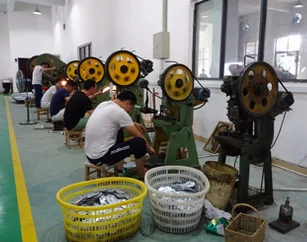
Guangzhou Luke Trading Ltd., Co.
- Trading Company, Agent, Distributor/Wholesaler
- Guangdong, China
- Lead time5 days
- Avg. response≤ 3h
Main productscar wheel hub center cap+sticker,LED Car logo emblem,Car Mirror,License plate frame,Car key case
Main marketsNorth America(60.00%), Western Europe(15.00%), Mid East(3.00%), Domestic Market(2.00%), South Asia(2.00%), Southern Europe(2.00%), Northern Europe(2.00%), Central America(2.00%), South America(2.00%), Eastern Asia(2.00%), Eastern Europe(2.00%), Oceania(2.00%), Africa(2.00%), Southeast Asia(2.00%)
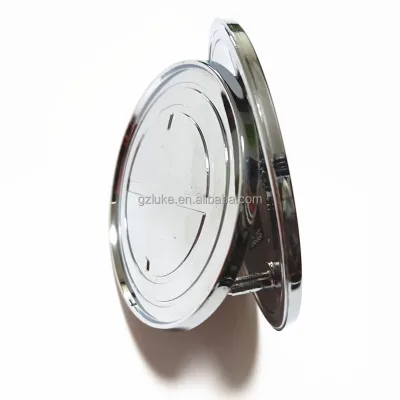
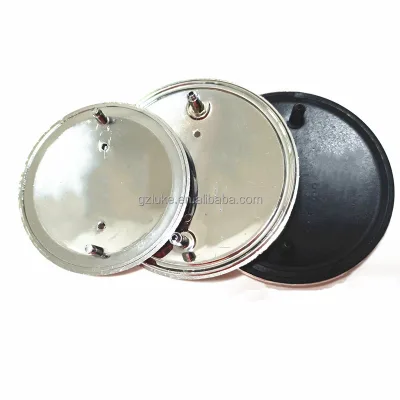
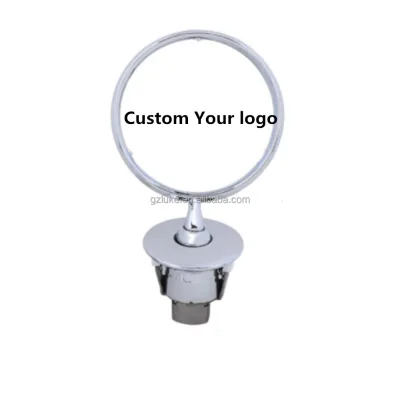
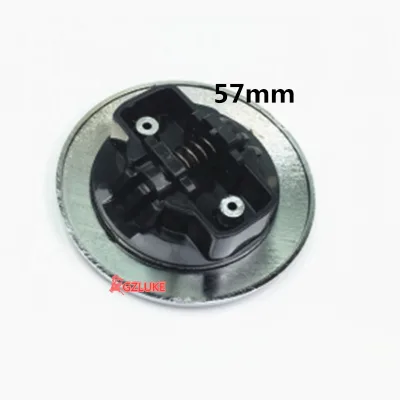
Blue White 82MM Silver and Black Base Car Front Bonnet Emblem Rear Hood Trunk Badge 51148132375
$0.2054 - $0.7195
MOQ: 50 pieces
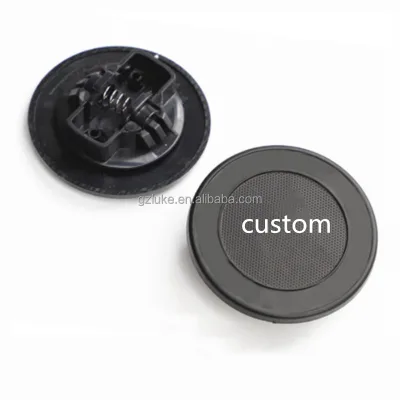
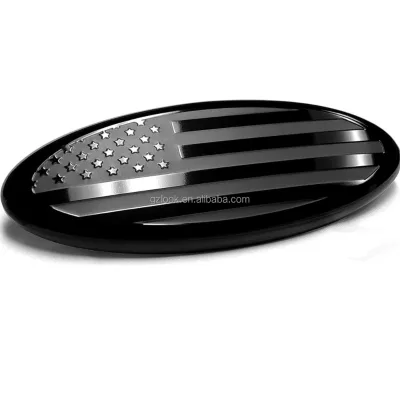
9" Inch American Black Flag Design Front Grille Hood Oval Emblem Nameplate Auto Accessories
$1.50 - $2.90
MOQ: 50 pieces
Guangzhou Chuangsuofei Trading Co., Ltd.
- Manufacturer, Trading Company
- Guangdong, China
- Lead time0 days
- Avg. response≤ 8h
Main productsCar door lights,Automobile parts,Car LED,car sticker,Automotive lighting systems
Main marketsSoutheast Asia(30.00%), North America(20.00%), Eastern Europe(20.00%), South America(20.00%), Mid East(5.00%), Africa(5.00%)

Zhongshan Leon crafts and gifts Co., Ltd.
- Verified by SGS
- Trading Company,Manufacturer/Factory
- China Guangdong
- Lead time23 days
- Avg. response≤ 3h
Main productsMetal Pin Badge, Wallet Badge, Sports Medal, Honor Medal, Belt & Buckle, Challenge Coins, Fridge Magnet, Different Kind of Security Products, Keychain, Embroidery Patch
Main marketsSouth America,Eastern Europe,Mid East,North America,Southeast Asia,Eastern Asia,Oceania,Western Europe,Africa

- Verified by TUVRHEINLAND
- Trading Company
- China Guangdong
- Lead time15 days
- Avg. response≤ 4h
Main productsBadge, Medal, Key Chain, Key Ring, Coin, Pin, Bottle Opener, Wrist Band, Lanyard, Trophy
Main marketsSoutheast Asia/ Mideast,Europe,North America

Hangzhou Kaikai Auto Supplies Co., Ltd.
- Trading Company
- Zhejiang, China
- Lead time5 days
- Avg. response≤ 2h
Main productsWheel center caps,Emblem badges,Car Stickers,Decal Stickers,storage tools
Main marketsWestern Europe(35.00%), North America(20.00%), South America(5.00%), Domestic Market(5.00%), Southern Europe(5.00%), Northern Europe(5.00%), Central America(5.00%), Eastern Asia(5.00%), Oceania(5.00%), Africa(5.00%), Eastern Europe(5.00%)

- Verified by BV
- Combined
- China Guangdong
- Lead time15 days
- Avg. response≤ 6h
Main productsSouvenir Badge, Lanyard, Keychain, Medal, Challenge Coin, Silicone Wristband, Fabric Bracelet, Dog Tag, Trolley Token Coin, Tin Button
Main marketsSouth America,Africa,Southeast Asia/ Mideast,East Asia(Japan/ South Korea),Europe,Australia,North America
- Manufacturer, Trading Company
- Lead time旺季: "1 - 1000":15,"> 1000":"To be negotiated", 淡季: "1 - 1000":15,"> 1000":"To be negotiated"
- Avg. response≤ 1h
Main productsMedal, Keychain, Nameplate, Pin Badge, Bottle Opener
Chongqing Caspar Import & Export Trade Co., Ltd.
- Trading Company
- Chongqing, China
- Lead time7 days
- Avg. response≤ 6h
Main productsClothing Accessories,Car Adornment,home accessories
Main marketsSoutheast Asia(24.00%), North America(19.00%), Mid East(12.00%), Domestic Market(9.00%), Oceania(8.00%), Western Europe(5.00%), Eastern Asia(5.00%), Southern Europe(3.00%), Eastern Europe(3.00%), South America(3.00%), South Asia(2.00%), Central America(2.00%), Northern Europe(2.00%), Africa(1.00%)
Flambo (shenzhen) Creative Gifts Co., Ltd.
- Verified by TüVRheinland
- Manufacturer, Trading Company
- Lead time0 days
- Avg. response≤ 2h
Main productsMetal Fridge Magnet, Metal Pendant, Metal Ornament, Metal Medal, Metal Card
Main marketsDomestic Market(60%), Mid East(30%), North America(10%)









Comprehensive Sourcing Guide
Red Carbon Fiber Hood Badge Supplier Concentration and Factory Types
The current supplier landscape for red carbon fiber hood badges reveals a distinct concentration of manufacturing capabilities within China, specifically in the Guangdong region. This geographic clustering is significant for buyers because it indicates a mature industrial ecosystem where specialized automotive accessory production has developed over time. Factories and trading companies located in this area benefit from established supply chains for raw materials such as high-temperature ABS and carbon fiber composites, which are critical for producing durable emblems. When evaluating potential partners, buyers should prioritize suppliers who explicitly list Guangdong as their origin, as this suggests access to the necessary technical infrastructure for die casting, stamping, and precision molding. The presence of combined company types, which operate as both manufacturers and traders, offers a hybrid advantage. These entities can provide direct factory pricing and quality control while maintaining the flexibility of a trading company to handle logistics and customer service. This dual nature allows for more adaptable order structures, particularly for buyers who require small batch testing before committing to larger production runs. Understanding this regional concentration helps buyers narrow their search to suppliers who are physically close to the core manufacturing hubs, potentially reducing communication barriers and ensuring that the production processes align with international automotive standards.
Beyond geographic location, the types of factories available for red carbon fiber hood badges vary in their core competencies and product portfolios. Some suppliers specialize exclusively in automotive exterior accessories, focusing on emblems, badges, and trim pieces, while others maintain broader catalogs that include power inverters, solar panels, and general metal crafts. This diversification can be a double-edged sword; a supplier with a wide product range may have less dedicated focus on the specific nuances of automotive badge manufacturing, such as UV resistance and adhesive strength. Conversely, a specialized factory might offer deeper expertise in materials like aluminum or carbon fiber, ensuring higher quality finishes. Buyers should examine the main products listed by each supplier to determine if automotive badges are a primary focus or a secondary offering. Suppliers that list items like "Gold Metal Auto Accessory Logo" or "Transformers Carbon Fiber Badges" alongside their core automotive lines demonstrate a proven track record in this specific niche. It is also important to note that some suppliers offer OEM and ODM services, which is crucial for buyers seeking custom branding or unique designs. By assessing the factory type and product specialization, buyers can better predict the level of expertise and customization capability available for their specific Red Carbon Fiber Hood Badge requirements.
How to Verify Red Carbon Fiber Hood Badge Suppliers
Verifying the legitimacy and capability of Red Carbon Fiber Hood Badge suppliers requires a systematic approach to checking the data points provided in their profiles. One of the first steps is to confirm the supplier's location and company type. Since the current results indicate a concentration in Guangdong, China, buyers should look for suppliers who explicitly state this origin. A supplier claiming to be a factory in a different region without clear justification may be a trading company misrepresenting itself. Additionally, buyers should check for system certifications, although the current data shows NIL for some suppliers. The absence of displayed certifications does not necessarily mean a supplier is unqualified, but it does mean the buyer must request proof of quality management systems or automotive-specific standards directly. Response time is another critical metric for verification. A supplier with a response time of approximately 15.97 hours indicates a moderate level of engagement, but buyers should test this by sending specific technical inquiries about material composition and production processes. A quick, detailed response suggests a professional operation, while vague answers may indicate a lack of technical depth. Buyers should also verify the supplier's ability to handle custom orders by asking for examples of previous OEM work, particularly for red carbon fiber finishes, which require specific coating techniques to prevent fading or peeling.
Another essential verification step involves examining the product evidence and specifications provided by the supplier. Buyers should look for detailed product attributes such as material type, customization options, and warranty information. For instance, some suppliers list materials like "Newest High Temperature ABS" or "Aluminium," which are common for durable badges. Buyers should verify if the supplier offers samples, as many current results indicate "Acceptance" of sample orders. Requesting a sample allows the buyer to physically inspect the red carbon fiber finish, check the adhesive quality, and ensure the color matches their brand requirements. Additionally, buyers should check the supplier's payment terms and shipping methods. Suppliers offering secure payment options like PayPal or bank transfers through reputable institutions provide an additional layer of security. It is also important to verify the supplier's return policy and guarantee terms, especially regarding the longevity of the badge. Some suppliers mention a use life of 5-8 years, which is a reasonable expectation for automotive accessories. Buyers should ask for clarification on what constitutes a defect versus normal wear and tear. By combining these verification steps, buyers can build a comprehensive profile of each supplier, ensuring that they are partnering with reliable and capable manufacturers who can deliver high-quality red carbon fiber hood badges.
What to Compare Across Red Carbon Fiber Hood Badge Suppliers
When comparing suppliers for red carbon fiber hood badges, buyers should focus on key operational metrics such as lead time, minimum order quantity (MOQ), and pricing structures. The current data shows a range of lead times, with some suppliers indicating a standard lead time of 15 days. This is a critical factor for buyers who need to align production schedules with their launch dates or inventory replenishment cycles. Buyers should also compare the MOQs, which vary significantly across suppliers. Some suppliers have an MOQ of just 10 pieces, making them suitable for small businesses or initial market testing, while others require 100 or more pieces, which is better suited for larger volume orders. Understanding these MOQ differences helps buyers determine which suppliers fit their current business scale. Pricing is another major comparison point, with prices ranging from as low as $0.50 to $18.00 per piece, depending on the material, customization level, and order volume. Buyers should request detailed quotes that include all costs, such as tooling fees for custom designs, shipping costs, and any applicable taxes. It is also important to compare the payment terms, as some suppliers may require full payment upfront, while others offer more flexible arrangements. By systematically comparing these operational metrics, buyers can identify the suppliers that offer the best balance of cost, speed, and flexibility for their specific needs.
In addition to operational metrics, buyers should compare the product quality and customization options offered by different suppliers. The current results show a variety of materials, including ABS, aluminum, and carbon fiber, each with different durability and aesthetic properties. Buyers should compare the specific features of each product, such as the use of 3D lettering, die-casting techniques, or stamping processes. Suppliers that offer advanced techniques like die casting and stamping may provide higher quality and more durable badges. Customization options are also a key differentiator, with some suppliers offering full customization of size, color, and design, while others have limited options. Buyers should compare the level of support provided for custom orders, including design assistance and proofing processes. Additionally, buyers should compare the shipping and delivery options, as some suppliers offer fast and safe delivery via couriers like DHL or UPS, while others may use slower postal services. The shipping time is also important, with some suppliers promising delivery within 3-5 days after payment. By comparing these product and service attributes, buyers can make informed decisions about which suppliers best meet their quality and customization requirements for red carbon fiber hood badges.
Common Red Carbon Fiber Hood Badge Sourcing Risks
Sourcing red carbon fiber hood badges from international suppliers, particularly those in China, comes with several inherent risks that buyers must actively manage. One of the primary risks is quality inconsistency, especially regarding the finish and durability of the carbon fiber material. While some suppliers list materials like "Newest High Temperature ABS," the actual quality can vary significantly between batches. Buyers may receive badges that fade, peel, or lose their adhesive strength after a short period, leading to customer complaints and returns. This risk is heightened when working with suppliers who have a wide range of products, as they may not have specialized quality control processes for automotive accessories. Another significant risk is the discrepancy between the sample and the bulk order. Suppliers may provide high-quality samples to secure the order but then cut corners in mass production to reduce costs. Buyers must implement strict quality control measures, such as third-party inspections or on-site audits, to mitigate this risk. Additionally, communication barriers can lead to misunderstandings about design specifications, material requirements, and delivery timelines. Buyers should maintain clear and documented communication channels to ensure that all requirements are explicitly stated and understood by the supplier.
Intellectual property and design theft is another critical risk when sourcing custom red carbon fiber hood badges. Suppliers may use the buyer's designs or branding for other clients without permission, especially if the supplier is also a trading company with a broad customer base. Buyers should take steps to protect their intellectual property by signing non-disclosure agreements (NDAs) and using secure file transfer methods. It is also important to verify the supplier's reputation and history to ensure they have a track record of respecting client confidentiality. Logistics and shipping risks are also prevalent, as badges can be damaged during transit if not packaged properly. Buyers should ensure that suppliers use appropriate packaging, such as boxes or PP bags, to protect the badges from scratches and impacts. Delays in shipping can also disrupt supply chains, so buyers should choose suppliers with reliable shipping partners and clear delivery timelines. Finally, currency fluctuation and payment risks can affect the final cost of the order. Buyers should use secure payment methods and consider hedging strategies if dealing with large volumes. By identifying and addressing these common risks, buyers can protect their interests and ensure a successful sourcing experience for red carbon fiber hood badges.
Red Carbon Fiber Hood Badge Regional Sourcing and Logistics
The regional sourcing of red carbon fiber hood badges is heavily influenced by the concentration of manufacturing capabilities in Guangdong, China. This region is a major hub for automotive accessories and metal crafts, offering buyers access to a wide variety of suppliers with different specializations. Sourcing from this region allows buyers to benefit from established logistics networks and efficient shipping routes to global markets. However, buyers must also consider the logistical challenges associated with international shipping, such as customs clearance, import duties, and transit times. Suppliers in Guangdong typically offer a range of shipping options, including express couriers like DHL, UPS, and FedEx, as well as standard postal services. The choice of shipping method depends on the urgency of the order and the budget constraints. Express shipping is faster but more expensive, while standard postal services are slower but more cost-effective. Buyers should work with their suppliers to determine the most suitable shipping method based on their specific needs. Additionally, buyers should be aware of the packaging requirements for international shipping, as badges must be protected from damage during transit. Suppliers often use boxes or PP bags to ensure safe delivery, but buyers should confirm these details before placing the order.
Logistics planning is also crucial for managing inventory and ensuring timely delivery to customers. Buyers should consider the lead times provided by suppliers, which can range from a few days to several weeks, depending on the order volume and customization requirements. Planning for these lead times helps buyers avoid stockouts and maintain a steady supply of red carbon fiber hood badges. Buyers should also consider the impact of seasonal demand on logistics, as peak seasons can lead to longer shipping times and higher freight costs. Working with suppliers who have flexible production schedules and reliable logistics partners can help mitigate these risks. Furthermore, buyers should explore the possibility of using freight forwarders to consolidate shipments from multiple suppliers, which can reduce shipping costs and simplify logistics management. Freight forwarders can also handle customs clearance and documentation, reducing the administrative burden on buyers. By understanding the regional sourcing dynamics
FAQs
What is the minimum order quantity for red carbon fiber hood badges?
The minimum order quantity varies by supplier and product type. Some suppliers require a minimum of 10 pieces for metal emblems, while others set the threshold at 50 or 100 pieces for carbon fiber or ABS badges. Buyers should check specific product listings to confirm the exact MOQ before placing an order.
What materials are used for red carbon fiber style hood badges?
Manufacturers typically use high-temperature ABS plastic or aluminum for these badges. Some products feature a carbon fiber finish or pattern applied to ABS or metal substrates. The material choice affects durability and weight, with ABS offering lightweight flexibility and aluminum providing a premium metallic feel for automotive decoration.
How long does production and delivery take for these badges?
Production lead times generally range around 15 days for bulk orders. Shipping times vary by carrier, with express options like DHL or UPS delivering within three to five days after payment. Buyers should confirm specific delivery windows with suppliers, as transit times depend on the destination country and selected shipping method.
Are custom designs available for red carbon fiber hood badges?
Yes, customization is widely available for these automotive accessories. Suppliers offer OEM and ODM services, allowing buyers to specify colors, sizes, and logos. Customization options include die-casting, stamping, or printing techniques to match specific vehicle models or brand identities, ensuring a tailored fit for various automotive applications.
What is the price range for red carbon fiber hood badges?
Prices for these badges typically range from $0.50 to $18.00 per piece. The cost depends on the material, such as ABS or aluminum, and the complexity of the design. Bulk orders often secure lower unit prices, while premium metal or custom-finished badges command higher rates due to increased manufacturing costs.
Where are these automotive badges manufactured?
Most suppliers manufacturing these badges are located in Guangdong, China. This region is a major hub for automotive accessories and metal crafts. Buyers can expect suppliers from this area to offer competitive pricing and established supply chains for producing various car emblems and decorative badges.