For Honda Timing Chain Guide Suppliers and Manufacturers
Source For Honda Timing Chain Guide from 11 verified suppliers. Compare response times, lead times, MOQs, and certifications like ISO9001. Filter by location and price to find the right partner; review the available evidence before requesting comparable quotations from suitable candidates.
Updated
Suppliers List

Guangzhou Modudu Motorcycle Parts Co., Ltd.
- Distributor/Wholesaler
- Guangdong, China
- Lead time15 days
- Avg. response≤ 5h
Main productsMotorcycle accessories,Brake pads,Oil seals,Original spare parts for motorcycles,Rearview mirrors
Main marketsNorth America(25.00%), Mid East(15.00%), Western Europe(15.00%), Oceania(15.00%), Northern Europe(5.00%), Central America(5.00%), Eastern Europe(5.00%), Southeast Asia(3.00%), Domestic Market(2.00%), South Asia(2.00%), Southern Europe(2.00%), Eastern Asia(2.00%), Africa(2.00%), South America(2.00%)
Beijing Huilitop Transmission System Co., Ltd.
- Verified by TüVRheinland
- Trading Company
- Lead time3 days
- Avg. response≤ 4h
Main productsTiming Chain Kit, Timing Belt Tensioner, Car Plastic Parts
Main marketsEastern Europe(20%), Oceania(20%), Southeast Asia(15%)
Guangzhou Yuanyuan Auto Parts Co., Ltd.
- Trading Company, Distributor/Wholesaler
- Guangdong, China
- Lead time20 days
- Avg. response≤ 9h
Main productsControl Arm,Bushing,Tie Rod End,Stabilizer Link,Engine Mount
Main marketsSouth America(40.00%), Western Europe(15.00%), North America(15.00%), Africa(10.00%), Southeast Asia(10.00%), Eastern Europe(5.00%), Oceania(5.00%)
GuangZhou JinYuan Auto Parts Co,.Ltd
- Verified by TüVRheinland
- Trading Company
- Lead time15 days
- Avg. response≤ 5h
Main productsControl Arm, Shock Absorber, Window Power Switch, Ball Joint, Other Auto Parts
Main marketsMid East(20%), Central America(18%), South America(16%)

- Verified by TUVRHEINLAND
- Trading Company
- China Jiangsu
- Lead time15 days
- Avg. response≤ 3h
Main productsAuto Parts, Car Spare Parts, Auto Engine Parts, Auto Chassis Parts, Truck Parts, Suspension Parts, Steering Parts, Accessory Parts
Main marketsSouth America,Southeast Asia/ Mideast,Domestic,Europe,North America

Perfectrail H16007-1200 Auto Engine Parts Timing Chain Fixed Guide for Changan CS35 Euro V
$9.50 - $9.90
MOQ: 20 Pieces

Perfectrail H16007-1400 Auto Engine Parts Timing Chain Moved Guide for Changan CS35 Euro V
$9.50 - $9.90
MOQ: 20 Pieces

Guangzhou Hengxin Auto Parts Trading Co., Ltd.
- Verified by SGS
- Manufacturer/Factory
- China Guangdong
- Lead time23 days
- Avg. response≤ 13h
Main productsFilter, Ball Joint, Water Pump, Break Pads, Rubber Sleeve, Coil Ignition, Spark Plug, Gasket
Main marketsSouth America,Eastern Europe,Mid East,North America,Southeast Asia,Eastern Asia,Oceania,Western Europe,Africa

Zhejiang Baiyuan Weihong Trading Co., Ltd.
- Verified by TUVRHEINLAND
- Trading Company
- China Zhejiang
- Lead time15 days
- Avg. response≤ 11h
Main productsClutch
Main marketsDomestic

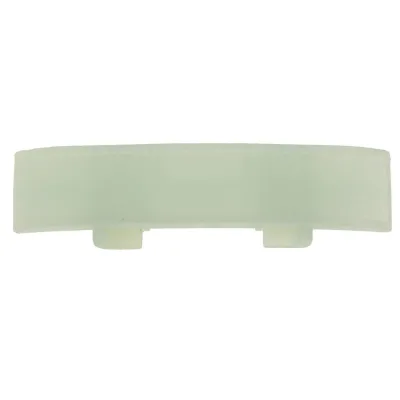
CCC Approved Genuine Original Timing Chain Guide 7cm for Ford (1372438 8C1Q 6M256 CA 6C1Q 6M256 BB)
$3.00 - $5.50
MOQ: 1 Pieces



Guangdong Hope Precision Technology Co., Ltd.
- Manufacturer, Trading Company
- Guangdong, China
- Lead time30 days
- Avg. response≤ 11h
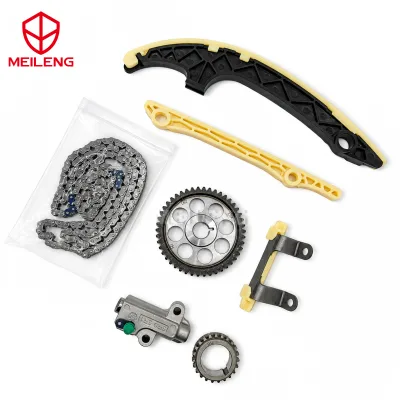
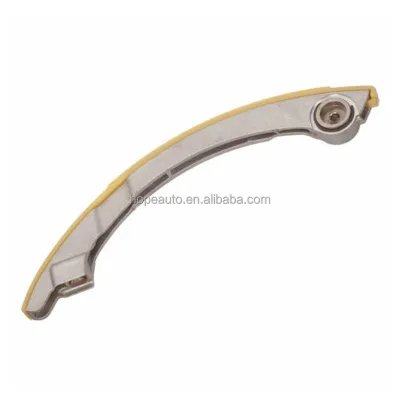
Main productsVariable Valve Timing Solenoid,VVT solenoid,camshaft adjuster,Variable Timing Cam Phaser,timing chain kits
Main marketsCentral America(15.00%), South Asia(15.00%), North America(15.00%), Western Europe(10.00%), Eastern Europe(7.00%), South America(5.00%)
Wenzhou Espeed Industry & Trade Co., Ltd.
- Trading Company
- Zhejiang, China
- Lead time0 days
- Avg. response≤ 14h
Main productsAuto Sensor,Engine Parts,Electrical Parts,Cooling System,Auto Switch
Main marketsSouth America(40.00%), Eastern Europe(25.00%), North America(20.00%), Western Europe(5.00%), Southeast Asia(5.00%), Africa(2.00%), Southern Europe(1.00%), Mid East(1.00%), South Asia(1.00%)
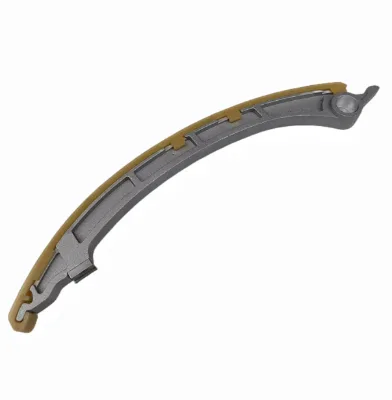
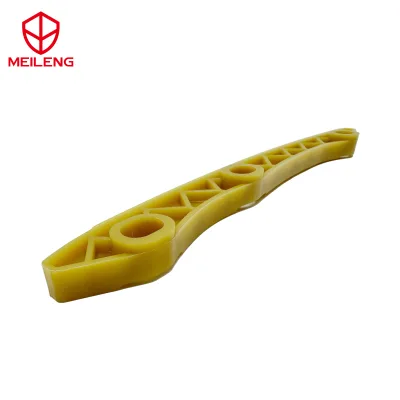
14520-RAH-H01 14530-PPA-003 14540-RWC-A02 Engine Timing Chain Flapper Chain Guide
$5.50 - $6.90
MOQ: 10 pieces
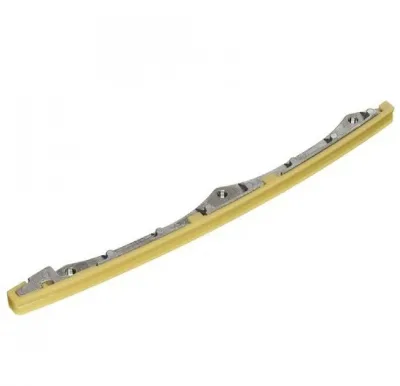
Songlin Technology (Hubei) Co., Ltd.
- Verified by TüVRheinland
- Manufacturer, Trading Company
- Lead time7 days
- Avg. response≤ 4h
Main productsAuto Parts, Engine Assembly & Spare Parts, Truck Parts, Construction Machinery Parts, New Energy Accessories
Main marketsEastern Europe(18%), South America(15%), Southeast Asia(10%)
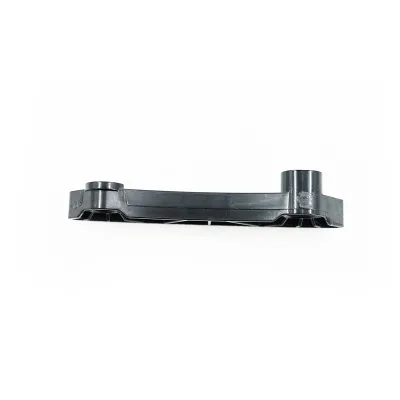
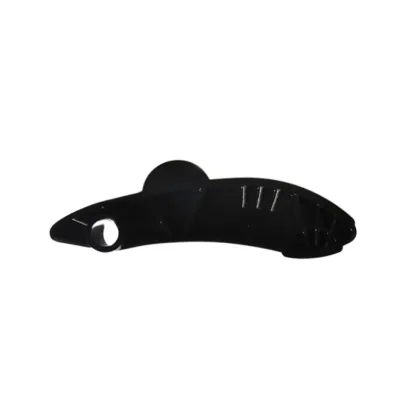
Songlin Brand New Auto Spare Parts Timing Chain Guide Kit 5267973 5267973F
$1.00 - $3.00
MOQ: 6 pieces

Chongqing Proud Import & Export Trade Co., Ltd.
- Trading Company
- China Guangdong
- Lead time30 days
- Avg. response≤ 14h
Main productsCylinder Kit, Piston Kit, Magneto Coil, Rocker Arm, Camshaft, Clutch, Motorcycle Engine, Chain, Headlight, Wheel
Main marketsSouth America,Africa,Southeast Asia/ Mideast

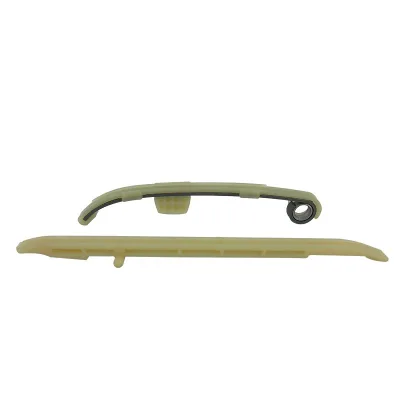
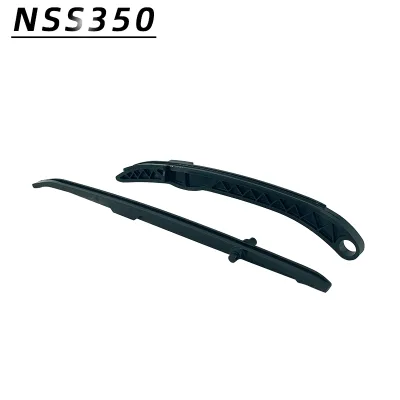
Bajaj CT100 Timing Chain Guide High Quality Motorcycle Spare Parts Motorcycle Parts
Negotiable
MOQ: 500 Sets

Pulsar135/180 Timing Chain Guide High Quality Bajaj Spare Parts Motorcycle Parts
Negotiable
MOQ: 500 Sets


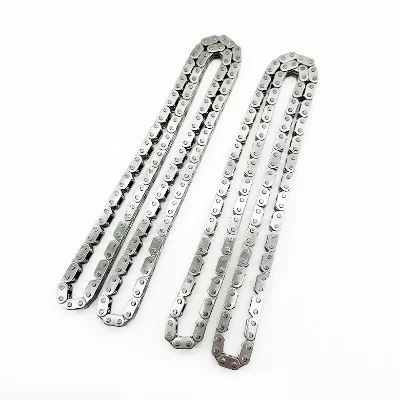
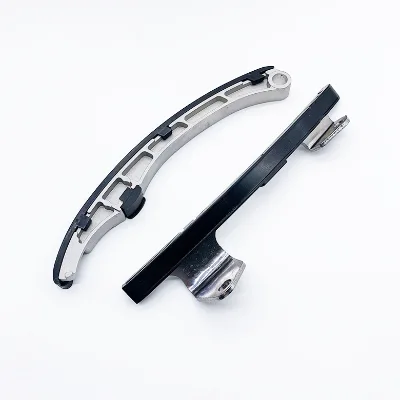
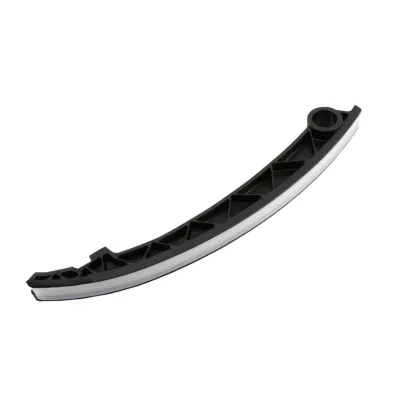
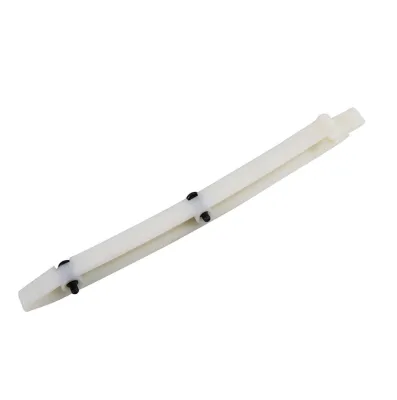



Comprehensive Sourcing Guide
For Honda Timing Chain Guide Supplier Concentration and Factory Types
The current supplier landscape for Honda timing chain guides reveals a diverse mix of company types, primarily consisting of distributors, wholesalers, and trading companies. This structural variety suggests that buyers are not limited to direct factory engagements but can also access established supply chains that aggregate inventory from multiple manufacturers. The presence of trading companies indicates a market segment focused on logistics and consolidation, which can be beneficial for buyers seeking to streamline procurement by sourcing multiple automotive components from a single point of contact. These entities often serve as intermediaries that bridge the gap between specialized component manufacturers and global buyers, offering a broader catalog of compatible parts such as control arms, bushings, and engine mounts alongside timing chain guides.
Geographic concentration is a notable feature of this supplier base, with significant operational hubs located in Guangdong, China, and Beijing, China. Guangdong is particularly prominent, hosting suppliers who specialize in motorcycle accessories and original spare parts, including specific timing chain guides for models like the Honda CB190R and CBF190TR. This region is known for its robust manufacturing ecosystem, which supports the production of plastic and metal automotive components. Additionally, some suppliers list origins in Mae Hong Son, Thailand, indicating that sourcing for Honda parts extends beyond China to include other Asian manufacturing centers. Buyers should recognize that while Guangdong offers a dense cluster of suppliers, the specific origin of the product, such as Guangzhou or Beijing, may vary even within the same supplier profile, requiring careful verification of the actual place of origin for each specific item.
How to Verify For Honda Timing Chain Guide Suppliers
Verification is a critical step in ensuring the reliability of suppliers offering Honda timing chain guides, particularly given the mix of trading companies and distributors in the market. Buyers should prioritize suppliers who display third-party verification badges, such as those from TüVRheinland, which provide an additional layer of confidence regarding the company’s legitimacy and operational standards. While not all suppliers may display such certifications, those that do offer a tangible indicator of their commitment to quality and compliance. It is essential to cross-reference these verification statuses with the supplier’s stated company type, as trading companies may have different verification processes compared to direct manufacturers. Buyers should also examine the supplier’s response time, which serves as a proxy for their operational efficiency and customer service readiness.
Beyond verification badges, buyers must scrutinize the specific product attributes and certifications listed for the timing chain guides. For instance, some suppliers highlight certifications such as ISO9001/TS16949, which are crucial for automotive parts to ensure they meet international quality management standards. Additionally, the presence of system certifications like FMVSS 108, RoHS, CE, ECE, DOT, and E/e-mark on related automotive components from the same supplier can indicate a broader commitment to regulatory compliance. Buyers should verify that the specific timing chain guide product matches the claimed certifications and that the place of origin aligns with the supplier’s stated location. This diligence helps mitigate the risk of sourcing substandard parts and ensures that the supplier has the necessary infrastructure to support consistent quality control.
What to Compare Across For Honda Timing Chain Guide Suppliers
When evaluating suppliers for Honda timing chain guides, buyers should compare key operational metrics such as lead time, minimum order quantity (MOQ), and response speed to determine which supplier best fits their procurement needs. Lead times vary significantly across the supplier base, with some offering rapid turnaround times of three to five days, while others may require up to fifteen or twenty days. This variance can impact inventory planning and order fulfillment, making it essential for buyers to align supplier lead times with their production schedules. Similarly, MOQs range from single-unit orders to higher thresholds, allowing buyers to test samples or place larger bulk orders depending on their volume requirements. Comparing these metrics helps buyers identify suppliers who offer the flexibility and speed necessary for their specific business model.
In addition to operational metrics, buyers should compare the main products and specialization of each supplier to ensure they are sourcing from experts in the relevant category. Some suppliers focus heavily on motorcycle accessories and original spare parts, while others specialize in automotive engine systems, including timing chain kits and tensioners. This specialization can influence the quality and compatibility of the timing chain guides offered. Buyers should also consider the warranty terms provided, which range from no warranty to twelve months, as this reflects the supplier’s confidence in their product’s durability. By comparing these factors, buyers can make informed decisions that balance cost, speed, and quality, ensuring they select suppliers who can consistently meet their performance expectations.
Common For Honda Timing Chain Guide Sourcing Risks
One of the primary risks in sourcing Honda timing chain guides is the potential for mismatched product specifications, particularly when dealing with trading companies or distributors who may not have direct control over manufacturing processes. Buyers must ensure that the part numbers and model compatibility listed for the timing chain guides accurately match their specific Honda engine models, such as the R18A1 or other variants. Incorrect specifications can lead to installation failures and engine damage, making it crucial to verify the OE numbers and engine codes provided by the supplier. Additionally, the risk of receiving products with inconsistent quality is heightened when sourcing from multiple suppliers with varying standards. Buyers should request detailed product attributes, including material composition and condition, to ensure that the parts meet their quality requirements.
Another significant risk is the variability in warranty and after-sales support, which can impact the long-term reliability of the sourcing relationship. Some suppliers offer no warranty, while others provide coverage ranging from nine months to twelve months. This disparity can affect the buyer’s ability to resolve issues related to defective parts or premature failures. Buyers should carefully review the warranty terms and after-sales service policies before committing to a supplier. Furthermore, the risk of delayed shipments due to supply chain disruptions or logistical challenges in regions like Guangdong or Beijing cannot be overlooked. Buyers should establish clear communication channels and monitor supplier performance to mitigate these risks, ensuring that they have contingency plans in place for potential delays or quality issues.
For Honda Timing Chain Guide Regional Sourcing and Logistics
Sourcing Honda timing chain guides from regional hubs like Guangdong and Beijing offers logistical advantages due to the established infrastructure and supply chain networks in these areas. Guangdong, in particular, is a major manufacturing center for automotive parts, providing buyers with access to a wide range of suppliers and products. The concentration of suppliers in this region can facilitate faster shipping times and more efficient logistics, especially for buyers located in Asia or those who can benefit from consolidated shipping routes. However, buyers must also consider the potential for higher competition and price fluctuations in these dense markets. Understanding the regional dynamics can help buyers negotiate better terms and secure reliable supply chains for their timing chain guide needs.
Logistics planning should also account for the specific shipping requirements and packaging details provided by suppliers, such as single package sizes and gross weights. These details are crucial for calculating shipping costs and determining the most efficient freight methods. For example, some suppliers list package sizes like 38X9X9 cm or 35X30X5 cm, which can impact the volume and weight of the shipment. Buyers should work closely with their logistics partners to optimize freight costs and ensure timely delivery. Additionally, buyers should be aware of any regional trade regulations or customs requirements that may affect the import of automotive parts from China or Thailand. By understanding these logistical factors, buyers can streamline their procurement process and reduce the overall cost of sourcing Honda timing chain guides.
For Honda Timing Chain Guide Commercial Terms and Order Planning
Commercial terms, including payment methods and pricing structures, play a vital role in the procurement of Honda timing chain guides. Buyers should review the payment options offered by suppliers, such as T/T, to ensure they align with their financial policies and risk management strategies. Pricing can vary based on factors such as MOQ, product specifications, and supplier verification status. For instance, some suppliers may offer competitive pricing for bulk orders, while others may charge premium rates for single-unit purchases or specialized parts. Buyers should compare prices across multiple suppliers to identify the best value proposition, taking into account not just the unit price but also the total cost of ownership, including shipping and potential warranty claims.
Order planning should also consider the supplier’s capacity for customized orders and sample processing, which can be beneficial for buyers seeking tailored solutions or testing new products. Some suppliers offer customized on-demand services, allowing buyers to specify unique requirements for their timing chain guides. This flexibility can be particularly useful for buyers with specific engine modifications or performance needs. Additionally, buyers should establish clear order timelines and communication protocols with their suppliers to ensure smooth transaction execution. By carefully planning their orders and negotiating favorable commercial terms, buyers can build a resilient and cost-effective supply chain for Honda timing chain guides, supporting their long-term business objectives.
FAQs
What is the typical lead time for timing chain guides?
Suppliers generally offer lead times ranging from 3 to 20 days depending on the product and stock availability. Some trading companies provide faster turnaround times of around 3 days, while others may require up to 15 or 20 days for production and shipping. Buyers should confirm specific delivery schedules with the supplier before placing orders to ensure timely receipt of parts.
What is the minimum order quantity for these parts?
Minimum order quantities vary significantly among suppliers, with some requiring as few as one set per order. Other suppliers may set a minimum of ten units for specific items like plastic guides. Buyers should check the specific product listing for the exact MOQ, as it depends on whether the item is a standard timing chain kit or a single replacement guide component.
Where are these timing chain guides manufactured?
Manufacturing locations for these components include Guangdong and Beijing in China, as well as Mae Hong Son in Thailand. The place of origin is often listed in the product attributes, indicating where the specific part was produced. Buyers can filter suppliers by location to prioritize regions that meet their logistical or sourcing preferences for automotive engine parts.
What warranties are provided for timing chain guides?
Warranty terms differ by supplier, with some offering coverage for 9 months, 12 months, or one year. Certain products may explicitly state no warranty is provided. Buyers should verify the warranty period listed for each specific part number, as it impacts long-term reliability and after-sales support for engine timing components used in various vehicle models.
How quickly do suppliers respond to inquiries?
Response times for supplier inquiries typically range from 4 to 9 hours. Faster response rates are often associated with trading companies or distributors focused on quick customer service. Buyers can expect replies within this window, which helps in evaluating supplier responsiveness and communication efficiency during the initial sourcing and negotiation phases for automotive parts.
What certifications do these suppliers hold?
Some suppliers hold certifications such as ISO9001, TS16949, RoHS, CE, ECE, DOT, and FMVSS 108. These certifications indicate compliance with quality management and safety standards for automotive components. Buyers should verify specific certifications relevant to their market requirements, as not all suppliers offer the same level of documented quality assurance for their timing chain guides and related parts.