Fruit Pattern Knife and Spoon and Fork Set Suppliers and Manufacturers
Compare 29 verified suppliers offering Fruit Pattern Knife and Spoon and Fork Set products from China Guangdong and Zhejiang. Review certifications like FDA, LFGB, and BSCI, along with MOQs starting at 100 units and lead times up to 45 days before requesting samples.
Updated
Suppliers List

GuangDong Infull Industrial Co., Ltd.
- Verified by TUVRHEINLAND
- Manufacturer/Factory
- China Guangdong
- Lead time45 days
- Avg. response≤ 4h
Main productsCutlery & Flatware, Dinnerware&Tableware, Tray&Lunch Plate, Ceramic Dinnerware, Kitchenware, Baking & Pastry Tools, Kitchen Knife, Kitchen Gadgets, Barware, Drinkware
Main marketsSouth America,Eastern Europe,Mid East,North America,Southeast Asia,Eastern Asia,Oceania,Western Europe,Africa


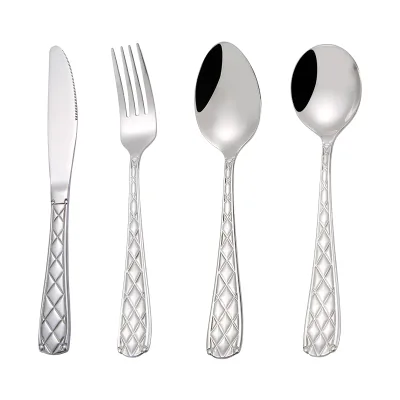
Table Knives Stainless Steel Knife Fork and Spoon Silver 304 Cutlery Set
$1.46 - $1.70
MOQ: 100 Pieces


Modern 304 Forged Thickened Design Sustainable Rust Resistant Knife Fork Spoon Set
$1.94 - $2.27
MOQ: 100 Pieces
Ningbo Lixsun Imp. & Exp .co., Ltd.
- Trading Company
- Zhejiang, China
- Lead time10 days
- Avg. response≤ 4h
Main productsKitchenware,Houseware,Bakeware,Cleaning products,Promotional gifts
Main marketsWestern Europe(32.00%), North America(25.00%), South America(10.00%), Mid East(5.00%), Eastern Europe(4.00%), Domestic Market(3.00%), Northern Europe(3.00%), Central America(3.00%), South Asia(3.00%), Southern Europe(3.00%), Oceania(3.00%), Africa(2.00%), Eastern Asia(2.00%), Southeast Asia(2.00%)
Jieyang Ace Metal And Plastic Co., Ltd.
- Verified by TüVRheinland
- Manufacturer, Trading Company
- Lead time10 days
- Avg. response≤ 4h
Main productsStainless Steel Cutlery, Stainless Steel Straw, Lunch Box, Kitchen Gadgets, Barware
Main marketsNorth America(40%), Western Europe(30%), Southeast Asia(20%)

Wenzhou Cathylin International Trade Co., Ltd.
- Verified by TUVRHEINLAND
- Trading Company
- China Zhejiang
- Lead time15 days
- Avg. response≤ 5h
Main productsFlatware, Cutlery, Kitchen Tools, Tableware, Cookware, Bakeware, Drinkware
Main marketsNorth America
Guangzhou Chenxuan Technology Co., Ltd.
- Trading Company, Distributor/Wholesaler, Other
- Guangdong, China
- Lead time10 days
- Avg. response≤ 2h
Main productssteel kitchenware,round dinner plate,retro cutlery set,gold dinner plate,korean gold dinner plate
Main marketsWestern Europe(30.00%), North America(30.00%), Mid East(15.00%), Oceania(15.00%), South America(10.00%)
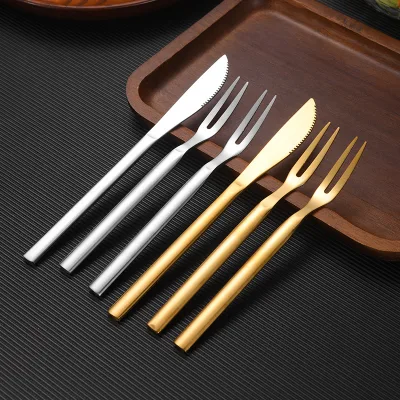
$0.28 - $0.40
MOQ: 50 Minimum
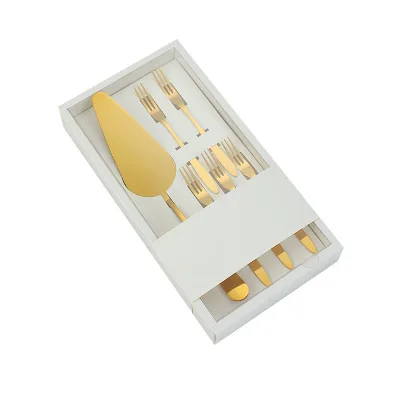
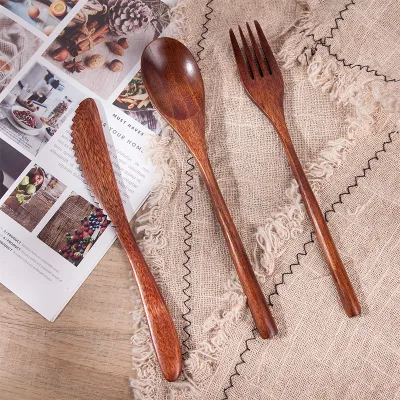
$0.2263 - $0.5666
MOQ: 27 Minimum
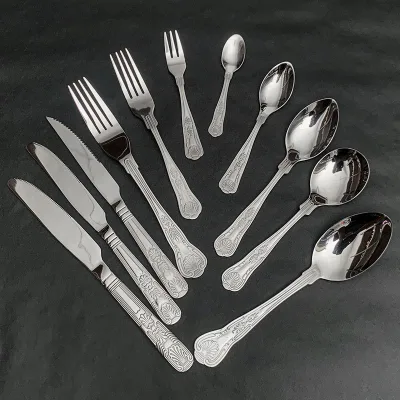
Stainless Steel Luxury Retro Cutlery and Fork Spoon Set for Restaurant and Party Use
$0.2084 - $0.688
MOQ: 1 Minimum
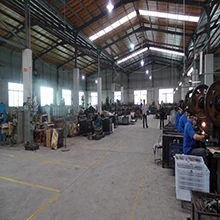
Jieyang Kangxin(KONGSON)Stainless Steel Produce Co., Ltd
- Manufacturer
- Guangdong, China
- Lead time20 days
- Avg. response≤ 10h
Main productsKitchen tools,kitchen utensils,stainless steel cutlery,tableware,stainless steel flatware
Main marketsSouthern Europe(10.00%), Northern Europe(10.00%), Western Europe(10.00%), Eastern Asia(10.00%), Mid East(10.00%), Africa(10.00%), Southeast Asia(10.00%), Eastern Europe(10.00%), South America(10.00%), North America(10.00%)

Shuifu Huiyang Agricultural Technology Co., Ltd.
- Verified by SGS
- Trading Company
- China Yunnan
- Lead time23 days
- Avg. response≤ 4h
Main productsBamboo Products, Bamboo Crafts, Bamboo Chopsticks, Bamboo Skewers, Bamboo Weaving, Bamboo Tray, Bamboo Box, Bamboo Placemat, Bamboo Fruit Bowl, Lamp Shades
Main marketsDomestic


Disposable Bamboo Spoon Set Fork Andknife Suitable for Fruit Desserts Environmentally Friendly
$0.289
MOQ: 100000 Pieces


Weishan Weilong Wood Product Co., Ltd.
- Trading Company
- China Shandong
- Lead time15 days
- Avg. response≤ 5h
Main productsWooden Tongue Depressor, Wooden Spoon Fork and Knife, Wooden Cutlery, Wooden Ice Cream Stick, Wooden Ice Cream Spoon, Wooden Coffee Stirrer, Wooden Craft Stick
Main marketsSouth America,Eastern Europe,Mid East,North America,Southeast Asia,Eastern Asia,Oceania,Western Europe,Africa

Hangzhou Meshine Import And Export Co., Ltd
- Trading Company,Manufacturer/Factory
- China Zhejiang
- Lead time23 days
- Avg. response≤ 4h
Main productsFood Packaging, Paper Bag, Paper Cup, Paper Box, Tableware, Sushi Box, Food Box, Salad Bowl, Plastic Packaging, Fast Food Box
Main marketsSouth America,Eastern Europe,Mid East,North America,Southeast Asia,Eastern Asia,Oceania,Western Europe,Africa

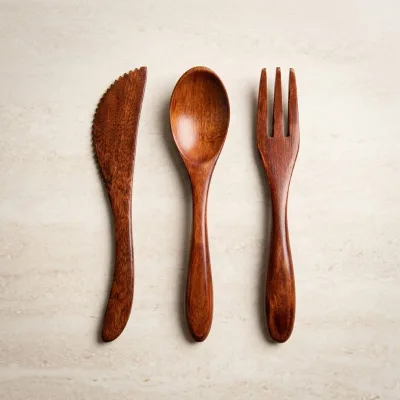
Wooden Cutlery Safe and Practical Disposable Wooden Spoon Knife Fork Set
$0.039 - $0.13
MOQ: 10000 Pieces


Biodegradable Wooden Disposable Cutlery Sets Knife Spoon Fork Wholesale Custom
$0.039 - $0.13
MOQ: 10000 Pieces

Guangzhou Yindiao Metal Products Co., Ltd.
- Manufacturer
- Guangdong, China
- Lead time15 days
- Avg. response≤ 1h
Main productsStainless steel tableware,Cooking Tableware,Tableware,KNIFE FORK,Knife fork and spoon
Main marketsSouth America(15.00%), North America(15.00%), Southeast Asia(15.00%), Eastern Europe(10.00%), Mid East(10.00%), Africa(5.00%), Domestic Market(5.00%), Southern Europe(5.00%), Northern Europe(5.00%), Central America(5.00%), Western Europe(5.00%), Oceania(5.00%)
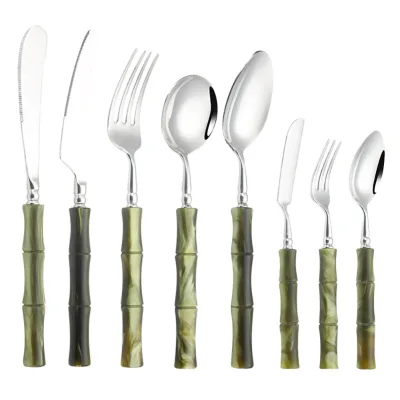
Creative and Unique Design Style Colored Acrylic Handle Stainless Steel Knife and Fork Set
$2.4629 - $2.5663
MOQ: 500 pieces
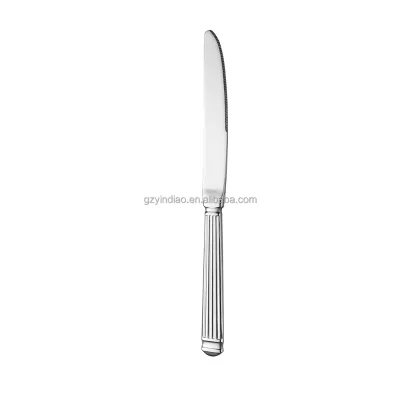
$1.4465 - $3.5107
MOQ: 50 Minimum
$0.6161 - $4.3126
MOQ: 50 Minimum

Guangzhou Garbo International Trading Co., Ltd.
- Verified by TUVRHEINLAND
- Trading Company,Manufacturer/Factory
- China Guangdong
- Lead time45 days
- Avg. response≤ 5h
Main productsGlassware, Glass Cup, Glass Mug, Glass Bowl, Glass Candy Jar, Glass Pitcher, Glass Ice Cream Cup and Ice Bucket, Opal Glassware, Stainless Steel Cutlery, Ceramic Dinnerware
Main marketsSouth America,Eastern Europe,Mid East,North America,Southeast Asia,Eastern Asia,Oceania,Western Europe,Africa

Changsha Mingkai Paper Products Co., Ltd.
- Combined
- China Hunan
- Lead time30 days
- Avg. response≤ 4h
Main productsCoffee Cup, Disposable Plastic Cup, OPP Bag, Brown Craft Paper Cup
Main marketsSouth America,Africa,Southeast Asia/ Mideast,East Asia(Japan/ South Korea),Domestic,Europe,Australia,North America


Custom Design Bamboo Wooden Cutlery Sets Cutlery Kits Knife Fork Spoon
$0.01 - $0.05
MOQ: 50000 Pieces

Jieyang Jiedong Xichang Zhixiang Stainless Steel Products Factory
- Manufacturer, Trading Company
- Guangdong, China
- Lead time15 days
- Avg. response≤ 6h
Main productsstainless steel cutlery,Stainless steel kitchenware,Gift tableware,Plastic tableware,wheat straw product
Main marketsSouth America(25.00%), North America(24.00%), Oceania(16.00%), Southeast Asia(15.00%), Eastern Europe(10.00%), Africa(10.00%)

Billion Plastic Manufacturing Co., Ltd. Jiangmen
- Verified by BV
- Combined
- China Guangdong
- Lead time30 days
- Avg. response≤ 13h
Main productsPlastic Bag, PE Plastic Bag, T-Shirt Bag, Food Bag, Trash Bag, Shopping Bag, Plastic Fork, Plastic Spoon, Plastic Cup
Main marketsSouth America,North America

- Verified by TUVRHEINLAND
- Trading Company,Manufacturer/Factory
- China Guangdong
- Lead time45 days
- Avg. response≤ 4h
Main productsStainless Steel Cookware, Stainless Steel Untensil, Stainless Steel Kitchenware, Stainless Steel Colander Bowl, Stainless Steel G. N Pan, Stainless Steel Pressure Cooker, Stainless Steel Buckets, Stainless Steel Dishes Rack, Stainless Steel Chafing Dishes, Stainless Steel Fittings
Main marketsSouth America,Eastern Europe,Mid East,North America,Southeast Asia,Eastern Asia,Oceania,Western Europe,Africa


Stainless Steel Handle Knife Set, Hot Sale Modern Stainless Steel Knife Fork Spoon
$0.50 - $1.50
MOQ: 200 Pieces


Dongguan Jinbaoma Technology Co., Ltd.
- Trading Company
- Lead time旺季: "1 - 10000":9,"> 10000":"To be negotiated", 淡季: "1 - 10000":9,"> 10000":"To be negotiated"
- Avg. response≤ 3h
Main productsKitchenware,Daily necessitiess,Storage tools,Storage tools,Decorations

Xuzhou Tuosen Bamboo Wood Products Co., Ltd.
- Verified by CTI
- Combined
- China Jiangsu
- Lead time23 days
- Avg. response≤ 1h
Main productsIce Cream Stick
Main marketsSoutheast Asia/ Mideast
Jieyang City Wankai Metal Products Co., Ltd.
- Verified by SGS Group
- Manufacturer, Trading Company
- Lead time0 days
- Avg. response≤ 4h
Main productsCutlery Sets, Chopsticks, Drinkware, Kitchenware Utensils, Spoon
Main marketsNorth America(25%), Eastern Europe(15%), Western Europe(10%)
Chaozhou Chaoan District Caitang Town Dingyong Stainless Steel Products Factory
- Manufacturer, Trading Company
- Guangdong, China
- Lead time15 days
- Avg. response≤ 4h
Main productschafing dish,Stainless steel cookware set,GN PAN,Juice Dispenser,Cocktail Set
Main marketsNorth America(30.00%), South America(20.00%), Africa(10.00%), Eastern Asia(10.00%), Eastern Europe(10.00%), Oceania(5.00%), Southeast Asia(5.00%), Northern Europe(5.00%), South Asia(5.00%)

Danyang Liou Kitchenware Co., Ltd.
- Verified by CTI
- Combined
- China Jiangsu
- Lead time23 days
- Avg. response≤ 5h
Main productsCutlery, Flatware, Charger Plate, Wine Glass, Bone China Plate, Glass Plate
Main marketsDomestic,North America


Vintage Style Spoon Knife Fork Stainless Steel Cutlery Set for Wedding Restaurant
$1.50 - $1.70
MOQ: 200 pieces


Premium Wholesale Stainless Steel Knife, Fork, Spoon Sets for Restaurants
$1.06 - $1.15
MOQ: 200 Pieces

Foshan Ron Hospitality Supplies Co., Ltd.
- Verified by BV
- Manufacturer/Factory,Group Corporation
- China Guangdong
- Lead time45 days
- Avg. response≤ 2h
Main productsRestaurant Furniture, Restaurant Booth, Restaurant Chair, Restaurant Table, Bar Stools, Wedding Chairs, Flatware Sets, Dinnerware Sets, Garden Chairs, Disposable Dinnerware & Tableware
Main marketsSouth America,Eastern Europe,Mid East,North America,Southeast Asia,Eastern Asia,Oceania,Western Europe,Africa

Eco-Friendly Silver Stainless Steel Handle Dining Spoon Fork Knife Cutlery Dinner Set
$0.40 - $0.50
MOQ: 50 Pieces

Fashionable Black Stainless Steel Handle Spoon Fork Knife Cutlery Set for Restaurants
$0.40 - $0.50
MOQ: 50 Pieces

China Factory Simple Metal Handle Spoon Fork Knife Cutlery Set for Family Dining
$0.40 - $0.50
MOQ: 50 Pieces

Wholesale High Quality Stainless Steel Cutlery Spoon Fork Knife Set for Hotel Industry
$0.40 - $0.50
MOQ: 50 Pieces
Wuyuan Meimei Houseware Co., Ltd.
- Verified by Intertek
- Manufacturer, Trading Company
- Lead time15 days
- Avg. response≤ 2h
Main productsWood Rolling Pin, Wood Cutting Board, Wood Lemon Juicer, Wood Meat Hammer, Wood Tray
Main marketsDomestic Market(72%), North America(25%), Mid East(3%)
Chaozhou Youqu Hardware Co., Ltd.
- Trading Company
- Guangdong, China
- Lead time60 days
- Avg. response≤ 3h
Main productsStainless steel plate,Stainless steel bowl,Stainless steel mug,Stainless steel lunch box,Stainless steel Flatware
Main marketsEastern Asia(20.00%), Southeast Asia(20.00%), Northern Europe(20.00%), North America(20.00%), Eastern Europe(10.00%), Southern Europe(5.00%), Western Europe(5.00%)

Anhui Nature Imp. & Exp. Co., Ltd.
- Verified by SGS
- Trading Company
- China Anhui
- Lead time15 days
- Avg. response≤ 2h
Main productsBamboo Products, Wooden Products, Multiple Knife Fork & Spoon, Bamboo Scissors Stick, Bamboo Sushi Curtain, Disposable Creative Bead Bamboo Stick, Bamboo Straw, Bamboo Stick, Wooden Cutlery, Wooden Knife Spoon Fork
Main marketsSoutheast Asia/ Mideast,Europe,North America


Wholesale Eco Friendly Spoon Fork Knife Set with Hand 75mm Wooden Spoon
$0.01 - $0.02
MOQ: 50000 Pieces

Natural Wooden Cutlery Disposable Biodegradable Knife Fork Spoon Set
$0.001 - $0.058
MOQ: 100000 Pieces


Dalian Dashixing Woodworking Co., Ltd.
- Verified by SGS
- Manufacturer/Factory
- China Liaoning
- Lead time0 days
- Avg. response≤ 3h
Main productsIce Cream Stick, Wooden Popsicle Stick, Wooden Stick, Popsicle Stick, Wooden Cutlery, Disposable Cutlery, Coffee Stirrer, Coffee Sticks, Wooden Coffee Stick


Food Grade Disposable Tableware Set Knife Fork Spoon Wooden Cutlery Manufacturer
$0.05 - $0.089
MOQ: 1 Sets


Anhui Jumei Biological Technology Co., Ltd.
- Verified by SGS
- Combined
- China Anhui
- Lead time15 days
- Avg. response≤ 8h
Main productsCompostable Cling Film, PLA Straw, Cpla Lid, Compostable Bags, Compostable Raw Material, Paper Cutlery, PLA Gloves
Main marketsSouth America,Africa,Southeast Asia/ Mideast,East Asia(Japan/ South Korea),Europe,Australia,North America

High Quality Tableware Kraft Paper Cutlery Sets Disposable Knife Fork and Spoon
$0.017 - $0.019
MOQ: 500000 Pieces

Jieyangshi Berats Stainless Steel Industrial Co., Ltd.
- Manufacturer, Trading Company
- Guangdong, China
- Lead time20 days
- Avg. response≤ 3h
Main productsFlatware , Kitchenware , Stainless Steel Straw , Spoon , Stainless Steel Ice Cubes
Main marketsNorth America(30.00%), Domestic Market(30.00%), Southeast Asia(20.00%), Southern Europe(10.00%), Northern Europe(10.00%)

Xiamen Ebei Import & Export Co., Ltd.
- Verified by CTI
- Trading Company,Manufacturer/Factory
- China Fujian
- Lead time45 days
- Avg. response≤ 2h
Main productsEco-Friendly Products, Bamboo Tableware, Bamboo Furniture, Bamboo Kitchenware, Bamboo Office Supply, Bamboo Fibre Products, Biodegradable Products, Bamboo Towel, Solar Energy Products, Bamboo Garden Products
Main marketsSouth America,Eastern Europe,Mid East,North America,Southeast Asia,Eastern Asia,Oceania,Western Europe,Africa

Guangzhou Jianxin Plastic Products Co., Ltd.
- Verified by BV
- Combined
- China Guangdong
- Lead time15 days
- Avg. response≤ 4h
Main productsPlastic Packaging, Disposable Tableware, Disposable Plastic Cup&Lid, Plastic Bowl, Plastic Tary, Plastic Container, Blister Packaging, Plastic Food Packaging, Disposable Food Container, Disposable Catering Supplies
Main marketsSouth America,Africa,Southeast Asia/ Mideast,East Asia(Japan/ South Korea),Europe,Australia,North America












Comprehensive Sourcing Guide
Fruit Pattern Knife and Spoon and Fork Set Supplier Concentration and Factory Types
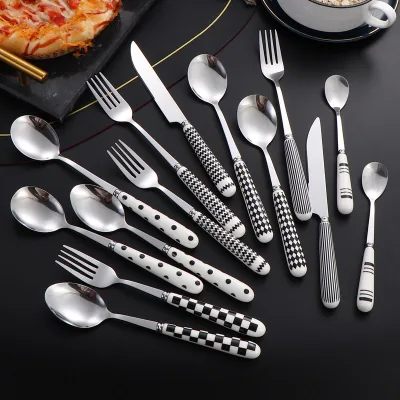
The current supplier landscape for fruit pattern knife and spoon and fork sets reveals a distinct concentration of manufacturing capabilities within specific Chinese provinces, primarily Guangdong and Zhejiang. Suppliers located in Guangdong are predominantly identified as manufacturers or factories, indicating a direct access point to production lines rather than intermediary trading entities. This factory-type classification is significant because it suggests that these suppliers possess the physical infrastructure necessary for OEM and ODM services, allowing for deeper customization of the fruit pattern designs and material specifications. The presence of established brands like INFULL within this cluster further implies a mature supply chain ecosystem where proprietary designs and standardized production processes are already in place. Buyers seeking to source these specific tableware items should prioritize suppliers with this factory designation, as they are more likely to offer competitive pricing structures and greater control over the manufacturing timeline. The concentration in Guangdong also hints at a robust local network of raw material suppliers, particularly for stainless steel, which is a common material for these cutlery sets. This proximity to raw materials can reduce logistics costs and lead times, providing a tangible advantage for buyers looking to scale their orders. Understanding this geographic and structural concentration helps buyers navigate the market more effectively, focusing their search on regions known for high-volume metalware production.
In contrast, suppliers located in Zhejiang are often categorized as trading companies, which may offer a different value proposition focused on product variety and consolidated shipping rather than direct manufacturing control. While these entities might not own the factories, they can still provide access to a wide range of fruit pattern designs and other kitchenware items, potentially simplifying the sourcing process for buyers who need multiple product types. However, the distinction between manufacturer and trading company is crucial for buyers evaluating their specific needs. If the primary goal is to develop a unique fruit pattern design or to ensure strict quality control over the stainless steel grade, a factory supplier in Guangdong may be the more appropriate choice. Conversely, if the buyer is looking for a broader catalog of existing designs and faster access to stock items, a trading company in Zhejiang might offer more flexibility. The main products listed for these suppliers often include cutlery, dinnerware, and kitchen gadgets, suggesting that many suppliers are versatile in their offerings. This versatility can be beneficial for buyers who want to bundle fruit pattern cutlery sets with other tableware items. By understanding the types of suppliers available in these regions, buyers can make more informed decisions about which partner aligns best with their strategic sourcing goals, whether that be cost efficiency, customization depth, or product diversity.
How to Verify Fruit Pattern Knife and Spoon and Fork Set Suppliers
Verifying the credibility and capability of suppliers for fruit pattern knife and spoon and fork sets requires a multi-layered approach that goes beyond simple profile reviews. One of the most critical steps is to check for third-party verification badges, such as those provided by TÜV Rheinland, which indicate that the supplier has undergone rigorous on-site inspections and process audits. This verification is particularly important for manufacturers in Guangdong, as it provides an independent confirmation of their factory status and operational legitimacy. Buyers should also scrutinize the system certifications displayed by suppliers, such as BSCI and ISO 9001. BSCI certification is especially relevant for ethical sourcing, ensuring that the factory adheres to social compliance standards regarding labor practices and working conditions. ISO 9001, on the other hand, confirms that the supplier has a robust quality management system in place, which is essential for maintaining consistency in the intricate fruit pattern designs and the durability of the stainless steel components. These certifications serve as a baseline for trust, but buyers should not rely on them exclusively. It is advisable to request recent audit reports or video tours of the production floor to visually confirm the manufacturing capabilities and quality control processes. This direct observation can reveal details about the machinery used for polishing and the inspection stations where finished cutlery sets are checked for defects.
In addition to certifications, buyers should assess the supplier's responsiveness and communication efficiency, which are often reflected in their response time metrics. A response time of around 3.38 to 4 hours indicates a professional and attentive customer service team, which is crucial for negotiating custom fruit pattern designs and resolving any production issues promptly. Buyers should also verify the supplier's product evidence, including detailed product attributes and specifications. For instance, checking if the supplier offers customization options for logos and patterns is vital for branding purposes. The availability of OEM and ODM services, as noted by some suppliers, suggests that they can accommodate unique design requests. Furthermore, buyers should look for evidence of past performance, such as sample availability and sample times, which typically range from 1 to 5 days. This quick turnaround for samples allows buyers to evaluate the quality of the fruit pattern printing or engraving before committing to a large order. It is also important to verify the material specifications, ensuring that the stainless steel used is food-grade and meets relevant safety standards. By combining these verification steps, buyers can build a comprehensive profile of each supplier, reducing the risk of partnering with unreliable entities and ensuring a smoother sourcing experience for their fruit pattern cutlery needs.
What to Compare Across Fruit Pattern Knife and Spoon and Fork Set Suppliers
When evaluating multiple suppliers for fruit pattern knife and spoon and fork sets, buyers must systematically compare key operational metrics to identify the most suitable partner. One of the primary factors to compare is the minimum order quantity (MOQ), which can vary significantly across different suppliers. Some suppliers may have an MOQ of 100 sets, making them ideal for small businesses or trial orders, while others may require 3000 sets for customized designs, which is better suited for large-scale retail operations. Understanding these MOQ differences is crucial for aligning supplier capabilities with the buyer's inventory strategy and financial constraints. Additionally, buyers should compare the lead times, which indicate how long it takes from order placement to shipment. A lead time of 45 days is common for manufactured goods, but some suppliers may offer faster turnaround times for stock items. This comparison helps buyers plan their inventory replenishment cycles and avoid stockouts, especially during peak seasons. The response time is another critical metric, as it reflects the supplier's efficiency in handling inquiries and providing quotes. A faster response time, such as 3.38 hours, suggests a more agile and customer-focused operation, which can be beneficial for resolving issues quickly and maintaining a smooth communication flow throughout the sourcing process.
Beyond operational metrics, buyers should also compare the product attributes and customization options offered by each supplier. This includes examining the material quality, such as the grade of stainless steel used, and the surface finish options, like mirror polished or sanding polished finishes. The availability of different packing options, such as white boxes, cloth bags, or plastic boxes, is also important for branding and protection during transit. Buyers should compare the certification standards met by the products, such as FDA, LFGB, and CE/EU, to ensure compliance with the regulatory requirements of their target markets. The design style, whether classic, modern, or simple, should also be considered to ensure alignment with the buyer's brand identity. Furthermore, buyers should compare the price ranges, which can vary based on the complexity of the fruit pattern and the quantity ordered. Some suppliers may offer competitive pricing for standard designs, while others may charge a premium for highly customized or luxury-style cutlery sets. By systematically comparing these factors, buyers can create a weighted scoring matrix to objectively evaluate each supplier. This data-driven approach helps in selecting a supplier that not only meets the quality and compliance requirements but also offers the best value for money and operational flexibility.
Common Fruit Pattern Knife and Spoon and Fork Set Sourcing Risks
Sourcing fruit pattern knife and spoon and fork sets involves several inherent risks that buyers must proactively manage to ensure a successful procurement process. One of the most significant risks is the potential for quality inconsistencies, particularly when dealing with customized designs. The fruit pattern, whether achieved through printing, engraving, or embossing, must be durable and resistant to wear and tear from regular use and washing. If the supplier lacks robust quality control measures, the pattern may fade or chip, leading to customer dissatisfaction and returns. This risk is heightened when working with trading companies that may not have direct oversight of the manufacturing process. To mitigate this, buyers should request detailed quality assurance protocols and conduct pre-shipment inspections to verify that the finished products meet the agreed-upon standards. Another common risk is the delay in lead times, which can disrupt the buyer's supply chain and result in missed market opportunities. Suppliers may face delays due to raw material shortages, production bottlenecks, or logistical issues. Buyers should maintain open communication with their suppliers and establish clear milestones for production and shipping to monitor progress and address any potential delays early.
Intellectual property infringement is another critical risk, especially when sourcing custom fruit pattern designs. If the supplier shares the buyer's design with other clients or uses it for their own products, it can undermine the buyer's competitive advantage. To protect their intellectual property, buyers should sign non-disclosure agreements (NDAs) and ensure that the supplier has strict confidentiality policies in place. Additionally, buyers should be cautious of suppliers who offer prices that seem too good to be true, as this may indicate the use of substandard materials or poor manufacturing practices. The use of low-grade stainless steel can lead to rusting and corrosion, compromising the safety and longevity of the cutlery sets. Buyers should verify the material specifications and request material test reports to ensure compliance with food safety standards. Furthermore, there is a risk of communication breakdowns, which can lead to misunderstandings about design specifications, packaging requirements, or shipping instructions. To minimize this risk, buyers should use clear and detailed communication channels and confirm all details in writing. By identifying and addressing these common risks, buyers can build a more resilient sourcing strategy and protect their business interests when procuring fruit pattern knife and spoon and fork sets.
Fruit Pattern Knife and Spoon and Fork Set Regional Sourcing and Logistics
The regional sourcing of fruit pattern knife and spoon and fork sets is heavily influenced by the geographic concentration of suppliers in China, particularly in Guangdong and Zhejiang provinces. Guangdong, being a major manufacturing hub, offers advantages in terms of infrastructure, logistics networks, and access to raw materials. Suppliers in this region often benefit from proximity to major ports, such as Shenzhen and Guangzhou, which facilitates efficient export operations and reduces shipping costs. The presence of a mature supply chain ecosystem in Guangdong also means that buyers can access a wide range of complementary products, such as dinnerware and kitchen gadgets, allowing for consolidated shipping and simplified logistics management. On the other hand, suppliers in Zhejiang may offer different logistical advantages, particularly for buyers who are already sourcing other products from this region. The ability to consolidate orders from multiple suppliers in the same province can reduce overall shipping costs and streamline the import process. Buyers should consider the total landed cost, including freight, insurance, and customs duties, when evaluating the logistical efficiency of each sourcing region. The choice of shipping method, whether by sea or air, will also impact the lead time and cost, with sea freight being more cost-effective for large volumes and air freight being faster but more expensive.
Logistics planning also involves considering the packaging and handling requirements of the fruit pattern cutlery sets to ensure they arrive in pristine condition. The suppliers listed offer various packing options, such as white boxes, cloth bags, and plastic boxes, which provide different levels of protection and branding opportunities. Buyers should work with their suppliers to select the most appropriate packaging that balances cost, protection, and aesthetic appeal. Additionally, buyers should be aware of the import regulations and documentation requirements in their target markets, such as certificates of origin and product safety certifications. Ensuring that all necessary documents are prepared correctly can prevent delays at
FAQs
Where are these cutlery sets manufactured?
Most suppliers are located in Guangdong, China, with some in Zhejiang. These regions specialize in stainless steel dinnerware and flatware production. Buyers should verify specific factory addresses to ensure proximity to ports for efficient shipping logistics.
What certifications do the stainless steel sets hold?
Products often carry FDA, LFGB, CE, EU, CIQ, and EEC certifications. These ensure food safety and compliance with international standards. Buyers must confirm specific certificates for their target market to guarantee regulatory approval for imported goods.
What is the minimum order quantity for custom sets?
Standard MOQs range from 100 to 500 pieces for stock items. Custom orders typically require a minimum of 3000 sets. Buyers should clarify if their design needs fall under stock or custom categories to determine the exact quantity required.
How long does production take for these sets?
Lead times vary between 10 and 45 days depending on order volume. Sample times are usually 1 to 5 days. Buyers should plan their inventory schedule carefully to accommodate these production windows and avoid delays in receiving their orders.
Can suppliers provide OEM and ODM services?
Yes, many manufacturers offer both OEM and ODM capabilities. Custom logos and designs are available for qualified orders. Buyers should discuss specific branding requirements early to ensure the supplier can meet their unique design and manufacturing needs effectively.
What is the price range for these cutlery sets?
Prices typically range from 0.64 to 2.27 USD per set. Costs depend on material grade, finish, and order quantity. Buyers should request detailed quotes based on their specific model requirements to get accurate pricing for their budget planning.
Are these sets suitable for commercial use?
Yes, they are designed for restaurants, hotels, and wholesale markets. The sets feature durable stainless steel construction suitable for heavy use. Buyers should verify the specific grade and finish to ensure longevity in high-volume commercial environments.