Galvanized Steel Horse Stalls Suppliers and Manufacturers
Compare 23 verified suppliers of Galvanized Steel Horse Stalls based on location, lead times, certifications, and pricing. Review product specifications like ISO 9001 and surface finishes to select the right factory for your equestrian needs; review the available evidence before requesting comparable quotations from suitable candidates.
Updated
Suppliers List

QINGDAO HOPE HORSE TRADE CO., LTD.
- Verified by SGS
- Trading Company,Manufacturer/Factory
- China Shandong
- Lead time45 days
- Avg. response≤ 4h
Main productsShow Jumping, Horse Stall, Horse Fence, Horse Walker, Horse Harness, Artificial Flower, Blend Footing, Rubber Mat, Geotextile
Main marketsSouth America,Eastern Europe,Mid East,North America,Southeast Asia,Eastern Asia,Oceania,Western Europe,Africa


Equestrian Horse Stalls Good Quality China Supplied Galvanized Steel Horse Stable
$499.00 - $879.00
MOQ: 2 Pieces


Qingdao Haylite Machinery Co., Ltd.
- Verified by BV
- Combined
- China Shandong
- Lead time30 days
- Avg. response≤ 21h
Main productsTool Cabinet, Exhibition Tent, Tire Changer, Camper Trailer, Auto Lift, Livestock Product, Trailer, Container Loading Ramp, Iron Gate, Tire
Main marketsAustralia,North America


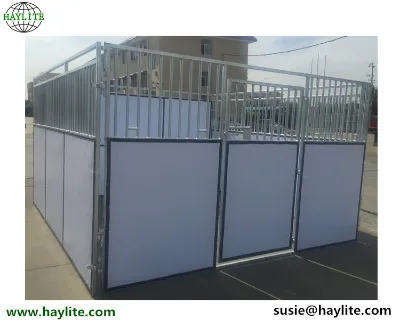
4m Galvanized Steel Frame Timber Horse Stall Panels/Horse Stable Front
$370.00 - $599.00
MOQ: 10 Pieces


Zhejiang Showtech Outdoor Products Co., Ltd.
- Verified by TUVRHEINLAND
- Trading Company
- China Zhejiang
- Lead time23 days
- Avg. response≤ 11h
Main productsVinyl Fence, PVC Fence, Plstic Fence, Garden Fence, Vinyl Privacy Fence, PVC Picket Fence, Farm Fence, PVC Rail Fence, Swimming Pool Fence, House Fencing
Main marketsEurope,North America

Anping County Xiangming Wire Mesh Products Co., Ltd.
- Verified by SGS
- Combined
- China Hebei
- Lead time30 days
- Avg. response≤ 3h
Main productsFence, Wire Mesh Fence, Temporary Fence, Portable Fence, Safety Mesh Fence, Crowd Barriers, Fencing, Cattle Panels, Farm Gates, Stockyards Panels
Main marketsSoutheast Asia/ Mideast,Australia,North America
Qingdao Desing Farm Technology Co., Ltd.
- Verified by SGS Group
- Manufacturer, Trading Company
- Lead time30 days
Main productsLivestock Equipment, Trailer, Tool Cabinet, Mini Container, Storage Tent
Main marketsNorth America(35%), Oceania(30%), Western Europe(20%)
Qingdao Newtech Metal Products., Ltd.
- Verified by SGS Group
- Manufacturer, Trading Company
- Lead time30 days
Main productsDog Kennel, Road Safety Barrier, Floating Marina, Farm Yard Steel Products, Horse Stable
Main marketsOceania(60%), North America(21%), Northern Europe(9%)
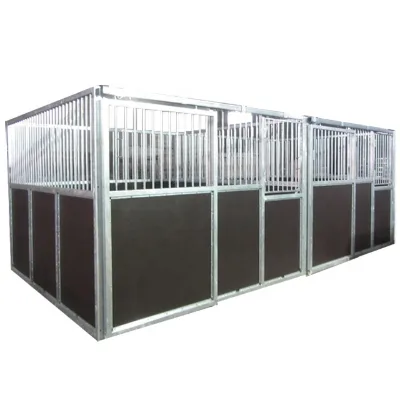
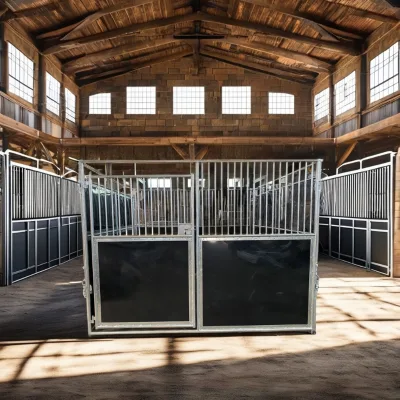
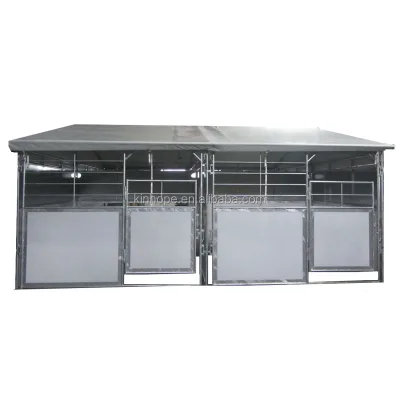
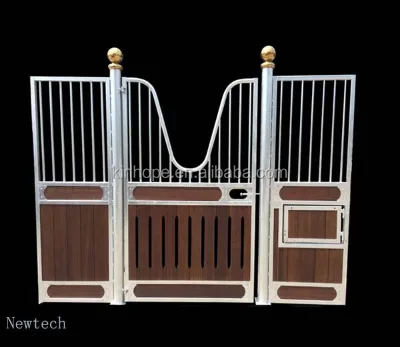
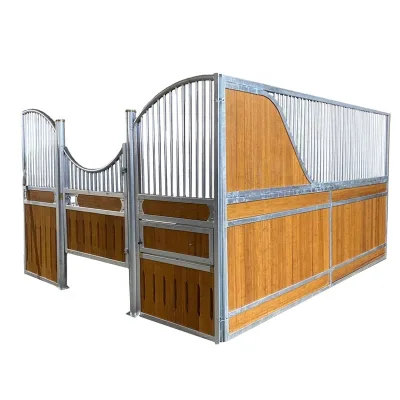
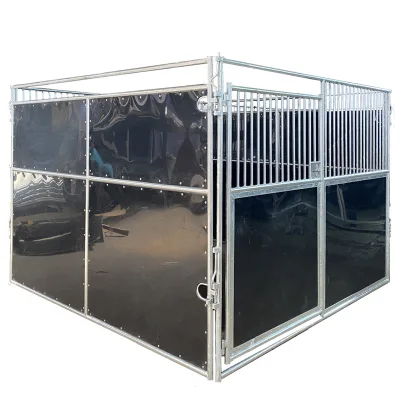
Luxury Swing Door Installed Galvanized Metal Horse Equipment Stable
$1500.00 - $2700.00
MOQ: 10 Minimum
Anping JH Steel Metal Wire Mesh Co., Ltd.
- Manufacturer
- Hebei, China
- Lead time15 days
- Avg. response≤ 3h
Main productsHorse Stable,Horse Stall,Horse Jumps,Steel Grating,Horse Walker
Main marketsDomestic Market(30.00%), Southeast Asia(15.00%), North America(10.00%), Oceania(10.00%), Mid East(9.00%), Western Europe(5.00%), South America(5.00%), Southern Europe(5.00%), Northern Europe(5.00%), Eastern Asia(2.00%), Central America(1.00%), South Asia(1.00%), Africa(1.00%), Eastern Europe(1.00%)
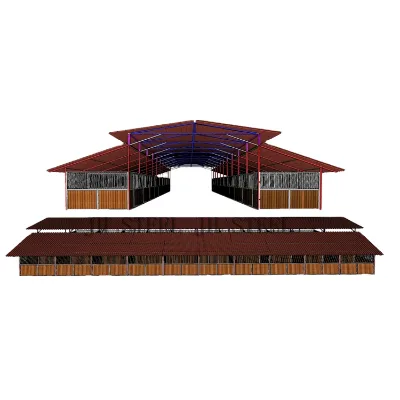
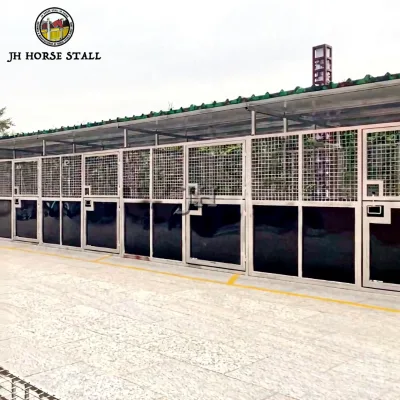
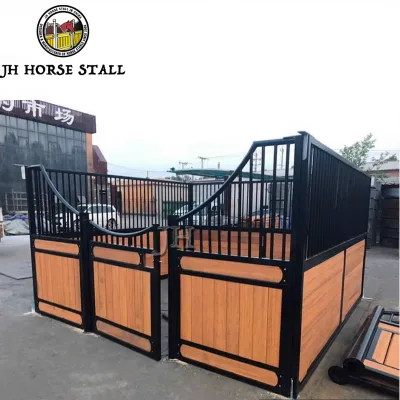
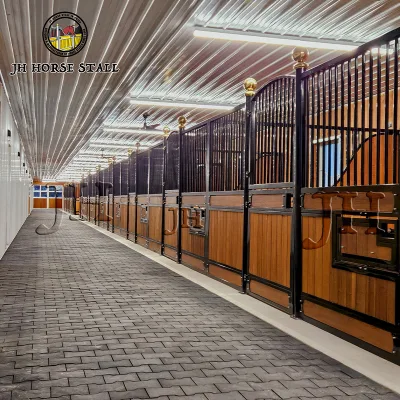
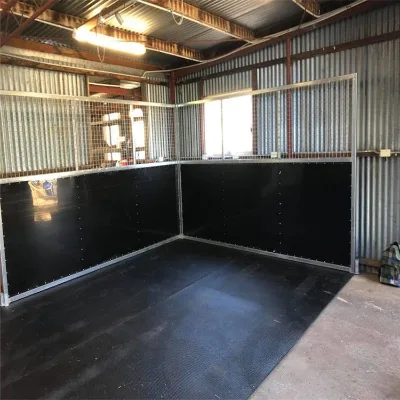
Layout Ideas Outside Horse Boarding Stables Stall Barn Box Roof Near Me
$454.873 - $568.5902
MOQ: 5 pieces
Anping Jiahui Wire Mesh Co., Ltd.
- Verified by SGS Group
- Manufacturer, Trading Company
- Lead time20 days
- Avg. response≤ 2h
Main productsSecurity Fence, Farm Fence, Temporary Fence, Chain Link Fence, Welded Wire Fence, Farm Fence, Temporary Fence, Chain Link Fence, Welded Wire Fence
Main marketsDomestic Market(60%), Oceania(15%), Western Europe(15%)
Hebei VSNHORSE International Equestrian Equipment Co., Ltd.
- Verified by Intertek
- Manufacturer, Trading Company
- Lead time30 days
- Avg. response≤ 3h
Main productsHorse Stable, Horse Jump, PVC Horse Fence, Horse Walking Machine
Main marketsDomestic Market(50%), North America(30%), Eastern Europe(5%)
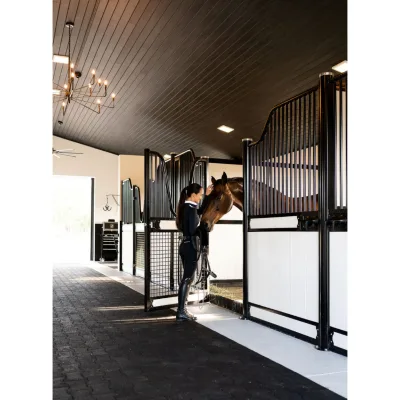
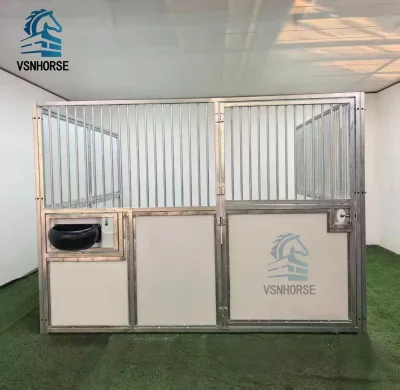
$431.8109 - $452.3727
MOQ: 2 pieces
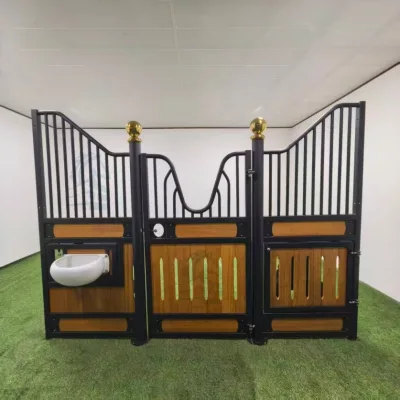
$500.7005 - $541.911
MOQ: 2 pieces

SHANDONG ADDISION TRADE CO., LTD.
- Trading Company
- China Shandong
- Lead time30 days
- Avg. response≤ 14h
Main productsCattle Panel, Drainage Grating, Bicycle Spoke
Main marketsEurope,Australia,North America

Qingdao Haylite Machinery Co., Ltd.
- Manufacturer, Trading Company
- Shandong, China
- Lead time0 days
- Avg. response≤ 5h
Main productsLivestock Equipment, Workbench, Fence, Trailers, Tent
Main marketsNorth America(40.00%), Oceania(38.00%), Western Europe(6.00%), Northern Europe(6.00%), Southern Europe(5.00%), Eastern Europe(3.00%), South America(2.00%)
Hebei Donwel Metal Products Co., Ltd.
- Verified by SGS Group
- Manufacturer, Trading Company
- Lead time30 days
- Avg. response≤ 3h
Main productspermanent horse stable&portable horse stable
Main marketsNorth America(30%), Western Europe(15%), Mid East(15%)
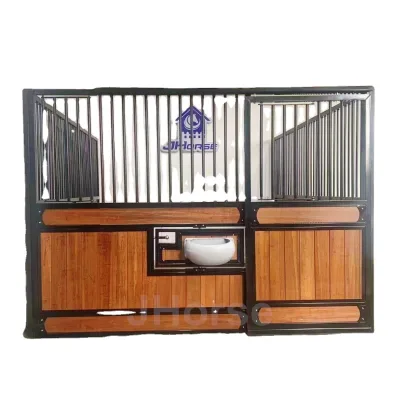
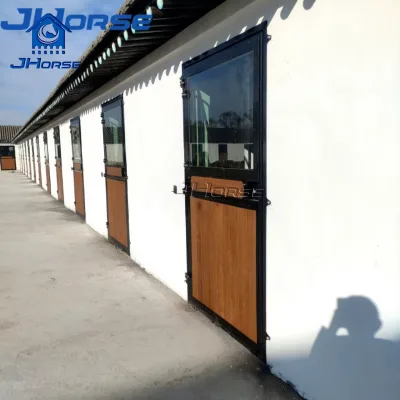
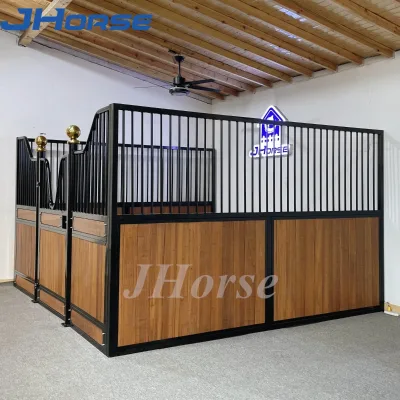
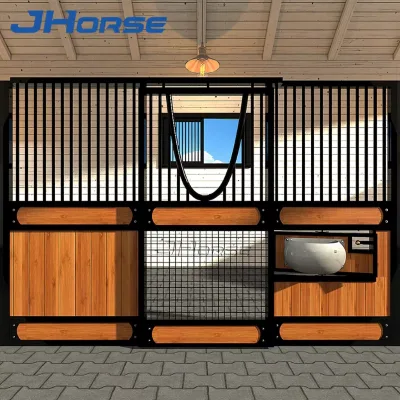
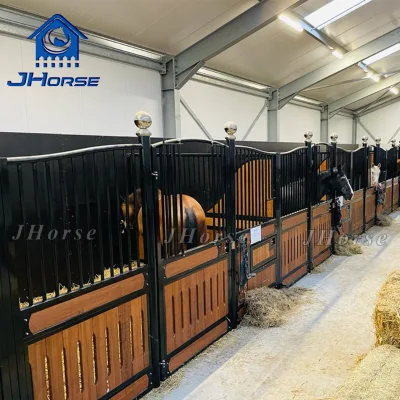
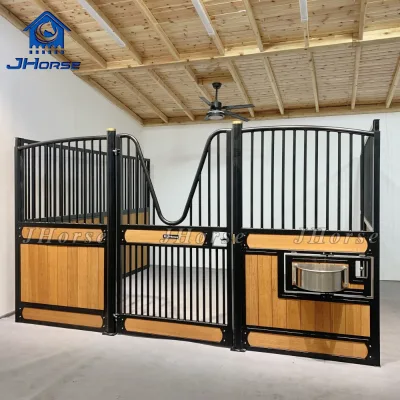
Outdoor Mobile Design Moveable Prefab High Density Plastic Board Horse Stalls
$400.00 - $560.00
MOQ: 3 pieces
Qingdao Famebest Industrial Products Co., Ltd.
- Verified by SGS Group
- Manufacturer, Trading Company
- Lead time20 days
- Avg. response≤ 4h
Main productsDog Kennels, Animal Cage, Horse Stable, Cat Cage, Horse Yard
Main marketsNorth America(50%), Oceania(30%), Western Europe(20%)
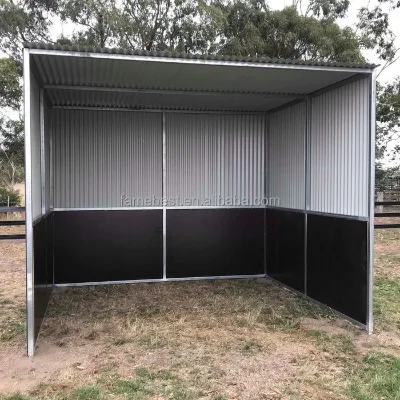
Superior Stalls, Barn Doors, Entry Gates Temporary Horse Stalls
$199.00 - $399.00
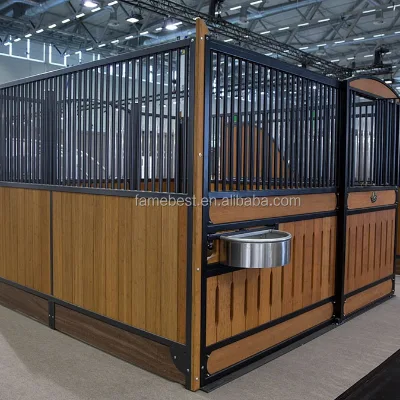
European Style Strong-Strength Horse Stall with Feeder New Hot Dipped Galvanized for Farms
$473.2598 - $607.0066
MOQ: 10 pieces
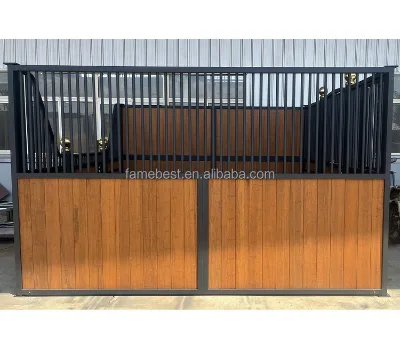
Outdoor Prefabricated Free Doors Horse Barn Farm Stables Equipment Equestrian Stall Roof
$204.7364 - $410.5012
MOQ: 30 pieces
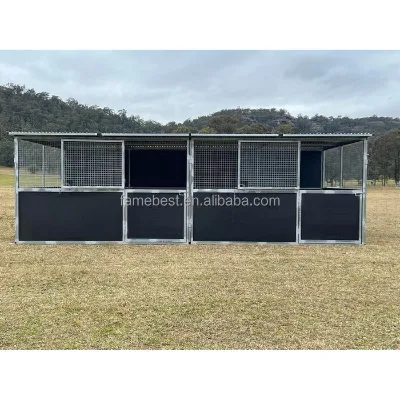
Hot Sale New Easy Installing Metal Durability Horse Barn Horse Stable for Horse Yards
$206.4363 - $413.9099
MOQ: 30 pieces
Anping Fansi Metal Wire Mesh Factory
- Manufacturer, Trading Company
- Hebei, China
- Lead time20 days
- Avg. response≤ 3h
Main productsTemporary Fence, Cattle Panel, Horse Panel, Sheep Panel, Security Fence, Palisade Fence, Dog Cage
Main marketsOceania(60.00%), North America(20.00%), South America(10.00%), Western Europe(10.00%)
Anping Heyou Wire Mesh Products Co., Ltd.
- Verified by SGS Group
- Trading Company
- Lead time30 days
- Avg. response≤ 3h
Main productsFence, Barbed Wire, Reinforcing Mesh, Gabion Box, Iron Gauze
Main marketsEastern Europe(92%), North America(1%), South America(1%)

Hebei VSNHORSE International Equestrian Equipment Co., Ltd.
- Verified by BV
- Combined
- China Hebei
- Lead time15 days
- Avg. response≤ 1h
Main productsHorse Stable, Portable Horse Stable, Horse Jump/Show Jumping Obstacles, Horse Fence/PVC Fence, Horse Walker Machine, Horse Arena Leveller, Equestrian Horse Rubber Mat/Rubber Bricks, Horse Barn Gate&Window, Dressage Arena, Horse Accessories
Main marketsSoutheast Asia/ Mideast,Europe,Australia,North America


Customized 10FT Classic Galvanized Steel Horse Stabl Durable Portable Farm Horse Stall
$500.00 - $640.00
MOQ: 2 pieces

Prefabricated Horse Stable Stall Boxes Modular Design Galvanized Frame Horse Barn
$455.00 - $511.00
MOQ: 2 Pieces


Outdoor Galvanized Steel Structure Prefabricated Horse Barns Equipment
$500.00 - $640.00
MOQ: 2 pieces
Hebei Aochi Metal Wire Mesh Products Co., Ltd.
- Verified by SGS Group
- Manufacturer, Trading Company
- Lead time8 days
- Avg. response≤ 2h
Main productsPVC privacy fence, PVC Picket Fence, PVC Horse Fence, PVC Pool Fence, WPC Fence
Main marketsDomestic Market(60%), North America(15%), South America(15%)
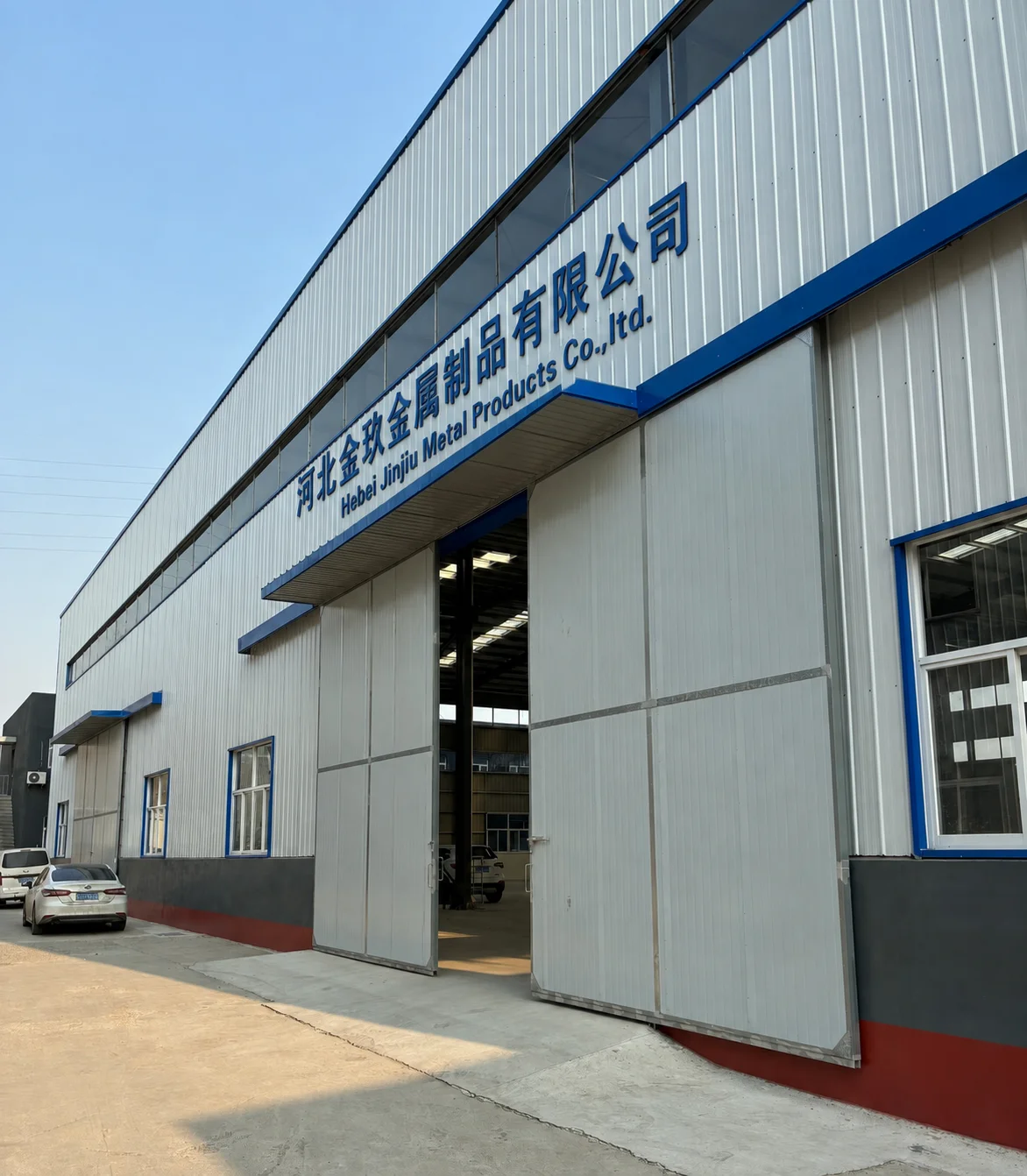
Hebei Jinjiu Metal Products Co., Ltd.
- Manufacturer, Trading Company
- Hebei, China
- Lead time10 days
- Avg. response≤ 2h
Main productsCattle Handling Equipment,Cattle Crushes,Horse Stalls,Horse Stables,Horse Walker
Main marketsNorth America(29.00%), Mid East(20.00%), Central America(11.00%), Western Europe(10.00%), South America(10.00%), Oceania(10.00%), Domestic Market(5.00%), Africa(5.00%)
HEBEI TIANYUN WIRE MESH PRODUCTS CO., LTD.
- Verified by TüVRheinland
- Manufacturer, Trading Company
- Hebei, China
- Lead time15 days
- Avg. response≤ 3h
Main productsHorse Stable
Main marketsDomestic Market(50%), North America(5%), Eastern Europe(5%)
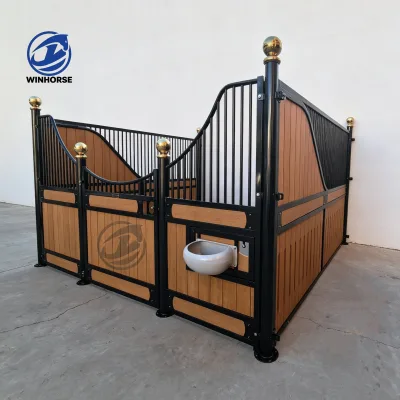
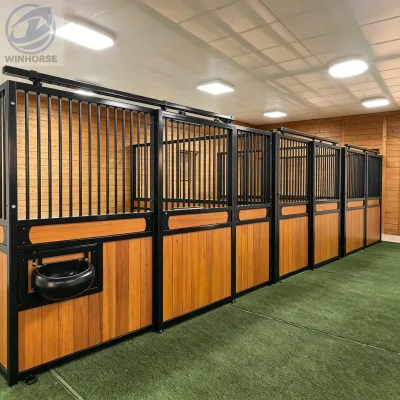
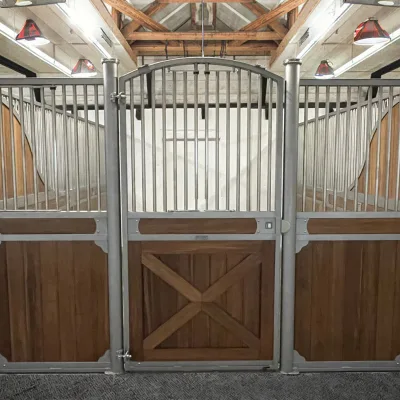
$495.9022 - $578.0384
MOQ: 5 pieces
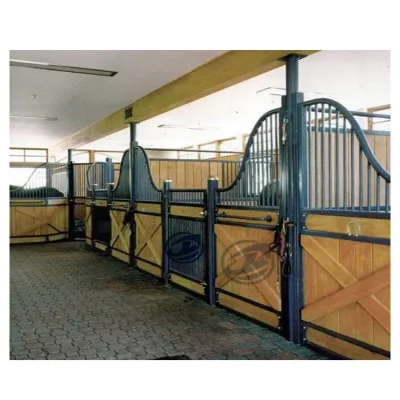
the most affordable horse stables customized sizes colors styles best-selling in Europe horse house
$402.471 - $446.6196
MOQ: 10 pieces
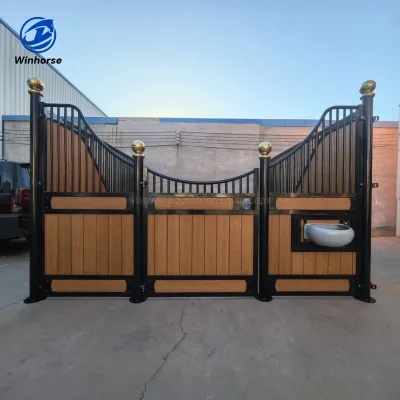

- Verified by CTI
- Trading Company
- China Shandong
- Lead time30 days
- Avg. response≤ 4h
Main productsLivestock Equipment, Iron Gates, Laser Cutting Parts, Horse Stable, Trailer Frame, Cow Headlock, Wrought Iron Gate, Sheep Equipment, Horse Equipemnt, Cattle Equipment
Main marketsAustralia,North America

Heavy Duty Customized Size Portable Canvas Horse Stall with Galvanized Steel Frame
$220.00 - $280.00
MOQ: 1 Pieces

Hot DIP Galvanized Frame HDPE Board Horse Stall/ Horse Stable Outside with Roof
$320.00 - $750.00
MOQ: 5 Sets


High Quality Galvanized Frame Factory Price Durable Heavy Duty Plywood Horse Stall
$320.00 - $560.00
MOQ: 1 Pieces


Weifang Jinzita Metalworks Co., Ltd.
- Trading Company,Manufacturer/Factory
- China Shandong
- Lead time23 days
- Avg. response≤ 7h
Main productsCommerical Fences, Industrial Fences, Residential Fences, Aluminum Railings, Gates, Accessories and Posts, Landscaping Fences, Aluminum Fence Panel, Aluminum and Iron Fence, Steel Fence
Main marketsSouth America,Eastern Europe,Mid East,North America,Southeast Asia,Eastern Asia,Oceania,Western Europe,Africa
Qingdao Abuild Equine Equipment Co., Ltd.
- Trading Company
- Shandong, China
- Lead time0 days
- Avg. response≤ 3h
Main productsHorse stall,horse barn equipment,horse walker,Round pen,Horse Jumps
Main marketsNorth America(50.00%), Eastern Europe(10.00%), South America(10.00%), Mid East(10.00%), Southeast Asia(5.00%), Southern Europe(5.00%), Northern Europe(5.00%), Western Europe(5.00%)
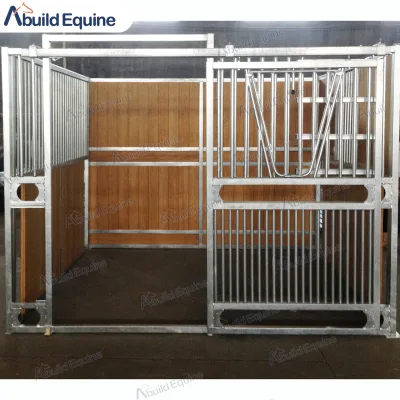
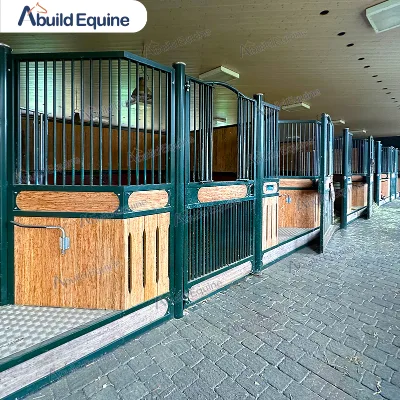
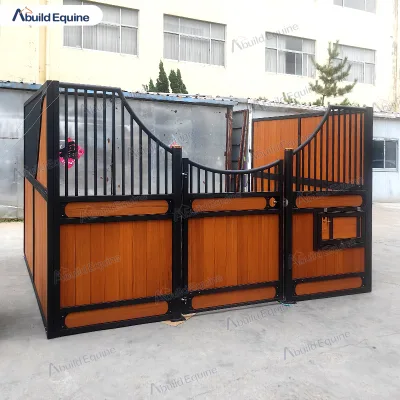
Husbandry Equipment Fancy Free Standing Horse Stalls with Sliding Doors
$560.00 - $570.00
MOQ: 10 pieces

Hejian Pufeite Metal Products Co., Ltd.
- Verified by BV
- Trading Company
- China Hebei
- Lead time30 days
- Avg. response≤ 3h
Main productsFence, Wrought Iron Fence/Steel Fence, Dog Cages, Chain Link Fence/Fabric, Metal Fence, Wire Mesh Fence, Steel Palisade Fence, Cattle Yard Panel, 358 Wire Mesh Fence, Dog Kennels
Main marketsAfrica


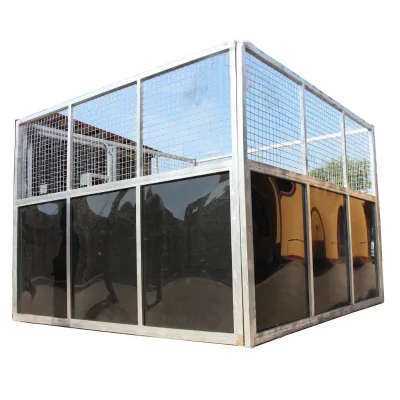
Professional Factory Customized Horse Stalls Best Quality Horse Stables Made in China
$1050.00 - $1250.00
MOQ: 5 Sets


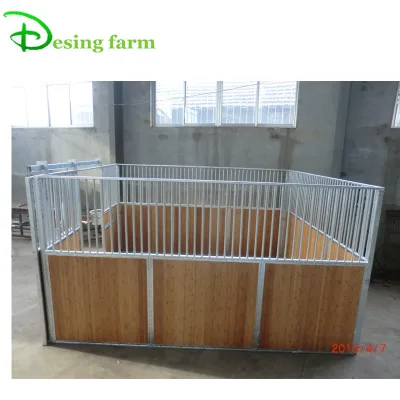
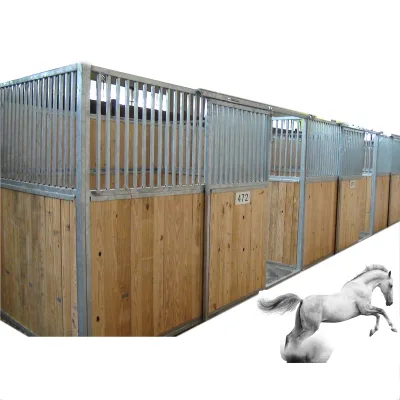
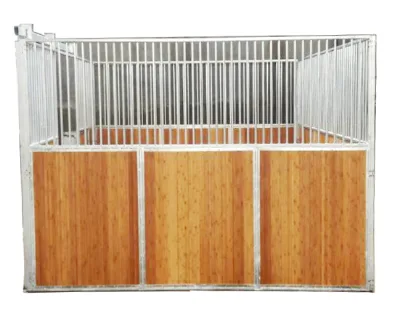
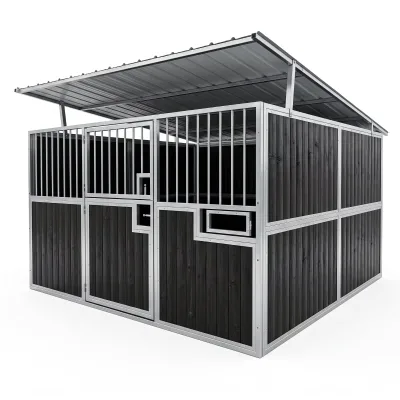
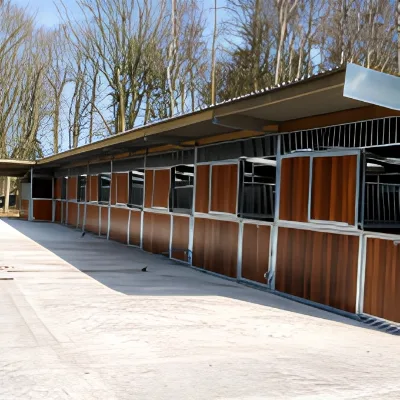


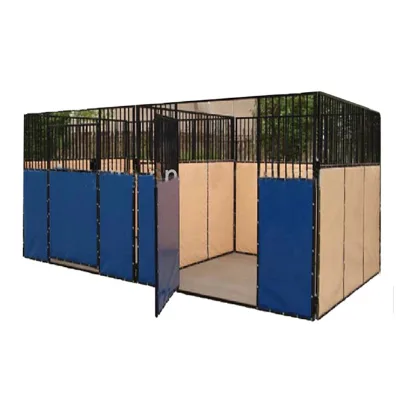
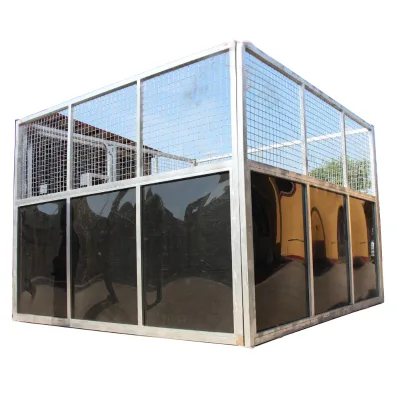
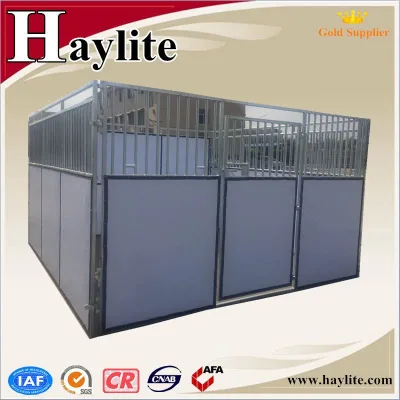
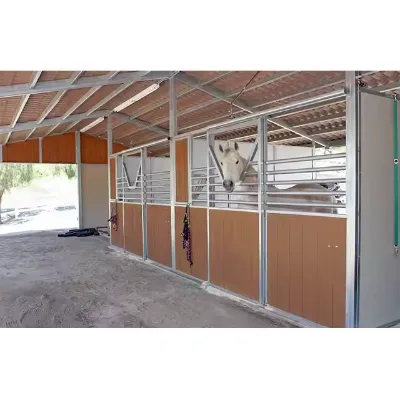
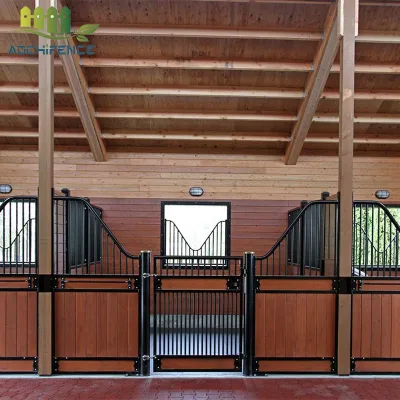
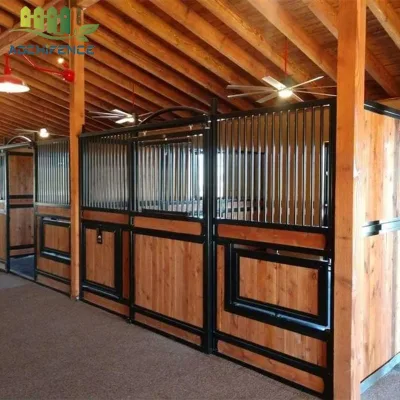
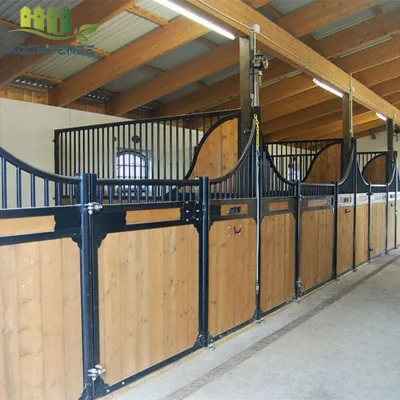
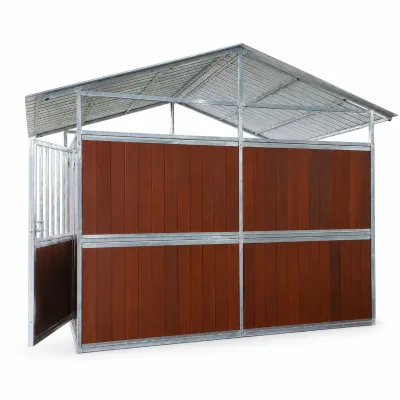
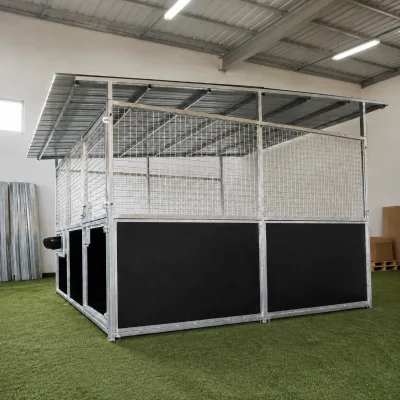
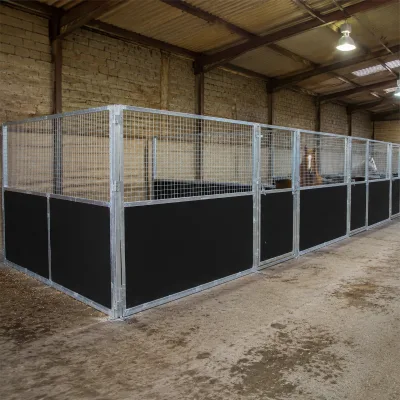


Comprehensive Sourcing Guide
Galvanized Steel Horse Stalls Supplier Concentration and Factory Types
The current supplier landscape for Galvanized Steel Horse Stalls reveals a distinct concentration of manufacturing activity within specific industrial regions, with Shandong, China, emerging as a primary hub for this specialized equestrian equipment. This geographic clustering suggests a mature supply chain ecosystem where raw material sourcing, fabrication expertise, and logistical infrastructure are optimized for heavy steel structures. Buyers evaluating potential partners should recognize that suppliers located in this region often benefit from established networks for steel procurement and surface treatment processes, which are critical for ensuring the durability and corrosion resistance of galvanized products. The presence of multiple manufacturers in this area indicates a competitive market where economies of scale may influence pricing and production efficiency, allowing for more consistent output quality across different order volumes.
Supplier types in this sector vary significantly, ranging from pure trading companies to integrated manufacturing factories and combined entities that offer diverse product portfolios. Many suppliers identify as manufacturers or factories, possessing the direct capability to produce custom galvanized steel structures, while others operate as trading companies that aggregate products from various workshops. Some entities are classified as combined suppliers, offering a broader range of industrial goods such as tool cabinets, exhibition tents, and livestock products alongside horse stalls, which may indicate a versatile production facility capable of handling multiple steel fabrication projects. Understanding this distinction is crucial for buyers, as direct manufacturers often provide greater control over customization and quality assurance, whereas trading companies might offer more flexibility in sourcing complementary items or managing complex logistics for international shipments.
How to Verify Galvanized Steel Horse Stalls Suppliers
Verifying the legitimacy and capability of galvanized steel horse stall suppliers requires a multi-layered approach that prioritizes third-party certifications and independent verification badges over self-reported claims. Buyers should look for suppliers who hold recognized system certifications such as ISO 9000 or ISO 9001, which indicate a standardized quality management system for production processes. Additionally, specific product certifications like CE or SGS are critical for ensuring that the steel structures meet international safety and structural integrity standards, particularly for components that bear significant weight or are exposed to harsh environmental conditions. These certifications serve as a baseline for assessing whether a supplier adheres to rigorous manufacturing protocols and can consistently deliver products that meet specified engineering requirements.
Beyond certifications, the presence of verification badges from reputable inspection agencies such as SGS or BV provides an additional layer of confidence in a supplier’s operational reliability. These badges often signify that the supplier has undergone on-site audits or factory inspections, confirming their physical existence, production capacity, and business legitimacy. Buyers should also examine the supplier’s response time metrics, as a quicker response often correlates with better communication channels and more attentive customer service, which are vital for resolving technical queries or custom design requests. Furthermore, checking for specific product attributes like ISO9001 SGS standards or CE certifications on individual product listings can help validate that the specific items being sourced have been tested and approved according to relevant industry norms, reducing the risk of receiving substandard or non-compliant equipment.
What to Compare Across Galvanized Steel Horse Stalls Suppliers
When evaluating multiple suppliers, buyers must systematically compare key operational metrics such as lead times, minimum order quantities, and pricing structures to determine the best fit for their specific project requirements. Lead times can vary significantly, with some suppliers offering production cycles of around thirty days, while others may require up to forty-five days, depending on the complexity of the order and current production loads. Minimum order quantities also differ, ranging from small batches of two units for specialized or custom projects to larger orders of fifty units for standard configurations, which can impact inventory management and cash flow planning. Understanding these variations allows buyers to align their procurement strategy with their operational timeline and budget constraints, ensuring that they can secure the necessary volume without incurring unnecessary storage costs or production delays.
Pricing and customization options are equally critical factors in supplier comparison, as costs can fluctuate based on material specifications, surface treatments, and structural designs. Prices for Galvanized Steel Horse Stalls may range from approximately five hundred to six hundred dollars per unit for standard models, while more complex or larger configurations can exceed eight hundred dollars, reflecting the additional material and labor involved. Buyers should also assess the availability of customization services, such as powder-coated finishes, hot-dip galvanized treatments, and specific door mechanisms like sliding or swing doors, which can enhance functionality and aesthetic appeal. Additionally, comparing the supplier’s main product focus, whether they specialize exclusively in equestrian equipment or offer a broader range of industrial goods, can provide insights into their expertise and dedication to the horse stall niche, influencing the overall quality and support provided throughout the procurement process.
Common Galvanized Steel Horse Stalls Sourcing Risks
One of the primary risks in sourcing Galvanized Steel Horse Stalls is the potential discrepancy between advertised specifications and the actual product received, particularly regarding material thickness, galvanization quality, and structural integrity. Suppliers may list products with generic certifications or vague descriptions, making it difficult for buyers to verify the exact grade of steel or the durability of the surface treatment without independent testing. This risk is exacerbated when dealing with combined suppliers who may not have deep expertise in equestrian equipment, potentially leading to compromises in design or material selection that do not meet the rigorous demands of horse housing. Buyers must be vigilant in requesting detailed technical drawings, material certificates, and third-party test reports to ensure that the steel structures can withstand the physical stresses and environmental conditions typical of equestrian facilities.
Another significant risk involves logistical challenges and communication barriers, which can lead to delays, misunderstandings, or additional costs during the shipping and installation phases. Suppliers with slower response times or those located in regions with complex export procedures may struggle to provide timely updates or resolve issues that arise during production or transit. Additionally, the variability in packaging methods, such as palletized shipping versus loose container loading, can affect the condition of the steel components upon arrival, increasing the risk of damage or loss. Buyers should also consider the potential for hidden costs, such as customs duties, local transportation fees, or installation labor, which can significantly impact the total cost of ownership. Mitigating these risks requires thorough due diligence, clear communication of expectations, and the use of secure payment methods like escrow to protect against non-delivery or non-conformance.
Galvanized Steel Horse Stalls Regional Sourcing and Logistics
Sourcing Galvanized Steel Horse Stalls from regional manufacturing hubs like Shandong, China, offers distinct advantages in terms of production efficiency and cost competitiveness, but it also introduces specific logistical considerations that buyers must manage carefully. The concentration of suppliers in this region facilitates easier access to raw materials and specialized fabrication services, potentially reducing lead times and production costs. However, buyers must account for the distance between the manufacturing site and international ports, which can impact shipping schedules and freight costs. Understanding the local infrastructure and export capabilities of the region is essential for planning efficient logistics, ensuring that the heavy steel structures are transported safely and delivered within the required timeframe.
Logistical planning for Galvanized Steel Horse Stalls also involves selecting appropriate packaging and shipping methods to protect the products from damage during transit. Suppliers often use palletized packaging to secure the steel components, which helps prevent scratching or deformation during handling and loading. Buyers should verify the packaging standards with their chosen supplier to ensure that the products are adequately protected, especially if they are being shipped via ocean freight, which can expose cargo to moisture and salt spray. Additionally, considering the weight and dimensions of the horse stalls is crucial for optimizing container space and minimizing shipping costs. Buyers may also need to arrange for local installation services or provide detailed assembly instructions to ensure that the structures are erected correctly and safely at the destination, further emphasizing the importance of clear communication and coordination throughout the logistics process.
Galvanized Steel Horse Stalls Commercial Terms and Order Planning
Effective order planning for Galvanized Steel Horse Stalls requires a clear understanding of commercial terms, including payment structures, warranty policies, and after-sales support, to ensure a smooth transaction and long-term satisfaction. Buyers should negotiate favorable payment terms, such as partial upfront payments with the balance due upon shipment or completion of production, to mitigate financial risk while maintaining supplier commitment. It is also important to clarify the warranty coverage for structural defects, galvanization peeling, or hardware failures, as these issues can arise over time due to environmental exposure or heavy use. Suppliers who offer comprehensive warranties and responsive after-sales support demonstrate confidence in their product quality and are more likely to provide reliable assistance if any issues arise post-delivery.
Furthermore, buyers must consider the scalability of their orders and the supplier’s capacity to handle future expansions or modifications. Suppliers with established OEM and ODM capabilities can accommodate custom designs and volume increases, providing flexibility for growing equestrian facilities or changing operational needs. Buyers should also evaluate the supplier’s ability to provide technical support, such as assembly guidance or replacement parts, to ensure the longevity and functionality of the horse stalls. By carefully assessing these commercial terms and planning for potential future requirements, buyers can build a sustainable partnership with their supplier, ensuring that their investment in Galvanized Steel Horse Stalls delivers value and reliability over the long term. This proactive approach to order planning helps minimize disruptions and supports the efficient operation of equestrian businesses.
FAQs
Where are these Galvanized Steel Horse Stalls manufactured?
The Galvanized Steel Horse Stalls are manufactured in Shandong, China. This location is consistently listed as the place of origin for the various models available, including those with powder coated finishes and hot dip galvanized surfaces for durability.
What is the typical lead time for these horse stalls?
The typical lead time for these horse stalls ranges from 30 to 45 days depending on the specific supplier and order volume. Some suppliers offer a 30-day lead time while others may require up to 45 days for production and shipping preparation.
What certifications do the horse stall manufacturers hold?
Manufacturers of these horse stalls hold ISO 9000, ISO 9001, and CE certifications. Some suppliers also display EICC system certification and SGS verification, ensuring that the steel structures meet international quality and safety standards for equestrian equipment.
What is the minimum order quantity for galvanized horse stalls?
The minimum order quantity varies by product model, ranging from 2 to 50 units. Specific listings show MOQs of 10 units for certain portable stalls and 50 units for heavy-duty panels, so buyers should check the specific product requirements before ordering.
Are customization options available for these horse stalls?
Yes, customization is available for most galvanized steel horse stall models. Buyers can request specific sizes like 3x2.2m or 4x2.2m, choose between swing or sliding doors, and select surface finishes such as powder coating or hot dip galvanization to suit their needs.
What is the price range for these galvanized horse stalls?
The price range for these galvanized horse stalls typically falls between 120 and 879 units of currency per unit. Specific models like portable stalls start around 499, while heavy-duty options may range from 520 to 645, depending on size and material specifications.
How quickly do suppliers respond to inquiries about horse stalls?
Supplier response times vary, with some responding within approximately 3 hours and others taking up to 21 hours. Buyers should expect response times around 3.36 hours for certain manufacturers, while others may take longer depending on their current workload and location.