Source Modern Concrete Outdoor Planter for Balcony, Garden, Home
Compare 30 Modern Concrete Outdoor Planter options from verified suppliers. Explore varied sizes, styles, and customization features for balcony, garden, and home decoration projects. These items include rectangular and square shapes with thickness ranging from 1.5mm to 2.5mm, suitable for flowers and plants in outdoor settings.
Updated
Key considerations
Products List


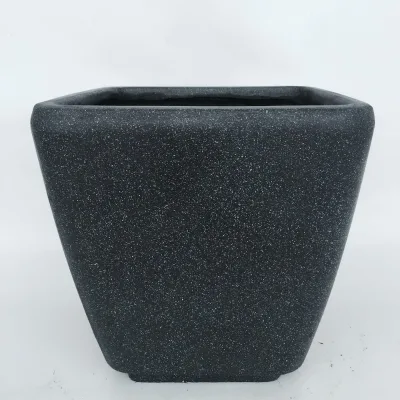
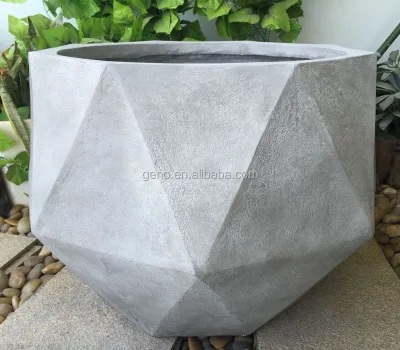
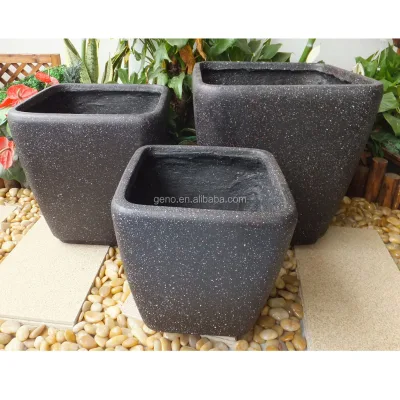
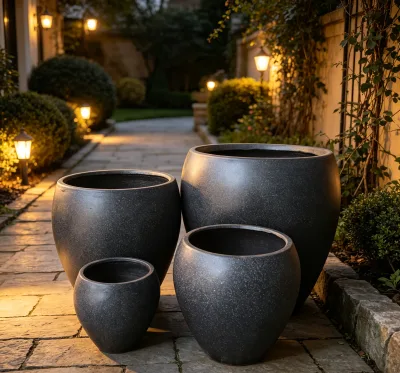
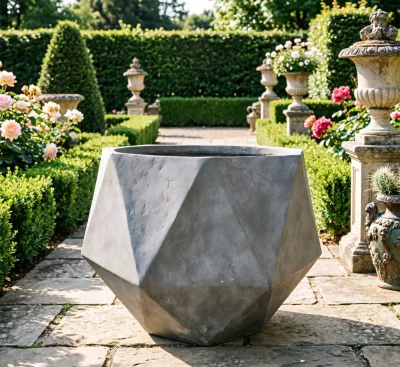
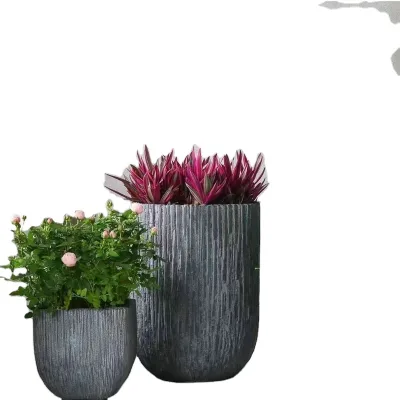
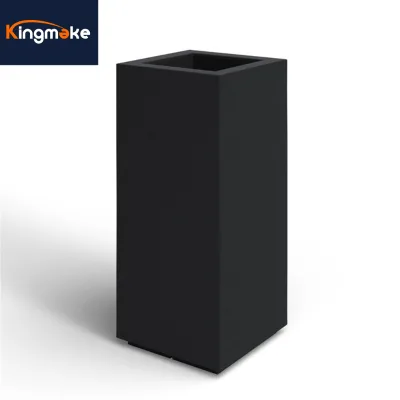
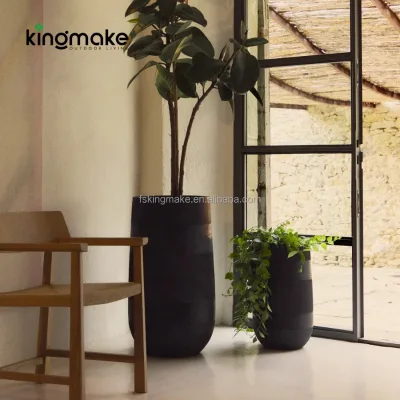
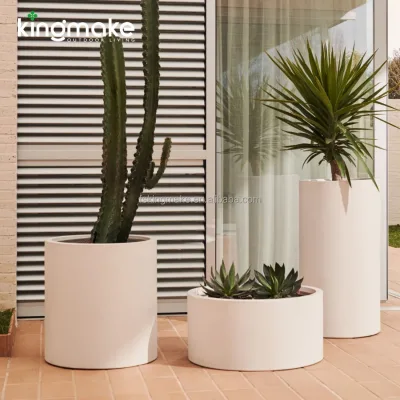
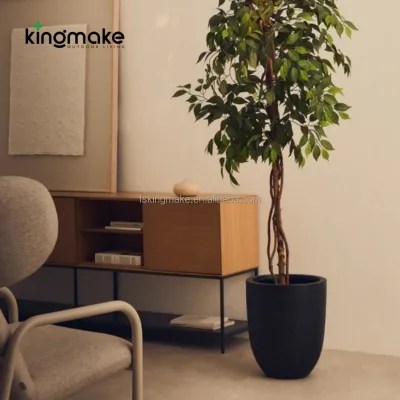
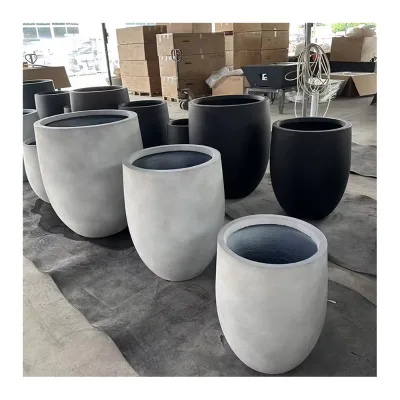
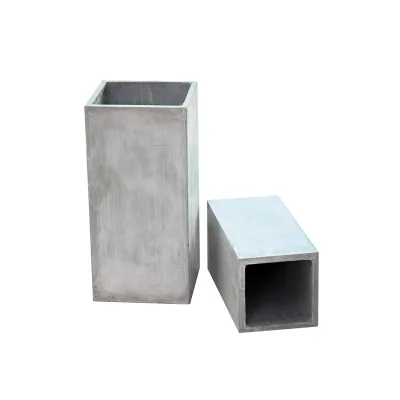
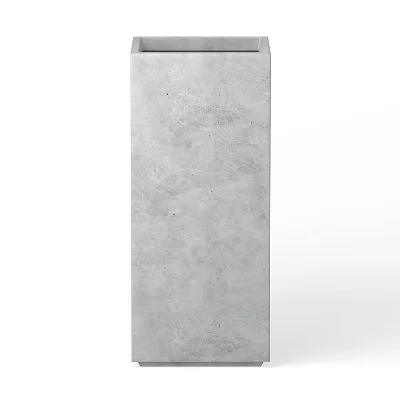
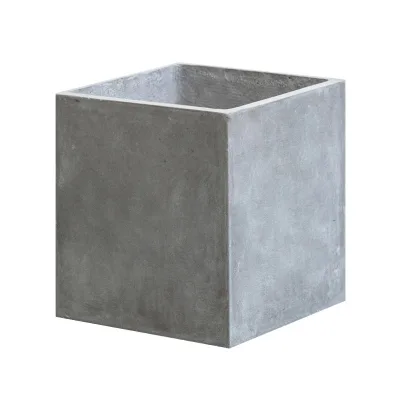
Aged Concrete Planter Fiber Cement Planter Box Fiber Stone Outdoor Planter Box
$29.169 - $31.2512
MOQ: 10 pieces
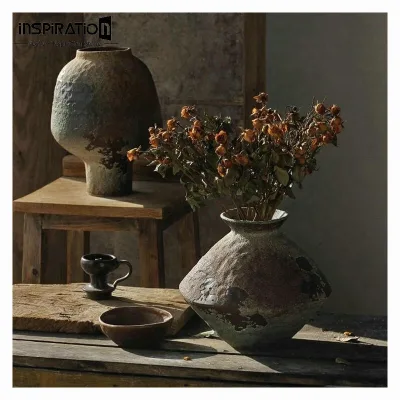
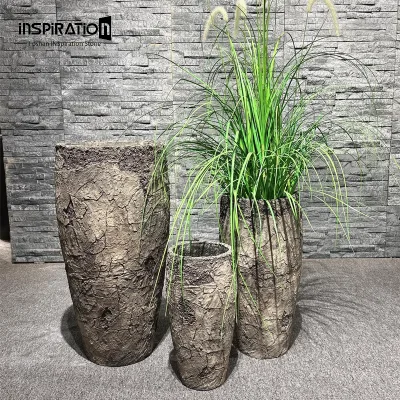
Outdoor Garden Rusted Concrete Planter Landscape Staple Food Gardening Supplies
$29.169 - $31.2512
MOQ: 10 pieces
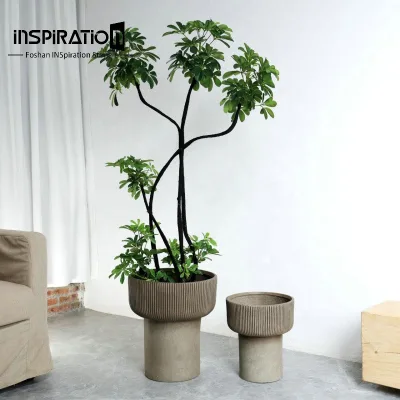
Nordic Concrete Planter Creative Concrete Flowerpot Cement Clay Planter Pots
$29.169 - $31.2512
MOQ: 10 pieces
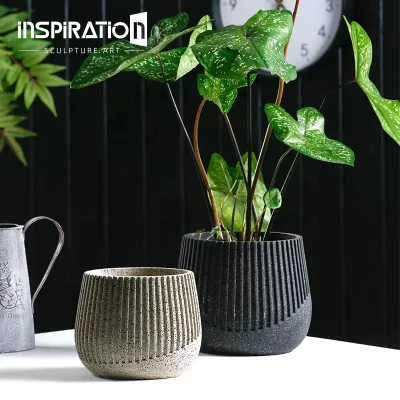
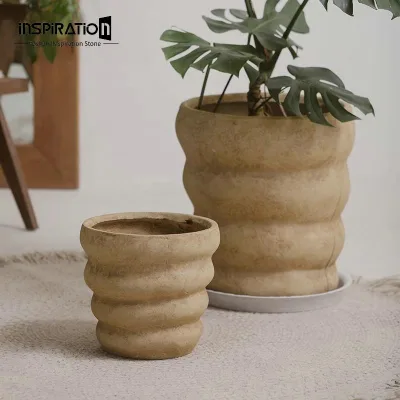
Modern Decor Concrete Fluted Planter Cast Stone Pots and Planters for Plants
$29.169 - $31.2512
MOQ: 10 pieces


Comprehensive Sourcing Guide
Modern Concrete Outdoor Planter Sourcing Guide
Sourcing modern concrete outdoor planters requires distinguishing between true cast stone and composite alternatives, as the supplied data indicates a mix of materials including fiber stone and metal options. Buyers must verify the specific composition of the planter body, noting that some listings describe "outdoor decorative black clay pot" designs while others specify "fiber stone" or "metal" construction. This distinction is critical because the material dictates the weight, durability, and suitability for specific climates, particularly when the product is intended for balcony gardens or floor applications.
Procurement teams should also scrutinize the finishing processes listed in product attributes, such as "not coated" versus "hand carved" finishes, to ensure the aesthetic matches the intended design style. The observed product range includes Mediterranean and classic styles, which often demand specific textural treatments to achieve the desired look. Verifying whether the surface treatment is mechanical or hand-carved helps buyers assess the labor intensity and potential cost variance, ensuring the final product aligns with the project's visual requirements and functional needs for garden decoration.
Product Scope and Observed Listing Signals
The market for these planters presents a diverse range of shapes and sizes, with observed listings featuring rectangular, square, and medium-sized units alongside specific dimensions like 23x23x23 cm or 50x50x50 cm. Buyers should note that while some products are explicitly labeled as "floor type" or "floor boughpot," others are designed for balcony gardens, requiring careful selection based on the intended installation location. The availability of customized colors, including gray and dark grey options, allows for flexibility, but the specific model numbers like 565, 895, or 99 indicate distinct product lines that may vary significantly in capacity and structural design.
Commercial signals in the listings reveal a wide price range from 2.59 to 69.99 USD, driven by factors such as material density, finishing complexity, and packaging requirements. The observed minimum order quantities (MOQ) fluctuate between 30 and 100 pieces, suggesting that buyers with smaller volume needs may face higher per-unit costs or need to consolidate orders. Additionally, the packaging details, such as carton boxes with specific gross weights of 12.000 kg, are essential for logistics planning, as the heavy nature of concrete and stone products significantly impacts shipping costs and handling procedures.
Technical Specifications to Verify
When evaluating technical specifications, the thickness of the planter walls is a primary indicator of structural integrity, with observed values ranging from 1.5mm to 2.5mm. Buyers must confirm that the selected thickness is sufficient for the intended plant load and environmental exposure, as thinner walls may be prone to cracking under freeze-thaw cycles or heavy soil pressure. The single package size and body dimensions, such as the 38.5x38.5x38.5 cm or 2L capacity options, must be cross-referenced with the actual product dimensions to ensure they fit the designated space and meet the volume requirements for the specific flowers or green plants they will hold.
The production method, whether mechanical or hand-carved, directly influences the consistency and finish quality of the final product. Mechanical production often yields uniform dimensions suitable for large-scale commercial projects, while hand-carved finishes offer unique aesthetic details that may be required for high-end residential or boutique garden applications. Buyers should verify the specific model numbers and standard specifications provided by the supplier, as these identifiers often correlate with specific manufacturing tolerances and material densities that affect the long-term performance of the planter in outdoor environments.
Compliance and Safety Documentation
Although specific certification names are not explicitly detailed in the provided product attributes, buyers must request documentation confirming that the materials used, such as fiber stone or concrete, meet local safety and environmental standards for outdoor use. The presence of "customized" standards in the product data suggests that suppliers may tailor their manufacturing processes to meet specific regional requirements, but this does not guarantee compliance without explicit verification. Procurement teams should ask for test reports regarding the material's resistance to weathering, UV stability, and structural load capacity to ensure the planters will not degrade or fail in the intended application scene.
Safety documentation should also address the handling and installation requirements, particularly given the significant weight of these items, with some units weighing up to 12.000 kg per set. Buyers need to verify that the packaging and shipping methods comply with international freight regulations to prevent damage during transit, which is a common risk for heavy ceramic or stone products. Additionally, if the planters are intended for commercial spaces or public areas, confirming that the product meets relevant fire safety or slip-resistance standards is essential to mitigate liability and ensure the safety of end-users.
Cost Drivers and Commercial Terms
The cost of modern concrete outdoor planters is heavily influenced by the customization level, with options for customized colors and shapes often commanding a premium over standard inventory. The observed MOQs of 30 to 100 pieces indicate that economies of scale play a significant role in pricing, and buyers should negotiate based on their specific volume requirements to optimize the unit cost. Furthermore, the complexity of the finishing process, such as hand-carved details versus mechanical production, adds labor costs that are reflected in the final price, making it crucial to balance aesthetic desires with budget constraints.
Commercial terms regarding payment and delivery are critical components of the procurement strategy, with observed options including L/C, T/T, and PayPal. Buyers must carefully review the delivery time, which can range from 45 to 60 days depending on the quantity and customization of the outdoor decorative black clay pot designs. Understanding these lead times is vital for project planning, as delays in production or shipping can impact the overall timeline for garden installation. Additionally, the packaging configuration, such as one set per carton, affects the total shipping volume and cost, requiring precise calculation to avoid unexpected logistics expenses.
Supplier Qualification and Quality Control
Supplier qualification should focus on verifying the origin and production capabilities, as the data indicates a primary origin in China, specifically Fujian, which is a known hub for ceramic and stone manufacturing. Buyers should assess the supplier's capacity for OEM and ODM services, as the listings explicitly welcome both, indicating a flexibility in design and branding that can be leveraged for unique product lines. It is essential to confirm the supplier's track record in handling large orders and their ability to maintain consistent quality across different model numbers, ensuring that the final product matches the samples provided.
Quality control measures must be rigorous, given the variability in manual finishing processes like hand carving and the potential for defects in cast materials. Buyers should implement a pre-shipment inspection protocol that checks for structural integrity, dimensional accuracy, and surface finish consistency, particularly for products with customized colors or specific thickness requirements. Establishing clear communication channels for addressing defects and ensuring that the supplier adheres to the agreed-upon standards is necessary to maintain product quality and minimize the risk of receiving substandard inventory that could compromise the project's aesthetic and functional goals.
Long-Term Procurement Checks
Long-term procurement success depends on establishing a reliable supply chain that can consistently deliver high-quality planters over time, especially for projects requiring multiple batches or ongoing restocking. Buyers should monitor the supplier's ability to maintain the specified production methods and material standards, ensuring that the "fiber stone" or "concrete" composition remains consistent across different production runs. Regular audits of the manufacturing process and quality control procedures can help identify potential issues early, preventing costly delays or quality failures in future orders.
Sustainability and lifecycle management are also key considerations for long-term procurement, as outdoor planters are exposed to harsh environmental conditions that can lead to degradation. Buyers should evaluate the supplier's commitment to using durable materials and finishes that resist weathering, ensuring the planters remain functional and attractive for years. Additionally, maintaining a relationship with the supplier that allows for ongoing customization and design updates can help keep the product line relevant and aligned with evolving market trends, securing a competitive advantage in the garden decoration sector.
FAQs
What materials are used for these outdoor planters?
These planters are crafted from metal and fiber stone materials. The metal options feature a mechanical production method with a non-coated finish. The fiber stone variants offer a classic style suitable for garden decoration. Both material types provide durability for balcony and floor applications while maintaining a rectangular or square shape.
Can I customize the color and size of the planter?
Yes, customization is available for both color and size. Buyers can select from gray, dark grey, or customized color options. The product models include sizes such as 23x23x23cm, 30x30x30cm, and 37x37x37cm. This flexibility allows for tailored solutions to match specific garden or balcony design requirements effectively.
What is the minimum order quantity for these planters?
The minimum order quantity varies by product model. Some items require a minimum of 30 pieces, while others have a minimum of 100 pieces. The observed MOQ range across the catalog spans from 5 to 100 units. Buyers should check the specific model details to determine the exact requirement for their order.
Where are these planters manufactured and shipped from?
These planters are manufactured in China, specifically originating from Fujian. The products are packed in carton boxes for safe transport. Each set is typically packaged individually within the carton. The origin ensures access to established manufacturing capabilities for both metal and fiber stone construction methods.
What is the delivery time for custom orders?
The delivery time is approximately 45 to 60 days. This timeframe depends on the quantity of the outdoor decorative black clay pot or similar items ordered. Buyers should account for this lead time when planning their garden decoration projects. Payment terms include L/C, T/T, and PayPal for secure transactions.
Are these planters suitable for indoor or outdoor use?
These planters are designed primarily for outdoor use. They are suitable for balcony gardens and floor applications. The materials, including metal and fiber stone, are selected for outdoor durability. The products are explicitly described as outdoor concrete planters or decorative pots, making them ideal for exterior garden decoration and business gifts.