Source Eco Friendly Bamboo Knot Skewers for BBQ, Picnic, Cooking
Compare 30 listings of Eco Friendly Bamboo Knot Skewers suitable for BBQ, meat, fruit, and picnic use. Buyers can review specifications, customization options, and pricing details from verified suppliers in China; compare the available evidence and request quotations based on your requirements.
Updated
Key considerations
Products List


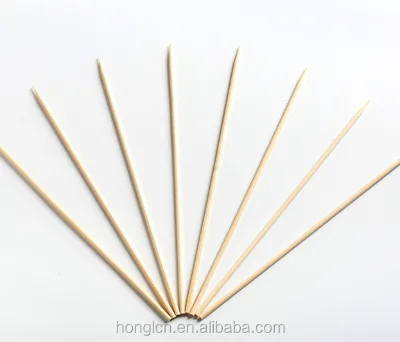
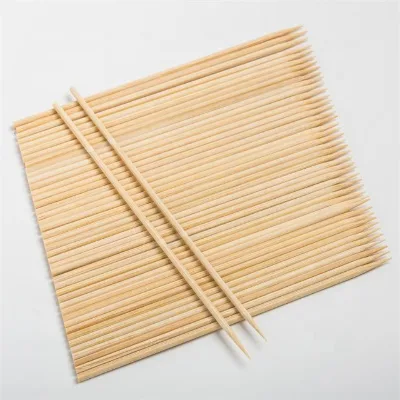

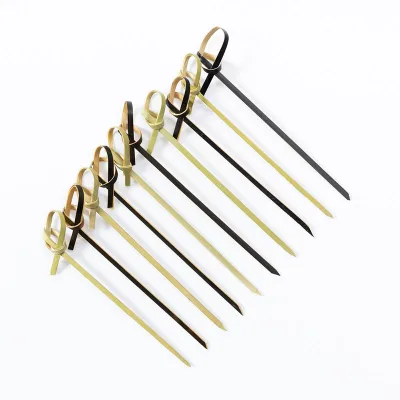
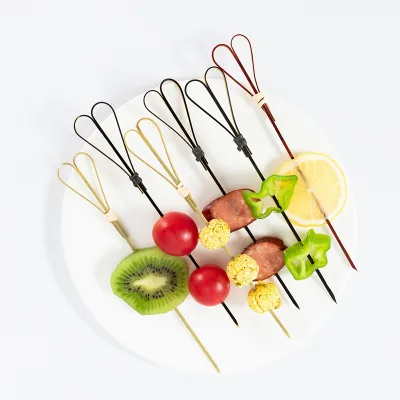


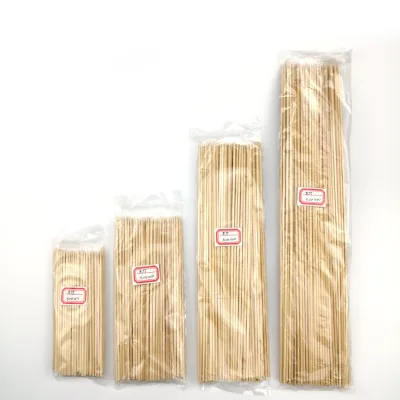
Eco-Friendly Bamboo Flat Skewer
$30.00 - $150.00
MOQ: 300 CATRON
Anhui Hongye Group Ecological Bamboo Fiber Technology Co., Ltd.


Eco-Friendly Hot Sale Skewers Bamboo Knot Skewer Bamboo Knotted Skewer Picks
$0.0099 - $0.0199
MOQ: 50000 Pieces


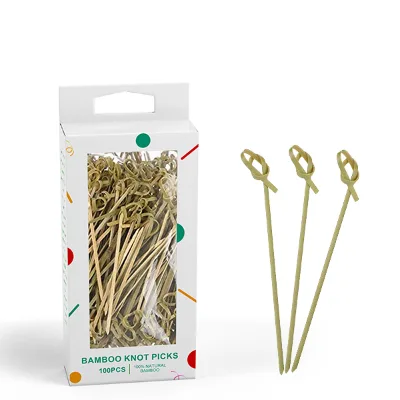
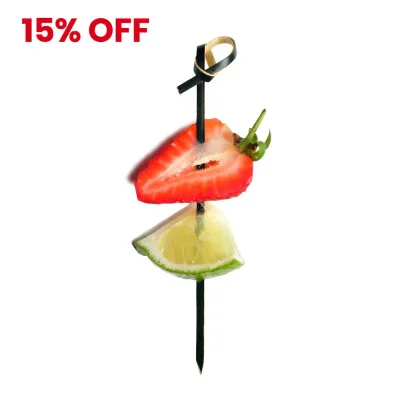
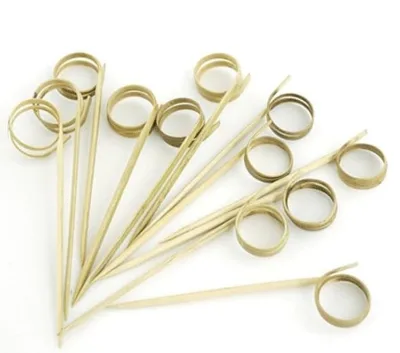
Combo Pack Bamboo Knot Skewers, 4 Inch Knotted Skewers & 6 Inch Knotted Skewers
$49.00 - $59.00
MOQ: 10 cartons


Comprehensive Sourcing Guide
Eco Friendly Bamboo Knot Skewers Sourcing Guide
Buyers evaluating Eco Friendly Bamboo Knot Skewers must first distinguish between natural and carbonized finishes, as the supplied data indicates both options are available in the market. The natural finish preserves the raw material's inherent properties, while carbonization offers a darker aesthetic without chemical coatings. Procurement teams should verify the specific finish required for their application, noting that some listings explicitly state "No Paint, No Wax and No Smell" as a key advantage, ensuring the product remains safe for direct food contact during grilling or serving.
The material composition is a critical differentiator, with most observed listings specifying 100% natural bamboo sourced from regions like Jiangxi Province, China. Buyers should confirm the age of the bamboo, as some specifications mention a 3-5 year growth cycle which often correlates with optimal density and durability. It is essential to request proof of the raw material source to ensure the skewers meet the "Food Grade" standard, preventing the use of treated or lower-grade timber that could compromise food safety or structural integrity during high-heat cooking events.
Product Scope and Observed Listing Signals
The observed product range spans various dimensions, with standard lengths typically falling between 7cm and 60cm and diameters or thicknesses ranging from 2mm to 8mm. Buyers must align their order specifications with these observed ranges, noting that some suppliers offer custom sizes while others adhere to fixed standards like 12cm-50cm. Understanding these dimensional constraints is vital for selecting the correct skewer type for specific food items, whether for small fruit pieces or larger cuts of meat intended for BBQ or picnic use.
Listing signals also reveal significant variation in packaging and minimum order quantities, which directly impacts logistics and inventory planning. While some suppliers list an MOQ of 200 cartons, others may require 300 cartons or 1000 bags, and packaging formats vary from individual OPP bags to bulk woven bags containing 10,000 pieces. Procurement teams should carefully review these commercial thresholds to avoid overstocking or incurring unnecessary freight costs, ensuring the selected supplier can accommodate the specific volume requirements of the buyer's supply chain.
Technical Specifications to Verify
Verification of the skewer's physical finish is paramount, as the data indicates a clear distinction between polished and uncoated options. Buyers should explicitly confirm whether the product is polished to a smooth finish or left in a natural state, as this affects both the tactile experience and the likelihood of splinters during use. The absence of coatings, wax, or paint is a frequently cited advantage, but this must be validated through product samples to ensure the "Not Coated" claim holds true across the entire batch, particularly for products intended for direct food contact.
Dimensional consistency and shape are other critical technical parameters that require rigorous verification against the supplier's provided standards. While square shapes and specific lengths like 10cm or 15cm are observed, the market also supports custom size requests. Buyers must ensure that the tolerance levels for diameter and length are strictly controlled, as variations can lead to uneven cooking or difficulty in threading food items. Requesting a sample with precise measurements is the most effective method to validate that the technical specifications match the intended application for camping, BBQ, or tableware use.
Compliance and Safety Documentation
Food safety compliance is the primary concern for any procurement of bamboo skewers, requiring verification that the material meets "Food Grade" standards. Buyers should demand documentation confirming that the bamboo has not been treated with harmful chemicals, pesticides, or preservatives that could leach into food during high-temperature cooking. The explicit mention of "No Smell" in product advantages suggests a natural processing method, but this claim must be backed by relevant safety certifications or test reports to ensure the product is safe for consumption by all age groups.
Documentation regarding the origin and processing of the raw material is equally essential for maintaining supply chain transparency. Since the primary origin identified is Jiangxi Province, China, buyers should verify that the supplier adheres to local and international regulations regarding agricultural product processing. Ensuring that the skewers are free from contaminants and that the manufacturing process maintains hygiene standards is crucial. Procurement teams should request certificates of analysis or origin to validate that the product meets the necessary safety protocols for export and domestic food service applications.
Cost Drivers and Commercial Terms
The cost structure for eco friendly bamboo skewers is heavily influenced by the minimum order quantity and the specific packaging configuration required. With observed MOQs ranging from 200 cartons to 2,000,000 units, the unit price will fluctuate significantly based on volume. Buyers must calculate the total landed cost, including freight, as many suppliers offer free samples but require the buyer to cover freight collection costs. Understanding these volume-based pricing tiers is essential for budgeting and determining the most economical order size for the specific project.
Payment terms and sample availability also play a significant role in the commercial negotiation process. The market data indicates flexible payment options including L/C, T/T, Western Union, and PayPal, allowing buyers to select terms that align with their financial policies. Additionally, the availability of free samples with freight collect allows for quality assessment before committing to a large order. Buyers should negotiate these terms carefully, ensuring that the sample process is efficient and that the payment schedule protects both parties while facilitating a smooth transaction for the final bulk order.
Supplier Qualification and Quality Control
Supplier qualification should focus on their ability to provide consistent customization and logo acceptance, as many listings indicate that customer logos and specific designs are acceptable. Buyers must verify the supplier's capacity to handle custom orders without compromising the structural integrity of the bamboo skewers. The ability to accept customer customization extends to packaging and dimensions, requiring a supplier with flexible production lines that can adapt to specific branding and product requirements while maintaining high-quality standards.
Quality control measures must be established to ensure that the "Disposable" and "Minimalism" attributes do not come at the expense of durability. Buyers should implement a rigorous inspection protocol that checks for splinters, consistent polishing, and adherence to the specified dimensions. Since the product is intended for direct food contact, visual and tactile inspections of the finished skewers are necessary to confirm the absence of defects. Establishing a clear quality agreement with the supplier regarding defect rates and rejection criteria is essential for maintaining product integrity throughout the supply chain.
Long-Term Procurement Checks
Sustaining a reliable supply of eco friendly bamboo skewers requires ongoing monitoring of the supplier's ability to maintain consistent material quality over time. Buyers should regularly audit the raw material source to ensure the bamboo continues to meet the 3-5 year growth cycle and remains free from chemical treatments. Long-term partnerships depend on the supplier's ability to deliver consistent "Food Grade" products that meet the evolving safety standards and customer expectations for natural, uncoated bamboo items.
Continuous evaluation of commercial terms and logistical performance is also critical for long-term procurement success. Buyers must track lead times, packaging efficiency, and the reliability of the supplier's delivery schedule to prevent disruptions in their own operations. Regular reviews of the supplier's responsiveness to customization requests and their ability to manage volume fluctuations will ensure that the procurement strategy remains agile. Establishing a feedback loop for quality and service performance helps maintain a high standard of supply and fosters a collaborative relationship with the vendor.
FAQs
What materials are used for Eco Friendly Bamboo Knot Skewers?
These skewers are crafted from 100% natural bamboo, ensuring they are food grade and safe for cooking. The material is selected for its durability and resistance to burning during grilling. This natural composition avoids synthetic coatings, making the skewers a sustainable choice for various culinary applications while maintaining structural integrity under heat.
Can I get free samples of bamboo skewers before ordering?
Yes, free samples are available for potential buyers to evaluate quality. However, freight costs are typically collected by the recipient. This allows you to verify the product specifications, such as length and diameter, before committing to a larger purchase order. It is a standard practice to ensure the product meets your specific requirements.
What is the minimum order quantity for bamboo skewers?
The minimum order quantity varies by supplier but often starts at 200 cartons or 1000 bags. Some vendors may require 300 cartons for specific models. These thresholds ensure efficient production and shipping logistics. Buyers should confirm the exact MOQ with the manufacturer, as it depends on the chosen product model and packaging configuration.
Are the skewers coated or polished for better performance?
Most eco friendly bamboo skewers are not coated with paint or wax to maintain their natural state. They are often polished to ensure a smooth surface that prevents splinters. This finishing process enhances usability without adding chemicals. The absence of coatings ensures the skewers remain safe for direct contact with food during BBQ and picnic activities.
Which specifications are available for bamboo skewers?
Available specifications include lengths from 7cm to 60cm and diameters from 2mm to 8mm. Square and round shapes are offered to suit different grilling needs. Custom sizes are also acceptable for bulk orders. These dimensions allow for versatility in cooking various meats, fruits, and vegetables, ensuring the skewers fit different grill types and food sizes.
How are bamboo skewers packaged for shipping?
Skewers are typically packed in cartons or woven bags for bulk shipping. Individual items may be wrapped in OPP bags for protection. Packaging options can be customized to meet specific buyer requirements. This ensures the skewers remain clean and undamaged during transit. The packaging density is optimized to maximize container space while protecting the product quality.