12V Outdoor Wood Pellet Heater Suppliers and Manufacturers
Explore 22 verified options for 12V Outdoor Wood Pellet Heater suppliers and manufacturers. Compare locations, lead times, certifications, and response times to find the right partner. Contact suppliers directly to request quotes and verify product specifications; review the available evidence before requesting comparable quotations from suitable candidates.
Updated
Suppliers List

Sunbird Technology Development Co., Limited
- Manufacturer/Factory
- China Guangdong
- Lead time45 days
- Avg. response≤ 11h
Main productsBBQ Grill, Free Standing Oven, Coffee Maker, Rice Cookers, Induction Cookers, Gas Cookers, Electric Oven, Pizza Oven, Deep Fryer, Bread Maker
Main marketsSouth America,Eastern Europe,Mid East,North America,Southeast Asia,Eastern Asia,Oceania,Western Europe,Africa
Henan Jinbailai Industrial Co., Ltd.
- Verified by Intertek
- Trading Company
- Lead time30 days
- Avg. response≤ 1h
Main productsSteel Fire Pits, Steel Planters, Steel Screens, Steel Edgings, Steel Sculptures
Main marketsWestern Europe(60%), North America(25%), Eastern Europe(10%)
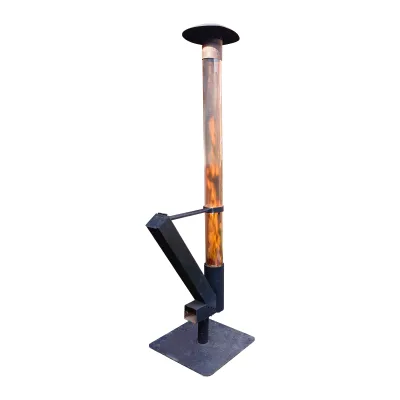
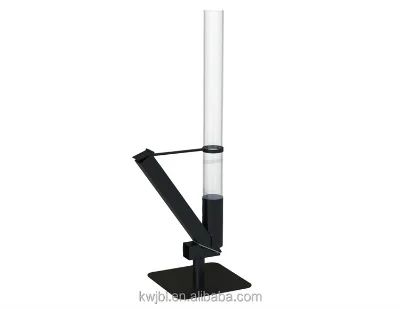
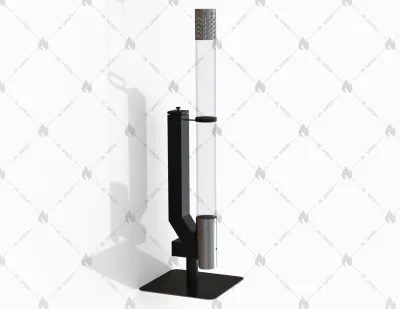
Outdoor Family Picnic Wood Burning Stove Pellet Heater
$175.00 - $200.00
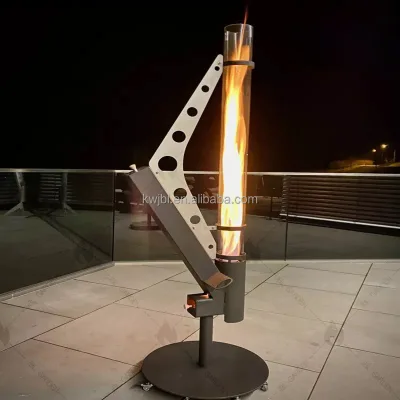
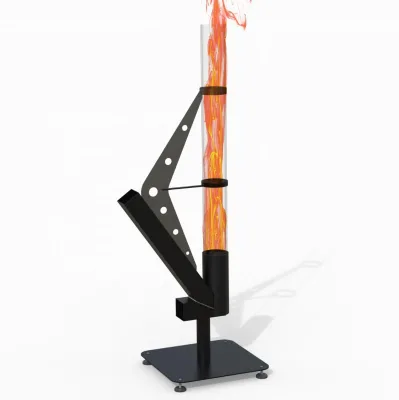
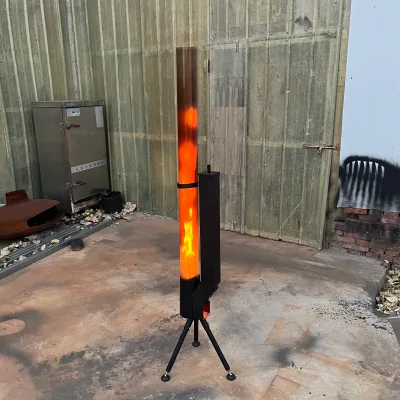

HENAN JINBAILAI INDUSTRIAL CO., LTD.
- Verified by BV
- Trading Company
- China Henan
- Lead time23 days
- Avg. response≤ 3h
Main productsBBQ, Gas Fire Pit, Wood Fireplace, Stove, Steel Planter, Metal Decors, Garden Furniture, Garden Landscape
Main marketsEurope,North America
Haining Heying Heating Technology Co., Ltd.
- Manufacturer
- Zhejiang, China
- Lead time10 days
- Avg. response≤ 3h
Main productsFireplaces; Garden Supplies; Fireplace Parts; Heat Pump Water Heater Parts
Main marketsSouth America(20.00%), North America(18.00%), Western Europe(15.00%), Northern Europe(15.00%), Eastern Europe(10.00%), Southern Europe(8.00%), Oceania(5.00%), Central America(5.00%), Domestic Market(2.00%), Mid East(2.00%)
Changzhou Guobin Thermal Equipment Co.,ltd.
- Verified by SGS Group
- Manufacturer, Trading Company
- Lead time10 days
- Avg. response≤ 5h
Main productsPatio Heater, Fire Pit, BBQ, Pellet Heater
Main marketsNorth America(23%), South America(20%), Western Europe(17%)
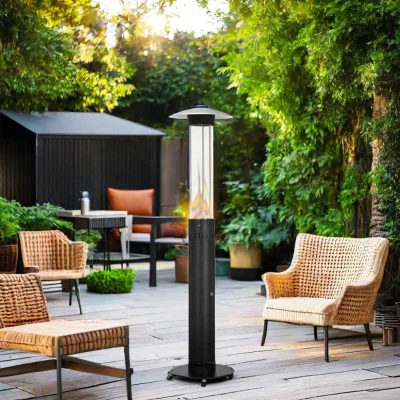
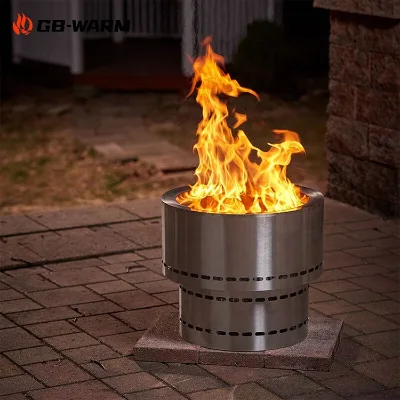
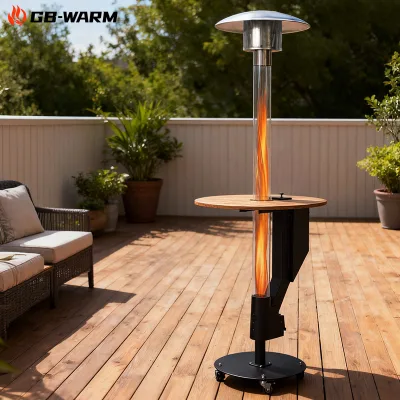
New Design Outdoor Pellet Torch With Round Table Moveable Pellet Heater
$128.5153 - $149.0785
MOQ: 50 pieces
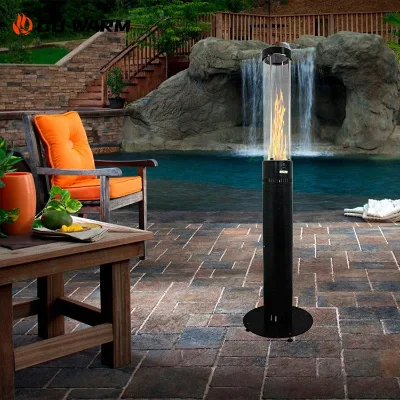
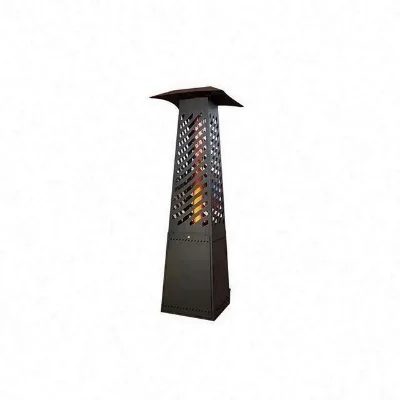
Outdoor Biomass Stove Wood Pellet Patio Heater Pellet Fire Pillar Pellet Firepipe
$173.8285 - $255.629
MOQ: 20 pieces
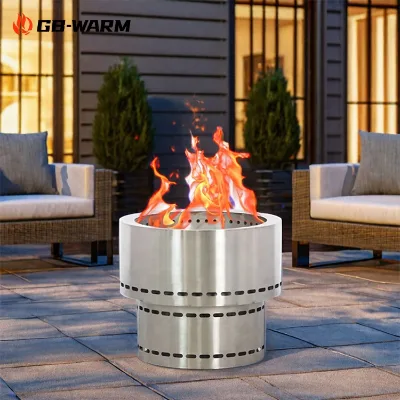
Strength Factory Popular Design Patio Pellet Heater Small and Convenient Outdoor Wood Pellet Heater
$35.985 - $74.0251
MOQ: 100 pieces
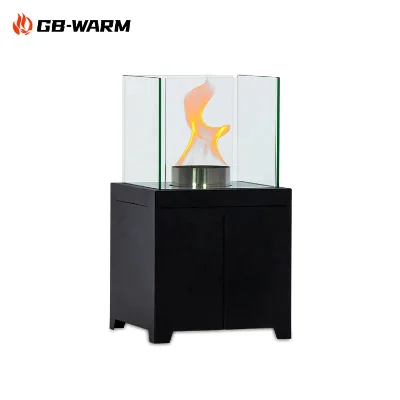
High Quality Wood Pellet Burning Heater Wood Pellet Straw Pellet Heating Stove for Sale
$37.8333 - $51.1264
MOQ: 100 pieces

Foshan Tanfly Furniture Co., Ltd.
- Verified by BV
- Manufacturer/Factory
- China Guangdong
- Lead time23 days
- Avg. response≤ 8h
Main productsSwing Chair, Patio Furniture, Outdoor Furniture, Garden Furniture, Outdoor Sofa, Pergola, Sun Lounger, Fire Pit Table, Dining Table, Rattan Chair
Main marketsEastern Europe,Mid East,North America,Eastern Asia,Western Europe


Outdoor Patio Wood Pellet Fireplace Garden Wood Burning Stove Smokeless Wood Heater Portable
$16.99 - $54.80
MOQ: 500 Sets

Qingdao Xingfu Energy Equipment Co., Ltd.
- Verified by SGS
- Manufacturer/Factory,Group Corporation
- China Shandong
- Lead time23 days
- Avg. response≤ 3h
Main productsBiomass Steam Generator, Biomass Steam Boiler, Oil Gas Fired Steam Boiler, Coal Fired Steam Boiler, Waste Heat Recovery Boiler, Biomass Burners, Waste Tyre Pyrolysis System, Waste Oil Distillation System, Thermal Oil Boiler, Electric Steam Boiler
Main marketsSouth America,Eastern Europe,Mid East,North America,Southeast Asia,Eastern Asia,Oceania,Western Europe,Africa


Outdoor Use Portable Energy Saving Wood Pellet Burning Stove Fireplace
$495.00 - $545.00
MOQ: 1 Pieces

Shengzhou Huimei International Trade Co., Ltd.
- Verified by TUVRHEINLAND
- Combined
- China Zhejiang
- Lead time30 days
- Avg. response≤ 5h
Main productsWood Stove, Charcoal Stove, Pellet Stove
Main marketsAfrica,Southeast Asia/ Mideast,North America


Modern Design Biomass Natural Pellet Stove Cast Iron Wood-Fueled Heater for Indoor and Outdoor Use
$26.80 - $29.80
MOQ: 1 pieces
Hejian Ouxing Glass Products Co., Ltd.
- Manufacturer, Trading Company
- Hebei, China
- Lead time7 days
- Avg. response≤ 3h
Main productsGlass tube,Glass jar,Double glass,The glass cover,Glass pipe
Main marketsWestern Europe(10.00%), Africa(10.00%), Southeast Asia(10.00%), Eastern Europe(10.00%), South America(10.00%), North America(10.00%), Domestic Market(5.00%), South Asia(5.00%), Southern Europe(5.00%), Northern Europe(5.00%), Central America(5.00%), Oceania(5.00%), Eastern Asia(5.00%), Mid East(5.00%)
CHANGZHOU JIANING HEATERS LTD.
- Verified by Intertek
- Manufacturer, Trading Company
- Lead time45 days
- Avg. response≤ 3h
Main productsGlass Tube Patio Heater, Humidify Patio Gas Heater, Mushroom Patio Gas Heater, New Portable Fireplace, Patio Heater
Main marketsNorth America(40%), Domestic Market(20%), South America(16%)

Yongkang Qiaochen Hardware Products Co., Ltd.
- Manufacturer/Factory
- China Zhejiang
- Lead time0 days
- Avg. response≤ 3h
Main productsWood Stove, Wood Burning Stove, Pellet Stove, Granulated Fireplace, Sheet Metal, Barbecue Grill, Machine Casing

Outdoor Pellet Heater Non-Electric Energy Saving Type for Green Backyard Heating Solution
$56.00 - $68.00
MOQ: 50 Pieces

Pellet Patio Heater 3.8kgs Large Hopper Capacity High Efficiency Wood Pellet Burning Heater
$56.00 - $68.00
MOQ: 50 Pieces

Pellet Patio Heater High Efficiency Outdoor Heating Hotel Terrace Wholesale Export
$59.00 - $66.00
MOQ: 50 Pieces

Wood Pellet Patio Heater Freestanding Stove Type Efficient Heating for Courtyard Daily Use
$56.00 - $68.00
MOQ: 50 Pieces

Wood Pellet Patio Heater SGS & CE Approved Safe Heating Warmer for Residential Backyard
$56.00 - $68.00
MOQ: 50 Pieces
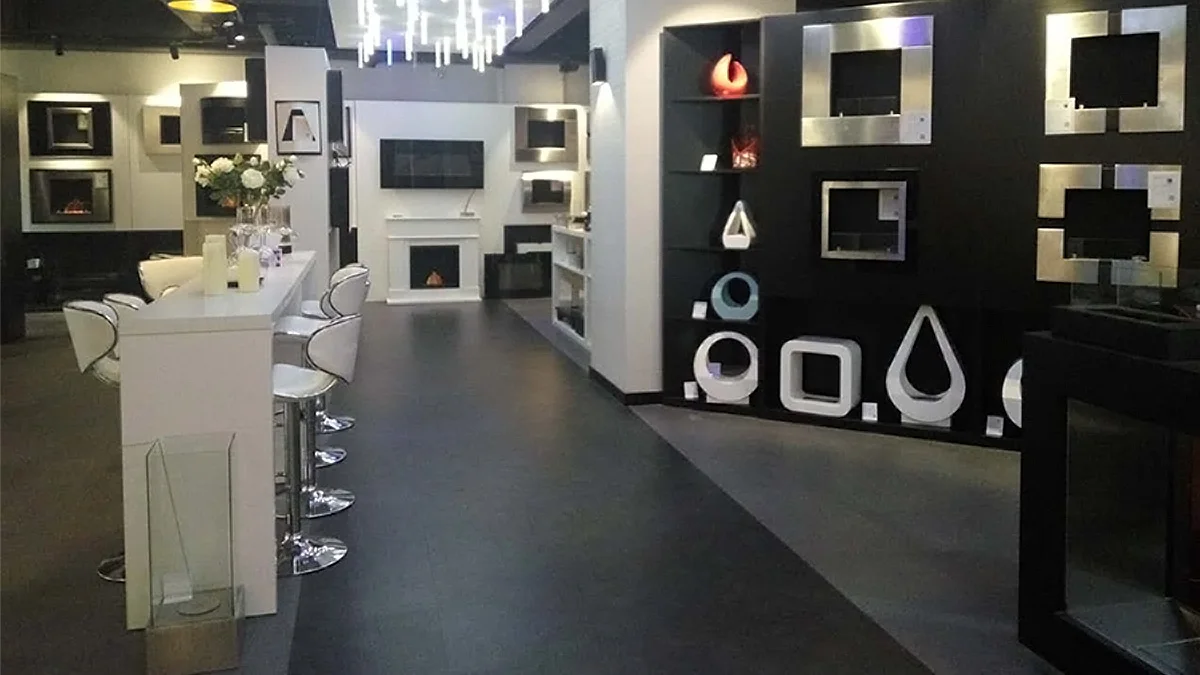
Guangzhou EOS Home Decor Co., Ltd.
- Manufacturer, Trading Company
- Guangdong, China
- Lead time40 days
- Avg. response≤ 7h
Main productsGAS FIRE PIT,GAS FIREPLACE,ETHANOL FIREPLACE,OUTDOOR FIRE PIT
Main marketsSouthern Europe(12.50%), Northern Europe(12.50%), Central America(12.50%), Western Europe(12.50%), Oceania(12.50%), Eastern Europe(12.50%), South America(12.50%), North America(12.50%)
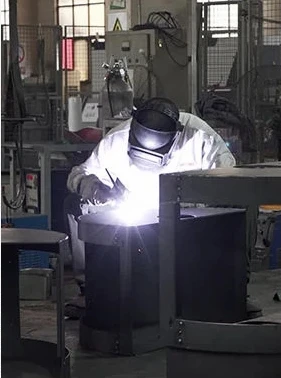
Jiangsu Maisen Outdoor Products Co., Ltd.
- Manufacturer, Trading Company
- Jiangsu, China
- Lead time45 days
- Avg. response≤ 6h
Main productspatio heater,fire pit,outdoor kitchen,bbq,fireplace
Main marketsNorth America(70.00%), Mid East(10.00%), Northern Europe(5.00%), South America(5.00%), Africa(5.00%), Eastern Europe(5.00%)

Huzhou Huli Technology Co., Ltd.
- Trading Company
- Zhejiang, China
- Lead time15 days
- Avg. response≤ 11h
Main productsTabletop Fire Pit, Outdoor Fire Pit, Bathroom Supplies, Concrete Furniture, Modern Handicraft
Main marketsNorth America(30.00%), South America(25.00%), Eastern Europe(10.00%), Western Europe(5.00%), Southern Europe(5.00%), Eastern Asia(5.00%), Central America(5.00%), Northern Europe(5.00%), Mid East(5.00%), Southeast Asia(5.00%)
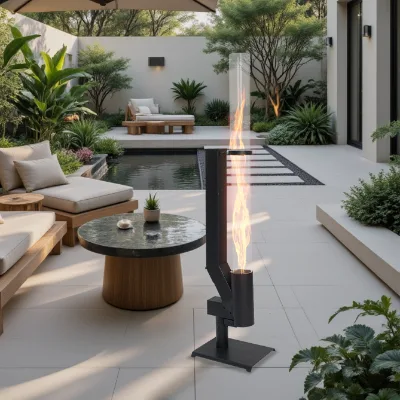
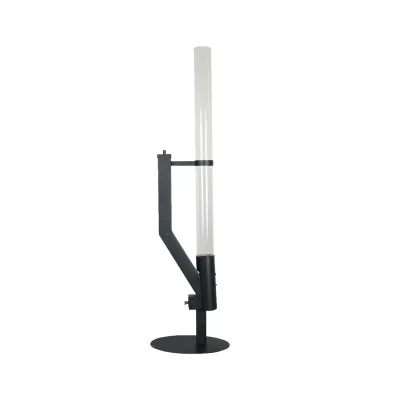
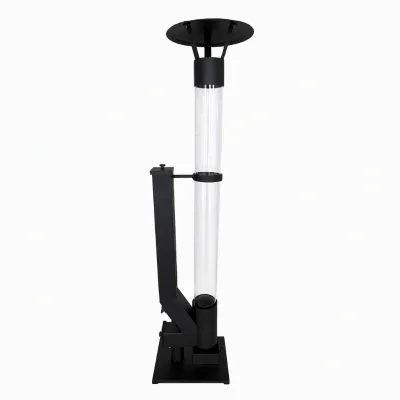
$38.00 - $59.00
MOQ: 10 pieces
Zhejiang Zobo Technology Co., Ltd.
- Verified by TüVRheinland
- Manufacturer, Trading Company
- Lead time25 days
- Avg. response≤ 3h
Main productsHeater
Main marketsDomestic Market(32%), Western Europe(15%), Eastern Europe(10%)
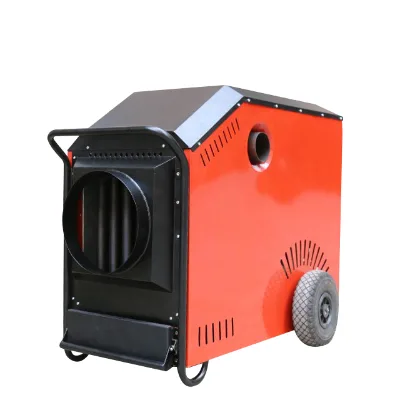
Hot Selling Wood Pellet Heater Made in China with Chimney Design
$1522.6602 - $1728.4249
MOQ: 1 pieces
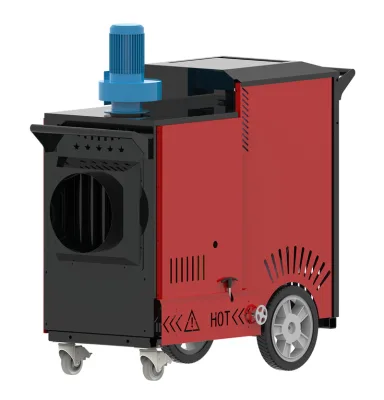
ZOBO Wood Pellet Heater High Quality Patented High Productivity with Automatic Function
$1522.6602 - $1728.4249
MOQ: 1 pieces
Changzhou Jinmeida Outdoor Products Co., Ltd.
- Manufacturer
- Jiangsu, China
- Lead time50 days
- Avg. response≤ 6h
Main productsbbq grill,fire pit,wood pellet grill,smokeless fire pit,plancha grill
Main marketsWestern Europe(50.00%), Southern Europe(10.00%), Northern Europe(10.00%), North America(10.00%), Eastern Europe(10.00%), South America(10.00%)
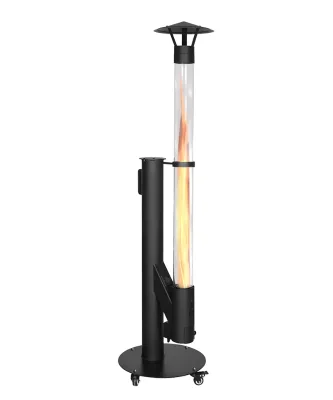
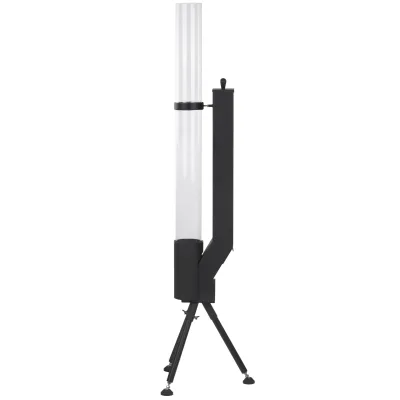
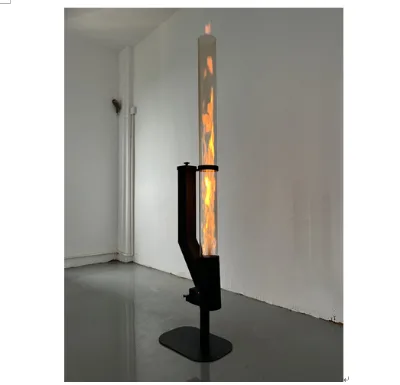
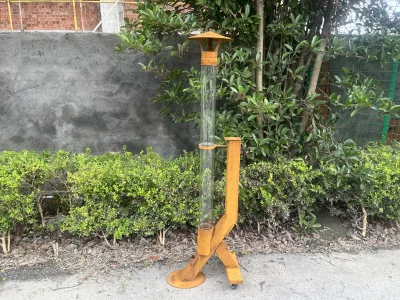
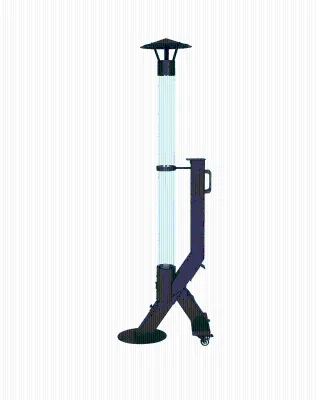
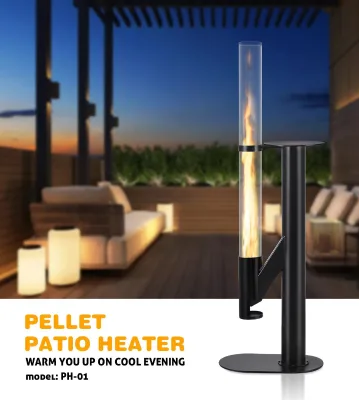
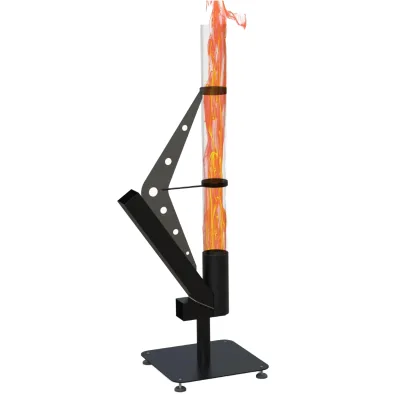
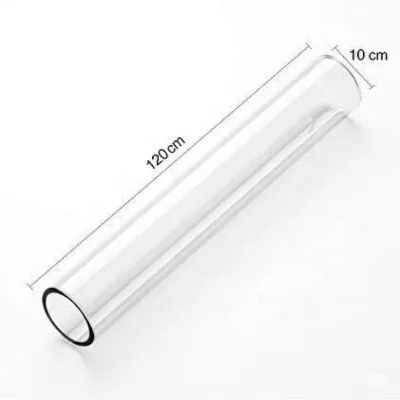
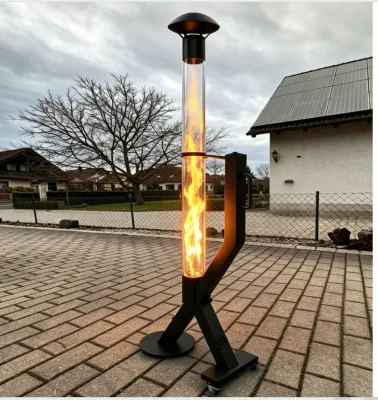
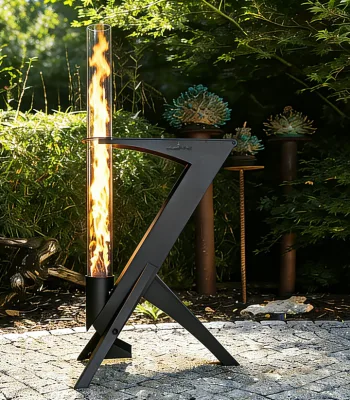
Outdoor Wood Pellet Heater Patio Heaters Wood Pellet Fireplace Stove with Torch Kit Fire Glass Tube
$26.00 - $40.00
MOQ: 2 pieces

HENAN TAIGUO BOILER PRODUCTS CO., LTD.
- Verified by SGS
- Combined
- China Henan
- Lead time23 days
- Avg. response≤ 2h
Main productsBoiler, Steam Boiler, Oil Boiler, Gas Boiler, Coal Boiler, Wood Autoclave, Autoclave Aerated Concrete, Hot Water Boiler, Hot Air Furnace, Biomass Boiler
Main marketsOthers(foreignTradeCapacity.exportBusinessCapacityMarketOther),Europe,North America


Wood Burning Stoves with Boiler Air Preheater and Pellet Stove Boiler
$6000.00 - $15000.00
MOQ: 1 Sets


Laizhou Chengda Machinery Co., Ltd.
- Verified by BV
- Trading Company,Manufacturer/Factory
- China Shandong
- Lead time23 days
- Avg. response≤ 4h
Main productsPellet Machine, Pellet Mill, Pellet Press, Pellet Making Machine, Pelletizer, Wood Pellet Press, Wood Pellet Machine, Hammer Mill, Wood Chipper, Belt Conveyor
Main marketsSouth America,Eastern Europe,Mid East,North America,Southeast Asia,Eastern Asia,Oceania,Western Europe,Africa

100 Square Meter Floor Heating System Wood Pellet Stove Heating in Winter
$399.00 - $999.00
MOQ: 10 Sets

Ningbo Innopower Hengda Metal Products Co., Ltd.
- Manufacturer
- Lead time旺季: "1 - 1000":30,"> 1000":"To be negotiated", 淡季: "1 - 1000":30,"> 1000":"To be negotiated"
- Avg. response≤ 8h
Main productsgas heater,patio heater,gas bbq,gas fireplace,pellet heater
Ningbo Innopower Hengda Metal Products Co., Ltd.
- Manufacturer, Trading Company
- Zhejiang, China
- Lead time30 days
- Avg. response≤ 4h
Main productsPatio heater,Gas heater,Gas BBQ Grill,pellet stove,gas fire pit
Main marketsWestern Europe(37.00%), North America(29.00%), Oceania(8.00%), Eastern Europe(6.00%), Northern Europe(6.00%), Domestic Market(5.00%), Southern Europe(3.00%), Mid East(3.00%), Africa(2.00%), South America(1.00%)
Hangzhou Yijie Industrial Co.,ltd
- Verified by TüVRheinland
- Manufacturer, Trading Company
- Lead time15 days
- Avg. response≤ 1h
Main productsStove Fans, Pellet Patio Heaters, Bioethanol Fireplace, Auto Repair Tools
Main marketsWestern Europe(60%), North America(15%), Eastern Asia(10%)
Zhongshan Jieyi Outdoor Products Sales Store
- Manufacturer, Trading Company
- Guangdong, China
- Lead time30 days
- Avg. response≤ 3h
Main productsHousehold products,Outdoor products,Customized products
Main marketsNorth America(80.00%), Eastern Europe(20.00%)



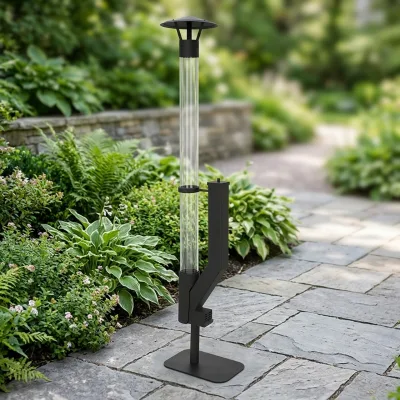
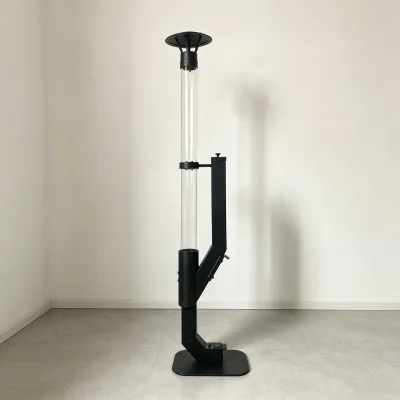
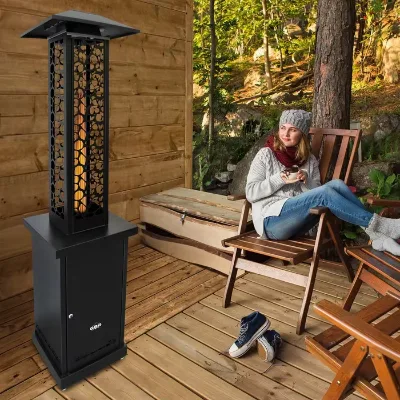
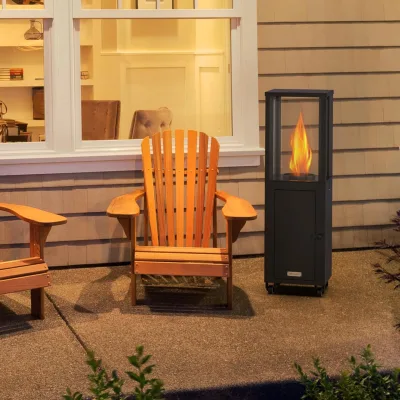
Comprehensive Sourcing Guide
12V Outdoor Wood Pellet Heater Supplier Concentration and Factory Types
The current supplier landscape for outdoor heating solutions reveals a distinct concentration of manufacturing activity within China, specifically in the Guangdong region. This geographic clustering suggests a mature supply chain ecosystem where component sourcing, assembly, and logistics are optimized for efficiency. Buyers evaluating potential partners should recognize that this regional focus often correlates with established industrial infrastructure, which can facilitate faster production cycles and more reliable quality control measures. However, it is crucial to note that the specific keyword "12V" does not appear in the provided product evidence, which predominantly features wood pellet heaters that are freestanding, outdoor, and often manual or electric-assisted without explicit voltage specifications. Therefore, while the location data is concrete, the technical alignment of the "12V" requirement must be verified directly with suppliers to ensure compatibility with the available inventory.
Supplier types in this sector vary significantly, ranging from direct manufacturers to trading companies, each offering different value propositions. The observed data indicates the presence of both Manufacturer/Factory entities and Trading Companies, with manufacturers typically offering OEM and ODM capabilities alongside their own brand products. Trading companies, on the other hand, may provide broader product assortments, such as steel fire pits, planters, and screens, alongside pellet heaters, catering to buyers seeking diversified outdoor furniture and heating solutions. This diversity allows buyers to choose partners based on their specific needs, whether they require deep customization and direct factory access or a wider catalog with simplified procurement processes. Understanding these structural differences is essential for aligning supplier capabilities with project requirements, particularly when considering the scale of production and the level of technical support needed.
How to Verify 12V Outdoor Wood Pellet Heater Suppliers
Verification of supplier credentials is a critical step in mitigating risk, especially when dealing with specialized heating equipment. Buyers should prioritize suppliers who hold recognized system certifications, such as ISO 9001, ISO 14001, and BSCI, which indicate adherence to international standards for quality management and environmental responsibility. The presence of these certifications suggests a structured approach to production and ethical labor practices, which are vital for long-term supply chain stability. Additionally, third-party verification services like Intertek provide an independent layer of assurance regarding product quality and supplier legitimacy. Buyers are advised to request current certification documents and verify their validity through the issuing bodies, ensuring that the claims made by the supplier are substantiated by objective evidence rather than self-reported assertions.
Beyond certifications, assessing the supplier's response time and verification status offers insight into their operational efficiency and reliability. Data indicates that response times can vary, with some suppliers demonstrating rapid engagement metrics, such as a response time of 1, while others may have longer average response periods. A quick response time often correlates with a dedicated customer service team and efficient internal communication channels, which are beneficial for resolving technical queries or negotiating terms. Furthermore, buyers should inquire about the supplier's establishment year and track record, as longer-standing companies may have more refined processes and a proven history of fulfilling orders. It is also important to verify if the supplier offers escrow services or other secure payment methods, which provide financial protection and ensure that funds are only released upon satisfactory delivery of goods.
What to Compare Across 12V Outdoor Wood Pellet Heater Suppliers
When evaluating multiple suppliers, comparing key operational metrics such as lead time, minimum order quantity (MOQ), and pricing is essential for making an informed decision. The observed data shows a range of lead times, with some suppliers offering a 30-day turnaround while others require up to 45 days. This variation can significantly impact inventory planning and market launch schedules, so buyers must align their order timelines with the supplier's production capacity. Similarly, MOQs vary considerably, with some suppliers requiring a minimum of 80 units, while others may accept orders as low as 2 pieces or even 1 piece for certain models. Understanding these thresholds helps buyers determine the feasibility of small-batch testing versus large-scale production runs, allowing for more flexible procurement strategies based on market demand and risk tolerance.
Pricing and customization options are also critical factors in supplier comparison. The price range for outdoor wood pellet heaters observed in the data spans from approximately $110 to $200 per unit, depending on the model, materials, and features. Buyers should request detailed quotations that break down costs, including manufacturing, packaging, and shipping, to ensure transparency and avoid hidden fees. Additionally, the availability of customization services, such as OEM/ODM capabilities or graphic processing, can be a decisive factor for brands looking to differentiate their products. Suppliers offering flexible customization options, such as logo printing or design modifications, can add significant value to the buyer's brand identity. It is advisable to compare these attributes across multiple suppliers to identify the best balance of cost, quality, and service tailored to specific business needs.
Common 12V Outdoor Wood Pellet Heater Sourcing Risks
One of the primary risks in sourcing outdoor heating equipment is the potential mismatch between product specifications and buyer expectations, particularly regarding technical details like voltage and ignition systems. The provided product evidence highlights various features such as manual ignition, wood pellet fuel, and freestanding installation, but does not explicitly confirm the presence of 12V electrical systems. This discrepancy poses a risk if buyers assume all listed heaters are compatible with 12V power sources without direct verification. Miscommunication on technical specifications can lead to product incompatibility, increased return rates, and customer dissatisfaction. To mitigate this risk, buyers must conduct thorough technical due diligence, requesting detailed product datasheets and confirming all electrical requirements with the supplier before placing orders.
Another significant risk involves the reliability of after-sales service and warranty provisions. The data indicates that some suppliers offer online technical support and a one-year warranty, which are positive indicators of post-purchase commitment. However, the effectiveness of these services can vary widely, and buyers must assess the supplier's capacity to handle repairs, replacements, or technical inquiries efficiently. Inadequate after-sales support can result in prolonged downtime for end-users and damage to the buyer's brand reputation. Additionally, buyers should be cautious of suppliers with limited supply abilities, such as those offering only 1000 pieces per month, which may not meet the demands of large-scale commercial projects. Ensuring that the supplier has robust logistical and support infrastructure is crucial for maintaining consistent product availability and customer satisfaction.
12V Outdoor Wood Pellet Heater Regional Sourcing and Logistics
Sourcing from the Guangdong region in China offers logistical advantages due to its proximity to major ports and established shipping routes. This geographic location facilitates efficient export processes, reducing transit times and potentially lowering freight costs for international buyers. However, buyers must also consider the specific origin of the products, as some items may be manufactured in other regions, such as Henan, before being consolidated for export. This complexity can impact lead times and shipping documentation, requiring careful coordination with the supplier to ensure accurate tracking and timely delivery. Understanding the supply chain dynamics, including the movement of raw materials and finished goods, helps buyers anticipate potential bottlenecks and plan their logistics strategies accordingly.
Packaging and handling requirements are also critical aspects of regional sourcing that affect product integrity and shipping efficiency. The observed data indicates that products are typically packed in carton boxes or single-piece cartons, with specific dimensions and weights provided for logistics planning. For instance, some heaters have a single gross weight of 32.0 kg, while others are lighter at 15.0 kg, which influences container loading and freight calculations. Buyers should verify packaging standards to ensure that products are protected against damage during transit, especially for outdoor equipment that may be exposed to harsh conditions. Additionally, discussing packaging customization options with the supplier can help optimize space utilization and reduce shipping costs, while also ensuring that the final product presentation aligns with brand standards.
12V Outdoor Wood Pellet Heater Commercial Terms and Order Planning
Establishing clear commercial terms is fundamental to a successful sourcing relationship, particularly when dealing with international transactions. Buyers should negotiate payment terms that balance risk and cash flow, such as using secure payment methods or escrow services to protect both parties. It is also important to define the scope of customization, including any additional costs for OEM/ODM services, graphic processing, or light customization options. Suppliers offering these services provide flexibility for brand differentiation, but buyers must ensure that the customization process is well-documented and agreed upon in advance to avoid disputes. Clear communication regarding design specifications, material choices, and quality standards is essential to ensure that the final product meets the buyer's expectations and regulatory requirements.
Order planning and inventory management are crucial for maintaining a steady supply of outdoor heating products, especially given the seasonal nature of the market. Buyers should work closely with suppliers to forecast demand and schedule production runs, taking into account lead times and MOQs. For suppliers with longer lead times of 45 days, early planning is necessary to avoid stockouts during peak seasons. Conversely, suppliers with shorter lead times of 30 days or lower MOQs may offer more flexibility for reactive ordering. Additionally, buyers should consider the supplier's supply ability, such as the capacity to produce 1000 pieces per month, to ensure that they can meet large orders without compromising quality or delivery schedules. Effective collaboration on order planning helps build a resilient supply chain capable of adapting to market fluctuations.
FAQs
What is the price range for outdoor wood pellet heaters?
Prices typically range from $110 to $200 per unit depending on the model and customization options. Buyers can find freestanding patio heaters starting around $110 with a minimum order of 80 pieces. Higher-end steel models with glass tubes may cost between $140 and $200, often requiring lower minimum orders of just two units for sample processing.
What certifications do these manufacturers hold?
Manufacturers in Guangdong often hold ISO 9001, ISO 14001, and BSCI certifications for quality and environmental management. Trading companies may verify products through Intertek and comply with 2001/95/EC standards. Buyers should verify specific system certifications and verification statuses directly with suppliers to ensure compliance with international safety and quality requirements.
What is the typical lead time for production?
Production lead times generally range from 30 to 45 days after order confirmation. Manufacturers typically require 45 days for standard orders, while trading companies may offer faster turnaround times of 30 days. Buyers should confirm exact delivery schedules with suppliers, as lead times can vary based on order volume and customization requirements.
What is the minimum order quantity for these heaters?
Minimum order quantities vary significantly by supplier type. Manufacturers often require a minimum of 80 pieces for standard models. Trading companies and suppliers offering sample processing may accept minimum orders as low as two pieces or even one piece for stocked items. Buyers should check specific product listings for exact MOQ requirements.
Where are these suppliers located?
Most manufacturers are located in Guangdong, China, specializing in outdoor heating solutions. Some suppliers originate from Ningbo or Henan, China. Buyers should verify the specific place of origin for each product, as locations like Henan may indicate different manufacturing capabilities compared to Guangdong-based factories.
What fuel types do these heaters use?
These outdoor heaters primarily use wood pellets or biomass pellets as fuel. Some models are designed for wood burning, while others specifically target pellet fuel for efficient combustion. Buyers should verify the specific fuel type required for each model, as some heaters may support multiple fuel sources for versatility in outdoor settings.