Latex Coated Soccer Goalkeeper Gloves Suppliers and Manufacturers
Compare 26 verified suppliers of Latex Coated Soccer Goalkeeper Gloves by location, lead time, and response time. Review product certifications like BSCI and ISO 9001, then request quotes for specific models such as VC-SGG204-T or SGG207-M; review the available evidence before requesting comparable quotations from suitable candidates.
Updated
Suppliers List

Ningbo Victeam Sporting Goods Co., Ltd.
- Verified by BV
- Trading Company
- China Zhejiang
- Lead time30 days
- Avg. response≤ 9h
Main productsLeather Soccer Ball, Official Soccer Ball, Custom Soccer Ball, Laminated Soccer Ball, Machine Stitched Soccer Ball, Leather Basketball, Custom Basketball Ball, Volleyball, Basketball, Others
Main marketsSouth America,Africa,Southeast Asia/ Mideast,Europe,Australia,North America
Hebei Fitop Technology Co., Ltd.
- Verified by TüVRheinland
- Trading Company
- Lead time45 days
- Avg. response≤ 2h
Main productsDiagnostic Tools, Tire Repair Tools, Vehicle Tools, Car Jacks, Auto Tools
Main marketsNorth America(50%), Eastern Europe(15%), Mid East(10%)
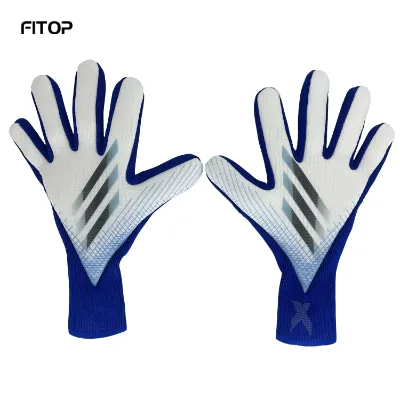
Black Goalkeeper Gloves Latex Foam Keeper Soccer Football Gloves Goalkeeper
$11.3534 - $15.3782
MOQ: 20 sets

Yiwu Sifan Import & Export Co., Ltd.
- Verified by BV
- Trading Company
- China Zhejiang
- Lead time30 days
- Avg. response≤ 9h
Main productsSoccer Ball Football PU Ball, Football PVC Football PU Football, Promotional Football Cheap Sosccer Ball, Soccer Jersey T-Shirts Football Jersey, Volleyball Rubber Ball Rubber Volleyball, Football Jersey Soccer Jersey Tshirts, Sports Goods Sporting Goods, T-Shirts Soccer T-Shirts Football T-Shirts, Soccer Uniform Football Uniform, Basketball Rubber Ball Rubber Basketball
Main marketsEurope,North America

Nantong Get-Fit Sports Co., Ltd.
- Verified by TUVRHEINLAND
- Combined
- China Jiangsu
- Lead time30 days
- Avg. response≤ 3h
Main productsDumbbell, Weight Plate, Barbell, Gym Machine, Maquinas De Gimnasio, Pilates Reformer, Kettlebell, Gym Equipment, Fitness Equipment, Gym
Main marketsSouth America,Southeast Asia/ Mideast,East Asia(Japan/ South Korea),Europe,Australia,North America

Durable Latex Kids Goalkeeper Gloves with Finger Protection for Soccer Training
$3.20 - $3.60
MOQ: 100 pairs

Thickened Latex Soccer Goalkeeper Gloves for Adult and Kids Match Training
$4.50 - $4.90
MOQ: 100 pairs

Custom Latex Professional Goalkeeper Gloves Soccer Goalie Gloves for Finger Protection
$9.00 - $11.50
MOQ: 100 Pairs


Telamon Sports Goods (Shanghai) Co., Ltd.
- Verified by BV
- Trading Company
- China Shanghai
- Lead time15 days
- Avg. response≤ 11h
Main marketsNorth America

Professional Latex Football Protective Finger Breathable Soccer Goalkeeper Gloves
$3.50 - $15.00
MOQ: 500 Pairs

Size 9 Football Protective Finger Breathable Soccer Goalkeeper Gloves with CE
$3.50 - $15.00
MOQ: 500 Pairs


Premium Non-Slip Breathable Durable Sports Training PU Soccer Goalkeeper Gloves with CE
$3.50 - $15.00
MOQ: 500 Pairs

OEM Non-Slip Breathable Durable Soccer Training Goalkeeper Gloves CE Approved
$3.50 - $15.00
MOQ: 500 Pairs
Shijiazhuang Youqihui Import And Export Trading Co., Ltd.
- Verified by SGS Group
- Trading Company
- Lead time7 days
- Avg. response≤ 1h
Main productsLumbar Support Belt, Knee Brace
Main marketsNorth America(40%), Eastern Asia(15%), Oceania(15%)
Nantong Cloudoo Sports Goods Co., Ltd.
- Trading Company
- Jiangsu, China
- Lead time35 days
- Avg. response≤ 4h
Main productsdumbbell,weight plate,yoga mat,roller,racks
Main marketsSouth Asia(30.00%), South America(20.00%), Mid East(10.00%)

Xingtai Dalaran Sports Products Factory
- Combined
- China Hebei
- Lead time23 days
- Avg. response≤ 2h
Main productsGraphite Gasket; Airbag Cover
Main marketsSouth America,Southeast Asia/ Mideast,North America


Football Silicone Glove with Enhanced Grip Boost for Professional Players
$2.30 - $2.50
MOQ: 100 Pieces
Hebei Kang Sheng Yuan Sports Goods Co., Ltd.
- Verified by SGS Group
- Manufacturer, Trading Company
- Lead time5 days
- Avg. response≤ 3h
Main productsWaist Support; Back Posture Corrector; Knee Brace; Body Shaper Corset; Hip Resistance Bands
Main marketsNorth America(30%), Domestic Market(30%), Western Europe(15%)
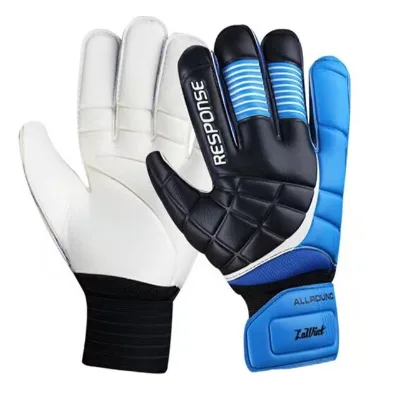
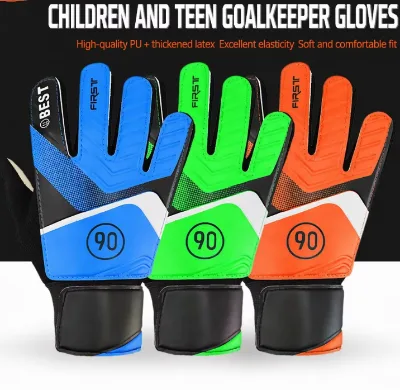
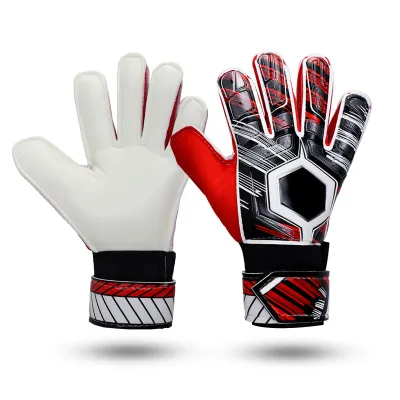
$5.299 - $5.9166
MOQ: 2 Minimum
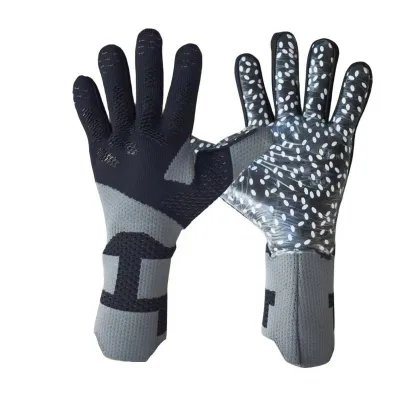
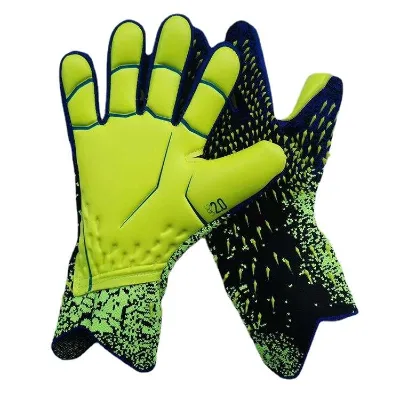
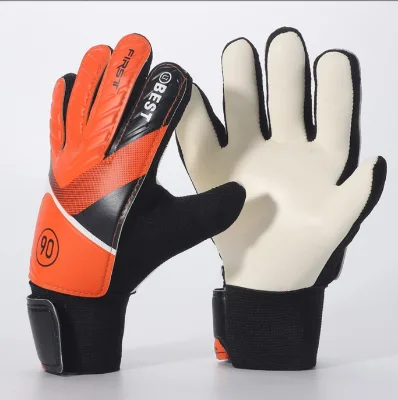
$3.2933 - $3.7865
MOQ: 2 pairs
Hebei Chongfeng Technology Co., Ltd.
- Verified by SGS Group
- Trading Company
- Lead time7 days
- Avg. response≤ 3h
Main productsPosture Corrector, Waist Support Belt, Knee Brace, Maternity Belt, Ankle Brace
Main marketsNorth America(25%), Western Europe(20%), Eastern Europe(13%)
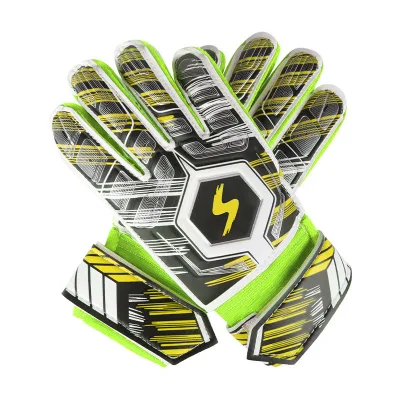
$4.0338 - $5.6587
MOQ: 100 pairs
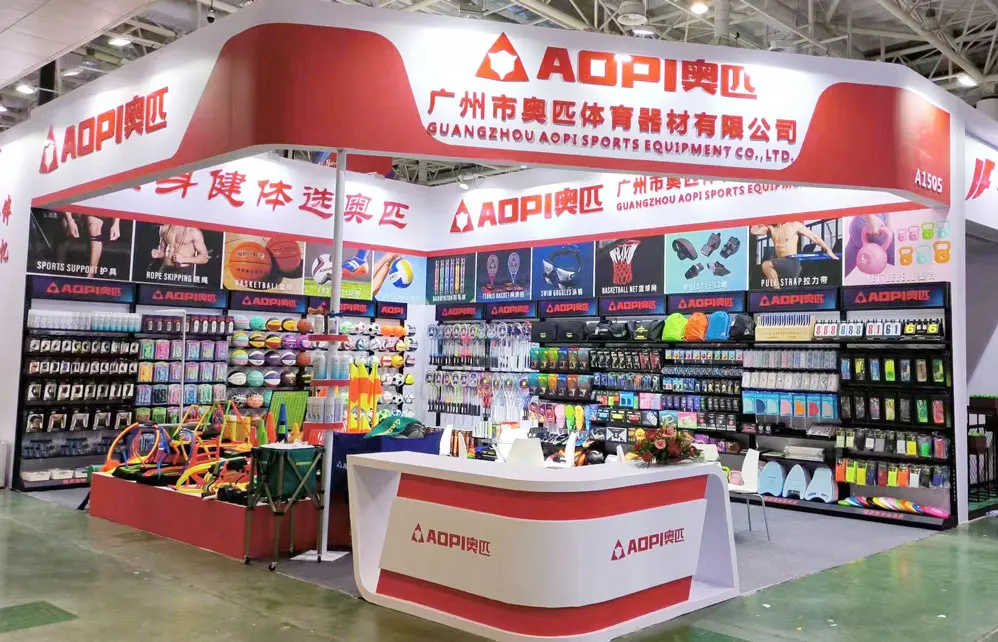
Guangzhou Aopi Sports Equipment Co., Ltd.
- Trading Company
- Guangdong, China
- Lead time20 days
- Avg. response≤ 4h
Main productsFootball, Basketball, Badminton, Fitness Equipment, Sports Protective Gear
Main marketsNorth America(30.00%), Oceania(30.00%), Western Europe(5.00%), Southern Europe(5.00%), Northern Europe(5.00%), Eastern Europe(5.00%), South America(3.00%), Central America(3.00%), Africa(3.00%), Mid East(3.00%), Southeast Asia(3.00%), South Asia(2.00%), Eastern Asia(2.00%), Domestic Market(1.00%)
Nanjing Allshing Trade Company Limited
- Verified by TüVRheinland
- Trading Company
- Lead time25 days
- Avg. response≤ 6h
Main productsFootball Soccer Training Articles, Outdoor Products
Main marketsNorth America(50%), Africa(8%), Mid East(8%)
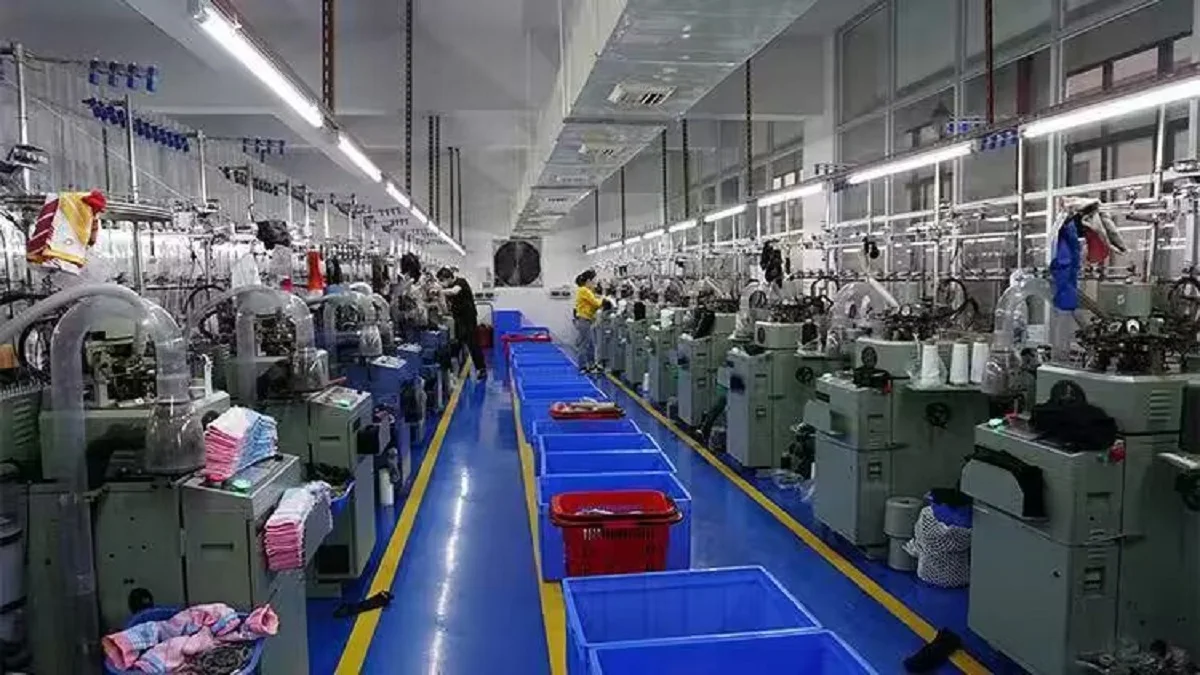
Guangzhou Lingpaoxing Hosiery Co., Ltd.
- Manufacturer, Trading Company, Distributor/Wholesaler
- Guangdong, China
- Lead time15 days
- Avg. response≤ 8h
Main productsHosiery,Sport socks,Football socks,Sport ware,Football clothing
Main marketsSoutheast Asia(15.00%), Mid East(10.00%), Domestic Market(10.00%), Africa(10.00%), North America(8.00%), Eastern Europe(8.00%), South America(8.00%), South Asia(5.00%), Oceania(5.00%), Northern Europe(5.00%), Central America(5.00%), Western Europe(5.00%), Eastern Asia(5.00%), Southern Europe(1.00%)
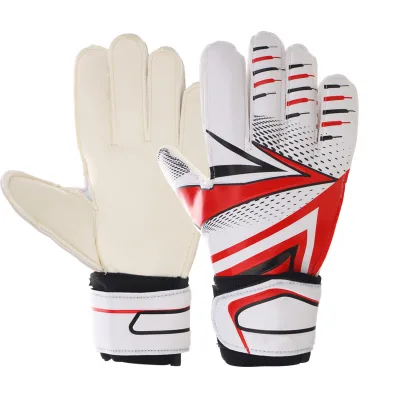
Wholesale Professional Thick Latex Youth Soccer Goalkeeper Gloves for Goalie Rubber Material
$4.92 - $5.85
MOQ: 100 pairs
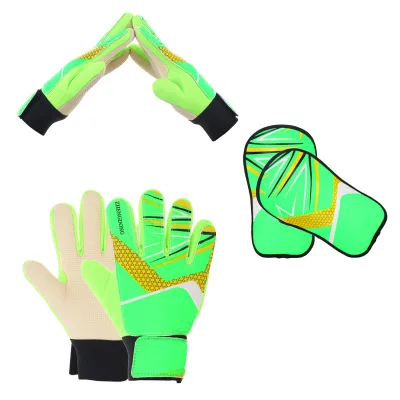
$2.92 - $3.85
MOQ: 100 pairs

Nanjing Allshing Trade Company Limited
- Verified by BV
- Trading Company
- China Jiangsu
- Lead time23 days
- Avg. response≤ 10h
Main productsTraffic Cone, Football Cones, Agility Ladder, Soccer Cone, Agility Hurdle, Agility Training Set, Training Equipment Set, Tactics Board, Scoreboard, Table Tennis Set
Main marketsSouth America,Eastern Europe,Mid East,North America,Southeast Asia,Eastern Asia,Oceania,Western Europe,Africa

Wholesale Soccer Gloves, Goalkeeper Glove, Soccer Gloves, Football Goalkeeper Glove
$12.20 - $13.20
MOQ: 100 Sets


$11.88 - $11.98
MOQ: 100 Pieces

$11.88 - $11.98
MOQ: 100 Pieces

$11.88 - $11.98
MOQ: 100 Pieces

Qingdao Blue Shield Protection Products Co., Ltd.
- Verified by TUVRHEINLAND
- Trading Company
- China Shandong
- Lead time30 days
- Avg. response≤ 7h
Main productsWork Gloves, Impact Resistant Gloves, Cut Resistant Gloves, Mechanic Gloves, Tactical Glove, Leather Gloves, Welding Gloves, Gardening Gloves, Safety Shoes, Baseball Gloves
Main marketsEast Asia(Japan/ South Korea),Europe,North America


Wholesale Professional Latex Strong Grip Anti-Slip Breathable Goalkeeper Gloves for Soccer Training
$7.99 - $9.89
MOQ: 100 Pairs

Customized Latex Goalkeeper Gloves for Optimal Breathability and Performance
$7.99 - $9.89
MOQ: 100 Pairs

Elite Professional Soccer Goalkeeper Gloves for Football with Anti-Slip Grip
$3.99 - $4.99
MOQ: 100 Pairs

Premium Professional Soccer Goalkeeper Gloves for Ultimate Grip and Flexibility
$3.99 - $4.99
MOQ: 100 Pairs

Professional Soccer Goalkeeper Gloves for Football with Enhanced Flexibility
$3.99 - $4.99
MOQ: 100 Pairs
Yiwu Huidong Industrial & Trade Co., Ltd.
- Trading Company
- Lead time旺季: "1 - 500":30,"> 500":"To be negotiated", 淡季: "1 - 500":30,"> 500":"To be negotiated"
- Avg. response≤ 4h
Main productsFootball,Basketball,Volleyball,Badminton,Table tennis

Nantong Genelsleep Home Co., Ltd.
- Manufacturer, Trading Company
- Jiangsu, China
- Lead time20 days
- Avg. response≤ 15h
Main productslatex pillow,latex mattress,latex quilt,latex cooling mattress,latex sheeet
Main marketsAfrica(40.00%), South Asia(23.00%), Mid East(8.00%), Central America(5.00%), South America(5.00%), Northern Europe(5.00%), North America(5.00%), Southeast Asia(5.00%), Eastern Asia(1.00%), Domestic Market(1.00%), Western Europe(0.50%), Eastern Europe(0.50%), Southern Europe(0.50%), Oceania(0.50%)
Wuxi Jstar Sports Products Co., Ltd.
- Trading Company
- Jiangsu, China
- Lead time30 days
- Avg. response≤ 2h
Main productsExercise Band,Weight Lifting,Fitness Training,Sports Safety,Yoga Products
Main marketsNorth America(65.00%), Western Europe(6.00%), South America(5.00%), Eastern Asia(5.00%), Eastern Europe(5.00%), South Asia(3.00%), Oceania(3.00%), Southeast Asia(3.00%), Mid East(3.00%), Northern Europe(2.00%)
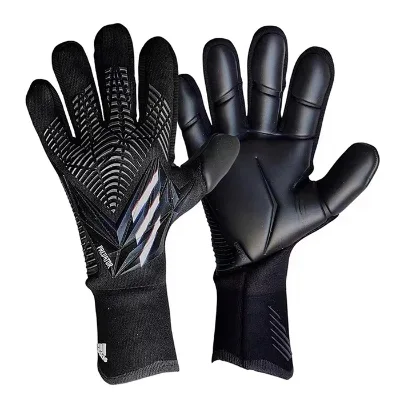
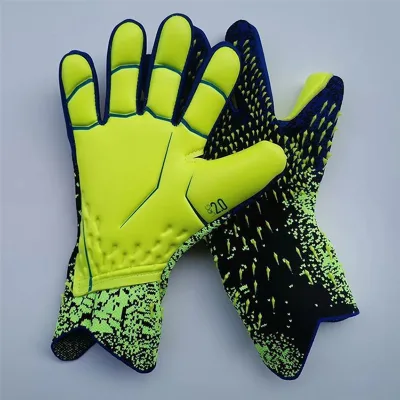
Professional Latex Youth Kids Adults Soccer Goalie Gloves Football Goalkeeper Gloves
$9.88 - $11.03
MOQ: 1 pairs
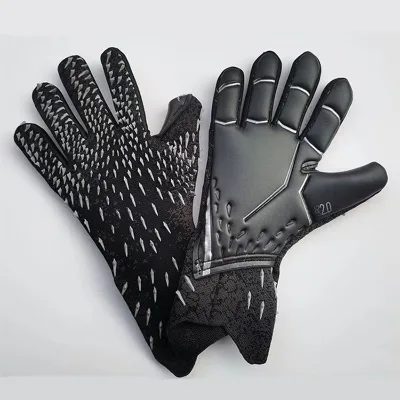
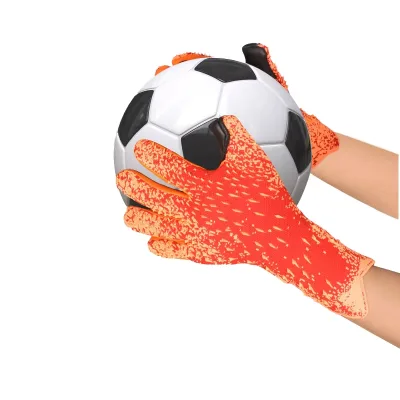
Professional High Quality Sports Gloves Adult Youth Custom Logo Football Soccer Goalkeeper Gloves
$8.56 - $9.56
MOQ: 2 pairs

Guangzhou Sanliansan Sports Goods Co., Ltd.
- Verified by CTI
- Combined
- China Guangdong
- Lead time15 days
- Avg. response≤ 4h
Main productsSportswear, Sport Gloves, Sports Protective Gear, Cap
Main marketsEurope,North America

- Verified by TUVRHEINLAND
- Trading Company,Manufacturer/Factory
- China Jiangsu
- Lead time23 days
- Avg. response≤ 4h
Main productsMedal, Coin, Lapel Pin, PVC Patch, Embroidery Patch, Keychain, Button Badge, Silicone Wristband, Lanyards, Gift
Main marketsSouth America,Eastern Europe,Mid East,North America,Oceania,Western Europe
Yiwu Li Lan Import And Export Co., Ltd.
- Trading Company
- Zhejiang, China
- Lead time15 days
- Avg. response≤ 2h
Main productsSoccer items,yoga items,gym items,Water sports items,Outdoor cycling items
Main marketsNorthern Europe(50.00%), Southern Europe(10.00%), Eastern Europe(10.00%), Western Europe(10.00%), North America(5.00%), Domestic Market(5.00%), Central America(5.00%), South America(3.00%), Southeast Asia(2.00%)
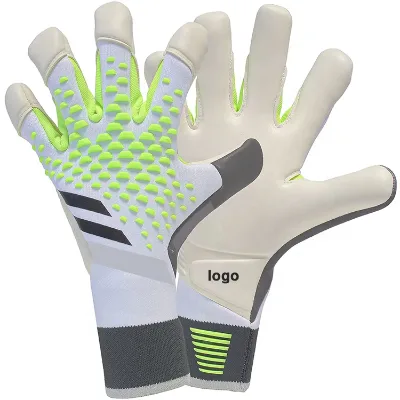
NEW Professional Latex Sports Football Goalkeeper Gloves With Finger Protection Soccer Goalie Gloves
$11.50 - $13.90
MOQ: 20 pairs
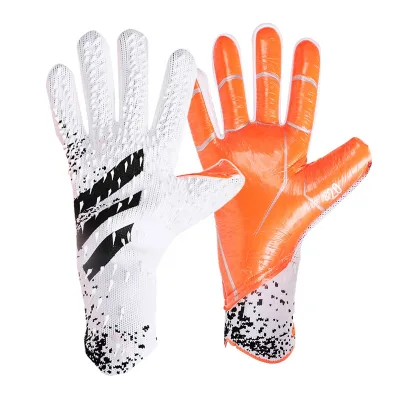
Professional Adult Match Goalie Predator Soccer Gloves Antiskid Football Goalkeeper Gloves
$7.80 - $9.50
MOQ: 50 pairs

FUZHOU SHOO-IN IMP & EXP CO., LTD.
- Verified by SGS
- Trading Company
- China Fujian
- Lead time15 days
- Avg. response≤ 3h
Main productsPadel Ball, Tennis Ball, Hat, Pet Leash, Pickleball, Yoga Mat, Sports Towel
Main marketsEast Asia(Japan/ South Korea),North America


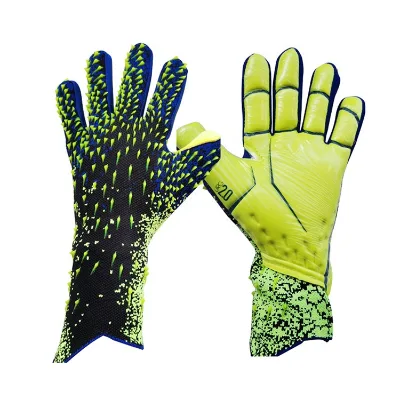
$1.00 - $20.00
MOQ: 1 Pieces

Football Goalkeeper Gloves Adult Anti-Slip Wear Professional Training Sports Protective Gloves
$1.00 - $20.00
MOQ: 1 Pieces

$1.00 - $20.00
MOQ: 1 Pieces

$1.00 - $20.00
MOQ: 1 Pieces

Shijiazhuang Aofeite Imp & Exp Co., Ltd.
- Manufacturer, Trading Company
- Lead time旺季: "1 - 500":31,"> 500":"To be negotiated", 淡季: "1 - 500":31,"> 500":"To be negotiated"
- Avg. response≤ 2h
Main productsKnee Brace, Lumbar Support Belt
Kunzhuo Guanyang (guizhou) International Trade Co., Ltd.
- Verified by TüVRheinland
- Trading Company
- Lead time15 days
- Avg. response≤ 2h
Main productsGo Karts, ATVs, UTVs, Bike, Scooters
Main marketsNorth America(45%), Mid East(15%), Western Europe(15%)
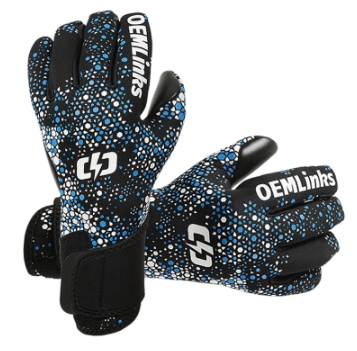
$12.0445 - $14.5148
MOQ: 1 pieces
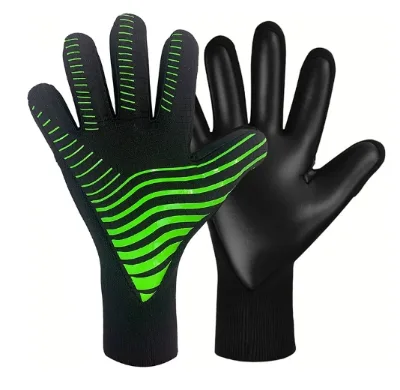
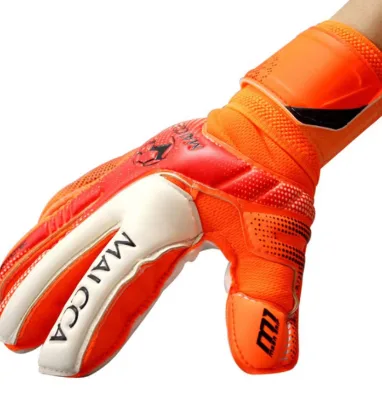
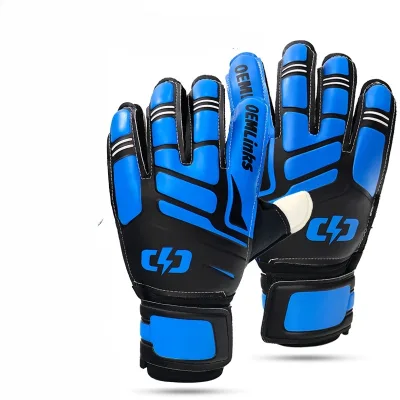
Customizable Adult Durable Soccer Goalkeeper Gloves Latex Nylon Material Soccer Training Gloves
$6.98 - $8.67
MOQ: 1 pieces
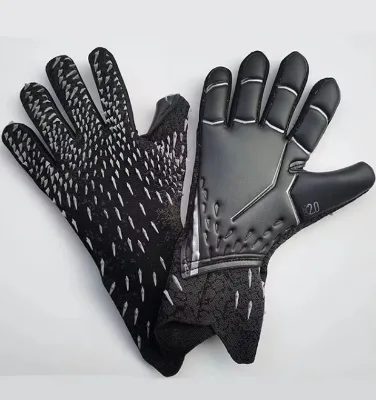
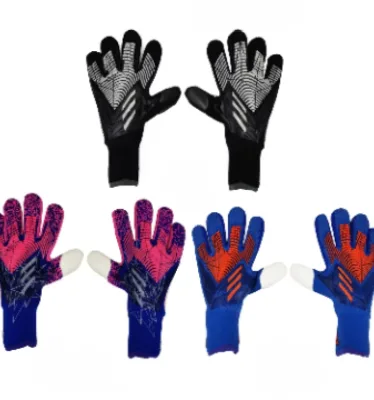
Wholesale Durable Latex Finger Protection Professional Football Gloves Goalkeeper Gloves for Sale
$7.98 - $9.85
MOQ: 5 pairs
Yangzhou Kaiwei Sporting Goods Factory
- Verified by SGS Group
- Manufacturer, Trading Company
- Lead time45 days
- Avg. response≤ 5h
Main productsPadels, Pickleball Paddle, Tennis Rackets, Fitness Supports, Sporting Socks
Main marketsDomestic Market(40%), North America(30%), Southeast Asia(15%)
Hebei Feiao Medical Instrument Co., Ltd.
- Verified by TüVRheinland
- Manufacturer, Trading Company
- Lead time15 days
- Avg. response≤ 4h
Main productsWaist Support, Joints Fixation Brace, Back Support, Cervical Neck Traction, Foot Drop Splint
Main marketsNorth America(60%), Western Europe(30%), Southeast Asia(10%)
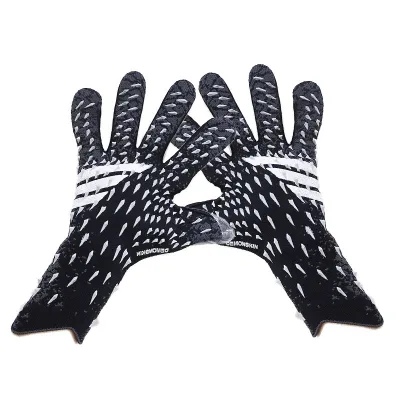
Wholesale goal Goalkeeper-gloves Professional Football Soccer Keeper Goalkeeper Gloves Kids
$13.554 - $16.9417
MOQ: 100 pairs
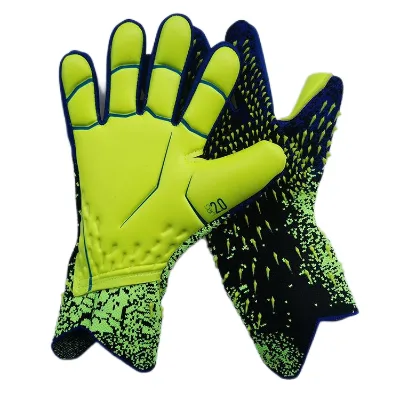
FSPG Football Professional Adult Children's Latex Fingerless Durable Thickened Goalkeeper Gloves
$9.754 - $11.2125
MOQ: 100 pairs


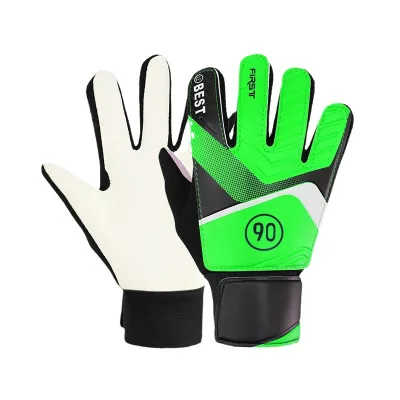
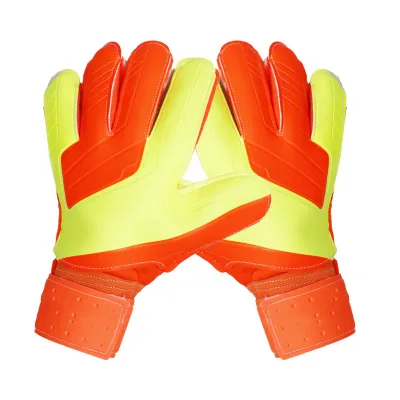
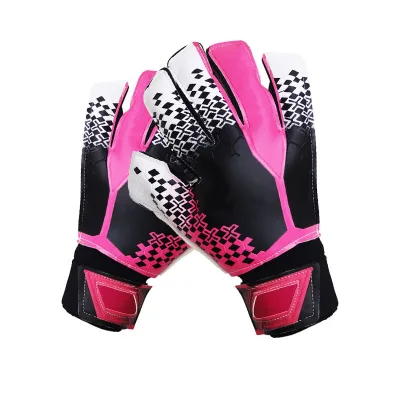
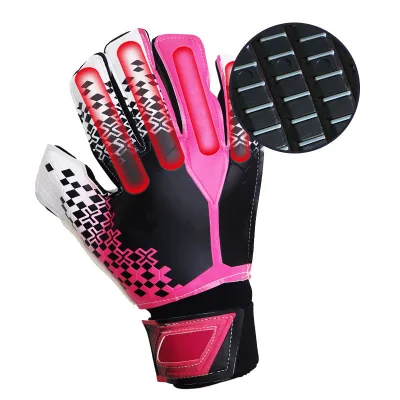
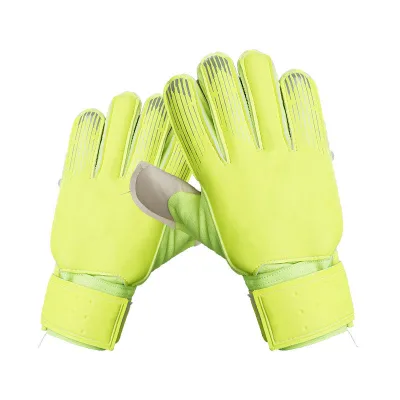
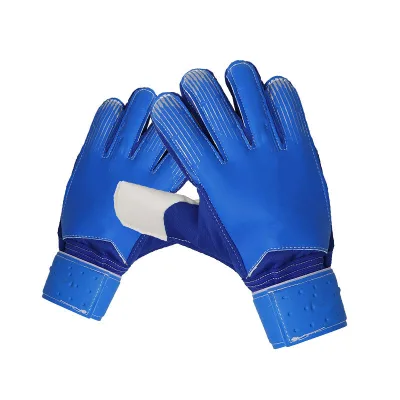
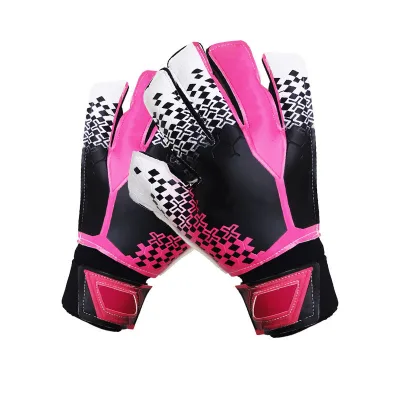
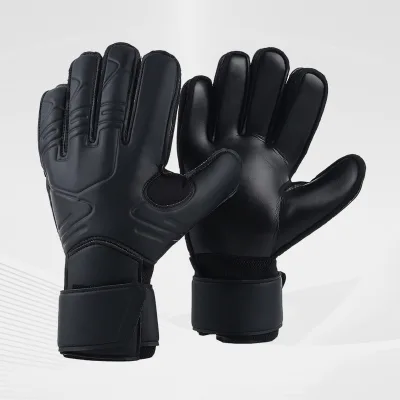
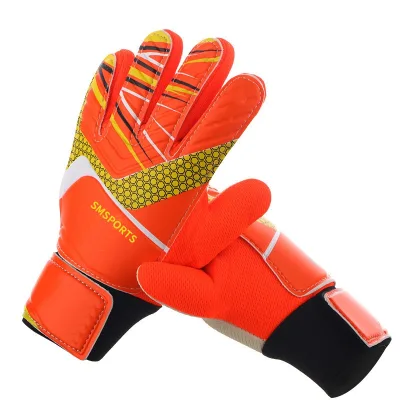


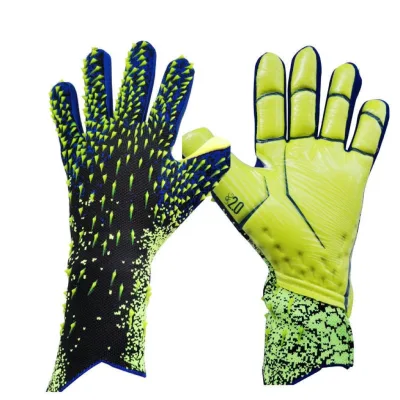
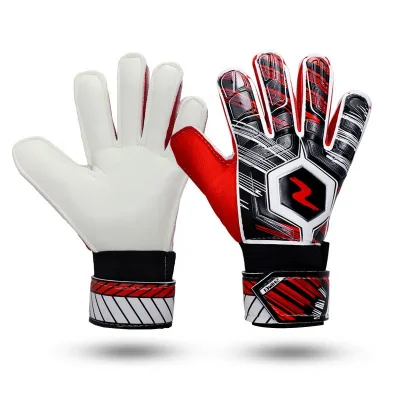
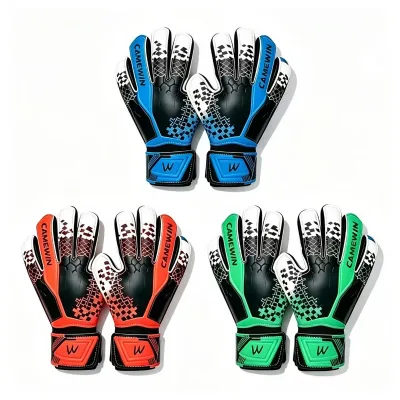
Comprehensive Sourcing Guide
Latex Coated Soccer Goalkeeper Gloves Supplier Concentration and Factory Types
The current supplier landscape for Latex Coated Soccer Goalkeeper Gloves reveals a distinct concentration of manufacturing and trading entities within specific Chinese provinces. Data indicates that a significant portion of these suppliers are located in Zhejiang, with Ningbo being a notable hub for production. This geographic clustering suggests a mature supply chain ecosystem where raw material sourcing, particularly for latex and EVA foam components, is streamlined. Suppliers in this region often operate as trading companies, which can offer a broader range of product variations, including custom soccer balls and other sports equipment, alongside goalkeeper gloves. This diversification allows buyers to potentially consolidate orders for multiple sports goods, although it requires careful verification of the supplier’s actual manufacturing capabilities versus their trading scope. The presence of these entities in Zhejiang highlights the region’s strength in light manufacturing and export-oriented production, providing buyers with access to a dense network of potential partners who understand international shipping and compliance requirements.
In contrast to the Zhejiang cluster, other suppliers are identified in Jiangsu and Guangxi, indicating a more dispersed manufacturing base for this specific product category. Suppliers in Guangxi, for instance, may offer different logistical advantages depending on the buyer’s preferred port of entry, although their primary focus might be on general sports wear rather than specialized technical gloves. The factory types vary, with some explicitly stating OEM and ODM services, which is crucial for buyers seeking custom branding or specific latex formulations. These manufacturers often highlight their ability to produce gloves with varying palm materials, such as natural rubber or latex foam, to meet different performance tiers. Understanding the factory type is essential because trading companies may have longer lead times or less control over quality assurance compared to direct manufacturers. Buyers must discern whether the supplier is a pure trader or a factory with trading arms, as this impacts pricing structures, communication efficiency, and the ability to resolve production issues quickly. The mix of locations and company types offers flexibility but demands rigorous due diligence to ensure the supplier’s operational model aligns with the buyer’s specific sourcing strategy and quality expectations.
How to Verify Latex Coated Soccer Goalkeeper Gloves Suppliers
Verification is the cornerstone of mitigating risk when sourcing Latex Coated Soccer Goalkeeper Gloves from international suppliers. Buyers should prioritize suppliers who hold recognized third-party verifications, such as BV or TüVRheinland, as these indicate a baseline level of operational integrity and compliance. These certifications often involve audits of the supplier’s business license, factory conditions, and quality management systems. For instance, some suppliers display ISO 9001 certification, which speaks to their standardized quality control processes, while others may hold specific product-related certifications like CE or FCC, although the latter are more relevant for electronic goods. It is critical to verify that these certifications are current and directly applicable to the goalkeeper gloves being purchased. Buyers should request copies of these certificates and cross-reference them with the issuing body’s database to ensure authenticity. Additionally, checking the supplier’s response time can serve as a proxy for their operational efficiency; a faster response time, such as under three hours, often correlates with a more responsive and organized procurement team, whereas slower responses may indicate potential communication bottlenecks during the order fulfillment process.
Beyond certifications, buyers must scrutinize the supplier’s product evidence and attribute consistency to ensure they are dealing with a legitimate manufacturer. Detailed product listings that include specific model numbers, such as VC-SGG204-T or SGG207-M, along with precise material descriptions like "3mm Latex" or "German Latex Foam," suggest a specialized focus rather than a generic trading operation. Buyers should verify that the stated production standards, such as BSCI, are accurately reflected in the supplier’s documentation and that the origin of the goods, whether Ningbo or Guangxi, matches the supplier’s declared location. It is also advisable to assess the supplier’s main products to determine if goalkeeper gloves are a core competency or a peripheral item. Suppliers whose primary focus is on soccer balls or general sports apparel may have less expertise in the technical nuances of latex palm coatings. By combining verification of credentials with a deep dive into product-specific details, buyers can build a comprehensive profile of each supplier’s reliability and capability, ensuring that the partnership is built on transparency and verified expertise rather than marketing claims.
What to Compare Across Latex Coated Soccer Goalkeeper Gloves Suppliers
When evaluating multiple suppliers for Latex Coated Soccer Goalkeeper Gloves, buyers must systematically compare key operational metrics to identify the most suitable partner. One of the most critical factors is the Minimum Order Quantity (MOQ), which can vary significantly across the supplier base. Some suppliers may require an MOQ of 300 pairs, which is typical for OEM orders allowing for custom branding and specific latex formulations, while others might offer lower MOQs of 20 or 100 pairs for ready-to-ship or standard models. This distinction is vital for buyers with varying inventory needs, as a high MOQ may tie up capital in stock, whereas a low MOQ might come with a higher unit price. Additionally, lead times are a crucial comparative metric, with some suppliers offering production times of 30 days and others requiring up to 45 days. Buyers must align these lead times with their sales cycles and inventory replenishment schedules to avoid stockouts or excess holding costs. Response time is another differentiator, with some suppliers responding within hours, facilitating quicker negotiations and issue resolution, while others may take longer, potentially delaying the procurement process.
Price and customization capabilities are equally important dimensions for comparison. The price range for these gloves can span from approximately $2.00 to over $20.00 per pair, depending on the latex quality, palm thickness, and additional features like buckles or specific foam densities. Buyers should compare not just the unit price but also the total landed cost, considering factors like packaging and shipping. Customization options, such as OEM/ODM services, logo printing, and color variations, should be evaluated against the supplier’s flexibility and associated costs. Some suppliers offer extensive color options, including black, white, green, and turquoise, while others may have limited palettes. Furthermore, the supplier’s main product focus can influence the quality and variety of gloves offered; those specializing in sports safety equipment may provide more technically advanced gloves compared to general trading companies. By creating a comparison matrix that includes MOQ, lead time, response speed, price, and customization depth, buyers can objectively rank suppliers and select the one that best balances cost, speed, and quality for their specific business needs.
Common Latex Coated Soccer Goalkeeper Gloves Sourcing Risks
Sourcing Latex Coated Soccer Goalkeeper Gloves from international suppliers introduces several inherent risks that buyers must proactively manage. One significant risk is the variability in latex quality, which directly impacts the glove’s grip, durability, and overall performance. Suppliers may use different grades of latex, such as natural rubber, synthetic latex, or EVA foam blends, without always disclosing the exact composition in initial listings. This can lead to discrepancies between the sample received and the bulk production, resulting in poor grip or premature wear. Another risk is the potential for misrepresentation of manufacturing capabilities, particularly when dealing with trading companies that claim to be factories. Buyers may find that the actual production occurs in a different facility with less stringent quality controls, leading to inconsistencies in stitching, palm attachment, and sizing. Additionally, the use of generic terms like "racing gloves" in product attributes for soccer gloves can indicate a lack of category-specific expertise, raising concerns about the supplier’s understanding of the technical requirements for goalkeeper equipment.
Logistical and compliance risks also pose challenges in this sourcing category. Suppliers located in different provinces, such as Zhejiang, Jiangsu, and Guangxi, may have varying export capabilities and familiarity with international shipping regulations. Delays in production or shipping can disrupt supply chains, especially if the supplier has a longer lead time or poor communication. Furthermore, compliance with international standards and certifications is not always guaranteed, even if a supplier displays certain badges. Buyers must verify that the gloves meet specific safety and material standards, such as BSCI for social compliance or relevant chemical restrictions for latex products. There is also the risk of intellectual property infringement if the supplier produces counterfeit or unauthorized branded gloves. To mitigate these risks, buyers should conduct thorough due diligence, request detailed product specifications, and establish clear quality assurance protocols in their contracts. Regular communication and, if possible, third-party inspections during production can help ensure that the final product meets the agreed-upon standards, reducing the likelihood of costly disputes and returns.
Latex Coated Soccer Goalkeeper Gloves Regional Sourcing and Logistics
The geographic distribution of suppliers for Latex Coated Soccer Goalkeeper Gloves significantly influences logistics strategies and cost structures. Suppliers concentrated in Zhejiang, particularly Ningbo, benefit from proximity to major ports like Shanghai and Ningbo-Zhoushan, which can facilitate faster and more cost-effective shipping to global markets. This region’s established manufacturing ecosystem often results in efficient production cycles and reliable export documentation, reducing the risk of logistical delays. Buyers sourcing from Zhejiang-based suppliers may find it easier to coordinate with freight forwarders who are familiar with the local supply chain dynamics. In contrast, suppliers in Jiangsu and Guangxi may offer different logistical advantages, such as access to northern or southern Chinese ports, respectively. Guangxi, for instance, is closer to Southeast Asian markets, which could be beneficial for buyers in that region, while Jiangsu suppliers might have better connections to northern European or North American routes. Understanding these regional nuances allows buyers to optimize their shipping routes and minimize transit times.
However, regional sourcing also requires careful consideration of customs regulations and import duties, which can vary based on the country of origin. Buyers must ensure that their suppliers provide accurate origin documentation, such as the specific province of manufacture, to comply with international trade laws. Additionally, the choice of supplier location can impact the cost of raw materials and labor, which in turn affects the final price of the gloves. Suppliers in areas with lower labor costs may offer more competitive pricing, but this must be balanced against potential quality control challenges. Buyers should also consider the environmental and social compliance standards of the region, as some areas may have stricter regulations regarding chemical usage in latex production. By aligning their sourcing strategy with the logistical strengths of different regions, buyers can enhance their supply chain resilience and efficiency. It is advisable to work with suppliers who have experience in exporting to the buyer’s target market, as they can navigate customs procedures more effectively and provide valuable insights into regional trade requirements.
Latex Coated Soccer Goalkeeper Gloves Commercial Terms and Order Planning
Effective commercial terms and order planning are essential for successful procurement of Latex Coated Soccer Goalkeeper Gloves. Buyers must negotiate clear payment terms, such as using escrow services or letters of credit, to protect their financial interests until the goods are received and verified. Understanding the supplier’s pricing structure is crucial, as costs can fluctuate based on latex market prices, order volume, and customization requirements. Buyers should request detailed quotations that break down unit costs, tooling fees for custom molds, and shipping expenses to avoid hidden charges. Additionally, establishing a clear timeline for order placement, production, and delivery is vital to align with sales forecasts and inventory management goals. Suppliers with shorter lead times, such as 30 days, may be preferable for buyers needing quick replenishment, while those with longer lead times might require earlier planning and larger buffer stocks. Buyers should also clarify the terms for sample orders, including costs and delivery times, to ensure they can evaluate product quality before committing to bulk purchases.
Quality assurance and after-sales support are key components of commercial terms that buyers should not overlook. Contracts should specify acceptable quality limits, inspection procedures, and remedies for non-conforming goods, such as refunds or replacements. Buyers must also consider the supplier’s responsiveness to post-sale issues, as this can impact customer satisfaction
FAQs
What is the typical MOQ for latex goalkeeper gloves?
Most suppliers require a minimum order of 300 pairs for custom latex goalkeeper gloves. This standard applies to OEM and ODM services where branding is involved. Some vendors offer lower MOQs of 20 pairs for standard stock items. Buyers should verify specific requirements with the supplier before placing an order to ensure production feasibility.
How long does production take for these gloves?
Standard lead times range from 30 to 45 days depending on the supplier and order volume. Trading companies in Zhejiang often report a 30-day turnaround. Other manufacturers may require up to 45 days for complex customizations. Buyers should confirm exact timelines during the quotation phase to align with their inventory needs.
What price range should I expect for latex gloves?
Prices typically range from $2.00 to $20.70 per pair based on material quality and customization. Basic training gloves start around $2.00, while professional match gloves cost up to $20.70. Mid-range options usually fall between $5.50 and $12.95. Final pricing depends on the selected latex thickness, palm material, and order quantity.
Are these gloves certified for safety and quality?
Many suppliers hold BSCI certification for social compliance and ISO 9001 for quality management. Some manufacturers also possess CE, FCC, or VDE certifications for related equipment. Buyers should request valid certificates to verify compliance with international standards. Certification status varies by supplier, so direct verification is recommended for specific procurement needs.
Where are these gloves typically manufactured?
Most latex goalkeeper gloves are manufactured in China, specifically in Zhejiang and Jiangsu provinces. Ningbo in Zhejiang is a common origin point for many suppliers. Some products originate from Guangxi. Buyers can filter results by location to prioritize suppliers in specific manufacturing hubs for logistics planning.
Can I customize the gloves with my logo?
Yes, most suppliers offer OEM and ODM services for custom logo application. Customization is available for various glove models, including latex foam and natural rubber palms. Buyers can specify colors, sizes, and packaging options. Minimum order quantities usually apply to custom orders, so confirm details with the supplier before finalizing the design.